
District · Tripura
Dhalai
Dhalai offers a slower-paced view of Tripura’s hilly interior, away from the state’s larger urban centres.
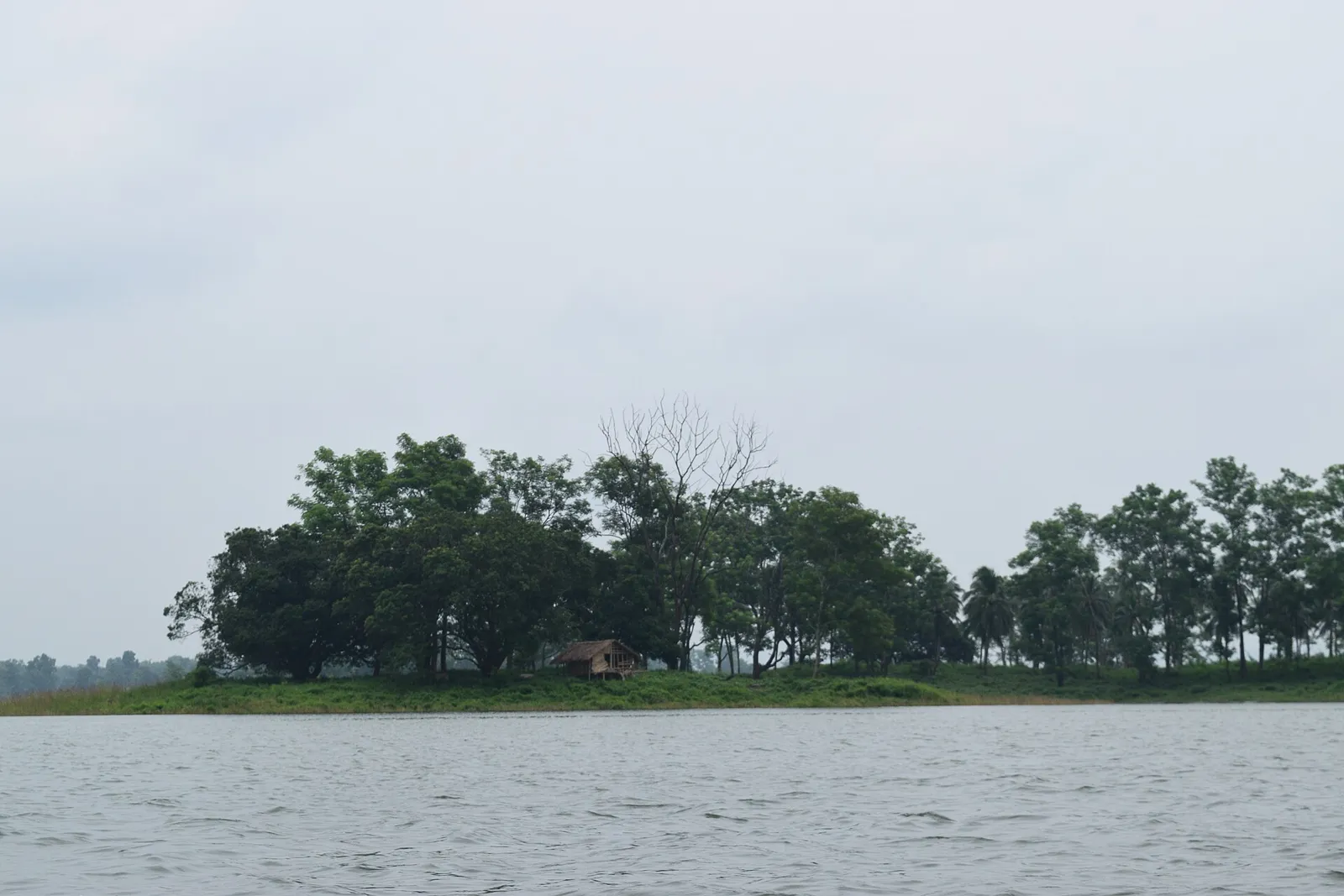
Dhalai lies in Tripura’s hilly interior, where forested ridges, river valleys, bamboo groves and cultivated clearings shape the landscape. Ambassa is the district headquarters and a practical base for travelling through the area. Dumboor Lake brings a broad expanse of water into this predominantly hill-country setting. The district’s history belongs to the wider story of Tripura, including its former princely state and the longstanding presence of indigenous communities. Village life, local markets and farming remain central to its character, alongside growing administrative towns. Travel here is generally slower than a map suggests: winding roads and dispersed settlements reward an unhurried itinerary rather than a tightly packed sightseeing circuit.
Dhalai offers a slower-paced view of Tripura’s hilly interior, away from the state’s larger urban centres. Forested slopes, farming settlements and river valleys give the district a distinct rural character, while Ambassa provides a practical base for getting around. Dumboor Lake is its best-known listed destination, bringing a wide waterscape into a landscape otherwise shaped by hills and greenery. Travellers come for a quiet road journey, local markets and village life as much as for a single sightseeing stop. Dhalai suits visitors with flexible plans who are comfortable allowing extra time for winding roads and dispersed settlements.
Dhalai’s history is part of the wider history of Tripura, a kingdom ruled for centuries by the Manikya dynasty. The region’s hills and valleys have long been home to indigenous communities, including Tripuri people and other groups with distinct languages and traditions. During the colonial period, Tripura retained its princely-state status, though British influence formed part of the wider political setting of the region. The princely state joined the Indian Union after independence and later became a state. Dhalai is a comparatively recent administrative district: it was created in 1995 as part of a reorganization of Tripura’s districts, with Ambassa as its headquarters. The district’s present-day identity reflects both this modern administrative history and older patterns of community life, cultivation and movement through the hill country. Its history is best understood alongside that of Tripura as a whole, rather than through a separate succession of district-based kingdoms.
Food in Dhalai reflects the wider traditions of Tripura, including indigenous cuisines and Bengali-style cooking. Mui borok refers broadly to traditional Tripuri food; berma, a fermented fish ingredient, flavours many preparations. Wahan mosdeng combines pork with chilli, while chakhwi is a stew associated with Tripuri cooking. Rice, fish curries and seasonal vegetables are familiar parts of everyday meals. Small eateries may prepare only a limited daily menu, so ask what is fresh. Vegetarian travellers should explain whether fish, meat stock and fermented fish are excluded. Carry drinking water and snacks when visiting remote places, where restaurants may be absent.
Dhalai shares in Tripura’s broader traditions of bamboo and cane work and indigenous handloom weaving. Baskets, mats and other household objects show how locally available materials serve everyday needs as well as decorative purposes. Tripuri textiles include the rignai, a wrapped lower garment, and risa, a smaller woven cloth with cultural significance. Patterns and wearing traditions vary among communities, so these should not be treated as a single district-specific style. Local markets may offer practical handmade goods; ask where an item was made if you want to support local producers.
Garia Puja, associated with spring and observed widely in Tripura, is an important celebration for many indigenous communities. Kharchi Puja and Ker Puja are also part of the state’s religious calendar, though major observances are centred outside Dhalai; Durga Puja is celebrated in towns across the region in autumn. Local observances can vary between communities and villages. Festival periods bring activity to markets and gathering places, and rooms in Ambassa may be more sought after around larger celebrations. Travellers should check local dates and arrange accommodation ahead if visiting during a major festival.
Dhalai is predominantly hill country, with forested ridges, bamboo and cultivated clearings interspersed with river valleys and settlements. Dumboor Lake provides a broad expanse of water within this varied terrain. Roads follow the contours of the landscape, so journeys between towns and villages can take longer than straight-line distances suggest. Settlements and services are spread out, and some onward journeys require local transport arrangements. The scenery is best experienced at an unhurried pace, with time allowed for changing road conditions and stops along the way.
The district has a warm, humid summer, a wet monsoon season and a generally milder, drier winter. The cooler months, broadly from November to February, are usually the most comfortable time for travel. Spring can also suit visitors prepared for warmer days. Pack light clothing, a sun hat and drinking-water supplies for daytime travel; bring a light layer for cooler evenings in winter. During the rainy season, carry reliable rain protection and footwear with good grip, and keep plans flexible.
Ambassa is a useful gateway to Dhalai and has a railway station on Tripura’s rail network. For air travel, Maharaja Bir Bikram Airport at Agartala is the main gateway, followed by an onward road journey. National Highway 8 connects Ambassa with Agartala and northern Tripura. TRTC and private buses link major towns, while shared taxis and locally hired vehicles help with onward journeys. For Dumboor Lake and smaller settlements, confirm the final road connection and return transport before setting out. Check current services locally.
Ambassa is the main practical hub for road travel within Dhalai and for onward journeys towards other towns. Local and inter-town buses serve major routes, while shared jeeps, taxis and autos can help with shorter or less frequent connections. Services to smaller settlements may be limited, particularly later in the day. For Dumboor Lake, confirm the road route, local vehicle availability and return arrangements before leaving your base. Boats may operate locally on the lake, but availability and arrangements can vary; check on arrival rather than relying on a fixed service. Allow extra time for winding roads.
2 days: Dumboor Lake; sleep in Ambassa for the night. 3 days: Dumboor Lake; sleep in Ambassa for both nights, allowing a slower visit and time for local travel.
Ambassa is the most practical base for a short district visit, with modest hotels and guesthouses serving travellers. It also works for an excursion to Dumboor Lake, provided road transport is arranged in advance. For longer stays, locally run homestays may be available in some areas, but visitors should confirm access, facilities and meals before travelling. Choices outside the main town are more limited and can be dispersed. Government accommodation or other basic lodging may exist in some places, but availability should be checked directly rather than assumed.
Do not walk unfamiliar forest routes after dark or approach wildlife. Use treated or sealed drinking water, especially when travelling beyond towns, and carry basic medicines. Mobile connectivity can be patchy in remote areas, so share plans and do not rely on a phone for all navigation. Crowds are usually local and seasonal, but take ordinary care of belongings at busy gatherings. Permit requirements can depend on the specific area or activity; confirm with official local authorities before travel rather than assuming none apply.
All districts of Tripura
Q: How many days should I spend in Dhalai? A: Two or three days allows time for Dumboor Lake and unhurried road travel from Ambassa. Q: When is the best time to visit? A: November to February is generally comfortable and relatively dry; monsoon travel needs more flexibility. Q: What is the best base for visiting the district? A: Ambassa is the most practical base for accommodation and road connections. Q: How do I get to Dhalai? A: Ambassa has a railway station; travellers can also fly to Agartala and continue by road. Check current services locally. Q: Is Dhalai suitable for families or elderly travellers? A: It can suit visitors comfortable with long, winding road journeys, but limited services outside Ambassa may require extra planning and rest time.
This page draws on our 1 destination guides for Dhalai and is updated as our team checks it.
Be the first to share photos, stories, advice or a helpful contact for Dhalai.
Loading…