
District · Tripura
Sipahijala
Sipahijala is a south-western district of Tripura, between the state capital region and the international border with Bangladesh.
Sipahijala lies in western Tripura, southeast of Agartala, and brings together settled plains, low wooded hills, lakes and agricultural villages. The district was formed in 2012 from parts of West Tripura and takes its name from Sepahijala Wildlife Sanctuary, a forested area known for its wildlife. Its history is also visible at Neermahal, the former royal summer palace built by Maharaja Bir Bikram Kishore Manikya on Rudrasagar Lake, and at the Buddhist archaeological remains at Boxanagar. Kamalasagar adds another lakeside landmark. The district’s character is shaped by Tripura’s royal and tribal histories, Bengali cultural influences, and everyday life in small towns and rural communities.
Sipahijala is a south-western district of Tripura, between the state capital region and the international border with Bangladesh. It is known for a compact mix of royal heritage, water landscapes, archaeological remains and forest. Neermahal stands in Rudrasagar Lake, while the Boxanagar Ruins offer a glimpse of the region’s Buddhist past. Sepahijala Wildlife Sanctuary and the lakes at Kamalasagar add nature and quieter picnic settings. The district suits travellers who want to explore several different sides of Tripura by road, though individual sites are spread out and planning overnight stops can make visits more comfortable.
The area formed part of the Tripura Kingdom, ruled for centuries by the Manikya dynasty. From the medieval period onward, the kingdom’s influence extended across parts of what are now Tripura and neighbouring areas. The royal legacy is visible at Neermahal, built in the early twentieth century for Maharaja Bir Bikram Kishore Manikya as a palace on Rudrasagar Lake. Kamalasagar is associated with the reign of King Dhanya Manikya, although accounts of its construction are generally placed in the fifteenth century. The Boxanagar archaeological remains point to an earlier Buddhist presence in the region; the site came to wider attention after archaeological exploration in the early twenty-first century. Tripura became a princely state under British paramountcy, rather than a directly administered British province, before joining India in 1949. Sipahijala district was formed in 2012 during a reorganisation of Tripura’s districts, with Bishramganj as its headquarters. The modern district therefore brings together places with royal, religious and archaeological histories within a relatively recent administrative boundary.
5 destination guides · 4 on the map
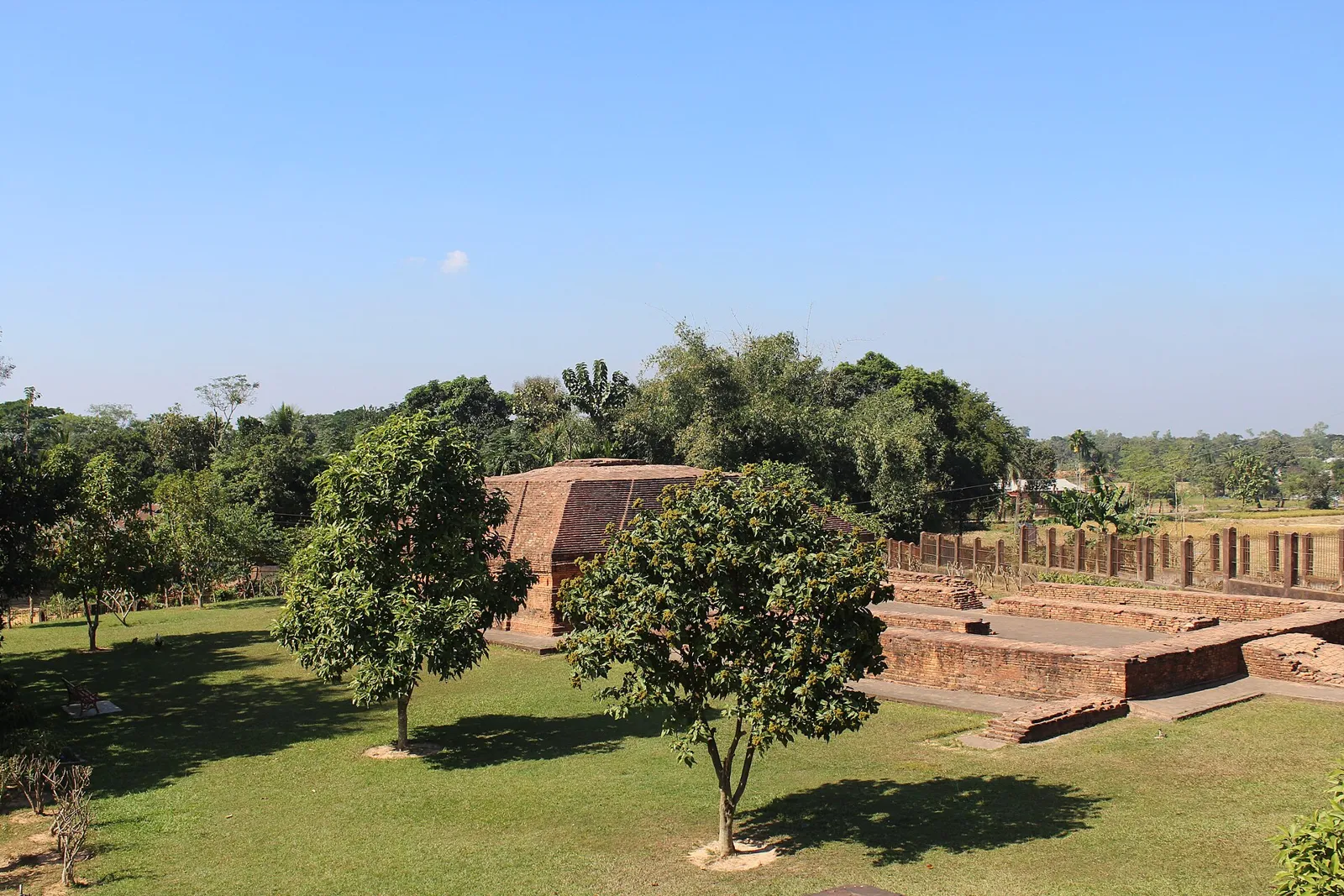
Boxanagar Ruins
Boxanagar Ruins is a Buddhist archaeological site in Tripura, recognised as a Monument of National Importance. Visitors come to view the remains and explore the site’s Buddhist heritage.
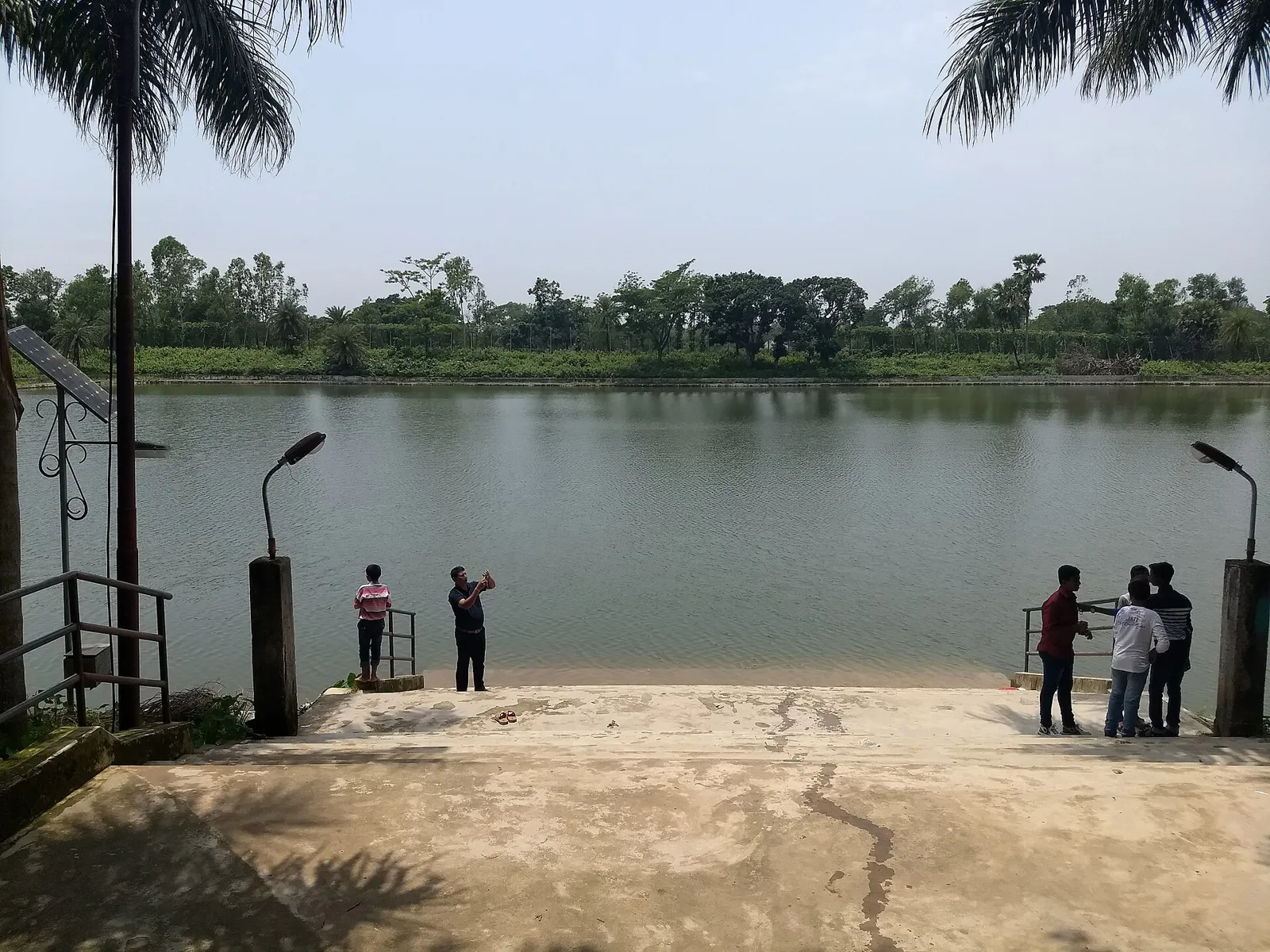
Kamalasagar
Kamalasagar is a man-made lake in Tripura’s Sipahijala district, built under King Dhanya Manikya in the 15th century. Visitors come for picnics and the October Navaratri mela.
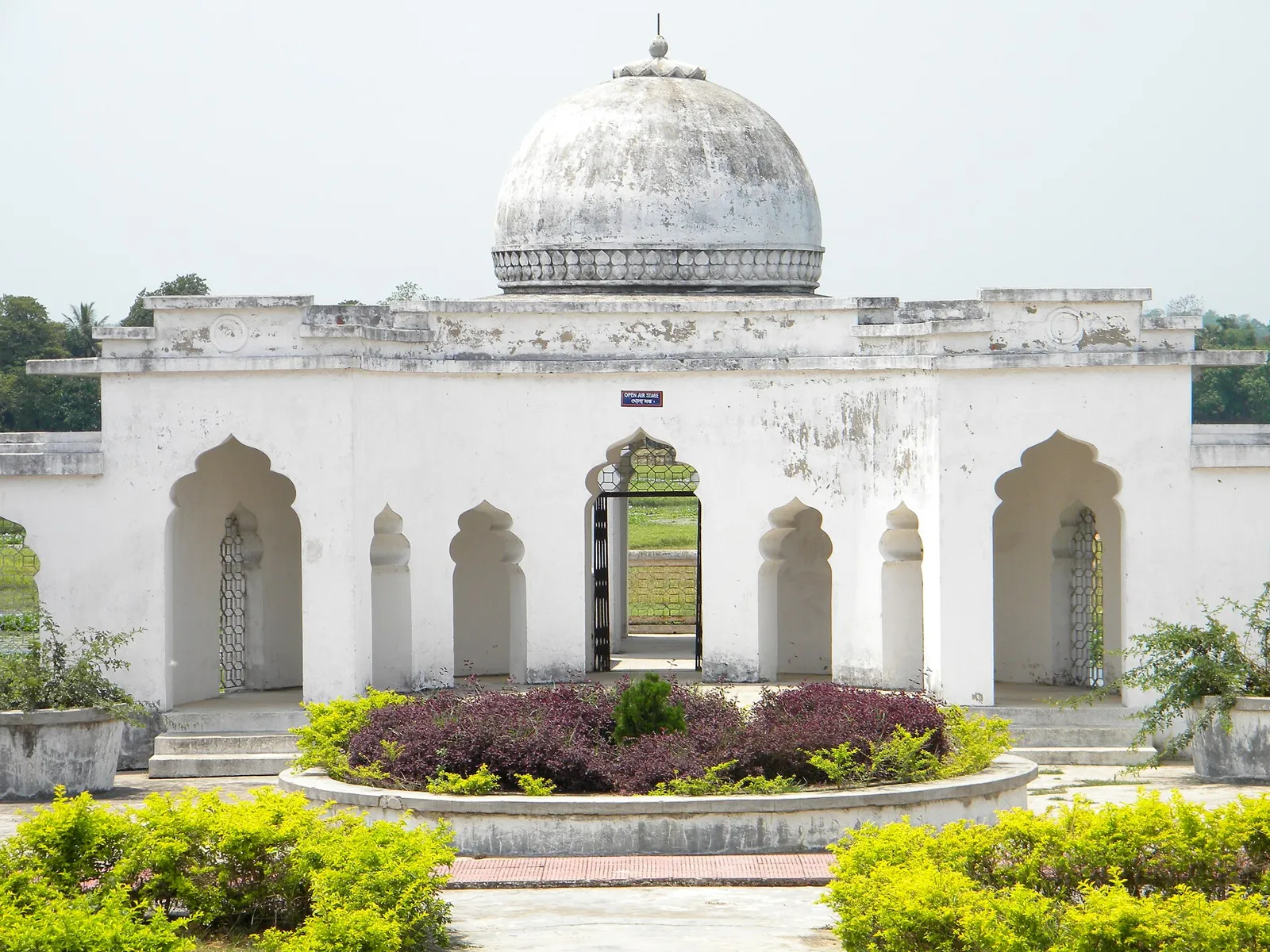
Neermahal
Neermahal, also named Twijilikma Nuyung, is a former palace of Tripura’s rulers. Visitors come to see its setting in Rudrasagar Lake and its connection to the kingdom’s royal history.
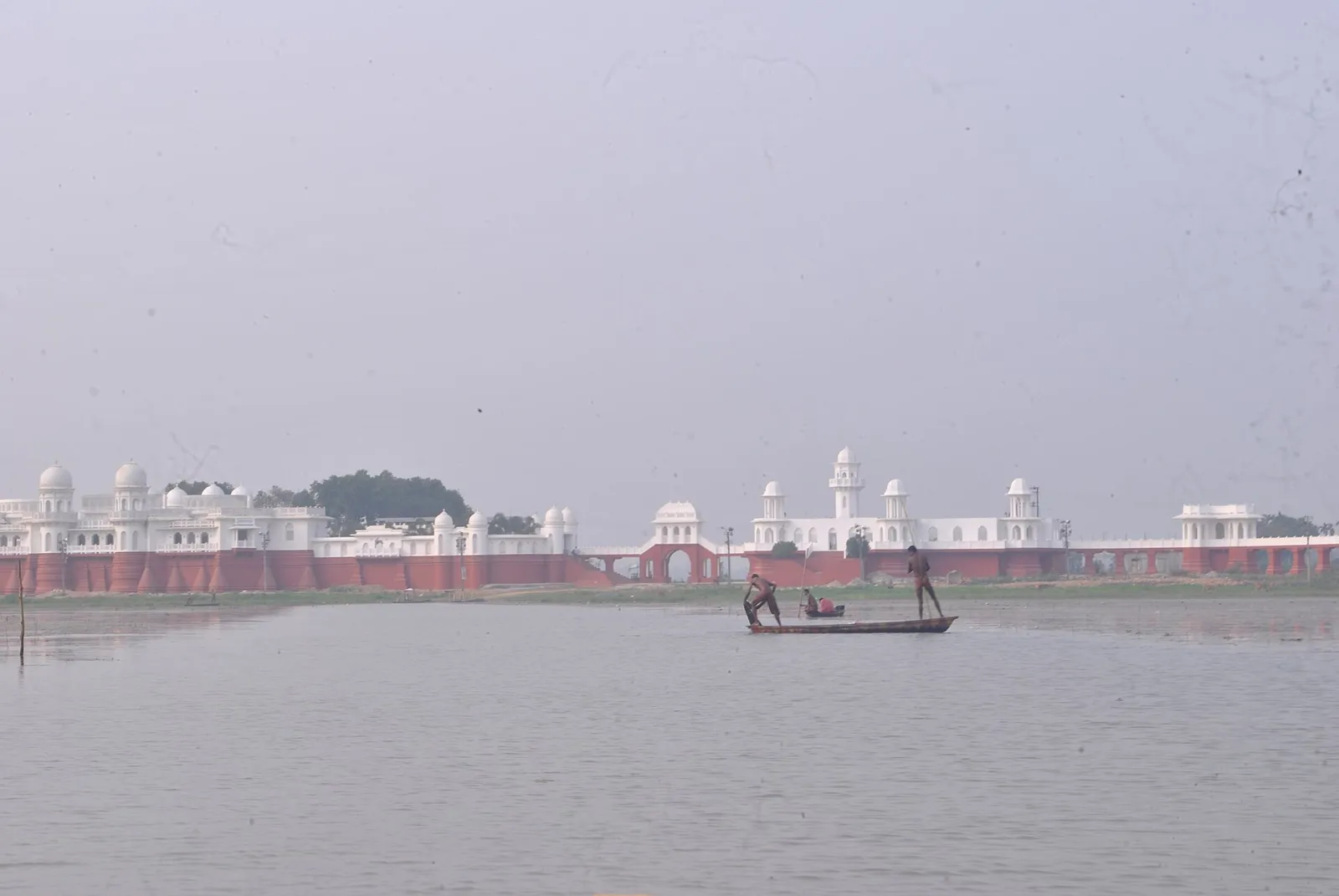
Rudrasagar Lake
Rudrasagar Lake, also called Twijilikma, is a wetland in Melaghar, Sipahijala district, Tripura. Visitors are drawn by its biodiversity and its recognition as a wetland of international importance.
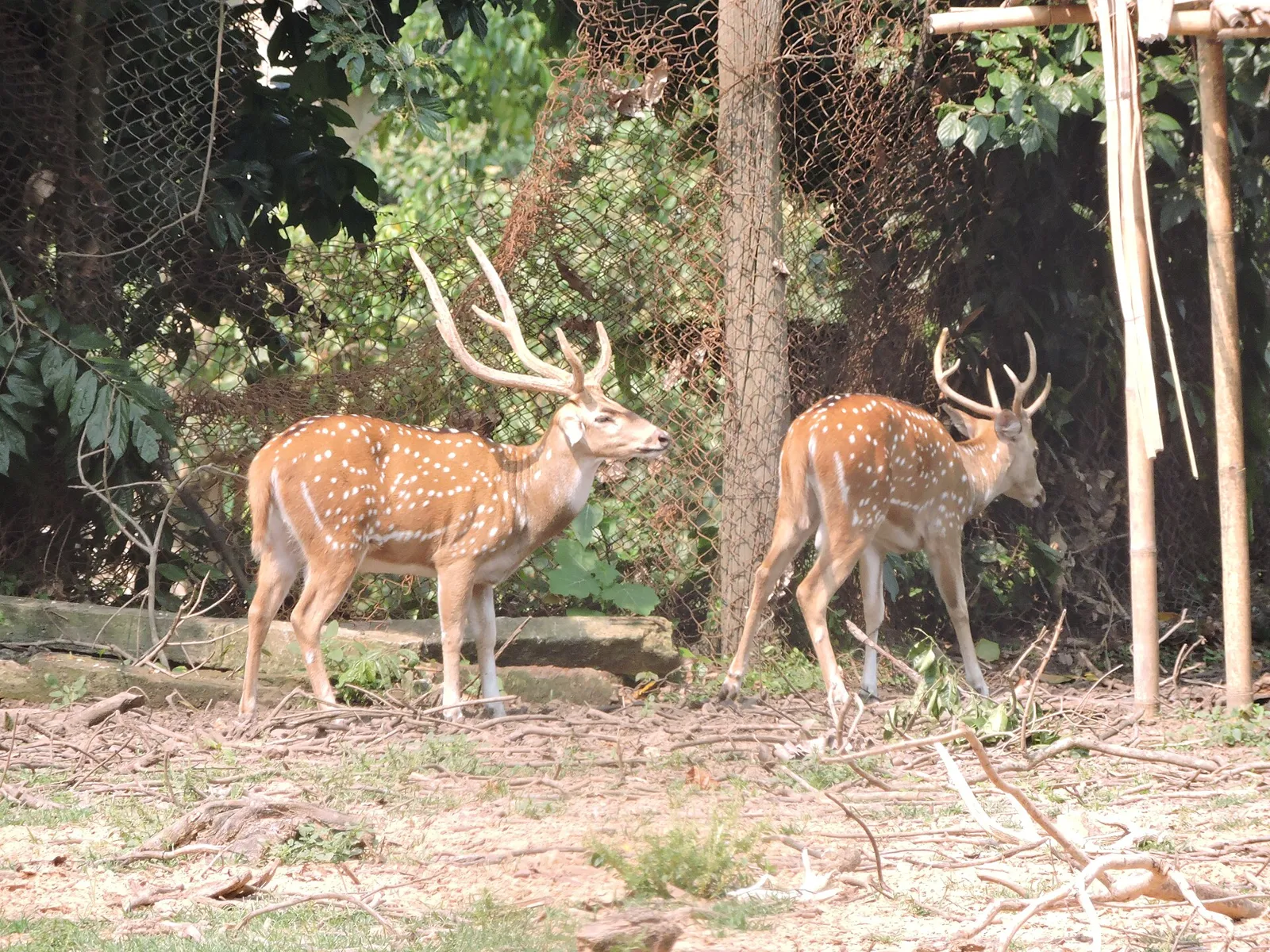
Sepahijala Wildlife Sanctuary
Sepahijala Wildlife Sanctuary is a wildlife sanctuary in Tripura, India, associated with Sipahijala and West Tripura districts. Visitors come to experience it as a destination centred on wildlife.
Food here reflects wider Tripura traditions as well as Bengali influences. Rice is a staple, often served with fish, vegetables, lentils or meat. Regional dishes include mui borok, a preparation using fermented fish known as berma; chakhwi, a light stew; and wahan mosdeng, pork with chilli. Bengali-style fish curries are also common. Menus at small eateries may be limited and depend on what is fresh that day. Fish, pork and fermented ingredients feature in many local meals, so vegetarian visitors should state their preferences clearly; rice, dal, vegetables and eggs are often available in towns.
Craft traditions found in Sipahijala reflect the wider cultures of Tripura rather than a craft unique to this district. Bamboo and cane are worked into household items, baskets, mats and decorative pieces, while handloom weaving remains important among Tripura’s communities. Tripuri women traditionally weave garments including the risa and rignai, often with distinctive bands of colour and pattern. Designs and materials vary between communities and makers. Visitors may encounter woven textiles and bamboo or cane products in local markets, though availability and the range of work can vary by place.
Tripura-wide celebrations are observed in Sipahijala, including Durga Puja in autumn and Diwali later in the year. Kharchi Puja, usually held in summer, is an important regional festival centred in Agartala, while Garia Puja in spring is especially significant in Tripura’s indigenous communities. Local religious observances and fairs may also draw visitors to lakeside or temple areas. Crowds and demand for rooms can rise around major festival periods, particularly near larger towns and popular event venues; travellers should check locally before finalising accommodation.
Sipahijala includes low-lying plains, wetlands and gently rising, forested ground, with the terrain shaped by the wider river systems and monsoon-fed water bodies of Tripura. Rudrasagar is the district’s best-known lake landscape, while smaller lakes and agricultural land punctuate the surrounding countryside. Forest cover at Sepahijala Wildlife Sanctuary provides a contrasting habitat. Roads connect settlements and sights, but travel can slow on rural stretches, especially in wet weather. Lakeside visits and wildlife outings are best planned with time for changing road and weather conditions.
The district has a humid subtropical climate. Summer, broadly from spring into early monsoon, can be hot and humid; the monsoon brings frequent heavy rain, lush vegetation and the possibility of waterlogged or slower rural roads. Winter is generally the drier, more comfortable season for sightseeing. November to February is often a practical period to visit, while the cooler months around it can also be pleasant. Pack light, breathable clothing, comfortable walking shoes, sun protection and insect repellent. In the rainy season, carry waterproof layers and protect phones and other valuables from moisture.
Maharaja Bir Bikram Airport in Agartala is the main air gateway for Sipahijala. Rail travellers can use Agartala railway station; Udaipur station may be more convenient for some southern parts of the district, depending on the destination. Roads connect Agartala with district towns and sites such as Bishramganj, Melaghar and Boxanagar. TRTC and private buses, shared taxis and hired cars serve the main routes, while a private vehicle can be useful for visiting several sites in one day. Services to smaller destinations may be less frequent. Check current services locally before travelling.
Road travel is the main way to move between the district’s sights. Bishramganj and Melaghar serve as useful local reference points, with connections toward Agartala and other settlements. Local buses, shared jeeps and auto-rickshaws operate on some routes, but coverage and frequency may vary, particularly for rural sites; a hired taxi or car offers more flexibility for a multi-stop day. Boats may be available for lake visits or local recreation, but should not be assumed as regular transport. Confirm the day’s arrangements locally and allow extra time during monsoon conditions.
2 days: Sepahijala Wildlife Sanctuary -> Kamalasagar -> sleep in Bishramganj; Neermahal -> Rudrasagar Lake -> sleep in Melaghar. 3 days: Sepahijala Wildlife Sanctuary -> sleep in Bishramganj; Kamalasagar -> Boxanagar Ruins -> sleep near Agartala; Neermahal -> Rudrasagar Lake -> sleep in Melaghar.
Melaghar is a convenient base for Neermahal and Rudrasagar Lake, while Bishramganj suits visits to Sepahijala Wildlife Sanctuary and nearby roads. Travellers combining the district with wider Tripura itineraries may prefer to stay in Agartala and make day trips, though this means more road travel. Accommodation options vary by town and commonly include modest hotels and guesthouses; homestays or government lodges may be available in some areas. Check facilities and availability in advance, especially during festivals and holiday periods.
Road conditions can deteriorate during heavy monsoon rain, so allow extra time and avoid rushing on rural stretches. At lakes, use designated access points and follow local advice about boating and water conditions; do not swim unless it is explicitly permitted and supervised. Keep a respectful distance from wildlife and follow sanctuary staff instructions. Carry drinking water and use reliable treated or sealed supplies. Mobile connectivity may be weaker outside towns. Crowds can build during festivals and holidays. Check current sanctuary entry rules and any site-specific restrictions with official sources before travel; do not assume a permit is or is not required.
- Gomatiabout 7 km
- West Tripuraabout 22 km
- South Tripuraabout 43 km
- Khowaiabout 60 km
- Unakotiabout 112 km
- North Tripuraabout 113 km
- Mamit · Mizoramabout 126 km
- Aizawl · Mizoramabout 150 km
Straight-line distance between the centres of each district's destinations; road distance is longer.
All districts of Tripura
Q: How many days should I spend in Sipahijala? A: Two days can cover a selection of major sites; three days allows a more relaxed route with time for the sanctuary, lakes and archaeological remains. Q: When is the best time to visit? A: The drier winter months, especially November to February, are generally comfortable for road travel and sightseeing. Q: Where is the best base? A: Melaghar is handy for Neermahal and Rudrasagar Lake; Bishramganj works well for the sanctuary, while Agartala offers a broader choice of services. Q: How do I get to Sipahijala? A: Reach Agartala by air, rail or road, then continue by road to district towns and sights using local transport or a hired vehicle. Q: Is the district suitable for families or elderly travellers? A: Yes, with planning. Choose a manageable number of stops, allow rest and road time, and check walking surfaces and access arrangements at each site.
This page draws on our 5 destination guides for Sipahijala and is updated as our team checks it.
Be the first to share photos, stories, advice or a helpful contact for Sipahijala.
Loading…