
Chabimura
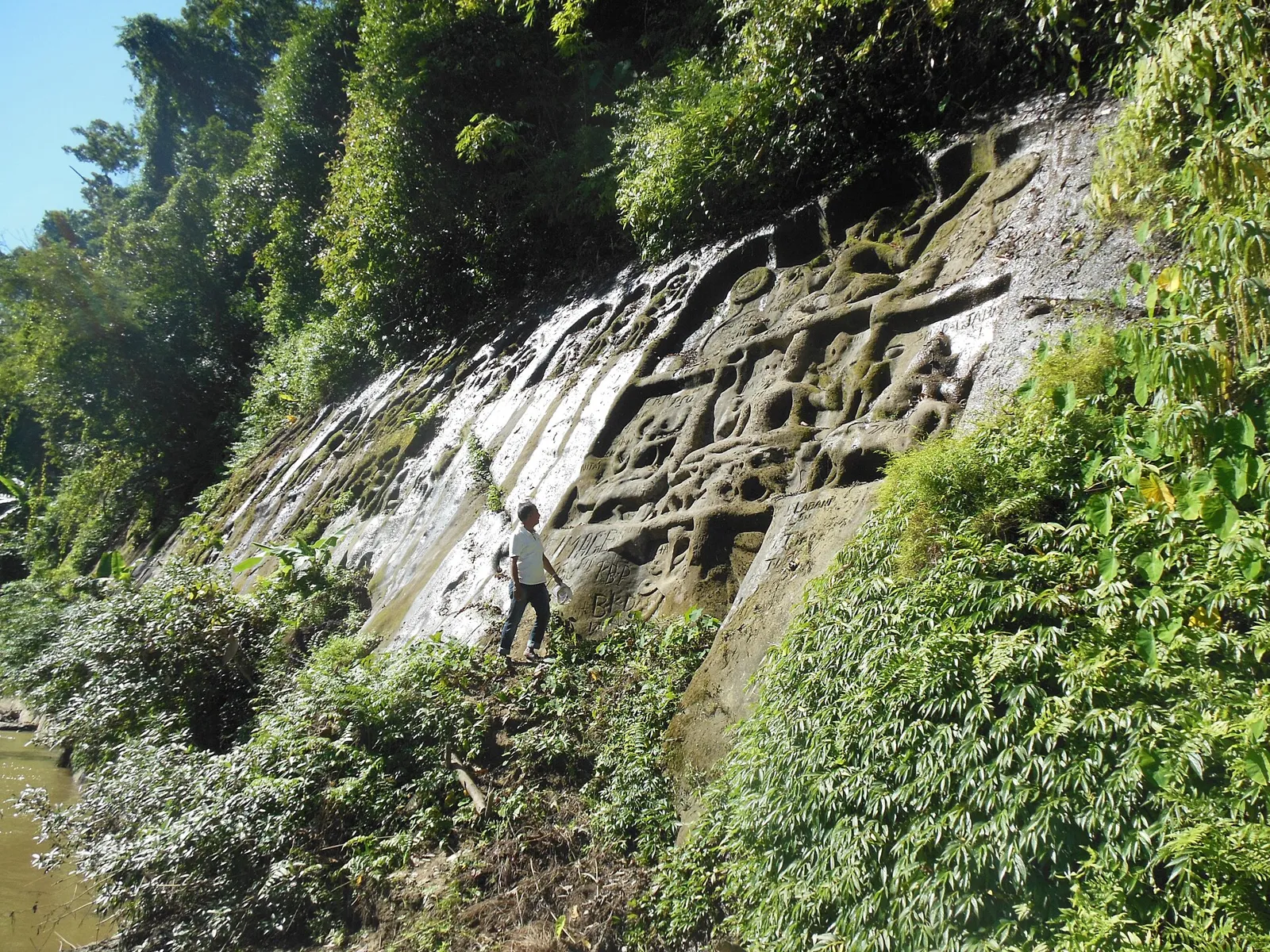
Chabimura is a rock-carving site in Tripura, known for large Hindu deity figures cut into a steep riverside rock face beside the Gomati River, which visitors come to see.
Key facts · verified by Ghumoopedia editors
- Type of place
- Natural attraction
- Best time to visit
- October to March
- Verified
- 21 Nov 2026
Chabimura, also called Chakwrakma or Chakrakma, is in Gomati district, Tripura. Its main feature is a series of carved panels on a steep rock face beside the Gomati River. These images are the site’s defining attraction and extend across the rocky slope. The large figures include Shiva, Vishnu, Kartika and Mahisasura Mardini Durga, along with other gods and goddesses. The site is at Haakwchak, also written Haakchak, in the Amarpur subdivision. Chabimura lies 82 km from Agartala, Tripura’s capital and main city. It is 30 km from Udaipur and 7.5 km from Amarpur. Tripura combines royal Manikya heritage, nineteen indigenous communities and a large Bengali-speaking population. Tripura is warm and humid for much of the year, with heavy rain from June to September and pleasant winters. The usual best time to visit is October to March. Days are short in Northeast India: the sun can set before 5 pm in winter, so plan to reach and leave Chabimura in daylight. Timings, fees and access arrangements must be confirmed locally. For official information, see Tripura Tourism at https://tripuratourism.gov.in.
Why it matters
Chabimura, also called Chakwrakma or Chakrakma, is a notable rock-art and riverside heritage site in Gomati district, Tripura. Its carved panels on steep rock faces beside the Gomati River depict Hindu deities, including Shiva, Vishnu, Kartika and Mahishasuramardini Durga. The combination of monumental reliefs, wooded slopes and river setting makes the site important to the region’s cultural landscape and a distinctive place to encounter Tripura’s historic religious art. It is visited by people from across the state as well as travellers interested in archaeology and local history. The available guide does not establish UNESCO or Archaeological Survey of India recognition; check with Tripura’s relevant heritage authorities for current information on any formal protection.
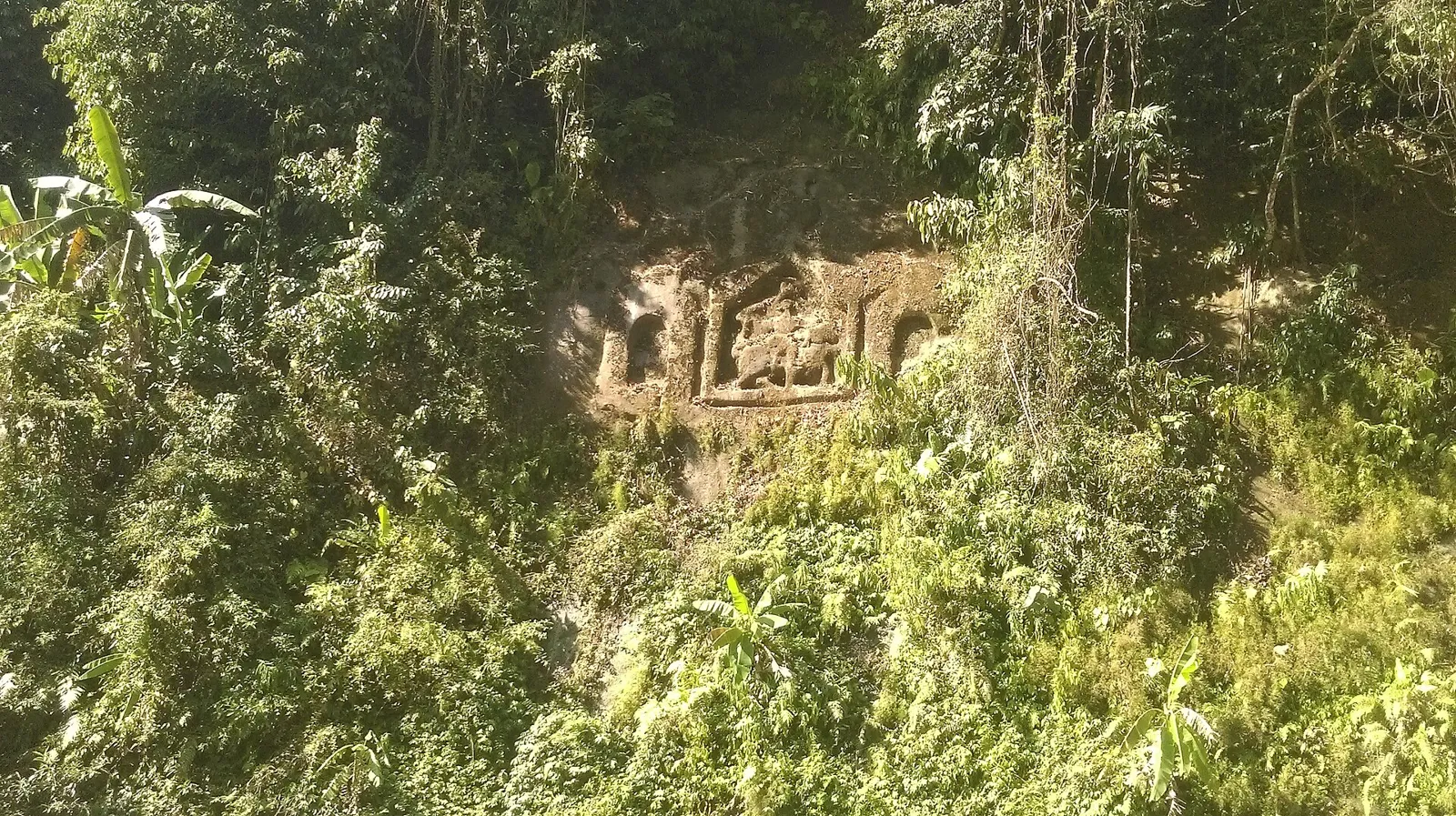
Chabimura’s best-known features are large religious figures carved into the steep rock walls beside the Gomati River. The carvings include Shiva, Vishnu, Kartika and Mahishasuramardini Durga, along with other deities. Their scale and placement make the river gorge itself part of the experience of viewing the art. The panels are often described in local and popular accounts as late-medieval works, but visitors should treat a specific century or royal commission as uncertain unless supported by a reliable specialist source. Tripura’s Manikya rulers and Hindu traditions form part of the wider historical context, but that alone does not prove who commissioned these carvings. Chabimura is also known as Chakwrakma or Chakrakma, names used for the area and its rock-carving site. The carvings have remained exposed to rain, vegetation and riverbank conditions, which can affect the rock over time. No specific restoration campaign or date is established here. For interpretation, consult current information from the state’s heritage authorities or a knowledgeable local guide.
Origin stories & folklore
The images at Chabimura are associated with Hindu deities, and visitors may understand them through devotional traditions connected with Shiva, Vishnu and Durga. Stories told locally may vary, so ask a guide how a particular account is understood rather than treating it as settled history. The name Chakwrakma or Chakrakma is also used for the site, but a definitive folkloric explanation for the name should not be assumed. Respect the religious significance that local visitors may attach to the images, and avoid presenting personal interpretations as community belief.
Explore Chabimura slowly and read the interpretation boards or hire an authorised guide to understand its history. Check opening days and ticket counters in advance, as many monuments and museums close on one weekday and on public holidays. A comfortable itinerary is one main visit in the morning, a local meal at midday and a short nearby stop before an afternoon return. Use the district list on this site to find other places in Gomati, but check the actual road route and its condition before combining stops. If a festival is on, local roads and stays can be busy — and the experience can be unforgettable. Leave no litter: many sites in Tripura are protected by the communities who own them.
Suggested itineraries
Half day: Allow about 3–4 hours for the road approach, a locally arranged river visit to view the carvings, and a short stop to take in the landscape; add return travel time separately. Full day: Set aside most of the day for the journey from your base, a relaxed Chabimura visit with a local guide, a meal in Amarpur or Udaipur, and one nearby Udaipur heritage stop if the route and daylight allow. Gentler option: Arrange a vehicle close to the locally confirmed viewing or boarding point, keep the visit short, and view the rock panels from the boat rather than attempting uneven riverbank paths; confirm boarding access in advance.
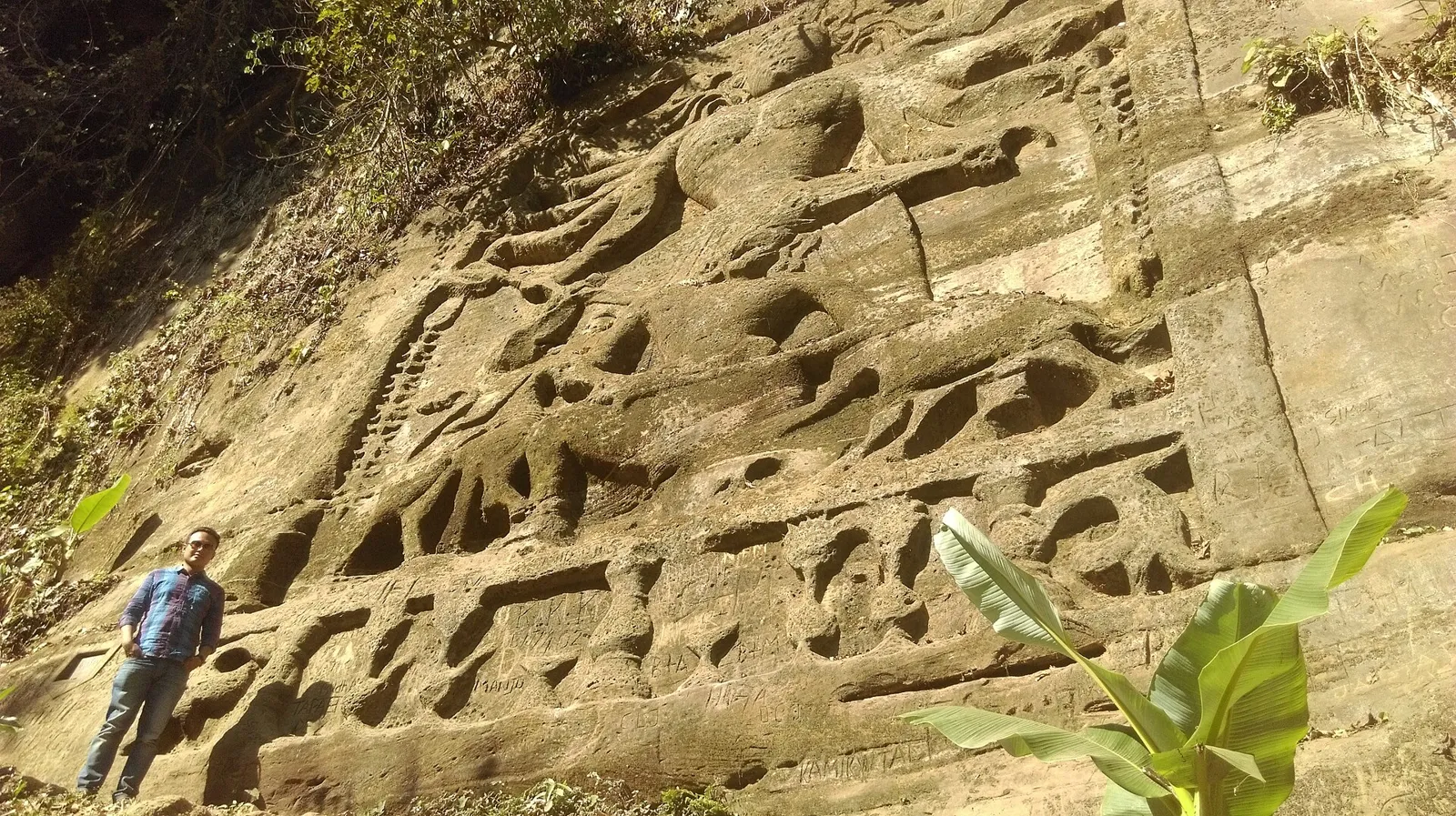
Chabimura brings together Tripura’s historic religious imagery and the living cultural diversity of the surrounding region. The carvings represent Hindu traditions, while visitors and residents come from communities with varied languages, customs and religious practices. Bengali and Kokborok are among the languages heard across Tripura; which language is most useful locally can depend on whom you meet. The state is known for distinctive indigenous music, dance and handloom traditions, as well as Bengali cultural life, but performances are not a regular feature of the site itself. Dress comfortably and respectfully, particularly if treating the images as sacred. Ask before photographing people, and follow local guidance around worship or offerings.
Local communities
Chabimura lies in a district shaped by Tripura’s indigenous communities and Bengali-speaking population. Tripuri, Jamatia and Reang (Bru) communities are among the indigenous peoples of the state; their presence and traditions are not uniform from place to place, and no single community should be assumed to represent everyone connected with the site. People in the wider area may work in farming, transport, small businesses, tourism or public services. Local boat operators and guides can help visitors understand practical access and the setting. Ask permission before photographing residents, and buy crafts directly from makers when possible.
Festivals & events
Garia Puja, generally celebrated in spring, is an important festival for many indigenous communities in Tripura, though local observances vary and it is not a scheduled event at Chabimura. Durga Puja and Kali Puja, usually in autumn, are widely observed in Bengali communities and across the state. Udaipur and other towns may have seasonal religious gatherings, but confirm local programmes before planning around one. Festivals can increase traffic, demand for transport and visitor numbers in towns; the river site itself may not host a public festival. Follow local advice and avoid disrupting worship or community events.
Local food in Tripura includes mui borok (berma fermented fish dishes), wahan mosdeng (pork with chilli), chakhwi stew and Bengali-style fish curries. Ask what is fresh that day; many small eateries cook a limited daily menu. Pork, beef, fish and fermented ingredients are common in tribal cuisines, so vegetarian travellers should explain their needs clearly — rice, dal, vegetables and eggs are usually possible in towns. Remote sites may have no restaurant at all. Carry water and snacks, eat a proper breakfast before long drives, and ask your accommodation for a packed lunch if you are heading out early. Try a homestay-cooked meal when you can — it is often the best food in the hills. Choose busy, clean places and carry your packaging back to town.
Shopping & local experiences
There may be few dedicated shops at the river site itself, so plan to browse in Amarpur or Udaipur. Look for Tripura handloom textiles and bamboo or cane crafts from local sellers, while checking where an item was made and whether the seller is the craftsperson. Availability varies, and not every product in a market is made locally. Food stalls or town eateries may offer regional meals, with choices varying by season and community. Ask vendors about ingredients and preparation, and avoid buying objects claimed to come from the rock carvings or other heritage material.
The site occupies a dramatic riverside setting where the Gomati flows below steep, wooded rock slopes. The carved faces rise above the water, and the surrounding hills are part of Tripura’s humid, monsoon-influenced landscape. Vegetation along the river and on the slopes may be especially lush during and after the rainy season, while exposed rock and changing water levels shape the views through the year. The area’s trees and river corridor provide habitat for birds and other wildlife, but sightings are never guaranteed. Keep a respectful distance from animals, do not feed them, and avoid disturbing plants or nesting areas. Rain can make paths, banks and boat access more difficult, so check local conditions before setting out.
October to March
These figures are calculated from map coordinates — hill roads in Tripura wind a lot, so actual road distance and travel time are usually much longer. Guwahati is the main rail and air hub for the region, and most long-distance journeys connect through it. For the final leg, Tripura Road Transport Corporation (TRTC) and private buses link district towns; shared taxis usually leave early in the morning and depart only when full. A private taxi gives more flexibility for remote sites. When comparing train, bus and flight, count the complete door-to-door time: a flight saves the most time only if the onward road transfer is short, while an overnight train to Guwahati plus a road journey can save a hotel night. Book your return before you leave, because seats on shared vehicles and the few daily flights fill quickly. Current train numbers, timings, return services and fares are not listed here; check IRCTC and NTES for trains and the airline’s own schedule for flights. No Inner Line Permit is needed to visit Tripura. Some sites near the international border may have restricted hours, and sanctuaries charge entry fees.
Getting around
Amarpur is a practical town from which to arrange the final road journey to Chabimura. Local buses, shared vehicles, autos or taxis may serve parts of the area, but services and onward connections can be limited; ask locally before relying on a return ride. A hired vehicle offers more flexibility. Access to the carvings commonly involves viewing them from the Gomati River, so confirm the embarkation point, boat availability, river conditions and safety arrangements with a local operator. Parking may be available near an access point, but do not assume it is formal or supervised. Allow time for both road travel and the river visit.
Hours, tickets & permissions
Entry arrangements can depend on the current management of the site, river conditions and whether access includes a locally organised boat journey. A ticket, registration or other entry procedure may apply, but requirements can change; do not assume that access is unrestricted. Camera rules, any separate photography charge, and restrictions on offerings or activities should also be checked locally. Confirm current opening arrangements, fees and any required permissions with the managing authority or a recognised local operator before travelling. Carry identification if requested, and follow posted instructions and guide advice.
Facilities
Facilities at the river site may be basic and can vary with season and local arrangements. Toilets, drinking water, food stalls, seating and staffed information points should not be assumed to be available at the viewing or boat access point. Amarpur and Udaipur are more practical places to seek meals, shops and other services. Local boat operators or guides may be available, but arrange and verify them before travelling. Parking and mobile connectivity can vary. Carry drinking water, any essential medicines and rubbish back with you, and check locally for current facilities and safe access.
Accessibility
Chabimura is not an easy-access attraction for everyone. The terrain includes a river setting, uneven ground and potentially steep or slippery banks; reaching a boat may involve steps or awkward boarding, depending on the access point and water level. The carved panels are generally viewed from the river, which may reduce the need to walk close to the rock face but does not remove the challenges of boarding. Wheelchair and stroller access should not be assumed, and there may be little shade while waiting. Older visitors or anyone with balance, mobility or health concerns should confirm the route and boat arrangements in advance and consider travelling with assistance.
No Inner Line Permit is needed to visit Tripura. Some sites near the international border may have restricted hours, and sanctuaries charge entry fees. Carry a photo ID at all times; checkpoints are common. Save the emergency number 112 and your accommodation’s contact offline. Heat, humidity and sudden downpours are the main weather risks; carry water and rain protection. Respect community rules, private property and posted instructions. Avoid hill road travel after dark and during heavy rain, when landslides are more likely. Check official advisories for the region before travel, and follow local guidance if access changes.
Photography
The river and rock faces can be appealing subjects in soft morning or late-afternoon light, though the best viewpoint and conditions depend on the route and water level. A boat may provide the clearest view of the panels; follow the operator’s instructions and keep cameras secure. Photography is generally a visitor activity, but confirm any site rules or camera restrictions locally. Do not use a drone without checking applicable permissions and local rules, and never fly it near people, boats or wildlife. Ask before photographing residents, worshippers or private activities, and do not climb on or touch the carvings.
Choose a stay by the full journey to Chabimura, not just the district name. Main towns in Gomati usually offer hotels, state tourism lodges and homestays with better transport, meals and medical access, while village homestays offer a closer connection to local life. In the plains and valleys, check fans or air-conditioning and mosquito nets in summer. Book in advance for weekends, festival dates and the peak season (October to March). Confirm the exact location, meals included, check-in time and cancellation terms in writing. Many homestays accept payment on arrival; avoid sending money to unverified contacts. Mobile network and digital payments can be unreliable in remote areas, so carry some cash.
Udaipur, in Gomati district, is a useful town to combine with a visit, subject to the actual road route and available daylight. Its Tripura Sundari Temple, also known as Matabari, is a major religious destination; the Bhuvaneswari Temple and the Gunabati Group of Temples are other heritage sites in the area. Amarpur can serve as a practical stop for food or local transport arrangements. Dumbur reservoir is another recognised natural destination in Gomati district, but it may require a separate journey rather than a quick detour. Check road conditions and travel times locally before combining stops.
For couples, Chabimura rewards a slow pace: arrive early for soft light and fewer crowds, share a local meal and keep the evening free. Public displays of affection can be frowned upon in conservative communities and at religious sites, so be discreet. A homestay can make the trip memorable — confirm privacy, hot water and transport back. Keep a buffer day in your itinerary, because weather and road closures can delay plans in Tripura.
Q: How much time should I allow for Chabimura? A: Allow several hours for the site visit, including locally arranged river access, and additional time for the road journey from your base. Q: When is a good season to visit? A: October to March is generally a comfortable period in Tripura. Rainy-season conditions can affect roads, river levels and access, so check locally. Q: Is there an entry ticket or permit? A: Check current entry, boat and photography rules with the managing authority or local operator before travelling. Q: Is Chabimura suitable for children and elderly visitors? A: Families can visit, but river boarding and uneven, possibly slippery ground require care. Older visitors and anyone with mobility concerns should confirm access arrangements in advance. Q: Where can I stay nearby? A: Udaipur and Amarpur are practical towns to investigate for accommodation. Availability and suitability vary, so confirm lodging before setting out.
Be the first to share photos, stories, advice or a helpful contact for Chabimura.
Loading…