
INA Martyrs' Memorial Complex
The INA Martyrs’ Memorial Complex in Moirang honours the Indian National Army and its fallen soldiers. Visitors come to see its cenotaph, museum, Bose statue and associated memorials.
Key facts · verified by Ghumoopedia editors
- Type of place
- Heritage monument
- Best time to visit
- October to March
- Verified
- 21 Nov 2026
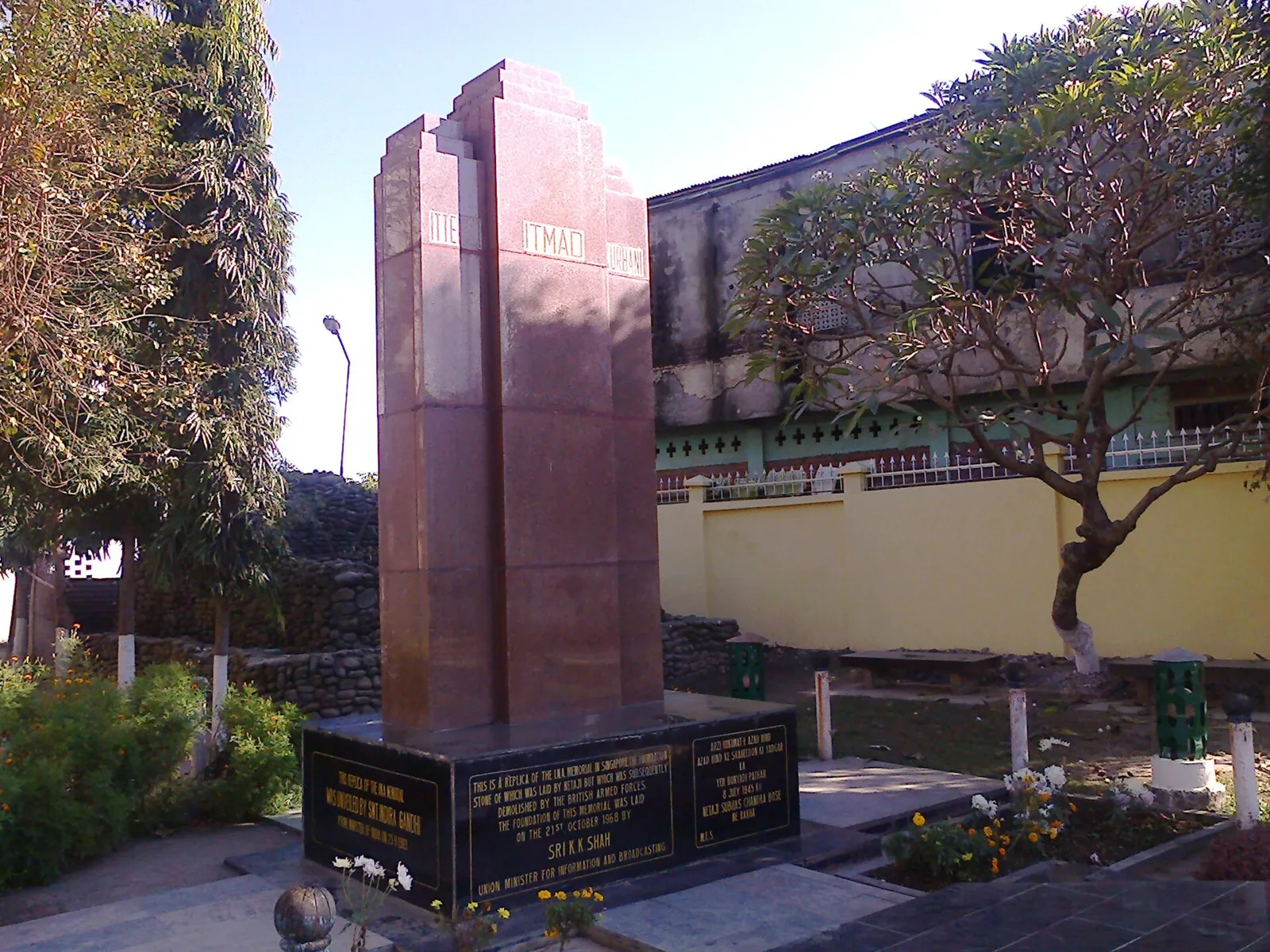
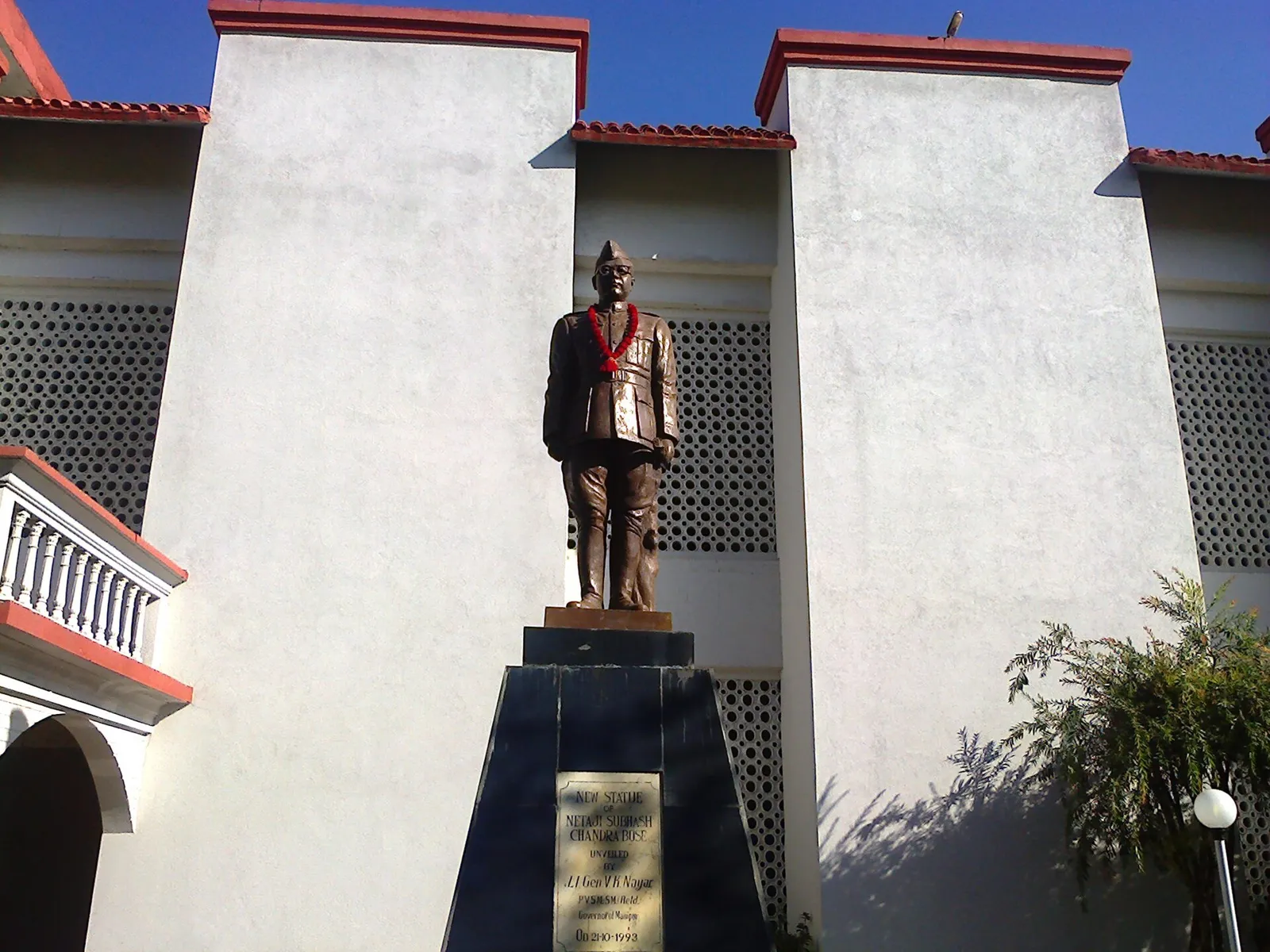
Located in Moirang, in Manipur’s Bishnupur district and about 45 km below Imphal, the INA Martyrs’ Memorial Complex commemorates members of the Indian National Army. Its main structure recreates the force’s memorial to its dead, which originally stood in Singapore. British Indian Army sappers destroyed the Singapore monument in 1945. The Moirang complex includes the cenotaph, an INA museum, a library, an auditorium and a statue of Subhas Chandra Bose. The replica follows the design of the Singapore structure before its destruction. Construction of the cenotaph began in October 1968 and ended in September 1969, when Indira Gandhi inaugurated it. An expansion that brought the complex to its current size was completed and unveiled in 2005. The construction bill totalled Rs 6.23 crores. The Imphal state government has managed the site since 1985. At historic Moirang Kangla, a stone marker recalls Colonel S. A. Malik raising the Azad Hind flag in April 1944 while leading an INA unit. A peace memorial established by the Japanese government is close by at Lotpaching. Another monument associated with the INA stands at Chesezu, also called Chesezumi, 205 km north of Moirang and 55 km east of Kohima. Its statue of Subhas Chandra Bose marks the site described as Netaji’s last camp, where he stayed for two months. Manipur is known for Manipuri classical dance, the Meitei, Naga and Kuki-Zo communities, polo’s historic roots and the women-run Ima Keithel market. The Imphal valley has mild summers and cool winters; hill districts are colder. The monsoon brings heavy rain from June to September. The usual best time to visit is October to March. Days are short in Northeast India: the sun can set before 5 pm in winter, so plan to reach and leave INA Martyrs' Memorial Complex in daylight. Timings, fees and access arrangements must be confirmed locally. For official information, see Manipur Tourism at https://manipurtourism.gov.in.
Why it matters
The INA Martyrs' Memorial Complex at Moirang commemorates soldiers of the Indian National Army (INA) and the movement for India's independence. Its location connects the memorial with a significant episode in the INA's history: in April 1944, an INA unit led by Colonel S. A. Malik raised the flag of Azad Hind at Moirang Kangla. The complex includes a reconstruction of the INA memorial once erected in Singapore, as well as a museum, library, auditorium and statue of Subhas Chandra Bose. It is an important place of remembrance for visitors interested in India's freedom struggle and Manipur's wartime history.
The complex recalls the Indian National Army, formed during the Second World War to fight British rule, and its presence in Manipur. In April 1944, Colonel S. A. Malik led an INA unit that raised the flag of Azad Hind at Moirang Kangla. A stone monument at the historic site marks that event. The complex's central feature is a reconstruction of the INA memorial to its fallen soldiers in Singapore, which British Indian Army sappers demolished in 1945. Work on the Moirang cenotaph began in October 1968 and was completed in September 1969; Indira Gandhi unveiled it. The complex was later expanded, with work on its present-day scale completed in 2005, when it was unveiled. The reported total construction cost was Rs 6.23 crores. The Manipur state government has administered the site since 1985. The complex now brings together commemorative architecture and facilities for learning, including a museum, library and auditorium. A separate peace memorial raised by the Japanese government stands at Lotpaching, close to the complex. These sites reflect the wider history of the Second World War in the region.
Origin stories & folklore
The memorial is principally a place of documented history and public remembrance, rather than a site known for a specific origin legend. Its stories are linked to the INA's wartime campaign, the raising of the Azad Hind flag at Moirang Kangla and the memory of soldiers who died. Visitors may encounter accounts of Subhas Chandra Bose and the INA passed down through families or shared by local guides; these should be understood as recollections and interpretations, not automatically as folklore. Read museum displays and local accounts alongside the historical record, and ask permission before recording personal stories.
Architecture & design
The complex is organised around a cenotaph that reconstructs the INA's memorial to its fallen soldiers, formerly erected in Singapore and demolished in 1945. Rather than an old palace or temple, it is a modern commemorative site designed to focus attention on remembrance and historical interpretation. Its main memorial is accompanied by a statue of Subhas Chandra Bose and buildings for a museum, library and auditorium. The complex's expansion, completed in 2005, brought these functions together within a larger visitor site. A separate stone monument at Moirang Kangla marks the place associated with the 1944 flag-raising. The available information does not specify the memorial's construction materials, detailed measurements or architectural designer, so these should not be assumed. Allow time to view the central monument and then explore the displays and other buildings, noting any interpretation boards that explain the site's layout and historical references.
Important objects & sculptures
Look for the cenotaph commemorating INA soldiers and the statue of Subhas Chandra Bose, both central to the complex's commemorative purpose. The museum is dedicated to the INA and may display objects, photographs or documents relating to its history; the exhibits available can change, so check on arrival rather than expecting a particular collection. Interpretation boards can help explain the memorial's relationship to the Singapore monument and the INA's presence in Manipur. At the separate historic site of Moirang Kangla, a stone monument marks the flag-raising associated with Colonel S. A. Malik's unit in April 1944. Treat memorial objects and displays respectfully, and follow any instructions about touching or photographing them.
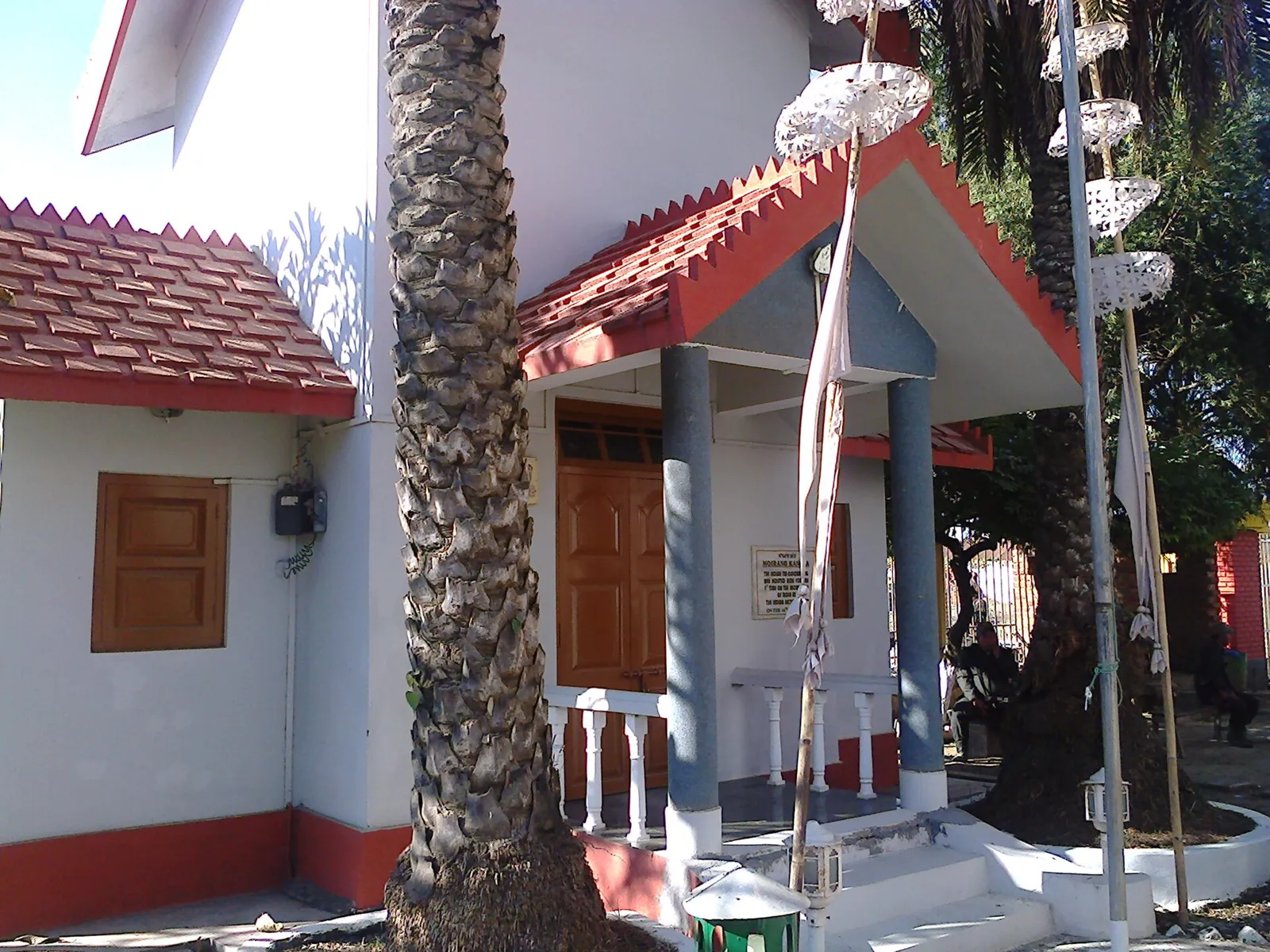
Explore INA Martyrs' Memorial Complex slowly and read the interpretation boards or hire an authorised guide to understand its history. Check opening days and ticket counters in advance, as many monuments and museums close on one weekday and on public holidays. A comfortable itinerary is one main visit in the morning, a local meal at midday and a short nearby stop before an afternoon return. Use the district list on this site to find other places in Bishnupur, but check the actual road route and its condition before combining stops. If a festival is on, local roads and stays can be busy — and the experience can be unforgettable. Leave no litter: many sites in Manipur are protected by the communities who own them.
Suggested itineraries
Half day: Spend about 1–2 hours at the memorial and museum; continue to Moirang Kangla for a short visit; have a local meal before returning. Full day: Allow 2–3 hours for the complex and museum; visit Moirang Kangla; take a relaxed stop by Loktak Lake or the Sendra area, then return with daylight to spare. Gentler option: Focus on the central memorial and the most accessible museum displays, take seated breaks, and arrange a vehicle to minimise walking between stops.
The complex is a place of remembrance within Manipur, a state shaped by Meitei, Naga and Kuki-Zo communities and by varied languages and local customs. Meitei is widely spoken in the Imphal valley; visitors may also hear other community languages and Hindi or English. Manipuri classical dance is one of the state's best-known cultural traditions, while polo has historic roots in the region. The memorial itself is not a performance venue, so visitors should not expect regular music or dance programmes. In Moirang and nearby towns, everyday customs, local food and community life are part of the visit. Ask before photographing people, and be considerate around ceremonies or commemorative gatherings.
Festivals & events
Moirang and the wider Imphal valley observe seasonal religious and community celebrations, including Lai Haraoba in the Meitei cultural calendar; practices and local schedules vary. Statewide festivals such as Yaoshang, generally observed in spring, and Ningol Chakouba, usually in autumn, may also affect travel and accommodation in the region. These are not guaranteed to be held at the memorial itself. During festival periods, local roads, markets and guesthouses can be busier, and some services may operate differently. Check with local tourism or community sources before planning around an event, and follow guidance if a ceremony is taking place near the complex.
Local food in Manipur includes eromba (fermented fish and vegetable mash), singju salad, kangshoi stew, and chak-hao kheer made with Manipur’s black rice. Ask what is fresh that day; many small eateries cook a limited daily menu. Pork, beef, fish and fermented ingredients are common in tribal cuisines, so vegetarian travellers should explain their needs clearly — rice, dal, vegetables and eggs are usually possible in towns. Remote sites may have no restaurant at all. Carry water and snacks, eat a proper breakfast before long drives, and ask your accommodation for a packed lunch if you are heading out early. Try a homestay-cooked meal when you can — it is often the best food in the hills. Choose busy, clean places and carry your packaging back to town.
Shopping & local experiences
Moirang town and nearby markets are places to look for everyday goods, local snacks and items made by Manipur's handloom and handicraft communities. Availability varies, so ask sellers about the origin and production of textiles, woven goods or bamboo and cane items rather than assuming a product is locally made. For a food experience, look for local rice dishes and preparations featuring fish, vegetables or fermented ingredients; menus vary by season and establishment. Carry reusable bags, buy respectfully and avoid souvenirs made from wildlife or protected materials.
October to March
These figures are calculated from map coordinates — hill roads in Manipur wind a lot, so actual road distance and travel time are usually much longer. Guwahati is the main rail and air hub for the region, and most long-distance journeys connect through it. For the final leg, Manipur State Transport and shared taxis from Imphal link district towns; shared taxis usually leave early in the morning and depart only when full. A private taxi gives more flexibility for remote sites. When comparing train, bus and flight, count the complete door-to-door time: a flight saves the most time only if the onward road transfer is short, while an overnight train to Guwahati plus a road journey can save a hotel night. Book your return before you leave, because seats on shared vehicles and the few daily flights fill quickly. Current train numbers, timings, return services and fares are not listed here; check IRCTC and NTES for trains and the airline’s own schedule for flights. Indian visitors who are not residents of Manipur need an Inner Line Permit, applied for through Manipur’s official ILP system. Foreign nationals should check the current Protected Area Permit and registration rules before travel.
Getting around
Moirang is reached by road from Imphal and other district towns. Shared taxis and local transport connect towns in the region, but services may be limited or leave when vehicles are full; confirm arrangements locally. A private taxi offers greater flexibility for visiting the memorial and nearby sites. On arrival, ask the driver about the entrance, waiting arrangements and return journey before beginning a visit. The complex is best explored on foot once inside. Check locally for parking, auto-rickshaw availability and the condition of roads, especially during the monsoon. Avoid relying on a late-day connection without confirming it in advance.
Hours, tickets & permissions
Opening days, entry arrangements and museum access can change, and the complex may follow different rules on public holidays or during official events. Confirm current opening hours and any admission fees with the managing authority before travelling. Ask whether separate tickets or permissions apply to the museum, library, auditorium or photography. Carry identification if requested, and follow posted instructions on bags, conduct and restricted areas. No specific dress code or permit requirement is confirmed here; dress respectfully and check locally rather than assuming rules.
Facilities
The complex includes a museum, library and auditorium, but access to individual buildings may vary. Toilets, drinking water, seating, a staffed ticket counter, guides and parking should be checked locally rather than assumed. Moirang town may offer simple food and shops; options can be limited near the site, so carry water and any essentials you need. ATMs and medical services are more likely to be found in larger towns, but confirm availability before setting out. If you want an authorised guide, ask the managing authority or a local tourism office about current arrangements.
Accessibility
The complex is spread across an outdoor site, so expect some walking between the cenotaph, statue and visitor buildings. Ask locally about the easiest route before visiting. Shade and places to sit may be limited outdoors, so plan breaks and carry water, particularly in warm or wet weather. Visitors using wheelchairs or strollers, older adults and anyone with limited mobility may find it helpful to travel with a companion and use a vehicle to reduce walking where access permits.
Indian visitors who are not residents of Manipur need an Inner Line Permit, applied for through Manipur’s official ILP system. Foreign nationals should check the current Protected Area Permit and registration rules before travel. Carry a printed and digital copy of your permit and a photo ID at all times; checkpoints are common. Save the emergency number 112 and your accommodation’s contact offline. Heat, humidity and sudden downpours are the main weather risks; carry water and rain protection. Respect community rules, private property and posted instructions. Avoid hill road travel after dark and during heavy rain, when landslides are more likely. Check official advisories for the region before travel, and follow local guidance if access changes.
Photography
Daylight is useful for photographing the cenotaph and the wider grounds; softer morning or late-afternoon light can reduce harsh shadows. Check posted rules or ask staff before photographing inside the museum, and respect any restrictions on exhibits or people. Be discreet around ceremonies and ask permission before taking portraits. Drone use may require permissions and could be restricted; do not launch one without confirming current rules with the relevant authorities. Avoid blocking paths or interrupting other visitors who are paying their respects.
Choose a stay by the full journey to INA Martyrs' Memorial Complex, not just the district name. Main towns in Bishnupur usually offer hotels, state tourism lodges and homestays with better transport, meals and medical access, while village homestays offer a closer connection to local life. In the plains and valleys, check fans or air-conditioning and mosquito nets in summer. Book in advance for weekends, festival dates and the peak season (October to March). Confirm the exact location, meals included, check-in time and cancellation terms in writing. Many homestays accept payment on arrival; avoid sending money to unverified contacts. Mobile network and digital payments can be unreliable in remote areas, so carry some cash.
Moirang Kangla is the nearby historic site associated with the INA flag-raising in April 1944 and has a separate stone monument. Loktak Lake, known for its floating vegetation and distinctive phumdis, is another regional attraction; the Sendra area is a popular place to view the lake. Keibul Lamjao National Park, on Loktak Lake, is associated with the endangered sangai deer and is worth considering for a longer outing. Check road conditions, access rules and conservation guidance before combining these places. Travel times can vary, so confirm the route locally and avoid planning too many stops in one day.
For couples, INA Martyrs' Memorial Complex rewards a slow pace: arrive early for soft light and fewer crowds, share a local meal and keep the evening free. Public displays of affection can be frowned upon in conservative communities and at religious sites, so be discreet. A homestay can make the trip memorable — confirm privacy, hot water and transport back. Keep a buffer day in your itinerary, because weather and road closures can delay plans in Manipur.
Q: How much time should I allow for a visit? A: Allow a few hours to see the memorial and museum at an unhurried pace; add time if visiting Moirang Kangla or nearby attractions. Q: When is a good season to visit? A: October to March is generally a comfortable period. The monsoon, usually June to September, brings heavy rain; check conditions before travel. Q: Is there an entry fee, and when is it open? A: Check with the managing authority before setting out. Q: Is the site suitable for children and elderly visitors? A: Plan breaks and check the route locally. Q: Where can I stay nearby? A: Accommodation options may be limited in smaller towns. Check current stays in Moirang or Bishnupur district, or consider Imphal and plan the road journey.
Be the first to share photos, stories, advice or a helpful contact for INA Martyrs' Memorial Complex.
Loading…