
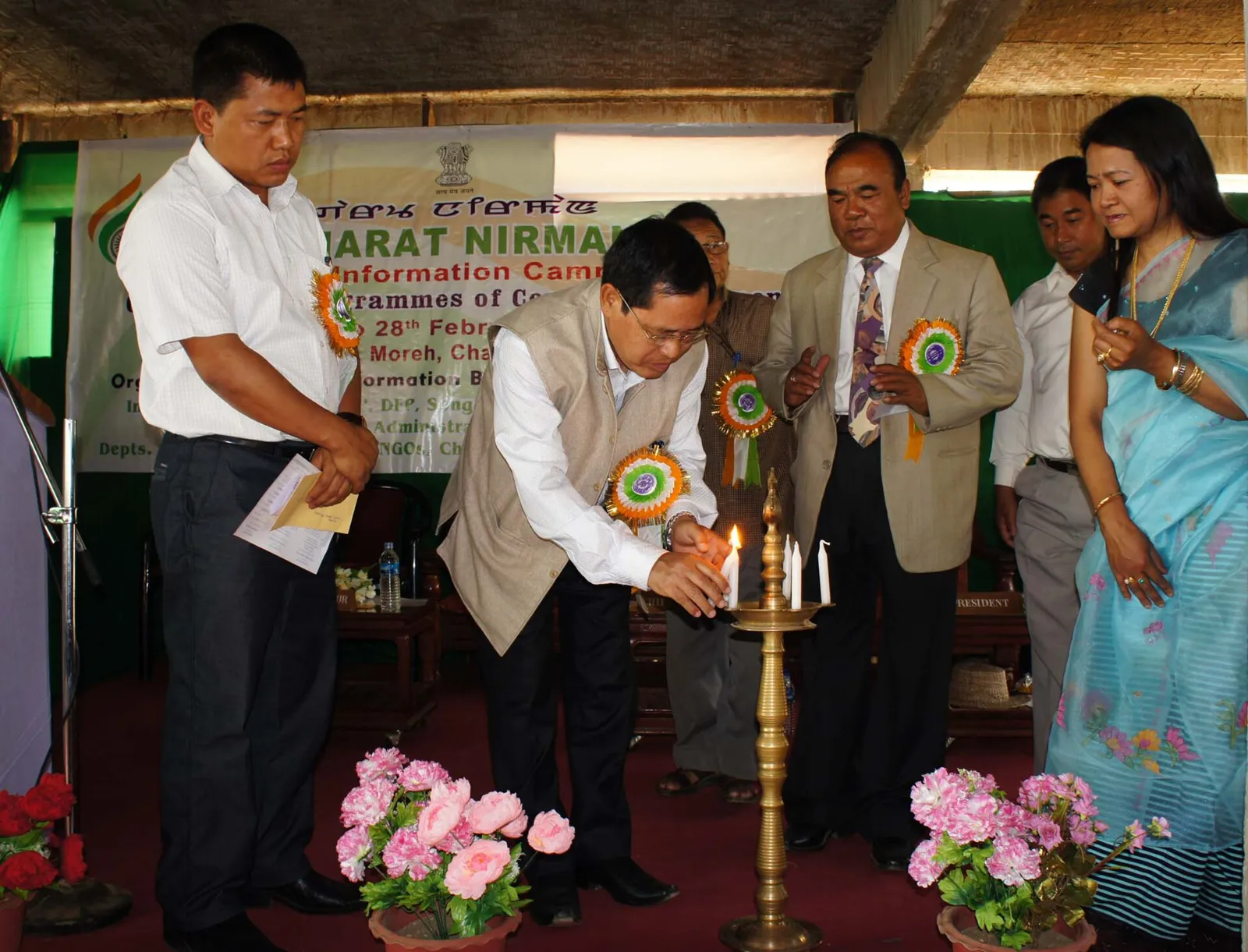
Moreh
Moreh is a town in Manipur’s Tengnoupal district. Visitors may include it in travels around the state; its name is also shared by several unrelated places and cultural references.
Key facts · verified by Ghumoopedia editors
- Type of place
- Destination
- Best time to visit
- October to March
- Verified
- 21 Nov 2026
Moreh lies in Manipur’s Tengnoupal district. The town is also home to Moreh College, and the name is used for places and works unrelated to the Indian town. Elon Moreh is a settlement in the West Bank, and Givat HaMoreh is mentioned in the Torah. Moreh Maru is a Manipuri comedy film from 2016, directed by O. Gautam and written by Laishram Santosh. In Malaysia, moreh refers to a meal traditionally eaten during Ramadan. Manipur is known for Manipuri classical dance, the Meitei, Naga and Kuki-Zo communities, polo’s historic roots and the women-run Ima Keithel market. The Imphal valley has mild summers and cool winters; hill districts are colder. The monsoon brings heavy rain from June to September. The usual best time to visit is October to March. Days are short in Northeast India: the sun can set before 5 pm in winter, so plan to reach and leave Moreh in daylight. Timings, fees and access arrangements must be confirmed locally. For official information, see Manipur Tourism at https://manipurtourism.gov.in.
Why it matters
Moreh is a town in Tengnoupal district in southeastern Manipur, on India’s international border with Myanmar. Its importance is chiefly regional: it is a border-market town and a point of contact between communities and trade networks on both sides of the frontier. The town is linked by road to the Imphal valley and is often discussed in connection with cross-border commerce and India–Myanmar connectivity. Moreh also reflects Manipur’s cultural diversity, including the varied communities of the state and the influence of its border setting. No UNESCO listing or ASI-protected monument in Moreh is confirmed here. Visitors should check current government travel and security advisories before planning a visit.
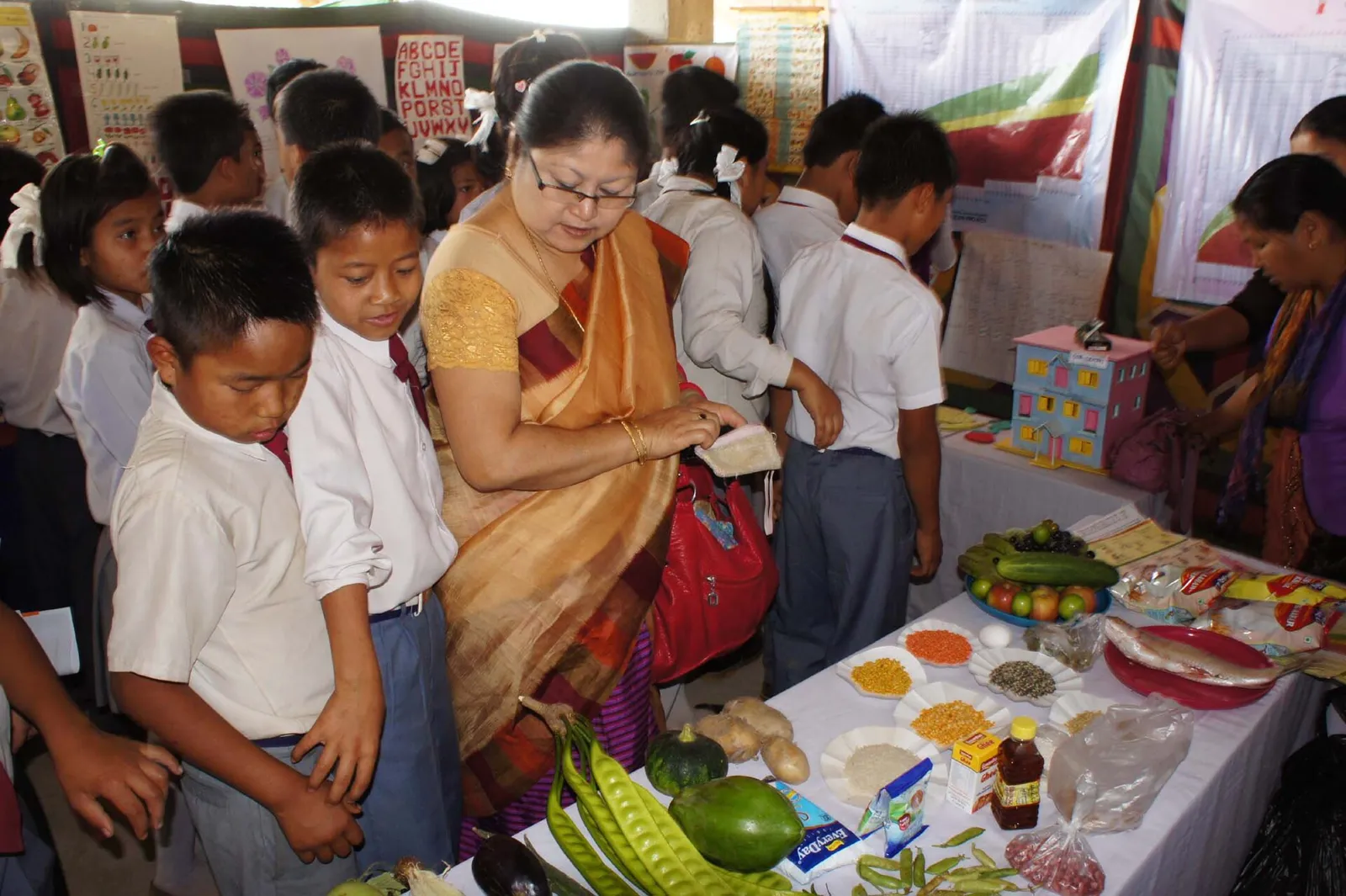
Moreh’s growth is closely tied to its position on the India–Myanmar frontier. There is no well-established founding date or single documented account of the settlement’s origins, so it is best understood as a border community that developed through local settlement, road connections and trade. The area became more significant as links between the Imphal valley and the frontier expanded, and as Moreh emerged as a centre for exchange with neighbouring Tamu in Myanmar. Formal India–Myanmar border-trade arrangements added to the town’s commercial role, though the extent and conditions of trade have changed over time with policy and security conditions. Moreh’s history has also been shaped by its location in a sensitive border region, where movement may be affected by administrative rules and changing circumstances. The town is connected with wider plans for regional transport, including proposed and developing road links between India and Southeast Asia. These connections do not guarantee that every route or crossing is open to visitors. Moreh is a living town rather than a preserved historic site; no specific restoration project or ancient monument is confirmed here.
Use Moreh as a base to understand local life: walk through the market area, visit community-run attractions and ask your host about nearby viewpoints and short excursions. Always ask before photographing people, homes or ceremonies. A comfortable itinerary is one main visit in the morning, a local meal at midday and a short nearby stop before an afternoon return. Use the district list on this site to find other places in Tengnoupal, but check the actual road route and its condition before combining stops. If a festival is on, local roads and stays can be busy — and the experience can be unforgettable. Leave no litter: many sites in Manipur are protected by the communities who own them.
Suggested itineraries
Half day: Explore the market area on foot (1–2 hours); pause for a local meal; ask your host about a suitable nearby stop before returning (about 1 hour). Full day: Start with a market walk (1–2 hours); have a local meal; take a pre-arranged short road excursion in the area (2–3 hours); return with daylight remaining. Gentler option: Keep to a short, mostly seated visit around the market and a nearby meal, with a vehicle arranged between stops.
Moreh’s everyday life reflects Manipur’s many communities and its position near Myanmar. Meitei, Naga and Kuki-Zo cultures are important across the state, while the town’s border-trade character brings together people with varied backgrounds. Languages heard in the wider region include Manipuri (Meiteilon), tribal languages and Hindi; language use varies by neighbourhood and situation. Community customs, religious observances, local food and market life are more useful ways to understand the town than expecting a single uniform tradition. Visitors should dress respectfully at places of worship and ask before entering private or community spaces. Ask permission before photographing people, homes, ceremonies or market activity.
Festivals & events
Festival observances in Moreh vary among its communities, so there is no single town-wide calendar to rely on. Manipur’s Yaoshang, generally associated with spring, and Ningol Chakouba, usually in autumn, are important Meitei celebrations; Lai Haraoba is observed in some communities at varying times. Christmas is celebrated by many Christian communities in the state, and Kuki-Zo and Naga festivals may also be marked locally. Dates shift from year to year, and local events are not guaranteed to be open to visitors. Festival periods can make roads, markets and accommodation busier. Ask a local host about respectful attendance and any access restrictions.
Local food in Manipur includes eromba (fermented fish and vegetable mash), singju salad, kangshoi stew, and chak-hao kheer made with Manipur’s black rice. Ask what is fresh that day; many small eateries cook a limited daily menu. Pork, beef, fish and fermented ingredients are common in tribal cuisines, so vegetarian travellers should explain their needs clearly — rice, dal, vegetables and eggs are usually possible in towns. Remote sites may have no restaurant at all. Carry water and snacks, eat a proper breakfast before long drives, and ask your accommodation for a packed lunch if you are heading out early. Try a homestay-cooked meal when you can — it is often the best food in the hills. Choose busy, clean places and carry your packaging back to town.
Shopping & local experiences
The market area is the most practical place to browse everyday goods and observe Moreh’s role as a border-trade town. Product availability and the origin or legality of particular goods can change, so ask before buying and avoid items whose import status is unclear. Local snacks and a meal are often a more dependable cultural experience than seeking a particular souvenir. Handicrafts and textiles associated with Manipur may be available, but do not assume every item is made locally; ask sellers about its source. Be considerate when photographing stalls, and carry purchases securely.
October to March
These figures are calculated from map coordinates — hill roads in Manipur wind a lot, so actual road distance and travel time are usually much longer. Guwahati is the main rail and air hub for the region, and most long-distance journeys connect through it. For the final leg, Manipur State Transport and shared taxis from Imphal link district towns; shared taxis usually leave early in the morning and depart only when full. A private taxi gives more flexibility for remote sites. When comparing train, bus and flight, count the complete door-to-door time: a flight saves the most time only if the onward road transfer is short, while an overnight train to Guwahati plus a road journey can save a hotel night. Book your return before you leave, because seats on shared vehicles and the few daily flights fill quickly. Current train numbers, timings, return services and fares are not listed here; check IRCTC and NTES for trains and the airline’s own schedule for flights. Indian visitors who are not residents of Manipur need an Inner Line Permit, applied for through Manipur’s official ILP system. Foreign nationals should check the current Protected Area Permit and registration rules before travel.
Getting around
On arrival, local movement is mainly by road. Shared vehicles and taxis may be available, while private taxis offer more flexibility for stops outside the town; confirm the destination and return arrangements before departure. Walking can work for short trips around the market area, but roads may be busy and conditions uneven. Local public transport and auto-rickshaw availability can vary, so check locally rather than relying on a fixed service. Ask your accommodation about safe routes and current road conditions. Park only where permitted, especially near border or security installations.
Hours, tickets & permissions
Moreh is a working town, not a single ticketed attraction, and ordinary public streets and market areas have no common visitor entry system. Border facilities, government premises, religious sites and community-run places may have separate access rules, identification requirements or restrictions on photography. International-border movement requires the applicable immigration and security permissions; do not assume a crossing is open to tourists. Confirm current access arrangements, hours and any fees with the relevant authority or local host before setting out. Carry identification and follow instructions from security personnel.
Facilities
Moreh has everyday town services, shops and places to eat, but facilities can vary by neighbourhood and season. Food and basic provisions are usually easier to find in the market area than at outlying stops. Public toilets, reliable drinking-water points, visitor information desks, formal guides and convenient parking should not be assumed; check locally or with your accommodation. ATMs and card acceptance may be limited or unreliable, so plan ahead without carrying more cash than is prudent. Ask before using facilities at religious or community sites, and take drinking water for road excursions.
Accessibility
Moreh is a road-based town rather than a purpose-built visitor site. Market streets may be crowded, uneven or affected by traffic, and a walk can involve irregular surfaces and limited shade. Conditions at any nearby viewpoint or community attraction should be checked before travelling; steps, slopes or a lack of seating may make access difficult. Wheelchair and stroller access cannot be assumed, and no ramps or lifts are confirmed. Older visitors or anyone with limited mobility may find a short vehicle-based visit more manageable. Arrange drop-off close to intended stops and allow flexibility for rest breaks.
Indian visitors who are not residents of Manipur need an Inner Line Permit, applied for through Manipur’s official ILP system. Foreign nationals should check the current Protected Area Permit and registration rules before travel. Carry a printed and digital copy of your permit and a photo ID at all times; checkpoints are common. Save the emergency number 112 and your accommodation’s contact offline. Heat, humidity and sudden downpours are the main weather risks; carry water and rain protection. Respect community rules, private property and posted instructions. Avoid hill road travel after dark and during heavy rain, when landslides are more likely. Check official advisories for the region before travel, and follow local guidance if access changes.
Photography
For general street and market scenes, soft morning or late-afternoon light can be more comfortable than strong midday sun, but conditions and safe viewpoints vary. Ask permission before photographing people, homes, shops at close range, religious observances or ceremonies. Do not photograph border installations, security personnel, checkpoints or government facilities unless explicitly permitted; obey posted restrictions and instructions. Drone use near the international border and security sites may be restricted or prohibited, so do not fly without confirming the rules with the relevant authority. Keep equipment discreet and avoid obstructing traders or pedestrians.
Choose a stay by the full journey to Moreh, not just the district name. Main towns in Tengnoupal usually offer hotels, state tourism lodges and homestays with better transport, meals and medical access, while village homestays offer a closer connection to local life. In the plains and valleys, check fans or air-conditioning and mosquito nets in summer. Book in advance for weekends, festival dates and the peak season (October to March). Confirm the exact location, meals included, check-in time and cancellation terms in writing. Many homestays accept payment on arrival; avoid sending money to unverified contacts. Mobile network and digital payments can be unreliable in remote areas, so carry some cash.
Tengnoupal town, the district headquarters, is a possible stop on a wider road journey, subject to current conditions. Moreh faces Tamu in Myanmar across the international border, but crossing is governed by immigration and security rules; do not treat it as an informal excursion. Khongjom War Memorial, in neighbouring Thoubal district, can be considered on a longer journey toward the Imphal valley rather than assumed to be a quick local stop. Road conditions and travel permissions can change, so confirm routes locally and leave enough daylight for the return. Check the district list for other places in Tengnoupal, while verifying that each is accessible.
For couples, Moreh rewards a slow pace: arrive early for soft light and fewer crowds, share a local meal and keep the evening free. Public displays of affection can be frowned upon in conservative communities and at religious sites, so be discreet. A homestay can make the trip memorable — confirm privacy, hot water and transport back. Keep a buffer day in your itinerary, because weather and road closures can delay plans in Manipur.
Q: How much time should I allow for Moreh? A: A half day can suit a market visit and meal; allow a full day if arranging a cautious nearby road excursion. Q: When is the best season to visit? A: October to March is generally a comfortable period in Manipur, though check current weather, road and security conditions. Q: Is there an entry ticket or permit? A: The town itself is not a single ticketed attraction, but border movement and some facilities may require permission. Confirm rules before travel. Q: Is Moreh suitable for children or elderly visitors? A: It can be, with careful planning, vehicle support and short walks; uneven, busy streets and variable facilities may be challenging. Q: Can I stay nearby? A: Accommodation may be available in Moreh, but standards and availability vary. Confirm arrangements locally and consider current travel advisories.
Be the first to share photos, stories, advice or a helpful contact for Moreh.
Loading…