
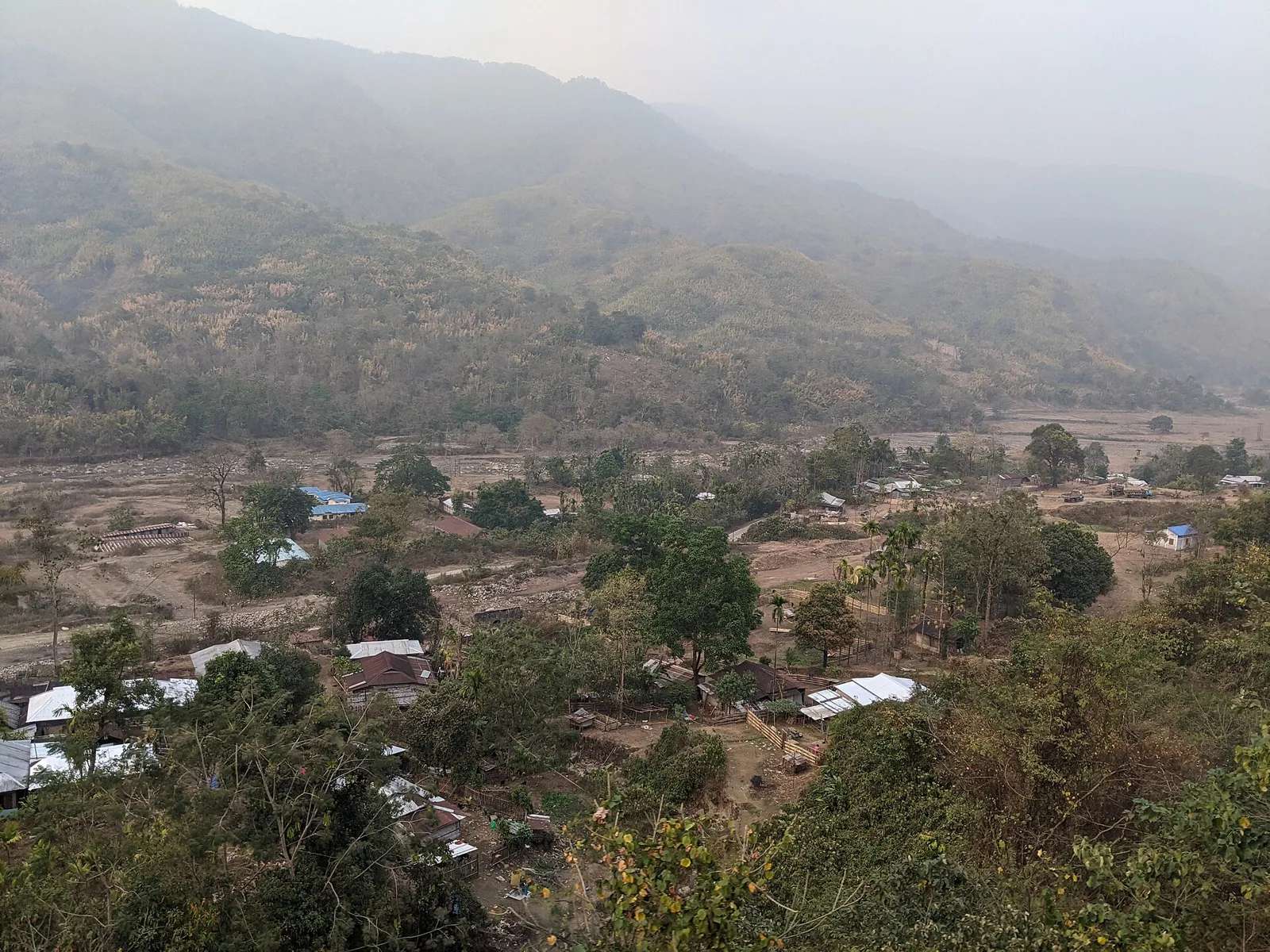
Jatinga
Jatinga is a village in Assam’s Dima Hasao district, known for mysterious bird deaths that have made the phenomenon a point of interest for visitors.
Key facts · verified by Ghumoopedia editors
- Type of place
- Community & living culture
- Best time to visit
- October to April
- Nearest railway station
- Haflong Hill · about 10 km (straight line)
- Nearest airport
- Silchar Airport (Kumbhirgram) · about 25 km (straight line)
- Verified
- 21 Nov 2026
Plan a trip from Jatinga — a day-by-day route through places nearby.
On a ridge in Assam’s Dima Hasao district, Jatinga lies about 330 kilometres to the south of Guwahati. Its population is around 2,500, mostly Khasi, with a Dimasa minority. The village’s name comes from Jatinga station. In Naga, Jatinga means pathway. Jatinga is associated with gatherings of birds that end in their deaths. The reason remains uncertain: proposed explanations include artificial light and deliberate killing by local people. The phenomenon has given the village a reputation for mysterious bird deaths. Assam’s Vaishnavite satras, Ahom heritage, Bihu festivals and silk-weaving traditions shape everyday life well beyond the major monuments. The Brahmaputra plains are hot and humid from April to September, with heavy monsoon rain and seasonal floods. Winters are mild and pleasant, with morning fog along the river. The usual best time to visit is October to April. Days are short in Northeast India: the sun can set before 5 pm in winter, so plan to reach and leave Jatinga in daylight. Timings, fees and access arrangements must be confirmed locally. For official information, see Assam Tourism at https://tourism.assam.gov.in.
Why it matters
Jatinga is a village in Dima Hasao district, Assam, known both as a home to Khasi residents and for reports of unusual bird deaths. Its importance is local and cultural: visitors can encounter everyday life in a hill community rather than a purpose-built tourist attraction. The bird phenomenon has drawn attention from journalists and researchers, but explanations vary, and sensational descriptions such as “Bermuda Triangle of birds” should not be treated as established science. The village is not known here as a UNESCO World Heritage Site or an ASI-protected monument. Its wider regional setting connects it with Haflong and the diverse communities of the North Cachar Hills.
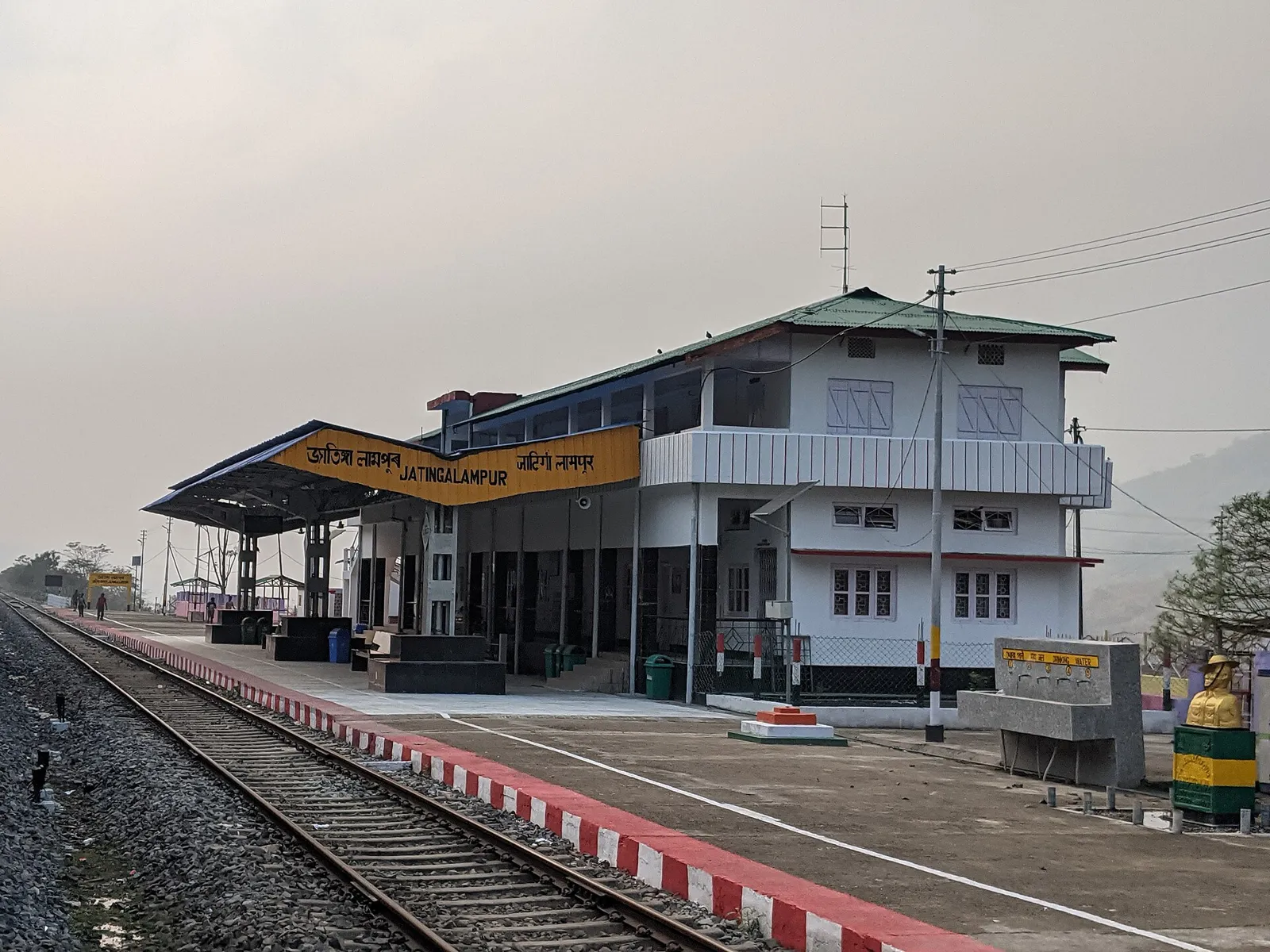
Jatinga is a settled village in the hill district now called Dima Hasao, in southern Assam. Published accounts describe its residents as mainly Khasi, with a Dimasa minority, and says the village took its name from Jatinga station. It also gives a Naga-language meaning of “pathway” for the name; this etymology should be treated as a reported explanation rather than a fully established local history. The area’s past is part of the broader history of the North Cachar Hills, where Khasi, Dimasa and other communities have maintained distinct identities and connections across the hills and plains. In more recent decades, the village became widely known beyond the region through accounts of birds gathering and dying under particular conditions. Explanations have included weather, visibility and artificial lights, as well as claims of human involvement; these accounts should not be reduced to a single proven cause. Jatinga remains a living village, not a preserved historic site, so its story is best understood through responsible local conversation and observation.
Origin stories & folklore
Jatinga’s best-known story concerns birds said to appear in large numbers and die on certain dark, misty nights. Popular retellings have given the event an eerie reputation, but the dramatic descriptions are folklore and media framing, not proof of anything supernatural. Explanations have included disorientation in poor visibility and the effects of artificial lights; reports of deliberate harm have also circulated. Visitors should avoid treating these accounts as entertainment or encouraging people to stage encounters. Ask residents respectfully about local understandings, and do not assume there is one story shared by everyone.
Use Jatinga as a base to understand local life: walk through the market area, visit community-run attractions and ask your host about nearby viewpoints and short excursions. Always ask before photographing people, homes or ceremonies. A comfortable itinerary is one main visit in the morning, a local meal at midday and a short nearby stop before an afternoon return. Use the district list on this site to find other places in Dima Hasao, but check the actual road route and its condition before combining stops. If a festival is on, local roads and stays can be busy — and the experience can be unforgettable. Leave no litter: many sites in Assam are protected by the communities who own them.
Suggested itineraries
Half day: Meet a local host (30–45 minutes), walk through the market area (45–60 minutes), visit a community-run attraction or viewpoint if open (1–2 hours), then have a local meal. Full day: Start with a village walk and conversation with a host (1–2 hours), take a break for lunch, visit a nearby viewpoint or short excursion with local guidance (2–3 hours), and return before dusk. Gentler option: Choose one nearby, accessible stop by vehicle, allow plenty of time to rest, and finish with a meal or tea near your accommodation.
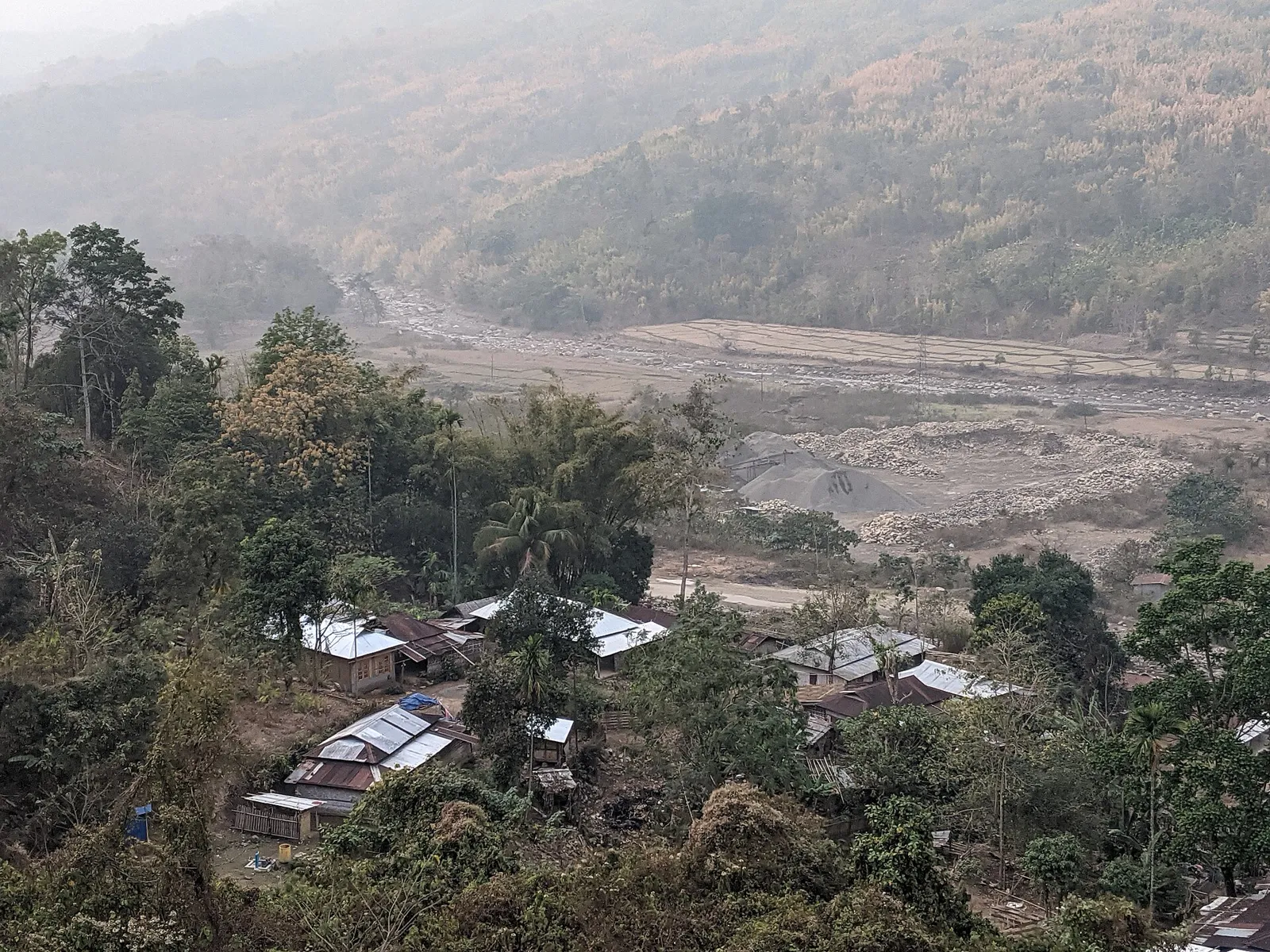
Jatinga is a lived-in village, not a cultural performance venue. Khasi and Dimasa identities are part of the area’s social landscape, alongside the wider mix of communities found in Dima Hasao. Languages used locally may include community languages and Assamese, with usage varying by household. Music, dance, clothing and ceremonial practices are connected to family and community occasions; visitors should not expect scheduled demonstrations. Everyday encounters are often best approached through a host, shopkeeper or local guide. Ask before entering private spaces, photographing people or discussing ceremonies, and follow residents’ lead about what is appropriate to share.
Local communities
The village is described as being inhabited mainly by Khasi people, with a Dimasa minority. Dima Hasao is home to several communities, and local identities should not be assumed from appearance or language. Residents’ livelihoods may include farming, small trade, transport, services and other work, though individual circumstances vary. Some households may host visitors or provide local guidance, but this should be arranged respectfully and confirmed in advance. Buying from local shops and using locally offered services can support the community. Ask permission before visiting homes or recording personal stories, and avoid treating residents as part of a tourist display.
Festivals & events
Bihu is celebrated across Assam, with seasonal observances and community gatherings that may be felt in Dima Hasao as well as the plains. Khasi and Dimasa communities also observe their own cultural and religious occasions, but dates, forms and public access vary locally. Do not assume that a festival is staged for visitors or open to photography. Ask a host or community contact whether an event is public before attending. During major local gatherings, transport and accommodation can be busier, and some spaces may be reserved for participants. Confirm current arrangements locally rather than planning around an unverified event calendar.
Local food in Assam includes masor tenga (a tangy fish curry), khar, duck with ash gourd, pitha rice cakes, aloo pitika and, of course, Assam tea. Ask what is fresh that day; many small eateries cook a limited daily menu. Pork, beef, fish and fermented ingredients are common in tribal cuisines, so vegetarian travellers should explain their needs clearly — rice, dal, vegetables and eggs are usually possible in towns. Remote sites may have no restaurant at all. Carry water and snacks, eat a proper breakfast before long drives, and ask your accommodation for a packed lunch if you are heading out early. Try a homestay-cooked meal when you can — it is often the best local food. Choose busy, clean places and carry your packaging back to town.
Shopping & local experiences
The village market is a place to look for everyday provisions and, where available, locally made goods rather than a guaranteed souvenir market. In Dima Hasao, visitors may encounter handwoven textiles and other craft items, but availability and makers vary; ask who made an item and whether it is locally produced. Buying directly from local sellers can support livelihoods. Try local food through a household, host or eatery when offered, and ask about ingredients or dietary needs. Do not collect plants, stones, feathers or other natural materials as keepsakes.
Jatinga lies on a ridge in the hill country of Dima Hasao. The surrounding landscape is shaped by forested slopes, cultivated areas and winding roads; vegetation and conditions change with the season. Monsoon weather can bring heavy rain, low visibility and difficult road conditions, while cooler months are generally more comfortable for outdoor visits. The village is known for reports of bird deaths under particular conditions, but this is not a wildlife show and sightings or events cannot be guaranteed. Birds in the wider region are best appreciated without disturbance. Avoid entering fields or forest patches without permission, and do not handle injured or dead wildlife; report concerns to local authorities or a responsible wildlife organisation.
October to April
The nearest principal railway station by straight-line distance is Haflong Hill, roughly 10 km away. The nearest operating airport by straight-line distance is Silchar Airport (Kumbhirgram), roughly 25 km away. These figures are calculated from map coordinates, so actual road distance and travel time are longer. Guwahati is the main rail and air hub for the region, and most long-distance journeys connect through it. For the final leg, Assam State Transport Corporation (ASTC) and private Volvo/sleeper coaches link district towns; shared taxis usually leave early in the morning and depart only when full. A private taxi gives more flexibility for remote sites. When comparing train, bus and flight, count the complete door-to-door time: a flight saves the most time only if the onward road transfer is short, while an overnight train to Guwahati plus a road journey can save a hotel night. Book your return before you leave, because seats on shared vehicles and the few daily flights fill quickly. Current train numbers, timings, return services and fares are not listed here; check IRCTC and NTES for trains and the airline’s own schedule for flights. No Inner Line Permit is needed to visit Assam.
Confirm onward and return timings on IRCTC / NTES, the state bus operator or your airline before travel. A dash means current timings or fares have not been verified.
Getting around
On arrival, ask your accommodation or a local contact about shared taxis, private vehicles and any local bus or taxi services serving the village. Shared vehicles may be limited and can depend on demand, so confirm arrangements before relying on them. A private taxi offers more flexibility for nearby stops, but check road conditions and agree the route in advance. Within the village, short walks may be practical, though slopes and uneven surfaces can make them tiring. Parking may be informal; use only places indicated by residents and keep access clear for homes and local traffic.
Hours, tickets & permissions
Jatinga is a village rather than a single gated attraction, so access arrangements depend on the specific place you plan to visit. Community-run attractions, viewpoints or private properties may have their own entry rules, fees or restrictions, and some may not be open to walk-in visitors. There is no general ticket or permit information established here. Ask your host or the relevant local managing authority about current access, photography rules and any identification requirements before setting out. Confirm current opening arrangements and fees locally, and do not enter closed or private areas.
Facilities
Facilities in Jatinga are village-scale and may be limited. Small shops and places to eat may be available, but choice and opening arrangements can vary; check locally and carry drinking water and any personal essentials. Toilets may be easier to find at accommodation or a community-run attraction than along a walk. Parking, guides and cash access should not be assumed, and ATMs may require a trip to a larger town. Arrange food, local guidance and transport with your host in advance, especially if travelling outside the busier season.
Accessibility
The ridge setting means roads and paths can be sloped, uneven or affected by rain. Walking distances depend on the places visited, and there may be steps or rough ground at viewpoints and community attractions. Shade and seating are not guaranteed, so plan rest stops and carry water. Wheelchair and stroller access cannot be assumed; confirm the exact route and facilities with a host before travelling. Older visitors or anyone with limited mobility may find a vehicle-based visit to one nearby stop more comfortable than a walking itinerary. Avoid rushing, particularly in wet conditions or low light.
No Inner Line Permit is needed to visit Assam. Carry a photo ID at all times; checkpoints are common. Save the emergency number 112 and your accommodation’s contact offline. Heat, humidity and sudden downpours are the main weather risks; carry water and rain protection. Respect community rules, private property and posted instructions. Avoid long road journeys after dark and during heavy rain. Check official advisories for the region before travel, and follow local guidance if access changes.
Visitor rules
Jatinga is a residential community, so keep noise low and respect private homes, fields and community spaces. Wear practical, modest clothing suited to the weather and sturdy footwear for uneven paths. Ask before entering any property or taking photographs, and follow local instructions at community-run sites. Do not litter; take plastic and other waste away when disposal facilities are unavailable. Do not disturb, capture or handle birds or other wildlife, and do not enter restricted areas. Check locally for any site-specific rules, permits or access limits.
Photography
Soft morning or late-afternoon light can suit village and hillside scenes, but weather and mist change visibility. Ask a host to identify appropriate viewpoints and remain on public or permitted paths. Photography in public areas may be acceptable, but always seek consent before photographing people, homes, children, private work or ceremonies. Do not use bird-death stories to stage or provoke wildlife encounters. Drone use may be restricted by aviation rules, local authorities or community concerns; obtain the necessary permissions before flying. Avoid flash or close approaches that could disturb people or animals.
Choose a stay by the full journey to Jatinga, not just the district name. Main towns in Dima Hasao usually offer hotels, state tourism lodges and homestays with better transport, meals and medical access, while village homestays offer a closer connection to local life. In the plains and valleys, check fans or air-conditioning and mosquito nets in summer. Book in advance for weekends, festival dates and the peak season (October to April). Confirm the exact location, meals included, check-in time and cancellation terms in writing. Many homestays accept payment on arrival; avoid sending money to unverified contacts. Mobile network and digital payments can be unreliable in remote areas, so carry some cash.
Haflong, the district headquarters, is a practical nearby town for accommodation, services and a broader introduction to Dima Hasao. Haflong Lake is a known local stop. Maibong is associated with the history of the Dimasa kingdom and can be considered for a heritage-focused excursion after checking road conditions. Umrangso is another destination in the district, known for its reservoir setting. Panimoor, a waterfall area in Dima Hasao, may also be considered when conditions and access permit. These places are not necessarily quick add-ons: check the actual road route, weather and return arrangements before combining them with a visit to Jatinga.
For couples, Jatinga rewards a slow pace: arrive early for soft light and fewer crowds, share a local meal and keep the evening free. Public displays of affection can be frowned upon in conservative communities and at religious sites, so be discreet. A homestay can make the trip memorable — confirm privacy, hot water and transport back. Keep a buffer day in your itinerary, because weather and road closures can delay plans in Assam.
Q: How much time should I allow for Jatinga? A: A half day can suit a village walk and one local stop; allow a full day if adding a nearby excursion. Q: When is a good season to visit? A: October to April is generally more comfortable for travel in Assam, but check local weather and road conditions. Monsoon rain can disrupt journeys. Q: Is there an entry ticket or permit? A: Jatinga is a village, not one gated attraction. Individual community-run or private sites may have their own rules; confirm locally. Q: Is Jatinga suitable for children or elderly visitors? A: It can be, with planning. Slopes and uneven paths may be tiring, so choose a short vehicle-based visit and supervise children closely. Q: Where can I stay nearby? A: Ask about accommodation in Jatinga or Haflong and confirm availability before travelling, especially during busy local events.
Be the first to share photos, stories, advice or a helpful contact for Jatinga.
Loading…