
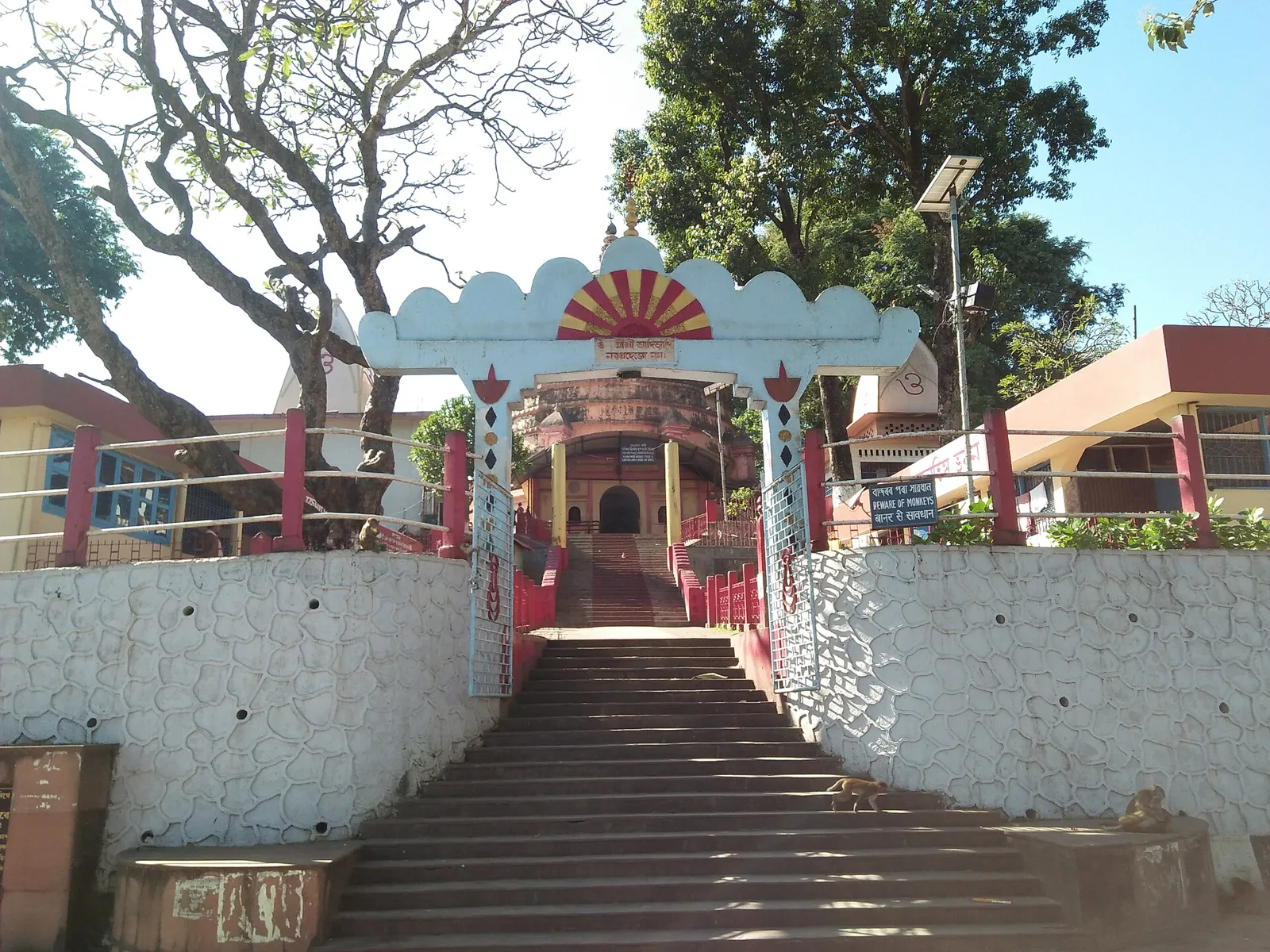
Navagraha temples
In Assam’s Kamrup Metropolitan district, the Navagraha temples are Hindu sites associated with nine celestial bodies. People visit them on pilgrimages to honour the planetary deities.
Key facts · verified by Ghumoopedia editors
- Type of place
- Temple / pilgrimage site
- Best time to visit
- October to April
- Verified
- 21 Nov 2026
In Hindu traditions, Navagraha temples are sacred places associated with the Navagraha, the nine principal celestial bodies in Hindu astronomy. Pilgrimage to these sites centres on worship of the planetary deities. The nine are Surya, the Sun; Chandra, the Moon; Mangala, Mars; Budha, Mercury; Brihaspati, Jupiter; Shukra, Venus; Shani, Saturn; Rahu, the north lunar node; and Ketu, the south lunar node. Many Hindu temples, particularly in southern India, include a shrine to the Navagraha. Traditions also link the planetary deities individually with certain sanctuaries dedicated to them. Assam’s Vaishnavite satras, Ahom heritage, Bihu festivals and silk-weaving traditions shape everyday life well beyond the major monuments. The Brahmaputra plains are hot and humid from April to September, with heavy monsoon rain and seasonal floods. Winters are mild and pleasant, with morning fog along the river. The usual best time to visit is October to April. Days are short in Northeast India: the sun can set before 5 pm in winter, so plan to reach and leave Navagraha temples in daylight. Timings, fees and access arrangements must be confirmed locally. For official information, see Assam Tourism at https://tourism.assam.gov.in.
Why it matters
The Navagraha Temple on Chitrasal Hill in Guwahati is a regional Hindu pilgrimage site devoted to the nine celestial bodies of Hindu tradition: Surya, Chandra, Mangala, Budha, Brihaspati, Shukra, Shani, Rahu and Ketu. Worshippers visit to pray, make offerings and seek blessings connected with planetary influences and astrology. The Navagraha idea is part of Hindu religious practice across India; this temple gives it a distinct place in Assam’s capital region. It is also associated with Guwahati’s older identity as Pragjyotishpur, a name linked in tradition with astrology. No UNESCO or Archaeological Survey of India recognition is asserted here; visitors should check current information from relevant authorities.
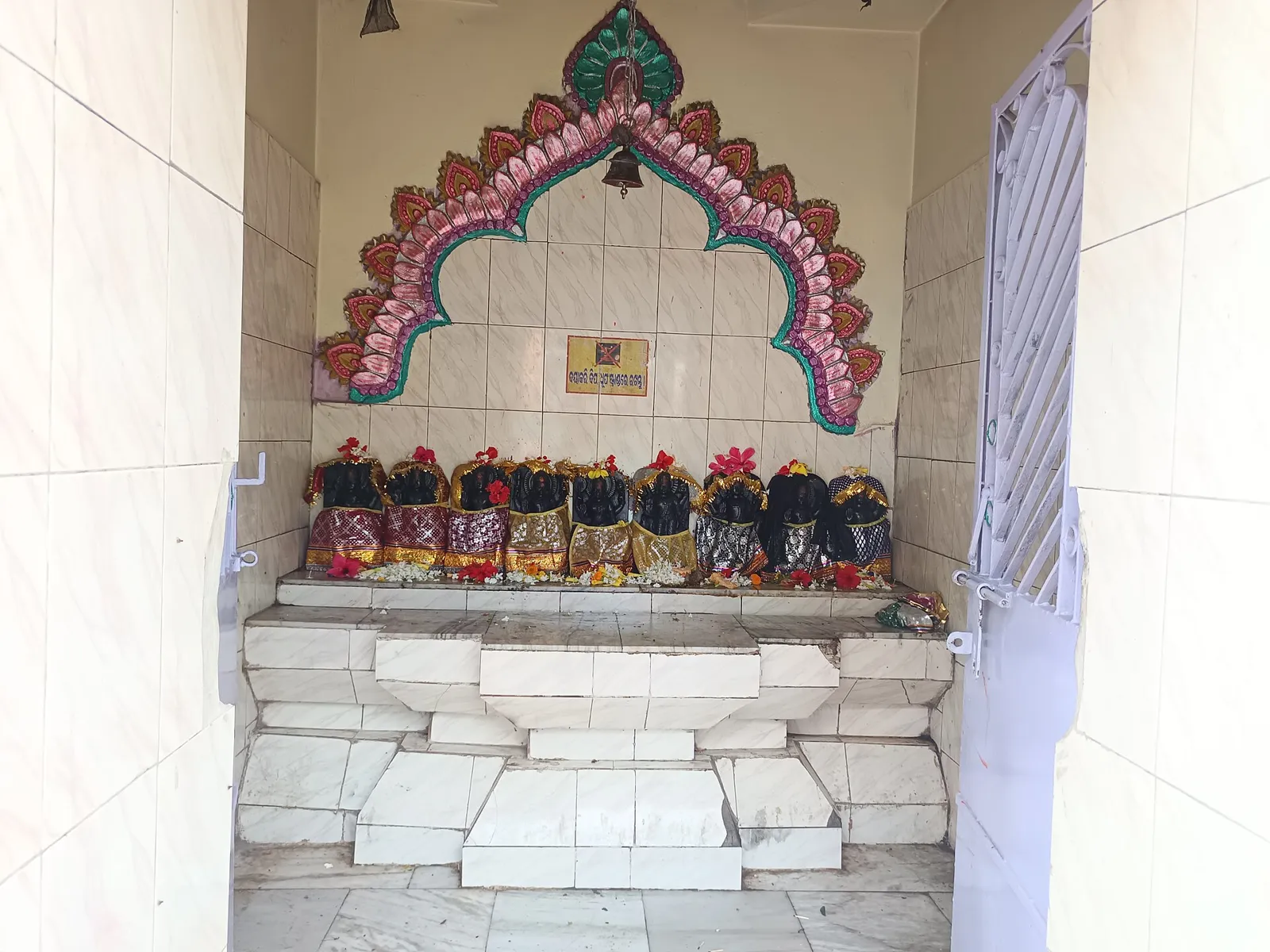
The present Navagraha Temple stands on Chitrasal Hill in Guwahati, in an area with longstanding associations with Hindu worship and the city’s past. Local and popular historical accounts attribute the temple’s construction to the Ahom king Rajeswar Singha, placing it in the Ahom period, generally in the eighteenth century. The exact details of its construction and early history are not equally documented in all accounts, so dates and claims are best treated with care. The temple’s dedication reflects the wider Hindu practice of worshipping the Navagraha, the nine celestial bodies understood to influence time, ritual calendars and human affairs. It is sometimes connected in regional narratives with Pragjyotishpur, the ancient name associated with Guwahati, and with the area’s reputation for astrology; such associations should not be taken as proof that the current building dates to antiquity. The site continues to function as a place of worship and pilgrimage, rather than solely as a historic monument. For details about conservation, repairs or current management, consult the temple authorities or local government sources; a specific restoration history is not established here.
Origin stories & folklore
According to local tradition, Guwahati’s ancient name, Pragjyotishpur, is associated with jyotisha, or astrology, and the region has long been linked in stories with celestial knowledge. The Navagraha Temple’s position on Chitrasal Hill is sometimes explained through this connection, as a fitting place to honour the planets. These are religious and cultural associations, not a verified account of the temple’s construction. Worshippers may also understand the nine planetary forms as powers that affect aspects of life and destiny. Practices and interpretations differ between families and religious teachers. Visitors can ask a priest or caretaker about local explanations, while remembering that beliefs are not necessarily shared by every worshipper.
Architecture & design
The temple occupies a hilltop setting on Chitrasal Hill in Guwahati. Its principal worship space is associated with nine representations of the Navagraha, rather than nine separate monumental temples. The building is a Hindu shrine designed for worship and offerings; its layout brings devotees into a shared sacred interior where the planetary forms can be approached in sequence. The hill location also gives the site a prominent position within the city. Accounts describe the temple as an Ahom-period structure, though the present appearance may reflect later upkeep and changes. A central shrine space, a roofed enclosure and a tower or domed roof form the main architectural elements visitors should look for. The practical arrangement is shaped by ritual use: worshippers enter, make offerings and move around the sacred area as directed by temple staff. Follow local guidance, as access to interior spaces can vary.
Important objects & sculptures
The central focus is the group of nine sacred representations associated with the planets: Surya, Chandra, Mangala, Budha, Brihaspati, Shukra, Shani, Rahu and Ketu. Accounts of the temple describe these as lingas, with individual forms associated with the celestial bodies. Their arrangement and ritual significance matter more to worshippers than display as museum objects. Offerings, lamps and flowers may be present during worship, but their placement can change through the day and with observances. Look carefully for any inscriptions, carved details or explanatory signs that are accessible to visitors, but do not assume that every surface is open for close inspection. The temple is a living place of worship, and sacred objects should not be touched or photographed unless permission is given.
Religious significance
The temple is dedicated to the Navagraha, the nine celestial bodies recognised in Hindu cosmology and astrology. These are Surya (Sun), Chandra (Moon), Mangala (Mars), Budha (Mercury), Brihaspati (Jupiter), Shukra (Venus), Shani (Saturn), Rahu (North Lunar Node) and Ketu (South Lunar Node). Many Hindu traditions include planetary worship in prayers and rites, though practices and beliefs vary. Devotees may offer flowers, light lamps, recite prayers or seek guidance from temple priests. Some visit in connection with astrological concerns or to mark personal occasions. The site’s meaning is therefore both communal and personal: it is a place to honour the grahas and take part in living worship. Visitors who are not attending rituals should observe quietly and ask before entering restricted areas.
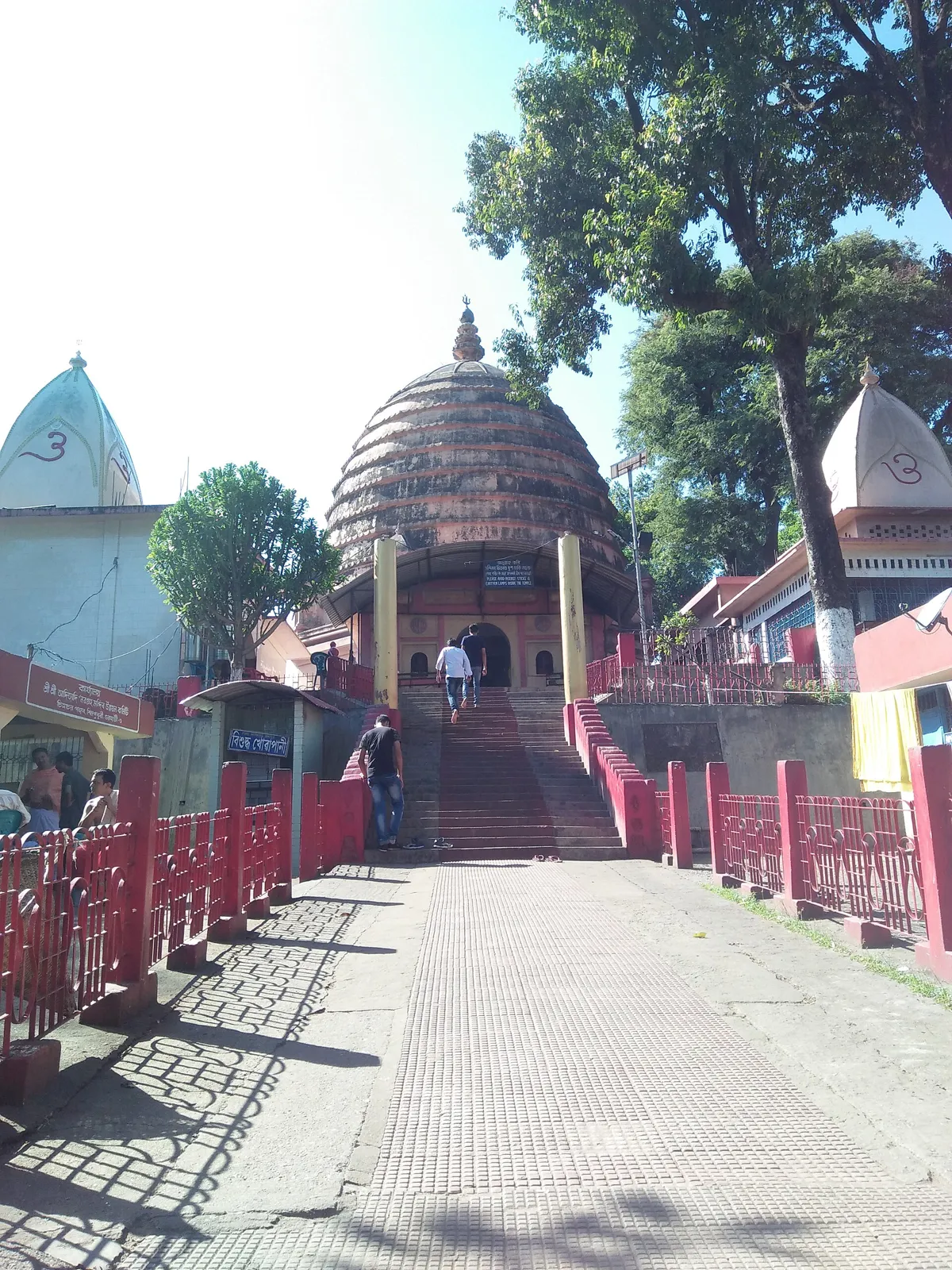
Visit Navagraha temples with time to observe daily rituals respectfully. Follow the posted rules on footwear, photography and dress, walk clockwise around Buddhist shrines and prayer wheels, and avoid interrupting worshippers. Ask caretakers which areas are open to visitors. A comfortable itinerary is one main visit in the morning, a local meal at midday and a short nearby stop before an afternoon return. Use the district list on this site to find other places in Kamrup Metropolitan, but check the actual road route and its condition before combining stops. If a festival is on, local roads and stays can be busy — and the experience can be unforgettable. Leave no litter: many sites in Assam are protected by the communities who own them.
Suggested itineraries
Half day: Travel to Chitrasal Hill, allow 1–2 hours for darshan and quiet observation, then have a meal in Guwahati. Full day: Visit Navagraha Temple in the morning, take a meal break, then visit the Assam State Museum or Srimanta Sankardev Kalakshetra; allow time for city traffic. Gentler option: Arrange a taxi drop-off as close to the temple entrance as local access permits, keep the visit to the main worship area, and take breaks as needed.
The temple is part of Guwahati’s living religious landscape, where Assamese and other regional languages are heard alongside languages used by visitors from across India. Local worship customs, offerings and forms of prayer may vary between households and occasions. The broader cultural setting of Assam includes Vaishnavite satras, Ahom heritage, Bihu celebrations and traditions of silk weaving; these are part of the region rather than specific performances at the temple. Visitors may encounter Assamese dress and everyday city life around the hill, as well as pilgrims arriving from elsewhere. Respectful observation is welcome, but worshippers should not be treated as subjects for photography without consent. Ask temple staff if you would like to understand a ritual or local custom.
Festivals & events
Maha Shivaratri is an important Hindu observance that may bring worshippers to the temple, given its sacred lingas; check locally for the temple’s programme. Special prayers connected with the Navagraha may also be held at different times of the year, but schedules can vary. The Assamese Bihu festivals, celebrated in seasonal cycles, enliven Guwahati and the wider region, though they are not necessarily temple-specific events. On major religious or city festival days, expect more visitors and possible traffic near the hill. Confirm current arrangements with temple staff before planning around a particular observance.
Local food in Assam includes masor tenga (a tangy fish curry), khar, duck with ash gourd, pitha rice cakes, aloo pitika and, of course, Assam tea. Ask what is fresh that day; many small eateries cook a limited daily menu. Pork, beef, fish and fermented ingredients are common in tribal cuisines, so vegetarian travellers should explain their needs clearly — rice, dal, vegetables and eggs are usually possible in towns. Remote sites may have no restaurant at all. Carry water and snacks, eat a proper breakfast before long drives, and ask your accommodation for a packed lunch if you are heading out early. If food or prasad is offered at the shrine, accept it according to local custom. Choose busy, clean places and carry your packaging back to town.
Shopping & local experiences
In Guwahati, look for Assamese silk and handloom textiles, including products associated with the region’s weaving traditions. Local markets may also offer bamboo and cane crafts, traditional garments, household items and packaged Assamese foods. Availability and authenticity vary, so ask about materials and origin before buying. Around a place of worship, small stalls may sell flowers, incense or devotional items, but offerings are not souvenirs to remove from the shrine. Try local Assamese food at a restaurant in the city, checking ingredients and dietary needs with the staff.
October to April
These figures are calculated from map coordinates, so actual road distance and travel time are longer. Guwahati is the main rail and air hub for the region, and most long-distance journeys connect through it. For the final leg, Assam State Transport Corporation (ASTC) and private Volvo/sleeper coaches link district towns; shared taxis usually leave early in the morning and depart only when full. A private taxi gives more flexibility for remote sites. When comparing train, bus and flight, count the complete door-to-door time: a flight saves the most time only if the onward road transfer is short, while an overnight train to Guwahati plus a road journey can save a hotel night. Book your return before you leave, because seats on shared vehicles and the few daily flights fill quickly. Current train numbers, timings, return services and fares are not listed here; check IRCTC and NTES for trains and the airline’s own schedule for flights. No Inner Line Permit is needed to visit Assam.
Getting around
The temple is within Guwahati, and visitors can generally reach the area by local taxi, auto-rickshaw or city bus, followed by a short approach on foot or by road depending on the drop-off point. A taxi is often the simplest option for visitors unfamiliar with the hill approaches. Availability of parking near the site can vary, particularly during busy worship periods. Ask the driver to confirm the correct entrance and arrange a return pickup if needed. Guwahati traffic can affect journey times, so leave a margin and avoid relying on a tight connection.
Hours, tickets & permissions
Entry arrangements can depend on worship, maintenance and special observances. There may be rules about footwear, access to the inner shrine, offerings and photography; follow notices and instructions from temple staff. Do not assume that every part of the complex is open to all visitors. Ticketing or other entry requirements should be checked locally rather than presumed. Confirm current opening hours, any fees and access arrangements with the temple’s managing authority before setting out.
Facilities
Basic facilities at the temple may include space to leave footwear and areas for worship; availability and arrangements can change. Toilets, drinking water, food and shops are more likely to be found in the surrounding Guwahati neighbourhood than within the shrine itself, so check locally and carry water. Parking may be limited or affected by crowds. Guides are not guaranteed on site; temple staff may be able to answer basic questions when available. ATMs and a wider choice of food and services can be found in the city, rather than necessarily at the hilltop.
Accessibility
The temple is on a hill, and the final approach may involve uneven ground, slopes or steps; conditions and access can vary. The extent of walking depends on where a vehicle can stop and which areas are open. Do not assume that wheelchair ramps, lifts or step-free access are available. Strollers may be difficult to manage on uneven approaches, and elderly visitors or anyone with limited mobility may prefer to travel by taxi and ask locally about the closest accessible drop-off. Shade and places to rest may be limited, so plan breaks and avoid rushing.
No Inner Line Permit is needed to visit Assam. Carry a photo ID at all times; checkpoints are common. Save the emergency number 112 and your accommodation’s contact offline. Heat, humidity and sudden downpours are the main weather risks; carry water and rain protection. Respect community rules, private property and posted instructions. Avoid long road journeys after dark and during heavy rain. Check official advisories for the region before travel, and follow local guidance if access changes.
Visitor rules
Dress modestly and follow posted instructions on footwear and entry to the shrine. Remove shoes where required and keep them in the designated area. Do not enter restricted spaces, touch sacred objects or interrupt prayers. Ask before making offerings or joining a ritual, and follow the directions of priests and caretakers. Photography may be restricted, especially inside the worship space; check before taking pictures. Avoid littering and reduce single-use plastic. Keep voices low and give worshippers room to pray.
Photography
The hilltop setting can be pleasant to photograph in soft morning or late-afternoon light, but the best viewpoint and access depend on conditions on the day. Ask temple staff before photographing inside, sacred representations, priests or worshippers; some areas or rituals may be off limits. Avoid flash if it could disturb prayer. Drone use may be restricted by aviation rules, local security requirements or temple policy, so do not fly one without checking and obtaining any required permission. Prioritise respectful observation over photographs.
Choose a stay by the full journey to Navagraha temples, not just the district name. Main towns in Kamrup Metropolitan usually offer hotels, state tourism lodges and homestays with better transport, meals and medical access, while village homestays offer a closer connection to local life. In the plains and valleys, check fans or air-conditioning and mosquito nets in summer. Book in advance for weekends, festival dates and the peak season (October to April). Confirm the exact location, meals included, check-in time and cancellation terms in writing. Many homestays accept payment on arrival; avoid sending money to unverified contacts. Mobile network and digital payments can be unreliable in remote areas, so carry some cash.
Within Guwahati, visitors can consider Kamakhya Temple, Umananda Temple on the Brahmaputra, the Assam State Museum and Srimanta Sankardev Kalakshetra. The Assam State Zoo cum Botanical Garden and Basistha Ashram are other established city attractions. These places have different settings and access arrangements, so check routes and current visitor information before combining them. Allow for Guwahati traffic, and avoid planning more stops than daylight and travel conditions comfortably permit.
For couples, Navagraha temples rewards a slow pace: arrive early for soft light and fewer crowds, share a local meal and keep the evening free. Public displays of affection can be frowned upon in conservative communities and at religious sites, so be discreet. A homestay can make the trip memorable — confirm privacy, hot water and transport back. Keep a buffer day in your itinerary, because weather and road closures can delay plans in Assam.
Q: How much time should I allow for a visit? A: Allow around one to two hours for the temple visit, with extra time for travel, queues or worship. Q: When is a good season to visit? A: October to April is generally more comfortable in Assam; monsoon rain can make travel less predictable. Q: Is there an entry fee or a ticket? A: Check with the temple authority before visiting. Q: Can children and elderly visitors visit? A: Yes, but the hill approach may involve slopes or steps. Check access locally and allow time for breaks. Q: Where can I stay nearby? A: Guwahati has a range of accommodation. Choose a stay based on your route and confirm availability before travelling.
Be the first to share photos, stories, advice or a helpful contact for Navagraha temples.
Loading…