Ghumoopedia — Explore, Discover, Experience
Sign in
Charaideo, near Sonari

City guide · Assam

Sonari

Sonari is a town in eastern Assam and the headquarters of Charaideo district. Its location on the historic Dhodar Ali, an old route built under the Ahom kings, connects it with Sivasagar and the wider Upper Assam region.

Famous for

  • Charaideo district headquarters
  • Ahom-era Dhodar Ali
  • Senglung tea estate
  • Tea and timber trade
  • Sonari Shiva Temple
  • Nearby Charaideo Maidams

Why Sonari matters

Sonari is a town in eastern Assam and the headquarters of Charaideo district. Its location on the historic Dhodar Ali, an old route built under the Ahom kings, connects it with Sivasagar and the wider Upper Assam region. The town also serves as a gateway towards Mon district in Nagaland and is a local centre for tea and timber-related activity.

For visitors, Sonari offers a quieter base for exploring the history and landscapes of the area. The nearby Charaideo Maidams, royal burial mounds of the Ahom dynasty, are a major draw, while Dhodar Ali gives a sense of the region’s historic road network. Within town, Bor Pukhuri and its surrounding Lachit Nagar park, the temples and mosque, and memorials to Assamese figures provide points of interest. Sonari’s importance today lies in its district-administration role, its links to surrounding communities and its position between notable Ahom-era sites and the tea-growing countryside.
Famous for: crafts, trade & products

Sonari’s best-known local industries are tea and timber rather than a particular textile tradition or handicraft market. The tea-growing heritage is especially notable: Senglung Tea Estate, near Suffry, was established by Maniram Dewan in 1845 and is associated with the early history of Indian-owned commercial tea planting. Tea is the most distinctive regional product to look for in local shops; availability and estate access can vary, so visitors should check locally.

The town’s market serves residents and nearby villages, with everyday groceries, household goods and produce rather than a widely recognised tourist bazaar. Timber has also been part of the area’s trade and industry. For a sense of Sonari’s heritage, explore the area around Bor Pukhuri and Lachit Nagar park, then ask locally about tea-growing sites and the route towards Suffry.

History

Sonari’s history is closely tied to the Ahom kingdom and its roads. Dhodar Ali, commissioned under Ahom king Gadadhar Singha, connected settlements across the region and remains an important route through town. Local tradition says Sonari was once called Sonapur. Another account holds that Ahom king Sutamla rested here during the turmoil surrounding Mir Jumlah’s invasion of Assam in 1663; this is a historical tradition rather than a firmly established detail.

The area also entered the history of Assam’s tea industry. In 1845, Maniram Dewan established Senglung Tea Estate near Suffry, one of his early tea ventures and part of the rise of Indian commercial tea planting during the colonial period. In the town centre, Bor Pukhuri is a reminder of the Ahom-era landscape; the adjoining park is now called Lachit Nagar park and features a statue of the Ahom general Lachit Borphukan. Sonari’s modern administrative role grew when it was designated the headquarters of Charaideo district in 2015.

Food, festivals & culture

Assamese is widely spoken in Sonari, alongside other languages used across this eastern Assam borderland. Everyday food reflects the wider cuisine of Assam: rice, fish, leafy greens and seasonal vegetables, with familiar preparations such as tangy tenga and khar. Pitha and laru are traditional treats, especially during festive occasions, and tea is part of daily hospitality as well as the area’s economic identity.

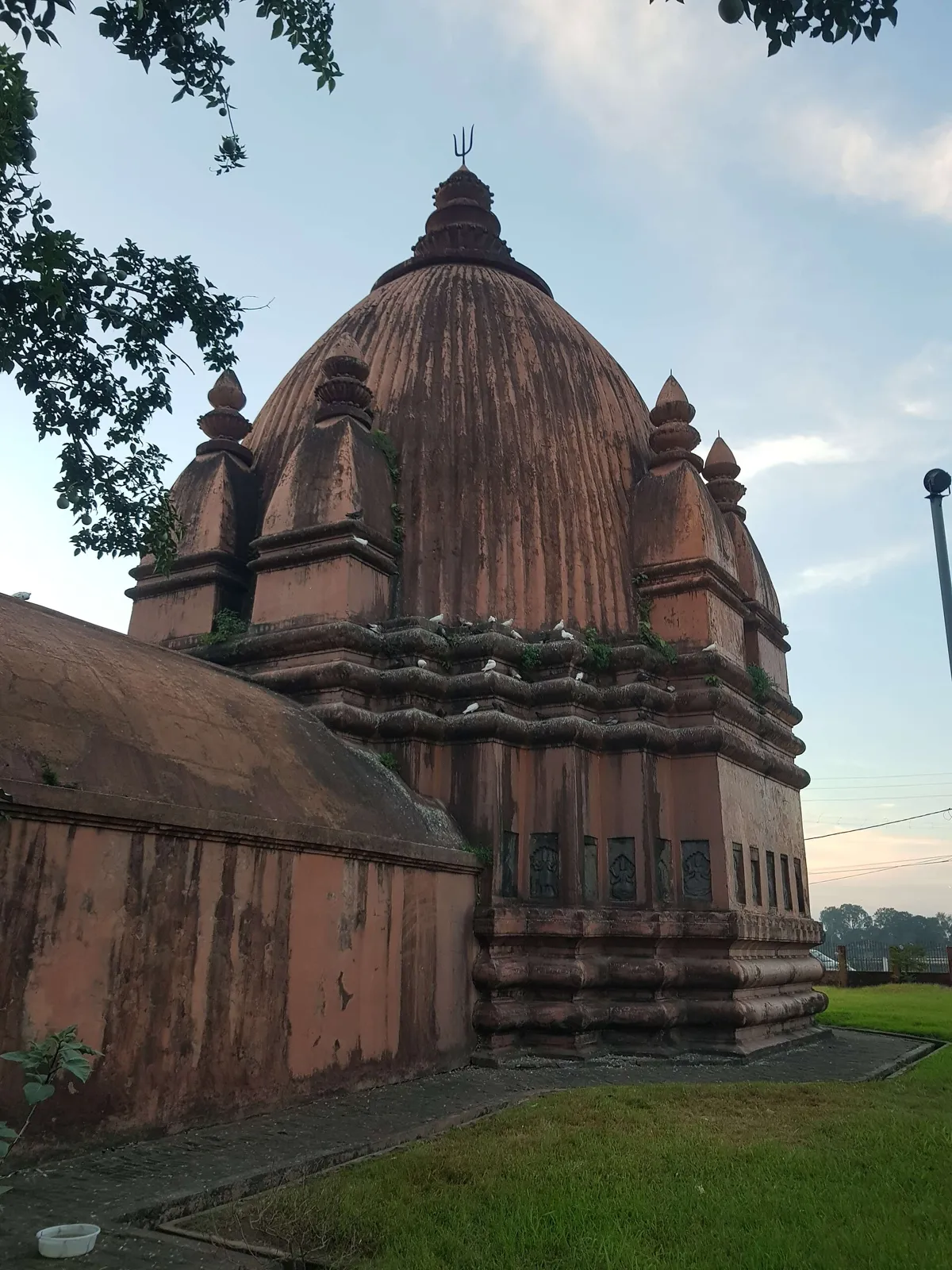
Bihu is the major cultural festival, celebrated in different seasons: Rongali Bihu in spring, Kati Bihu in autumn and Magh Bihu in winter. Bihu songs and dance are part of the broader Assamese cultural tradition. Sonari also remembers poet, lyricist and dramatist Parvati Prasad Baruah, whose statue marks his connection with the town. Places of worship include the Sonari Shiva Temple, Shani Temple and Sonari Mosque, reflecting the town’s varied religious life. Visitors should be respectful at religious sites and check locally about festival events.

Visiting the city

The cooler, drier months from October to April are generally the most comfortable for exploring Sonari and nearby sites; monsoon travel can be affected by heavy rain. Dibrugarh Airport is the nearest major airport commonly used for the area. Bhojo railway station, about 3 km from town, is the main nearby rail stop. From either, visitors can continue by road; local taxis and auto-rickshaws are useful for getting around, while a car is convenient for excursions.

Explore the town centre around Bor Pukhuri and Lachit Nagar park, then follow Dhodar Ali towards the temples and Taokak River. The Charaideo Maidams make a worthwhile nearby excursion. Ask locally about current road conditions and access to tea-growing areas around Suffry.

Trips from the city

Nearest places to visit from Sonari

Our closest destination guides, by straight-line distance.

Charaideo

17 km away · Charaideo district

Charaideo

Charaideo is a historic Assamese town and the Ahom kingdom’s first capital. Visitors come to see its maidams, burial mounds associated with Ahom kings and royal family members.

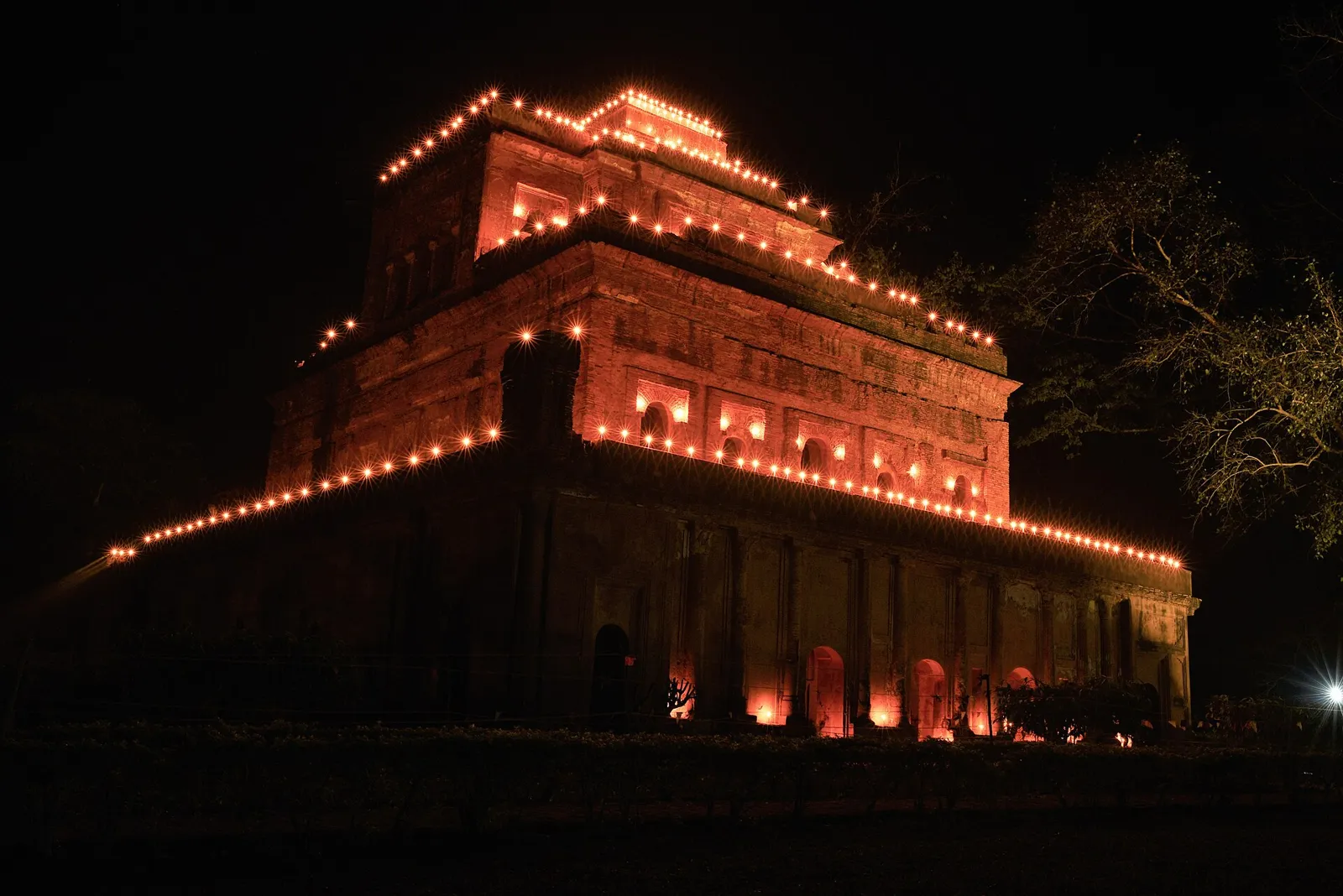
Kareng Ghar

29 km away · Sivasagar district

Kareng Ghar

Kareng Ghar, or Garhgaon Palace, is a historic palace in Assam’s Sivasagar district. Visitors come to see its distinctive multi-level form and learn about its place in Ahom history.

Sivasagar Sivadol

38 km away · Sivasagar district

Sivasagar Sivadol

Sivasagar Sivadol is a complex of three Hindu shrines and a museum beside Sivasagar tank in Assam. Visitors come to see its temples, including the tall Sivadol.

39 km away · Sivasagar district

Talatal Ghar

Talatal Ghar is an eighteenth-century palace and military stronghold at Rangpur in Assam, and the largest monument of the Ahom era. Visitors explore its surviving ruins and underground features.

Rang Ghar

40 km away · Sivasagar district

Rang Ghar

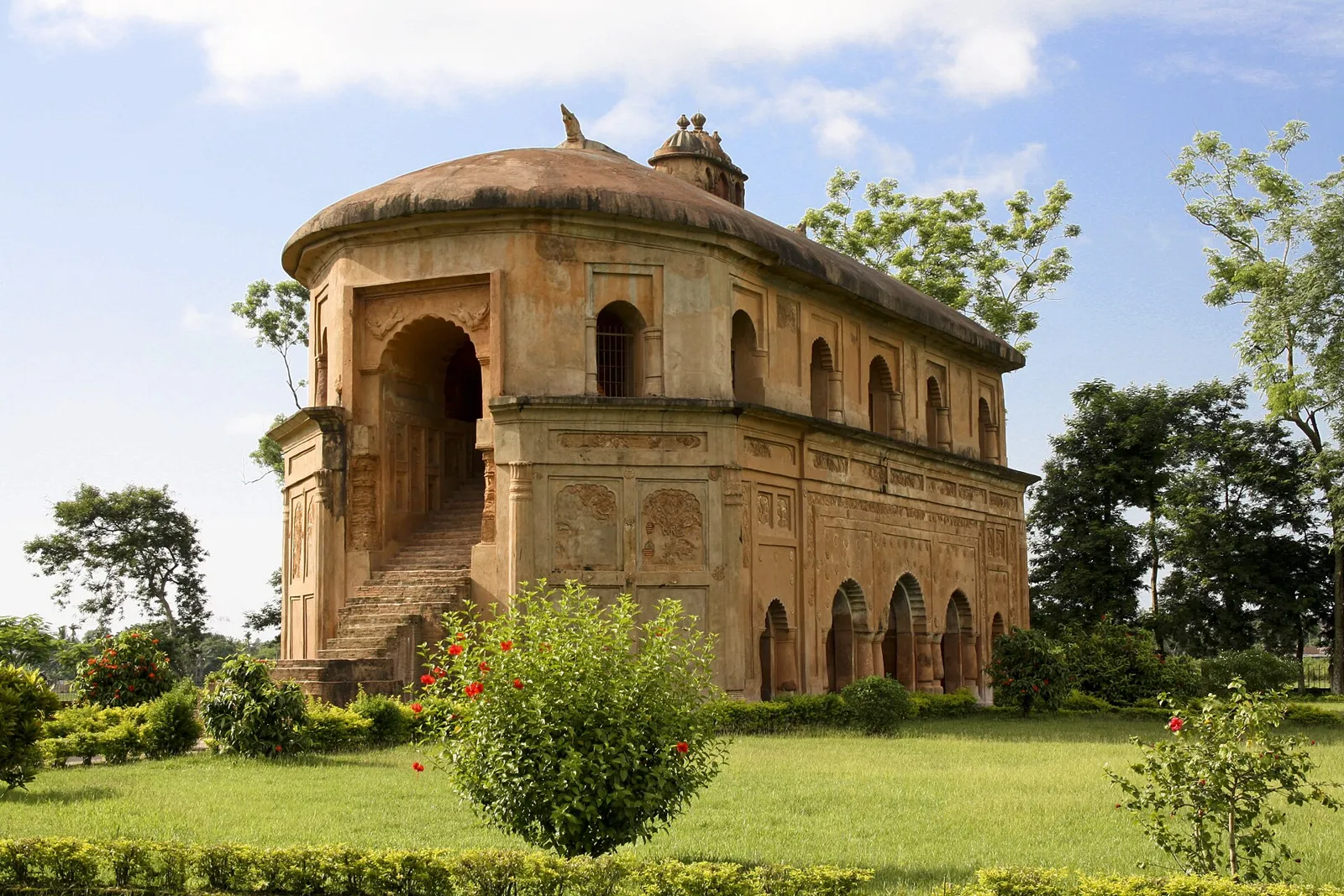
Rang Ghar is a two-storey former royal viewing pavilion in Sivasagar district, Assam, known for its links to Ahom-era sports and Rongali Bihu.

Digboi

72 km away · Tinsukia district

Digboi

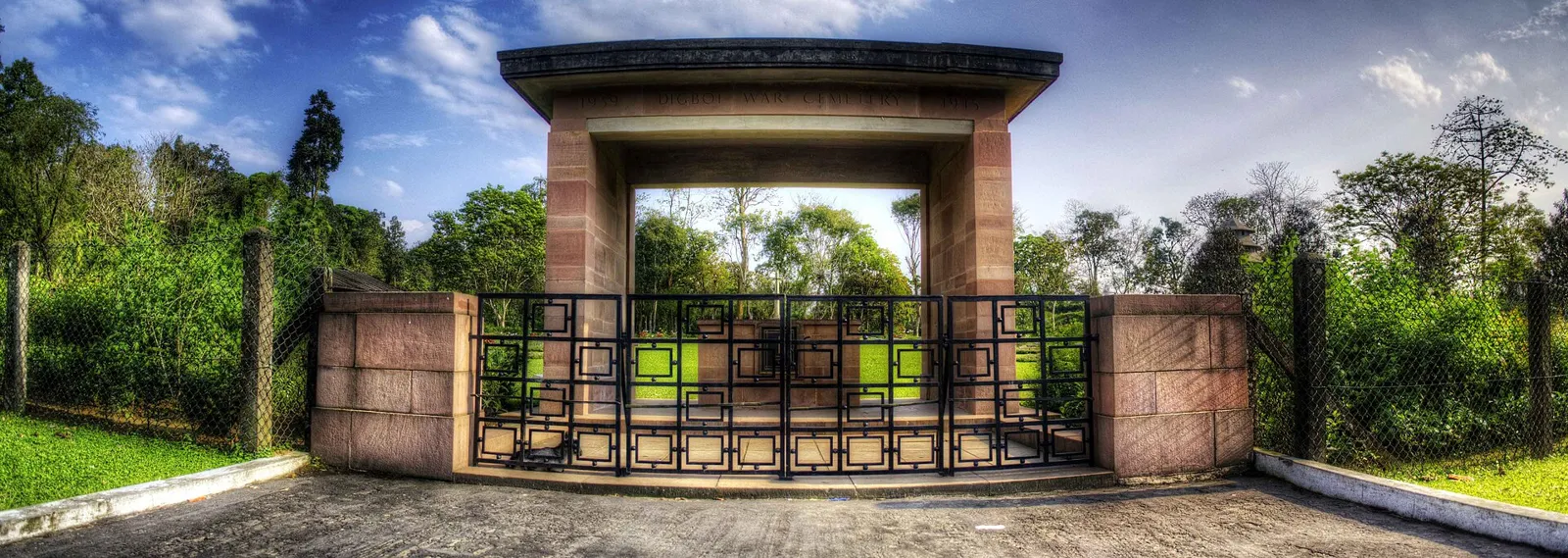
Digboi is a city and municipal corporation in Assam’s Tinsukia district, known for its petroleum heritage. Visitors are drawn to its early oil-industry history, refinery and long-operating well.

Hoollongapar Gibbon Sanctuary

72 km away · Jorhat district

Hoollongapar Gibbon Sanctuary

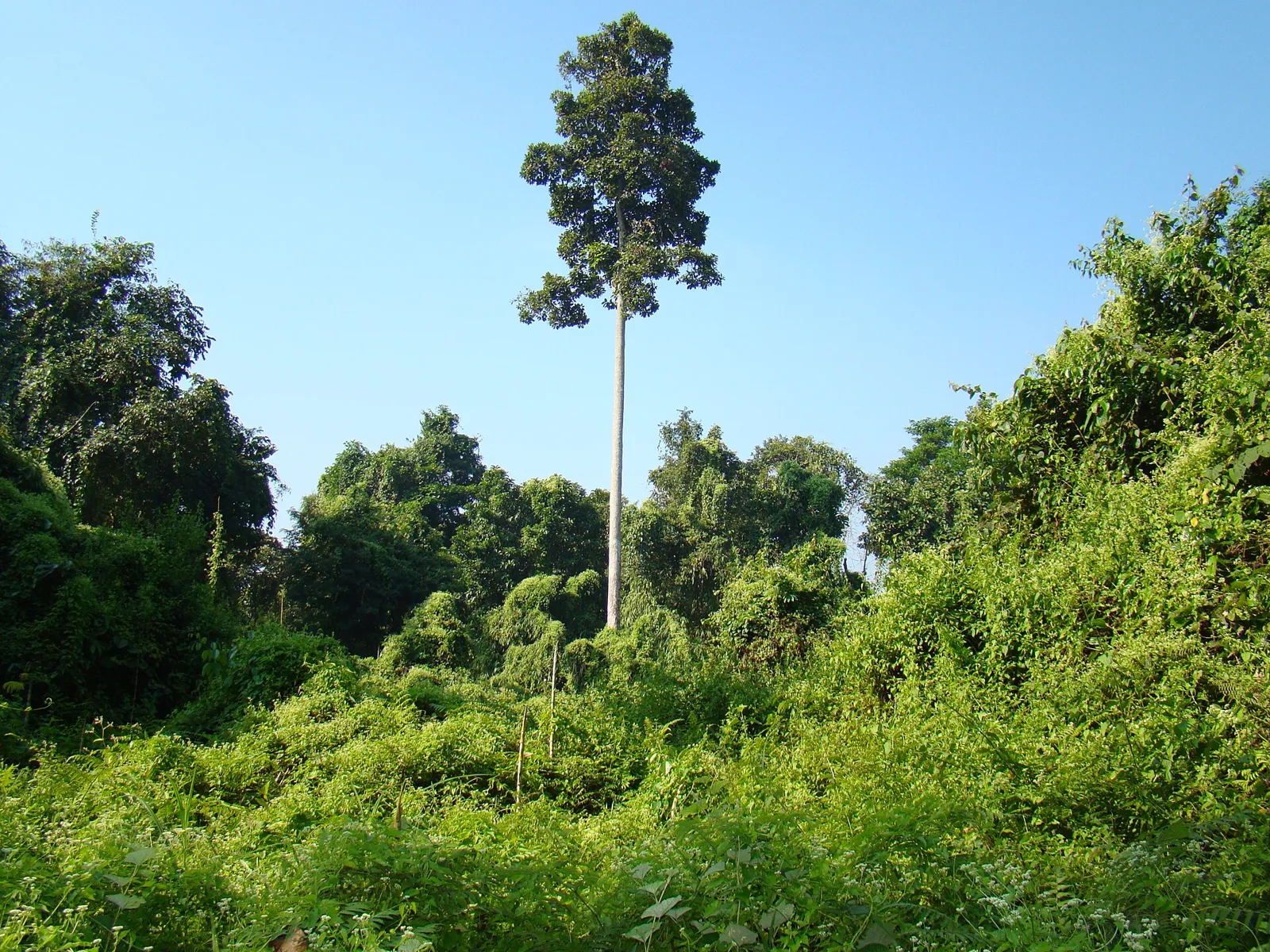
Hoollongapar Gibbon Sanctuary is an evergreen forest reserve in Assam’s Jorhat district, visited for its distinctive primates, including hoolock gibbons and Bengal slow lorises.

Joysagar Tank

78 km away · Sivasagar district

Joysagar Tank

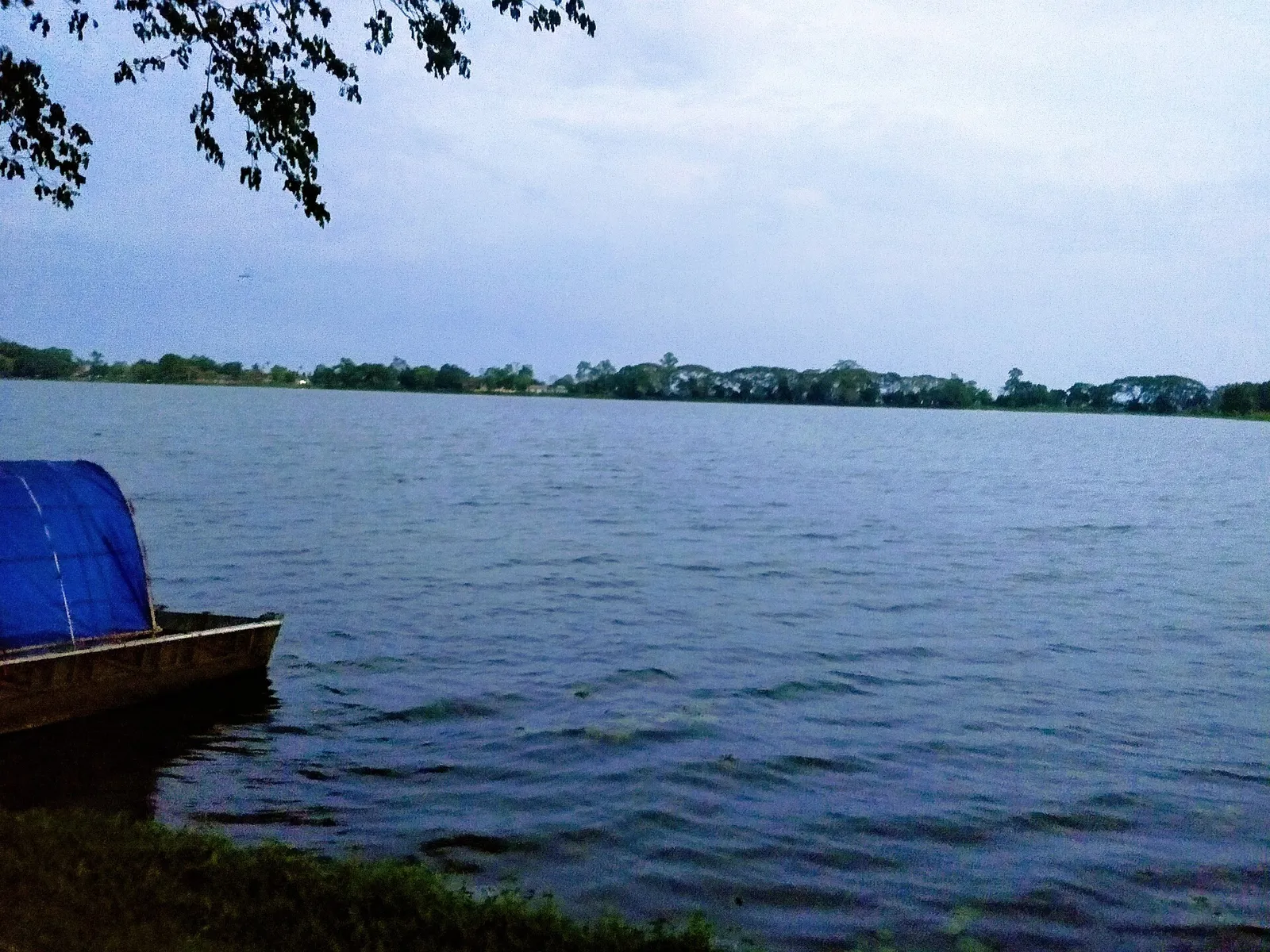
Joysagar Tank, also called Joysagar Borpukhuri, is a large historic tank in Assam’s Sivasagar district. Visitors come to learn about its historical significance.

Map

Sonari on the map

  1. 1Charaideo
  2. 2Kareng Ghar
  3. 3Sivasagar Sivadol
  4. 4Talatal Ghar
  5. 5Rang Ghar
  6. 6Digboi
  7. 7Hoollongapar Gibbon Sanctuary
  8. 8Joysagar Tank

Assam

Other cities to explore