Ghumoopedia — Explore, Discover, Experience
Sign in

City guide · Assam

Silapathar

Silapathar is a small city and municipal board in Dhemaji district, on the north bank of the Brahmaputra in Upper Assam. Its importance comes less from monumental city sights than from its role as a commercial centre serving Dhemaji and neighbouring parts of Arunachal Pradesh.

Famous for

  • Zangdok Palri Buddhist Monastery
  • Malinithan temple
  • Mising cultural traditions
  • Dhemajii’s regional trade
  • Bogibeel Bridge connection

Why Silapathar matters

Silapathar is a small city and municipal board in Dhemaji district, on the north bank of the Brahmaputra in Upper Assam. Its importance comes less from monumental city sights than from its role as a commercial centre serving Dhemaji and neighbouring parts of Arunachal Pradesh. The town lies close to the state border and is linked with Dibrugarh by the Bogibeel rail-cum-road bridge, making it a useful base for journeys across the river and into the region.

Visitors come for the nearby Malinithan temple and for Zangdok Palri Monastery, also known as Silapathar Buddhist Monastery. The area is home to Mising, Chutia, Ahom, Gorkha and Deori communities, giving the town a varied cultural character. Silapathar’s name is associated with the Assamese words sila, meaning kite, and pothar, meaning field; local tradition recalls the area as a winter kite-flying ground. It is best approached as a working regional town, with places of worship, markets and access to the broader Brahmaputra valley as its main draws.
Famous for: crafts, trade & products

Silapathar is chiefly known as a trading and service centre for Dhemaji district and nearby parts of Arunachal Pradesh. Its shops and local markets serve residents, travellers and surrounding villages, with everyday goods and agricultural produce forming the practical core of commerce. The town is not widely associated with a particular GI-tagged product, major textile industry or signature craft, so visitors should not expect a specialist shopping district devoted to one product.

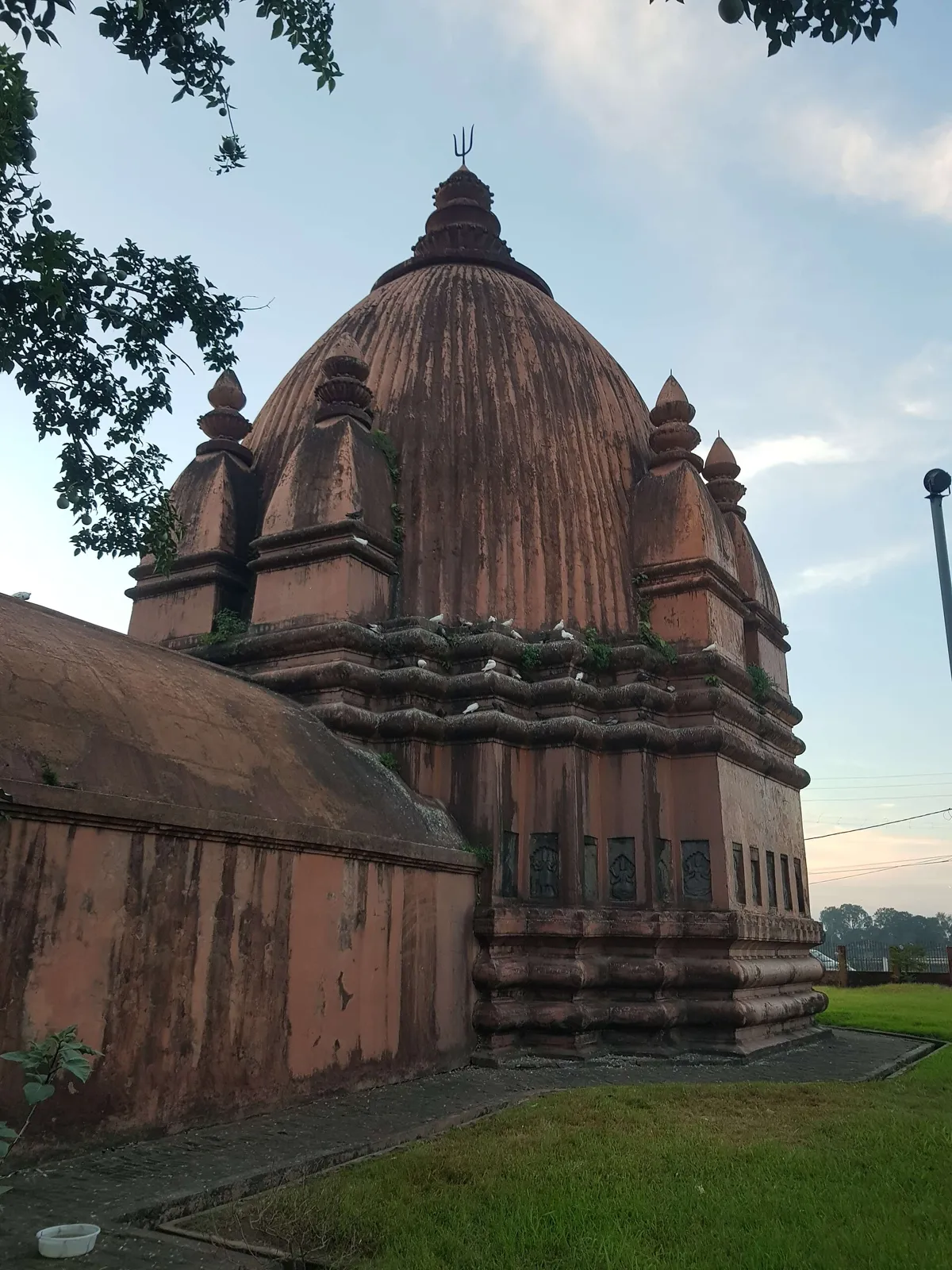
Handloom traditions are important among communities across Assam, including the Mising, whose weaving is part of local cultural life. In Silapathar, visitors can ask in town markets and neighbourhood shops about locally made cloth and household items; availability varies, and there is no single established craft market to rely on. For a sense of the town’s institutions and religious life, visit Zangdok Palri Buddhist Monastery. Malinithan, a historic temple site about 10 kilometres away, is another notable destination, though it is a place of worship and heritage rather than a shopping centre. The town’s commercial character is closely tied to its position between Dhemaji, the Brahmaputra crossing and Arunachal Pradesh.

History

Silapathar’s history is closely connected to its landscape and to the communities that have long lived in the Brahmaputra valley. A local explanation links the name to sila, or kite, and pothar, or field, recalling the area as a winter kite-flying ground for Mising people. The nearby Malinithan temple gives the region an older religious and archaeological dimension, although the town’s own development is more closely associated with settlement, transport and trade than with a single royal capital.

Silapathar grew into an important market centre for Dhemaji and communities across the border in Arunachal Pradesh. Its location near the river and regional routes helped connect villages and trading areas. In modern times, its municipal role and commercial activity have made it a service hub for the district. The Bogibeel rail-cum-road bridge strengthened links with Dibrugarh and the south bank of the Brahmaputra. The town’s present character reflects these transport connections alongside the continuing presence of Mising, Chutia, Ahom, Gorkha and Deori communities.

Food, festivals & culture

Silapathar’s cultural life reflects the Mising, Chutia, Ahom, Gorkha and Deori communities of the surrounding region. Assamese is widely used, alongside community languages including Mising and other languages spoken locally. Rice is central to everyday meals; fish, seasonal vegetables and leafy greens are common across the valley. Regional home cooking may also include fermented or smoked foods. Rice cakes and other pitha are especially associated with festival seasons, though recipes and customs differ between households.

Bihu is widely celebrated in Assam, with its main observances associated with the agricultural calendar in spring, autumn and winter. Mising communities celebrate Ali-Aye-Ligang in the spring, with music, dance and community gatherings. Traditional songs and dances are important parts of these occasions. Places of worship reflect the area’s diversity: Zangdok Palri Buddhist Monastery is a notable Buddhist centre, while Malinithan is a significant nearby Hindu temple site. Local religious and cultural events are best experienced with respect for community customs and any guidance at the venue.

Visiting the city

The drier months, roughly October to April, are generally the most comfortable for visiting; monsoon rain can make regional travel less predictable. The nearest useful airports to consider are Dibrugarh Airport, also called Mohanbari, and Lilabari Airport near North Lakhimpur; check onward road connections when planning. Silapathar has its own railway station, the main rail access for the town. Bogibeel Bridge provides a road and rail connection toward Dibrugarh.

Within Silapathar, local taxis and auto-rickshaws are practical ways to get around, while nearby sights may require arranging a vehicle. Explore the central market area for everyday town life, then visit Zangdok Palri Buddhist Monastery and make a separate trip to Malinithan, around 10 kilometres away. The town also works as a starting point for journeys toward Dhemaji and the Arunachal Pradesh border.

Trips from the city

Nearest places to visit from Silapathar

Our closest destination guides, by straight-line distance.

Dibru-Saikhowa National Park

65 km away · Tinsukia district

Dibru-Saikhowa National Park

Dibru-Saikhowa National Park spans Dibrugarh and Tinsukia districts in Assam. Visitors come for its varied forest and wetland habitats, endangered species and rich fish diversity.

Sivasagar Sivadol

68 km away · Sivasagar district

Sivasagar Sivadol

Sivasagar Sivadol is a complex of three Hindu shrines and a museum beside Sivasagar tank in Assam. Visitors come to see its temples, including the tall Sivadol.

Rang Ghar

71 km away · Sivasagar district

Rang Ghar

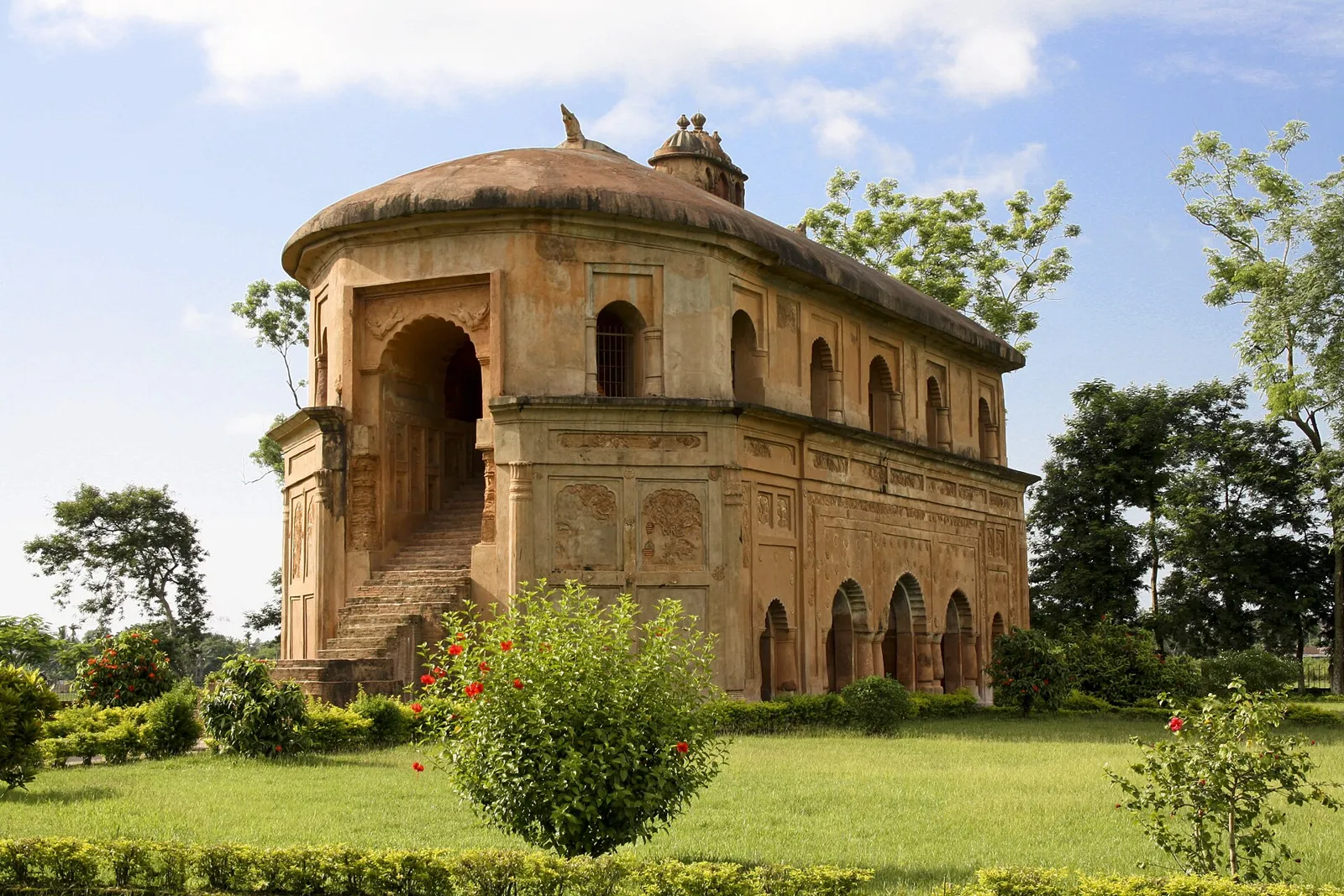
Rang Ghar is a two-storey former royal viewing pavilion in Sivasagar district, Assam, known for its links to Ahom-era sports and Rongali Bihu.

71 km away · Sivasagar district

Talatal Ghar

Talatal Ghar is an eighteenth-century palace and military stronghold at Rangpur in Assam, and the largest monument of the Ahom era. Visitors explore its surviving ruins and underground features.

Kareng Ghar

73 km away · Sivasagar district

Kareng Ghar

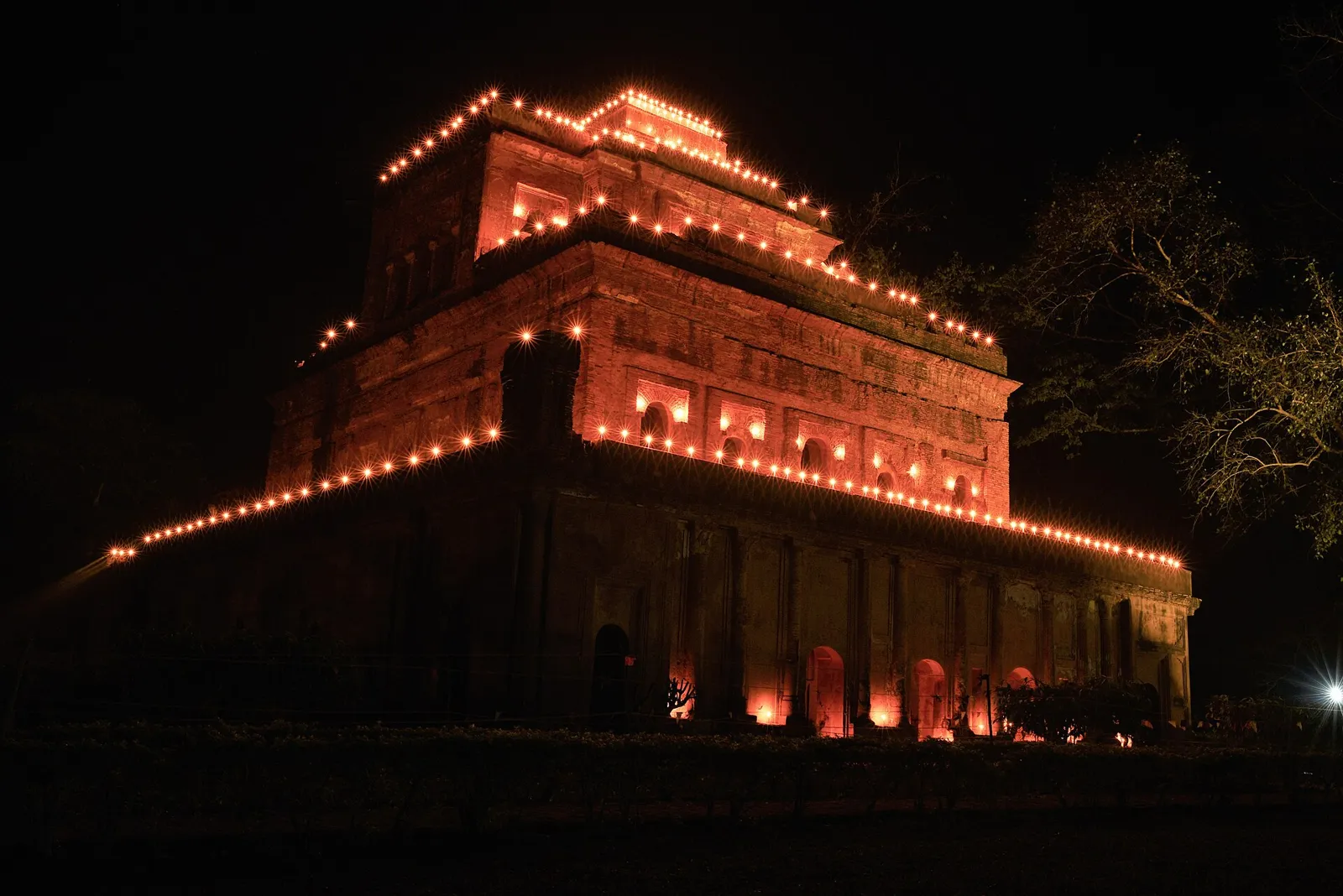
Kareng Ghar, or Garhgaon Palace, is a historic palace in Assam’s Sivasagar district. Visitors come to see its distinctive multi-level form and learn about its place in Ahom history.

Charaideo

74 km away · Charaideo district

Charaideo

Charaideo is a historic Assamese town and the Ahom kingdom’s first capital. Visitors come to see its maidams, burial mounds associated with Ahom kings and royal family members.

Majuli

83 km away · Majuli district

Majuli

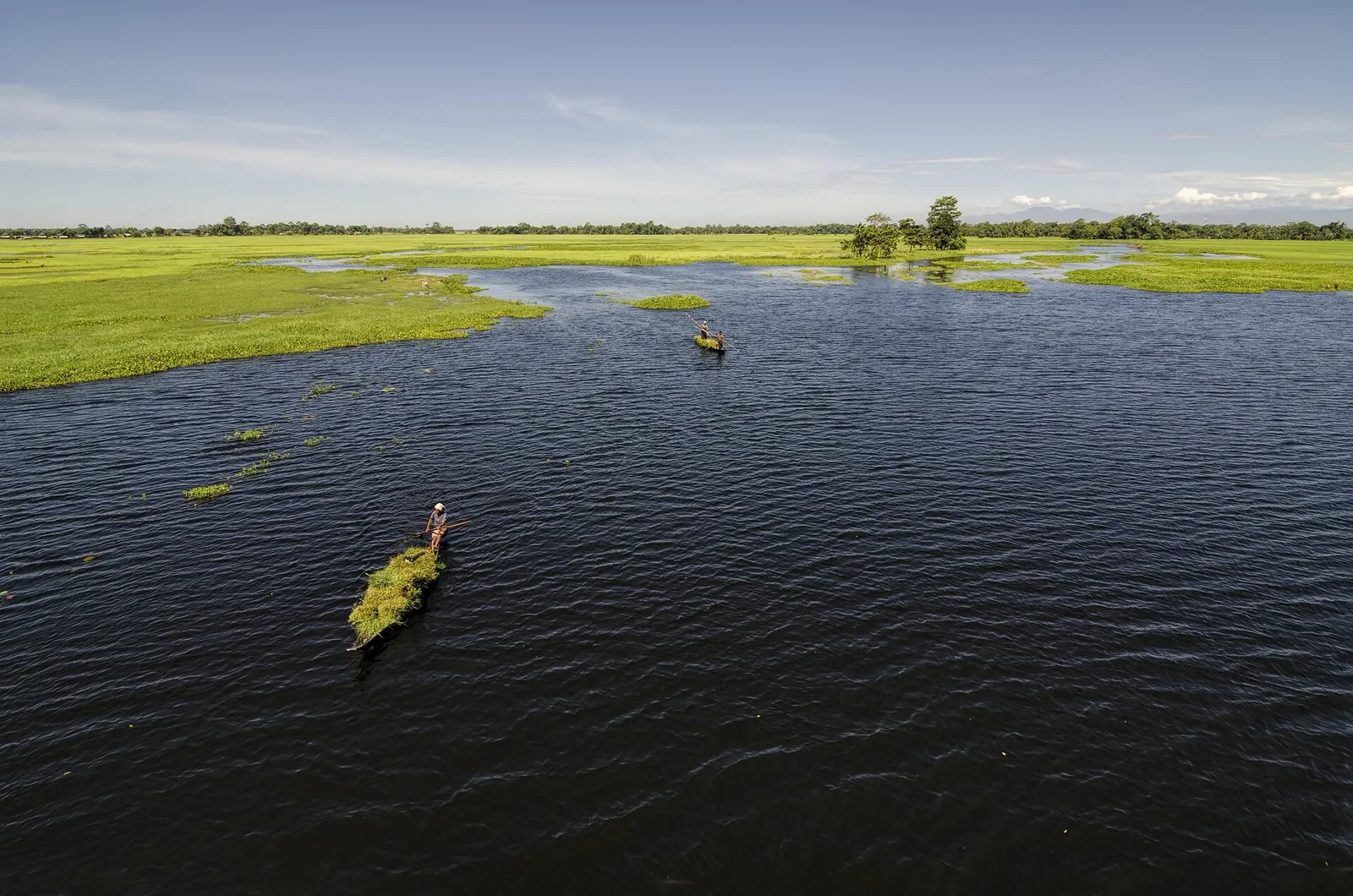
Majuli is a river island in Assam, valued as a centre of Assamese neo-Vaishnavite culture and home to several tribal communities. Visitors reach it by ferry or boat from Jorhat.

Digboi

92 km away · Tinsukia district

Digboi

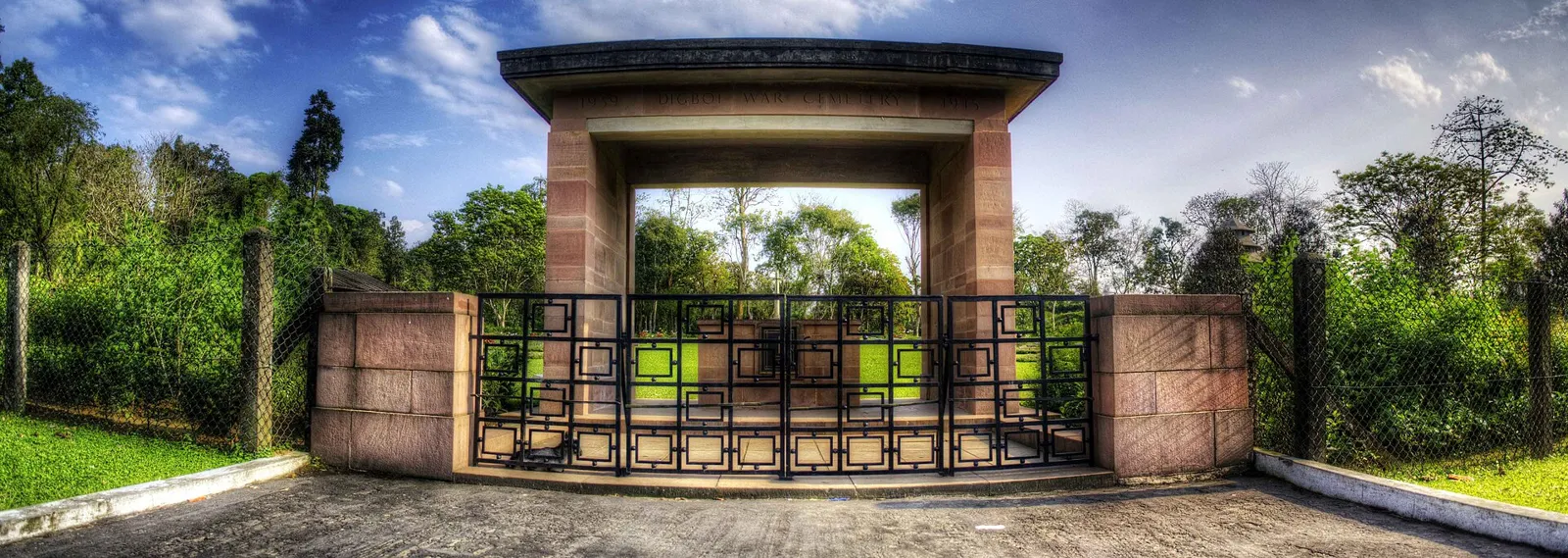
Digboi is a city and municipal corporation in Assam’s Tinsukia district, known for its petroleum heritage. Visitors are drawn to its early oil-industry history, refinery and long-operating well.

Map

Silapathar on the map

  1. 1Dibru-Saikhowa National Park
  2. 2Sivasagar Sivadol
  3. 3Rang Ghar
  4. 4Talatal Ghar
  5. 5Kareng Ghar
  6. 6Charaideo
  7. 7Majuli
  8. 8Digboi

Assam

Other cities to explore