Ghumoopedia — Explore, Discover, Experience
Sign in
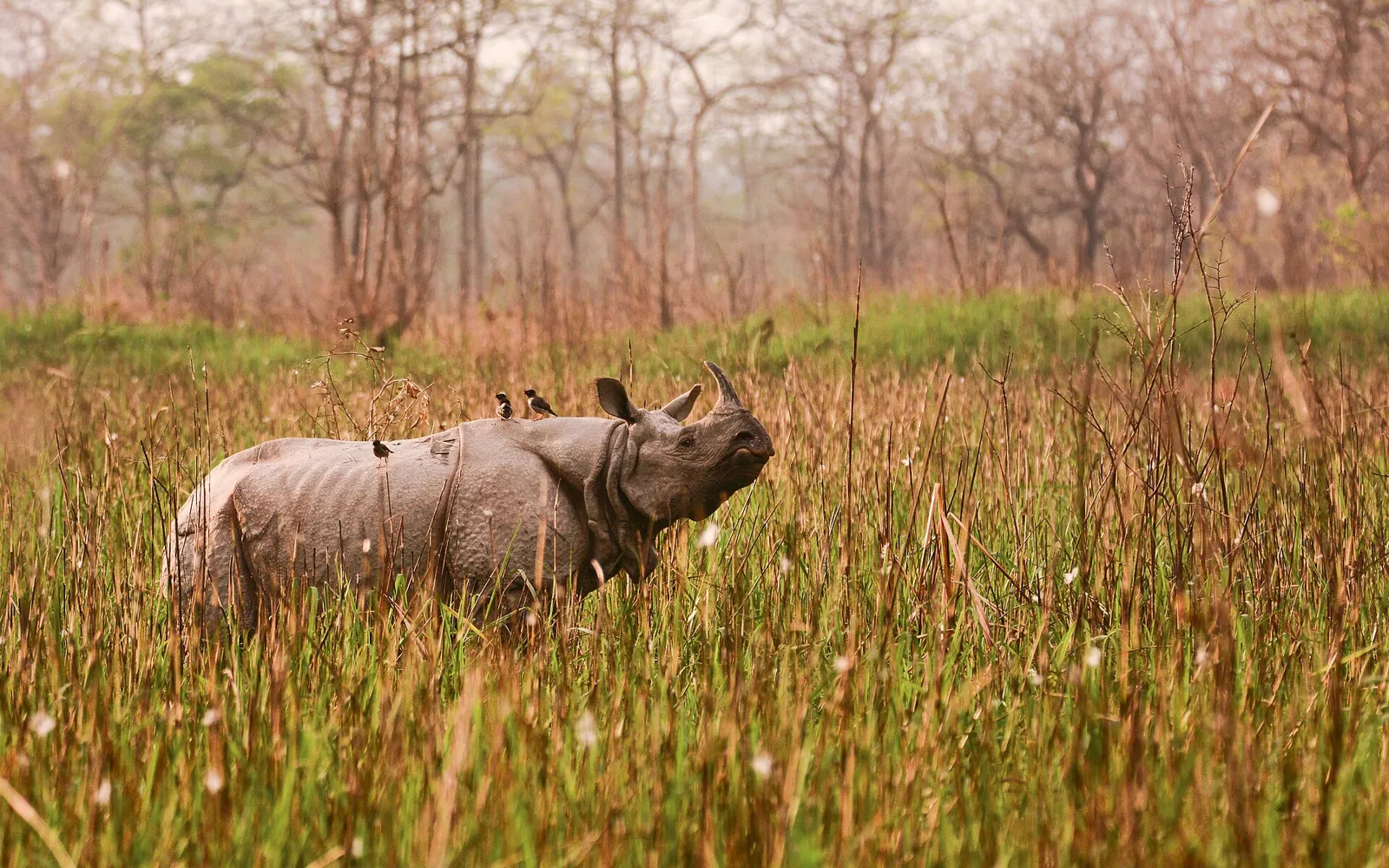
Orang National Park, near Dhekiajuli

City guide · Assam

Dhekiajuli

Dhekiajuli is a municipal town in Sonitpur district, northern Assam. It serves as a local centre for nearby villages, with shops, services and markets connecting the surrounding countryside.

Famous for

  • Dhekiajuli's 1942 history
  • Tileswari Barua's legacy
  • Sonitpur tea gardens
  • Assamese Bihu traditions

Why Dhekiajuli matters

Dhekiajuli is a municipal town in Sonitpur district, northern Assam. It serves as a local centre for nearby villages, with shops, services and markets connecting the surrounding countryside. Its strongest claim to wider recognition is its place in India’s freedom movement: the town is associated with a major 1942 Quit India protest and the young freedom fighter Tileswari Barua. This history gives Dhekiajuli significance beyond its role as a regional market town.

The town also sits within a landscape shaped by tea cultivation and the wider Sonitpur region’s rural life. Visitors may come to learn about the freedom struggle, experience an everyday Assam town, or use Dhekiajuli as a starting point for exploring nearby parts of the district. It is not primarily a resort destination, and its appeal is more historical and local than grand or highly developed. A visit is most rewarding when paired with time to understand its memorials, markets and connections to the surrounding tea-growing countryside.
Famous for: crafts, trade & products

Dhekiajuli’s best-known association is historical rather than commercial: its role in the 1942 freedom movement. The town is also part of Sonitpur’s tea-growing belt, where tea estates and gardens shape the local economy and scenery. Tea is the area’s most recognisable commercial product, though individual estates may have their own channels for sales. In town, visitors can look for packaged tea and everyday regional goods in general shops and the local market.

Dhekiajuli is not widely identified with a particular saree, handicraft, GI-tagged product or large-scale manufacturing speciality. Its bazaar mainly serves local needs, with groceries, household goods, clothing and produce from the surrounding countryside. Assamese textiles and crafts may be available through ordinary shops or during seasonal events, but they should not be mistaken for products unique to the town. For a more specialised selection of regional goods, visitors can ask locally about current markets and sellers in nearby larger centres. The town’s identity is better understood through its history, tea-growing setting and role as a service hub than through a signature craft or branded product.

History

Dhekiajuli’s modern growth is connected to the expansion of tea cultivation and the development of local administrative and market services in the Sonitpur area. The town’s earlier history is not as widely documented as its role during the final decades of British rule, so it is best known nationally for events of the freedom struggle rather than for a distinct royal capital or court.

In 1942, during the Quit India movement, protesters gathered in Dhekiajuli in an effort to raise the national flag at the police station. Police opened fire, killing demonstrators; among those remembered was Tileswari Barua, a young participant whose story became a lasting part of Assam’s freedom-movement history. The episode made Dhekiajuli an important site of remembrance. In the decades after independence, it continued to develop as a municipal town serving nearby settlements and the surrounding tea-growing countryside. Its civic and commercial role remains central to its modern identity.
Food, festivals & culture

Everyday food in Dhekiajuli reflects wider Assamese tastes: rice with fish, vegetables and leafy greens, along with tangy dishes such as tenga and the alkaline preparation khar. Pitha and laru are familiar festive treats, especially around Bihu, though recipes and availability vary by household and season. The town’s food culture is rooted in home cooking and local markets rather than a single celebrated dish.

Bohag Bihu in spring, Kati Bihu in autumn and Magh Bihu in winter mark the agricultural calendar and bring music, dance and community gatherings. Durga Puja and festivals observed by Muslim and Christian communities also contribute to the town’s shared calendar. Assamese is widely used, alongside other languages spoken across Sonitpur, including Bengali, Hindi and Bodo. Bihu songs and dances are important regional traditions. Neighbourhood temples, mosques and churches serve as places of worship and community life; visitors should be mindful of local customs when entering them.

Visiting the city

The cooler, drier months from around October to March are generally comfortable for visiting; monsoon months can bring heavy rain and make road journeys less predictable. The nearest airport with scheduled regional access is Tezpur Airport at Salonibari, while Guwahati offers a wider range of connections farther away. Dhekiajuli Road is the local rail stop; Rangapara North Junction is a larger railway station used for connections in the area. Check current services before setting out.

Within town, local shared vehicles, auto-rickshaws and taxis are practical options, while road transport links Dhekiajuli with nearby settlements and Tezpur. Explore the central market area and the sites connected with the 1942 freedom movement. The surrounding tea-growing countryside offers a different perspective on the region; arrange access to private estates locally rather than assuming they are open to visitors.

Trips from the city

Nearest places to visit from Dhekiajuli

Our closest destination guides, by straight-line distance.

Orang National Park

22 km away · Darrang district

Orang National Park

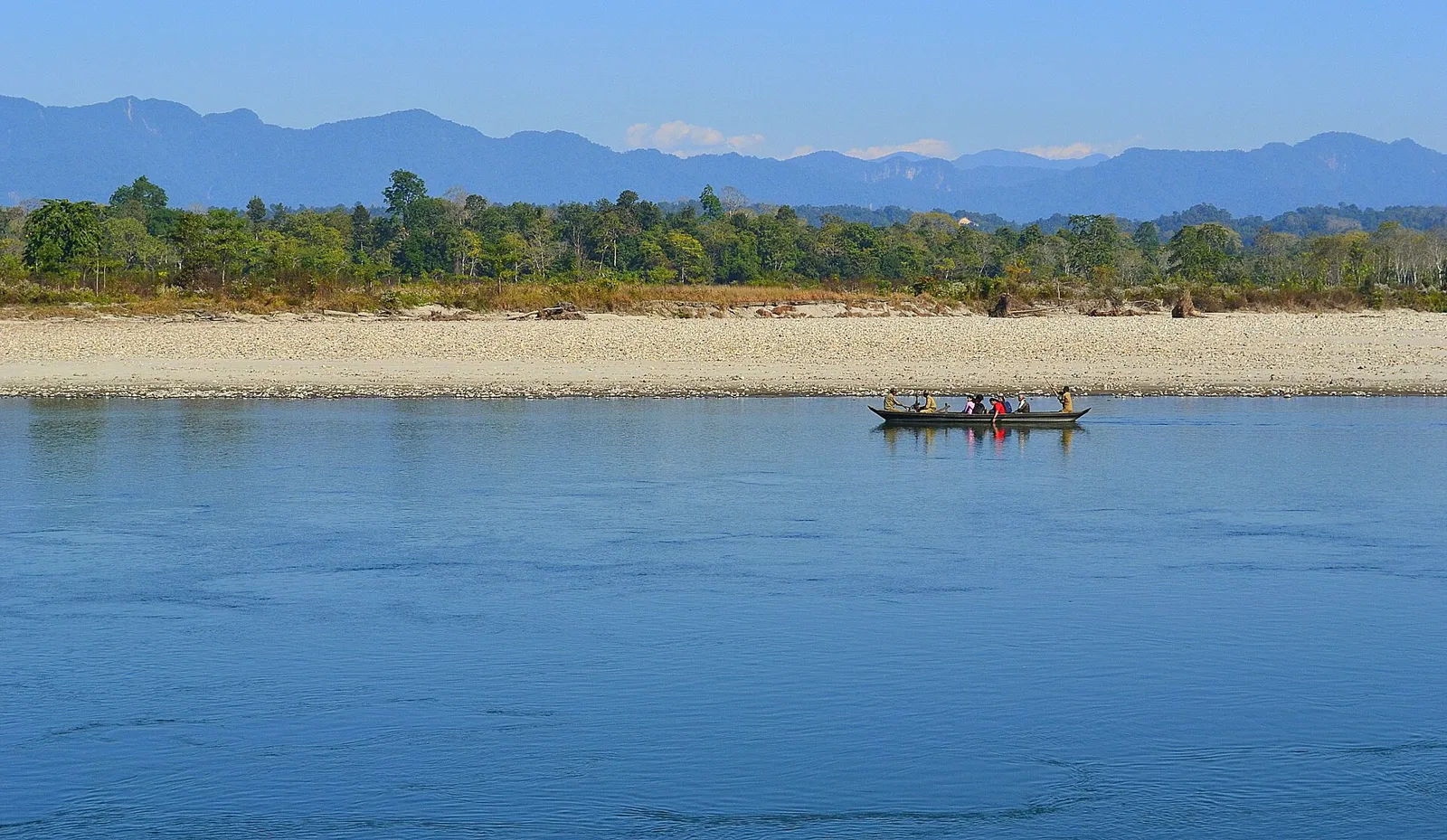
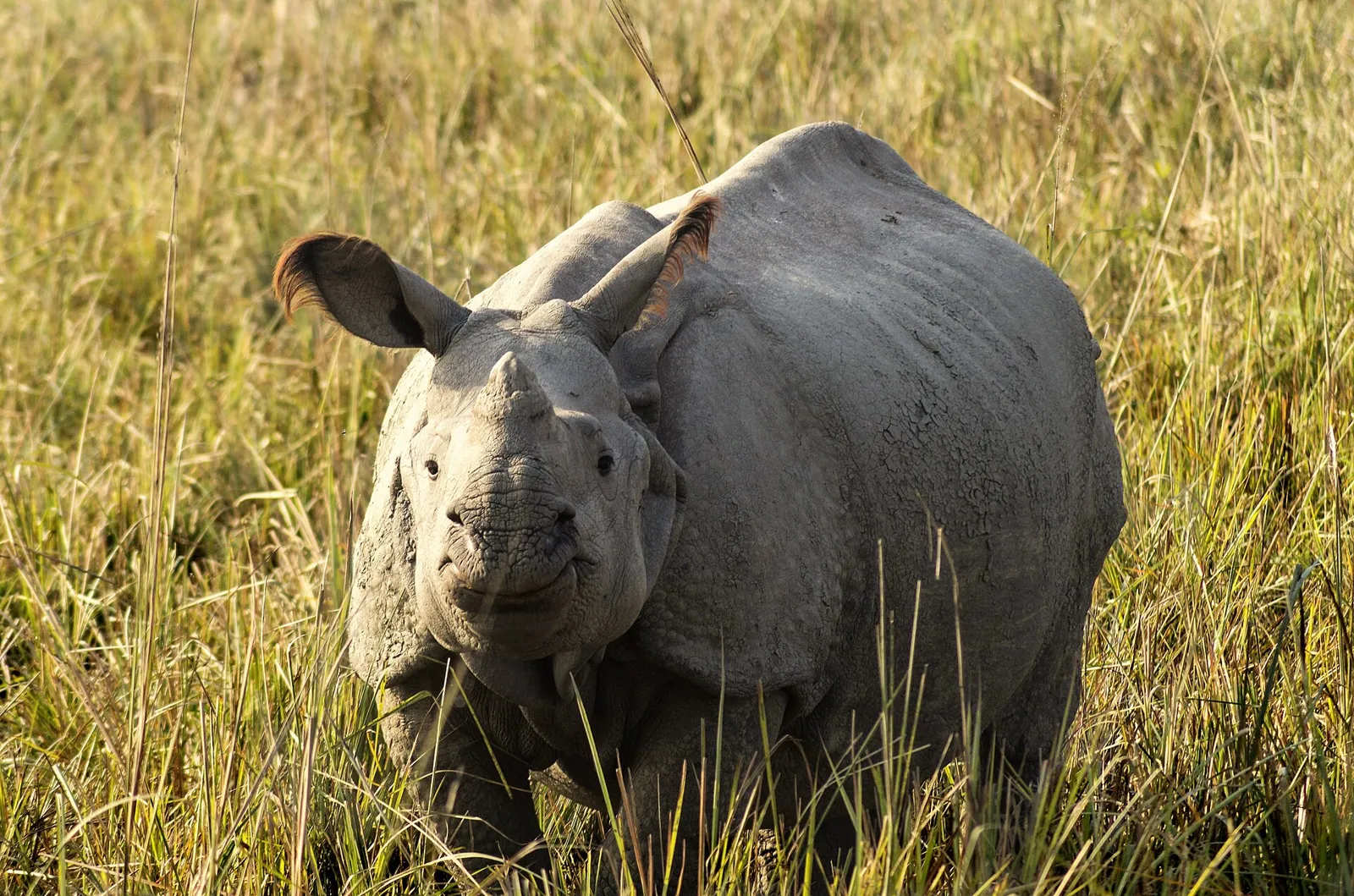
Orang National Park is an Assam wildlife reserve beside the Brahmaputra. People visit to see its diverse animal life, including rhinoceroses, elephants, wild buffalo, pygmy hogs and Bengal tigers.

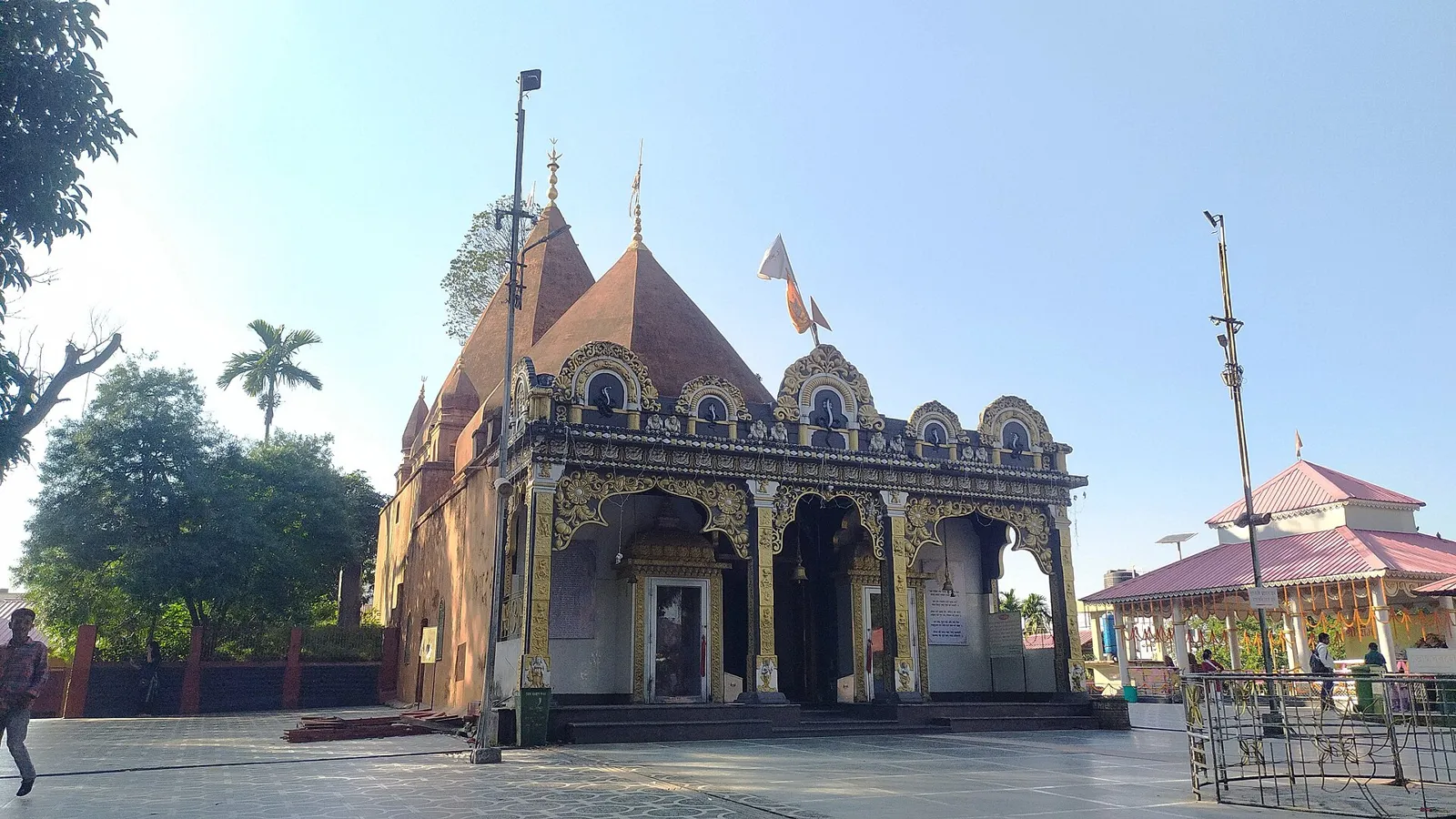
Mahabhairav Temple

33 km away · Sonitpur district

Mahabhairav Temple

Mahabhairav Temple is a Shiva shrine on a hill in Tezpur, Assam. Worshippers visit for its rituals and the Maha Shivaratri observance, which includes offerings to the deity.

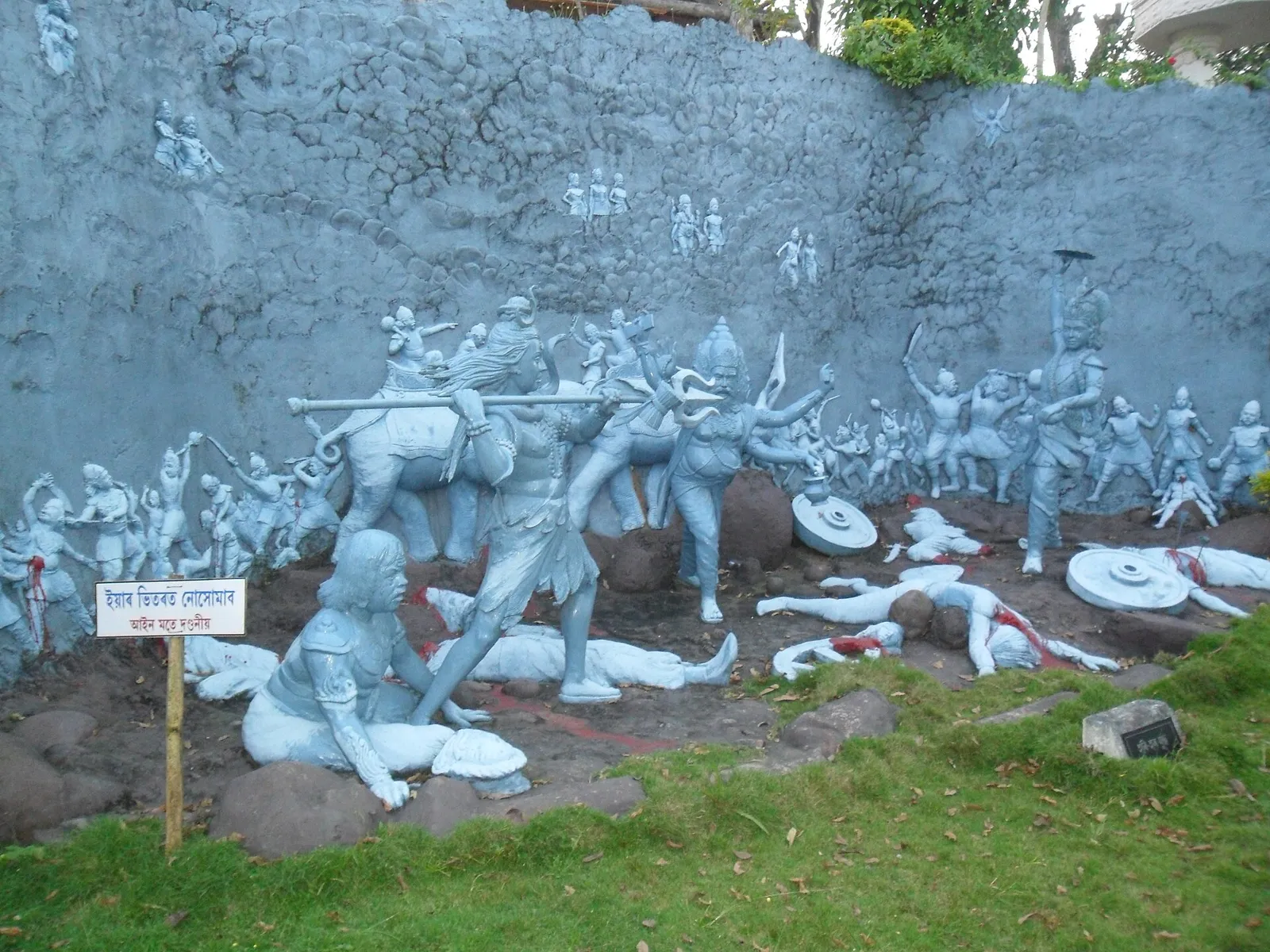
Agnigarh

34 km away · Sonitpur district

Agnigarh

Agnigarh is a hillock in Tezpur, Sonitpur district, Assam, linked to a Hindu-scriptural tale of Banasura and Usha; visitors are drawn by this mythological association.

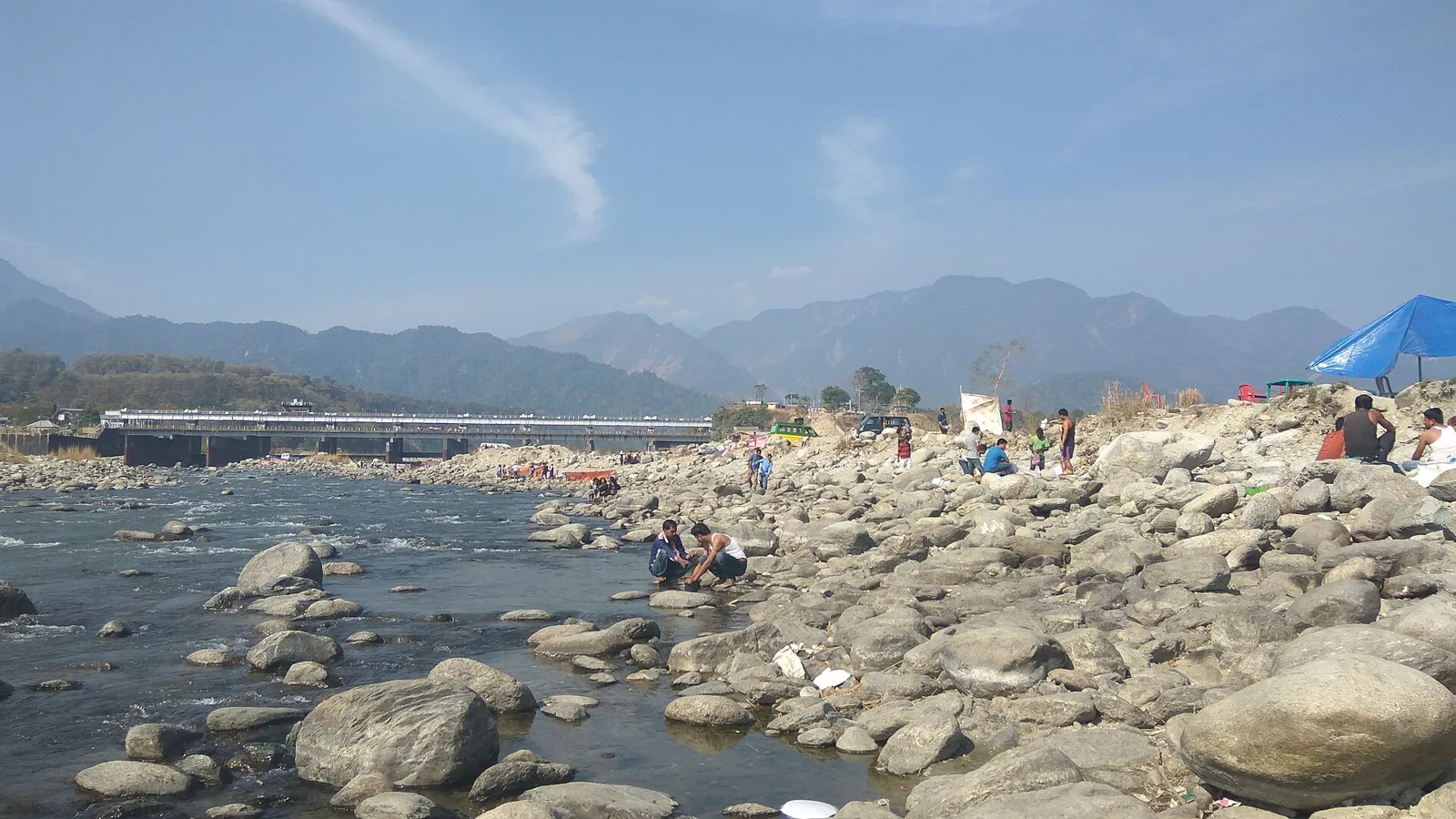
Bhairabkunda

42 km away · Udalguri district

Bhairabkunda

Bhairabkunda is a picnic destination in Assam’s Udalguri district, close to the Bhutanese border, where the Jampani and Bhairabi rivers meet.

Nameri National Park

46 km away · Sonitpur district

Nameri National Park

Nameri National Park is a protected area in Assam’s Sonitpur district, near the eastern Himalayan foothills. Visitors come for its wildlife, protected landscape and rivers.

Pobitora Wildlife Sanctuary

66 km away · Morigaon district

Pobitora Wildlife Sanctuary

Pobitora Wildlife Sanctuary is a protected area in Assam, known for its grasslands and wetlands and for supporting a substantial population of Indian rhinoceroses, which draw visitors.

Madan Kamdev

85 km away · Kamrup district

Madan Kamdev

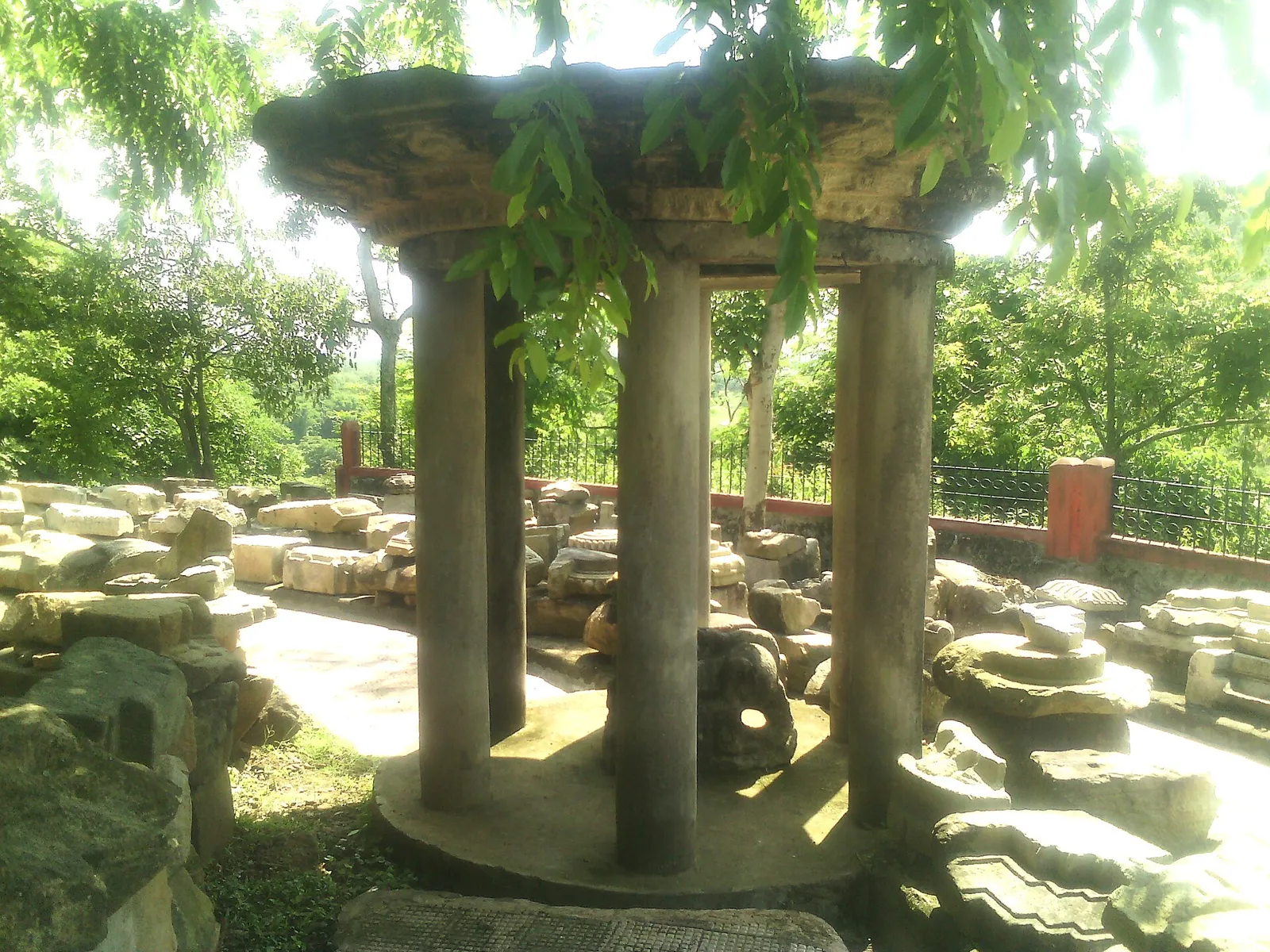
Madan Kamdev is an archaeological site near Baihata Chariali in Assam’s Kamrup district, visited for its Pala-era ruins, medieval stone carvings and sculptures of deities.

Kaziranga National Park

87 km away · Golaghat district

Kaziranga National Park

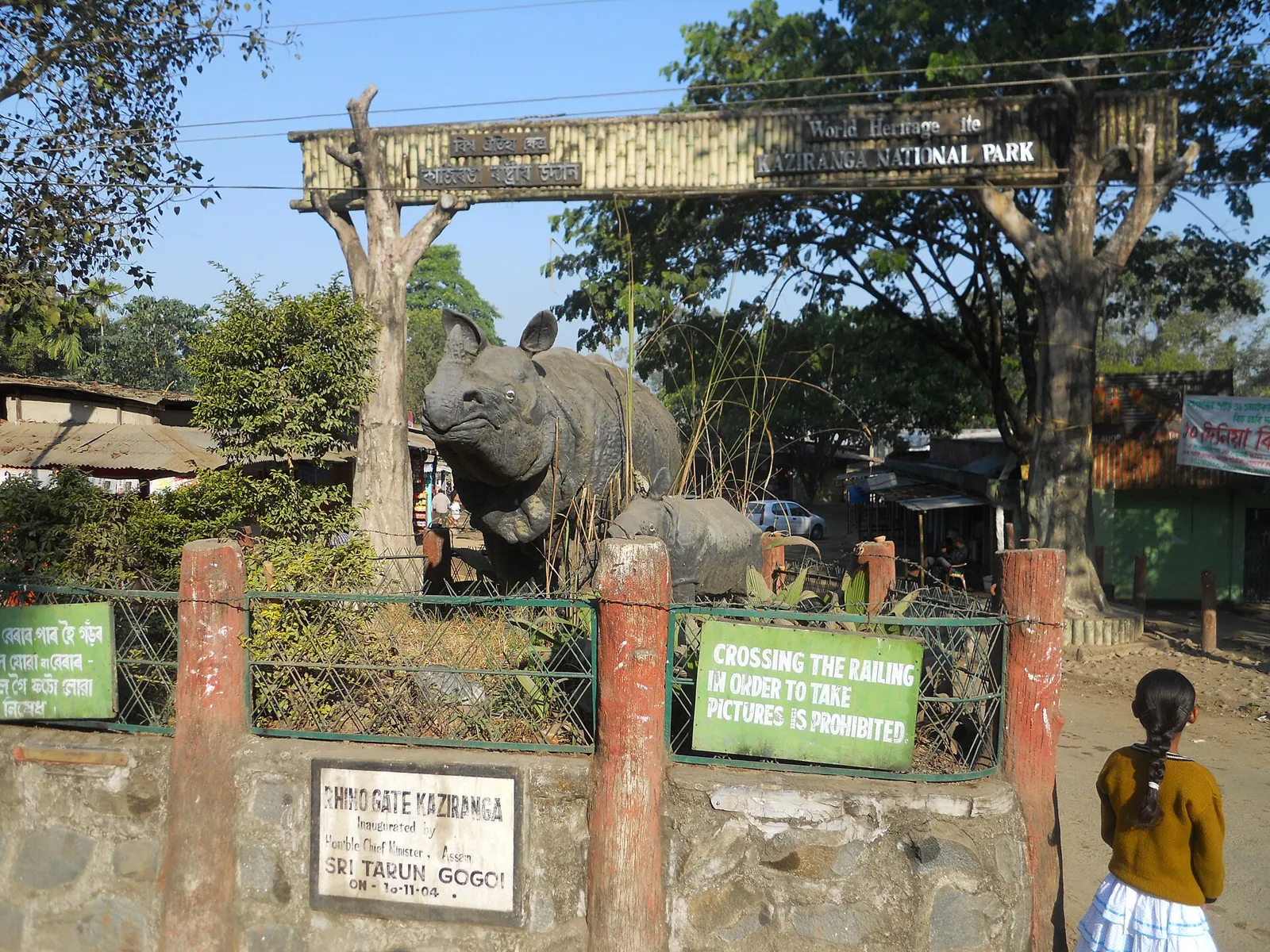
Located in Assam, Kaziranga National Park is a World Heritage Site across four districts. Visitors are drawn by its varied habitats and wildlife, including rhinoceroses, elephants and tigers.

Map

Dhekiajuli on the map

  1. 1Orang National Park
  2. 2Mahabhairav Temple
  3. 3Agnigarh
  4. 4Bhairabkunda
  5. 5Nameri National Park
  6. 6Pobitora Wildlife Sanctuary
  7. 7Madan Kamdev
  8. 8Kaziranga National Park

Assam

Other cities to explore