Ghumoopedia — Explore, Discover, Experience
Sign in
Bhairabkunda, near Tangla

City guide · Assam

Tangla

Tangla is a small town in Udalguri district, in the foothills and plains of western Assam. Its importance is mainly regional: it serves as a place for shopping, services and transport for residents of nearby settlements.

Famous for

  • Udalguri district town
  • Regional market activity
  • Bodo cultural traditions
  • Assamese cultural life
  • Tangla railway station

Why Tangla matters

Tangla is a small town in Udalguri district, in the foothills and plains of western Assam. Its importance is mainly regional: it serves as a place for shopping, services and transport for residents of nearby settlements. Rather than being a large sightseeing destination, Tangla offers a chance to experience everyday town life in a part of Assam shaped by several communities and cultural traditions.

Visitors may use Tangla as a stop while exploring Udalguri district and the wider Bodoland region. Local markets and streets provide a window into daily commerce, while the surrounding countryside offers a change of pace from the town centre. Assamese and Bodo influences are part of the area's cultural character, alongside other communities that contribute to its varied social life. Tangla is not widely associated with a nationally recognised craft, food or monument; its appeal lies more in its role as a practical local centre and in the regional setting it opens up to travellers.
Famous for: crafts, trade & products

Tangla is best understood as a local trading and service town rather than a specialised production centre. Its shops and market areas cater to everyday needs, with groceries, household goods, clothing and other commonly used items. These are useful places to observe the rhythms of commerce in Udalguri district and to meet local vendors, though Tangla is not especially known for a single signature market or product.

There is no widely recognised Tangla-specific textile, handicraft or GI-tagged product to seek out. Assam's broader traditions include handwoven cloth and silk, but these should not be mistaken for products made uniquely in Tangla. Visitors interested in regional goods can ask local sellers about Assamese or Bodo textiles and locally made items, and check what is available in town rather than expecting a dedicated craft bazaar. For a more specialised selection of Assam's crafts and handloom products, larger commercial centres may offer more choice. Tangla's significance is primarily as a convenient local marketplace serving the town and nearby communities.

History

Tangla's history is best understood through its development as a small settlement and local commercial centre in the area now known as Udalguri district. The town's growth has been connected to the needs of surrounding villages: people come here for trade, services and transport. A precise founding story or a well-documented sequence of local rulers is not widely established, so accounts of Tangla should avoid assigning it an unsupported origin date.

The region experienced major changes under British rule, when Assam's administration and transport networks were reshaped. Those broader developments affected movement and commerce across the state, although a detailed town-specific colonial chronology for Tangla is limited. In modern times, district administration and improved road and rail connections have reinforced the town's role as a local centre. Tangla is now part of Udalguri district in Assam and the wider Bodoland Territorial Region, whose political and administrative arrangements have changed over time. Its growth has been gradual, shaped more by regional connectivity and everyday trade than by a single landmark event.

Food, festivals & culture

Tangla's cultural life reflects the diversity of western Assam. Assamese and Bodo are important regional languages; Bengali, Nepali, Hindi and other languages may also be heard among residents and visitors. Food is generally based on rice, with vegetables, leafy greens, lentils and fish common in the wider region. Assamese dishes such as khar and sour tenga, along with seasonal snacks and rice cakes such as pitha, are part of the broader culinary tradition, though menus and home cooking vary between communities.

Bodo Bwisagu, celebrated around the Assamese spring season, and the Assamese Bihu festivals are important cultural occasions in the region. Durga Puja and other Hindu observances, as well as Muslim festivals, are also marked by local communities. Traditional music and dance are most visible during festivals and community gatherings; Bodo dance traditions and Assamese Bihu performances belong to the wider cultural landscape. Hindu temples and Muslim places of worship serve local congregations, with religious life shaped by the town's varied communities.

Visiting the city

The cooler, drier months, roughly from late autumn through early spring, are generally the most comfortable time to visit. The nearest airport is Tezpur Airport (Salonibari); for a wider range of air connections, travellers can consider Lokpriya Gopinath Bordoloi International Airport in Guwahati. Tangla has its own railway station, Tangla railway station, and is also reached by road from towns across the district.

Auto-rickshaws and local vehicles are practical for getting around town; arrange onward transport locally for rural visits. Start with the central market streets to see everyday commerce, then explore nearby neighbourhoods and the surrounding countryside at an unhurried pace. Tangla works best as a modest base or stop in a wider Udalguri-area journey rather than as a destination built around major visitor attractions.

Trips from the city

Nearest places to visit from Tangla

Our closest destination guides, by straight-line distance.

Bhairabkunda

33 km away · Udalguri district

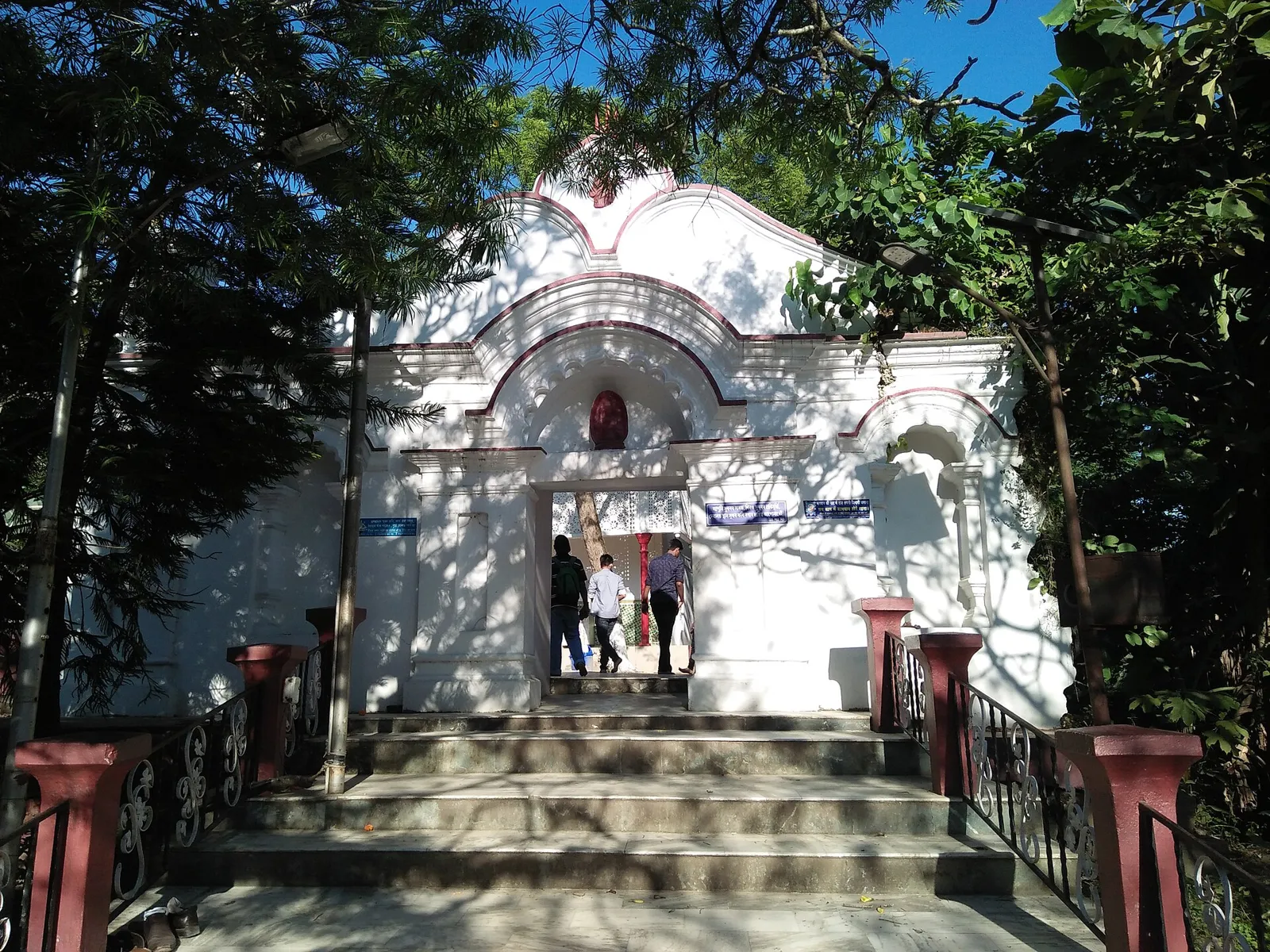
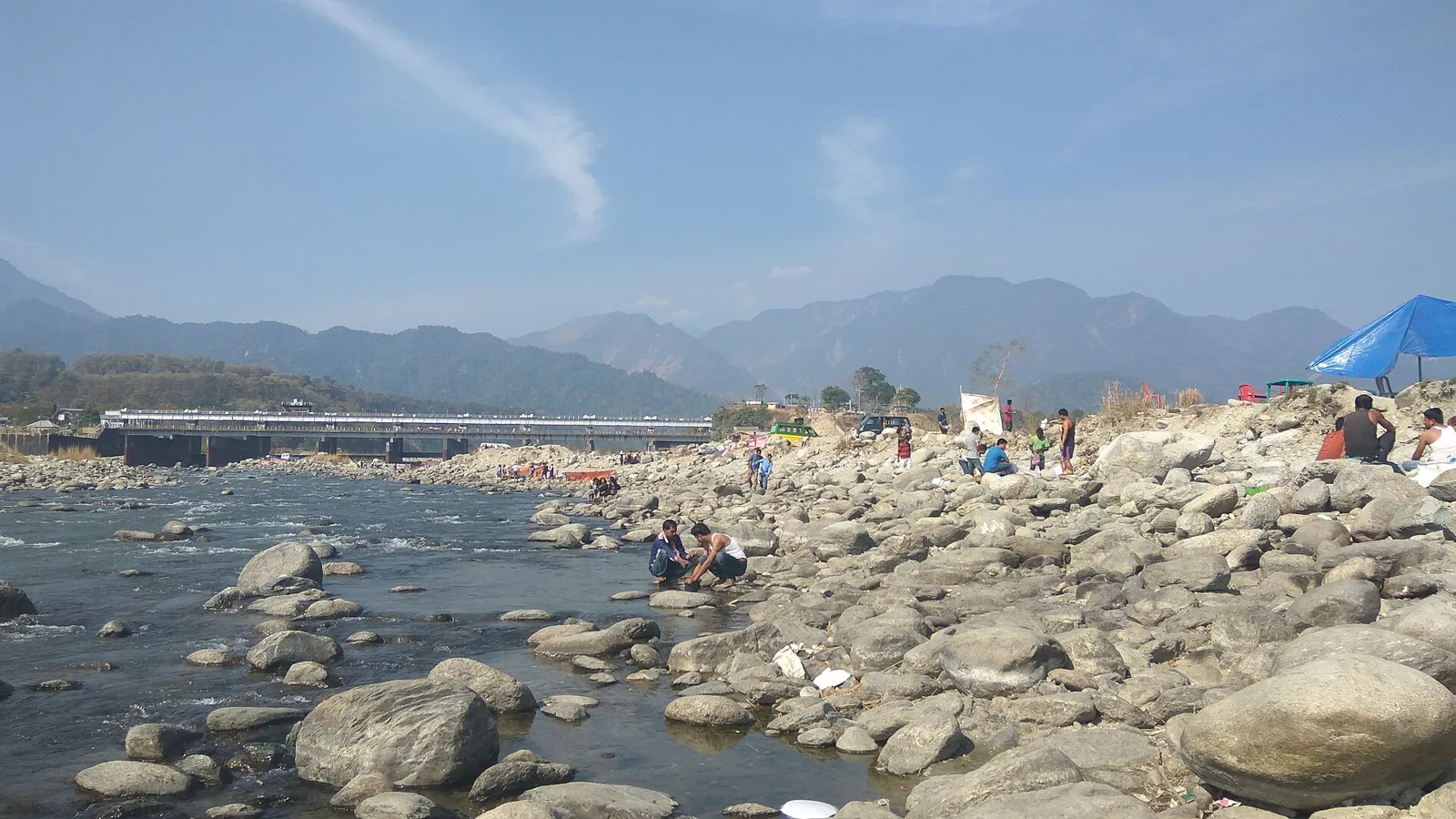
Bhairabkunda

Bhairabkunda is a picnic destination in Assam’s Udalguri district, close to the Bhutanese border, where the Jampani and Bhairabi rivers meet.

Madan Kamdev

41 km away · Kamrup district

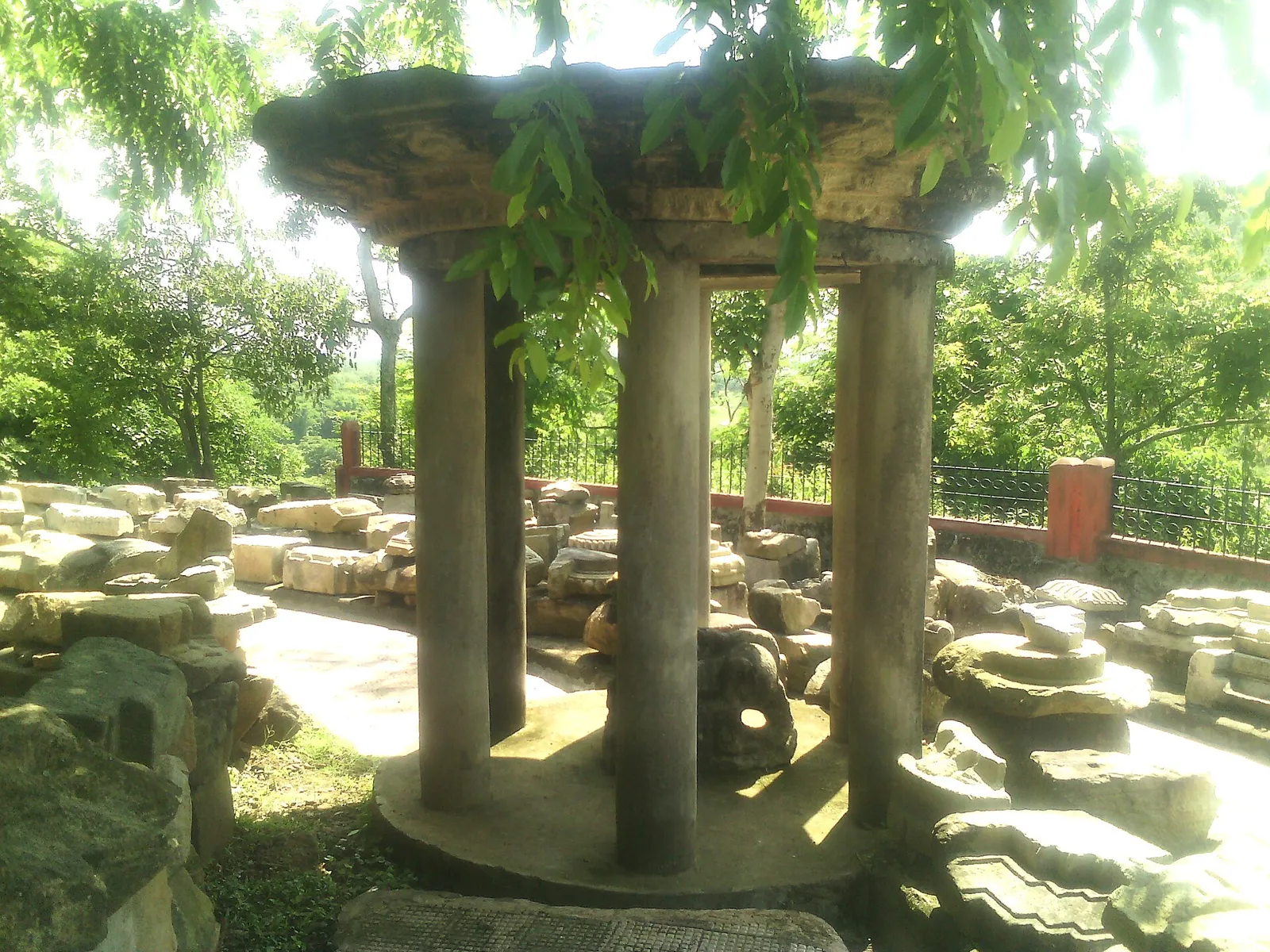
Madan Kamdev

Madan Kamdev is an archaeological site near Baihata Chariali in Assam’s Kamrup district, visited for its Pala-era ruins, medieval stone carvings and sculptures of deities.

Orang National Park

43 km away · Darrang district

Orang National Park

Orang National Park is an Assam wildlife reserve beside the Brahmaputra. People visit to see its diverse animal life, including rhinoceroses, elephants, wild buffalo, pygmy hogs and Bengal tigers.

Pobitora Wildlife Sanctuary

48 km away · Morigaon district

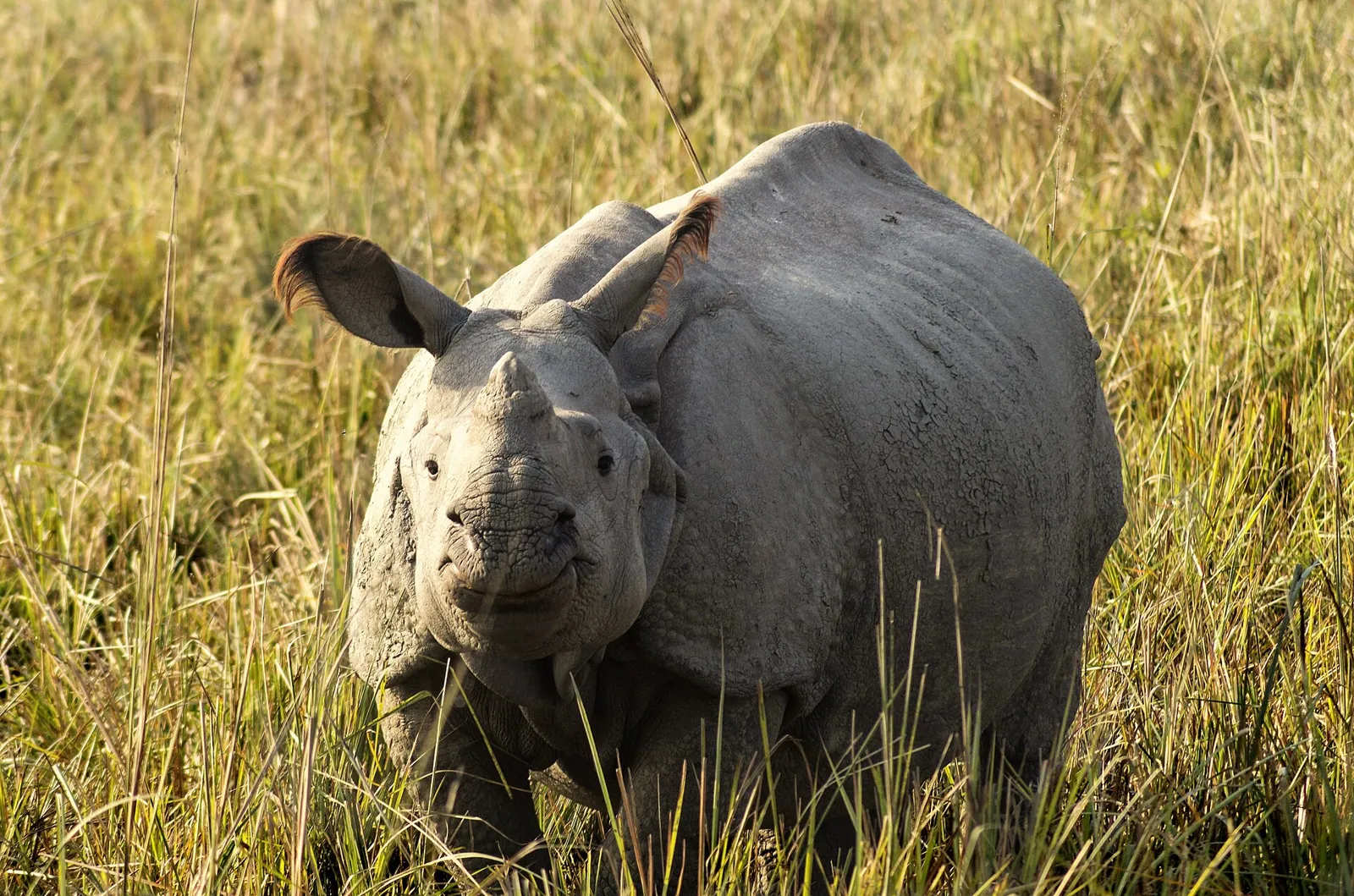
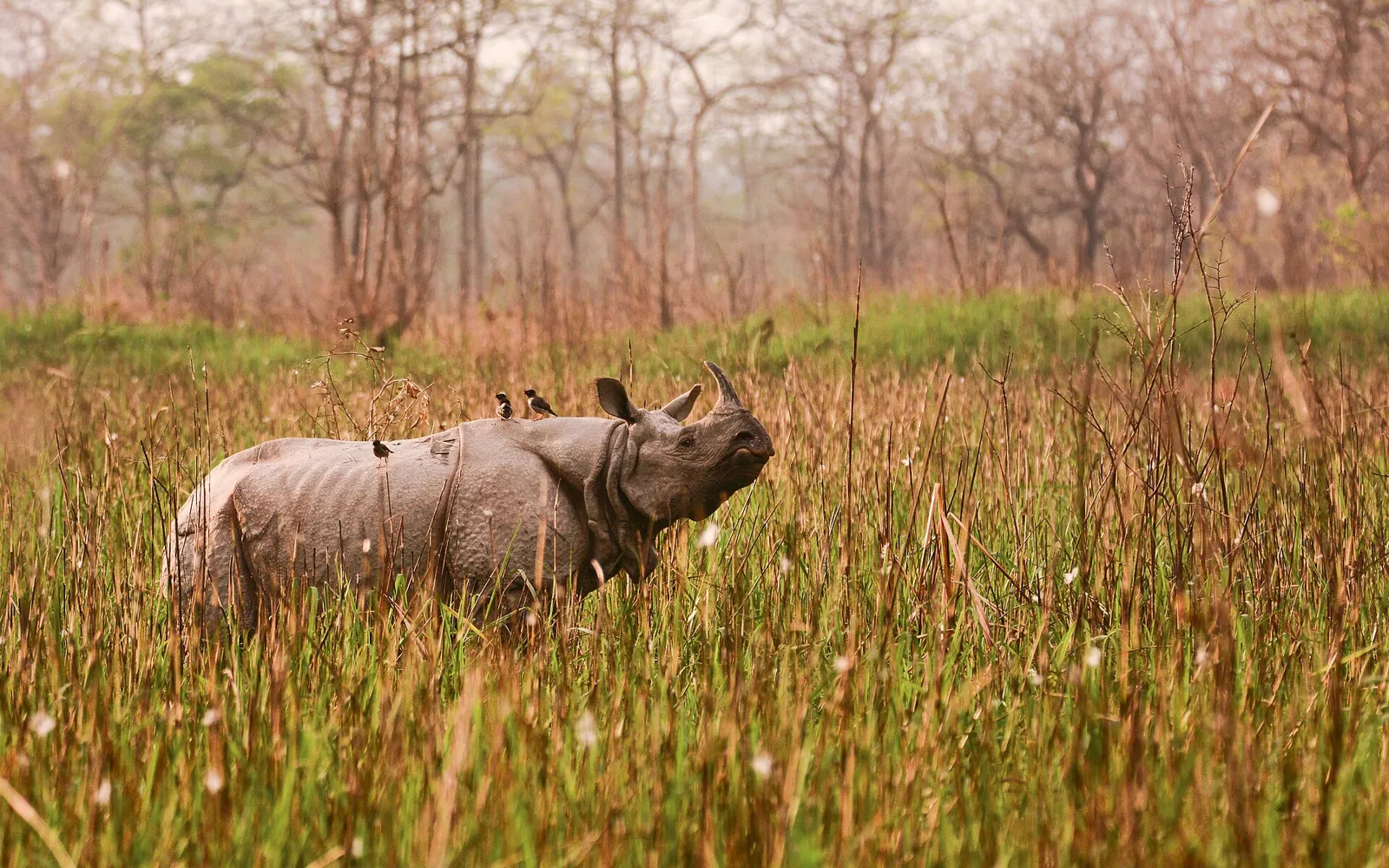
Pobitora Wildlife Sanctuary

Pobitora Wildlife Sanctuary is a protected area in Assam, known for its grasslands and wetlands and for supporting a substantial population of Indian rhinoceroses, which draw visitors.

Umananda Temple

54 km away · Kamrup Metropolitan district

Umananda Temple

Umananda Temple is a Shiva shrine on Umananda Island in the Brahmaputra, Assam. Visitors come to see the temple and reach the island by country boat.

Kamakhya Temple

58 km away · Kamrup Metropolitan district

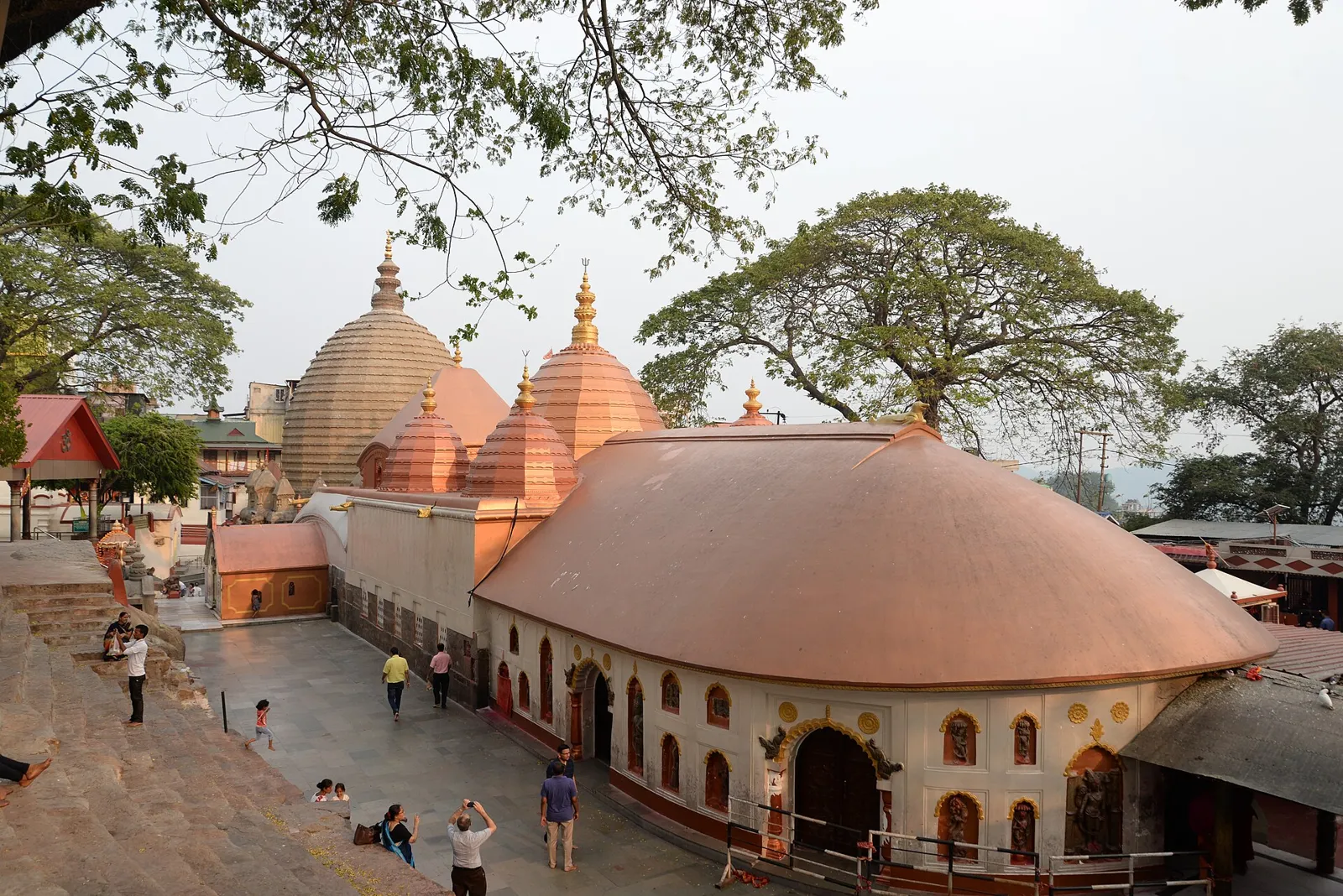
Kamakhya Temple

Kamakhya Temple is a Hindu place of worship on Nilachal Hill in Guwahati, Assam. Visitors come for its Tantric traditions, the Ambubachi Mela and its importance in the Shakta pilgrimage tradition.

Srimanta Sankardev Kalakshetra

59 km away · Kamrup Metropolitan district

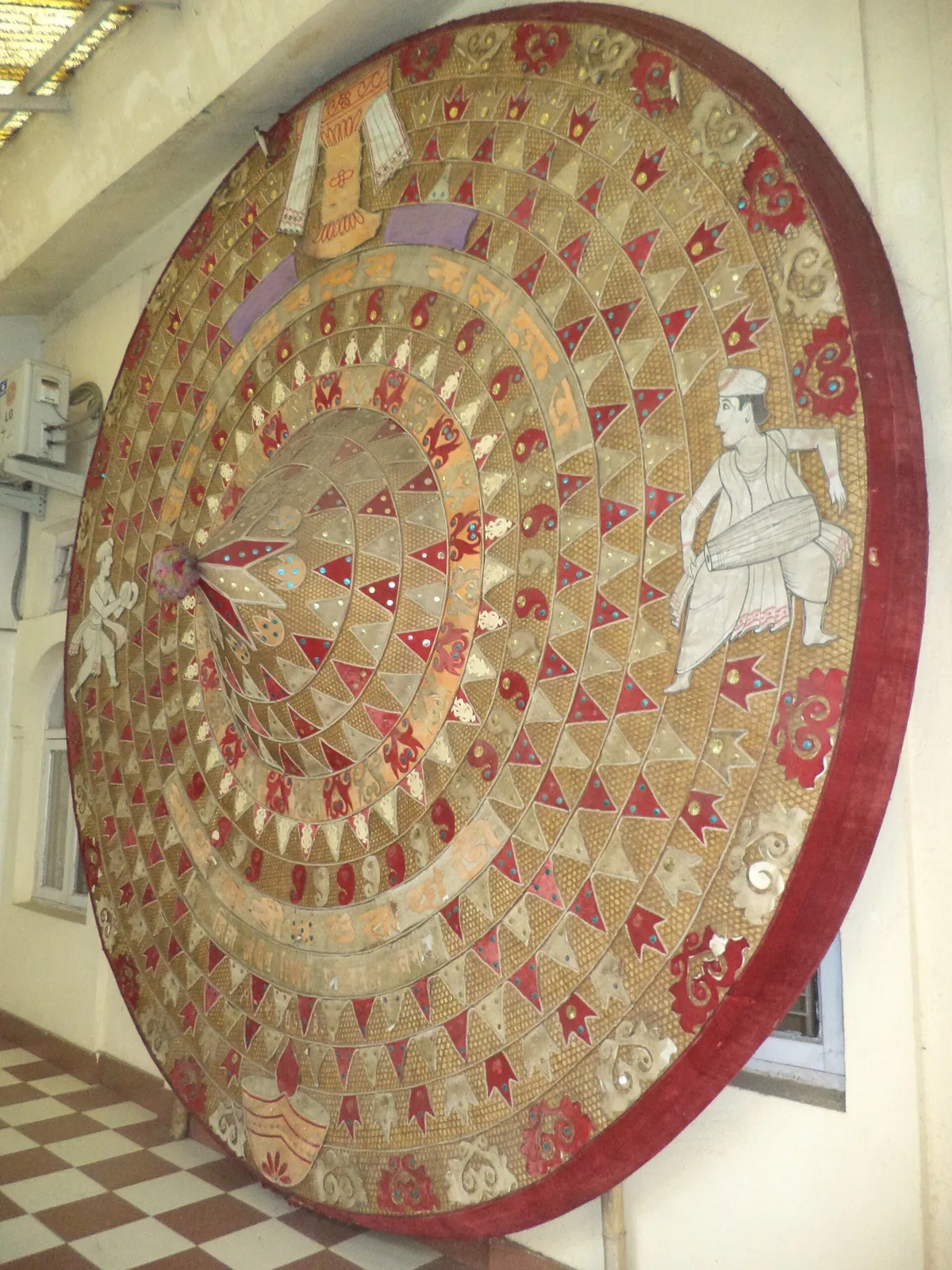
Srimanta Sankardev Kalakshetra

In Panjabari, Guwahati, Srimanta Sankardev Kalakshetra is a cultural complex where visitors explore art and heritage from Assam and the wider North-East.

Hajo

60 km away · Kamrup district

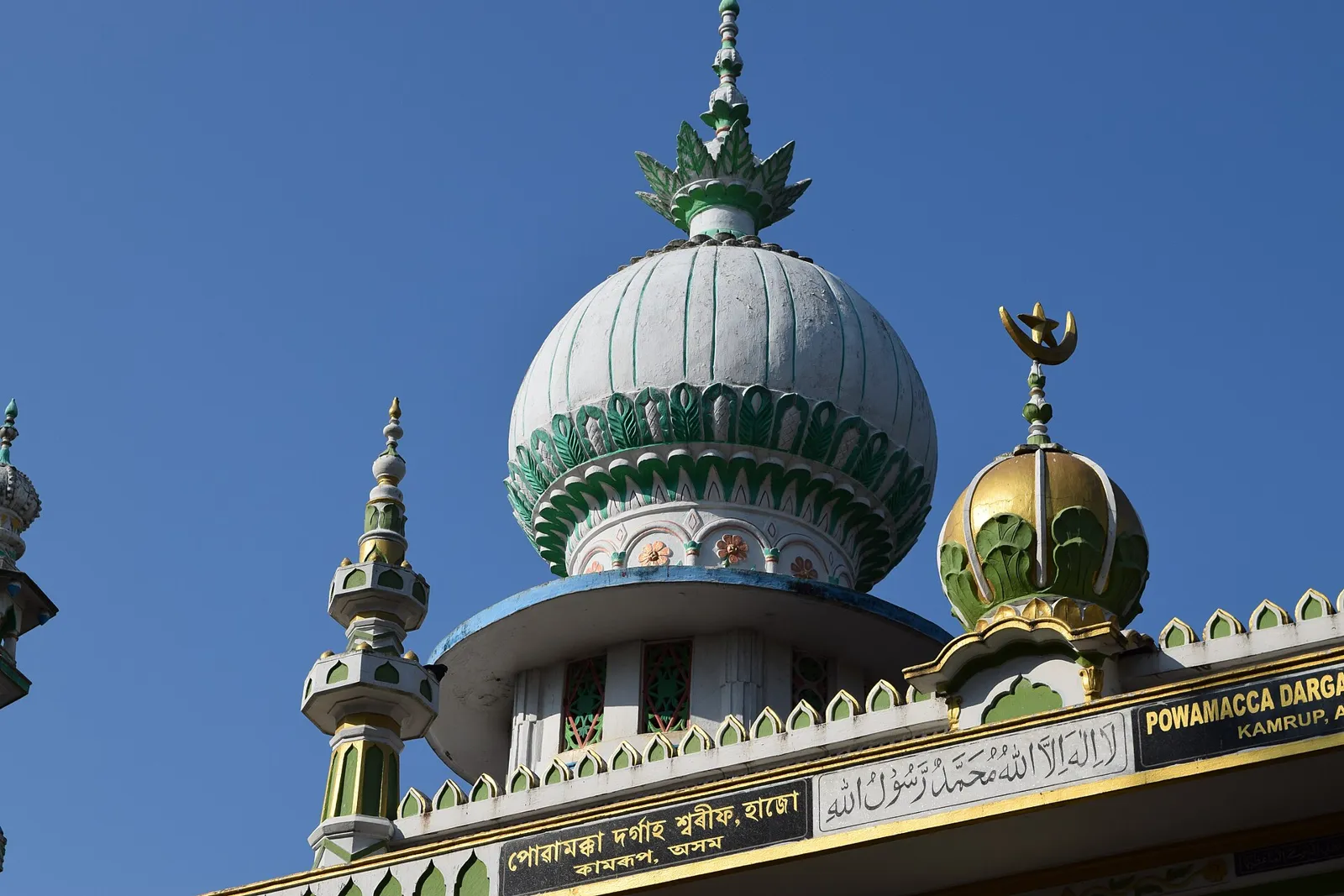
Hajo

Hajo, in Assam’s Kamrup district, is an old town visited for pilgrimage sites sacred to Hindus, Buddhists and Muslims, and for its temples, monuments and tortoise-preservation tradition.

Map

Tangla on the map

  1. 1Bhairabkunda
  2. 2Madan Kamdev
  3. 3Orang National Park
  4. 4Pobitora Wildlife Sanctuary
  5. 5Umananda Temple
  6. 6Kamakhya Temple
  7. 7Srimanta Sankardev Kalakshetra
  8. 8Hajo

Assam

Other cities to explore