Ghumoopedia — Explore, Discover, Experience
Sign in
Agnigarh, near Kampur

City guide · Assam

Kampur

Kampur is a small town in Assam’s Nagaon district, set beside the Kapili River. Its importance is chiefly local: it serves nearby communities and offers a connection between the riverine countryside and the district’s larger centres.

Famous for

  • Kapili River setting
  • Kampur railway station
  • Guwahati–Lumding rail line
  • Nagaon district town
  • Rural Assam surroundings

Why Kampur matters

Kampur is a small town in Assam’s Nagaon district, set beside the Kapili River. Its importance is chiefly local: it serves nearby communities and offers a connection between the riverine countryside and the district’s larger centres. Nagaon is about 32 kilometres away, and Kampur can be reached by road from there.

The town’s railway station, on the Guwahati–Lumding line of the Northeast Frontier Railway, gives it a role as a rail stop as well as a road-linked settlement. Visitors are more likely to come for a quiet look at everyday life in this part of Assam, the river setting or a journey through the region than for a major monument or resort. Kampur is not widely known for a nationally recognised craft, landmark or visitor attraction; its appeal lies in its modest scale and its place within the Nagaon area. At an elevation of about 48 metres, it also provides a lowland setting typical of much of the surrounding countryside.

Famous for: crafts, trade & products

Kampur is not widely identified as a centre for a particular textile, handicraft, GI-tagged product or large industry. It is best understood as a local service town rather than a destination for specialist shopping. Its shops and market areas cater to daily needs, while the railway station and road connections link residents and visitors with Nagaon and other parts of Assam.

For Assamese handloom, crafts or regionally distinctive foods, Kampur may offer everyday goods, but visitors should not assume that a particular product is made or sold here as a recognised local speciality. Nagaon and larger towns in Assam are more practical places to look for a broader selection. In Kampur, explore the central commercial streets for routine shopping and ask locally about seasonal produce or small-scale makers. The Kapili riverbank and railway area are points of interest for the town’s setting and movement, rather than established craft or wholesale markets. No single institution or trade is especially associated with Kampur in the way that a major manufacturing or market city might be.

History

Kampur’s documented identity is primarily that of a town in Nagaon district, rather than a former royal capital or a place associated with a widely recorded dynasty. Its story is closely connected to the wider history of the Nagaon region, shaped over time by changing political authority, administration and settlement across Assam. The area’s past belongs to a broader regional landscape; specific accounts of rulers or events centred on Kampur itself are not well established.

In the modern period, the town’s riverside location and connections to nearby Nagaon have supported its role as a local settlement. The railway station on the Guwahati–Lumding line added an important link for travel and movement through the region. Kampur remains a modest town whose development is tied more to everyday transport and local services than to a major industrial expansion or a nationally prominent historic site. Its present character reflects both its position beside the Kapili and its place within the wider district network.

Food, festivals & culture

Daily life in Kampur sits within the broader Assamese cultural region. Assamese is central to local life, though languages heard may vary among families and communities. Meals across the region commonly feature rice, vegetables and fish; familiar Assamese preparations include tangy fish tenga and khar. Seasonal snacks and sweets such as pitha and jolpan are associated with festive and household occasions, though individual menus vary.

Bihu is the best-known festival across Assam: Rongali Bihu is celebrated in spring, Kati Bihu in autumn and Bhogali Bihu in winter. These occasions bring music, dancing, feasting and community gatherings. Assamese folk and Bihu songs are part of the wider cultural soundscape, while local observances may also reflect the traditions of different religious communities. Kampur does not have a widely publicised cultural venue or landmark worship site; visitors can find places of worship in town and should ask locally about services, festivals and appropriate visiting etiquette.

Visiting the city

The cooler, generally drier months from October to April are a comfortable time to visit. Tezpur Airport is geographically closer, while Lokpriya Gopinath Bordoloi International Airport in Guwahati is the main airport for a wider choice of air connections. Kampur Railway Station, on the Guwahati–Lumding line, is the town’s principal rail stop.

From Nagaon, Kampur is about 32 kilometres away by road. Within town, explore the central streets, railway station surroundings and accessible stretches beside the Kapili River. Local road transport can help with longer trips; check availability on arrival. Kampur is compact and works best as a quiet stop or as a base for nearby journeys rather than as a destination with a large set of formal attractions. River conditions and access can vary, so follow local advice near the water.

Trips from the city

Nearest places to visit from Kampur

Our closest destination guides, by straight-line distance.

Agnigarh

53 km away · Sonitpur district

Agnigarh

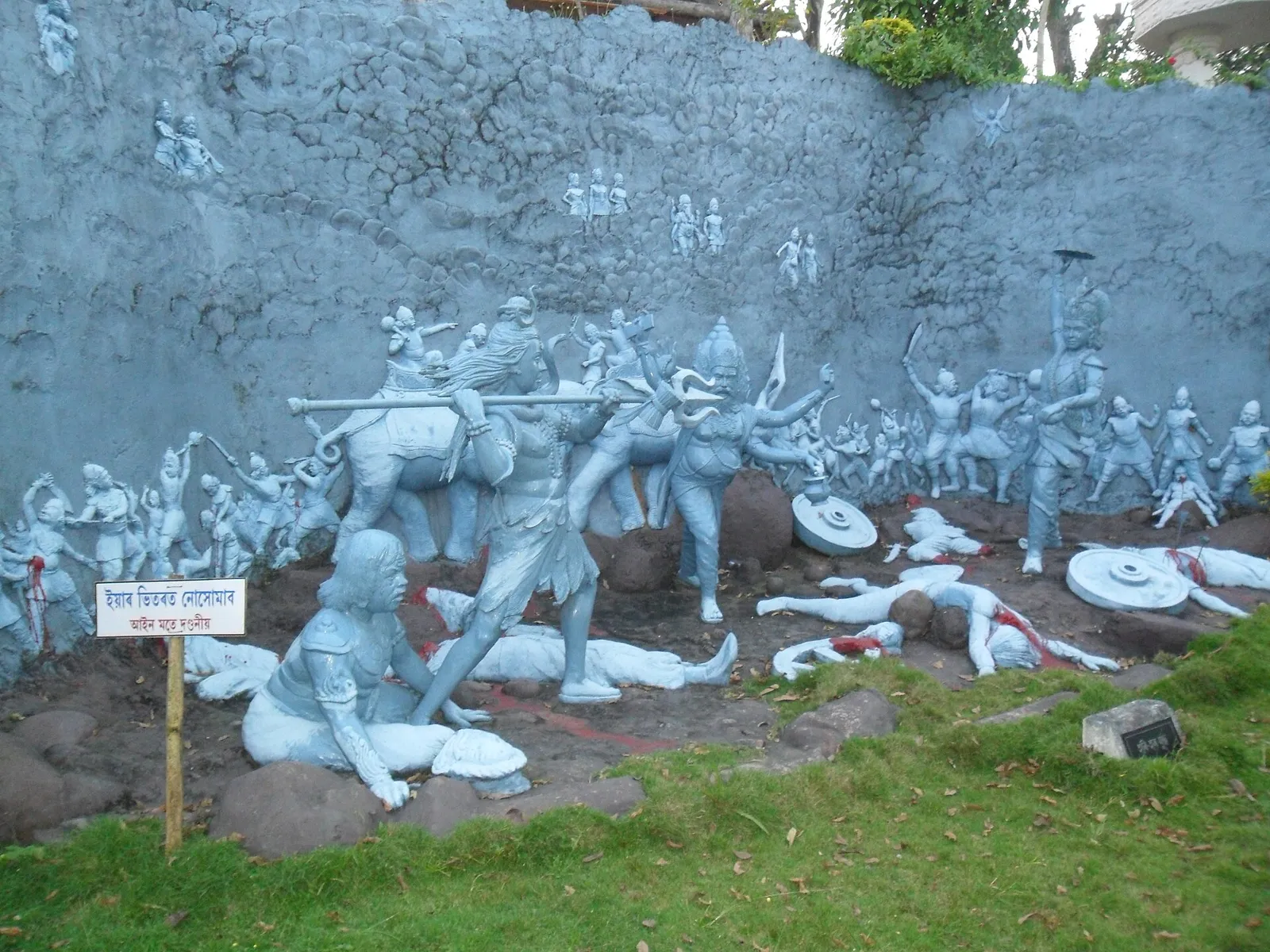
Agnigarh is a hillock in Tezpur, Sonitpur district, Assam, linked to a Hindu-scriptural tale of Banasura and Usha; visitors are drawn by this mythological association.

Mahabhairav Temple

55 km away · Sonitpur district

Mahabhairav Temple

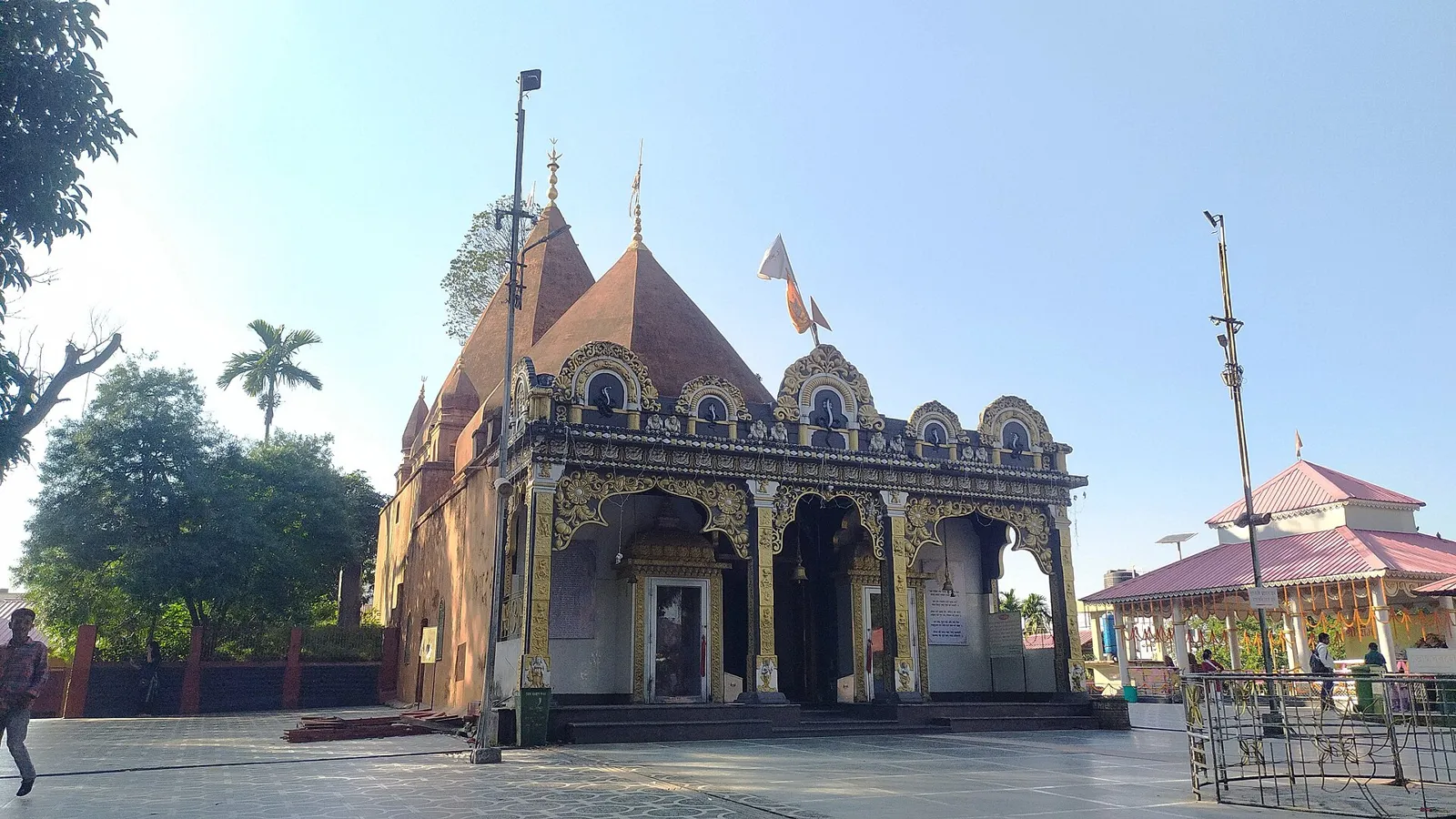
Mahabhairav Temple is a Shiva shrine on a hill in Tezpur, Assam. Worshippers visit for its rituals and the Maha Shivaratri observance, which includes offerings to the deity.

Orang National Park

55 km away · Darrang district

Orang National Park

Orang National Park is an Assam wildlife reserve beside the Brahmaputra. People visit to see its diverse animal life, including rhinoceroses, elephants, wild buffalo, pygmy hogs and Bengal tigers.

Pobitora Wildlife Sanctuary

61 km away · Morigaon district

Pobitora Wildlife Sanctuary

Pobitora Wildlife Sanctuary is a protected area in Assam, known for its grasslands and wetlands and for supporting a substantial population of Indian rhinoceroses, which draw visitors.

Srimanta Sankardev Kalakshetra

84 km away · Kamrup Metropolitan district

Srimanta Sankardev Kalakshetra

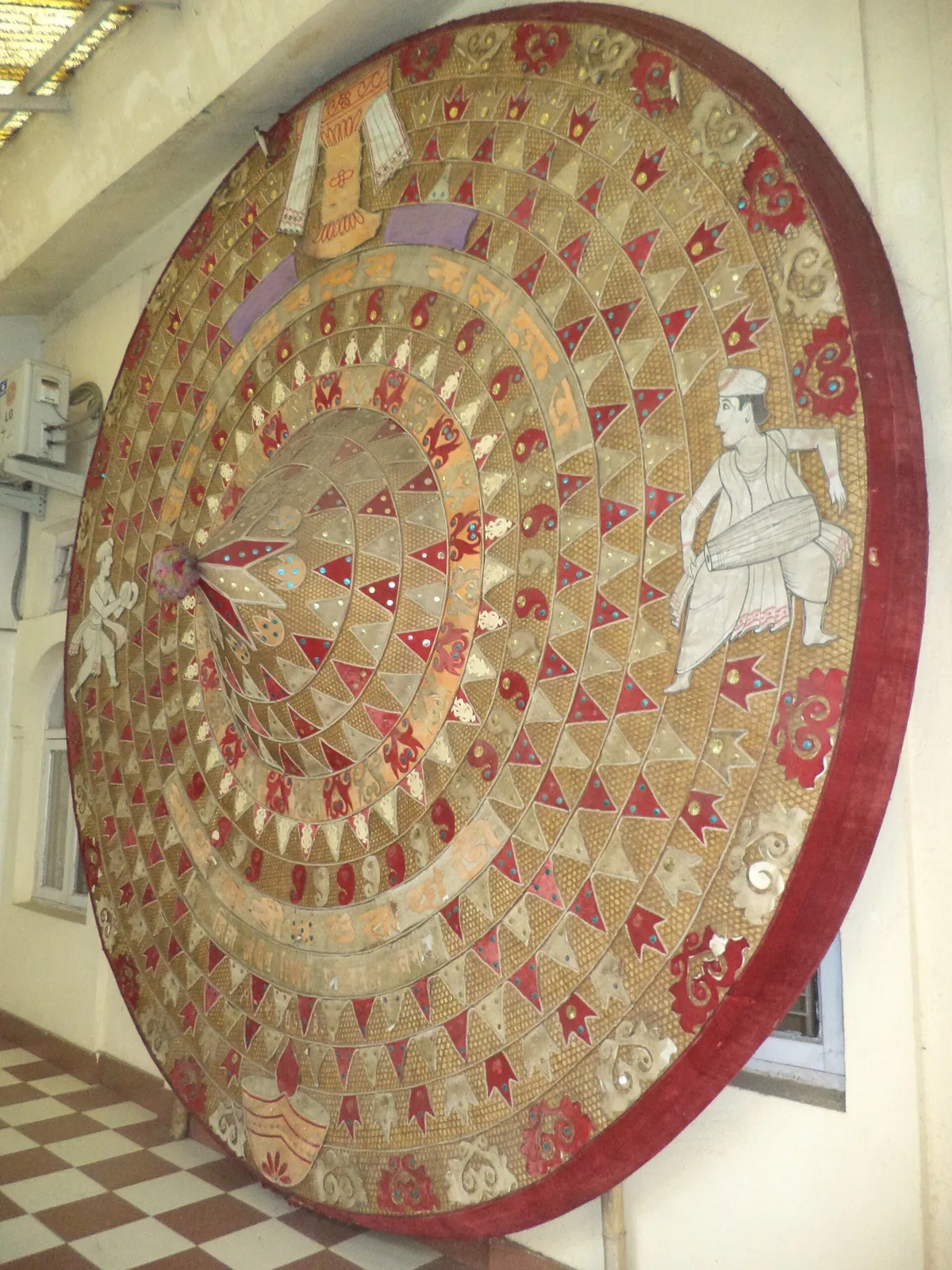
In Panjabari, Guwahati, Srimanta Sankardev Kalakshetra is a cultural complex where visitors explore art and heritage from Assam and the wider North-East.

Basistha Temple

88 km away · Kamrup Metropolitan district

Basistha Temple

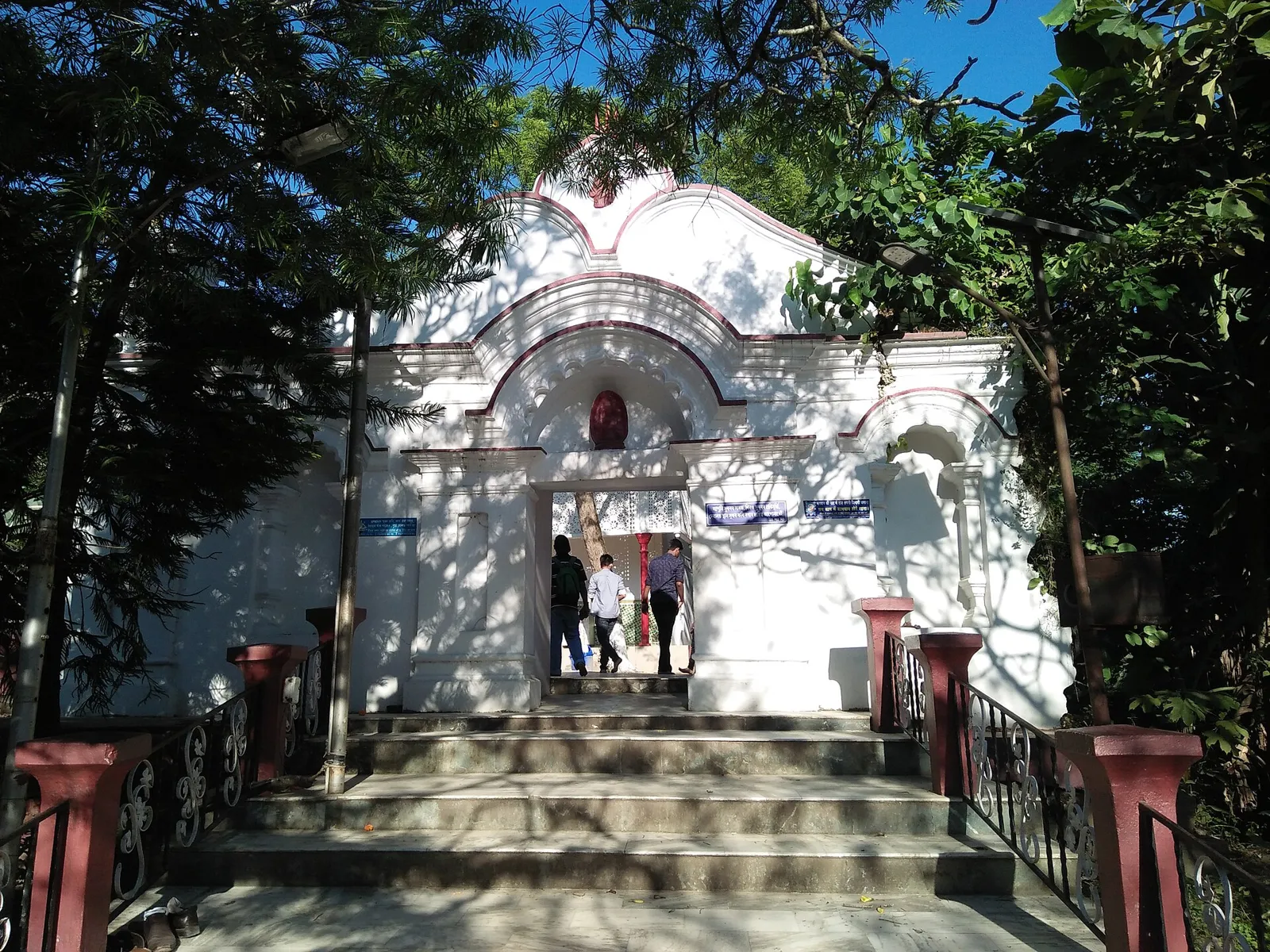
Basistha Temple is a Shiva shrine in south-eastern Guwahati, in Assam’s Kamrup Metropolitan district. People visit the temple and ashram, situated beside streams linked to the city’s river system.

Kaziranga National Park

89 km away · Golaghat district

Kaziranga National Park

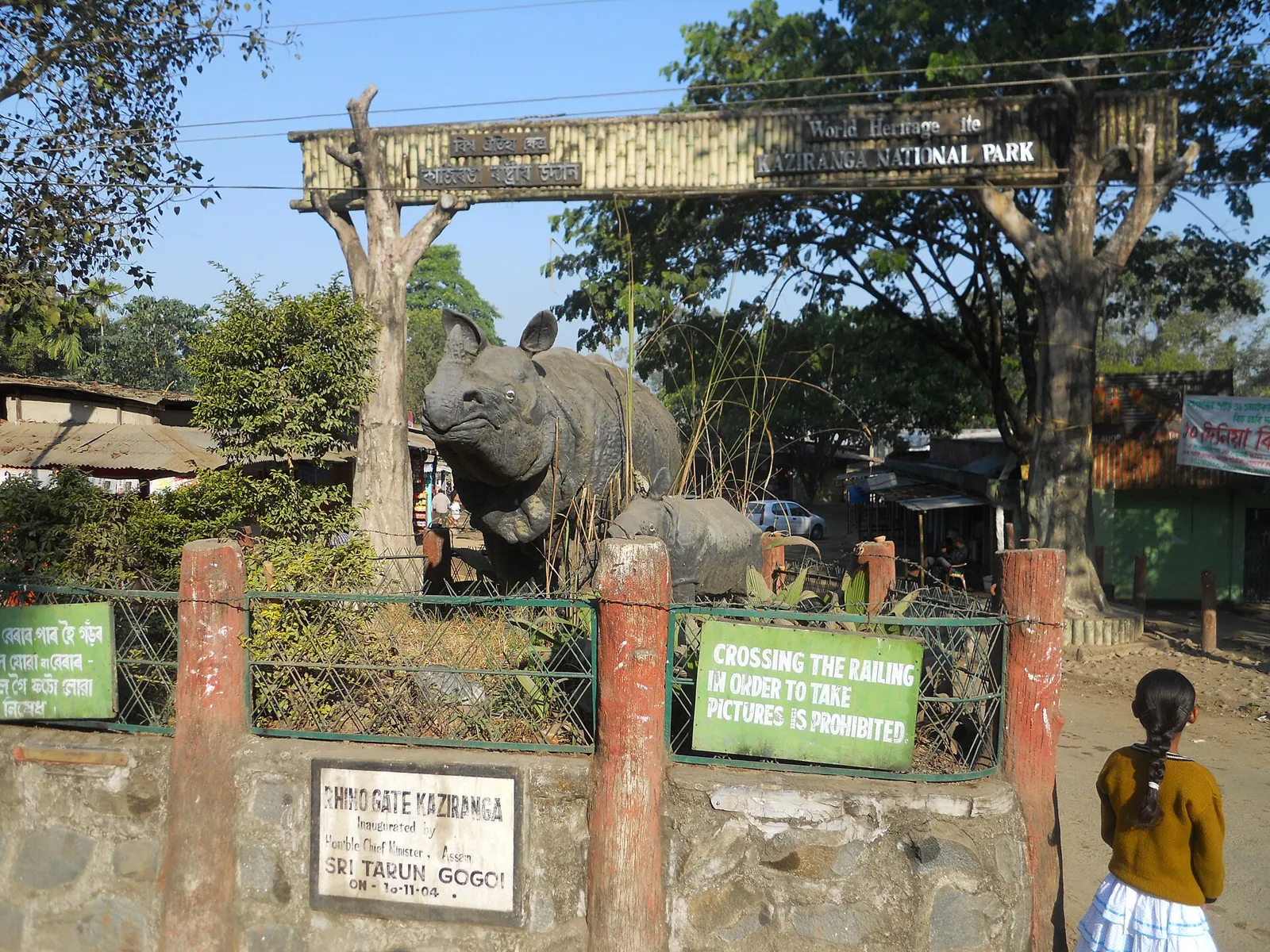
Located in Assam, Kaziranga National Park is a World Heritage Site across four districts. Visitors are drawn by its varied habitats and wildlife, including rhinoceroses, elephants and tigers.

Umananda Temple

91 km away · Kamrup Metropolitan district

Umananda Temple

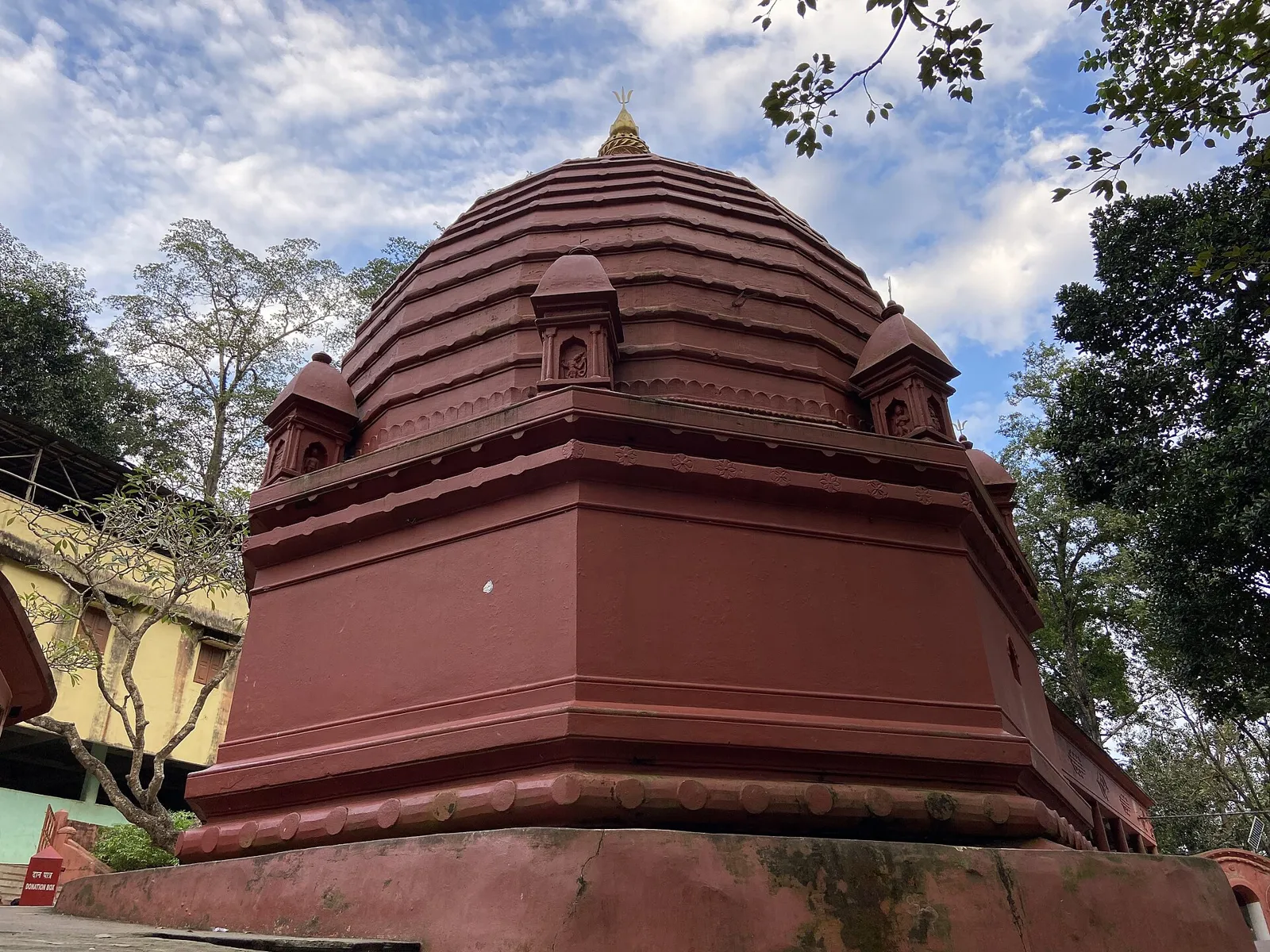
Umananda Temple is a Shiva shrine on Umananda Island in the Brahmaputra, Assam. Visitors come to see the temple and reach the island by country boat.

Map

Kampur on the map

  1. 1Agnigarh
  2. 2Mahabhairav Temple
  3. 3Orang National Park
  4. 4Pobitora Wildlife Sanctuary
  5. 5Srimanta Sankardev Kalakshetra
  6. 6Basistha Temple
  7. 7Kaziranga National Park
  8. 8Umananda Temple

Assam

Other cities to explore