Ghumoopedia — Explore, Discover, Experience
Sign in
Pobitora Wildlife Sanctuary, near Mangaldoi

City guide · Assam

Mangaldoi

Mangaldoi, also spelled Mangaldai, is the administrative headquarters of Darrang district in Assam. It serves as a centre for district offices, education, healthcare, trade and everyday services, connecting the town with surrounding villages and the wider north-bank region of the Brahmaputra.

Famous for

  • Darrang district headquarters
  • Mangaldahi and Ahom history
  • Brahmaputra north-bank setting
  • Darrang agricultural markets
  • Assamese Bihu traditions

Why Mangaldoi matters

Mangaldoi, also spelled Mangaldai, is the administrative headquarters of Darrang district in Assam. It serves as a centre for district offices, education, healthcare, trade and everyday services, connecting the town with surrounding villages and the wider north-bank region of the Brahmaputra. Its importance is primarily regional: residents come here for markets and public services, while travellers use it as a practical base for exploring Darrang’s countryside and cultural life.

The town is about 68 kilometres from Guwahati and lies on road routes linking that city with Tezpur and other parts of northern Assam. Mangaldoi is not chiefly a monument-focused destination, but its setting and local history give it character. Its name is associated with Mangaldahi, daughter of the Raja of Darrang, who married the Ahom ruler Susenghphaa, also known as Pratap Singha. Visitors can experience a working Assamese district town through its busy central market, local places of worship and everyday food and festival traditions.
Famous for: crafts, trade & products

Mangaldoi is best understood as a local trading and service centre rather than a town identified with one major factory industry or signature craft. Its markets serve residents from across Darrang, with farm produce such as rice and seasonal vegetables among the everyday goods. The central town market and surrounding shops are the most practical places to browse for local food and household items; availability changes with the season.

Assamese handloom cloth is part of the wider regional craft tradition. Shops may carry gamosas, mekhela chadors and eri-silk items, alongside bamboo or cane household wares. The Assamese gamosa has a Geographical Indication (GI) tag, though it is associated with Assam broadly rather than being unique to Mangaldoi. Ask local sellers about the maker and origin of individual pieces. The town does not have a widely recognised, dedicated craft district or a single product market for visitors, so browsing the central bazaar and asking about locally made goods is the best approach. Darrang’s agricultural hinterland is more central to Mangaldoi’s everyday commerce than large-scale manufacturing.

History

Mangaldoi’s name recalls Mangaldahi, daughter of the Raja of Darrang, who married Susenghphaa, the Ahom ruler also known as Pratap Singha. He reigned from 1603 to 1641, placing the story within a period when Ahom power and regional kingdoms shaped the politics of the Brahmaputra valley. Darrang had its own rulers and political history, and the town’s name preserves a link to that past.

British control expanded across Assam after the Treaty of Yandabo in 1826. During the colonial period, administrative systems and district centres developed across the region; Mangaldoi grew in importance as a centre serving Darrang. Its later role as district headquarters brought government offices and associated services into the town. In modern times, roads, schools, healthcare and local commerce have strengthened its role as a hub for surrounding communities. Changes to district boundaries have also reshaped the area it serves, but Mangaldoi remains Darrang’s principal administrative centre.

Food, festivals & culture

Everyday meals reflect Assamese food traditions: rice is commonly served with vegetables, leafy greens, lentils and fish. Dishes such as khar, an alkaline preparation, and tenga, a sour curry often made with fish, are familiar across Assam. Seasonal pithas and larus (sweet balls) are especially associated with festive gatherings, though what is served varies between households.

Bihu is central to the cultural calendar. Rongali Bihu is celebrated in spring, Kati Bihu in autumn and Magh Bihu in winter, with music, dance and shared food marking the seasons. Assamese is widely used, while Bodo, Bengali and Hindi are also heard in the district’s diverse communities. Bihu songs and dance, devotional naam-kirtan and broader Assamese performance traditions are part of local cultural life. Namghars and temples support Vaishnavite worship, while mosques serve Muslim communities; festivals and observances reflect the town’s varied religious life. Community celebrations are often more meaningful than formal visitor attractions.

Visiting the city

October to April is generally the most comfortable period to visit, with milder, drier weather than the monsoon months. The nearest major airport is Lokpriya Gopinath Bordoloi International Airport in Guwahati. Mangaldai railway station serves the town; check current connections when planning a journey. Road travel is a convenient way to reach Mangaldoi from Guwahati and Tezpur.

Within town, auto-rickshaws and shared local transport are useful for short journeys, while walking works well around the central market and civic area. The market is a good place to observe everyday town life and look for local food or handloom goods. For a broader feel of Darrang, explore the roads and villages beyond the centre, keeping in mind that visits to rural areas may require local transport and planning. Rain can affect road journeys during the monsoon.

Trips from the city

Nearest places to visit from Mangaldoi

Our closest destination guides, by straight-line distance.

Pobitora Wildlife Sanctuary

23 km away · Morigaon district

Pobitora Wildlife Sanctuary

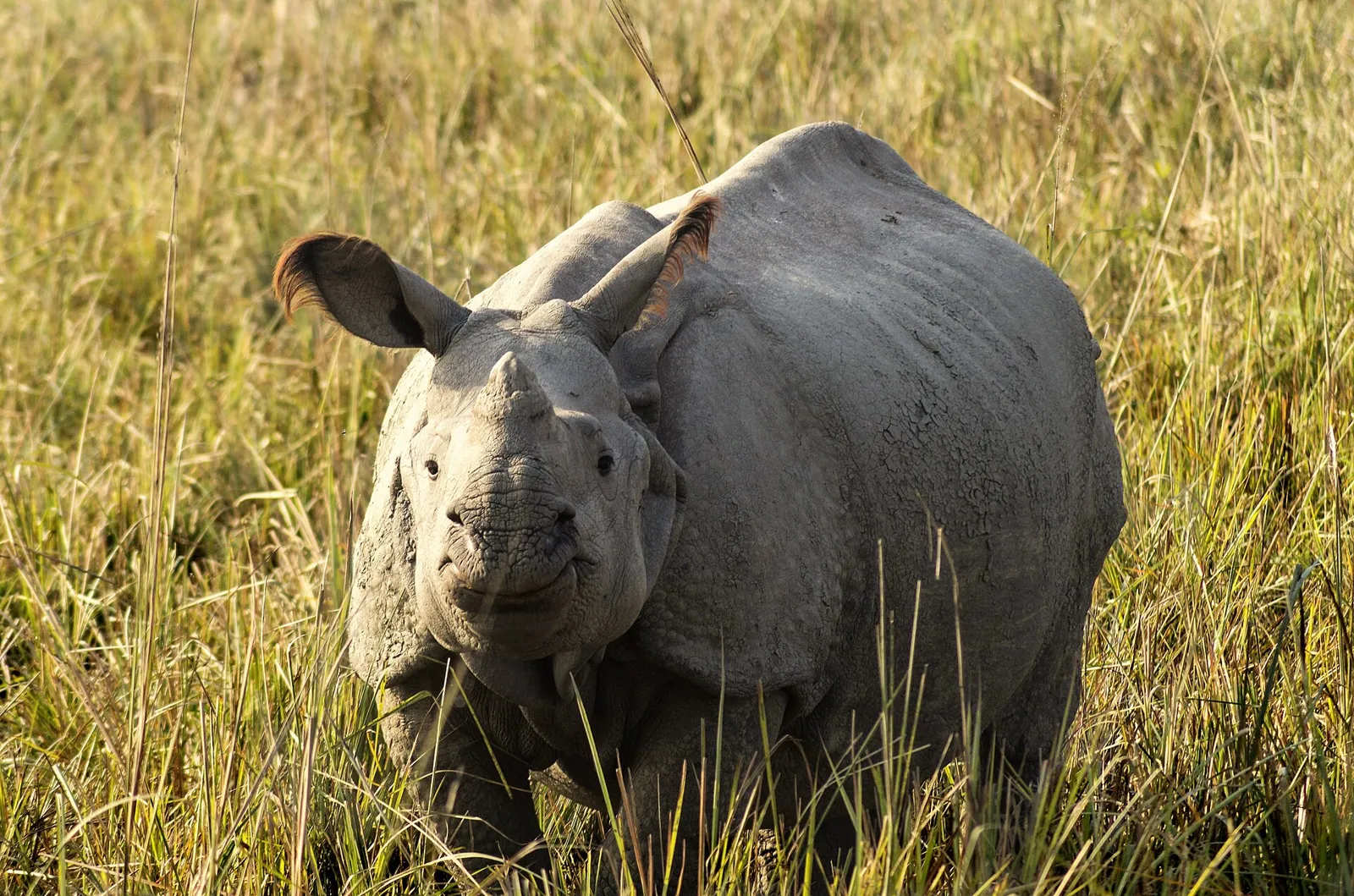
Pobitora Wildlife Sanctuary is a protected area in Assam, known for its grasslands and wetlands and for supporting a substantial population of Indian rhinoceroses, which draw visitors.

Madan Kamdev

32 km away · Kamrup district

Madan Kamdev

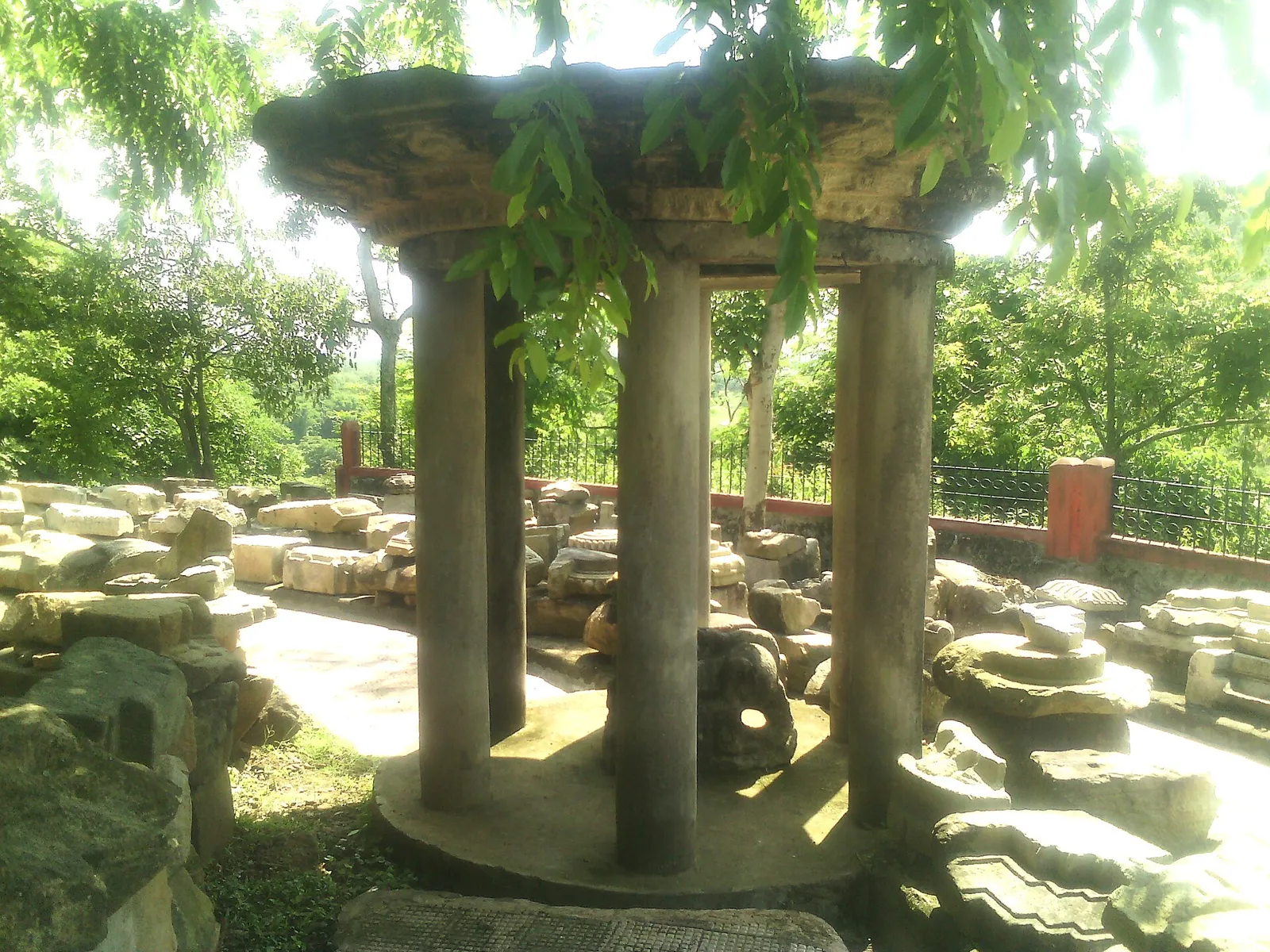
Madan Kamdev is an archaeological site near Baihata Chariali in Assam’s Kamrup district, visited for its Pala-era ruins, medieval stone carvings and sculptures of deities.

Orang National Park

32 km away · Darrang district

Orang National Park

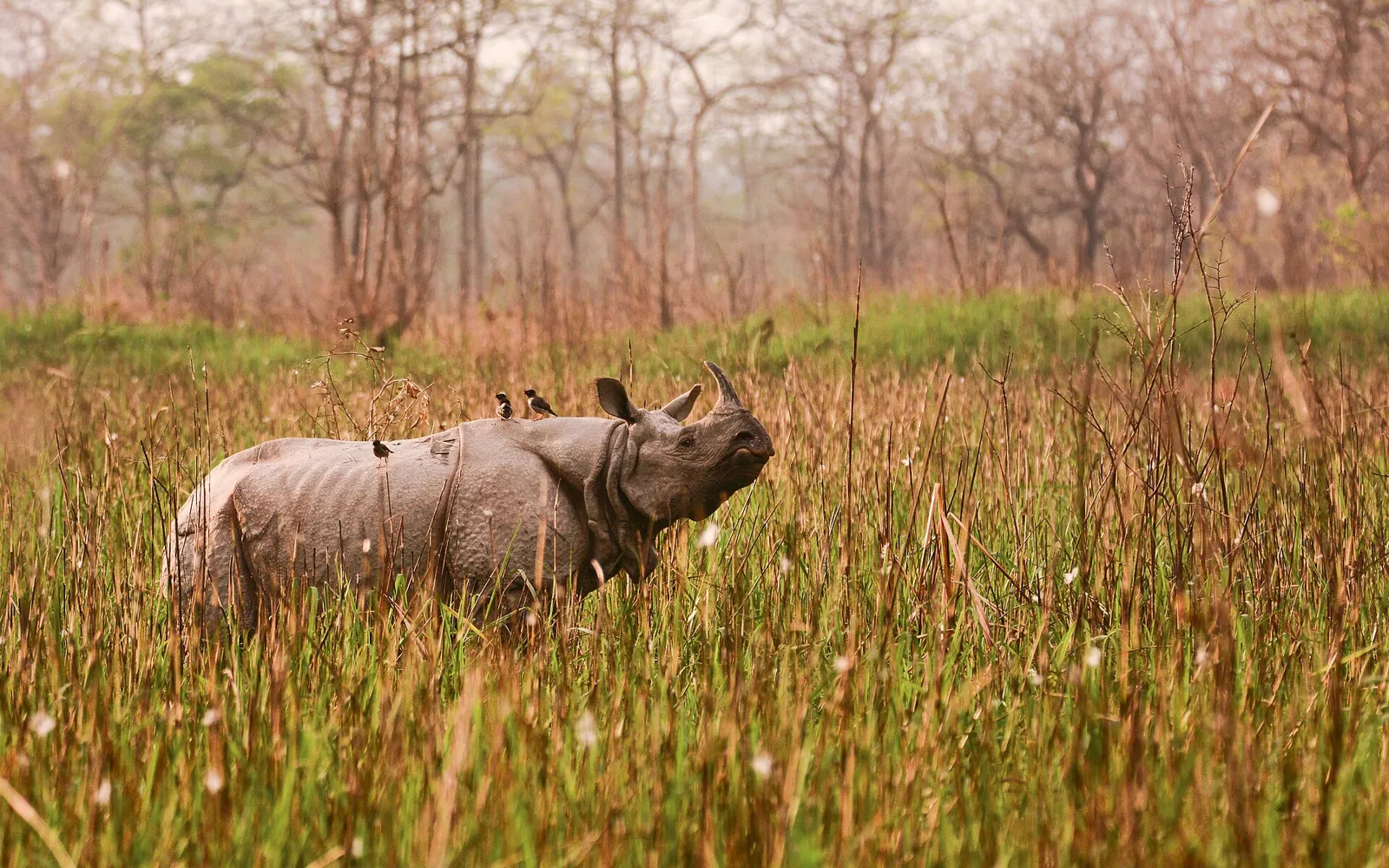
Orang National Park is an Assam wildlife reserve beside the Brahmaputra. People visit to see its diverse animal life, including rhinoceroses, elephants, wild buffalo, pygmy hogs and Bengal tigers.

Umananda Temple

39 km away · Kamrup Metropolitan district

Umananda Temple

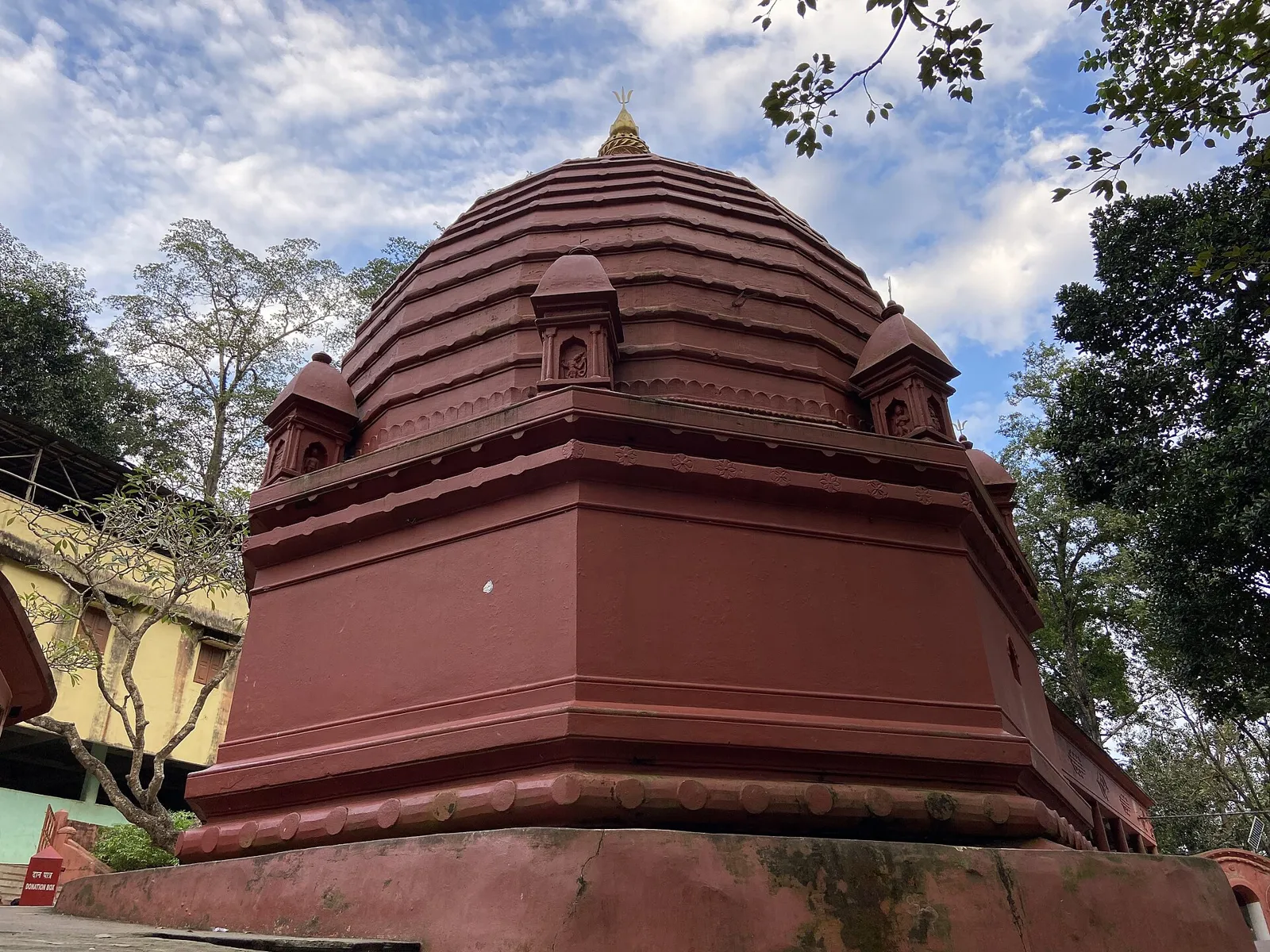
Umananda Temple is a Shiva shrine on Umananda Island in the Brahmaputra, Assam. Visitors come to see the temple and reach the island by country boat.

Srimanta Sankardev Kalakshetra

40 km away · Kamrup Metropolitan district

Srimanta Sankardev Kalakshetra

In Panjabari, Guwahati, Srimanta Sankardev Kalakshetra is a cultural complex where visitors explore art and heritage from Assam and the wider North-East.

Kamakhya Temple

45 km away · Kamrup Metropolitan district

Kamakhya Temple

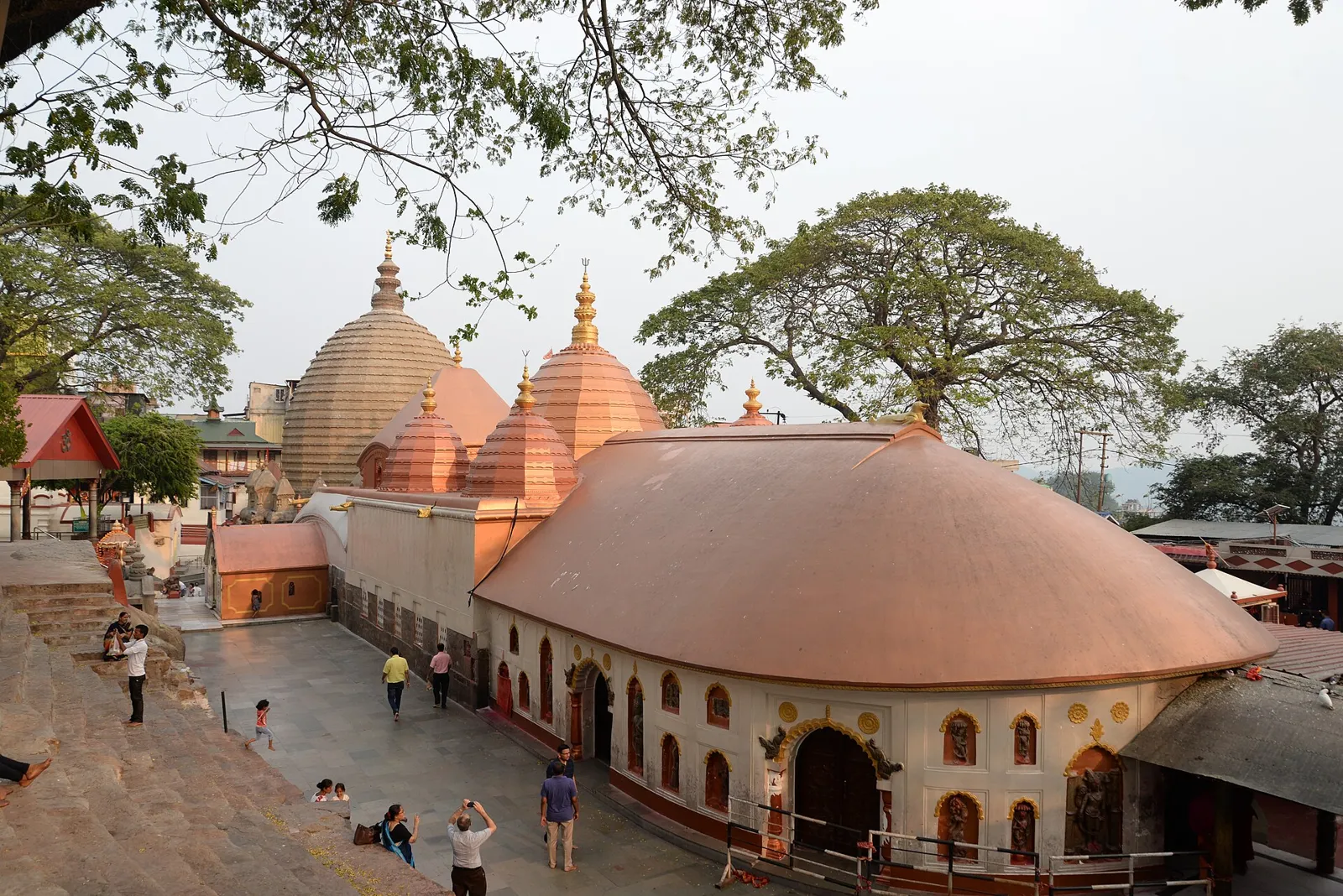
Kamakhya Temple is a Hindu place of worship on Nilachal Hill in Guwahati, Assam. Visitors come for its Tantric traditions, the Ambubachi Mela and its importance in the Shakta pilgrimage tradition.

Basistha Temple

46 km away · Kamrup Metropolitan district

Basistha Temple

Basistha Temple is a Shiva shrine in south-eastern Guwahati, in Assam’s Kamrup Metropolitan district. People visit the temple and ashram, situated beside streams linked to the city’s river system.

Bhairabkunda

51 km away · Udalguri district

Bhairabkunda

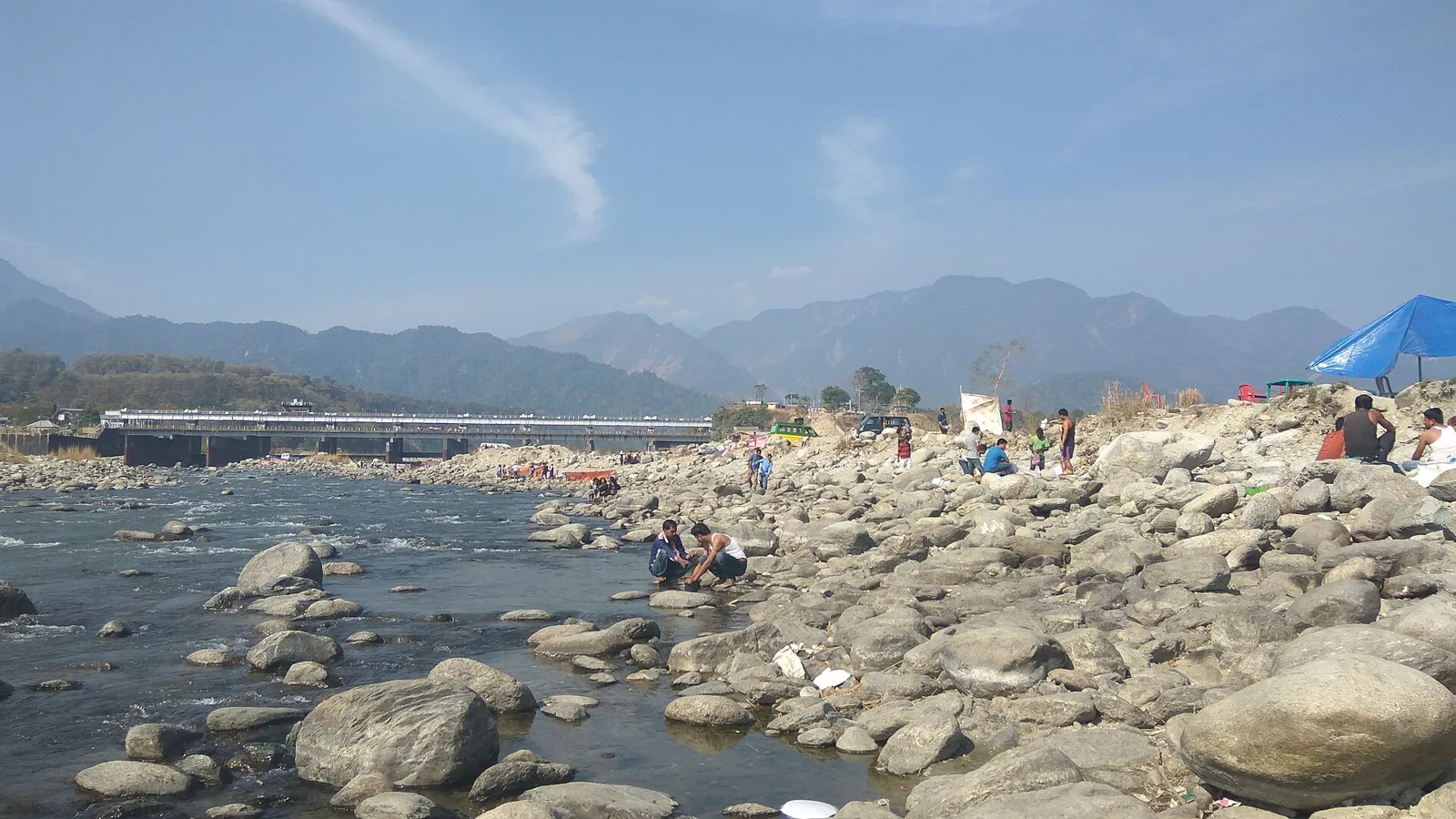
Bhairabkunda is a picnic destination in Assam’s Udalguri district, close to the Bhutanese border, where the Jampani and Bhairabi rivers meet.

Map

Mangaldoi on the map

  1. 1Pobitora Wildlife Sanctuary
  2. 2Madan Kamdev
  3. 3Orang National Park
  4. 4Umananda Temple
  5. 5Srimanta Sankardev Kalakshetra
  6. 6Kamakhya Temple
  7. 7Basistha Temple
  8. 8Bhairabkunda

Assam

Other cities to explore