Ghumoopedia — Explore, Discover, Experience
Sign in

City guide · Assam

Diphu

Diphu is the principal town of Karbi Anglong district in Assam and an important administrative centre for the hill region. It is the district headquarters and the meeting place of the Karbi Anglong Autonomous Council, which administers many local affairs.

Famous for

  • Karbi Anglong district headquarters
  • Karbi Anglong Autonomous Council
  • Karbi handloom and crafts
  • Rongker festival
  • Karbi Anglong ginger

Why Diphu matters

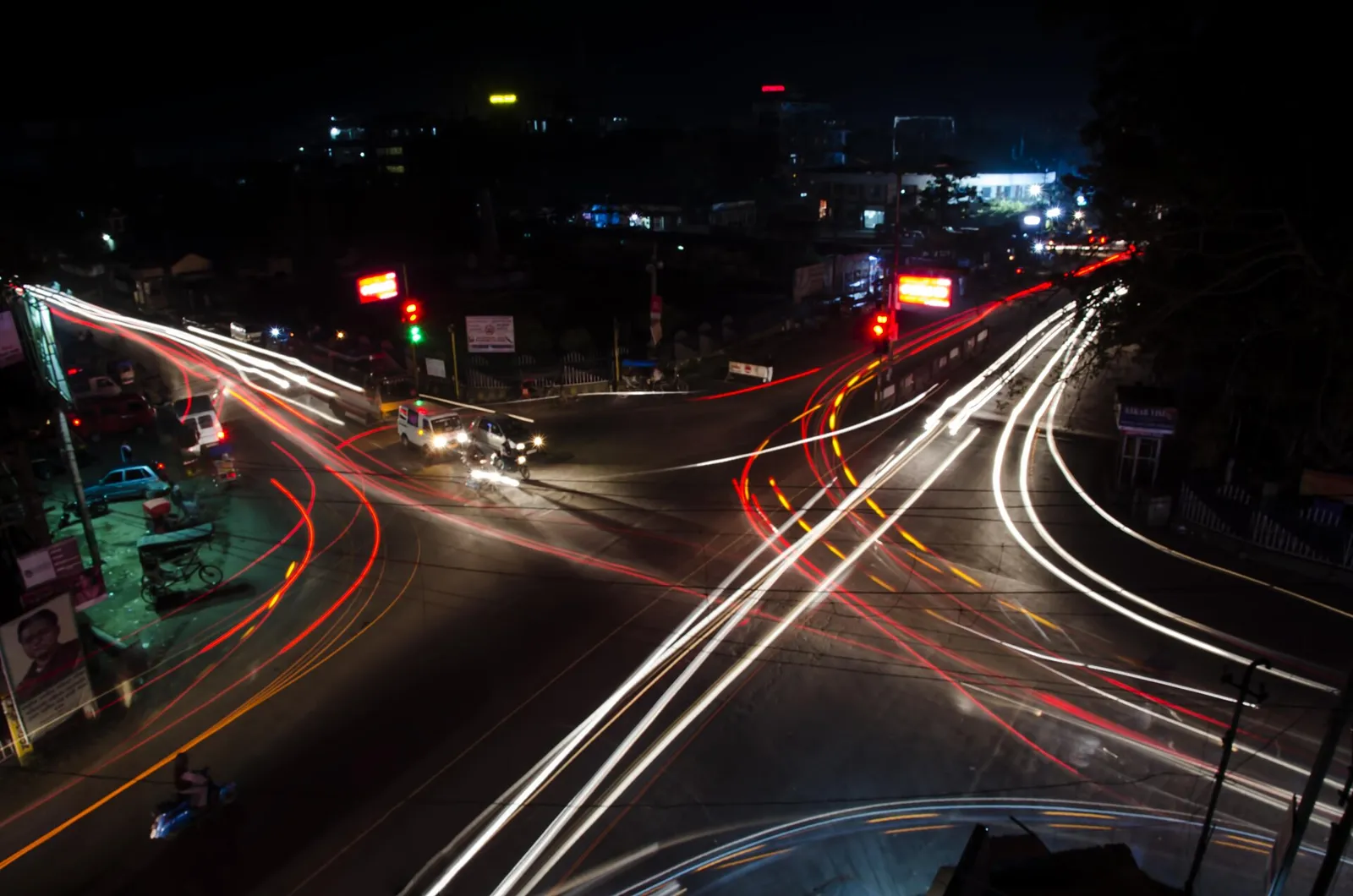
Diphu is the principal town of Karbi Anglong district in Assam and an important administrative centre for the hill region. It is the district headquarters and the meeting place of the Karbi Anglong Autonomous Council, which administers many local affairs. These roles make Diphu a hub for government services, education, trade and transport for nearby communities.

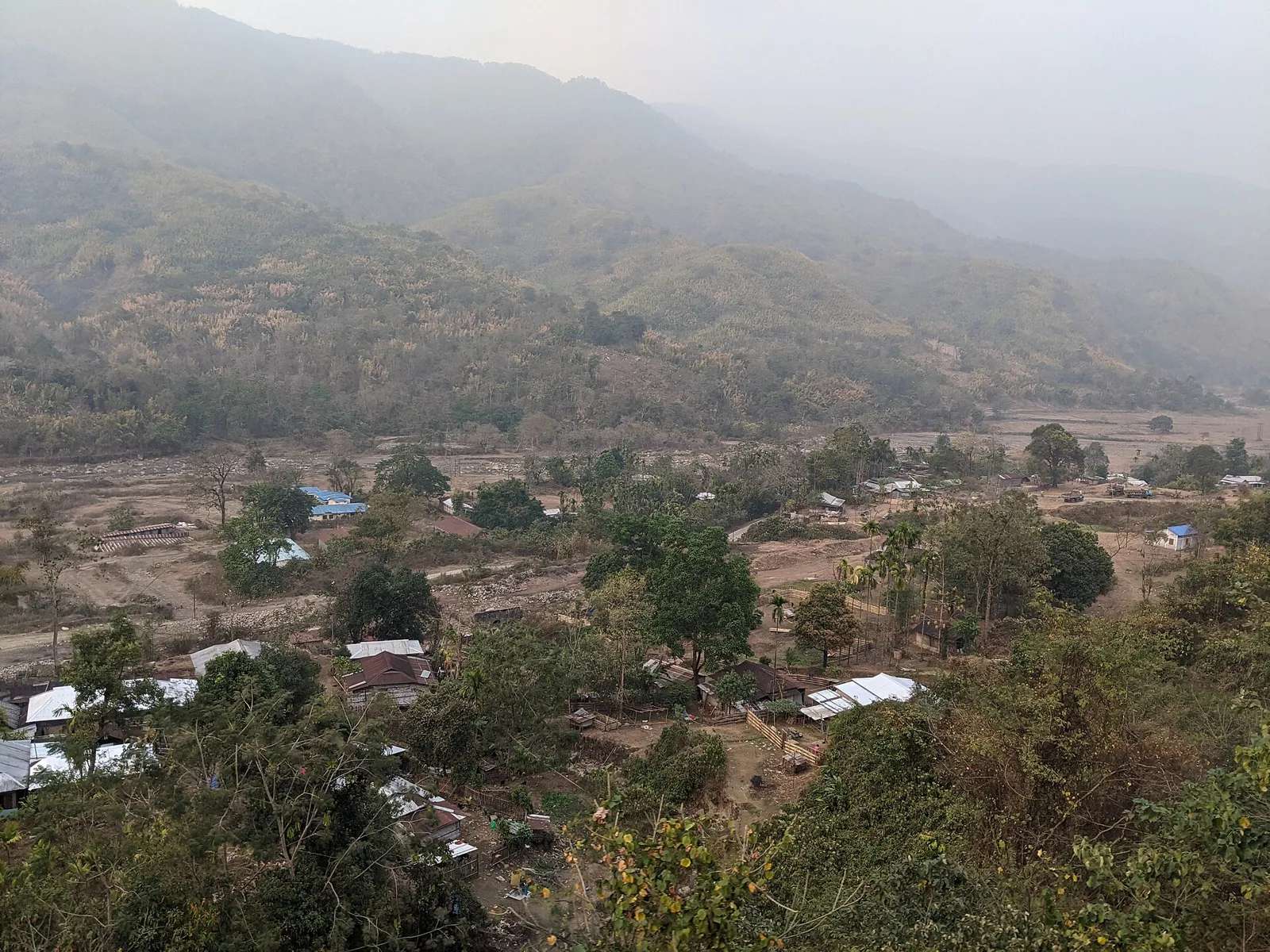
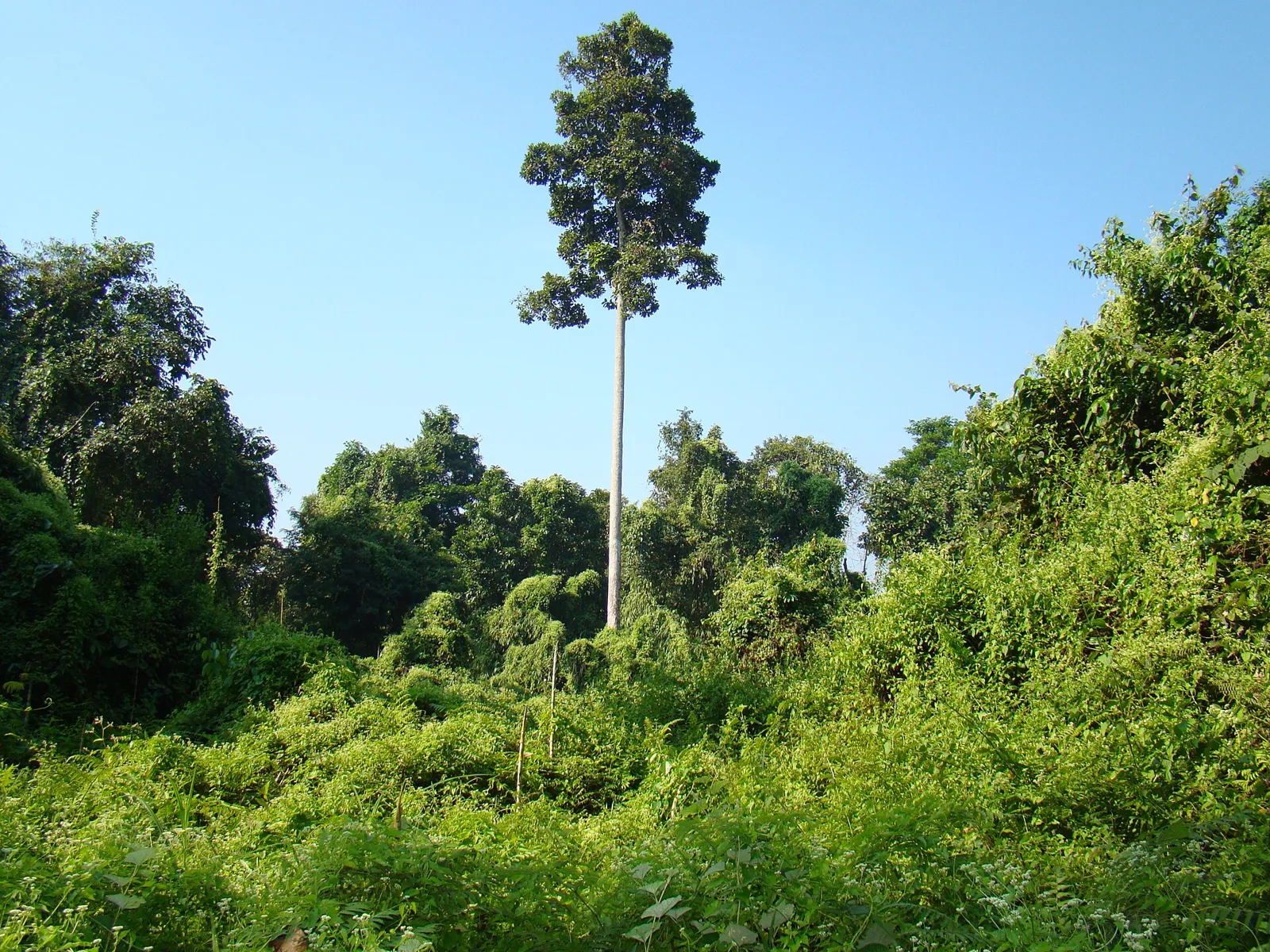
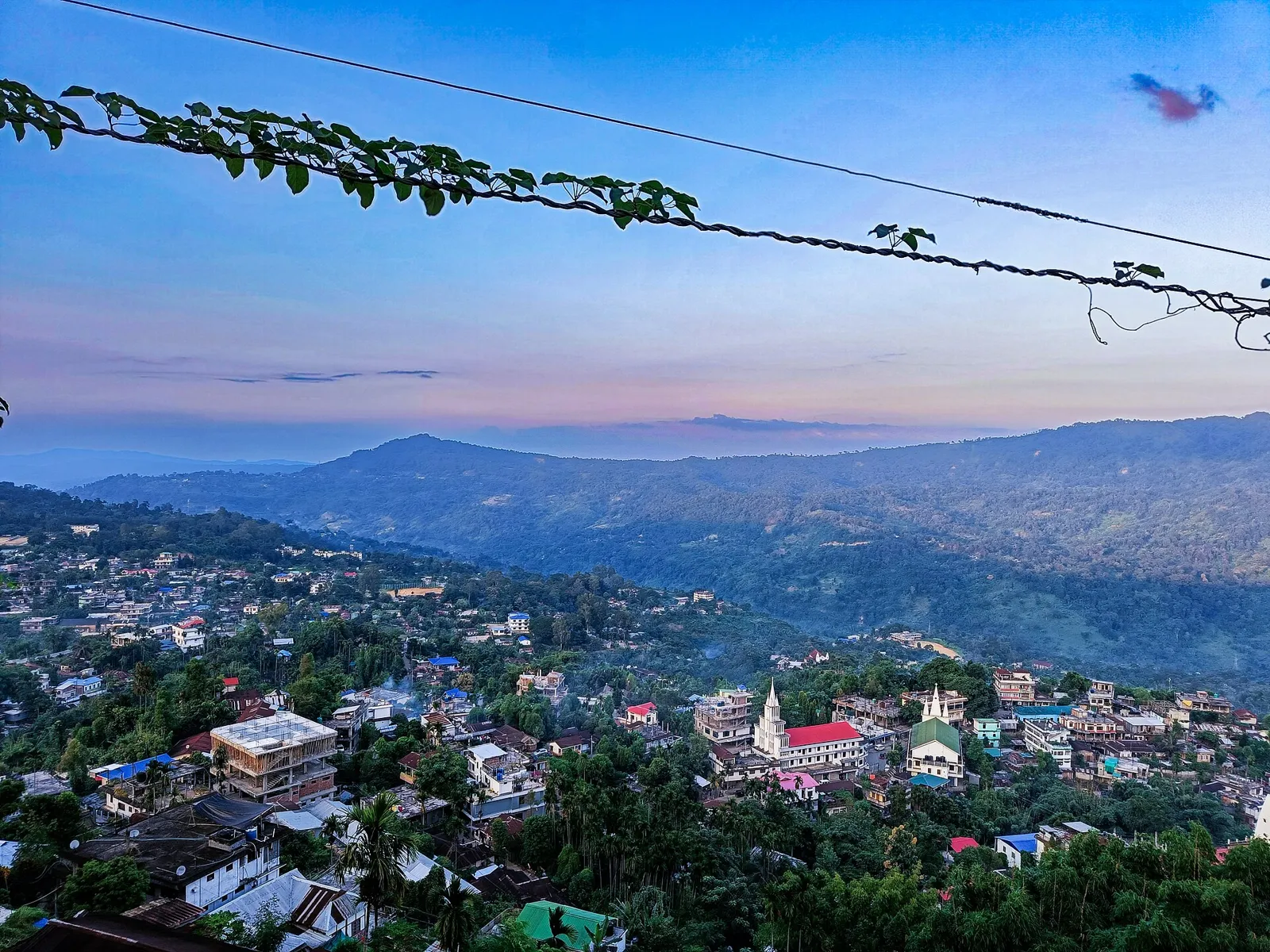
Visitors come to experience the town’s connection with Karbi culture and the surrounding hill country. Local markets offer a glimpse of everyday life and regional produce, while cultural events provide opportunities to see traditional music, dance and dress. Diphu is also a useful base for exploring Karbi Anglong, though travel beyond town requires planning and local advice. Its setting on a hilly plateau, around 186 metres above sea level, gives it a distinct feel from Assam’s lowland cities. The name is associated with a stream once noted for its pale, sediment-laden water during the rainy season; urban growth has altered the waterway and its surroundings.
Famous for: crafts, trade & products

Diphu is best understood as a regional market and administrative town rather than a centre of large-scale textile manufacturing. Karbi handwoven cloth and traditional garments reflect the skills and designs of the area’s communities. Bamboo and cane work are also part of local craft traditions. These items may be found through town markets and local craft or handloom sellers; availability varies, so visitors looking for a particular piece should ask locally rather than expect a permanent specialist market.

The wider district is known for Karbi Anglong Ginger, a geographically indicated agricultural product grown in the region. Ginger and other seasonal produce move through local trade, and Diphu’s markets are a practical place to look for district-grown goods. The town also serves as a centre for institutions and public services, including the Karbi Anglong Autonomous Council. There is no single signature saree or major factory district that defines Diphu. For a more direct connection with local products, ask vendors about the origin of produce and seek out artisans or community-run sales when available.

History

Diphu’s modern growth is closely tied to its role as the administrative centre of the Karbi hills. Karbi communities have longstanding ties to the region, alongside other communities who live in the district. During the colonial period, the hill tracts were brought within the administration of British Assam, but Diphu’s present importance developed chiefly through its later role in district government.

After independence, the formation of the United Mikir and North Cachar Hills district in 1951 gave the area a more defined administrative structure. The district was divided in 1970, and the Mikir Hills district was renamed Karbi Anglong in 1976. Diphu grew as its headquarters, gaining offices, transport links, schools, markets and other services. The Karbi Anglong Autonomous Council became central to local governance and regional representation. Today, the town’s growth reflects both its administrative responsibilities and its position as a service and trading centre for surrounding hill communities.

Food, festivals & culture

Karbi traditions are prominent in Diphu’s cultural life, alongside the customs of the district’s other communities. Karbi, Assamese and Hindi are commonly heard, and English is used in education and administration. Local food often features rice with pork, smoked or dried meats, fish, leafy greens and bamboo shoots; recipes and ingredients vary between households. Town eateries also serve familiar Assamese and Indian meals, while sweets and snacks are available in local shops.

Rongker, a Karbi community festival associated with collective well-being and agricultural life, is generally observed around the spring season. The Karbi Youth Festival, held at Taralangso near Diphu, showcases music, dance, dress, crafts and cultural performances. Bihu is also celebrated in the town, alongside festivals observed by its diverse communities. Traditional songs and dances are important at gatherings and public celebrations. Diphu has places of worship serving different faiths, including temples, churches and mosques; visitors should dress respectfully and ask before photographing ceremonies or people.

Visiting the city

The more comfortable months for a visit are generally October to April, when conditions are usually less wet than during the monsoon. Dimapur Airport, in neighbouring Nagaland, is the nearest practical airport for many travellers; Guwahati’s airport is another option with broader connections. Diphu railway station is the town’s main rail stop and connects it with the wider Assam rail network.

Auto-rickshaws and local taxis are useful for getting around town, while shared or hired vehicles serve some routes beyond it. Explore the central market area for everyday trade and local food, and visit the Taralangso cultural complex for its association with Karbi cultural events. For trips into the surrounding hills or villages, arrange transport in advance and follow local guidance. Rain can make road travel slower, so allow flexibility during the wet season.

Trips from the city

Nearest places to visit from Diphu

Our closest destination guides, by straight-line distance.

Haflong

86 km away · Dima Hasao district

Haflong

Haflong is an Assam town and the administrative centre of Dima Hasao district. Visitors come to experience it as the state’s sole hill station.

Kaziranga National Park

92 km away · Golaghat district

Kaziranga National Park

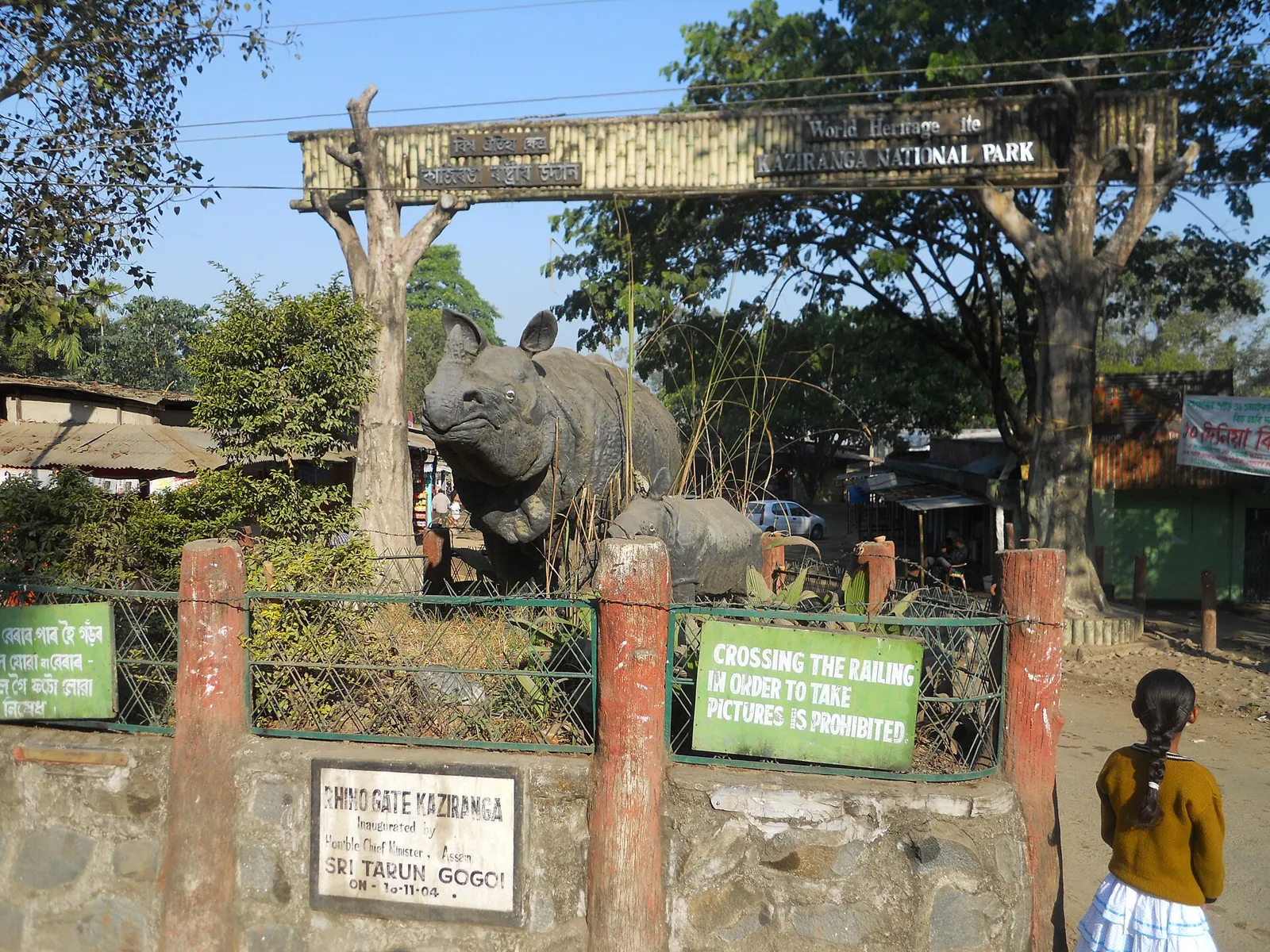
Located in Assam, Kaziranga National Park is a World Heritage Site across four districts. Visitors are drawn by its varied habitats and wildlife, including rhinoceroses, elephants and tigers.

Jatinga

95 km away · Dima Hasao district

Jatinga

Jatinga is a village in Assam’s Dima Hasao district, known for mysterious bird deaths that have made the phenomenon a point of interest for visitors.

Agnigarh

106 km away · Sonitpur district

Agnigarh

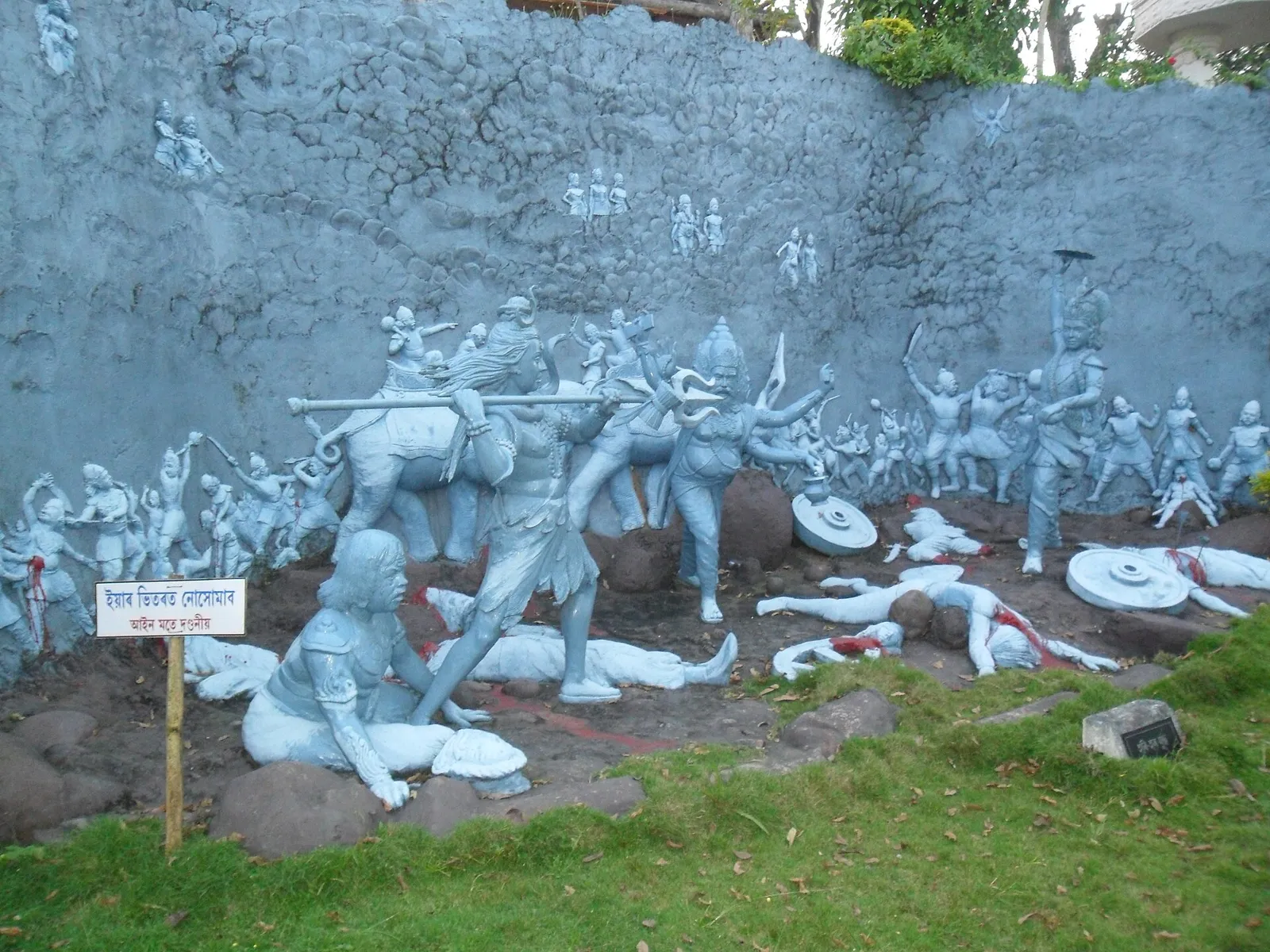
Agnigarh is a hillock in Tezpur, Sonitpur district, Assam, linked to a Hindu-scriptural tale of Banasura and Usha; visitors are drawn by this mythological association.

Mahabhairav Temple

108 km away · Sonitpur district

Mahabhairav Temple

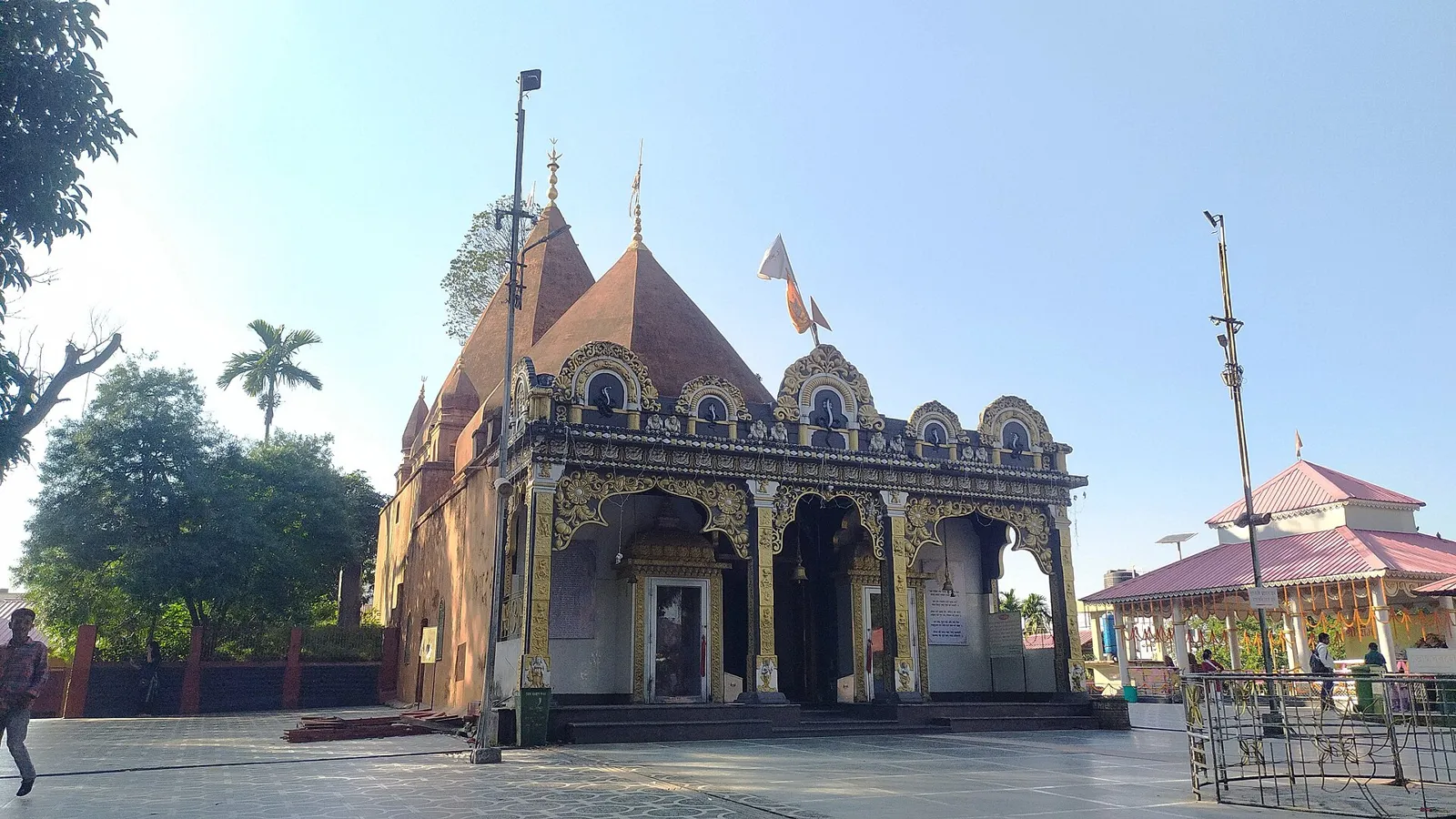
Mahabhairav Temple is a Shiva shrine on a hill in Tezpur, Assam. Worshippers visit for its rituals and the Maha Shivaratri observance, which includes offerings to the deity.

Joysagar Tank

127 km away · Sivasagar district

Joysagar Tank

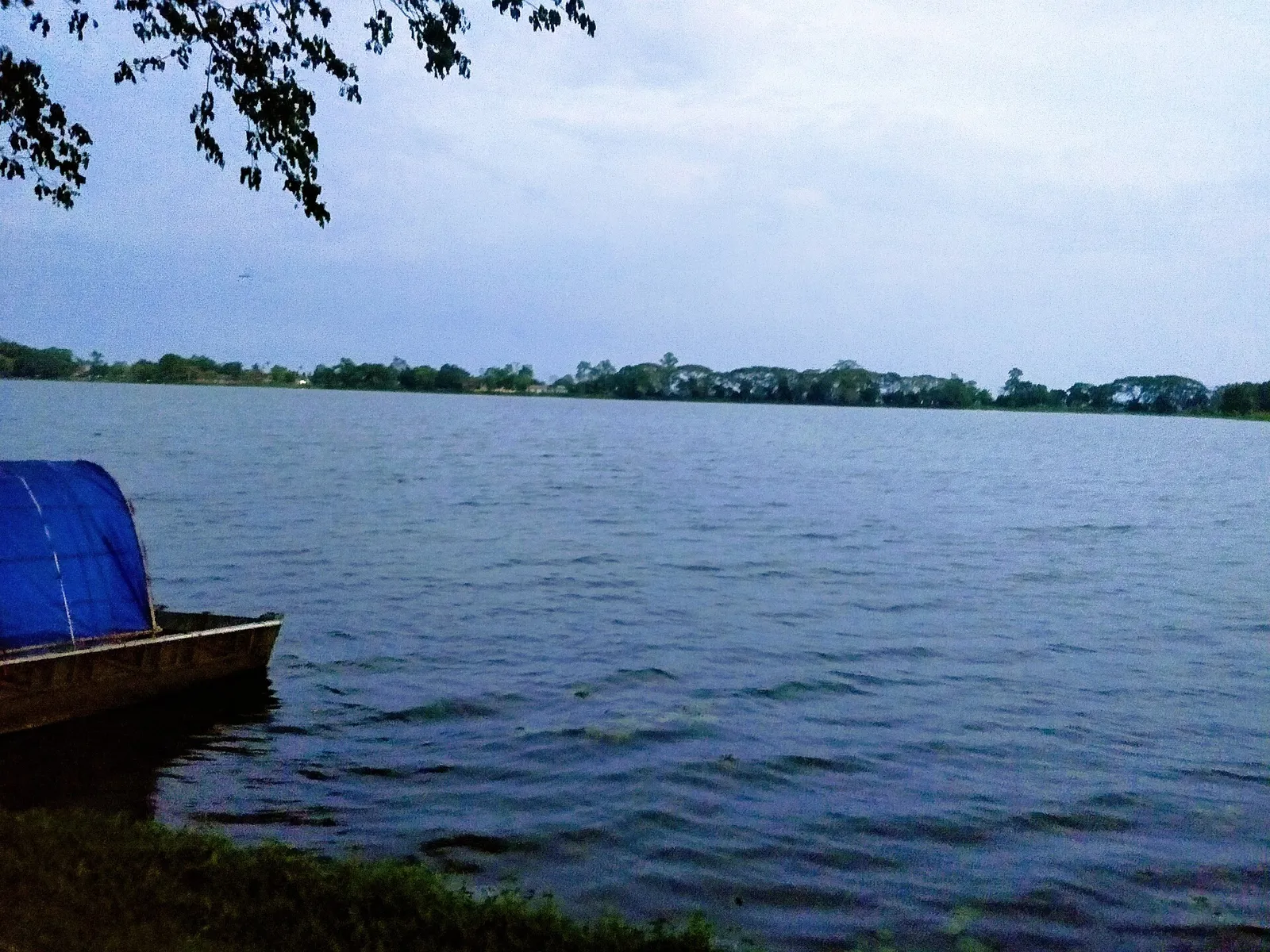
Joysagar Tank, also called Joysagar Borpukhuri, is a large historic tank in Assam’s Sivasagar district. Visitors come to learn about its historical significance.

Jorhat

128 km away · Jorhat district

Jorhat

Jorhat is an Assam city known for the Jorhat Gymkhana Club, home to Asia’s oldest golf course, and its location beside the Bhogdoi River.

Hoollongapar Gibbon Sanctuary

136 km away · Jorhat district

Hoollongapar Gibbon Sanctuary

Hoollongapar Gibbon Sanctuary is an evergreen forest reserve in Assam’s Jorhat district, visited for its distinctive primates, including hoolock gibbons and Bengal slow lorises.

Map

Diphu on the map

  1. 1Haflong
  2. 2Kaziranga National Park
  3. 3Jatinga
  4. 4Agnigarh
  5. 5Mahabhairav Temple
  6. 6Joysagar Tank
  7. 7Jorhat
  8. 8Hoollongapar Gibbon Sanctuary

Assam

Other cities to explore