
Dibrugarh
Dibrugarh is an Assam city with important district and state-level administrative roles. Visitors can learn about its civic functions and the work of the Sonowal Kachari Autonomous Council.
Key facts · verified by Ghumoopedia editors
- Type of place
- Destination
- Best time to visit
- October to April
- Verified
- 21 Nov 2026
In Dibrugarh district, Assam, the city is 435 kilometres east of Dispur, the state capital. It is an important administrative centre in Upper Assam. Dibrugarh has been named Assam’s second administrative capital. It also houses the headquarters of Dibrugarh district, making it a centre for local government in the region. The Sonowal Kachari Autonomous Council is headquartered in the city. This council governs the Sonowal Kachari community, whose members are found mainly in Dibrugarh district. Together, these responsibilities give the city a role in both regional administration and community governance. Assam’s Vaishnavite satras, Ahom heritage, Bihu festivals and silk-weaving traditions shape everyday life well beyond the major monuments. The Brahmaputra plains are hot and humid from April to September, with heavy monsoon rain and seasonal floods. Winters are mild and pleasant, with morning fog along the river. The usual best time to visit is October to April. Days are short in Northeast India: the sun can set before 5 pm in winter, so plan to reach and leave Dibrugarh in daylight. Timings, fees and access arrangements must be confirmed locally. For official information, see Assam Tourism at https://tourism.assam.gov.in.
Why it matters
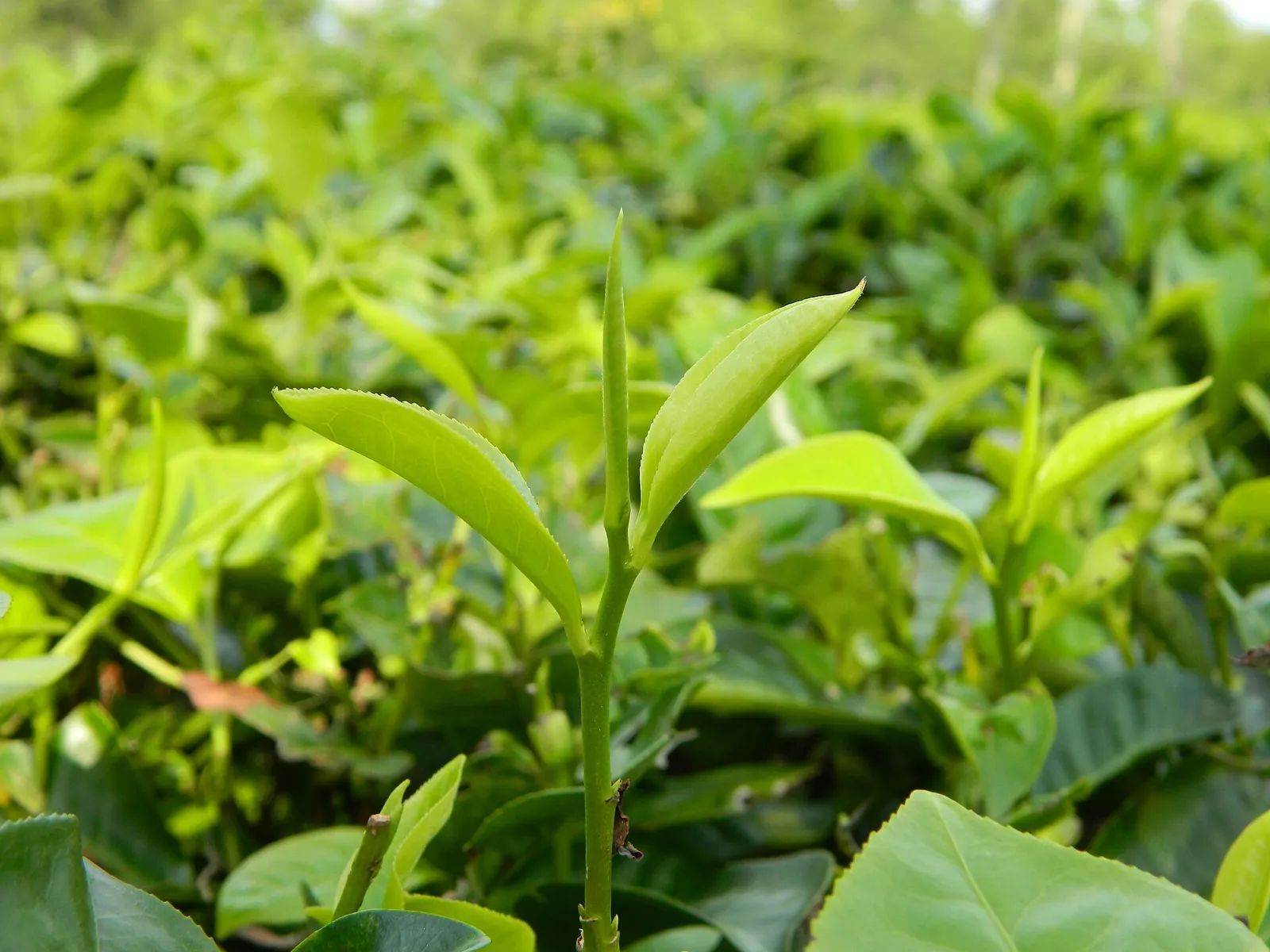
Dibrugarh is an important city in Upper Assam and the administrative headquarters of Dibrugarh district. The state government has designated it as Assam’s second administrative capital, reflecting its role beyond the state capital, Dispur. It is also the headquarters of the Sonowal Kachari Autonomous Council, which represents the Sonowal Kachari community. Tea cultivation and trade have helped shape the city’s regional economy and identity, while its position on the Brahmaputra connects it to the wider river plain. Dibrugarh is a useful base for exploring Upper Assam’s tea landscapes, communities and natural areas. These regional and administrative roles are distinct from heritage designations: no UNESCO or ASI-protected status for the city as a whole is claimed here.
The Dibrugarh area was part of the wider Upper Assam region shaped by Ahom rule and the Brahmaputra’s riverine landscape. The city’s name is sometimes linked to an earlier settlement or encampment, but its exact origin is not sufficiently certain to present as fact. Dibrugarh grew into a prominent administrative and commercial centre during British colonial expansion in the nineteenth century, as tea plantations spread across Upper Assam and river and rail connections developed. The tea industry brought workers and traders from different parts of India, contributing to the region’s diverse population. The town later became the headquarters of Dibrugarh district and an important centre for education, health services and transport in the eastern part of the state. The Brahmaputra has also shaped local settlement and infrastructure through flooding and riverbank change. In the present day, Dibrugarh retains its administrative role and serves as a gateway to tea-growing areas and nearby nature destinations. The state’s designation of Dibrugarh as its second administrative capital is a more recent recognition of its continuing regional importance.
Use Dibrugarh as a base to understand local life: walk through the market area, visit community-run attractions and ask your host about nearby viewpoints and short excursions. Always ask before photographing people, homes or ceremonies. A comfortable itinerary is one main visit in the morning, a local meal at midday and a short nearby stop before an afternoon return. Use the district list on this site to find other places in Dibrugarh, but check the actual road route and its condition before combining stops. If a festival is on, local roads and stays can be busy — and the experience can be unforgettable. Leave no litter: many sites in Assam are protected by the communities who own them.
Suggested itineraries
Half day: Explore a central market area on foot (1–2 hours), pause for an Assamese meal (about 1 hour), then visit one nearby community or garden attraction (1–2 hours). Full day: Begin with a planned visit to a garden or cultural site (2–3 hours), return for lunch (about 1 hour), then explore a second nearby attraction or a Brahmaputra viewpoint (2–3 hours); leave time for the return journey. Gentler option: Choose one central site, arrange a taxi close to its entrance, take seated breaks and keep the outing flexible.
Everyday life reflects a mix of Assamese traditions and the many communities connected with Upper Assam’s tea economy. Assamese is widely spoken, alongside other Indian languages used in local households and workplaces. Bihu songs and dance, traditional weaving and the preparation of Assamese foods remain important parts of cultural life. The wider region is also known for silk traditions, including muga and eri weaving, though products and practices vary by community. Vaishnavite satras and other religious institutions contribute to local cultural life. Visitors should dress respectfully at places of worship and ask permission before photographing people, homes or ceremonies.
Festivals & events
Bihu is celebrated across the region, with Rongali Bihu in spring, Kongali Bihu in autumn and Bhogali Bihu in winter; community programmes and family gatherings may affect local traffic and accommodation. Durga Puja is also observed in Dibrugarh, with temporary installations and busy neighbourhoods during the festival season. Religious events at nearby satras and monasteries can bring visitors from surrounding towns, although dates and public access vary. During major celebrations, expect busier roads and limited availability at popular eateries or stays. Confirm local arrangements before travelling specifically for an event.
Local food in Assam includes masor tenga (a tangy fish curry), khar, duck with ash gourd, pitha rice cakes, aloo pitika and, of course, Assam tea. Ask what is fresh that day; many small eateries cook a limited daily menu. Pork, beef, fish and fermented ingredients are common in tribal cuisines, so vegetarian travellers should explain their needs clearly — rice, dal, vegetables and eggs are usually possible in towns. Remote sites may have no restaurant at all. Carry water and snacks, eat a proper breakfast before long drives, and ask your accommodation for a packed lunch if you are heading out early. Try a homestay-cooked meal when you can — it is often the best local food. Choose busy, clean places and carry your packaging back to town.
Shopping & local experiences
Explore Dibrugarh’s markets for everyday Assamese goods, regional snacks and locally made textiles. Assam is associated with muga, eri and pat silk, but check the fibre, origin and workmanship before buying; not every item labelled as local is produced nearby. Tea from Upper Assam makes a practical souvenir, and established shops can explain its source and processing. You may also find bamboo or cane products and packaged foods, depending on the market. Ask before photographing vendors or stalls, and choose reusable packaging where possible.
October to April
These figures are calculated from map coordinates, so actual road distance and travel time are longer. Guwahati is the main rail and air hub for the region, and most long-distance journeys connect through it. For the final leg, Assam State Transport Corporation (ASTC) and private Volvo/sleeper coaches link district towns; shared taxis usually leave early in the morning and depart only when full. A private taxi gives more flexibility for remote sites. When comparing train, bus and flight, count the complete door-to-door time: a flight saves the most time only if the onward road transfer is short, while an overnight train to Guwahati plus a road journey can save a hotel night. Book your return before you leave, because seats on shared vehicles and the few daily flights fill quickly. Current train numbers, timings, return services and fares are not listed here; check IRCTC and NTES for trains and the airline’s own schedule for flights. No Inner Line Permit is needed to visit Assam.
Getting around
Auto-rickshaws and app-based or locally arranged taxis are useful for moving around town; confirm the destination before boarding. Walking can work for short trips in central areas, but traffic, heat and uneven footpaths may make longer walks tiring. Local buses serve some routes, though coverage and service can vary; ask locally about the best option for your destination. A hired car or taxi is more practical for excursions beyond the urban centre. Check parking availability at individual sites, and do not assume a river crossing or boat service is operating without local confirmation.
Hours, tickets & permissions
Dibrugarh is a city rather than a single ticketed attraction, so entry rules depend on the place you plan to visit. Public streets and markets generally have no site-entry process, while museums, gardens, religious institutions and protected areas may have visitor registers, permits, ticketing or restrictions on cameras. Some sites may request modest dress or identification, particularly in protected or religious settings. Confirm current hours, fees and access requirements with the relevant managing authority before setting out.
Facilities
Dibrugarh city has hotels, restaurants, shops, banks and ATMs, but facilities at individual attractions vary. Toilets and drinking water may be available at larger public sites; carry water and check locally rather than relying on every stop to provide them. Food is easiest to find in town, while rural excursions may have fewer choices. Parking is usually more straightforward at larger venues than in busy market streets. Guides may be available for specific attractions, but arrange one through a recognised local operator or the site authority where possible.
Accessibility
Accessibility varies considerably between central streets and individual attractions. Roads and footpaths can be uneven, busy or interrupted, and gardens or outdoor sites may involve unpaved paths and longer walks. Shade and seating are not guaranteed throughout a visit, so plan breaks and carry water, especially in warm or wet weather. Wheelchair and stroller access should be checked directly with each venue; do not assume ramps, accessible toilets or step-free routes. Older visitors may find a taxi-assisted visit to one destination more comfortable than combining several stops on foot.
No Inner Line Permit is needed to visit Assam. Carry a photo ID at all times; checkpoints are common. Save the emergency number 112 and your accommodation’s contact offline. Heat, humidity and sudden downpours are the main weather risks; carry water and rain protection. Respect community rules, private property and posted instructions. Avoid long road journeys after dark and during heavy rain. Check official advisories for the region before travel, and follow local guidance if access changes.
Photography
Soft morning or late-afternoon light can suit city streets, gardens and river-facing views, but river conditions and access vary. Photography is generally possible in public spaces, while religious, cultural and protected sites may impose restrictions or require permission. Ask before photographing residents, workers, children, homes or ceremonies, and follow signs or staff instructions indoors. Drone use may require permissions and can be restricted near airports, protected areas and sensitive sites; check applicable rules before carrying or flying one.
Choose a stay by the full journey to Dibrugarh, not just the district name. Main towns in Dibrugarh usually offer hotels, state tourism lodges and homestays with better transport, meals and medical access, while village homestays offer a closer connection to local life. In the plains and valleys, check fans or air-conditioning and mosquito nets in summer. Book in advance for weekends, festival dates and the peak season (October to April). Confirm the exact location, meals included, check-in time and cancellation terms in writing. Many homestays accept payment on arrival; avoid sending money to unverified contacts. Mobile network and digital payments can be unreliable in remote areas, so carry some cash.
Bogibeel Bridge, across the Brahmaputra near Dibrugarh, is a notable regional landmark; check safe public access before planning a visit. Jokai Botanical Garden is an option for a nature-focused outing, with facilities and access best confirmed locally. Dibrugarh University offers a campus visit only where visitor access is appropriate. For longer excursions, Dehing Patkai National Park spans parts of Upper Assam, while Namphake Buddhist Monastery near Naharkatia is known for its Tai Phake community and Buddhist heritage. These outings can require substantial road travel, so check routes and conditions and avoid combining distant stops without local advice.
For couples, Dibrugarh rewards a slow pace: arrive early for soft light and fewer crowds, share a local meal and keep the evening free. Public displays of affection can be frowned upon in conservative communities and at religious sites, so be discreet. A homestay can make the trip memorable — confirm privacy, hot water and transport back. Keep a buffer day in your itinerary, because weather and road closures can delay plans in Assam.
Q: How much time should I allow for Dibrugarh? A: A half day can cover a central market and one nearby stop; allow a full day if you plan an excursion outside town. Q: When is a good season to visit? A: October to April is generally more comfortable. Monsoon rain can affect roads and outdoor plans, so check conditions locally. Q: Is there an entry ticket for Dibrugarh? A: The city itself has no single entry ticket. Individual attractions may have separate rules, fees or permits; confirm with their managing authorities. Q: Is Dibrugarh suitable for children and older visitors? A: Yes, with a flexible plan. Choose fewer stops, arrange local transport and check walking surfaces and facilities at each site. Q: Can I stay near the attractions? A: Dibrugarh has hotels and guesthouses, while options near outlying sites may be limited. Check location, access and availability before booking.
Be the first to share photos, stories, advice or a helpful contact for Dibrugarh.
Loading…