Ghumoopedia — Explore, Discover, Experience
Sign in
Agnigarh, near Doboka

City guide · Assam

Doboka

Doboka is a small town in Assam’s Hojai district, valued chiefly as a local trading and service centre. Its location on National Highway 29 links it with towns across central Assam and with routes towards Nagaland, making it a practical stop for residents, traders and road travellers.

Famous for

  • Regional market town
  • National Highway 29 corridor
  • Hojai district connections
  • Assamese Bihu celebrations

Why Doboka matters

Doboka is a small town in Assam’s Hojai district, valued chiefly as a local trading and service centre. Its location on National Highway 29 links it with towns across central Assam and with routes towards Nagaland, making it a practical stop for residents, traders and road travellers. The town’s shops and everyday services also serve surrounding villages, so its importance is more regional than that of a major sightseeing destination.

Visitors are most likely to come for local business, family connections or as part of a journey through the district. Doboka offers a glimpse of ordinary town life in Assam: a busy roadside market, neighbourhood shops and a mix of languages and communities. It is not widely promoted for a signature monument, craft or tourist attraction, and travellers looking for a full sightseeing itinerary may want to use it as a base or stopover while exploring the wider Hojai and Nagaon region. Its appeal lies in its position, market activity and access to the surrounding countryside.
Famous for: crafts, trade & products

Doboka is best understood as a local market town rather than a recognised centre for a particular textile, handicraft or GI-tagged product. Its bazaar and roadside shops cater to residents from the town and nearby villages, with everyday goods, groceries, clothing and prepared snacks.

The town’s wider economy reflects its role as a road-connected service centre: small retailers, food businesses, transport services and other local enterprises support movement along National Highway 29. For Assamese textiles, handloom products or regionally distinctive crafts, visitors may find a broader selection in larger towns and established craft outlets elsewhere in Assam. Doboka’s value to shoppers is convenience and access to daily necessities, rather than a nationally known wholesale trade or manufacturing industry. Ask locally about seasonal market activity, since the range of goods and produce can vary.

History

Doboka’s past is best viewed in the context of central Assam, a region shaped over centuries by changing local kingdoms and the larger political histories of the Kachari and Ahom states. The history of those powers does not by itself establish that Doboka was a royal capital or the site of a particular palace; the town is more clearly known today for its regional role than for surviving courtly monuments.

British control expanded across Assam after the Treaty of Yandabo in 1826, bringing new administrative arrangements and transport links to the region. Doboka’s modern growth has been associated with road travel, local trade and services for nearby settlements. For much of the recent administrative period, the town was within Nagaon district. Hojai became a separate district in 2016, placing Doboka within its present district framework. The town’s contemporary identity is thus that of a local centre whose importance comes from connectivity and everyday commerce, rather than from a well-documented colonial or royal-era landmark.

Food, festivals & culture

Daily food in Doboka reflects the wider culinary traditions of Assam. Rice is central, often served with fish, vegetables, leafy greens and sour or lightly spiced preparations. Assamese staples such as khar and tenga may be found in local homes or eateries, while pitha and other rice-based sweets are especially associated with festive seasons. Menus vary by household and restaurant, so these are regional favourites rather than dishes unique to Doboka.

Bihu is a major cultural observance across Assam: Rongali Bihu arrives in spring, while harvest-related Bihu observances fall later in the year. Durga Puja in autumn and Eid are also celebrated by local communities. Assamese is widely used, alongside Bengali and Hindi in everyday communication; languages heard can vary across neighbourhoods and families. Bihu songs, community performances and contemporary Assamese music form part of the broader cultural life. Hindu temples and Muslim places of worship serve local communities, though Doboka is not widely known as a pilgrimage centre.

Visiting the city

October to March is generally the most comfortable period to visit, with milder weather than the wet monsoon months. Tezpur Airport at Salonibari is a nearby airport geographically, while Guwahati’s Lokpriya Gopinath Bordoloi International Airport offers a broader range of air connections. Lanka railway station is a nearby railhead; Hojai railway station is another option for travel in the district. Check current road and rail connections before setting out.

National Highway 29 is the main road approach. Buses and shared vehicles connect the town with nearby centres, and local auto-rickshaws can help with short journeys. The central bazaar and adjoining streets are the most useful areas to explore on foot for shops, snacks and a view of everyday town life. Doboka works well as a brief stop or practical base, rather than as a destination with a large cluster of formal attractions.

Trips from the city

Nearest places to visit from Doboka

Our closest destination guides, by straight-line distance.

Agnigarh

56 km away · Sonitpur district

Agnigarh

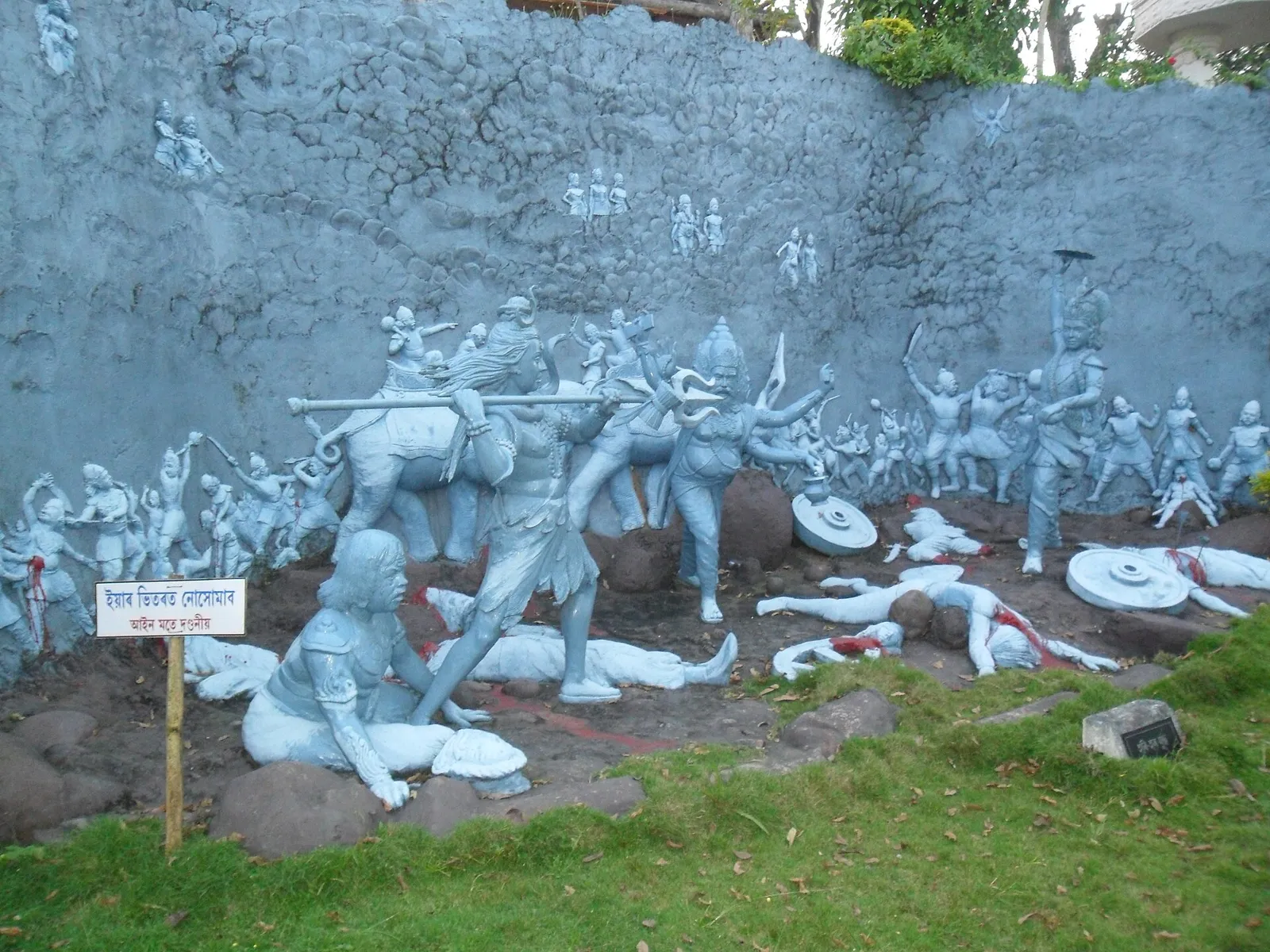
Agnigarh is a hillock in Tezpur, Sonitpur district, Assam, linked to a Hindu-scriptural tale of Banasura and Usha; visitors are drawn by this mythological association.

Mahabhairav Temple

58 km away · Sonitpur district

Mahabhairav Temple

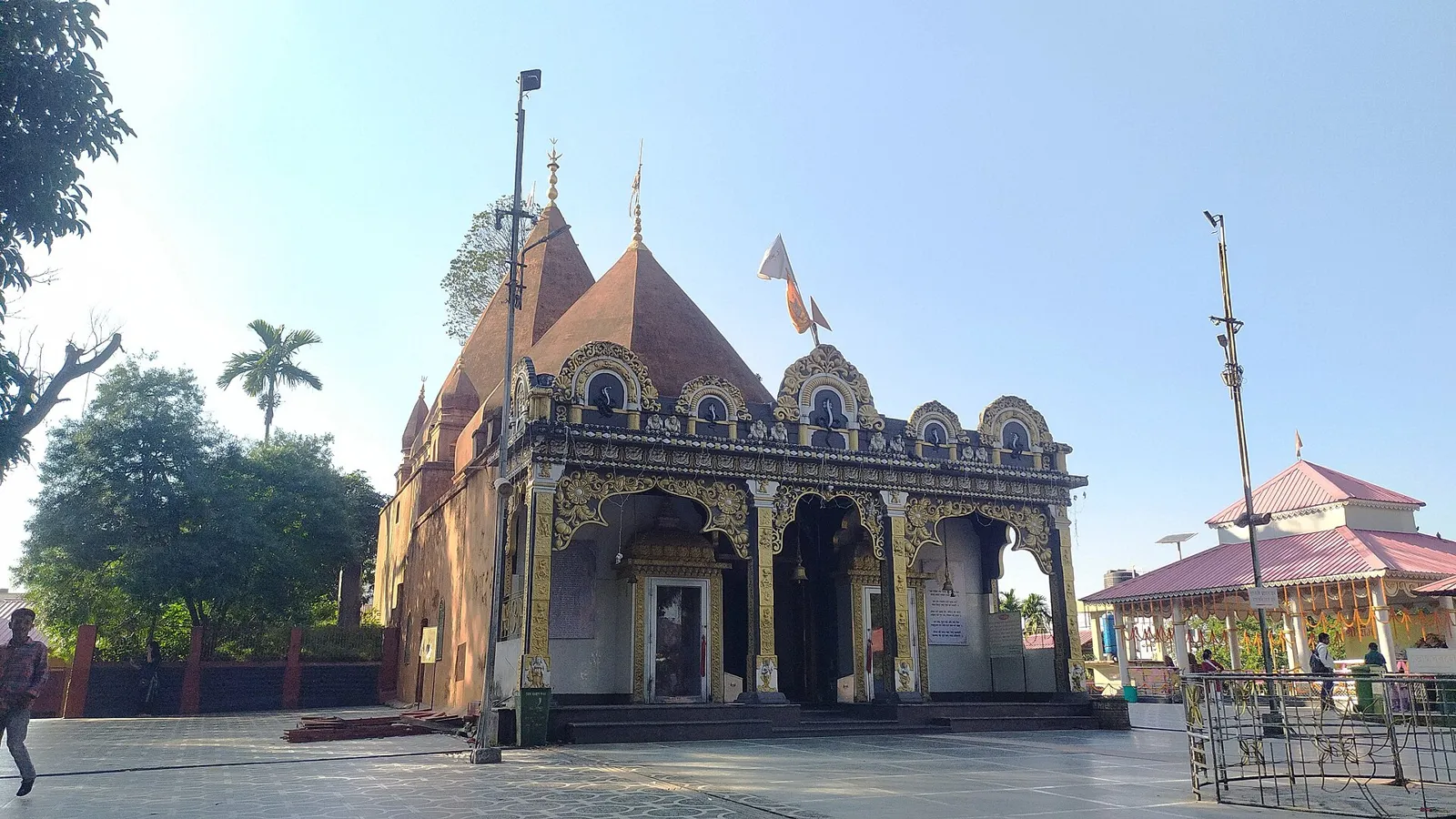
Mahabhairav Temple is a Shiva shrine on a hill in Tezpur, Assam. Worshippers visit for its rituals and the Maha Shivaratri observance, which includes offerings to the deity.

Orang National Park

72 km away · Darrang district

Orang National Park

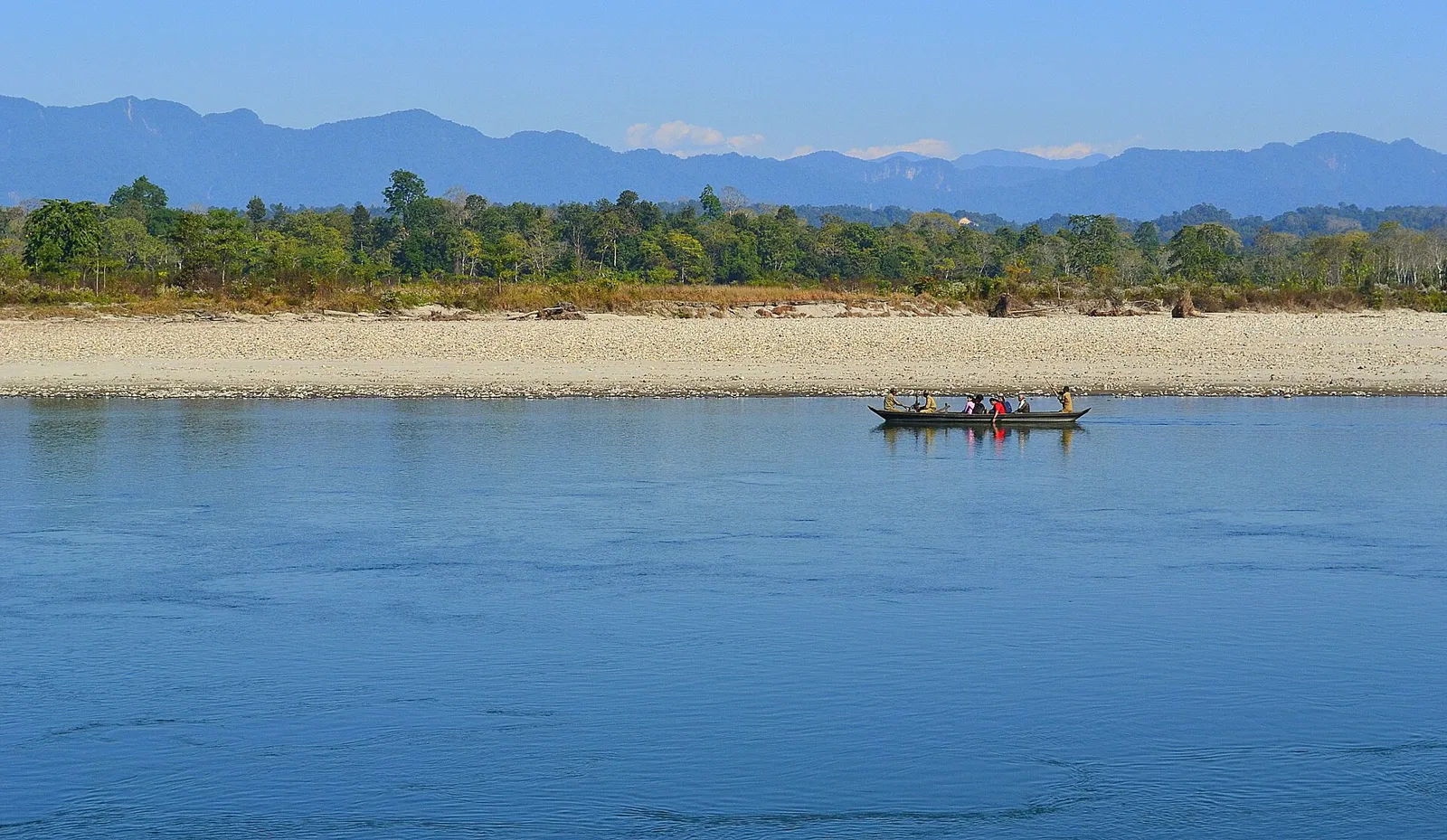
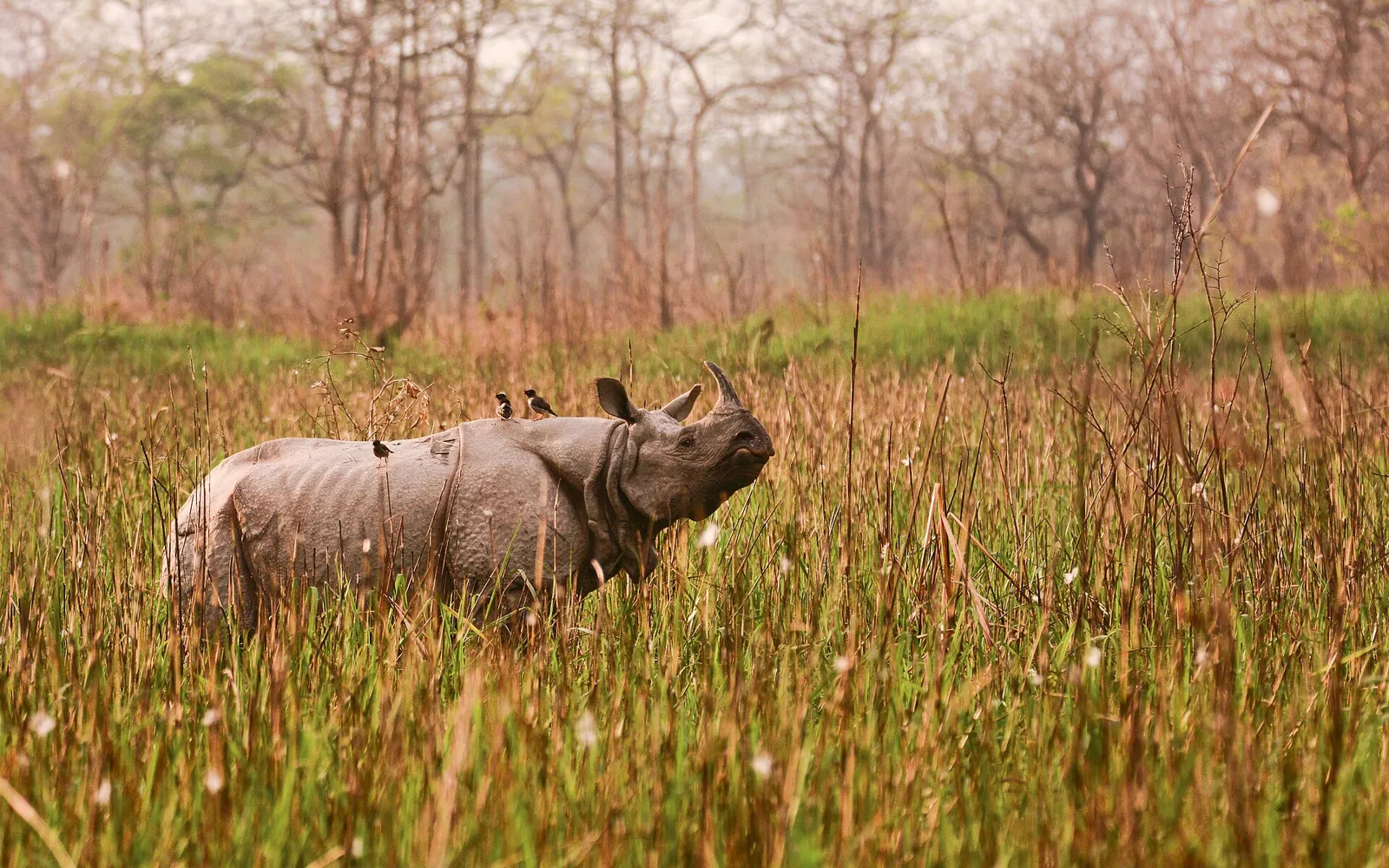
Orang National Park is an Assam wildlife reserve beside the Brahmaputra. People visit to see its diverse animal life, including rhinoceroses, elephants, wild buffalo, pygmy hogs and Bengal tigers.

Kaziranga National Park

78 km away · Golaghat district

Kaziranga National Park

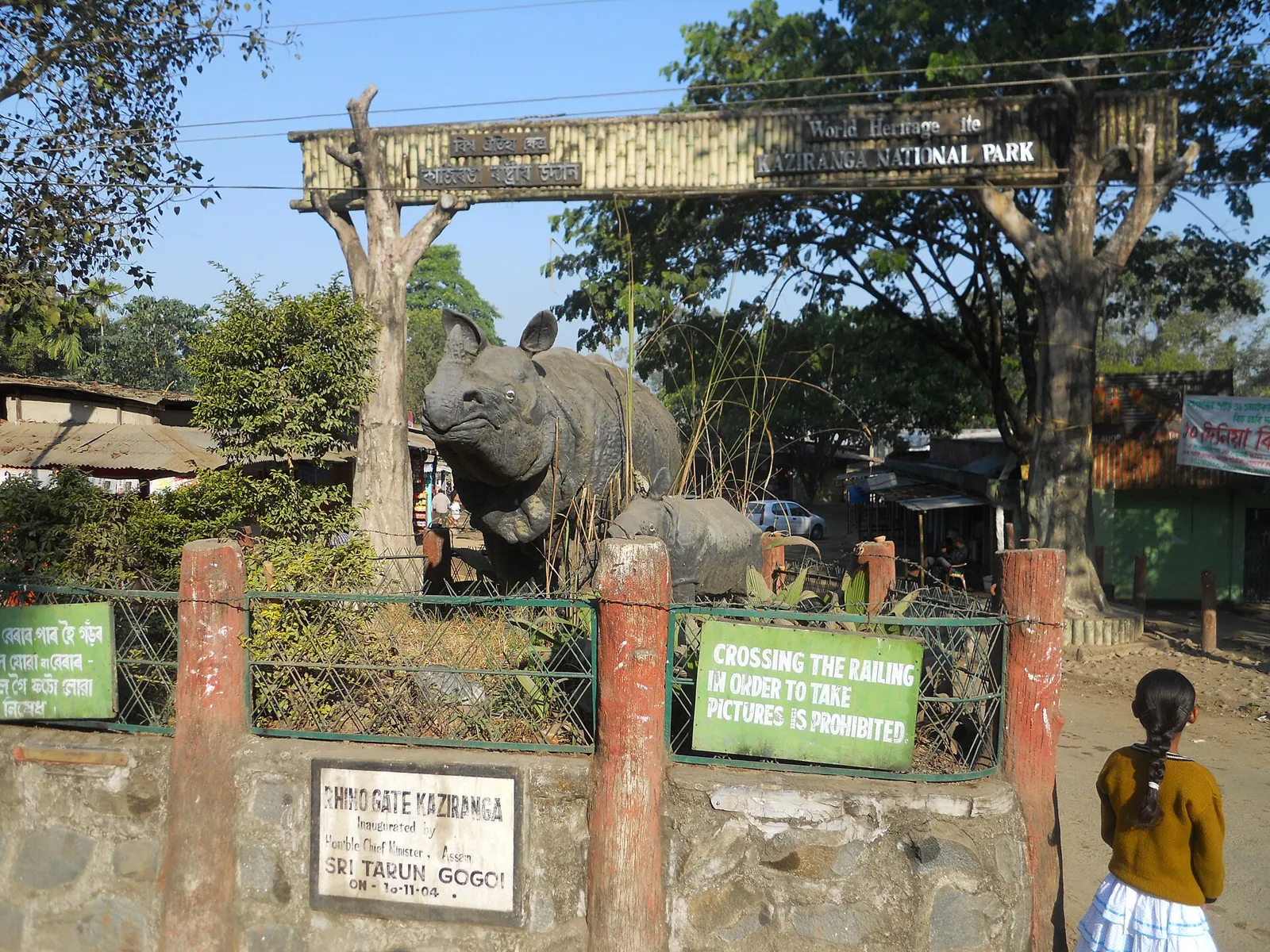
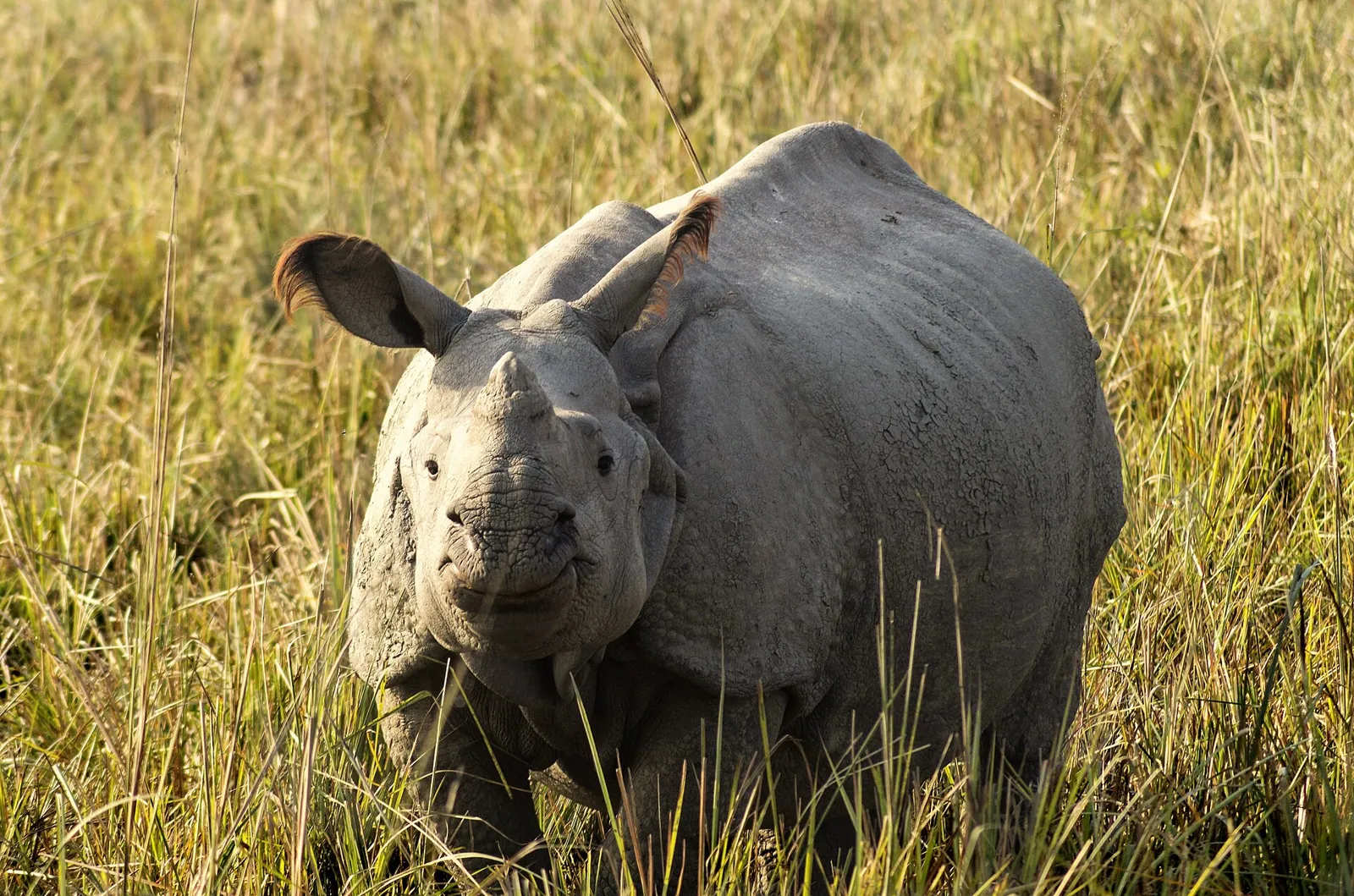
Located in Assam, Kaziranga National Park is a World Heritage Site across four districts. Visitors are drawn by its varied habitats and wildlife, including rhinoceroses, elephants and tigers.

Pobitora Wildlife Sanctuary

82 km away · Morigaon district

Pobitora Wildlife Sanctuary

Pobitora Wildlife Sanctuary is a protected area in Assam, known for its grasslands and wetlands and for supporting a substantial population of Indian rhinoceroses, which draw visitors.

Nameri National Park

100 km away · Sonitpur district

Nameri National Park

Nameri National Park is a protected area in Assam’s Sonitpur district, near the eastern Himalayan foothills. Visitors come for its wildlife, protected landscape and rivers.

Srimanta Sankardev Kalakshetra

104 km away · Kamrup Metropolitan district

Srimanta Sankardev Kalakshetra

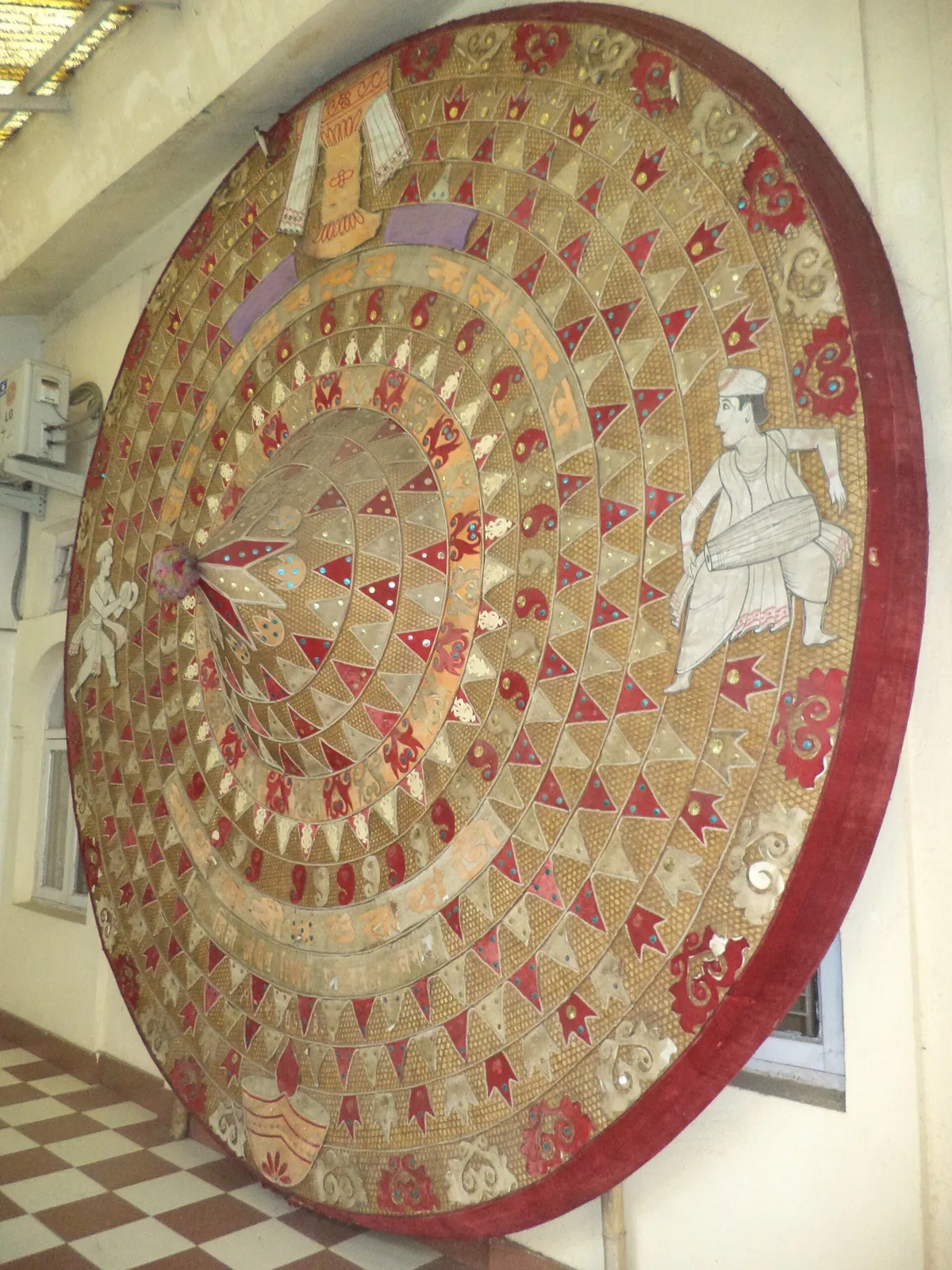
In Panjabari, Guwahati, Srimanta Sankardev Kalakshetra is a cultural complex where visitors explore art and heritage from Assam and the wider North-East.

Haflong

106 km away · Dima Hasao district

Haflong

Haflong is an Assam town and the administrative centre of Dima Hasao district. Visitors come to experience it as the state’s sole hill station.

Map

Doboka on the map

  1. 1Agnigarh
  2. 2Mahabhairav Temple
  3. 3Orang National Park
  4. 4Kaziranga National Park
  5. 5Pobitora Wildlife Sanctuary
  6. 6Nameri National Park
  7. 7Srimanta Sankardev Kalakshetra
  8. 8Haflong

Assam

Other cities to explore