Ghumoopedia — Explore, Discover, Experience
Sign in

City guide · Assam

Hailakandi

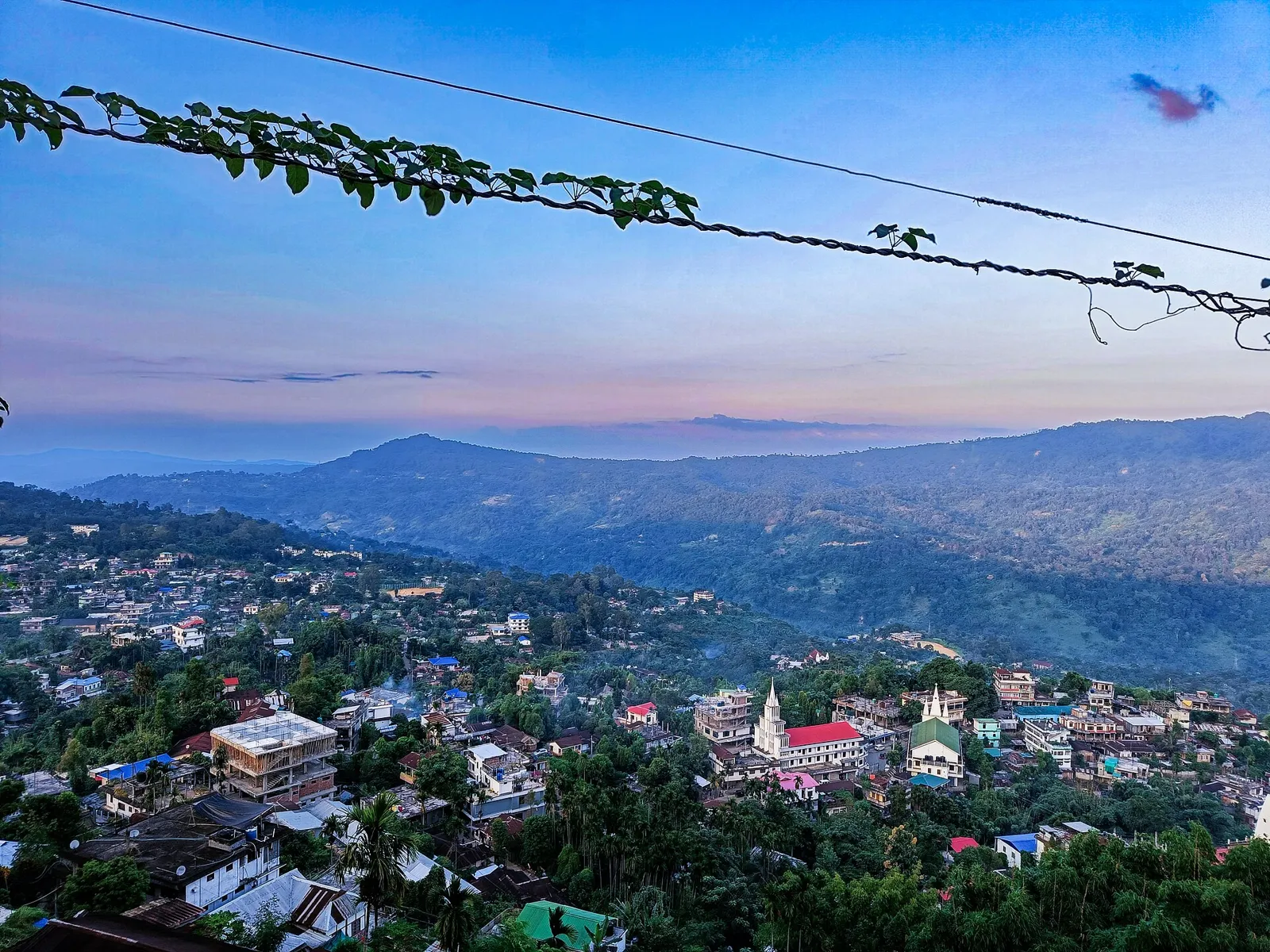
Hailakandi is a small town in southern Assam and the administrative headquarters of Hailakandi district. Its importance comes less from a single landmark than from its role as a service and trading centre for the surrounding communities of the Barak Valley.

Famous for

  • Barak Valley district headquarters
  • Bengali and Meitei culture
  • Tea-growing hinterland
  • Local markets and trade

Why Hailakandi matters

Hailakandi is a small town in southern Assam and the administrative headquarters of Hailakandi district. Its importance comes less from a single landmark than from its role as a service and trading centre for the surrounding communities of the Barak Valley. Government offices, schools, shops and transport links make it a practical base for people travelling between the district’s rural areas and larger centres such as Silchar.

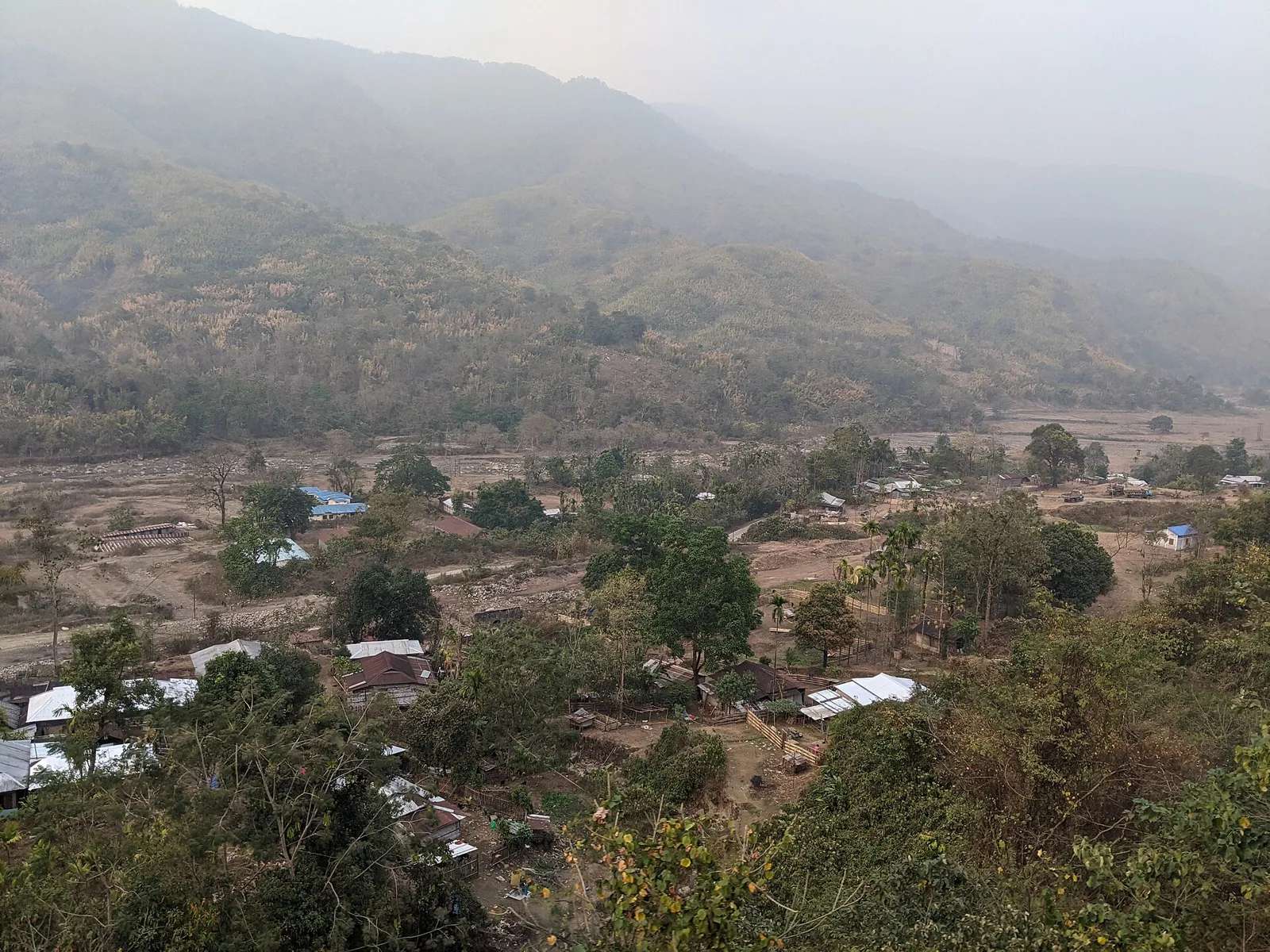
Visitors come mainly to experience everyday life in this part of Assam, where Bengali and Meitei traditions meet and local markets serve a varied population. The wider district has agricultural land and tea-growing areas, giving journeys beyond the town a rural character. Hailakandi is not a major sightseeing destination, but it can interest travellers seeking a quieter look at the region beyond the better-known towns. Its religious diversity is reflected in Hindu, Muslim and Christian communities, while its shops and eateries offer a glimpse of local routines and tastes.
Famous for: crafts, trade & products

Hailakandi is not widely associated with a signature textile, handicraft or city-branded product, and it has no prominent local GI-tagged product to define its visitor economy. The town is better understood as a market and service centre for its district. Shops in the central market area cater to daily needs, with clothing, household goods and food products reflecting the tastes of the surrounding Bengali- and Meitei-speaking communities.

Tea is an important feature of the wider district’s landscape and economy; tea estates and agricultural areas are found outside the town. Local markets are the most practical places to look for packaged tea and regional food items, although particular brands and stock vary. Hailakandi’s schools, public offices and other civic institutions also draw people from nearby settlements. Visitors hoping to buy specialised crafts or textiles may find a wider selection in larger regional centres. In Hailakandi, the appeal is chiefly the chance to see how a modest district town supports trade and everyday life across its rural hinterland.

History

Hailakandi developed as a settlement and local centre within the Barak Valley, a region shaped by movement and exchange among communities speaking Bengali, Meitei and other languages. During the colonial period, the area formed part of the broader Cachar region under British administration. Tea cultivation and the growth of transport and administrative networks influenced the surrounding countryside, while towns served as points for trade and public services.

For much of its modern history, Hailakandi was connected administratively with Cachar. It became the headquarters of a separate district when Hailakandi district was formed in 1989. The town’s subsequent growth has centred on government services, education, commerce and improved links with nearby settlements. Rather than being defined by a single historic monument or royal court, its story is that of a regional centre whose importance grew through administration and its connections to the villages and tea-growing areas around it.

Food, festivals & culture

Bengali and Meitei are official languages, and both traditions contribute to the town’s cultural life. Bengali is widely used in everyday settings, while Meitei is spoken within Manipuri communities; Assamese and other languages may also be heard. Rice, fish, lentils and seasonal vegetables are familiar parts of local meals. Tea is a daily staple, and sweet shops offer Bengali-style sweets, though particular offerings change with the season and occasion.

Durga Puja, usually celebrated in autumn, is an important public festival. Bihu is observed at different points in the Assamese seasonal calendar, while Eid follows the Islamic lunar calendar and brings together Muslim families and communities. Christmas is celebrated by local Christians. Festivals are often marked by worship, family visits, food and community gatherings. Hindu temples, mosques and churches serve as important places of worship across the town. Music and dance are commonly experienced through religious celebrations and community events, drawing on the varied traditions of the Barak Valley rather than a single town-specific performance style.

Visiting the city

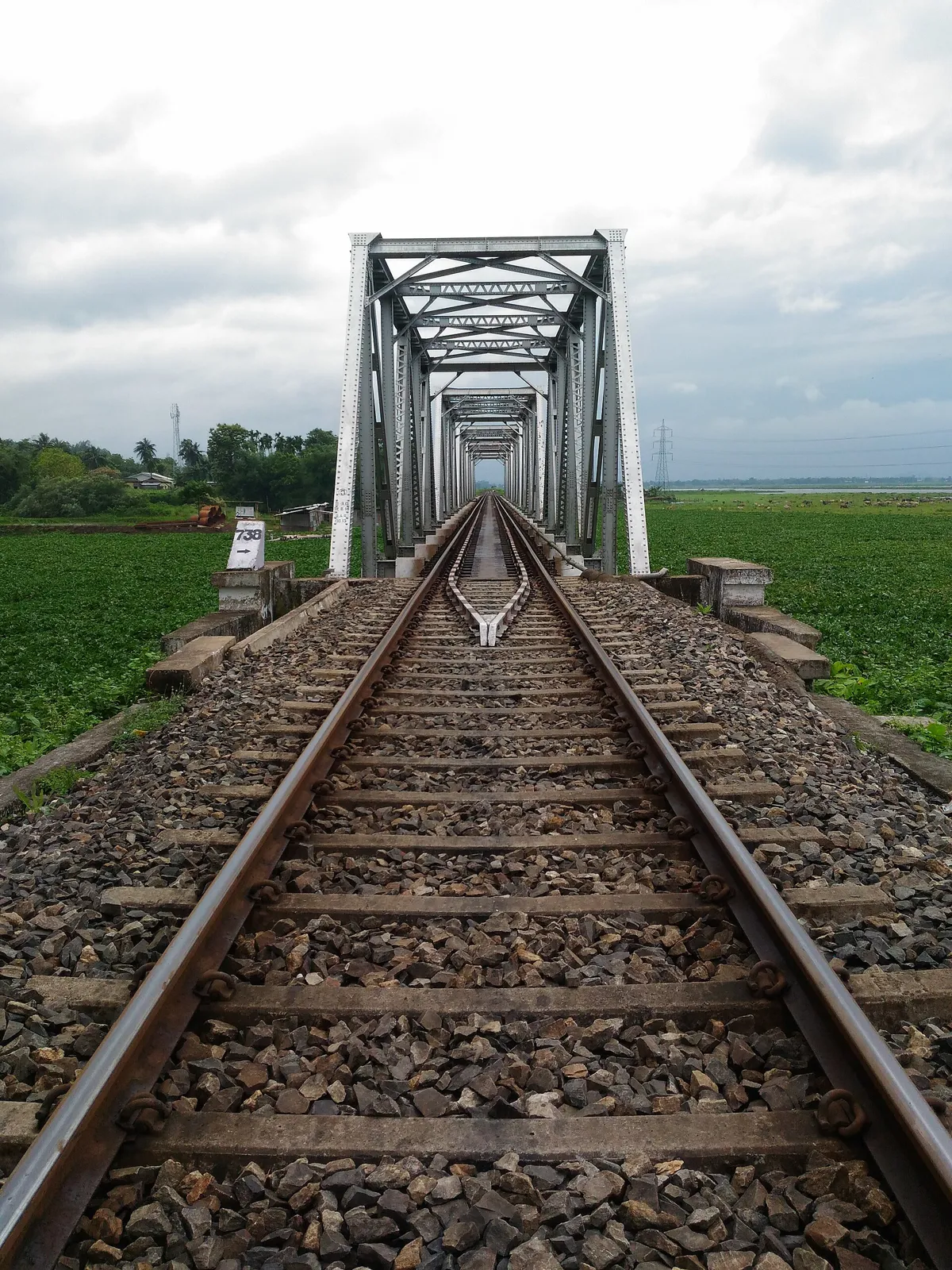
The cooler, generally drier months from around October to March are usually the most comfortable for a visit. The monsoon season brings heavier rain, which can affect road journeys. Silchar Airport, also known as Kumbhirgram Airport, is the nearest airport serving the area. Hailakandi has its own railway station; Silchar is another important rail gateway for the wider Barak Valley. Check current connections before setting out.

Within town, auto-rickshaws and other local road transport are useful for short trips, while taxis or hired vehicles suit excursions beyond the centre. Start around the central market and administrative area to see the town’s everyday activity, then explore the railway-station surroundings and local places of worship. Hailakandi is compact in character, and the quieter countryside and tea-growing areas are reached by road from town.

Trips from the city

Nearest places to visit from Hailakandi

Our closest destination guides, by straight-line distance.

Jatinga

62 km away · Dima Hasao district

Jatinga

Jatinga is a village in Assam’s Dima Hasao district, known for mysterious bird deaths that have made the phenomenon a point of interest for visitors.

Haflong

71 km away · Dima Hasao district

Haflong

Haflong is an Assam town and the administrative centre of Dima Hasao district. Visitors come to experience it as the state’s sole hill station.

Basistha Temple

175 km away · Kamrup Metropolitan district

Basistha Temple

Basistha Temple is a Shiva shrine in south-eastern Guwahati, in Assam’s Kamrup Metropolitan district. People visit the temple and ashram, situated beside streams linked to the city’s river system.

Chandubi Lake

176 km away · Kamrup district

Chandubi Lake

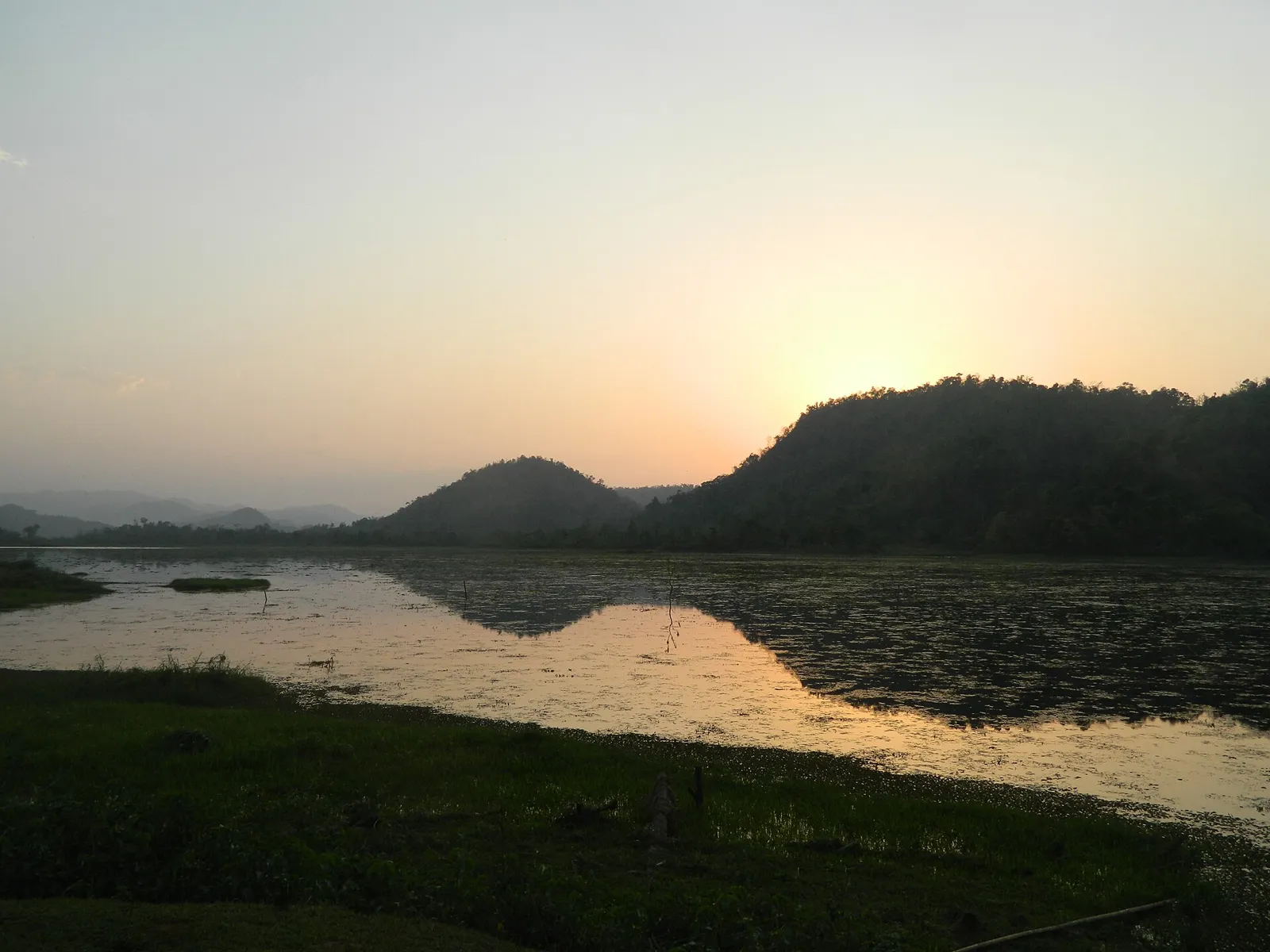
Within Kamrup district’s Rabha Hasong Autonomous Council, Chandubi Lake is a natural lake near the Garo Hills. Visitors come for its forest setting, winter birdlife, sightseeing and picnics.

Srimanta Sankardev Kalakshetra

177 km away · Kamrup Metropolitan district

Srimanta Sankardev Kalakshetra

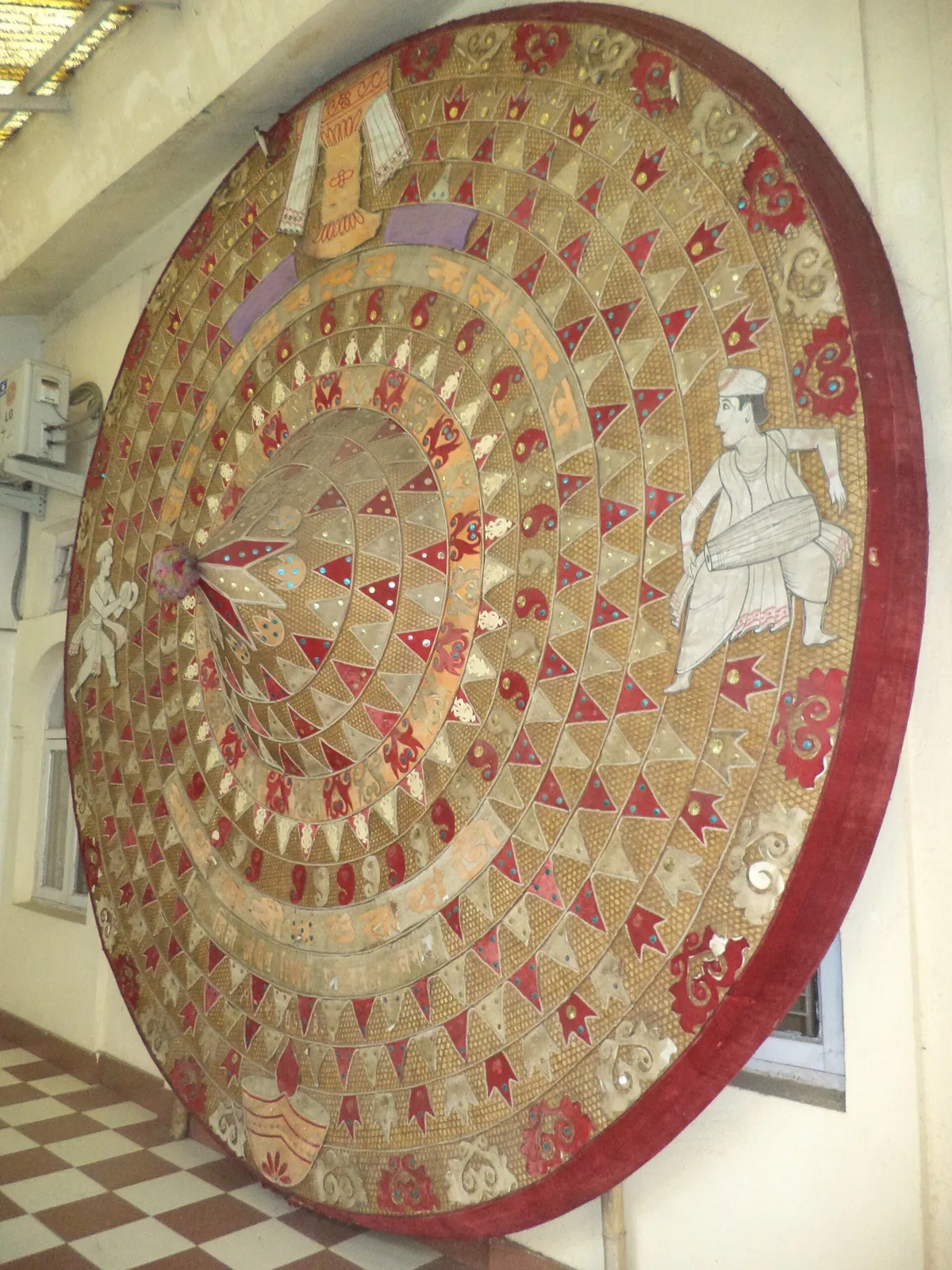
In Panjabari, Guwahati, Srimanta Sankardev Kalakshetra is a cultural complex where visitors explore art and heritage from Assam and the wider North-East.

Pobitora Wildlife Sanctuary

180 km away · Morigaon district

Pobitora Wildlife Sanctuary

Pobitora Wildlife Sanctuary is a protected area in Assam, known for its grasslands and wetlands and for supporting a substantial population of Indian rhinoceroses, which draw visitors.

Dipor Bil

185 km away · Kamrup Metropolitan district

Dipor Bil

Near Guwahati, Dipor Bil is a permanent freshwater lake and protected wetland. Visitors can learn about its ecological significance through its wildlife sanctuary status and recognition under the Ramsar Convention.

Kamakhya Temple

186 km away · Kamrup Metropolitan district

Kamakhya Temple

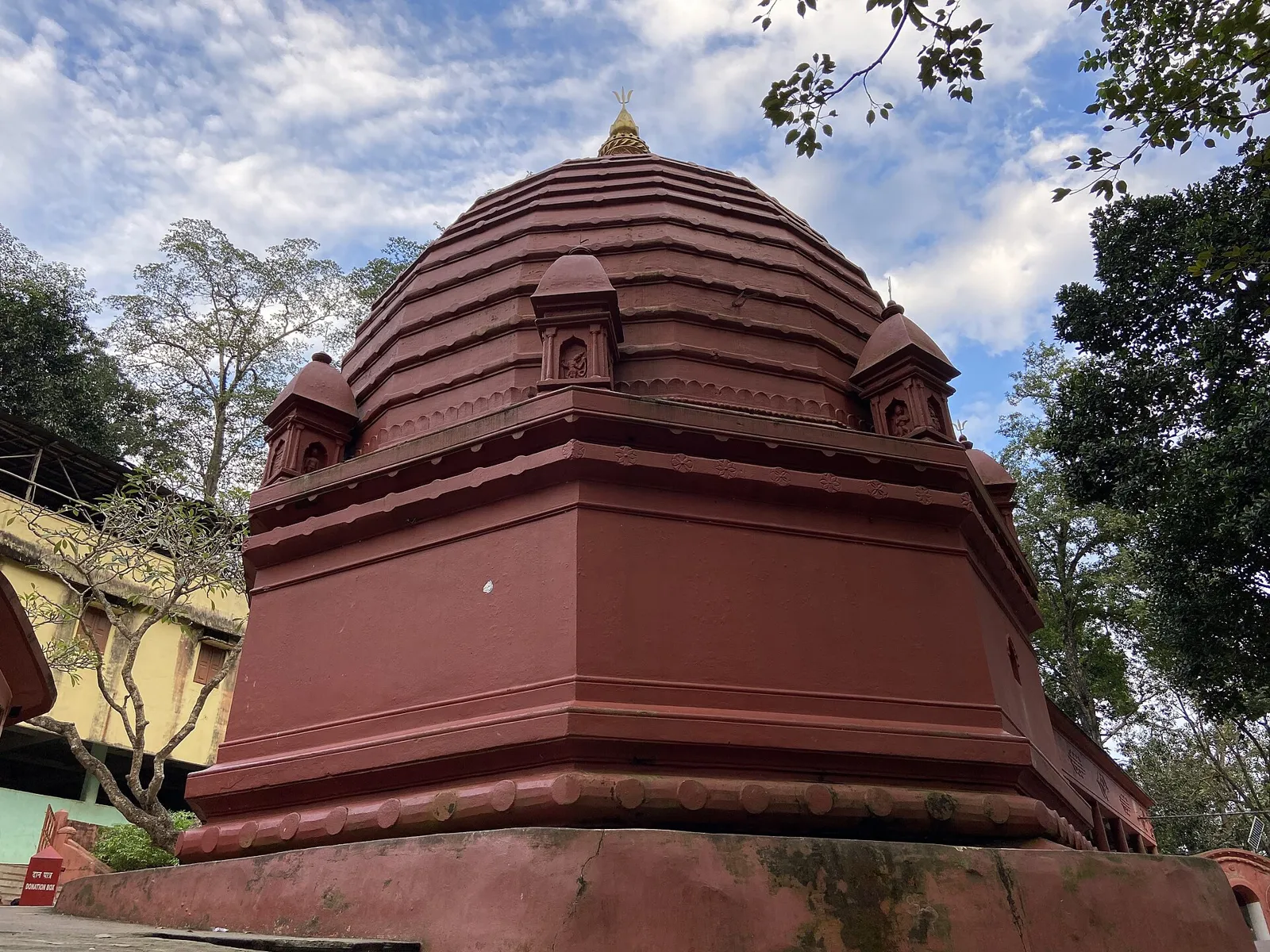
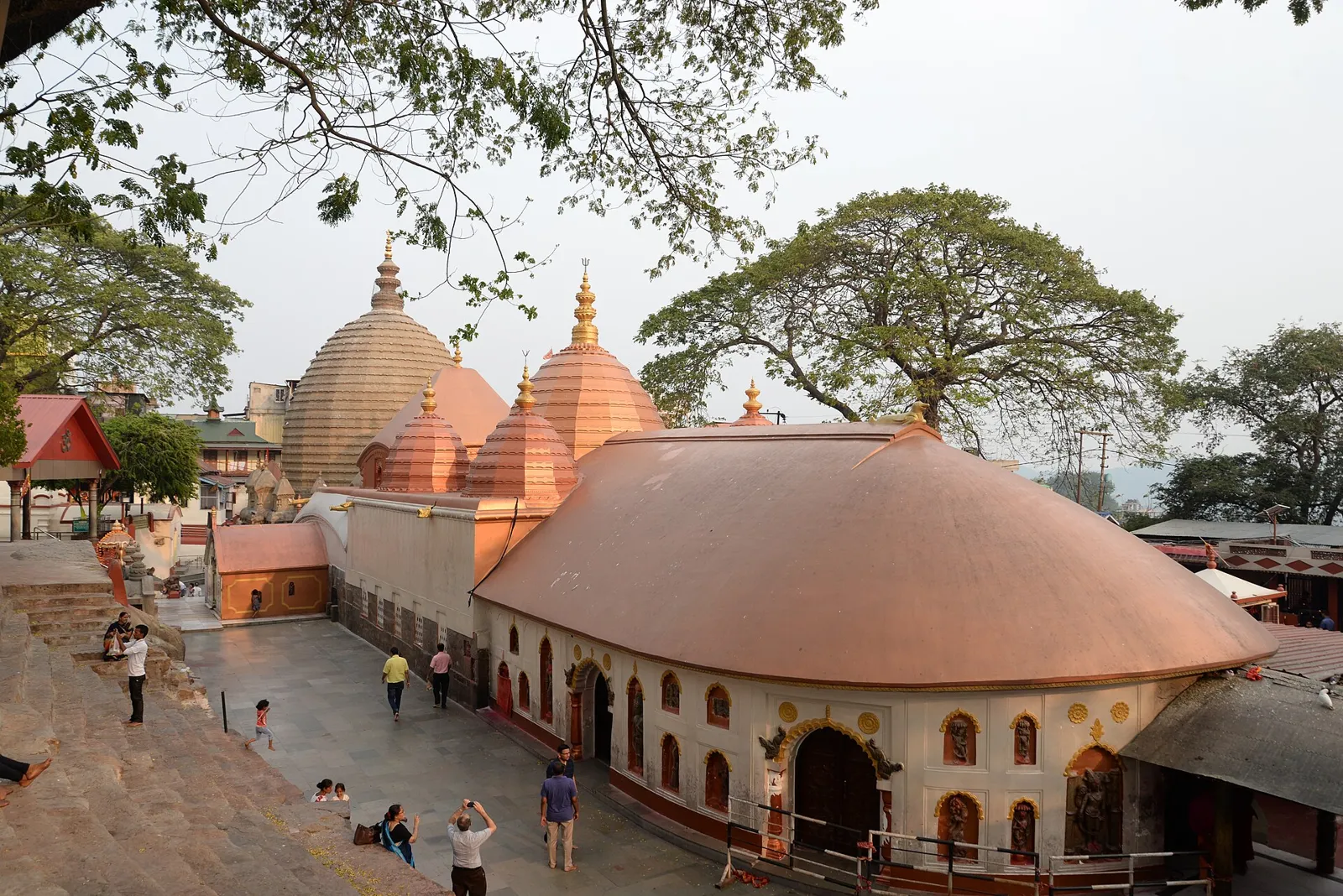
Kamakhya Temple is a Hindu place of worship on Nilachal Hill in Guwahati, Assam. Visitors come for its Tantric traditions, the Ambubachi Mela and its importance in the Shakta pilgrimage tradition.

Map

Hailakandi on the map

  1. 1Jatinga
  2. 2Haflong
  3. 3Basistha Temple
  4. 4Chandubi Lake
  5. 5Srimanta Sankardev Kalakshetra
  6. 6Pobitora Wildlife Sanctuary
  7. 7Dipor Bil
  8. 8Kamakhya Temple

Assam

Other cities to explore