Ghumoopedia — Explore, Discover, Experience
Sign in
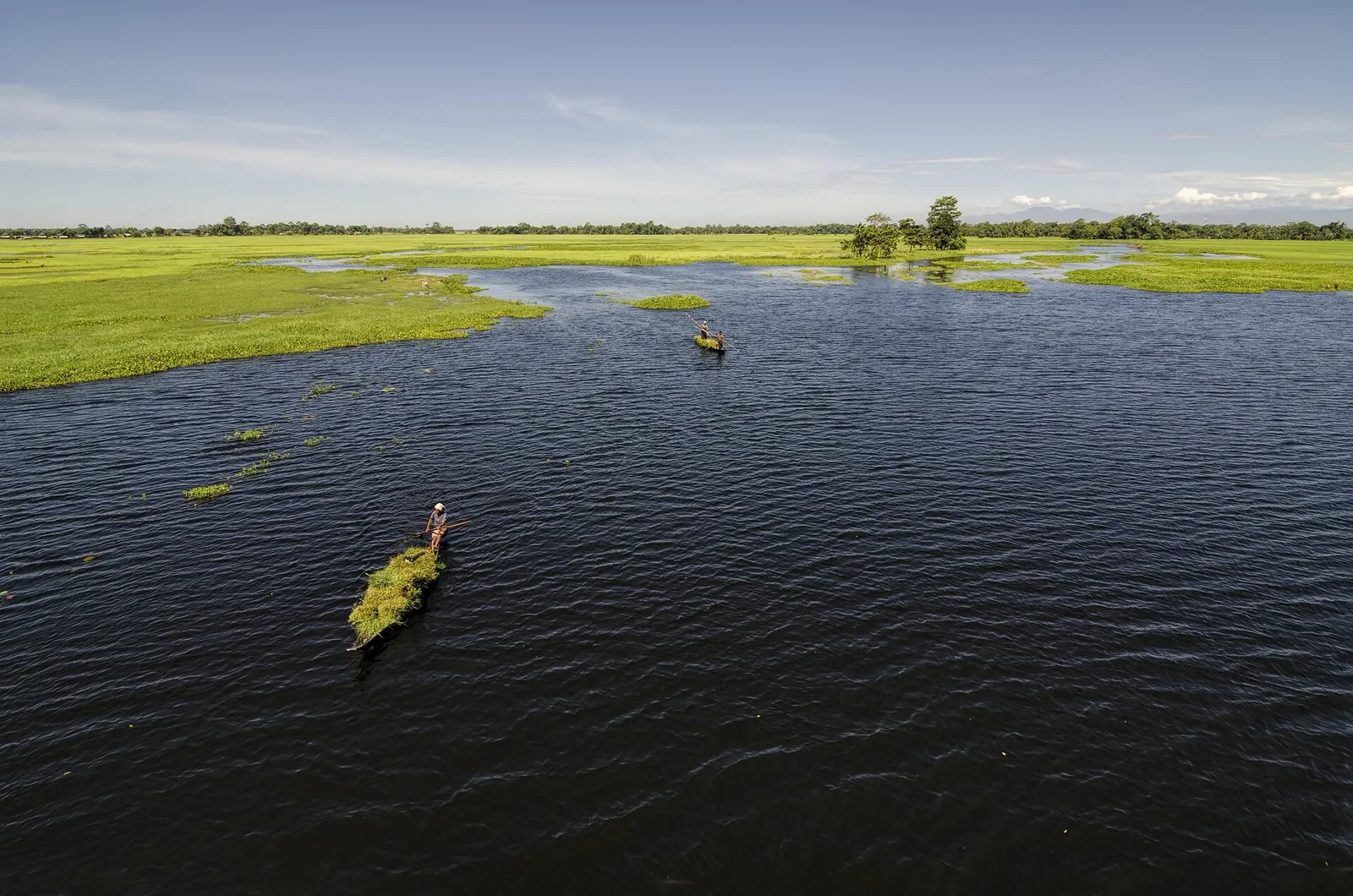
Majuli, near North Lakhimpur

City guide · Assam

North Lakhimpur

North Lakhimpur is the administrative and commercial centre of Lakhimpur district in northern Assam. It serves residents from surrounding towns and villages, with government offices, schools, healthcare services and markets giving it importance beyond the town itself.

Famous for

  • Lakhimpur district headquarters
  • Gateway to Arunachal Pradesh
  • Assamese tea and agriculture
  • Bihu celebrations
  • North Lakhimpur College

Why North Lakhimpur matters

North Lakhimpur is the administrative and commercial centre of Lakhimpur district in northern Assam. It serves residents from surrounding towns and villages, with government offices, schools, healthcare services and markets giving it importance beyond the town itself. Its position on routes leading towards Arunachal Pradesh also makes it a useful stopping point for journeys into the neighbouring state and the upper Brahmaputra valley.

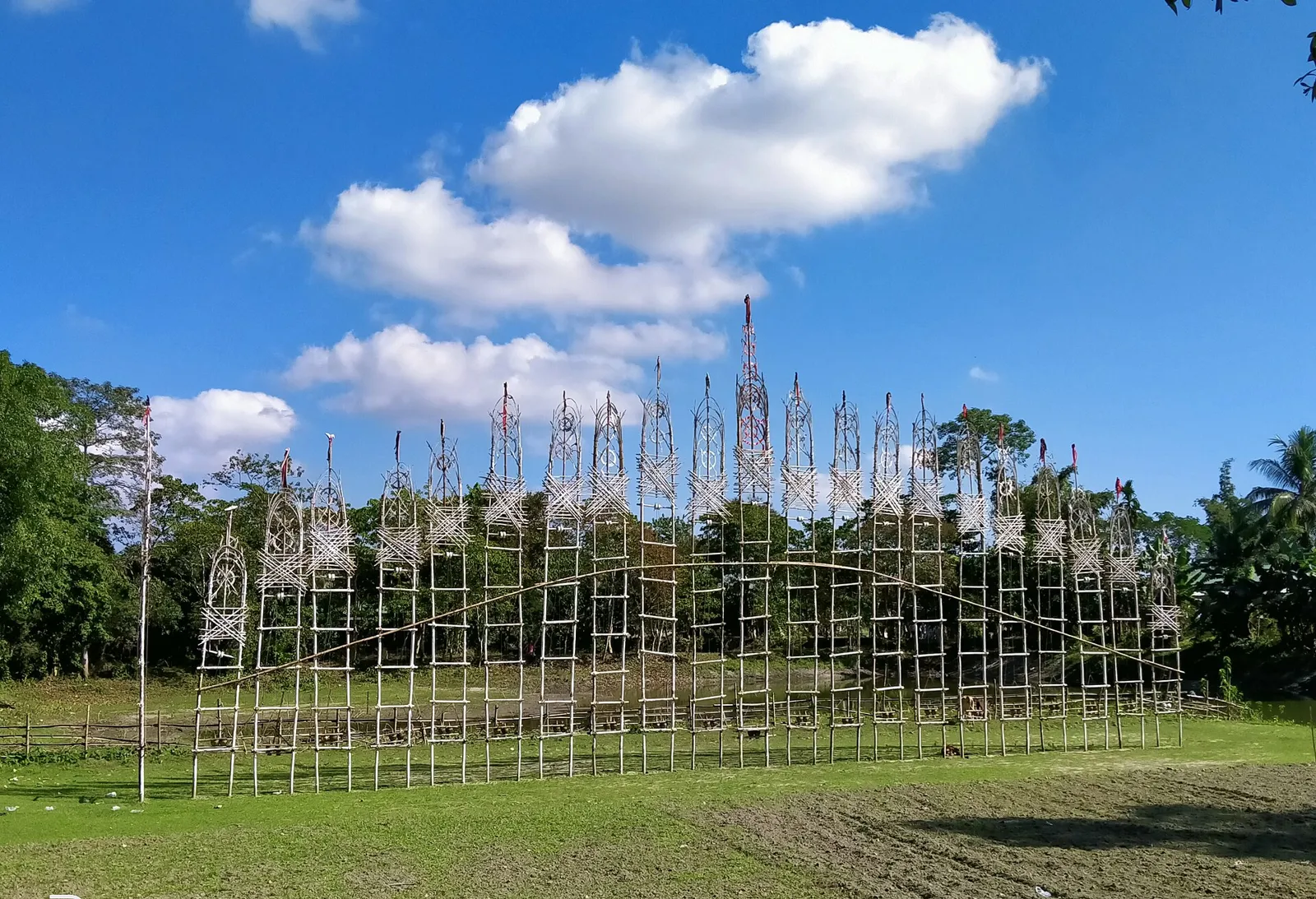
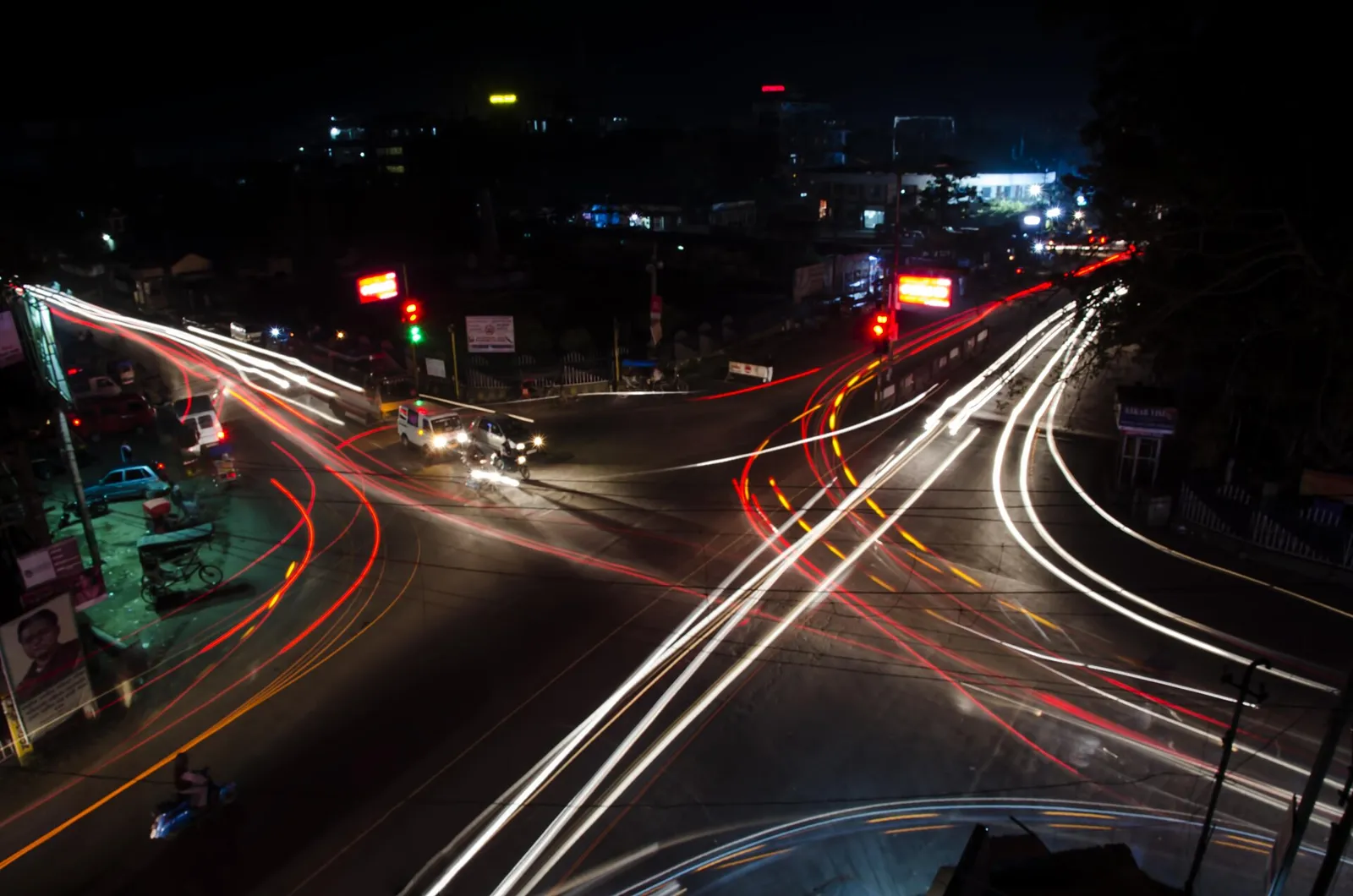
The town is not defined by a single monument or visitor attraction. Its appeal lies in its everyday Assamese character: busy local markets, nearby tea-growing and farming areas, and access to the landscapes of the Subansiri region. North Lakhimpur is also known for educational institutions, including North Lakhimpur College, and for the wider district’s agricultural life. Visitors can use the town as a base for local travel, while experiencing Assamese food, seasonal festivals and a mix of languages and communities. It is best approached as a regional hub and a gateway, rather than as a destination built around a concentrated set of tourist sights.
Famous for: crafts, trade & products

North Lakhimpur’s markets mainly serve local households and the surrounding rural area. Stalls and shops commonly trade in rice, vegetables, fish, everyday groceries and goods brought in from across Assam. Tea is an important regional product, and the town’s shops reflect the wider importance of tea cultivation in the state. Local markets are also practical places to look for seasonal produce and household items made from bamboo or cane, though the town is not especially known as a specialist craft-shopping centre.

Assam has a strong handloom tradition, including eri and muga silk, and visitors may find Assamese textiles through clothing shops or market sellers. These are products of the wider state rather than a signature North Lakhimpur craft. The town’s commercial role is complemented by educational and public institutions, notably North Lakhimpur College and Lakhimpur Medical College and Hospital. For a sense of local trade, explore the central market streets and the established town roads, where small retailers and food sellers serve residents. For a wider choice of distinctive Assamese textiles or crafts, ask locally about specialist sellers rather than expecting a dedicated craft district.

History

The history of North Lakhimpur is closely tied to the changing political and administrative history of northern Assam. Before British rule, parts of the wider region were influenced by the Chutia kingdom and later came under Ahom authority. British control expanded after the Treaty of Yandabo in 1826, bringing the area into the colonial administration of Assam. Over time, roads, markets and administrative services helped the settlement develop as a centre for the surrounding countryside.

In modern Assam, North Lakhimpur became the headquarters of Lakhimpur district and grew around its role in public administration, trade and education. The town’s importance has been strengthened by road and rail connections and by institutions serving the district. Its growth also reflects the agricultural character of the region, where settlements and markets connect farming communities with larger service centres. Today it functions as a working district town, with newer institutions and commercial areas layered onto its older role as a local hub.

Food, festivals & culture

Everyday food in North Lakhimpur reflects Assamese home cooking: rice served with fish, leafy greens, lentils and seasonal vegetables. Dishes such as khar, sour tenga preparations and mashed vegetables known as pitika are familiar across the region. Pitha and laru, often made for festivals, are among the sweets and snacks visitors may encounter. Food stalls and small restaurants offer convenient ways to try local meals, though menus and availability vary.

Bihu is central to the cultural calendar: Rongali Bihu comes in spring, Bhogali Bihu in midwinter and Kongali Bihu in autumn. Mising communities in the wider district observe Ali-Aye-Ligang, while Durga Puja and other religious occasions are also marked. Assamese is widely spoken; Mising, Bengali, Hindi and other languages are heard as well. Bihu songs and dance, devotional music and the broader Assamese tradition of Sattriya and borgeet form part of the region’s cultural life. Namghars and local temples serve as important places for worship and community gatherings.

Visiting the city

The cooler, generally drier months from October to April are usually the most comfortable for a visit. Monsoon travel can be affected by heavy rain and local flooding, so check conditions before setting out. Lilabari Airport, near North Lakhimpur, is the nearest airport; North Lakhimpur railway station serves the town by rail. Road links connect it with other parts of Assam and routes towards Arunachal Pradesh.

Auto-rickshaws and local taxis are useful for getting around, while many central errands can be done on foot. Explore the town’s market streets and established areas such as Nakari and Khelmati for everyday shops and food. North Lakhimpur is primarily a service and transport centre, so arrange onward travel locally if you plan to visit rural areas or destinations beyond town.

Trips from the city

Nearest places to visit from North Lakhimpur

Our closest destination guides, by straight-line distance.

Majuli

28 km away · Majuli district

Majuli

Majuli is a river island in Assam, valued as a centre of Assamese neo-Vaishnavite culture and home to several tribal communities. Visitors reach it by ferry or boat from Jorhat.

Auniati Satra

33 km away · Majuli district

Auniati Satra

Auniati Satra is a Vaishnavite monastery on Majuli, connected with the Ahom dynasty and Ekasarana Dharma. People visit to learn about its devotional life, festivals and traditions of theatre, music and dance.

Jorhat

55 km away · Jorhat district

Jorhat

Jorhat is an Assam city known for the Jorhat Gymkhana Club, home to Asia’s oldest golf course, and its location beside the Bhogdoi River.

Rang Ghar

59 km away · Sivasagar district

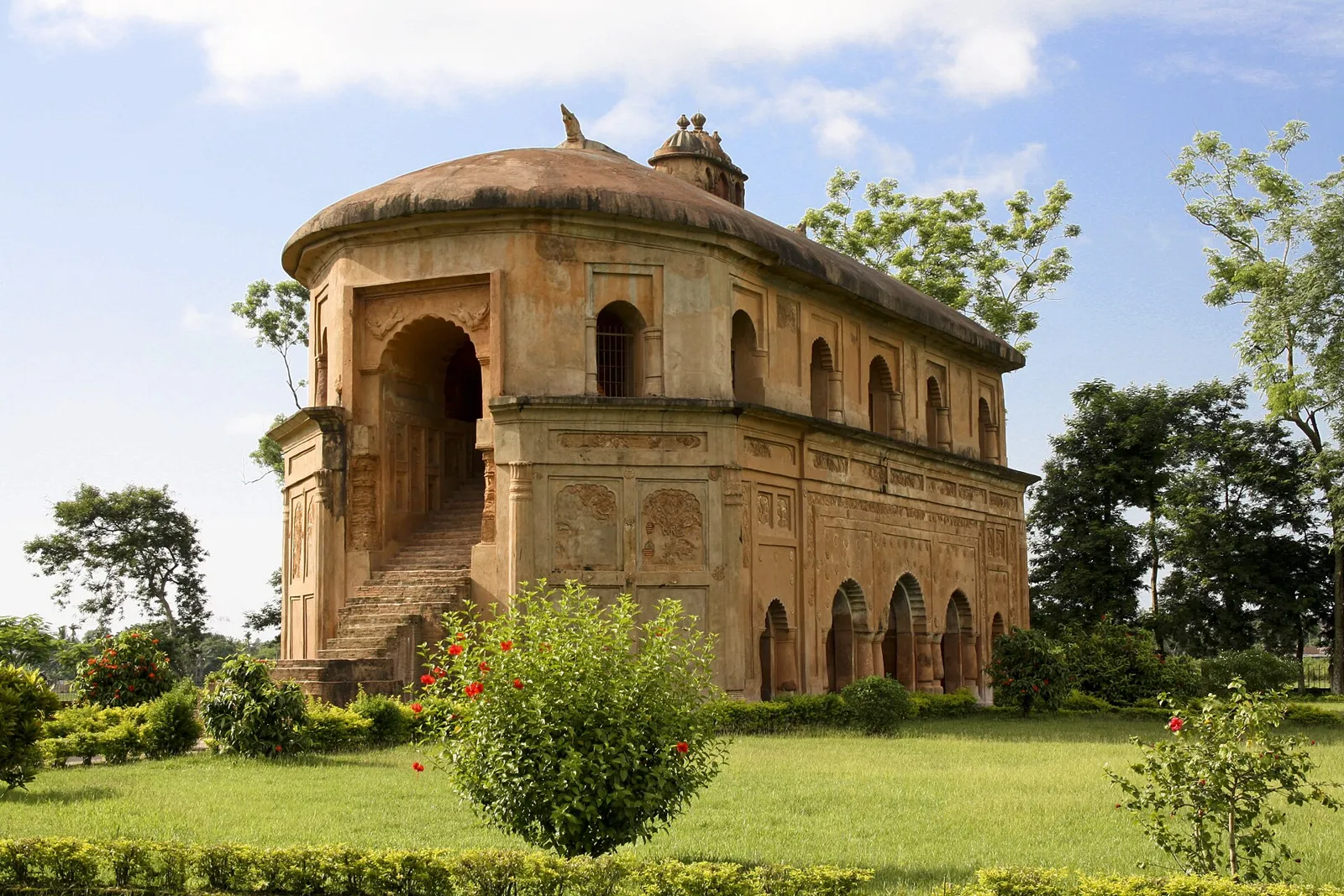
Rang Ghar

Rang Ghar is a two-storey former royal viewing pavilion in Sivasagar district, Assam, known for its links to Ahom-era sports and Rongali Bihu.

Sivasagar Sivadol

59 km away · Sivasagar district

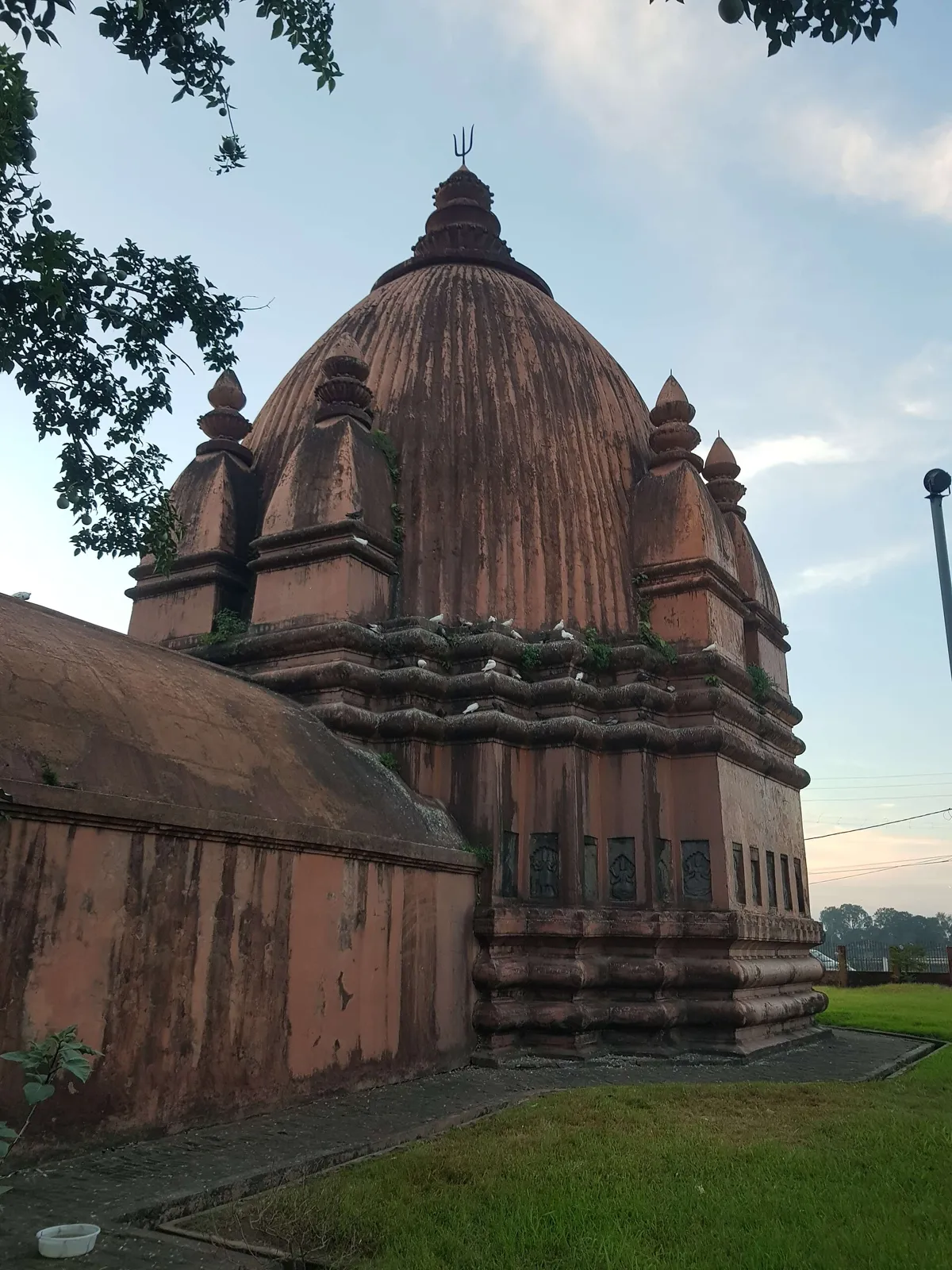
Sivasagar Sivadol

Sivasagar Sivadol is a complex of three Hindu shrines and a museum beside Sivasagar tank in Assam. Visitors come to see its temples, including the tall Sivadol.

60 km away · Sivasagar district

Talatal Ghar

Talatal Ghar is an eighteenth-century palace and military stronghold at Rangpur in Assam, and the largest monument of the Ahom era. Visitors explore its surviving ruins and underground features.

Hoollongapar Gibbon Sanctuary

64 km away · Jorhat district

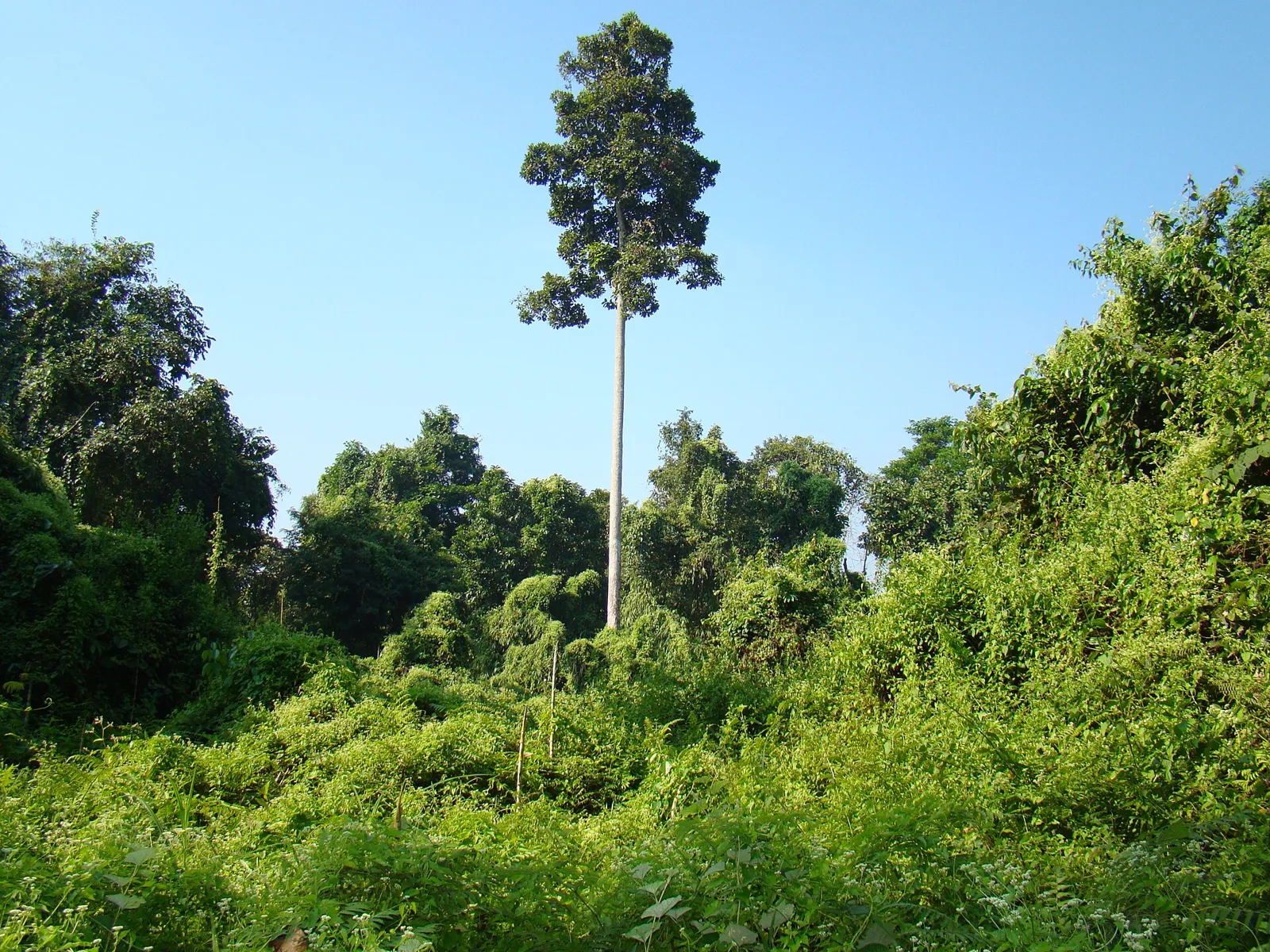
Hoollongapar Gibbon Sanctuary

Hoollongapar Gibbon Sanctuary is an evergreen forest reserve in Assam’s Jorhat district, visited for its distinctive primates, including hoolock gibbons and Bengal slow lorises.

Kareng Ghar

72 km away · Sivasagar district

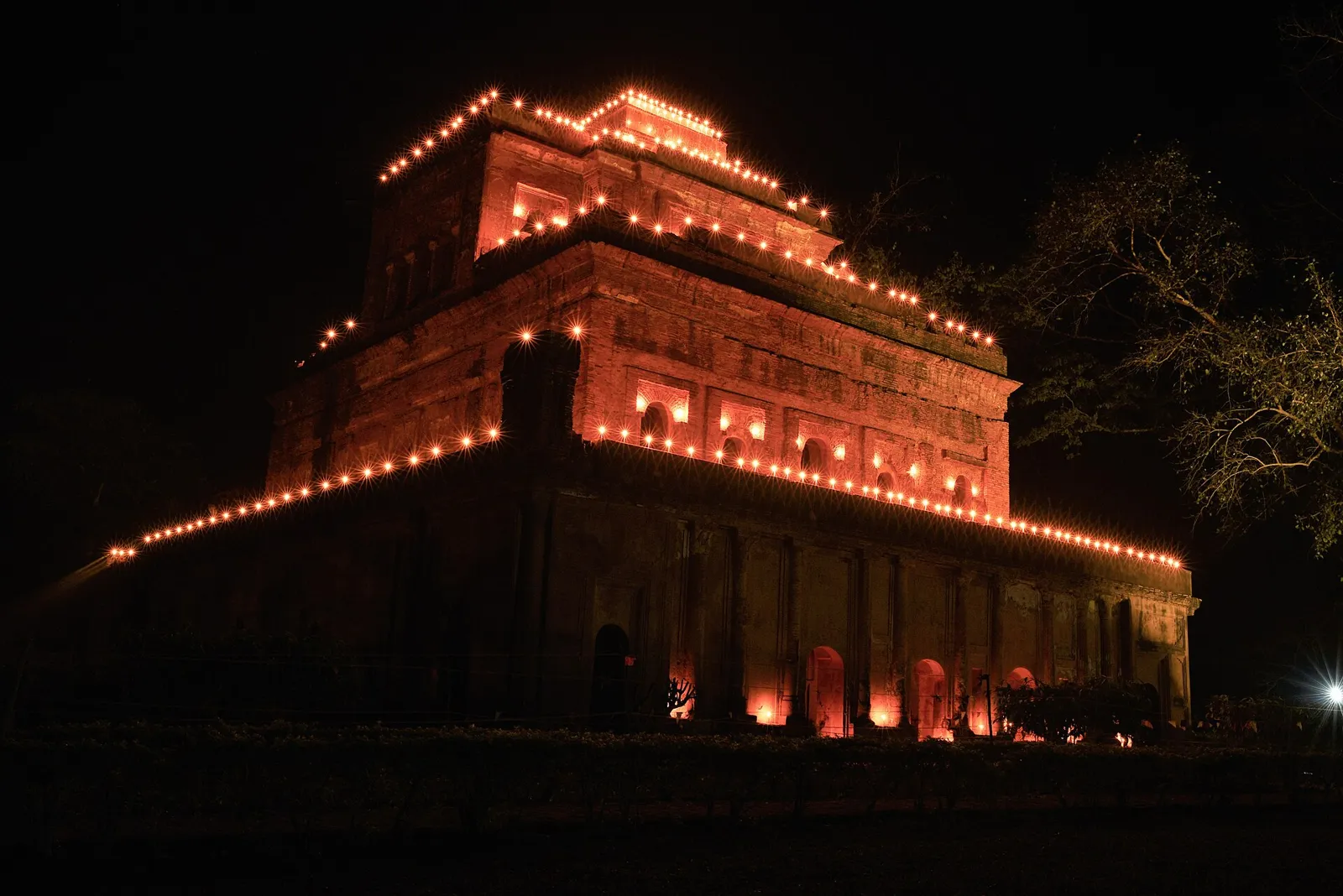
Kareng Ghar

Kareng Ghar, or Garhgaon Palace, is a historic palace in Assam’s Sivasagar district. Visitors come to see its distinctive multi-level form and learn about its place in Ahom history.

Map

North Lakhimpur on the map

  1. 1Majuli
  2. 2Auniati Satra
  3. 3Jorhat
  4. 4Rang Ghar
  5. 5Sivasagar Sivadol
  6. 6Talatal Ghar
  7. 7Hoollongapar Gibbon Sanctuary
  8. 8Kareng Ghar

Assam

Other cities to explore