Ghumoopedia — Explore, Discover, Experience
Sign in

City guide · Assam

Hojai

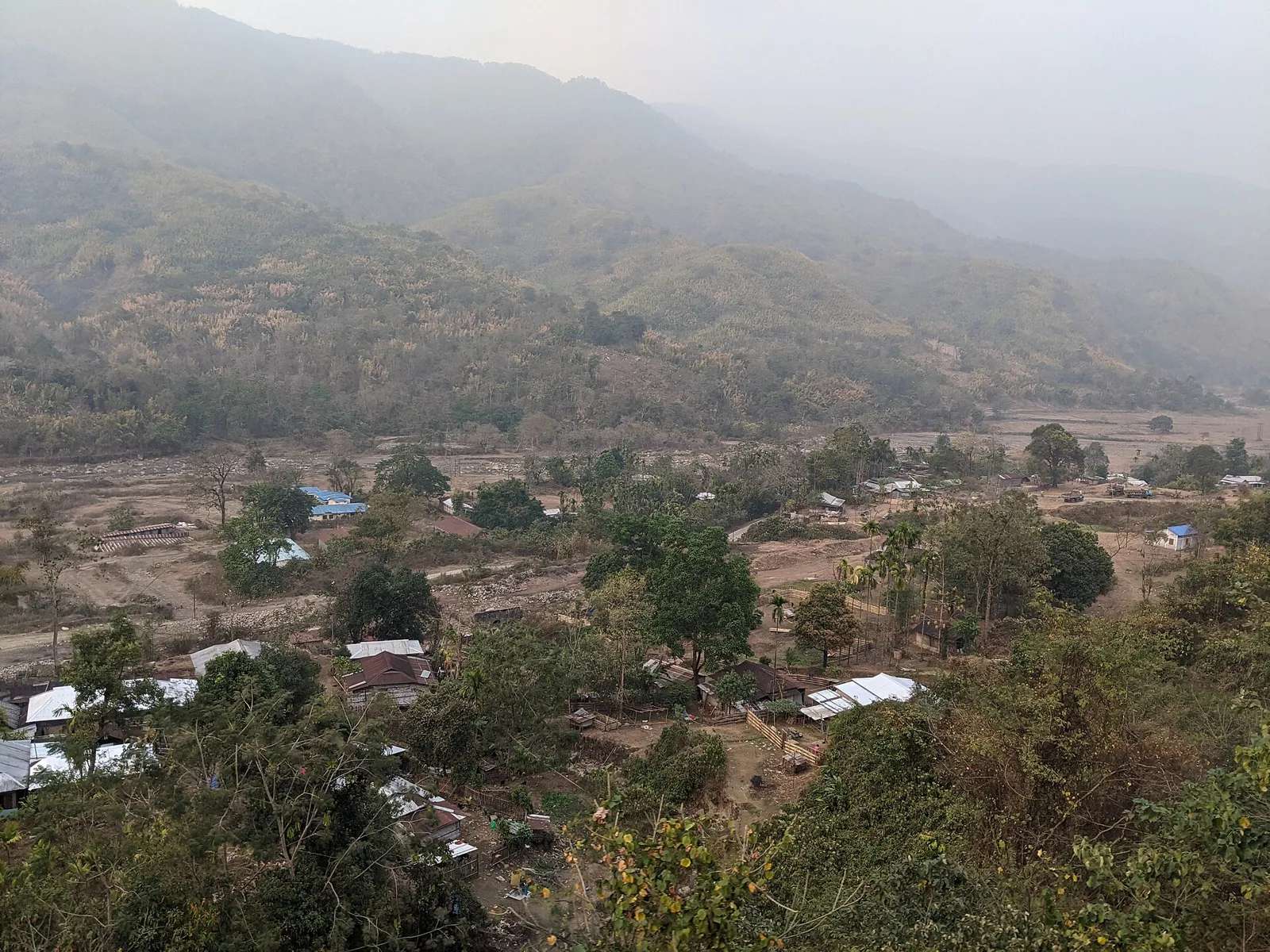
Hojai is a market and transport town in central Assam, set near the Kapili and Jamuna rivers. It serves surrounding settlements with shops, services and connections to larger centres, making it an important everyday hub for the region.

Famous for

  • Dimasa Kachari heritage
  • Agarwood trade
  • Kapili and Jamuna rivers
  • Regional market town
  • Bihu celebrations

Why Hojai matters

Hojai is a market and transport town in central Assam, set near the Kapili and Jamuna rivers. It serves surrounding settlements with shops, services and connections to larger centres, making it an important everyday hub for the region. Hojai is also the administrative centre of Hojai district, whose district status was reinstated by a state decision in 2023.

The town’s identity is closely tied to Dimasa history: Hojai is the name of a Dimasa clan, and the word is associated with a priest. The area’s river setting and links to the wider countryside give it a character distinct from Assam’s larger cities. Visitors mainly come for local business, family connections and onward travel rather than a concentration of major tourist monuments. The town’s markets, regional food and cultural mix offer a useful introduction to life in this part of Assam, while the nearby riverbanks and rural surroundings provide a quieter contrast to the commercial centre.
Famous for: crafts, trade & products

Hojai is associated with the trade in agarwood, a fragrant wood valued for its oil and use in incense and perfumery. Agarwood is cultivated and processed in parts of Assam, and Hojai is among the region’s commercial centres connected with this trade. Visitors interested in the product can ask established local traders about agarwood and its provenance; availability and form vary. It is best not to assume that every item sold as agarwood comes from the immediate area.

The town’s bazaars serve Hojai and nearby communities with everyday goods, clothing, household items and agricultural produce. Rice, vegetables and fish are part of the local food economy, but Hojai is not especially identified with a single town-specific textile, handicraft or GI-tagged product. There is no widely recognised signature saree or craft associated exclusively with the town. For practical shopping, explore the central market streets and ask locally about current produce and specialist sellers. Hojai’s importance lies more in its role as a regional trading centre than in a purpose-built shopping or craft district.

History

Hojai’s early history is linked to the Dimasa Kachari kingdom, which held power in parts of the region during medieval times. The name Hojai is associated with a clan, or sengphong, of the Dimasa people; Dimasa Kacharis living in the area became known as Hojai-Kacharis. The word is also understood to mean “priest” in Dimasa.

During the colonial period, the area became part of British-administered Assam. In modern administration it was initially within Nagaon district, becoming a sub-division in 1983. Hojai was declared a separate district in 2015, then merged back with its previous district at the end of 2022. The Assam cabinet announced a decision to restore its district status in 2023. Its growth as a town has also been shaped by its role as a railway and road-linked centre serving surrounding agricultural communities, markets and settlements.

Food, festivals & culture

Hojai’s food reflects the mix of communities in central Assam. Rice is a staple, commonly served with fish, vegetables and regional preparations such as khar or sour tenga. Seasonal pitha and coconut-based sweets are enjoyed at home and during celebrations, though recipes vary between families. Local eateries and markets are good places to find everyday Assamese meals alongside Bengali and other regional dishes.

Bohag Bihu in spring is marked by music, dancing and community gatherings; Magh Bihu in midwinter is associated with feasting, while Kati Bihu is observed in autumn. Durga Puja is an important annual celebration, and Eid is observed by Muslim communities according to the lunar calendar. Assamese and Bengali are widely used, alongside Dimasa, Hindi and other languages. Bihu songs and dance are part of the broader cultural life, while Dimasa communities maintain their own musical and dance traditions. Hindu temples, mosques and churches reflect the town’s religious diversity.

Visiting the city

The cooler, generally drier months from October to March are comfortable for exploring Hojai. The nearest practical airport is Dimapur Airport in Nagaland; Guwahati’s Lokpriya Gopinath Bordoloi International Airport is farther away but has broader connections. Hojai railway station is the town’s main rail stop and a useful arrival point for travel across Assam.

Local autos and hired vehicles can help with trips around town and to nearby settlements. Begin in the central market area for shops and everyday food, then explore the older town streets and the outskirts toward the Kapili and Jamuna. The riverside setting is best approached with local advice, especially during the rainy season, when heavy rain can affect roads and river levels. Hojai also works as a base for visiting nearby towns and rural areas.

Trips from the city

Nearest places to visit from Hojai

Our closest destination guides, by straight-line distance.

Agnigarh

69 km away · Sonitpur district

Agnigarh

Agnigarh is a hillock in Tezpur, Sonitpur district, Assam, linked to a Hindu-scriptural tale of Banasura and Usha; visitors are drawn by this mythological association.

Mahabhairav Temple

70 km away · Sonitpur district

Mahabhairav Temple

Mahabhairav Temple is a Shiva shrine on a hill in Tezpur, Assam. Worshippers visit for its rituals and the Maha Shivaratri observance, which includes offerings to the deity.

Orang National Park

81 km away · Darrang district

Orang National Park

Orang National Park is an Assam wildlife reserve beside the Brahmaputra. People visit to see its diverse animal life, including rhinoceroses, elephants, wild buffalo, pygmy hogs and Bengal tigers.

Pobitora Wildlife Sanctuary

84 km away · Morigaon district

Pobitora Wildlife Sanctuary

Pobitora Wildlife Sanctuary is a protected area in Assam, known for its grasslands and wetlands and for supporting a substantial population of Indian rhinoceroses, which draw visitors.

Kaziranga National Park

89 km away · Golaghat district

Kaziranga National Park

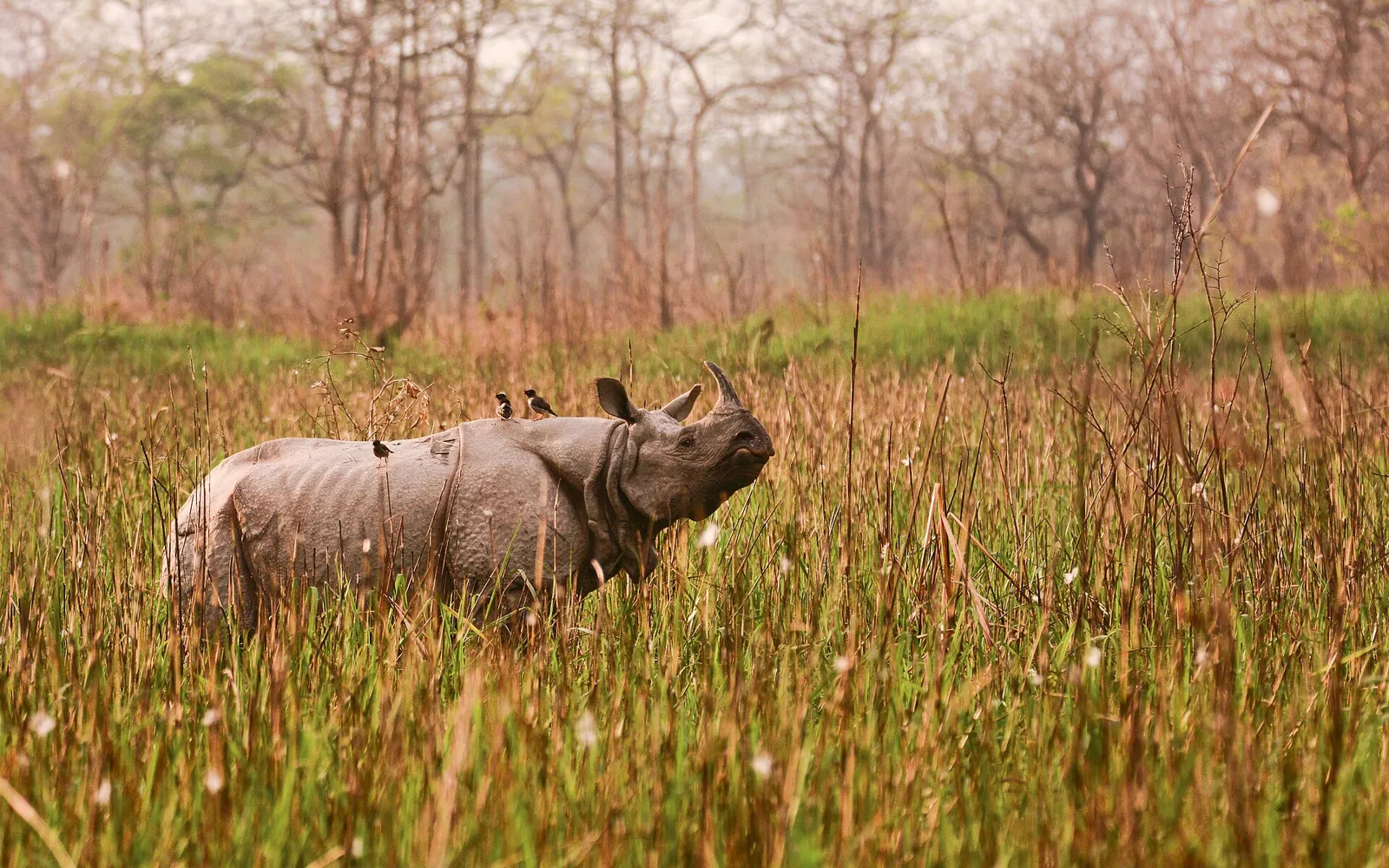
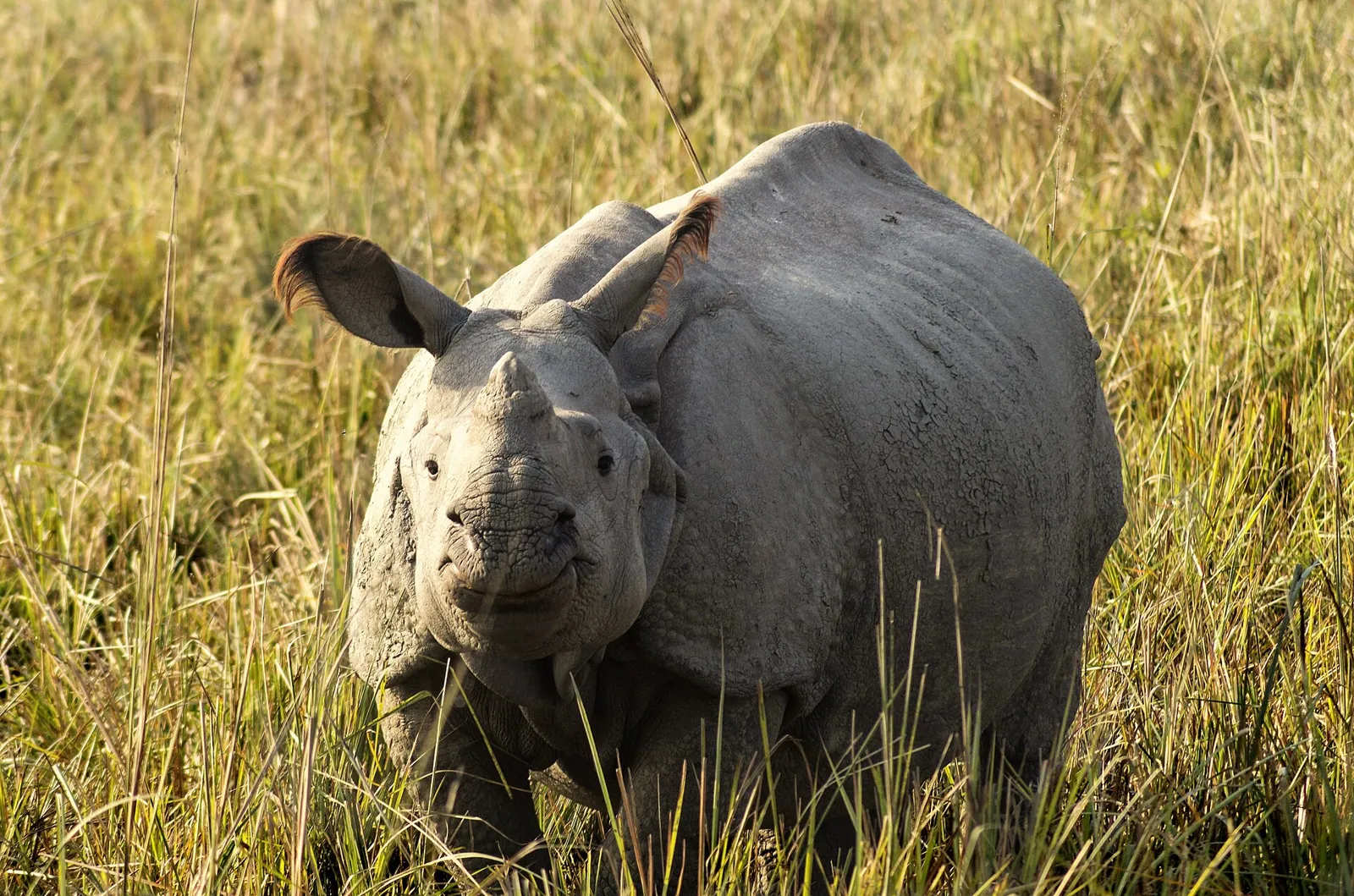
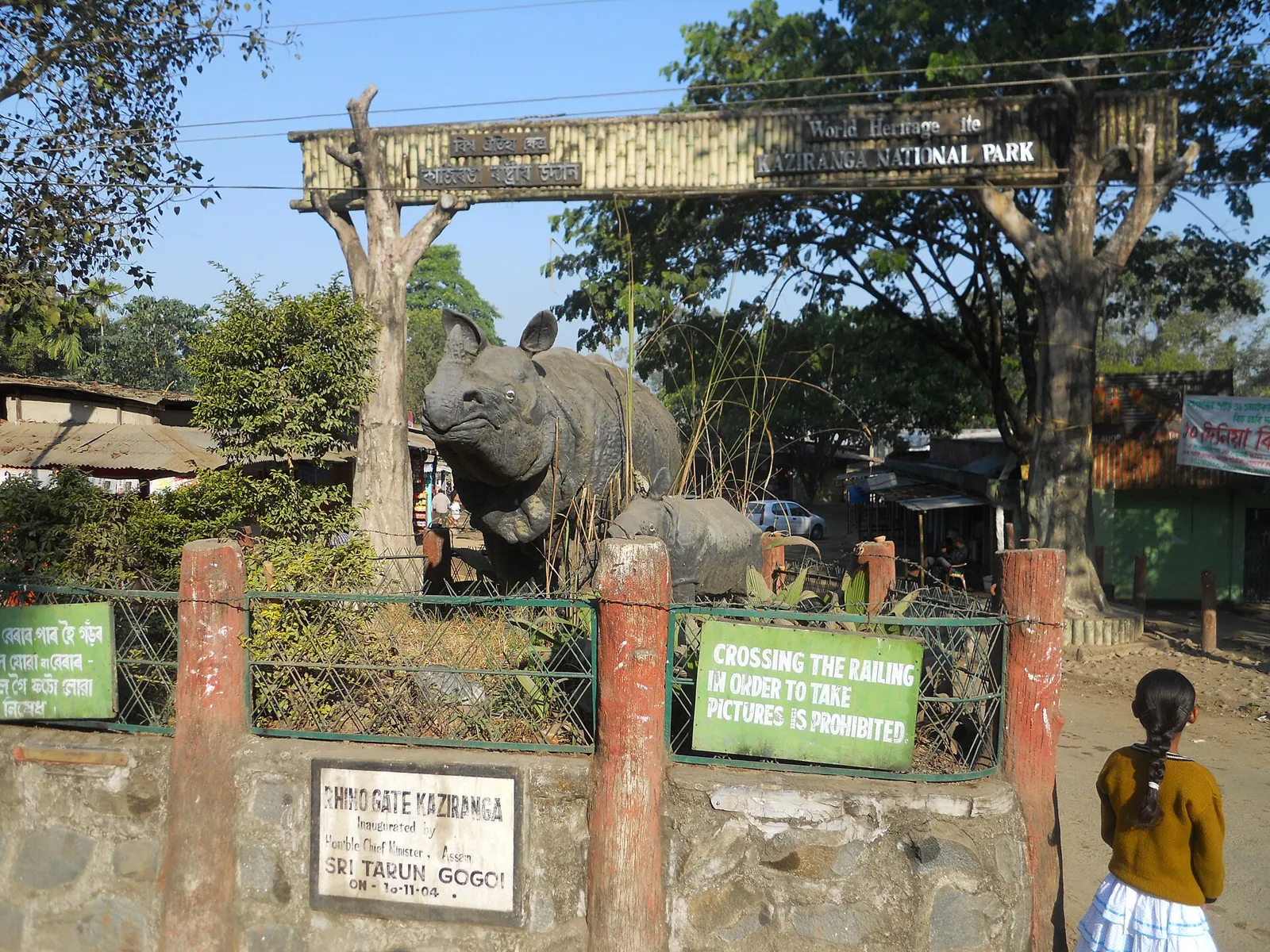
Located in Assam, Kaziranga National Park is a World Heritage Site across four districts. Visitors are drawn by its varied habitats and wildlife, including rhinoceroses, elephants and tigers.

Haflong

94 km away · Dima Hasao district

Haflong

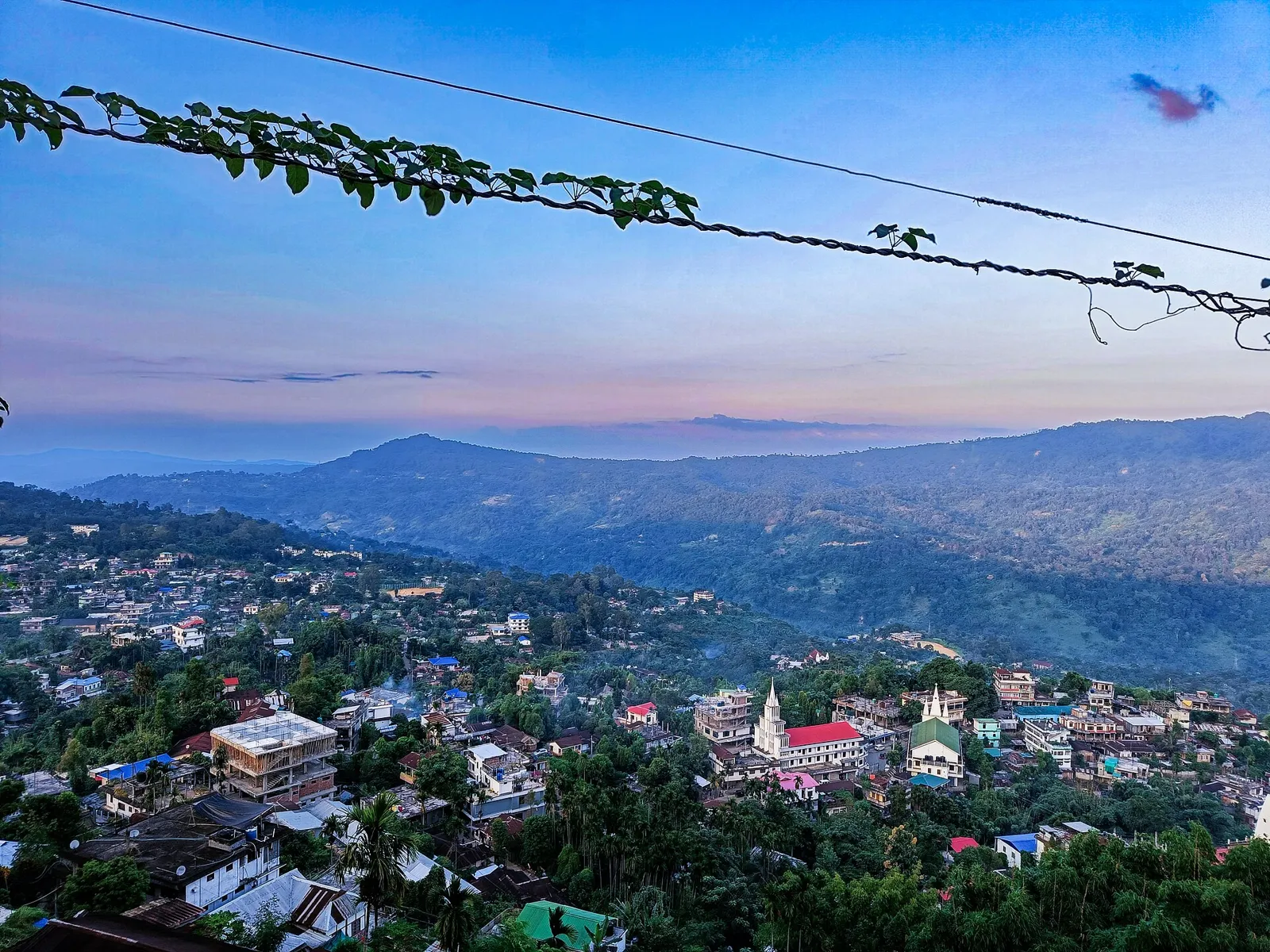
Haflong is an Assam town and the administrative centre of Dima Hasao district. Visitors come to experience it as the state’s sole hill station.

Jatinga

99 km away · Dima Hasao district

Jatinga

Jatinga is a village in Assam’s Dima Hasao district, known for mysterious bird deaths that have made the phenomenon a point of interest for visitors.

Srimanta Sankardev Kalakshetra

104 km away · Kamrup Metropolitan district

Srimanta Sankardev Kalakshetra

In Panjabari, Guwahati, Srimanta Sankardev Kalakshetra is a cultural complex where visitors explore art and heritage from Assam and the wider North-East.

Map

Hojai on the map

  1. 1Agnigarh
  2. 2Mahabhairav Temple
  3. 3Orang National Park
  4. 4Pobitora Wildlife Sanctuary
  5. 5Kaziranga National Park
  6. 6Haflong
  7. 7Jatinga
  8. 8Srimanta Sankardev Kalakshetra

Assam

Other cities to explore