Ghumoopedia — Explore, Discover, Experience
Sign in
Jorhat, near Titabor

City guide · Assam

Titabor

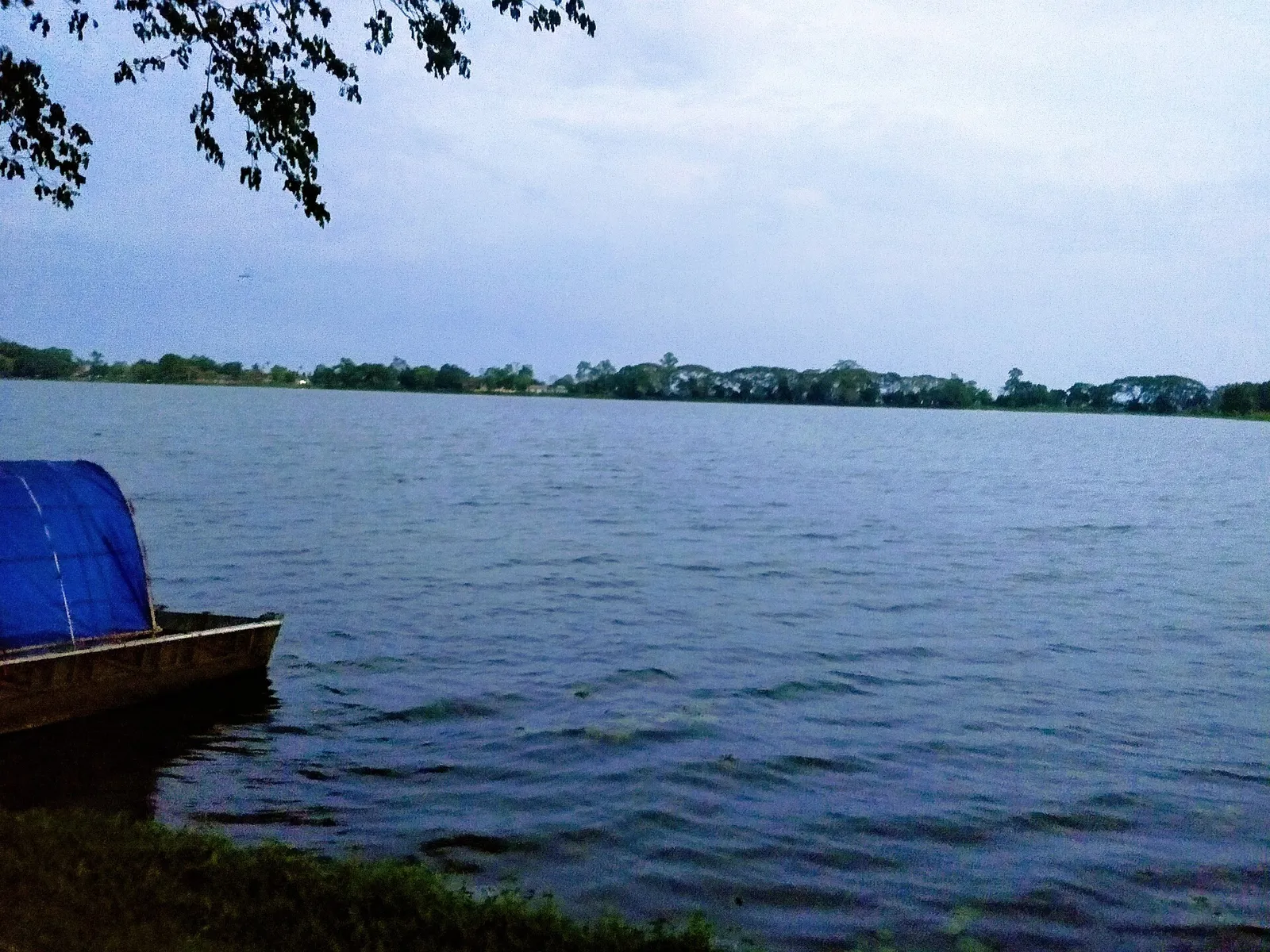
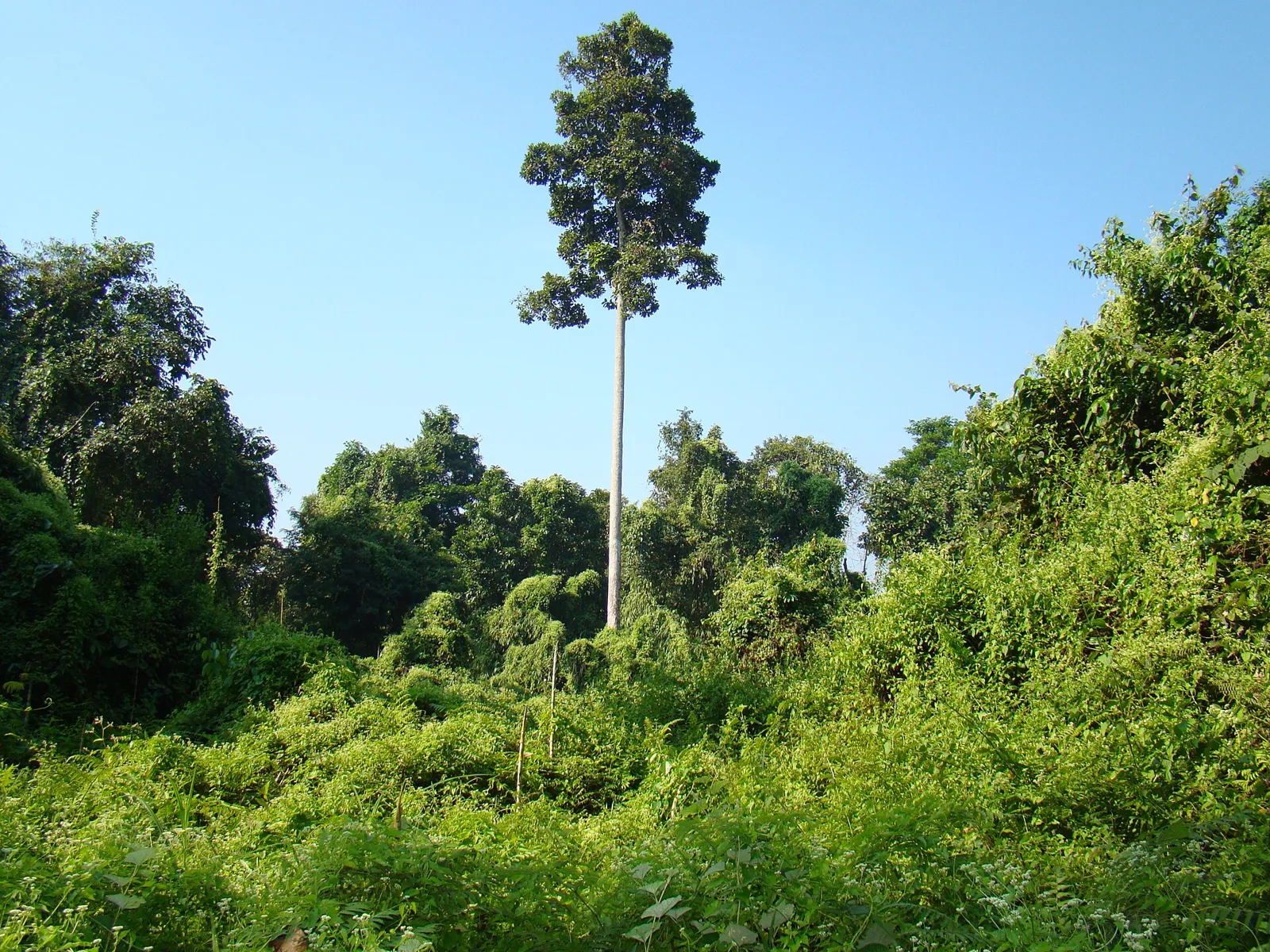
Titabor is a small town in Jorhat district, about 20 kilometres from Jorhat city. Its importance comes less from big-city attractions than from its place in the surrounding countryside: tea estates, villages and agricultural communities shape the landscape and everyday life.

Famous for

  • Tea-estate landscapes
  • Thengal Kachari council headquarters
  • Assam tea country
  • Green rural surroundings

Why Titabor matters

Titabor is a small town in Jorhat district, about 20 kilometres from Jorhat city. Its importance comes less from big-city attractions than from its place in the surrounding countryside: tea estates, villages and agricultural communities shape the landscape and everyday life. The town is also the administrative headquarters of the Thengal Kachari Autonomous Council, giving it a regional civic role beyond its size.

For visitors, Titabor offers a quieter base for seeing the tea-growing belt and rural character of Upper Assam. Its green setting is a contrast to busier Jorhat, while the district’s larger transport links and services are within reach. Tea is the area’s most visible association, though estates are working properties and access may be restricted. Titabor is best approached as a locally rooted town rather than a destination built around a single monument or tourist attraction. A visit can pair time in the town with drives through nearby villages and tea-country roads, while Jorhat provides a wider choice of museums, services and regional excursions.
Famous for: crafts, trade & products

Titabor’s best-known product association is tea, reflecting the estates that surround the town and the wider importance of tea cultivation in Assam. The area is not widely identified with a particular textile, handicraft or standalone GI-tagged product, and it is not a major specialist shopping destination. Visitors looking for tea can ask at local shops or check whether nearby estates have an authorised visitor outlet; estate grounds should not be entered without permission.

The town’s market serves residents and nearby villages, with everyday groceries, household goods and locally used produce rather than a famous artisan bazaar. Assamese foods and seasonal ingredients may be available there, but selection varies. For a broader range of branded tea, crafts, textiles and other regional products, Jorhat is the more practical shopping stop. Titabor’s distinct institutional association is the Thengal Kachari Autonomous Council headquarters, which reflects the town’s role in local administration; it is a civic institution, not a visitor attraction or retail centre. Those interested in regional crafts can use Titabor as a starting point and seek established outlets in larger nearby towns.

History

Titabor’s development is closely tied to the rural communities and tea-growing landscape of Jorhat district. Tea cultivation expanded across Assam during the colonial period, and estates became a defining feature of the surrounding region. That history helps explain the area’s landscape and economy, though it does not by itself establish a precise founding date or a single origin for the town.

Over time, Titabor developed as a service and administrative centre for nearby settlements, with local trade and public institutions serving the surrounding countryside. Its present-day significance includes hosting the headquarters of the Thengal Kachari Autonomous Council, an important local administrative body. Modern roads and rail connections link the town with Jorhat and other parts of Upper Assam. Titabor’s growth has therefore been gradual and regional in character: shaped by tea and agriculture, everyday services, and its role in local governance rather than by a major royal capital or a large urban-industrial expansion.

Food, festivals & culture

Life in Titabor reflects Assamese and wider Upper Assam traditions. Assamese is widely used, while other languages may be heard among residents and visitors. Rice is central to everyday meals, often served with fish, vegetables and regional preparations such as khar or sour tenga. Pitha and laru are familiar festive treats, especially around Bihu; tea is part of daily hospitality as well as the local economy.

Bihu is the major seasonal celebration: Rongali Bihu comes in spring, while Bhogali and Kongali Bihu mark other points in the agricultural year. Community gatherings, music and Bihu dancing are characteristic of the celebrations. Durga Puja and other religious observances are also part of the local calendar. Namghars and temples serve as important community and worship spaces, alongside places of worship for other faiths. Rather than a large performance circuit, cultural life is generally rooted in family, village and community events, so visitors may find the most meaningful activity during festival periods or through local gatherings.

Visiting the city

The more comfortable time to visit is generally October to April, when conditions are usually drier; the monsoon brings heavier rain and can make rural outings less convenient. Jorhat Airport, also known as Rowriah Airport, is the nearest airport. Titabar railway station serves the town, while Jorhat Town station is another rail option in the district. Check current connections before travelling.

Auto-rickshaws, shared vehicles and taxis are useful for local journeys, and a hired vehicle can make it easier to explore the countryside. The town centre and market give a sense of daily life; roads leading toward the surrounding tea estates and nearby villages offer views of the green landscape. Ask locally about access before entering estate property, as many areas are working sites. Jorhat is a convenient nearby base for services and a wider range of regional attractions.

Trips from the city

Nearest places to visit from Titabor

Our closest destination guides, by straight-line distance.

Jorhat

18 km away · Jorhat district

Jorhat

Jorhat is an Assam city known for the Jorhat Gymkhana Club, home to Asia’s oldest golf course, and its location beside the Bhogdoi River.

Joysagar Tank

21 km away · Sivasagar district

Joysagar Tank

Joysagar Tank, also called Joysagar Borpukhuri, is a large historic tank in Assam’s Sivasagar district. Visitors come to learn about its historical significance.

Hoollongapar Gibbon Sanctuary

23 km away · Jorhat district

Hoollongapar Gibbon Sanctuary

Hoollongapar Gibbon Sanctuary is an evergreen forest reserve in Assam’s Jorhat district, visited for its distinctive primates, including hoolock gibbons and Bengal slow lorises.

Auniati Satra

39 km away · Majuli district

Auniati Satra

Auniati Satra is a Vaishnavite monastery on Majuli, connected with the Ahom dynasty and Ekasarana Dharma. People visit to learn about its devotional life, festivals and traditions of theatre, music and dance.

Majuli

45 km away · Majuli district

Majuli

Majuli is a river island in Assam, valued as a centre of Assamese neo-Vaishnavite culture and home to several tribal communities. Visitors reach it by ferry or boat from Jorhat.

Rang Ghar

59 km away · Sivasagar district

Rang Ghar

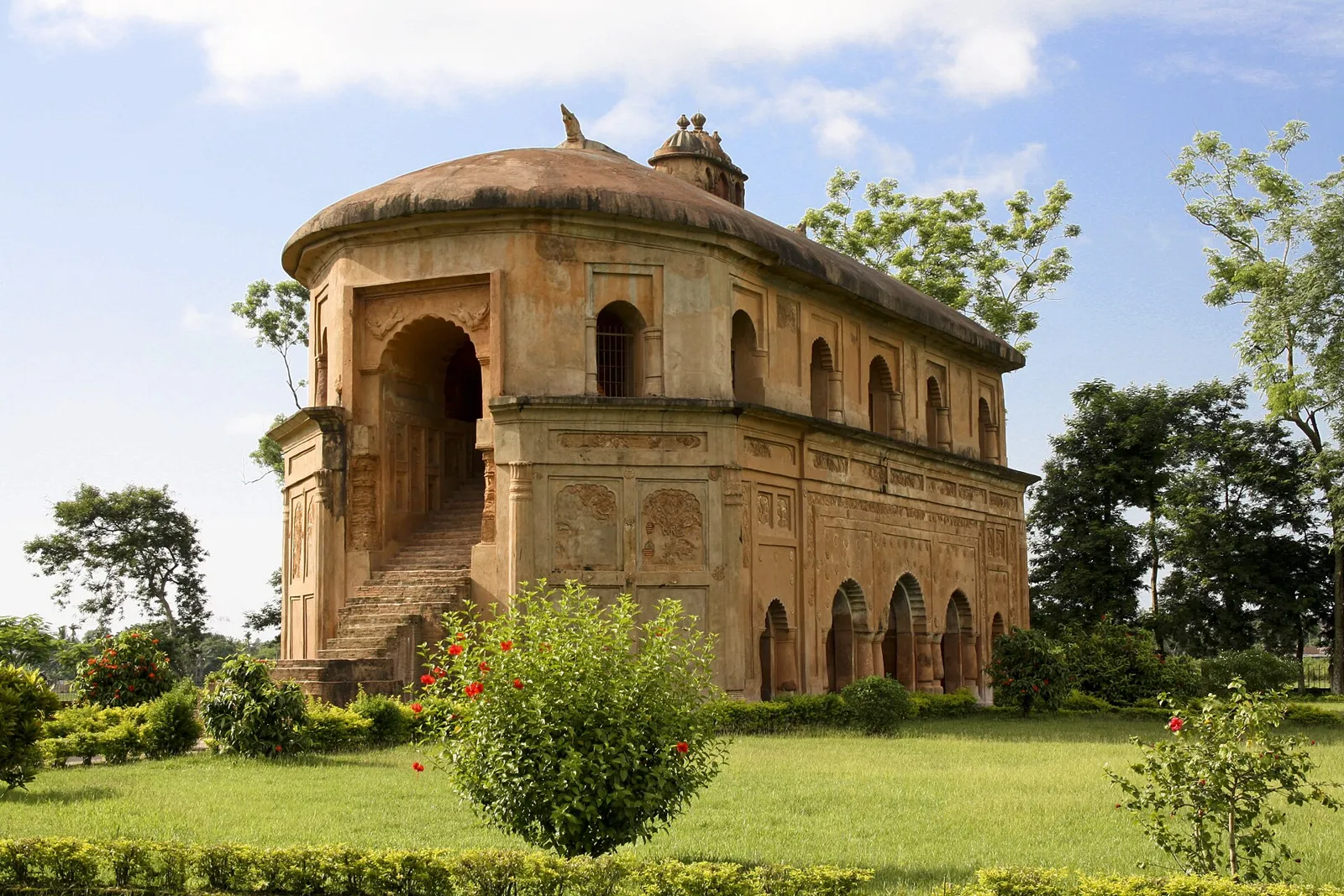
Rang Ghar is a two-storey former royal viewing pavilion in Sivasagar district, Assam, known for its links to Ahom-era sports and Rongali Bihu.

60 km away · Sivasagar district

Talatal Ghar

Talatal Ghar is an eighteenth-century palace and military stronghold at Rangpur in Assam, and the largest monument of the Ahom era. Visitors explore its surviving ruins and underground features.

Sivasagar Sivadol

62 km away · Sivasagar district

Sivasagar Sivadol

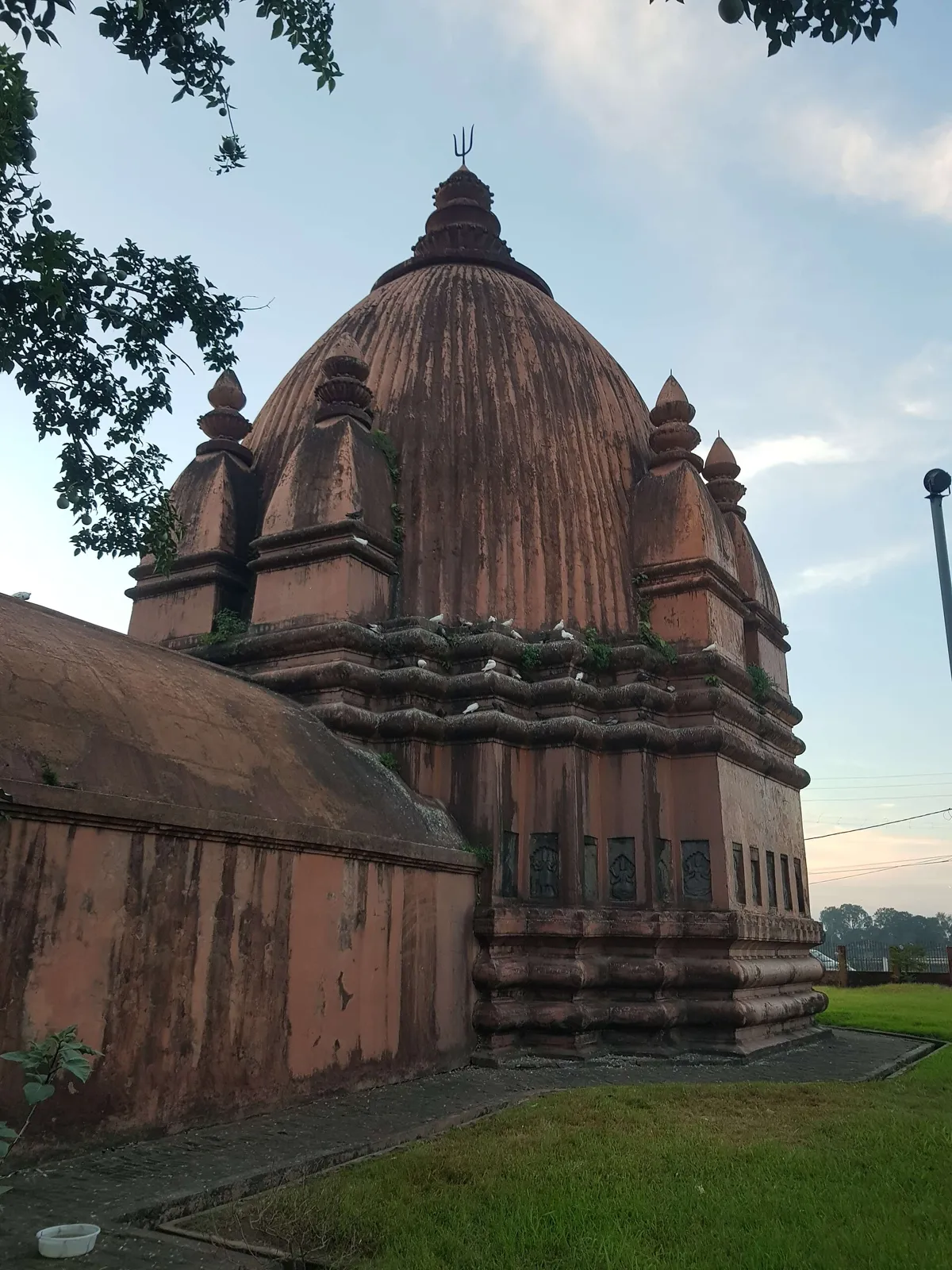
Sivasagar Sivadol is a complex of three Hindu shrines and a museum beside Sivasagar tank in Assam. Visitors come to see its temples, including the tall Sivadol.

Map

Titabor on the map

  1. 1Jorhat
  2. 2Joysagar Tank
  3. 3Hoollongapar Gibbon Sanctuary
  4. 4Auniati Satra
  5. 5Majuli
  6. 6Rang Ghar
  7. 7Talatal Ghar
  8. 8Sivasagar Sivadol

Assam

Other cities to explore