Ghumoopedia — Explore, Discover, Experience
Sign in
Digboi, near Namrup

City guide · Assam

Namrup

Namrup is a small industrial town in southeastern Assam, in Dibrugarh district, near the foothills of the Patkai Hills. Its importance today comes from three major facilities: Brahmaputra Valley Fertilizer Corporation Limited, Assam Petrochemicals Limited and Namrup Thermal Power Station.

Famous for

  • Brahmaputra Valley fertiliser
  • Assam Petrochemicals
  • Namrup Thermal Power Station
  • Ahom-era history
  • Dihing-Disang river landscape

Why Namrup matters

Namrup is a small industrial town in southeastern Assam, in Dibrugarh district, near the foothills of the Patkai Hills. Its importance today comes from three major facilities: Brahmaputra Valley Fertilizer Corporation Limited, Assam Petrochemicals Limited and Namrup Thermal Power Station. Together, they make the town a notable centre for fertiliser, petrochemical and power industries in the region.

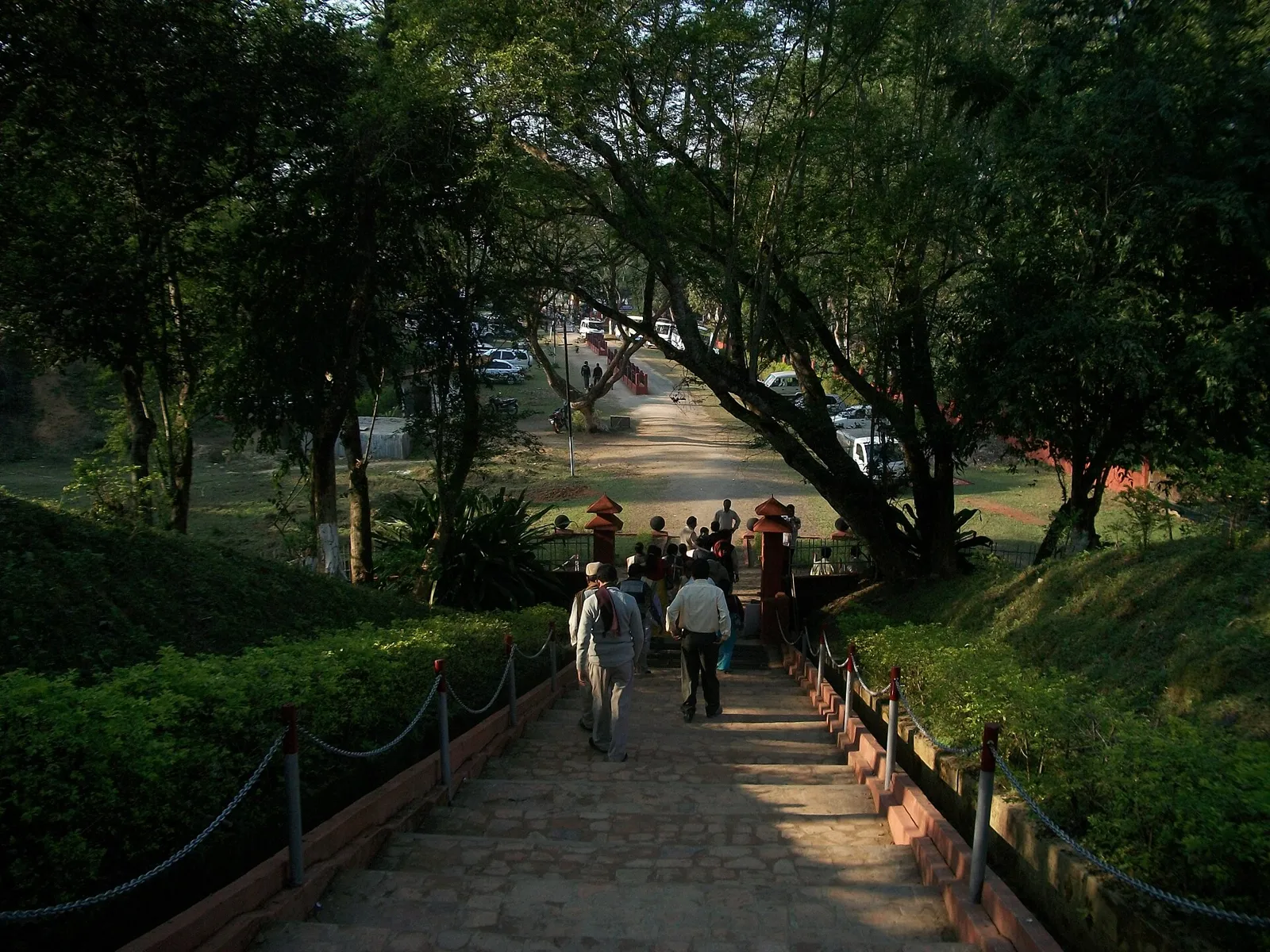
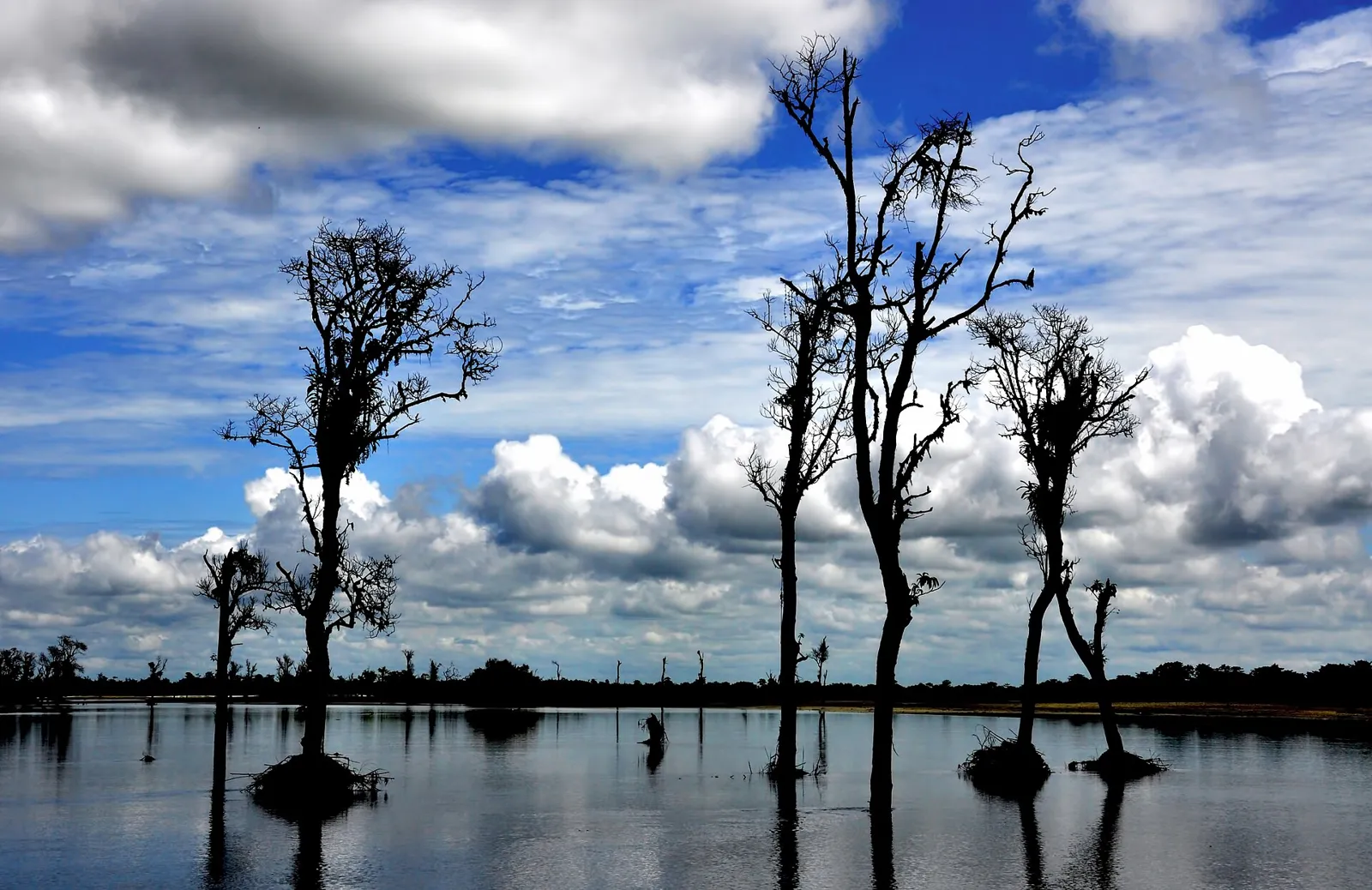
The surrounding landscape offers a different view of Assam from its larger cities: the Dihing, also known as the Disang, passes through the area, while wet-paddy fields, tea gardens, orchards, villages and forested hills shape the countryside. Visitors may find Namrup appealing as a base for exploring nearby parts of Upper Assam and for glimpses of rural life and the Patkai foothills. Its history also reaches back to the Ahom kingdom, when it had political and strategic significance. The name is sometimes linked to Tai words for water and five, reflecting a traditional association with rivers, though the explanation is not certain. Namrup is about 75 km by road from Dibrugarh and 50 km from Tinsukia.
Famous for: crafts, trade & products

Namrup is best known for industry rather than a distinctive textile, handicraft or shopping trade. Brahmaputra Valley Fertilizer Corporation Limited is a major fertiliser institution, while Assam Petrochemicals Limited represents the town’s petrochemical sector. Namrup Thermal Power Station is another landmark of its industrial identity. These facilities make the town important to Assam’s energy and industrial economy, though they are working sites rather than conventional visitor attractions.

There is no widely established local market or signature craft district for visitors seeking sarees, GI-tagged goods or handicrafts. For everyday purchases, look to the town’s local shops and market areas; for a broader choice of Assamese textiles, crafts and regional products, larger nearby centres such as Dibrugarh or Tinsukia are more suitable. Tea gardens and village landscapes around Namrup are part of the area’s character, but visitors should not assume that every estate has a public shop or offers tours. Ask locally before entering private or industrial property. The town’s strongest association remains its combination of fertiliser, petrochemical and power production set amid the agricultural and tea-growing landscape of Upper Assam.

History

Namrup’s past includes settlement by communities such as the Borahis, Chutias, Morans and Kacharis. It became an important place under the Ahom kingdom and was associated with the Namrupeeya Roja, a member of the royal lineage who was among the contenders for the throne. Coraikhurung in the area served as a concealed refuge for the king during attacks from the west, and Namrup also had a special kind of prison known as a koliyapany.

The historic Dhodor Aali road, built around four centuries ago, connected Garhgaon, an Ahom capital, with Joypur via Borhat. The name Namrup is often interpreted through Tai words associated with water and five, although the town’s name in the pre-Ahom period is not known with certainty.

Modern Namrup developed after the Indian government chose the area in the early 1960s for a natural-gas-based fertiliser factory. The establishment of major fertiliser, petrochemical and power facilities transformed it into an industrial town. It remains part of Dibrugarh district and combines this modern role with a landscape shaped by villages, fields and tea gardens.

Food, festivals & culture

Namrup’s everyday culture reflects the wider Assamese and Upper Assam region, alongside the traditions of its diverse local communities. Assamese is widely used; visitors may also encounter other languages spoken by residents and workers. Rice is central to local meals, commonly served with fish, lentils, vegetables and leafy greens. Assamese favourites such as fish tenga, a light sour curry, and seasonal pithas may be found in homes or local eateries, though menus vary.

Bihu is the most prominent seasonal festival across Assam. Rongali Bihu, in spring, welcomes the Assamese New Year and the agricultural cycle; Bhogali Bihu, in winter, is associated with harvest gatherings and feasting; and Kongali Bihu is observed in autumn. Bihu songs and dance are part of the region’s cultural life, alongside community music and customs belonging to local ethnic groups.

Places of worship and community gathering spaces, including temples and namghars, form part of local life. Visitors should be considerate at religious sites and ask before photographing ceremonies or people. Festivals are usually the best time to experience community celebrations, but events and public programmes can vary from year to year.

Visiting the city

The cooler, generally drier months from around October to March are a comfortable time to visit; monsoon months can bring heavy rain and make rural journeys less convenient. Dibrugarh Airport is the nearest airport, about 70 km away. Namrup railway station is on the broad-gauge line linking Dibrugarh and Guwahati. Dibrugarh is approximately 75 km away by road, while Tinsukia is about 50 km away.

Local movement is mainly by road, using taxis or other locally available transport; arrange longer trips in advance where possible. Explore the town’s central areas for everyday shops and services, then visit nearby villages, tea-growing countryside and river landscapes with local guidance. Naharkatiya, Sonari and Duliajan are among the nearby towns for onward excursions. Industrial plants are operational facilities, so access may be restricted; do not enter without permission. Distances and road conditions can vary, especially during wet weather.

Trips from the city

Nearest places to visit from Namrup

Our closest destination guides, by straight-line distance.

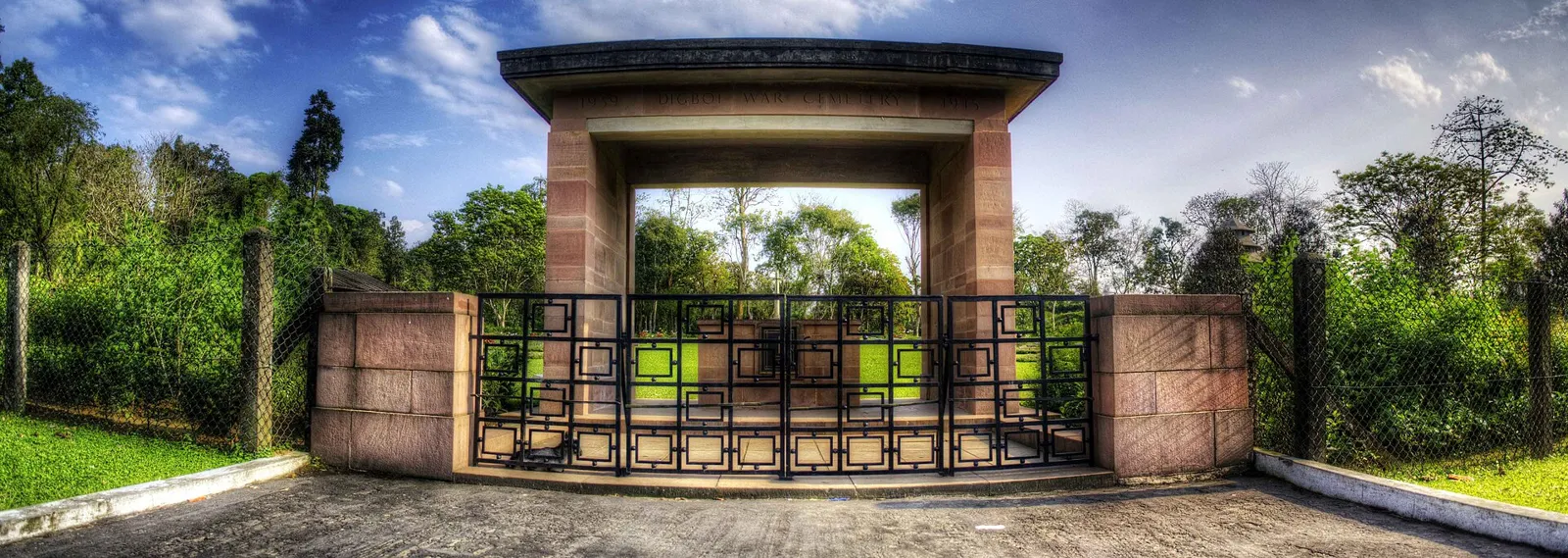
Digboi

37 km away · Tinsukia district

Digboi

Digboi is a city and municipal corporation in Assam’s Tinsukia district, known for its petroleum heritage. Visitors are drawn to its early oil-industry history, refinery and long-operating well.

Charaideo

52 km away · Charaideo district

Charaideo

Charaideo is a historic Assamese town and the Ahom kingdom’s first capital. Visitors come to see its maidams, burial mounds associated with Ahom kings and royal family members.

Dibru-Saikhowa National Park

53 km away · Tinsukia district

Dibru-Saikhowa National Park

Dibru-Saikhowa National Park spans Dibrugarh and Tinsukia districts in Assam. Visitors come for its varied forest and wetland habitats, endangered species and rich fish diversity.

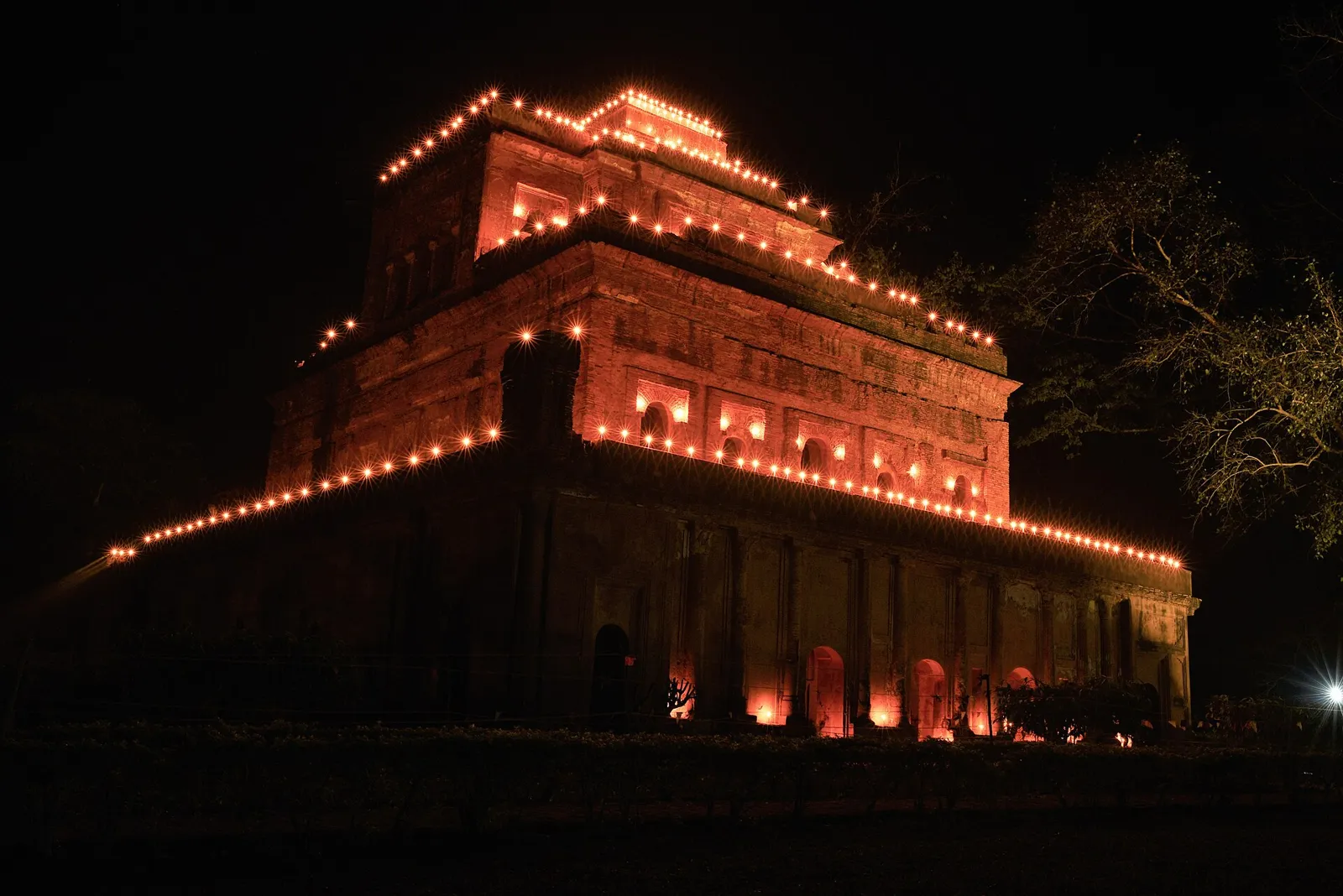
Kareng Ghar

64 km away · Sivasagar district

Kareng Ghar

Kareng Ghar, or Garhgaon Palace, is a historic palace in Assam’s Sivasagar district. Visitors come to see its distinctive multi-level form and learn about its place in Ahom history.

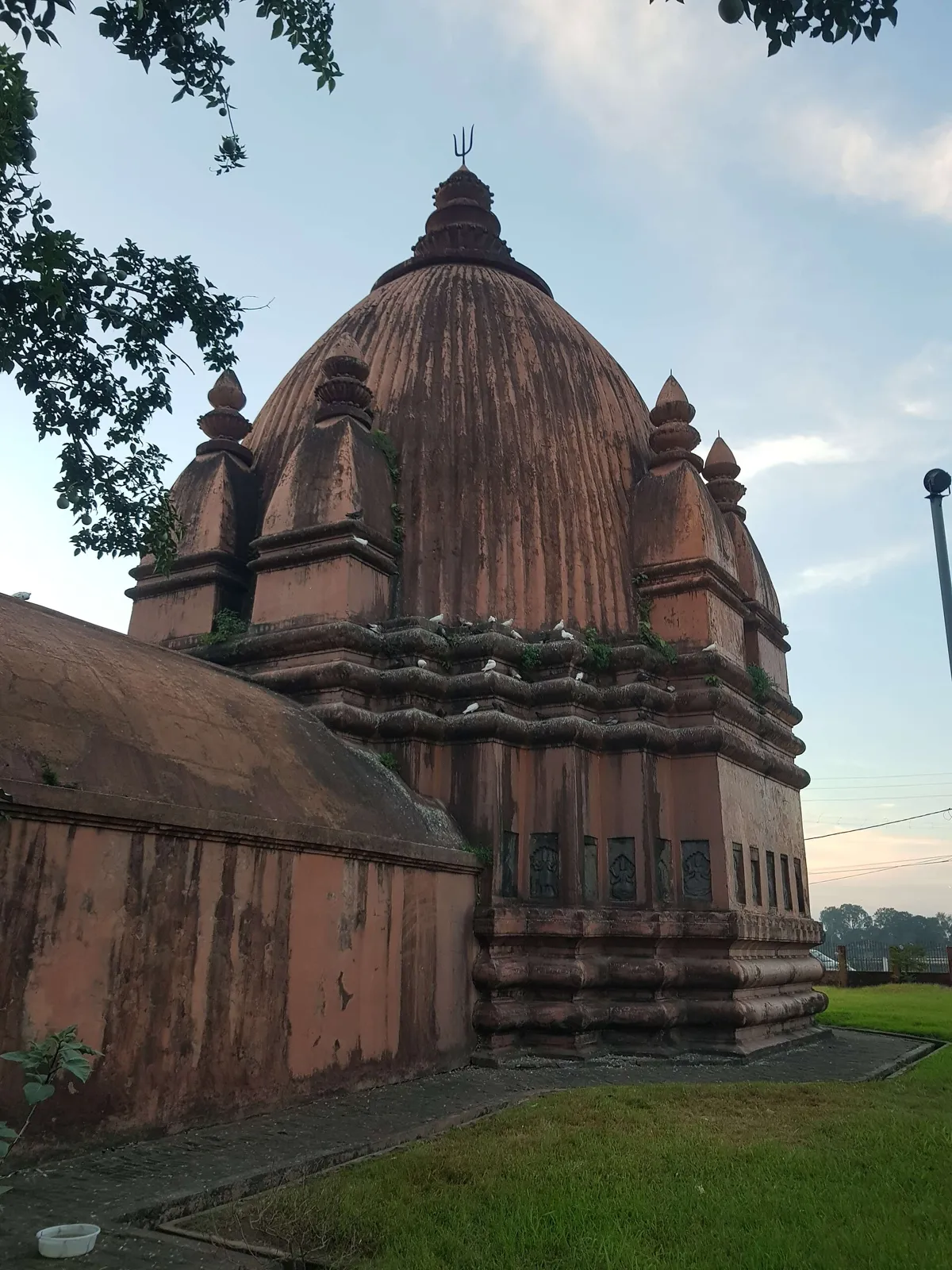
Sivasagar Sivadol

72 km away · Sivasagar district

Sivasagar Sivadol

Sivasagar Sivadol is a complex of three Hindu shrines and a museum beside Sivasagar tank in Assam. Visitors come to see its temples, including the tall Sivadol.

73 km away · Sivasagar district

Talatal Ghar

Talatal Ghar is an eighteenth-century palace and military stronghold at Rangpur in Assam, and the largest monument of the Ahom era. Visitors explore its surviving ruins and underground features.

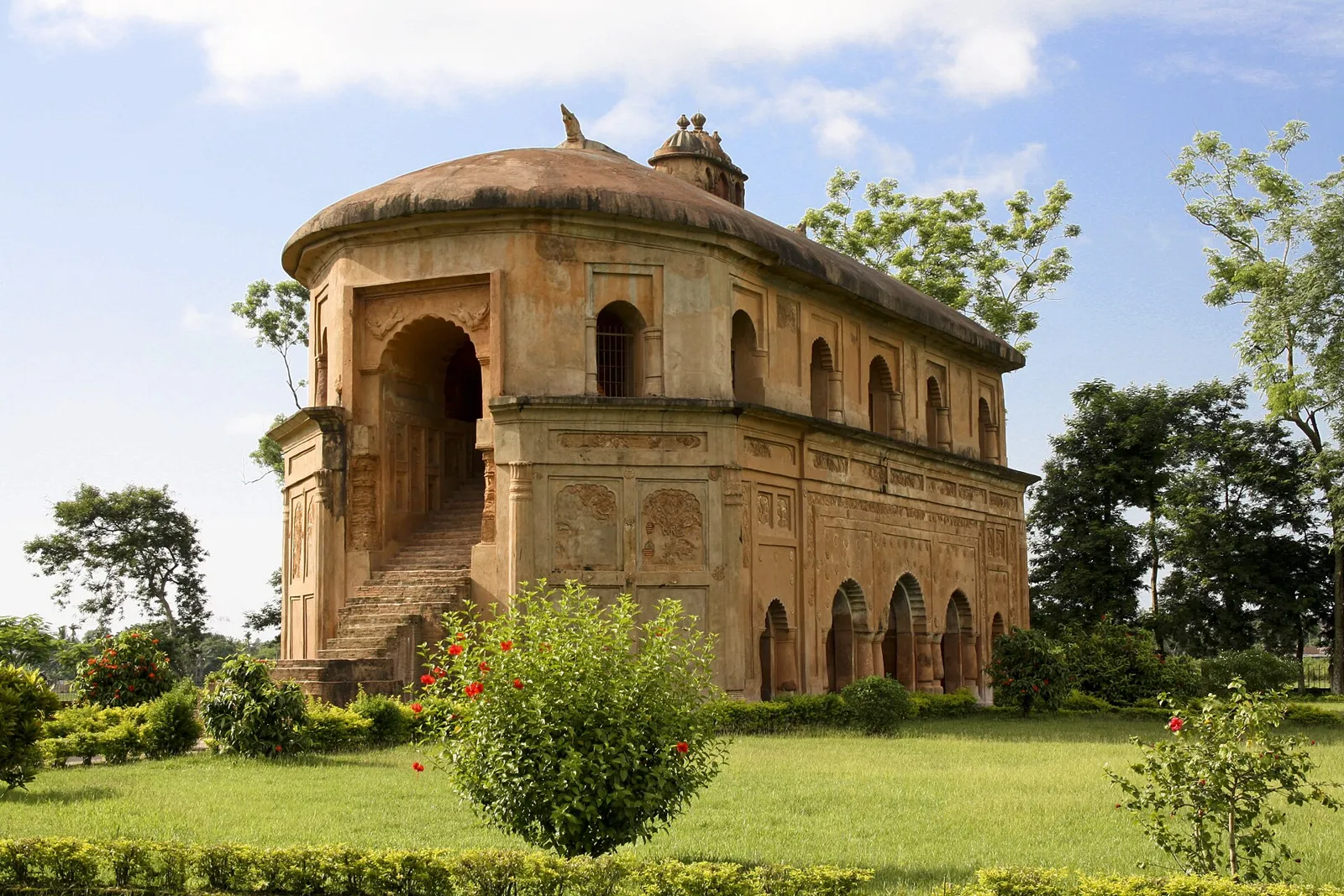
Rang Ghar

74 km away · Sivasagar district

Rang Ghar

Rang Ghar is a two-storey former royal viewing pavilion in Sivasagar district, Assam, known for its links to Ahom-era sports and Rongali Bihu.

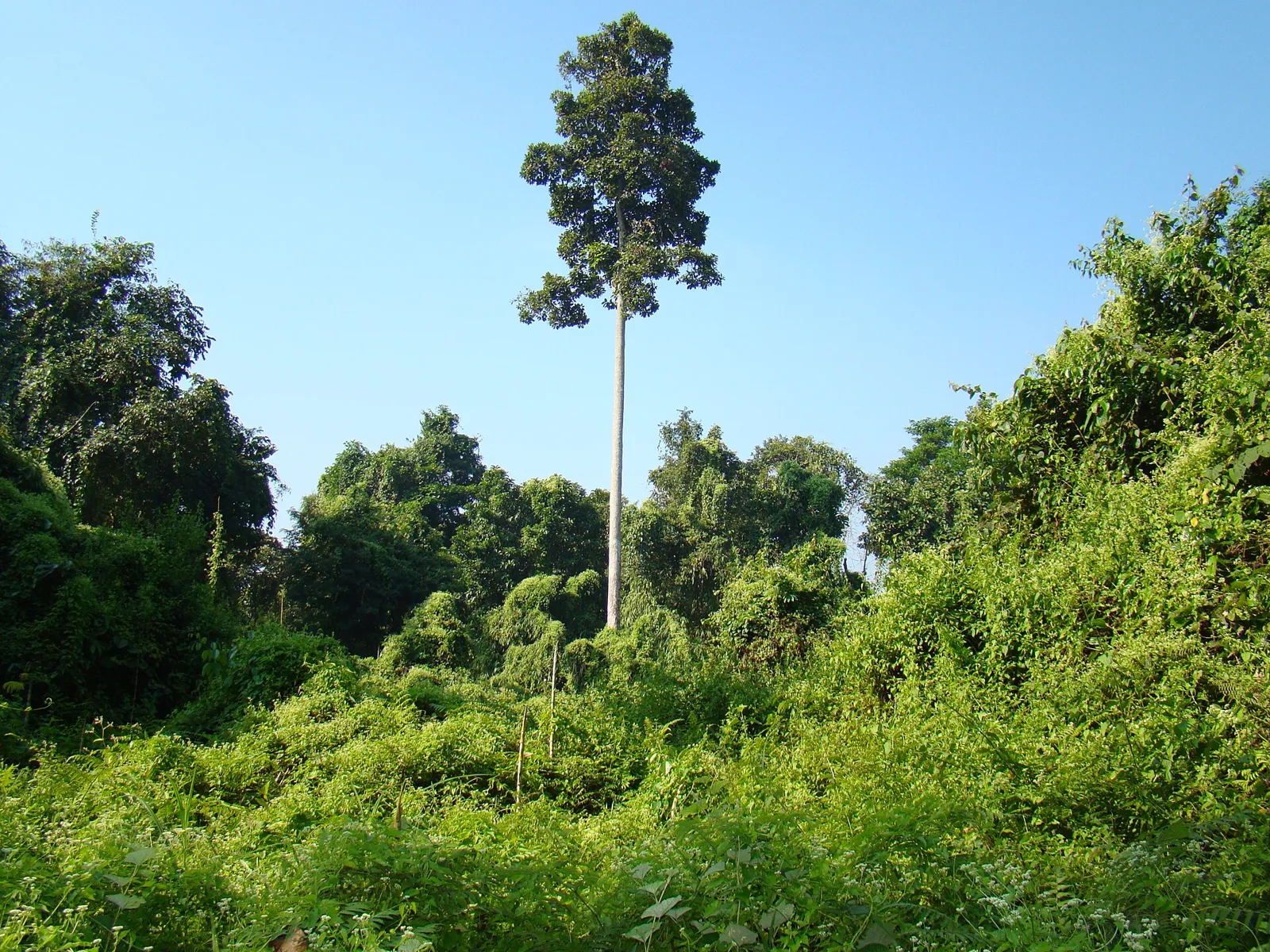
Hoollongapar Gibbon Sanctuary

107 km away · Jorhat district

Hoollongapar Gibbon Sanctuary

Hoollongapar Gibbon Sanctuary is an evergreen forest reserve in Assam’s Jorhat district, visited for its distinctive primates, including hoolock gibbons and Bengal slow lorises.

Map

Namrup on the map

  1. 1Digboi
  2. 2Charaideo
  3. 3Dibru-Saikhowa National Park
  4. 4Kareng Ghar
  5. 5Sivasagar Sivadol
  6. 6Talatal Ghar
  7. 7Rang Ghar
  8. 8Hoollongapar Gibbon Sanctuary

Assam

Other cities to explore