Ghumoopedia — Explore, Discover, Experience
Sign in
Pobitora Wildlife Sanctuary, near Morigaon

City guide · Assam

Morigaon

Morigaon is a small administrative town in central Assam, best known as the headquarters of Morigaon district and the Tiwa Autonomous Council. Its importance comes less from big-city attractions than from its role as a service and trading centre for surrounding settlements and agricultural communities.

Famous for

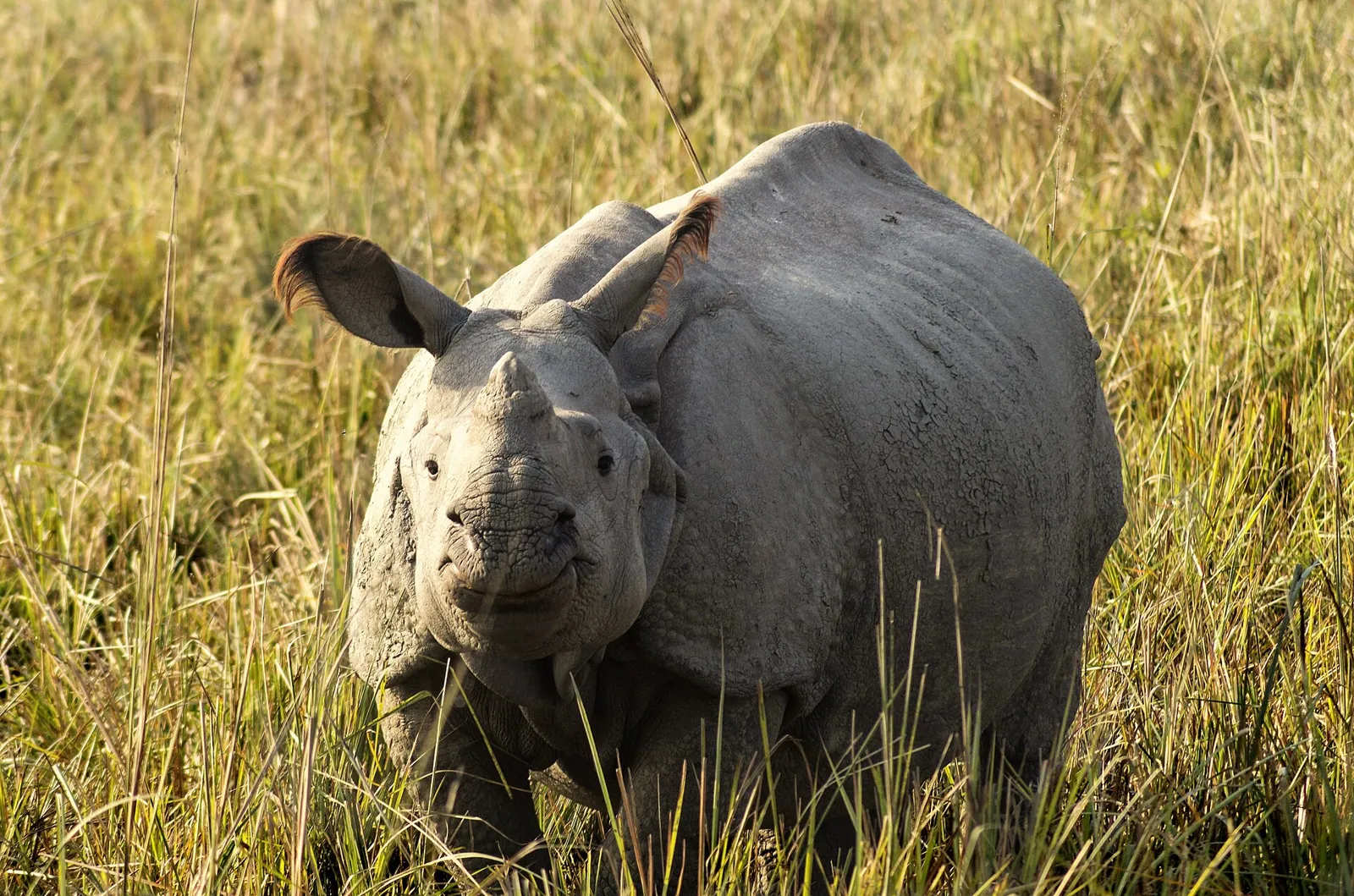
  • Pobitora’s one-horned rhinos
  • Mayong’s folklore and heritage
  • Tiwa culture
  • Jonbeel Mela
  • Morikolong Beel

Why Morigaon matters

Morigaon is a small administrative town in central Assam, best known as the headquarters of Morigaon district and the Tiwa Autonomous Council. Its importance comes less from big-city attractions than from its role as a service and trading centre for surrounding settlements and agricultural communities. The district’s fertile plains and wetlands shape everyday life, while the Brahmaputra marks its northern edge.

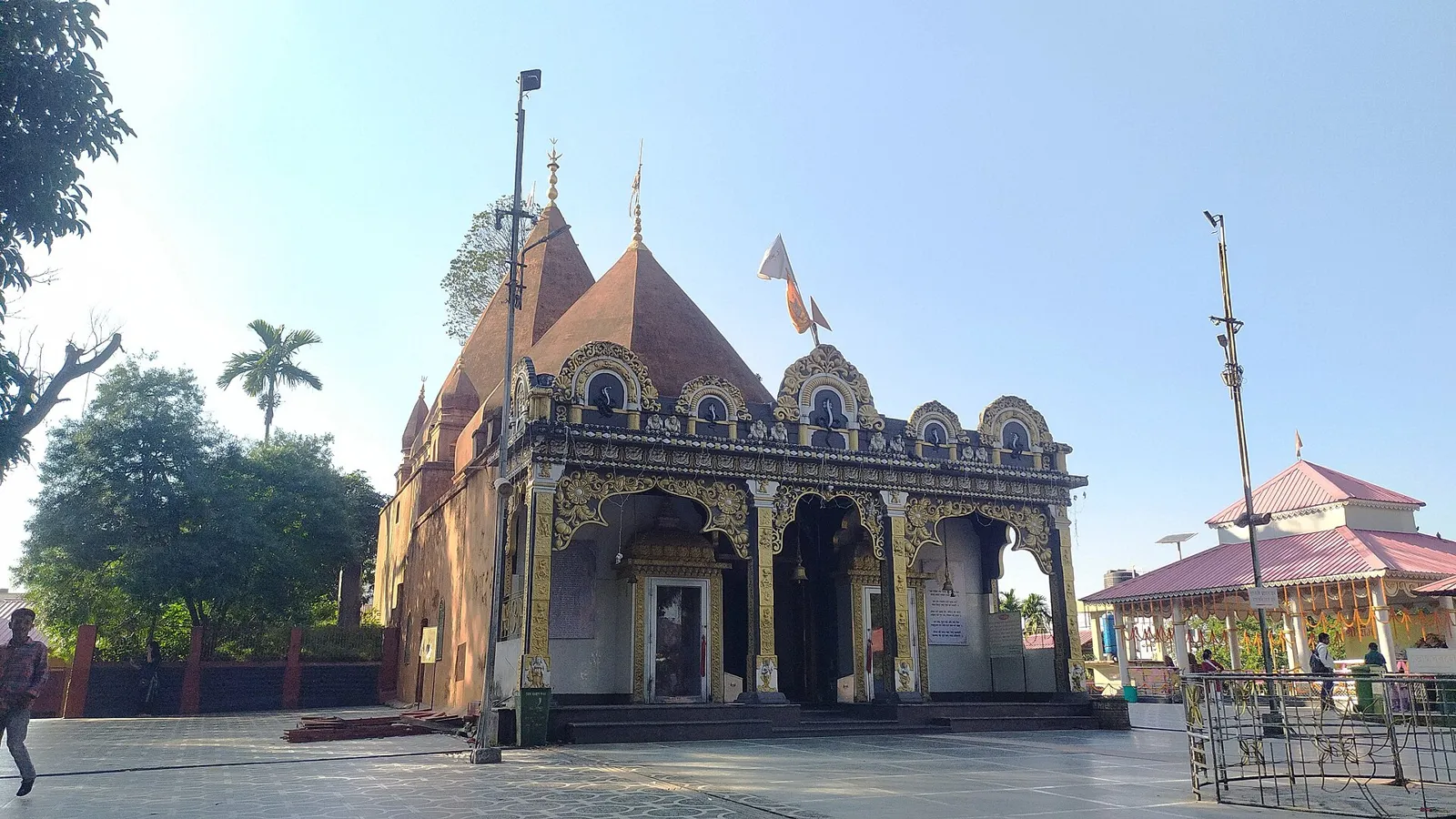
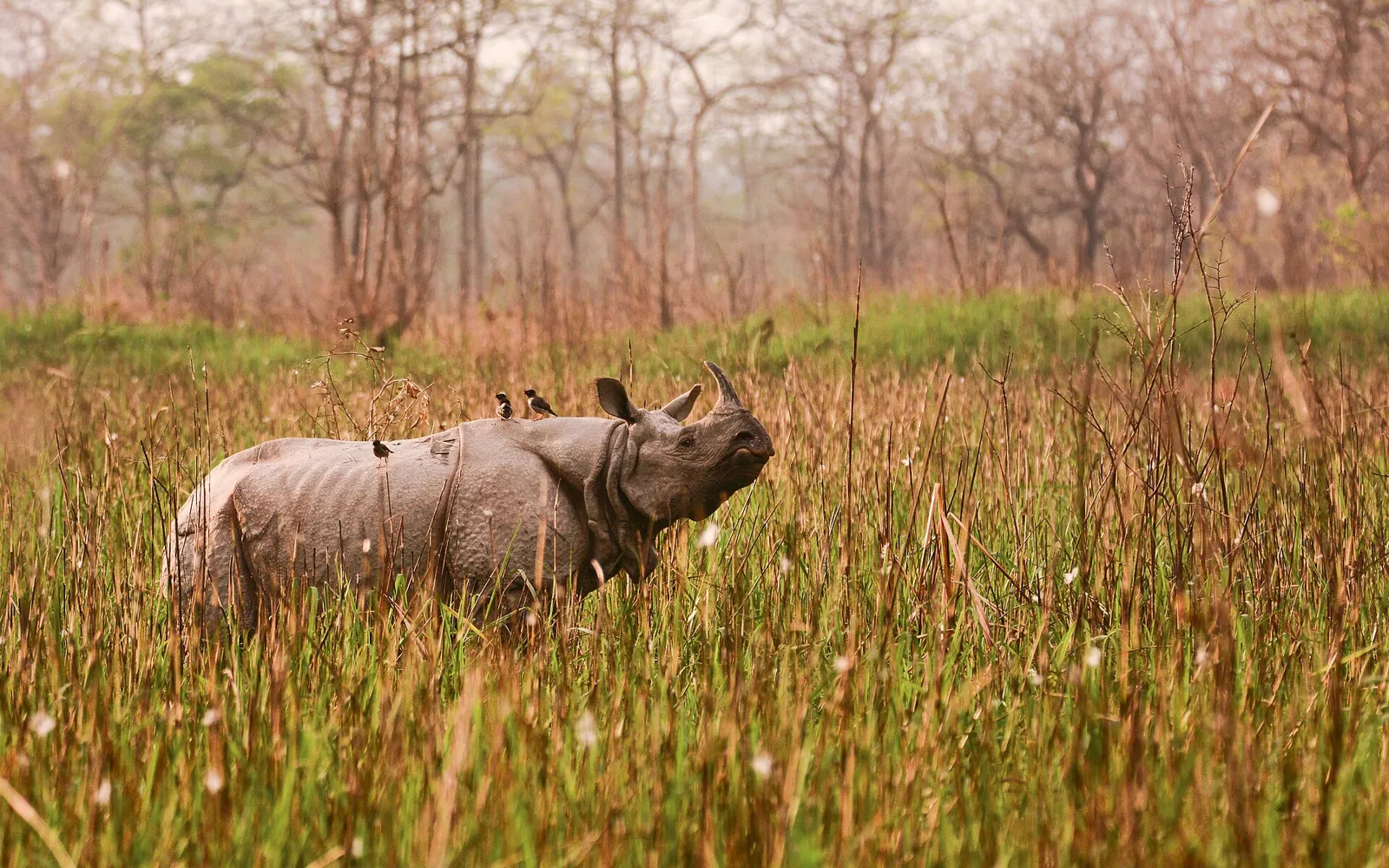
Visitors often use Morigaon as a base for exploring nearby Pobitora Wildlife Sanctuary, known for its Indian one-horned rhinoceroses, and Mayong, whose associations with traditional healing and occult lore are part of local history and folklore. Morikolong Beel, on the town’s southwestern side, adds to the area’s wetland landscape. The district’s Tiwa heritage is also visible in cultural events such as the Jonbeel Mela, held nearby. Morigaon is a practical stop for learning about central Assam’s rural life, local markets and communities, rather than a destination built around a single landmark or resort circuit.
Famous for: crafts, trade & products

Morigaon is not especially associated with one signature textile, craft or GI-tagged product. Its commercial life is rooted in the surrounding agricultural region: town markets serve local households and bring in rice, vegetables, fish and other seasonal produce. The main bazaar areas are the most straightforward places to browse for everyday goods and regional food items; availability varies with the season.

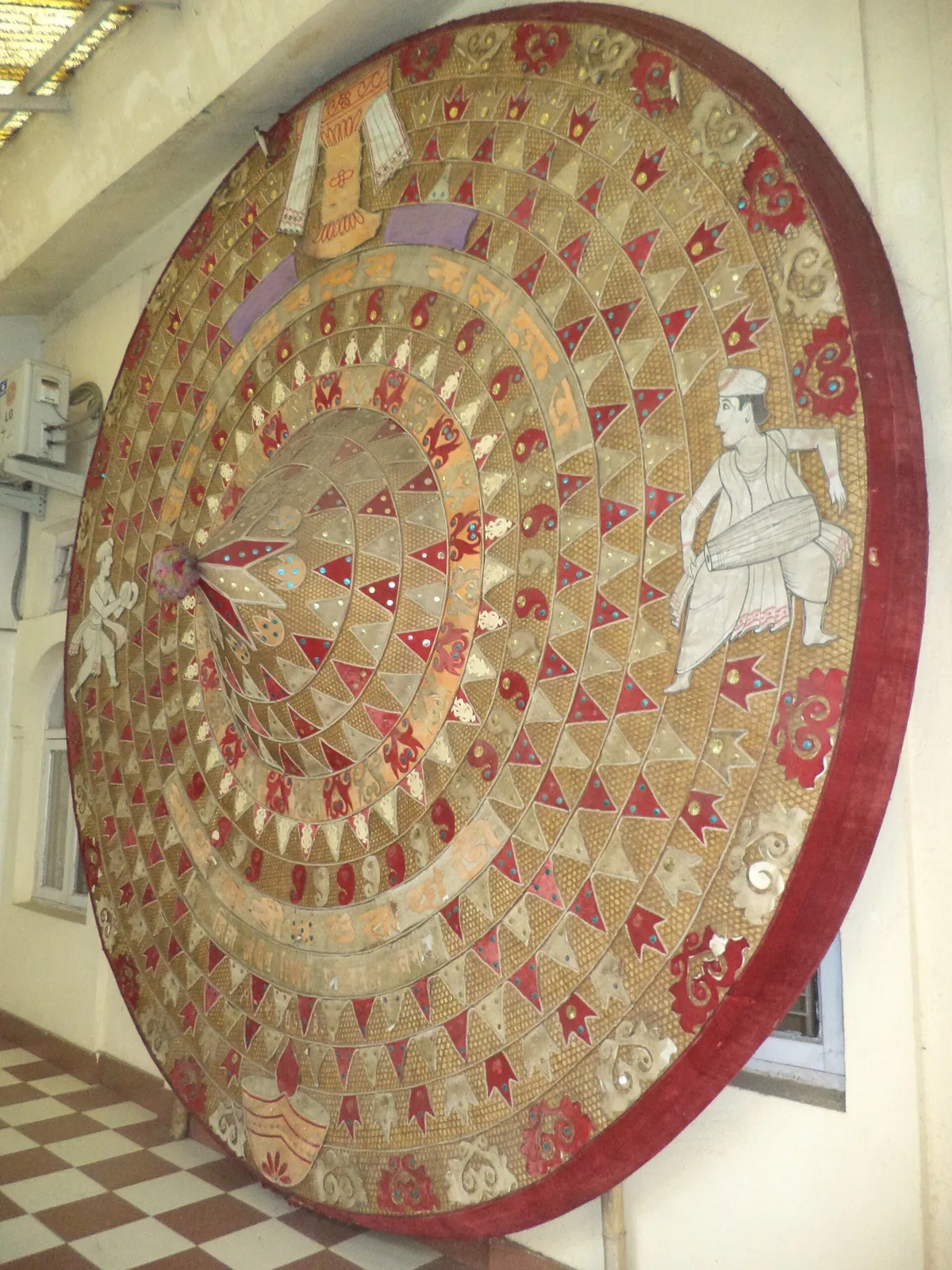
Assamese handloom traditions, including eri and muga silk, belong to the wider state’s craft economy, but shoppers should check the maker and place of production rather than assume a textile was woven in Morigaon. The district’s distinctive cultural identity is more closely tied to Tiwa communities and their traditions than to a large, specialised craft industry. Morigaon’s most notable institution is the Tiwa Autonomous Council, headquartered in the town. For a broader sense of local exchange and heritage, the nearby Jonbeel Mela brings together communities and traders in a seasonal gathering. Visitors looking for a particular craft are best advised to ask locally about current makers and market availability.

History

The history of Morigaon is closely connected to the communities and changing administrations of central Assam. Tiwa people have deep roots in the wider region, where local chiefs and community institutions shaped social and cultural life. The Jonbeel Mela, held nearby, is a prominent expression of that heritage and is known for its traditional exchange of goods as well as its gatherings.

The area became part of British-administered Assam after the Treaty of Yandabo in 1826, as colonial rule expanded across the region. Morigaon’s modern growth has largely followed its role as a local administrative and market centre, rather than as a major industrial city. Morigaon district was formed in 1989, and the town serves as its headquarters as well as the headquarters of the Tiwa Autonomous Council. Government services, education and trade have since reinforced its importance to surrounding communities.

Food, festivals & culture

Rice is the everyday staple in Morigaon, commonly served with fish, vegetables and leafy greens. Assamese dishes such as khar, a preparation with an alkaline ingredient, and tangy tenga-style fish curry are part of the wider regional food tradition. Seasonal produce is easiest to encounter in local markets; there is no single sweet or dish that defines the town alone.

Bihu is celebrated across Assam: Rongali Bihu in spring, Kongali Bihu in autumn and Bhogali Bihu in winter. Tiwa customs and performances are an important part of the district’s cultural life. The Jonbeel Mela, held near Jagiroad, is usually a winter gathering associated with Tiwa heritage and a traditional barter exchange. Assamese is widely used, alongside Tiwa and other languages spoken in the district. Music and dance are often encountered at community celebrations. In town and nearby villages, namghars, temples and mosques serve as places of worship and community gathering.

Visiting the city

The cooler, drier months from roughly October to March are generally comfortable for visiting; monsoon rain can make wetland and rural routes less convenient. The nearest major airport is Lokpriya Gopinath Bordoloi International Airport in Guwahati. Jagiroad is the main nearby railway station for reaching Morigaon, with onward travel by road.

Taxis and shared road transport connect the town with nearby settlements and attractions; arrange local transport ahead for excursions to Pobitora or Mayong. In Morigaon, explore the central market area and the vicinity of Morikolong Beel. Allow extra time for rural roads and check locally on access conditions, particularly during wet weather. The town is modest in scale, so it works well as a practical base for day trips rather than as a large urban sightseeing destination.

Trips from the city

Nearest places to visit from Morigaon

Our closest destination guides, by straight-line distance.

Pobitora Wildlife Sanctuary

29 km away · Morigaon district

Pobitora Wildlife Sanctuary

Pobitora Wildlife Sanctuary is a protected area in Assam, known for its grasslands and wetlands and for supporting a substantial population of Indian rhinoceroses, which draw visitors.

Orang National Park

34 km away · Darrang district

Orang National Park

Orang National Park is an Assam wildlife reserve beside the Brahmaputra. People visit to see its diverse animal life, including rhinoceroses, elephants, wild buffalo, pygmy hogs and Bengal tigers.

Srimanta Sankardev Kalakshetra

54 km away · Kamrup Metropolitan district

Srimanta Sankardev Kalakshetra

In Panjabari, Guwahati, Srimanta Sankardev Kalakshetra is a cultural complex where visitors explore art and heritage from Assam and the wider North-East.

Basistha Temple

59 km away · Kamrup Metropolitan district

Basistha Temple

Basistha Temple is a Shiva shrine in south-eastern Guwahati, in Assam’s Kamrup Metropolitan district. People visit the temple and ashram, situated beside streams linked to the city’s river system.

Umananda Temple

60 km away · Kamrup Metropolitan district

Umananda Temple

Umananda Temple is a Shiva shrine on Umananda Island in the Brahmaputra, Assam. Visitors come to see the temple and reach the island by country boat.

Agnigarh

61 km away · Sonitpur district

Agnigarh

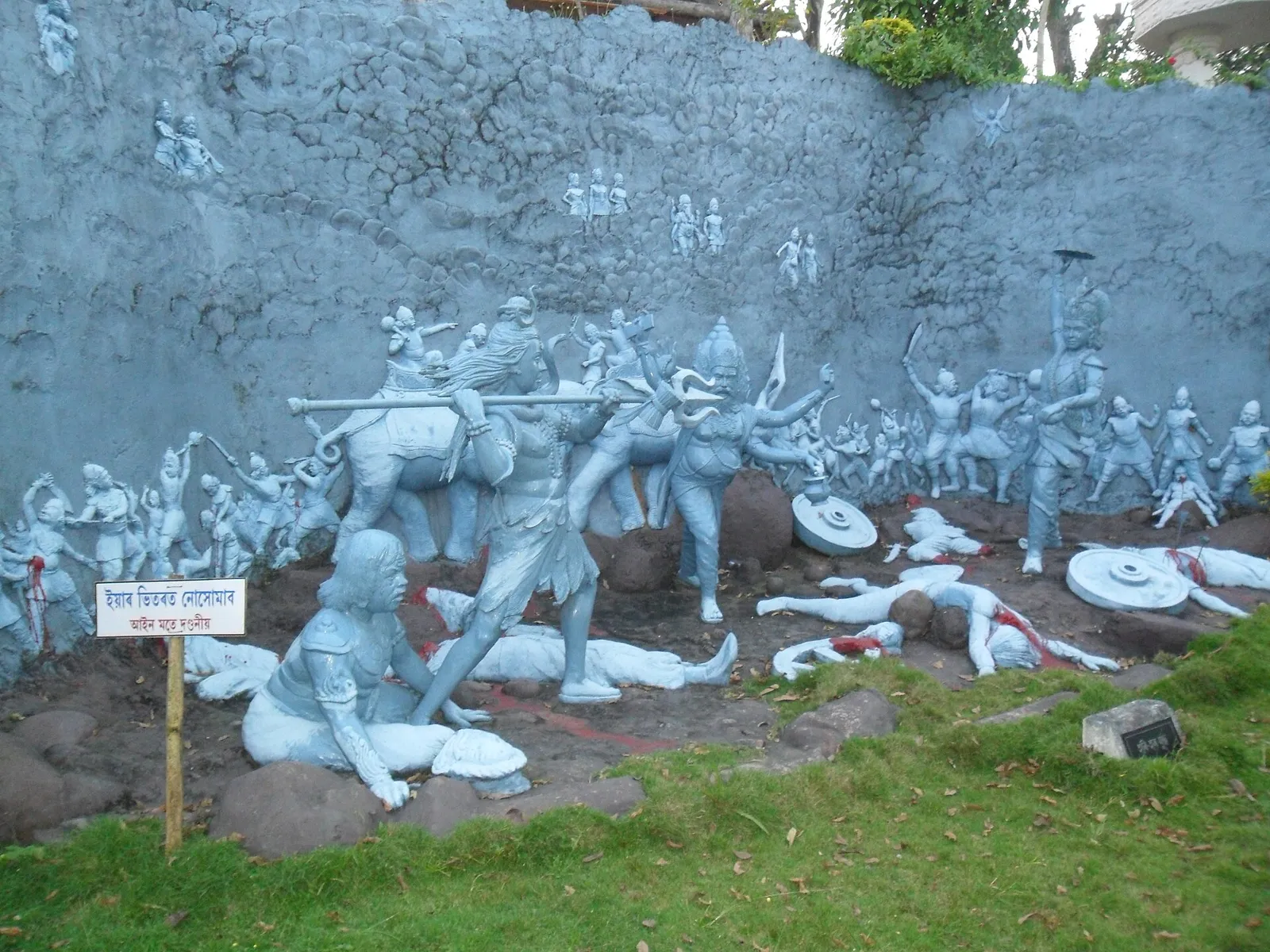
Agnigarh is a hillock in Tezpur, Sonitpur district, Assam, linked to a Hindu-scriptural tale of Banasura and Usha; visitors are drawn by this mythological association.

Madan Kamdev

61 km away · Kamrup district

Madan Kamdev

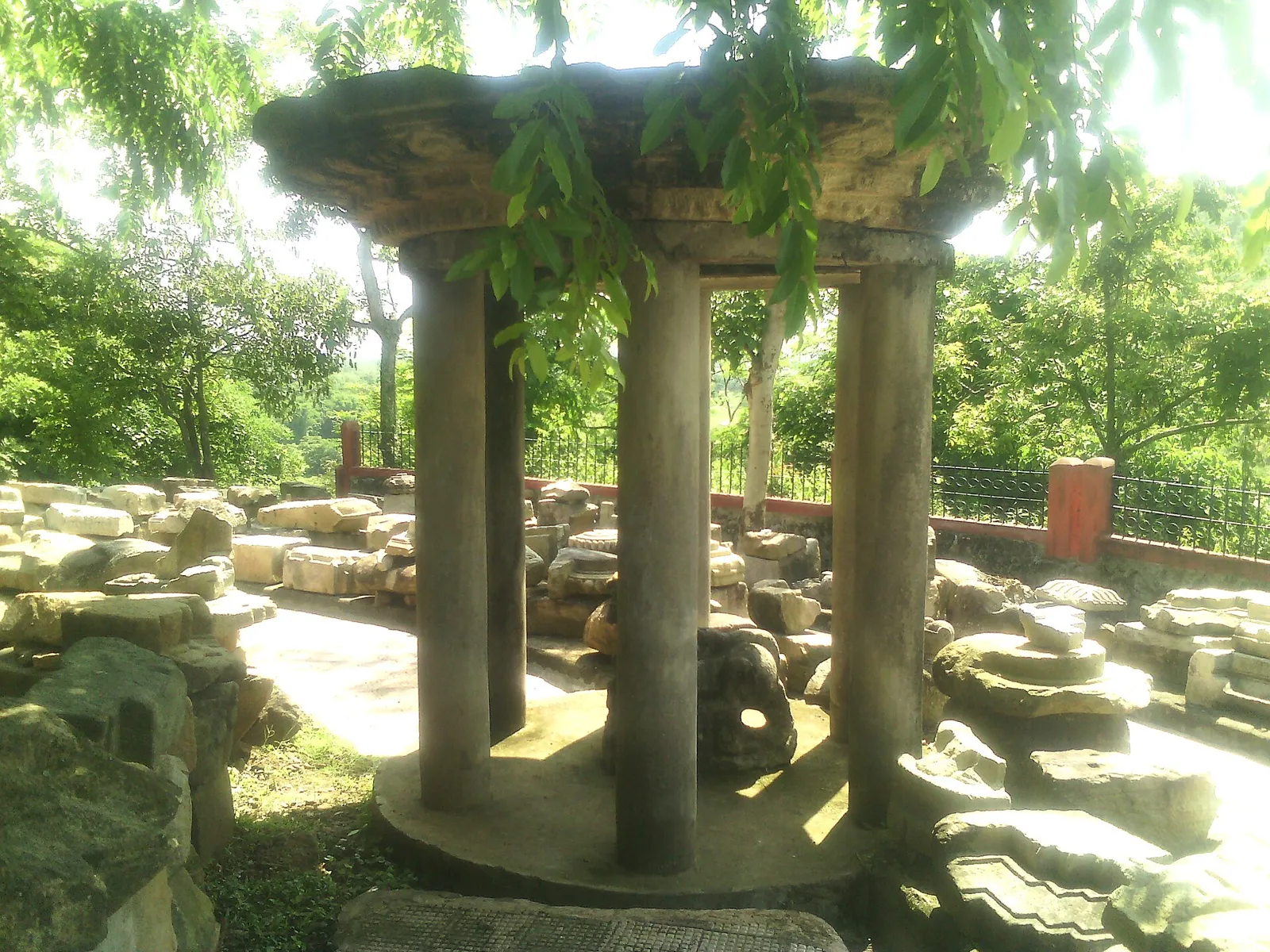
Madan Kamdev is an archaeological site near Baihata Chariali in Assam’s Kamrup district, visited for its Pala-era ruins, medieval stone carvings and sculptures of deities.

Mahabhairav Temple

62 km away · Sonitpur district

Mahabhairav Temple

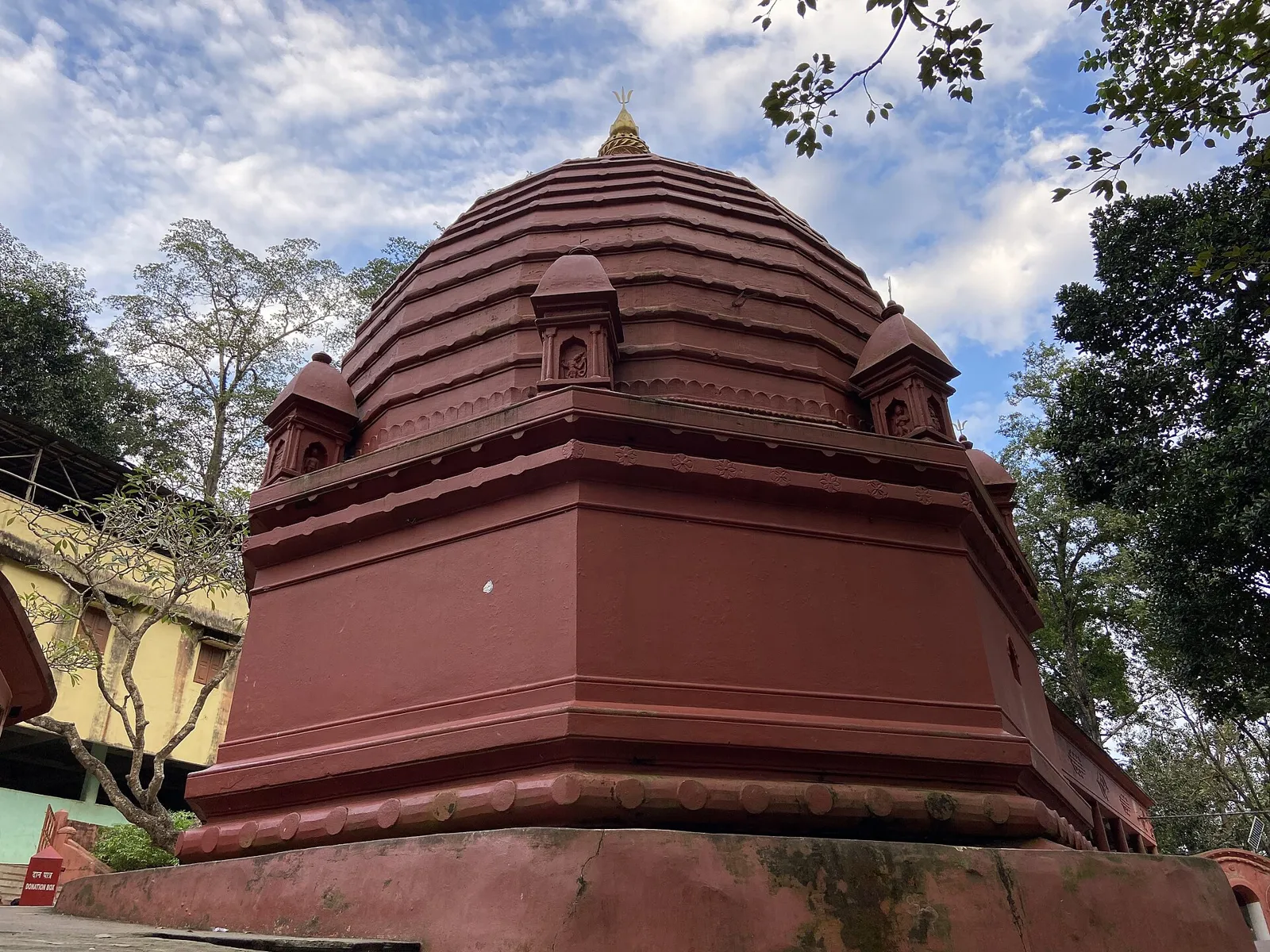
Mahabhairav Temple is a Shiva shrine on a hill in Tezpur, Assam. Worshippers visit for its rituals and the Maha Shivaratri observance, which includes offerings to the deity.

Map

Morigaon on the map

  1. 1Pobitora Wildlife Sanctuary
  2. 2Orang National Park
  3. 3Srimanta Sankardev Kalakshetra
  4. 4Basistha Temple
  5. 5Umananda Temple
  6. 6Agnigarh
  7. 7Madan Kamdev
  8. 8Mahabhairav Temple

Assam

Other cities to explore