Ghumoopedia — Explore, Discover, Experience
Sign in
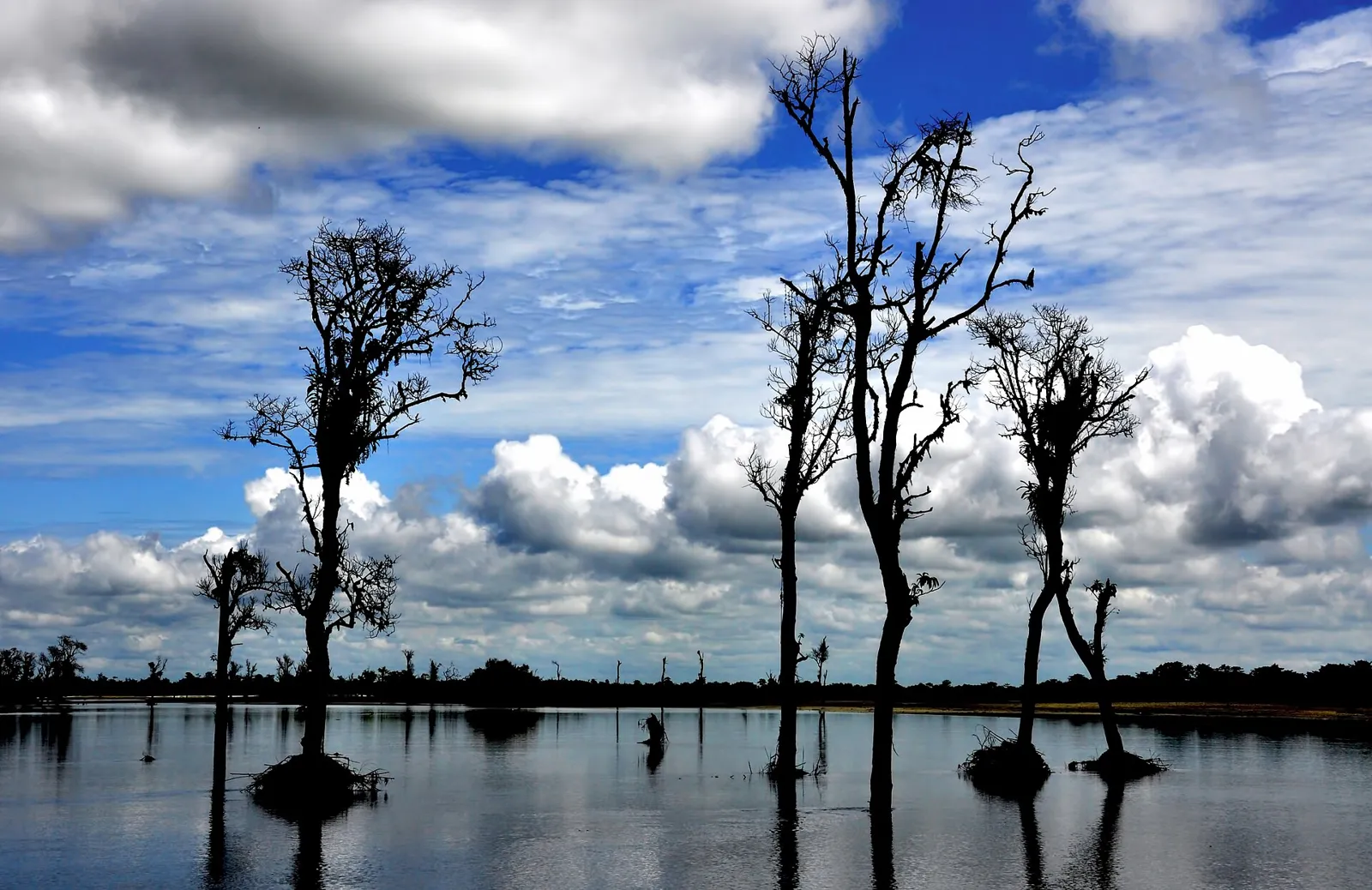
Dibru-Saikhowa National Park, near Doom Dooma

City guide · Assam

Doom Dooma

Doom Dooma is a town in Tinsukia district, in the tea-growing region of Upper Assam. Its importance comes less from monumental tourist sights than from its role as a local centre for business, services and industry among the surrounding settlements and tea estates.

Famous for

  • Assam tea
  • Tea gardens
  • Tea processing
  • Regional trade
  • Upper Assam culture

Why Doom Dooma matters

Doom Dooma is a town in Tinsukia district, in the tea-growing region of Upper Assam. Its importance comes less from monumental tourist sights than from its role as a local centre for business, services and industry among the surrounding settlements and tea estates. The town also reflects the mix of plantation agriculture and modern manufacturing that has shaped this part of Assam.

Visitors may use Doom Dooma as a base for experiencing the everyday life of the district: its markets, tea-country scenery and connections with nearby Tinsukia. Tea is a defining presence in the wider landscape, while the town is also associated with industrial activity, including Hindustan Unilever’s manufacturing operations. There is no single landmark that defines a visit; the appeal lies in seeing a working Upper Assam town and exploring the region at a measured pace. The surrounding district offers broader opportunities to learn about tea, local communities and the area’s natural environment. Doom Dooma is best approached as a regional town rather than a resort destination.
Famous for: crafts, trade & products

Tea is the most visible product associated with the area. Tea estates and processing activity shape the wider economy, and packaged Assam tea can be found through shops and general retailers in town. Visitors interested in the industry can look for estate scenery along local roads, but access to working plantations and factories is not automatic and should be arranged with the relevant operators. Doom Dooma is also associated with Hindustan Unilever manufacturing, giving it an industrial profile alongside its agricultural one.

Doom Dooma is not widely established as a specialist centre for a particular handloom, handicraft or textile, and no locally specific GI-tagged product should be assumed. For everyday purchases, the town’s bazaar and commercial streets are the practical places to browse groceries, household goods and locally sold tea. The range of products reflects a service town serving nearby communities rather than a destination craft market. Visitors looking for Assam textiles, bamboo work or other regional crafts may find a broader selection in larger centres elsewhere in the state. Any factory or estate visit should be treated as a separate arrangement, not as a walk-in attraction.

History

Doom Dooma’s growth is closely connected to the wider development of tea cultivation in Upper Assam. During the colonial period, the expansion of plantations and the transport networks that served them reshaped the region’s economy and settlement patterns. The town grew as a service and trading point for the surrounding countryside, where tea estates became major employers and helped link local communities to regional markets.

After independence, roads, public services and commercial activity strengthened Doom Dooma’s role as a town in Tinsukia district. Manufacturing added another strand to its economy, alongside tea and trade; the presence of large-scale industry has contributed to its modern identity. Doom Dooma is administered as a town committee. Its history is therefore best understood through the broader story of plantation-era change and the continuing development of Upper Assam, rather than through a succession of rulers or a single celebrated historical monument. The town’s present-day character reflects both its rural hinterland and its place in a changing regional economy.

Food, festivals & culture

Food in Doom Dooma draws on the varied home cooking of Assam and the wider communities of Upper Assam. Rice is a staple, commonly served with vegetables, lentils, fish or meat; preparations and ingredients vary between households. Tea is part of daily life, while sweets and snacks are generally found in local bakeries and shops rather than defining a distinct town specialty.

Bihu is central to Assamese cultural life, with celebrations associated with the agricultural calendar: Rongali Bihu in spring, Kati Bihu in autumn and Magh Bihu in winter. The town’s population is diverse, and Assamese, Bengali and Hindi are commonly heard, alongside languages spoken by communities across the district. Bihu songs and dances are part of regional celebrations, while other community traditions contribute to the local cultural mix. Hindu temples, mosques and churches serve residents of different faiths. Visitors should be considerate at places of worship and during festivals, when local customs and schedules may shape access.

Visiting the city

The cooler, generally drier months from October to April are often the most comfortable for visiting; summer can be hot, and the monsoon brings heavy rain. The nearest airport serving the town is Dibrugarh Airport at Mohanbari. Doom Dooma has a railway station; Tinsukia Junction is a larger rail hub for the district. Check current connections before setting out, as onward travel may involve a road transfer.

Auto-rickshaws and local vehicles are useful for getting around town, while hired cars or taxis offer more flexibility for exploring nearby areas. Start with the central market and commercial streets for everyday town life, then take local roads through the surrounding tea-growing landscape. Tea estates and industrial premises are working sites, so seek permission before entering. Doom Dooma is a practical base for exploring parts of Tinsukia district, though longer outings are best planned in advance.

Trips from the city

Nearest places to visit from Doom Dooma

Our closest destination guides, by straight-line distance.

Dibru-Saikhowa National Park

20 km away · Tinsukia district

Dibru-Saikhowa National Park

Dibru-Saikhowa National Park spans Dibrugarh and Tinsukia districts in Assam. Visitors come for its varied forest and wetland habitats, endangered species and rich fish diversity.

Digboi

22 km away · Tinsukia district

Digboi

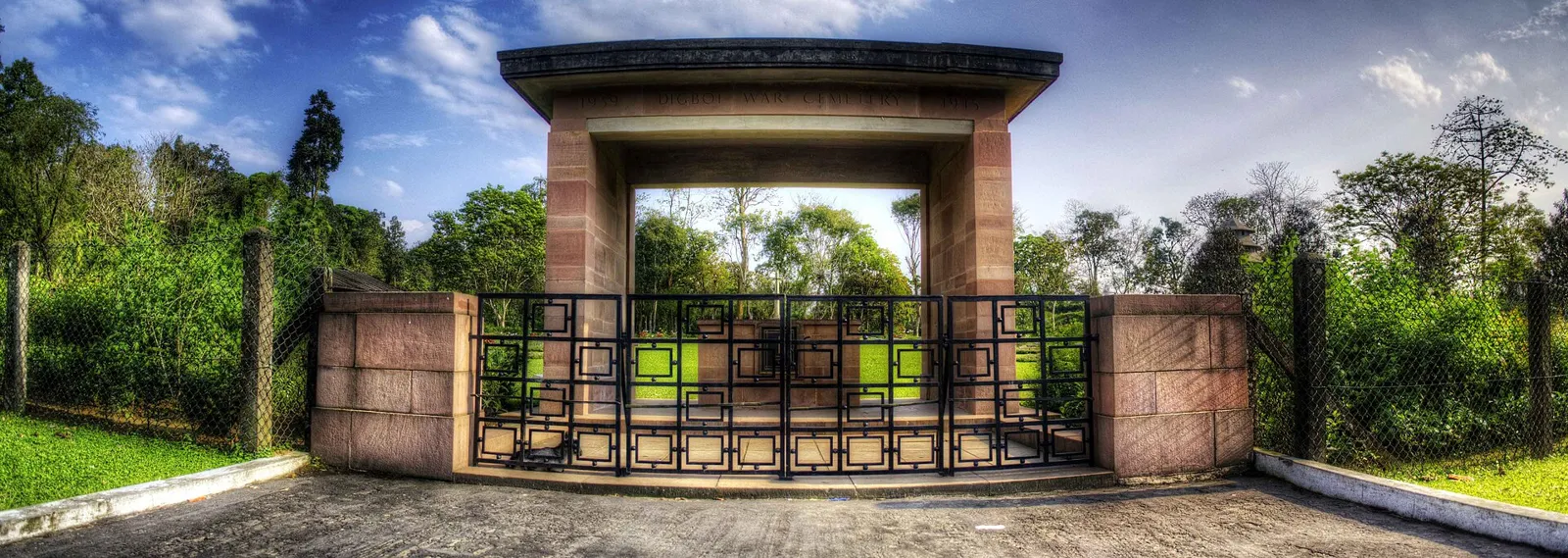
Digboi is a city and municipal corporation in Assam’s Tinsukia district, known for its petroleum heritage. Visitors are drawn to its early oil-industry history, refinery and long-operating well.

Charaideo

97 km away · Charaideo district

Charaideo

Charaideo is a historic Assamese town and the Ahom kingdom’s first capital. Visitors come to see its maidams, burial mounds associated with Ahom kings and royal family members.

Kareng Ghar

107 km away · Sivasagar district

Kareng Ghar

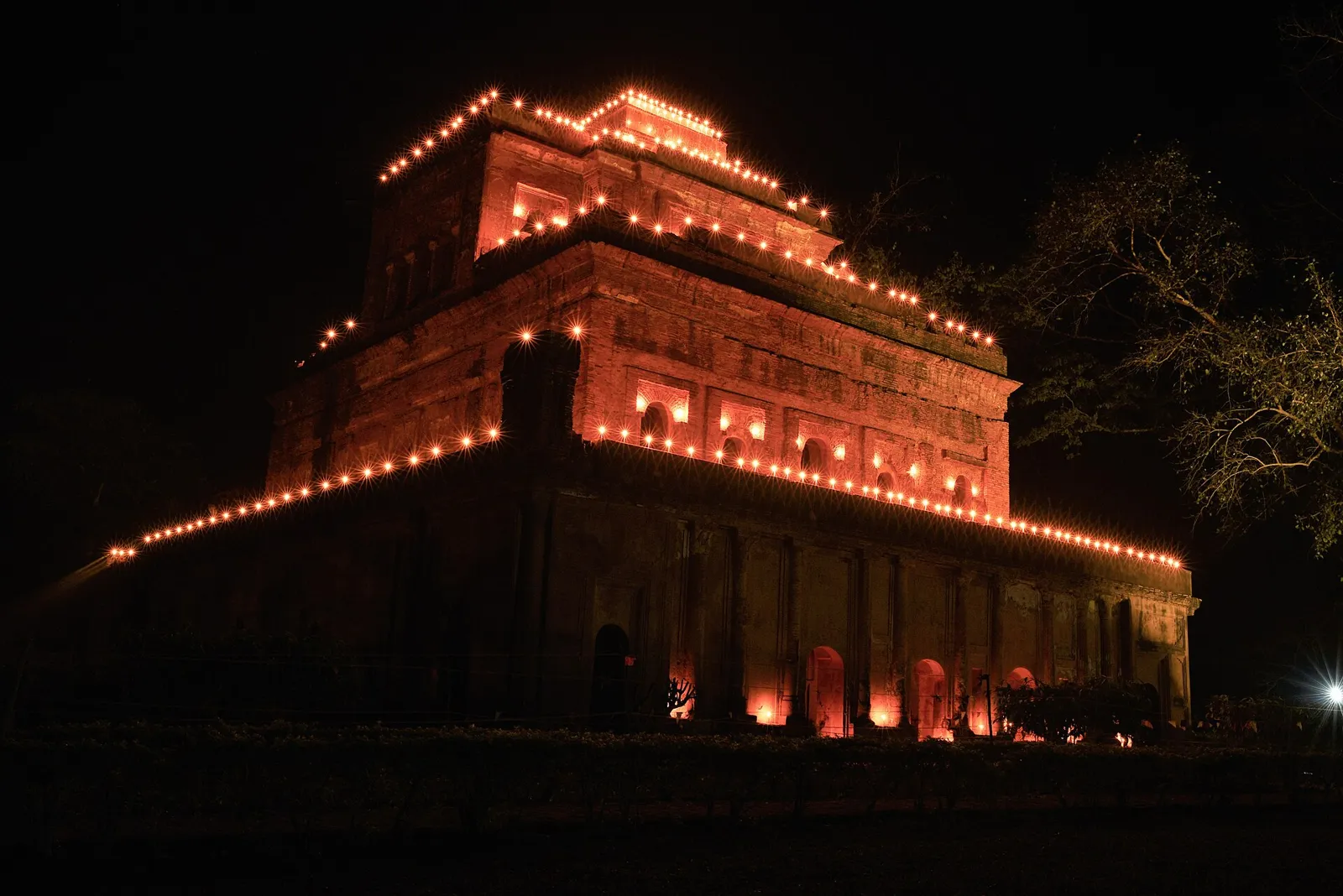
Kareng Ghar, or Garhgaon Palace, is a historic palace in Assam’s Sivasagar district. Visitors come to see its distinctive multi-level form and learn about its place in Ahom history.

Sivasagar Sivadol

112 km away · Sivasagar district

Sivasagar Sivadol

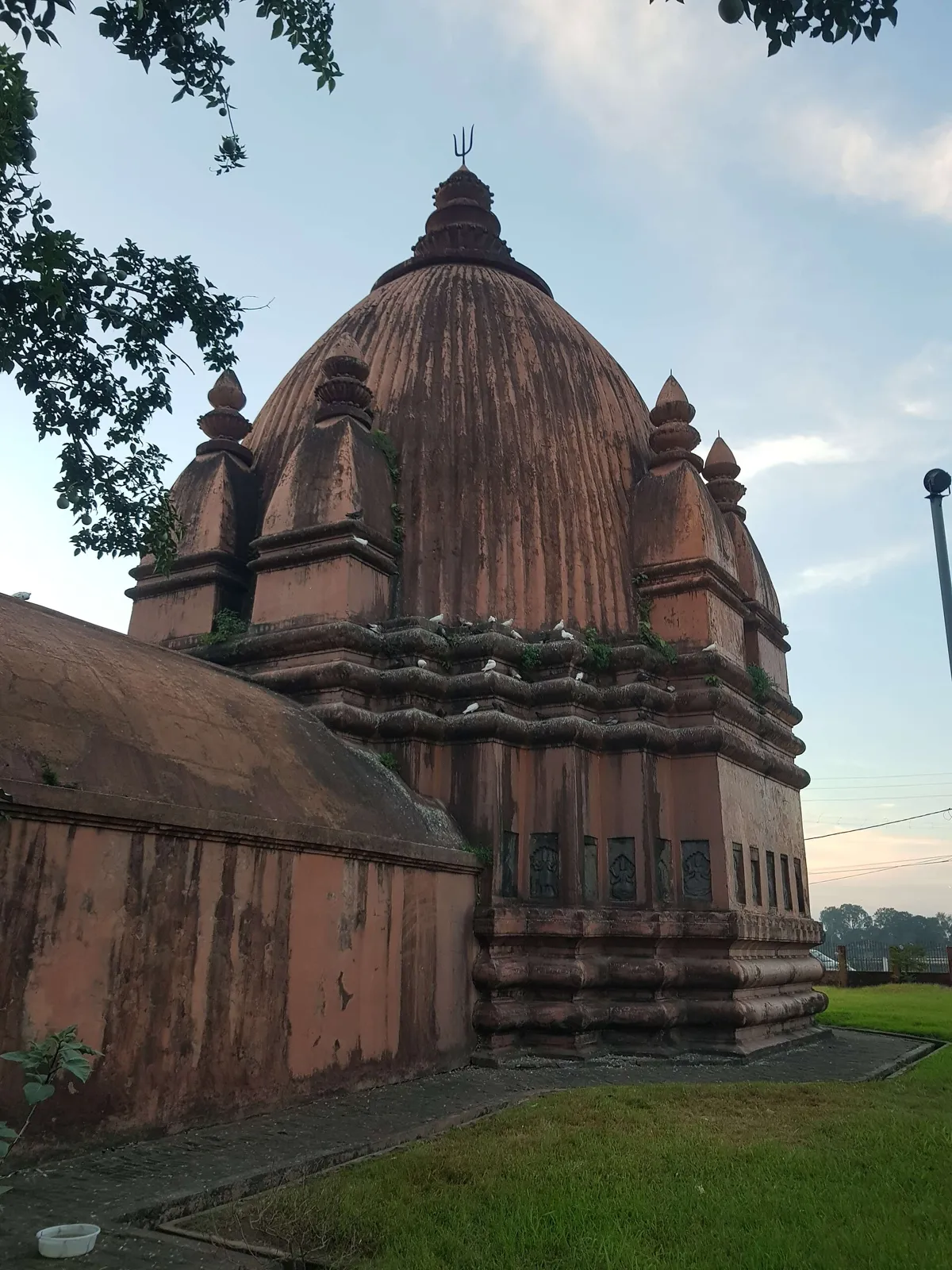
Sivasagar Sivadol is a complex of three Hindu shrines and a museum beside Sivasagar tank in Assam. Visitors come to see its temples, including the tall Sivadol.

Rang Ghar

114 km away · Sivasagar district

Rang Ghar

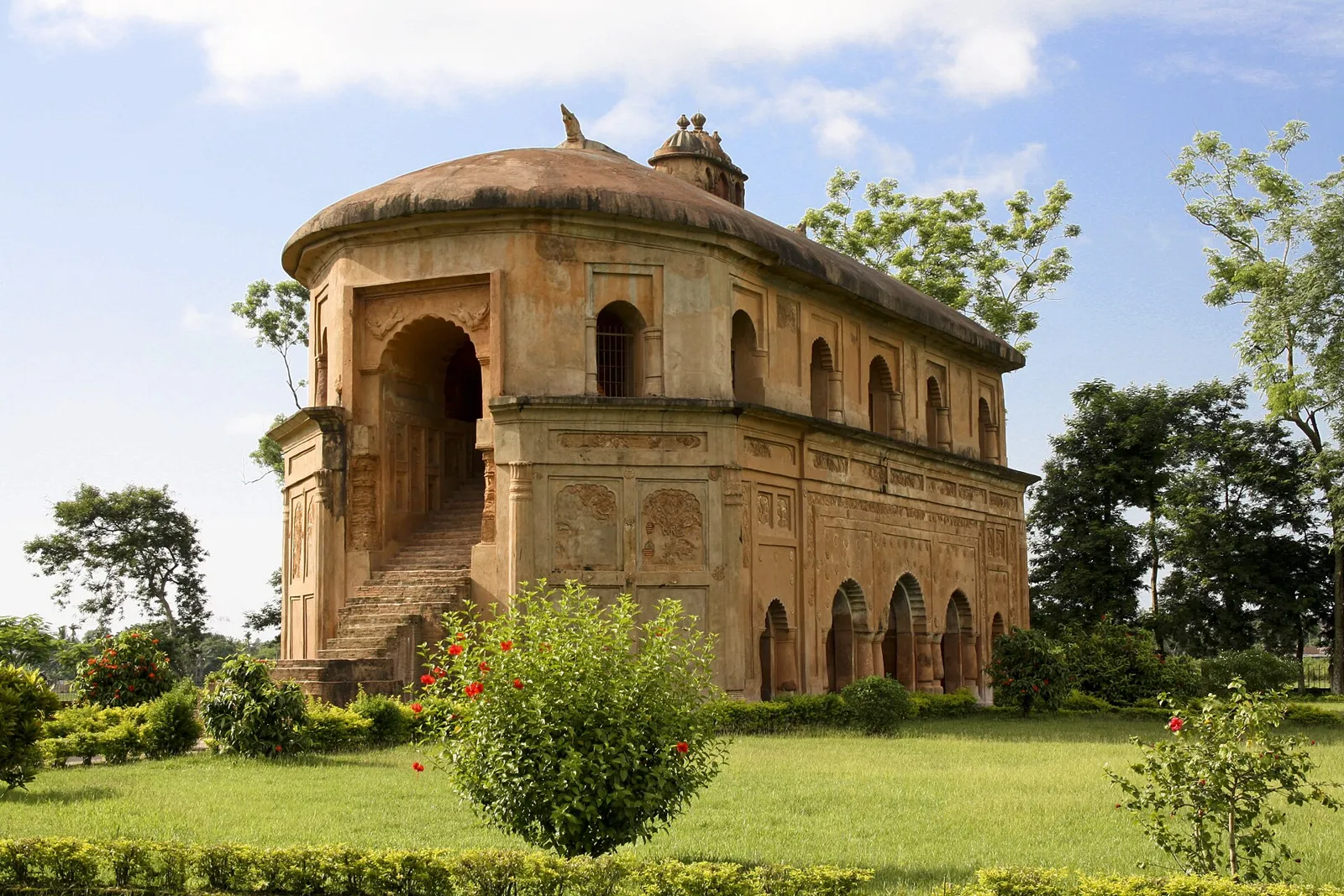
Rang Ghar is a two-storey former royal viewing pavilion in Sivasagar district, Assam, known for its links to Ahom-era sports and Rongali Bihu.

114 km away · Sivasagar district

Talatal Ghar

Talatal Ghar is an eighteenth-century palace and military stronghold at Rangpur in Assam, and the largest monument of the Ahom era. Visitors explore its surviving ruins and underground features.

Majuli

147 km away · Majuli district

Majuli

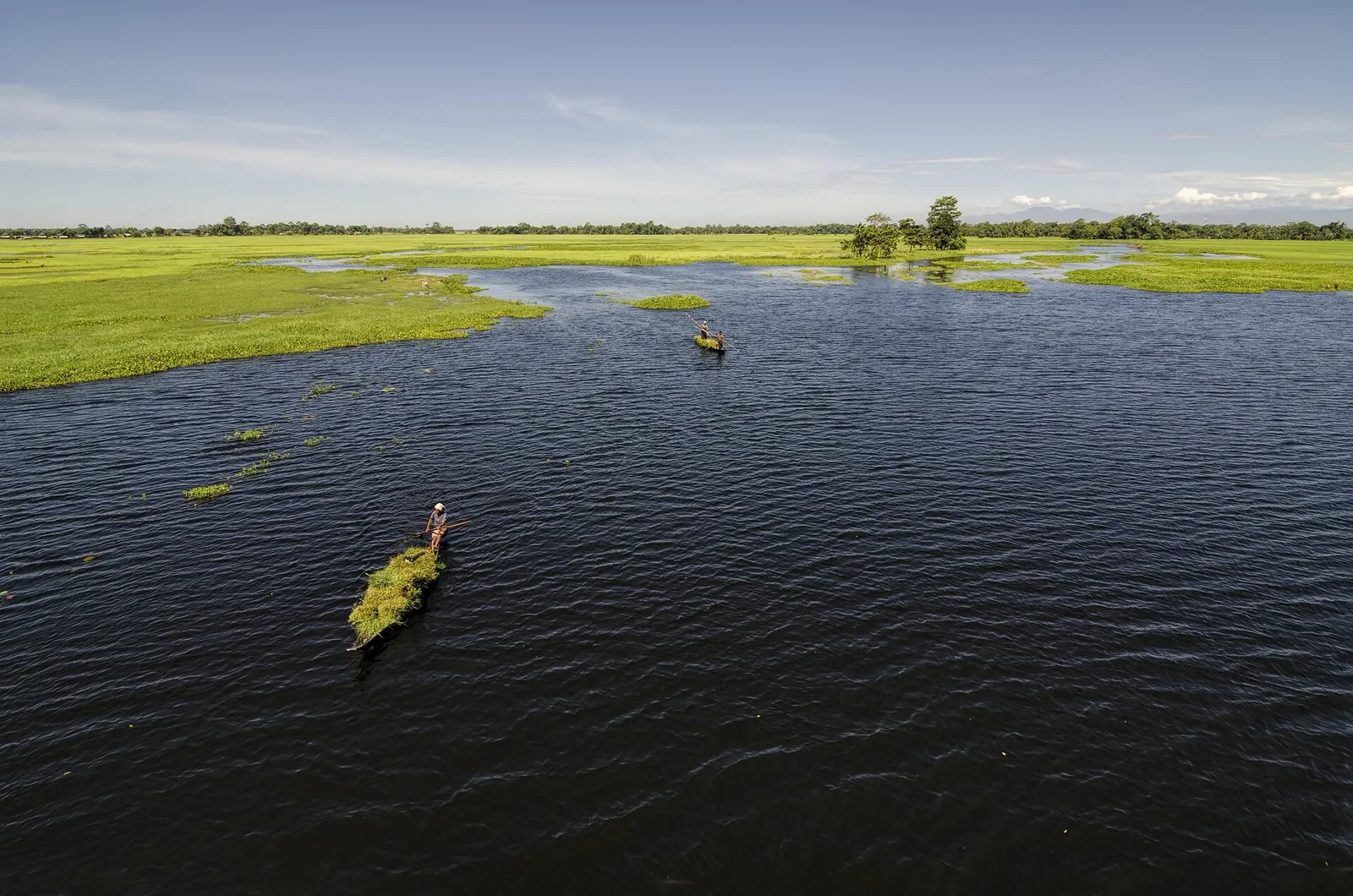
Majuli is a river island in Assam, valued as a centre of Assamese neo-Vaishnavite culture and home to several tribal communities. Visitors reach it by ferry or boat from Jorhat.

Map

Doom Dooma on the map

  1. 1Dibru-Saikhowa National Park
  2. 2Digboi
  3. 3Charaideo
  4. 4Kareng Ghar
  5. 5Sivasagar Sivadol
  6. 6Rang Ghar
  7. 7Talatal Ghar
  8. 8Majuli

Assam

Other cities to explore