Ghumoopedia — Explore, Discover, Experience
Sign in
Sualkuchi, near Sualkuchi

City guide · Assam

Sualkuchi

Sualkuchi is a handloom town on the north bank of the Brahmaputra, about 35 km from Guwahati in Kamrup district. Its many weaving households and workshops have earned it the name “Manchester of Assam” and made it one of the state’s most important centres for silk textiles.

Famous for

  • Muga silk weaving
  • Pat silk mekhela chadors
  • Eri silk and endi cloth
  • Assamese handloom textiles
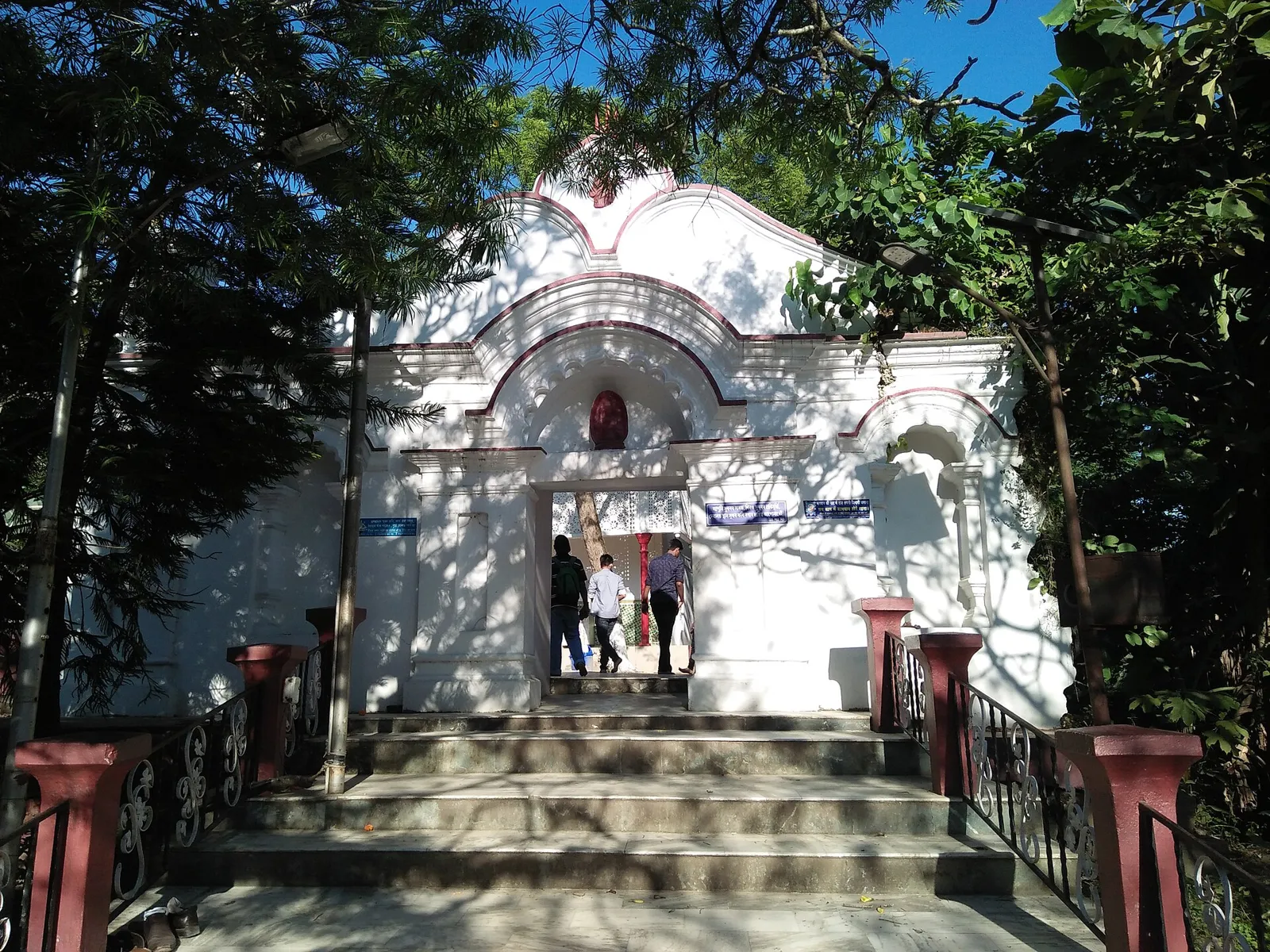
  • Sidheswar Devalaya

Why Sualkuchi matters

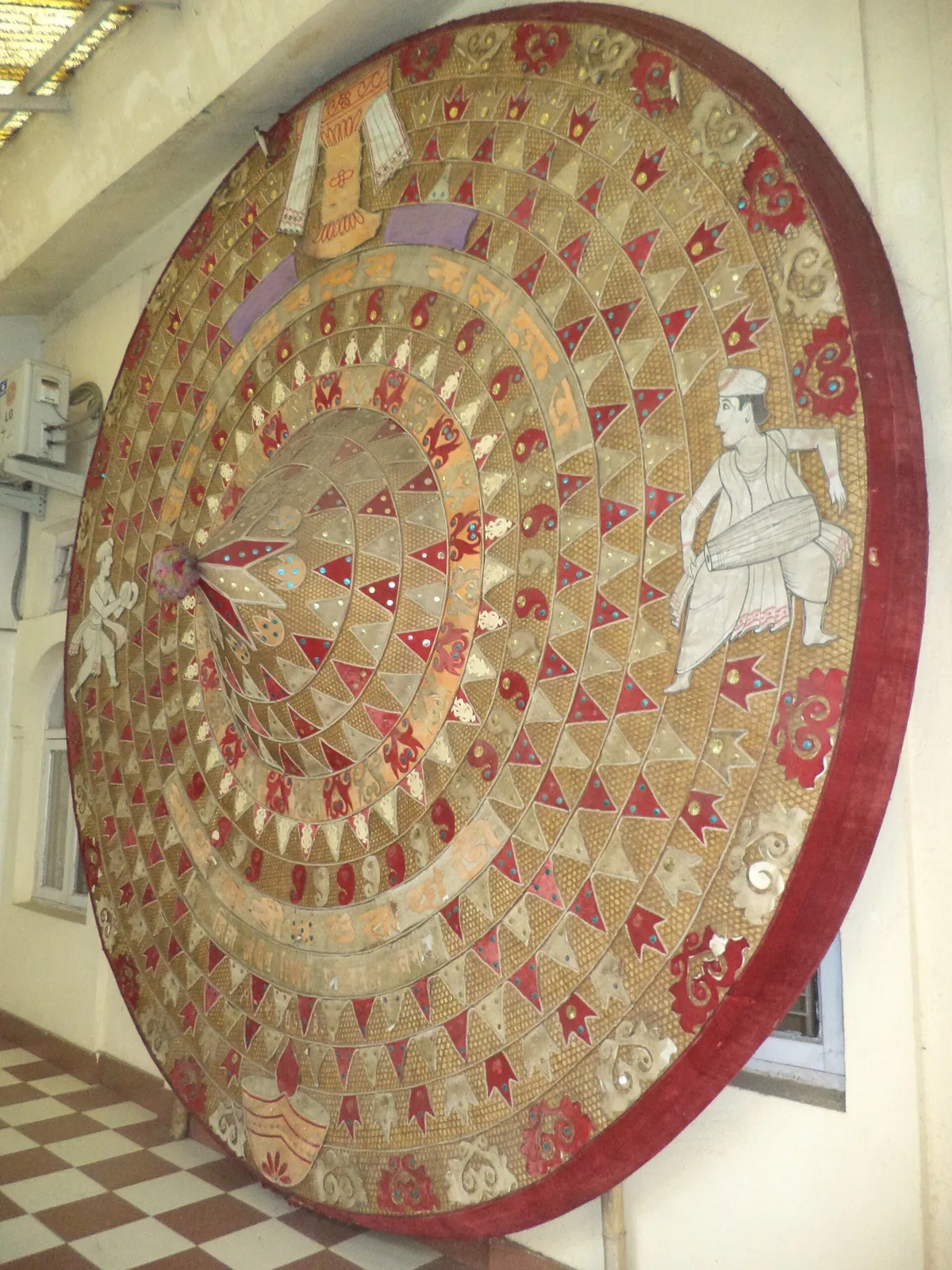
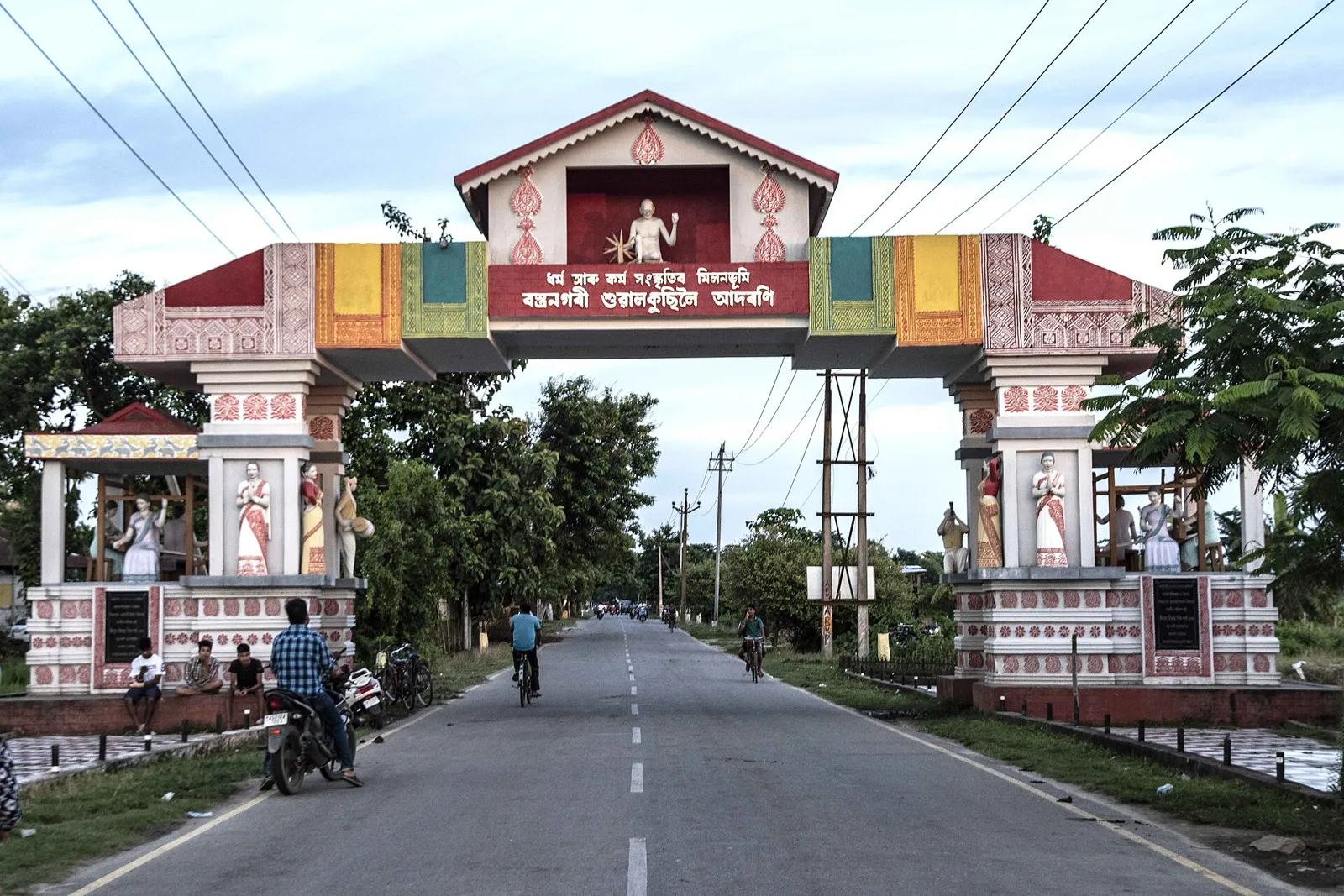
Sualkuchi is a handloom town on the north bank of the Brahmaputra, about 35 km from Guwahati in Kamrup district. Its many weaving households and workshops have earned it the name “Manchester of Assam” and made it one of the state’s most important centres for silk textiles. Visitors come to see the looms at work, explore shops selling locally woven fabric and learn how silk is part of everyday life in the town.

Muga, Pat and Eri silks are central to Sualkuchi’s reputation. Weavers turn these materials into mekhela chadors, gamosas, sarees and other garments that are worn across Assam and sold elsewhere in India. The town also offers a riverside setting and places of cultural interest, including the ancient Sidheswar Devalaya and a newer Gandhi Ashram by the river. Its blend of living craft, religious heritage and proximity to Guwahati makes Sualkuchi a distinctive stop for travellers interested in Assam’s textile traditions.
Famous for: crafts, trade & products

Sualkuchi is best known for handloom silk, especially Muga, Pat and Eri. Muga silk is a GI-tagged product of Assam; the town is a major weaving centre for it, rather than the name of a separate GI product. Pat silk, made from mulberry silk, is widely used for fine garments, while Eri and endi cloth are valued for their distinctive texture. Mekhela chadors, gamosas, sarees and lengths of fabric are among the goods produced by local weavers.

The most direct way to see and buy these textiles is to visit weaving workshops and handloom shops around Sualkuchi, where some sellers can show the looms and explain the work behind a finished piece. Ask about the silk type, weave and care requirements before buying. The town’s textile identity is also promoted under the registered mark “Sualkuchi’s.” Beyond silk, its defining industry is the cottage-based handloom trade: weaving, finishing and retail are closely connected within the town, keeping the craft visible in daily life as well as in its markets.

History

Sualkuchi’s cultural history is closely linked to its Brahmaputra-side setting and its long-established handloom tradition. The town is particularly associated with silk weaving, which developed as a household and small-workshop craft and grew into a major source of local livelihood and regional trade. Its fabrics became widely sought after in Assam, helping establish Sualkuchi as a centre for the state’s textile production.

A notable historic landmark is Sidheswar Devalaya, an ancient Shiva temple built during the reign of Ahom king Siva Singha in the early eighteenth century. A few images of archaeological interest are also found at the site. Under colonial rule and in the decades that followed, weaving remained an important part of the local economy, while links with nearby Guwahati connected the town to broader trade and travel networks. In modern times, Sualkuchi has continued to develop as a block centre and a destination for visitors interested in Assamese silk. A Gandhi Ashram has also been developed along the riverbank.

Food, festivals & culture

Assamese is the principal language of local life, and the town’s culture is strongly shaped by weaving, family craft traditions and the rhythms of the Brahmaputra. Visitors may find Assamese home-style meals featuring rice, fish, sour fish curry known as tenga, khar and seasonal vegetables. Pitha and laru, often prepared around festive occasions, are familiar Assamese treats; what is available varies by season and household.

Bihu is central to the cultural calendar. Rongali Bihu, in spring around April, is associated with new beginnings, music and dance; Kati Bihu in autumn and Bhogali Bihu in winter mark other points in the agricultural year. Bihu songs and dance are widely enjoyed, alongside devotional singing at places of worship. Sidheswar Devalaya is an important local Shiva shrine, while festivals such as Durga Puja are also observed in the wider region. Textile-making itself is a living cultural practice, with traditional designs and garments used in ceremonies and everyday life.

Visiting the city

The cooler, drier months from October to April are generally comfortable for exploring Sualkuchi; the monsoon brings heavier rain and can affect travel. The nearest airport is Lokpriya Gopinath Bordoloi International Airport in Guwahati. Guwahati Railway Station is the main rail hub for reaching the town. From Guwahati, visitors can travel by road using buses, shared vehicles or taxis; local autos and hired vehicles are useful for getting around Sualkuchi.

Explore the weaving lanes and workshops to see looms and browse handloom shops, then visit Sidheswar Devalaya and the riverside Gandhi Ashram. The Brahmaputra bank offers a quieter setting for a walk and views of the river. Allow time to speak with weavers or shopkeepers about the fabrics, since the distinctions between Muga, Pat and Eri are part of the experience.

Trips from the city

Nearest places to visit from Sualkuchi

Our closest destination guides, by straight-line distance.

Sualkuchi

0 km away · Kamrup district

Sualkuchi

Sualkuchi is a census town in Assam’s Kamrup district, known for its handloom cottage industry. Visitors can see the historic Sidheswar Devalaya and the Gandhi Aashram beside the Brahmaputra.

Dipor Bil

10 km away · Kamrup Metropolitan district

Dipor Bil

Near Guwahati, Dipor Bil is a permanent freshwater lake and protected wetland. Visitors can learn about its ecological significance through its wildlife sanctuary status and recognition under the Ramsar Convention.

Hajo

10 km away · Kamrup district

Hajo

Hajo, in Assam’s Kamrup district, is an old town visited for pilgrimage sites sacred to Hindus, Buddhists and Muslims, and for its temples, monuments and tortoise-preservation tradition.

Kamakhya Temple

14 km away · Kamrup Metropolitan district

Kamakhya Temple

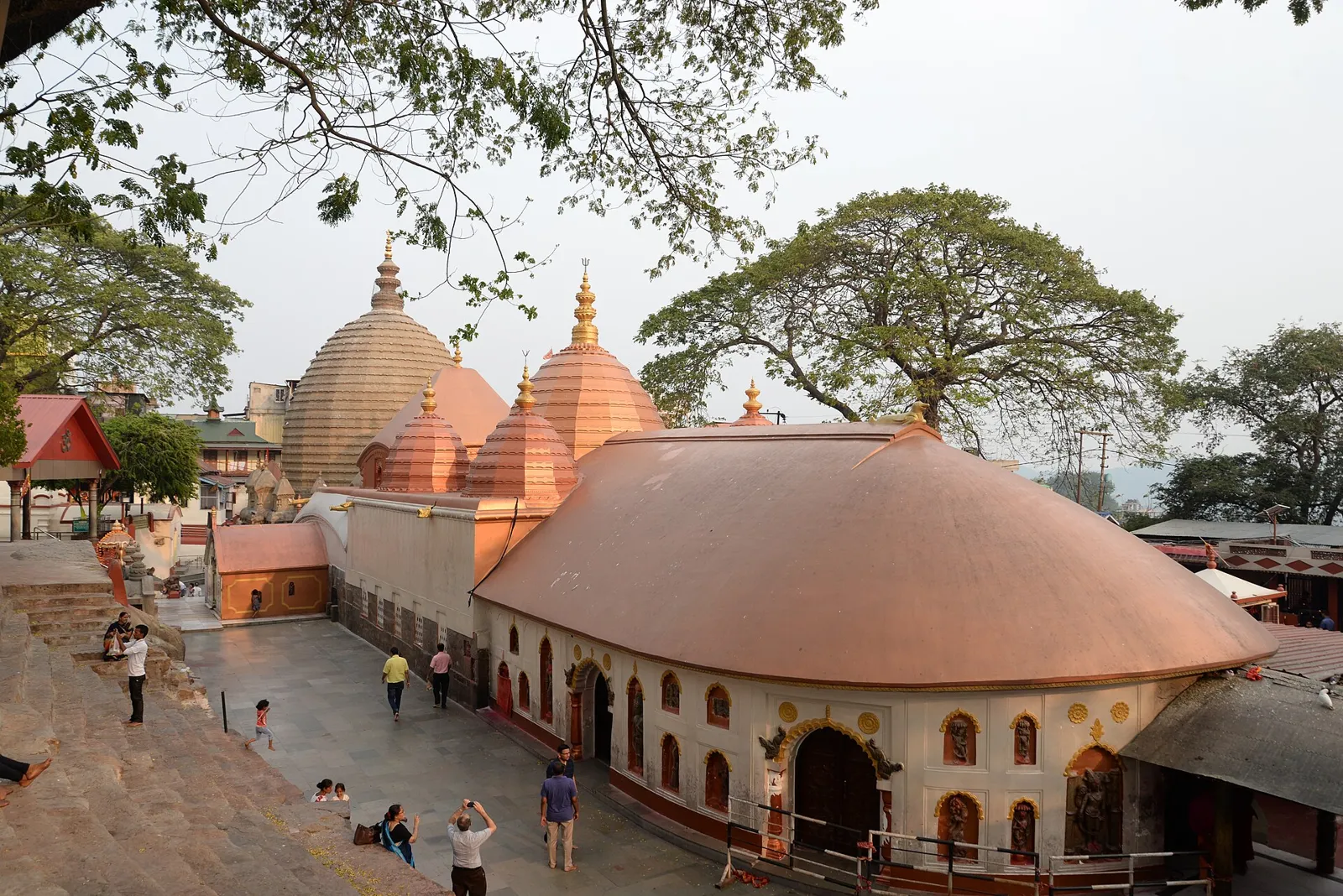
Kamakhya Temple is a Hindu place of worship on Nilachal Hill in Guwahati, Assam. Visitors come for its Tantric traditions, the Ambubachi Mela and its importance in the Shakta pilgrimage tradition.

Umananda Temple

18 km away · Kamrup Metropolitan district

Umananda Temple

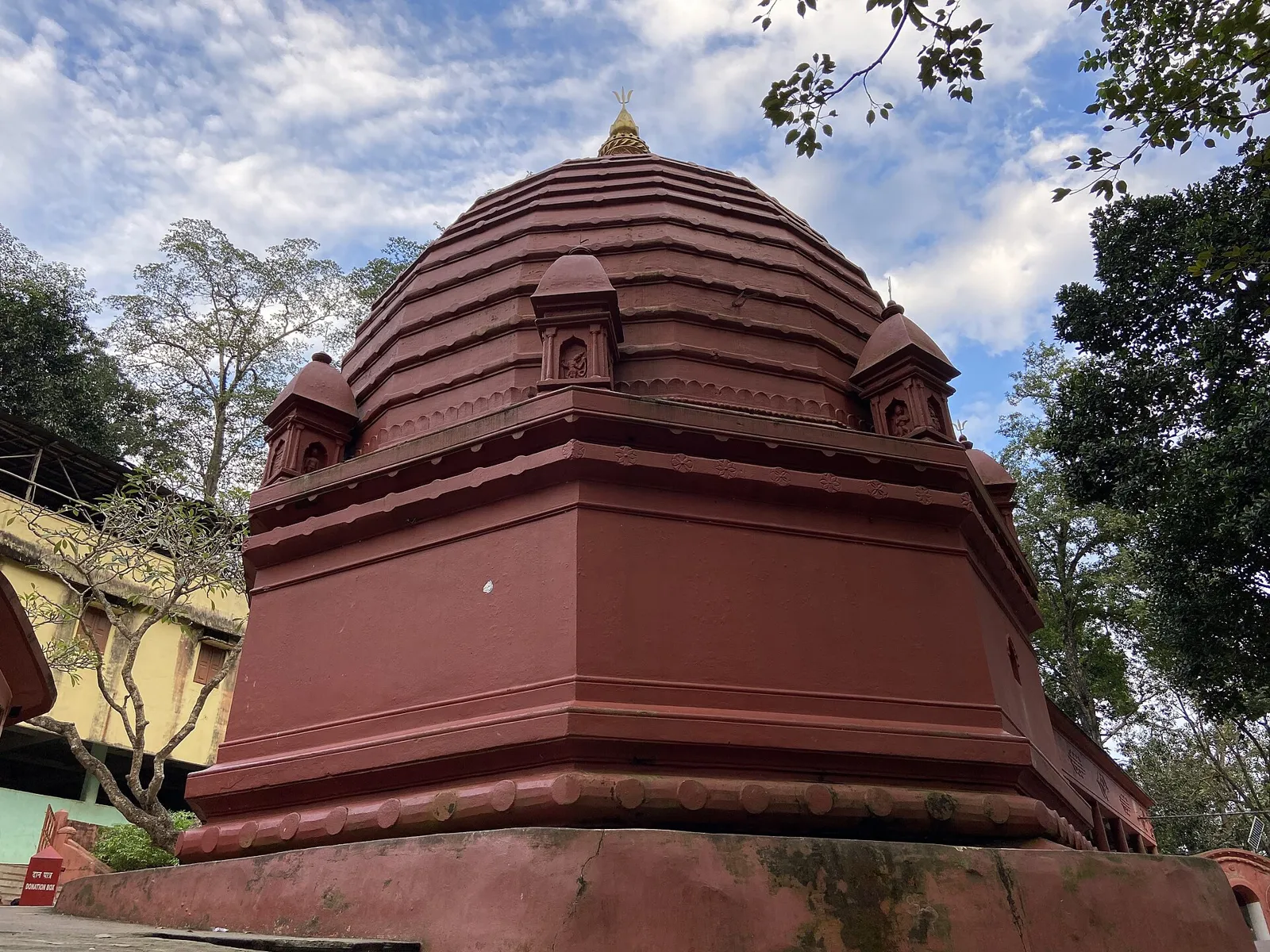
Umananda Temple is a Shiva shrine on Umananda Island in the Brahmaputra, Assam. Visitors come to see the temple and reach the island by country boat.

Basistha Temple

23 km away · Kamrup Metropolitan district

Basistha Temple

Basistha Temple is a Shiva shrine in south-eastern Guwahati, in Assam’s Kamrup Metropolitan district. People visit the temple and ashram, situated beside streams linked to the city’s river system.

Madan Kamdev

24 km away · Kamrup district

Madan Kamdev

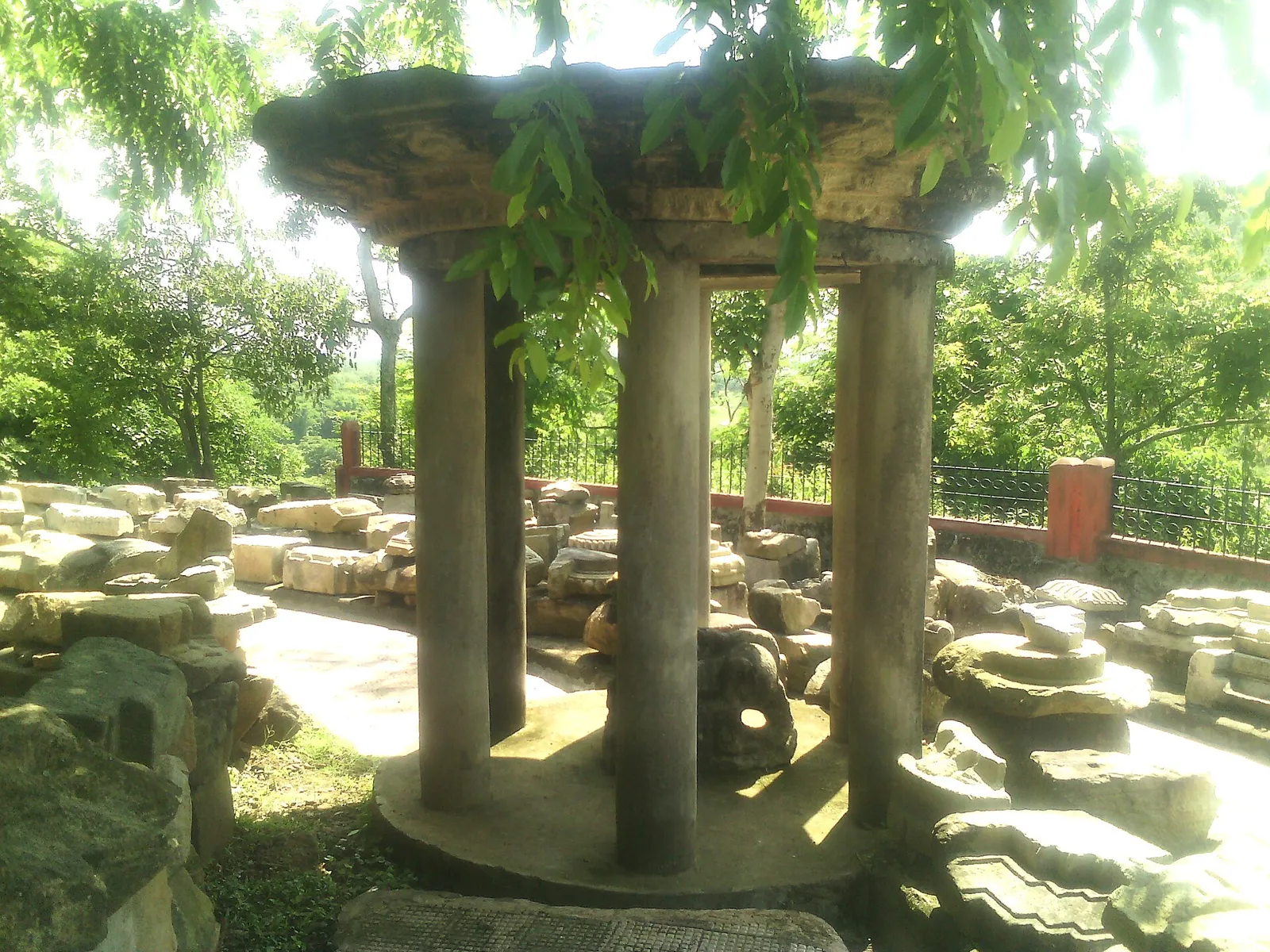
Madan Kamdev is an archaeological site near Baihata Chariali in Assam’s Kamrup district, visited for its Pala-era ruins, medieval stone carvings and sculptures of deities.

Srimanta Sankardev Kalakshetra

26 km away · Kamrup Metropolitan district

Srimanta Sankardev Kalakshetra

In Panjabari, Guwahati, Srimanta Sankardev Kalakshetra is a cultural complex where visitors explore art and heritage from Assam and the wider North-East.

Map

Sualkuchi on the map

  1. 1Sualkuchi
  2. 2Dipor Bil
  3. 3Hajo
  4. 4Kamakhya Temple
  5. 5Umananda Temple
  6. 6Basistha Temple
  7. 7Madan Kamdev
  8. 8Srimanta Sankardev Kalakshetra

Assam

Other cities to explore