Ghumoopedia — Explore, Discover, Experience
Sign in
Digboi, near Duliajan

City guide · Assam

Duliajan

Duliajan is an industrial town in Assam’s Dibrugarh district, about 45 kilometres east of Dibrugarh city. Its modern identity is closely tied to Oil India Limited, whose headquarters here coordinate petroleum exploration and production across the region.

Famous for

  • Oil India Limited
  • Oil and gas industries
  • Assam Gas Company
  • Petroleum exploration
  • Upper Assam township

Why Duliajan matters

Duliajan is an industrial town in Assam’s Dibrugarh district, about 45 kilometres east of Dibrugarh city. Its modern identity is closely tied to Oil India Limited, whose headquarters here coordinate petroleum exploration and production across the region. The town also hosts gas, pipeline, drilling and petrochemical operations, making it an important centre in Assam’s energy economy and a significant employer in Upper Assam.

For visitors, Duliajan offers a view of a working oil town rather than a conventional sightseeing destination. Its planned residential quarters, local markets and industrial landscape reflect the way energy development shaped the settlement. Travellers may use it as a base for exploring nearby parts of Dibrugarh and Tinsukia districts, while those interested in India’s petroleum history can learn about the role of oil operations in the region. Industrial facilities are workplaces, so access may be restricted; visitors should follow local rules and seek permission before approaching operational sites.
Famous for: crafts, trade & products

Duliajan is best known for energy rather than for a particular textile, handicraft or food product. Oil India Limited is the town’s defining institution, joined by operations associated with natural gas, petrochemicals, LPG, drilling and power. Assam Gas Company Limited and other energy-sector organisations contribute to the town’s industrial character. These businesses are not ordinary visitor attractions, and access to work sites may require authorisation.

The town’s shops and market areas serve residents and workers with everyday goods, clothing, household supplies and prepared foods. Visitors may find Assamese textiles such as gamusas through local retailers, but Duliajan is not especially known as a textile or craft-production centre, and no signature local GI-tagged product is associated with it. For a more distinctive shopping experience, travellers can look for regional goods in the wider Dibrugarh and Tinsukia area. In Duliajan, the most revealing “product” is its oil-town landscape: company offices, residential quarters and the services that grew around the petroleum industry.

History

Duliajan’s name has several local explanations, each preserved as a tradition rather than a confirmed account. One links “Dulia” with palanquin-bearers serving Ahom kings and “jan” with a stream; another connects the name to the Dulia community and a nearby rivulet. Stories also associate the area with Ahom-era events along a distant riverbank. Together, these accounts place the settlement within the older cultural landscape of Upper Assam.

The town’s modern growth followed the expansion of petroleum exploration in the region. Early oil expertise came from organisations including the Assam Oil Company and the Burmah Oil Company, whose operations were centred around the Digboi oilfield. Oil India established its own organisation on 1 January 1962, with its headquarters at Duliajan, then known as Zaloni in the Naharkatiya area. Company offices, worker housing and supporting services gradually transformed the locality into a planned industrial township and an important centre for Assam’s energy sector.

Food, festivals & culture

Everyday food in Duliajan reflects Assamese and broader Upper Assam cooking: rice served with fish, seasonal vegetables, leafy greens and sour or lightly spiced preparations. Khar and masor tenga are familiar Assamese dishes, while pitha and other rice-based sweets are especially associated with festive occasions. Local eateries and household kitchens offer the best chance to encounter these foods; menus vary by season and community.

Bihu is central to Assamese cultural life. Rongali Bihu, usually in spring, is marked by music, dance and community gatherings; Kongali Bihu comes in autumn, and Bhogali Bihu is celebrated in winter with shared meals. Durga Puja and festivals observed by the town’s diverse communities also bring neighbourhoods together. Assamese is widely used, alongside Hindi, Bengali and other languages spoken by residents. Bihu songs and dance are prominent cultural expressions. Temples, mosques and churches serve local congregations, though Duliajan is not chiefly known as a pilgrimage centre.

Visiting the city

October to April is generally the most comfortable period to visit, with cooler, comparatively drier weather. The monsoon months can bring heavy rain, so allow flexibility for road travel. The nearest airport is Dibrugarh Airport at Mohanbari; Duliajan also has its own railway station, Duliajan railway station. Dibrugarh city is about 45 kilometres away.

Auto-rickshaws and taxis are useful for getting around town, while road connections serve nearby settlements. Explore the town centre and its market areas for everyday local life, and notice the residential quarters and civic layout associated with the oil-town development. Tipling Ghat and the surrounding locality have links to local accounts of the town’s name, though they are not major visitor facilities. Oil company premises and operational sites may have restricted access; check locally and do not enter without permission.

Trips from the city

Nearest places to visit from Duliajan

Our closest destination guides, by straight-line distance.

Digboi

31 km away · Tinsukia district

Digboi

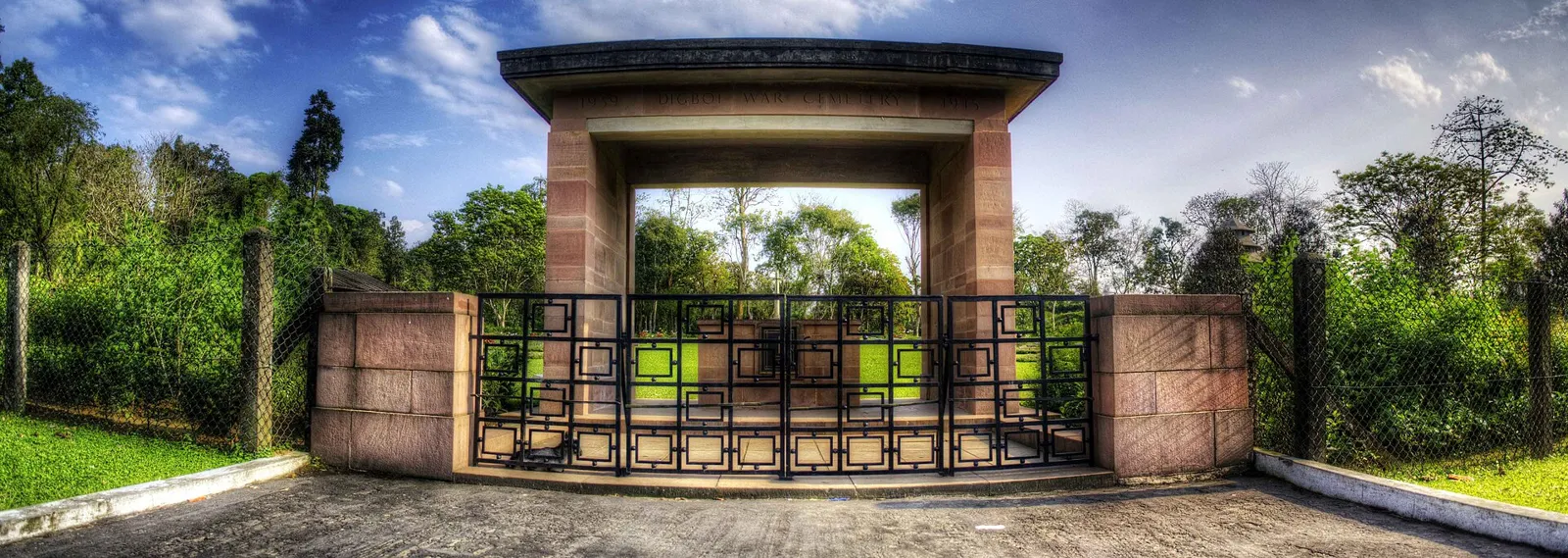
Digboi is a city and municipal corporation in Assam’s Tinsukia district, known for its petroleum heritage. Visitors are drawn to its early oil-industry history, refinery and long-operating well.

Dibru-Saikhowa National Park

35 km away · Tinsukia district

Dibru-Saikhowa National Park

Dibru-Saikhowa National Park spans Dibrugarh and Tinsukia districts in Assam. Visitors come for its varied forest and wetland habitats, endangered species and rich fish diversity.

Charaideo

64 km away · Charaideo district

Charaideo

Charaideo is a historic Assamese town and the Ahom kingdom’s first capital. Visitors come to see its maidams, burial mounds associated with Ahom kings and royal family members.

Kareng Ghar

74 km away · Sivasagar district

Kareng Ghar

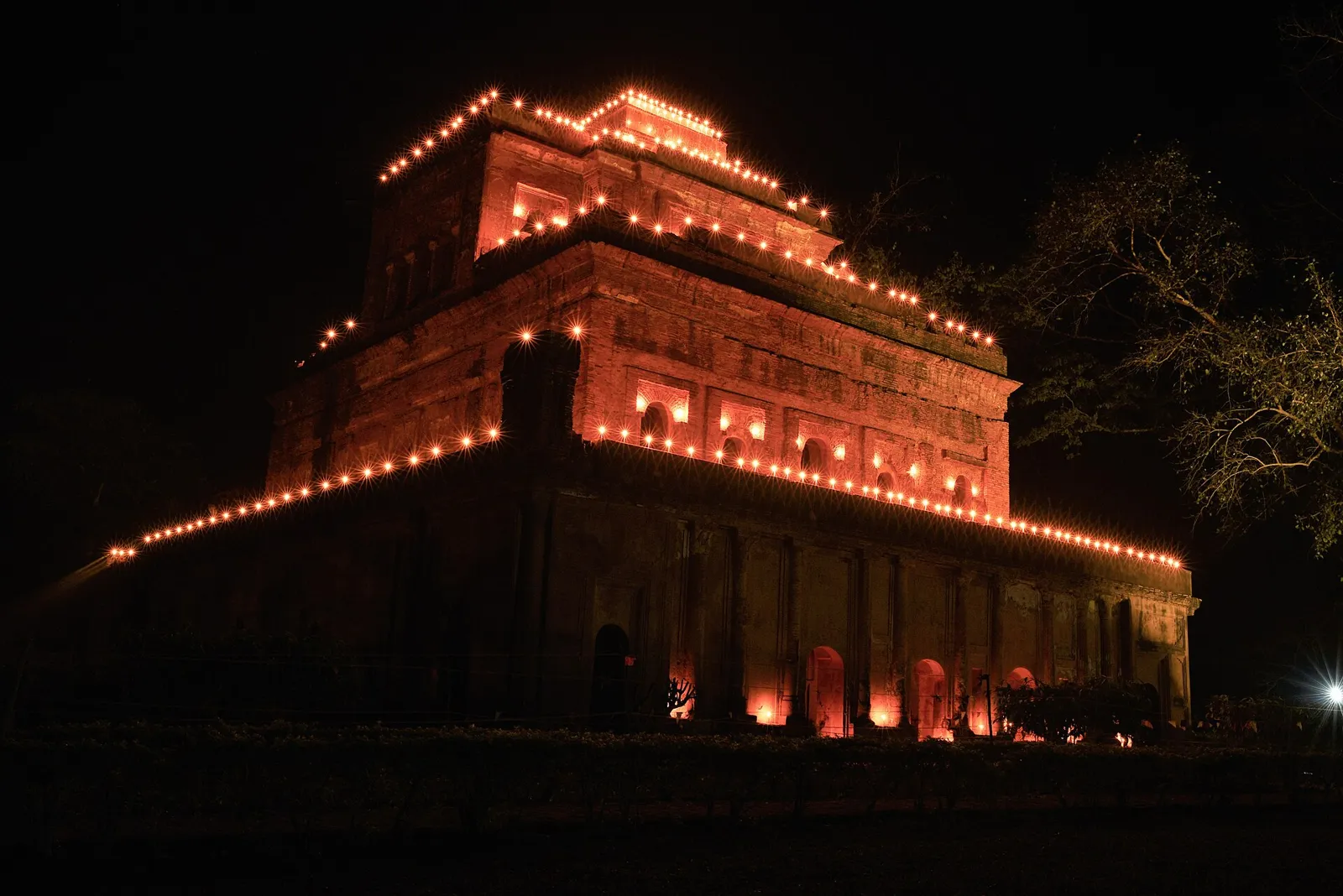
Kareng Ghar, or Garhgaon Palace, is a historic palace in Assam’s Sivasagar district. Visitors come to see its distinctive multi-level form and learn about its place in Ahom history.

Sivasagar Sivadol

80 km away · Sivasagar district

Sivasagar Sivadol

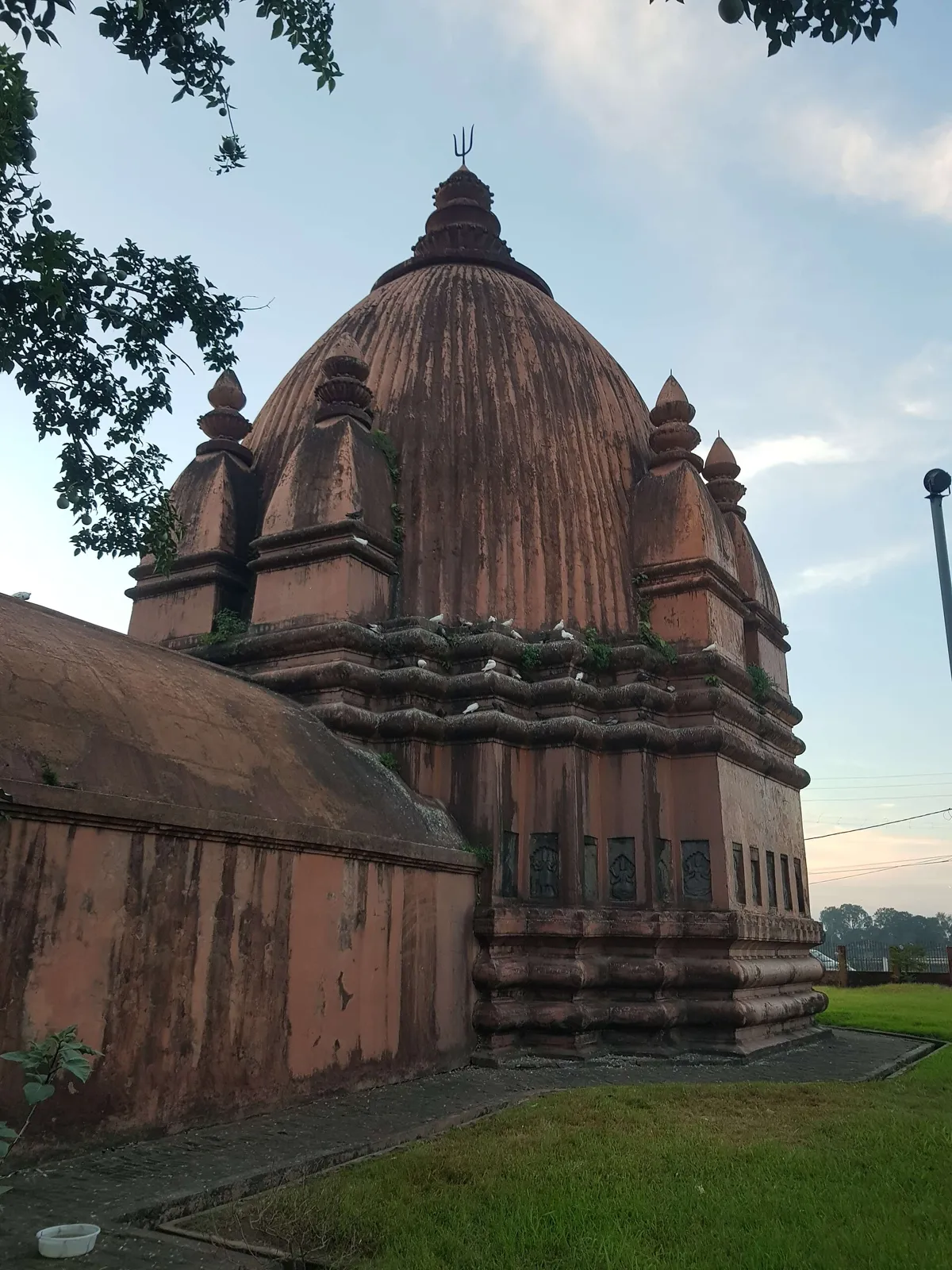
Sivasagar Sivadol is a complex of three Hindu shrines and a museum beside Sivasagar tank in Assam. Visitors come to see its temples, including the tall Sivadol.

81 km away · Sivasagar district

Talatal Ghar

Talatal Ghar is an eighteenth-century palace and military stronghold at Rangpur in Assam, and the largest monument of the Ahom era. Visitors explore its surviving ruins and underground features.

Rang Ghar

82 km away · Sivasagar district

Rang Ghar

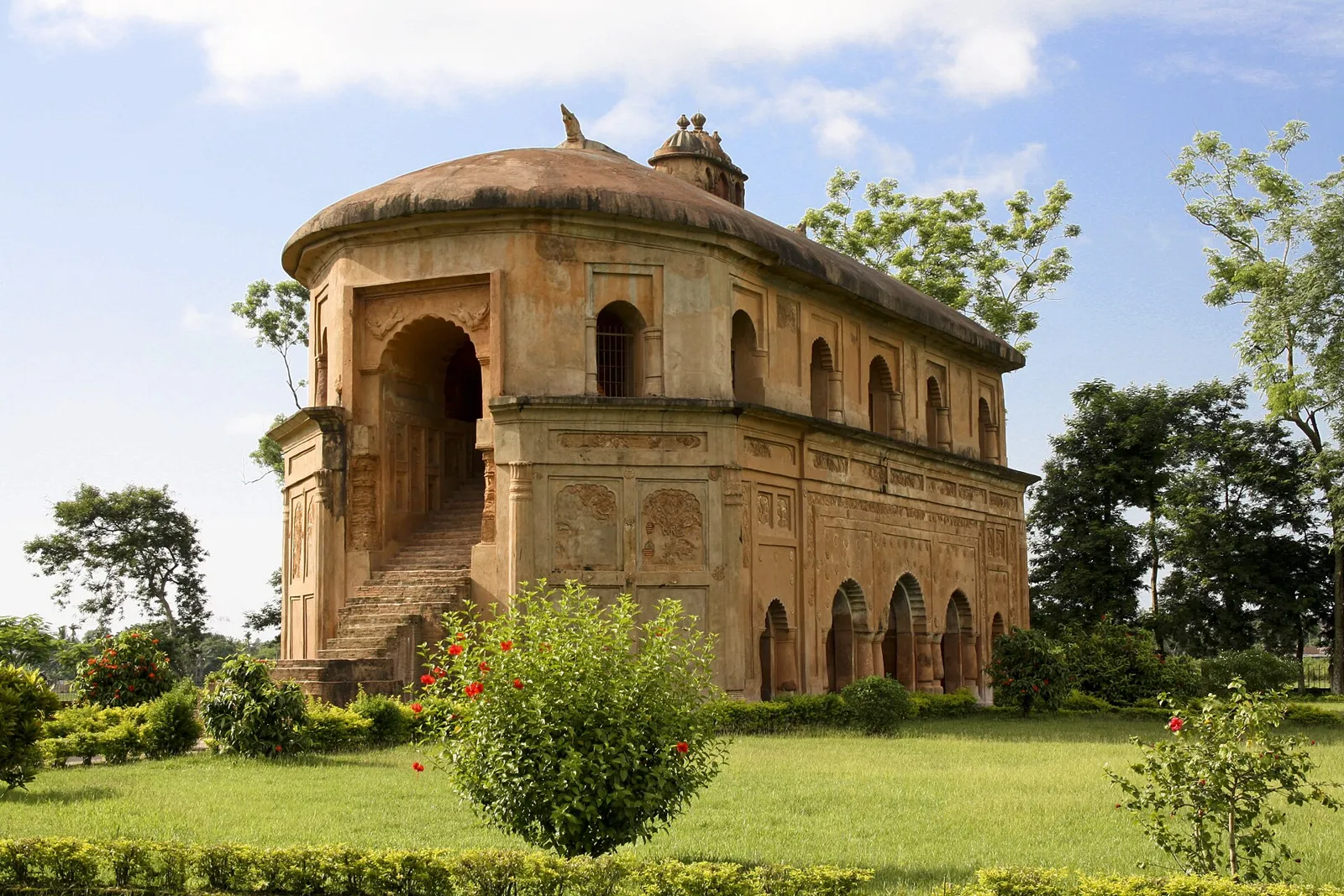
Rang Ghar is a two-storey former royal viewing pavilion in Sivasagar district, Assam, known for its links to Ahom-era sports and Rongali Bihu.

Majuli

116 km away · Majuli district

Majuli

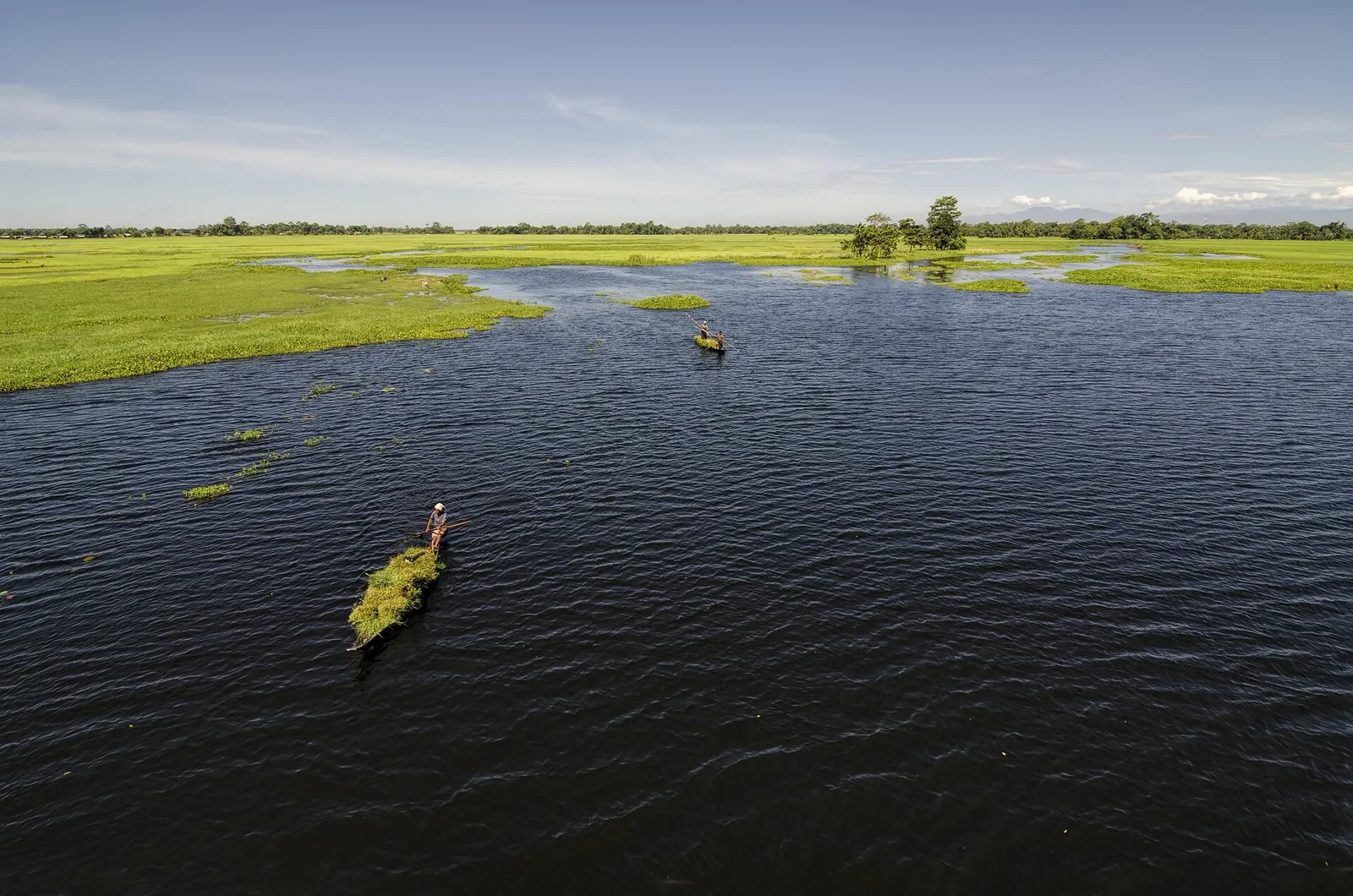
Majuli is a river island in Assam, valued as a centre of Assamese neo-Vaishnavite culture and home to several tribal communities. Visitors reach it by ferry or boat from Jorhat.

Map

Duliajan on the map

  1. 1Digboi
  2. 2Dibru-Saikhowa National Park
  3. 3Charaideo
  4. 4Kareng Ghar
  5. 5Sivasagar Sivadol
  6. 6Talatal Ghar
  7. 7Rang Ghar
  8. 8Majuli

Assam

Other cities to explore