Ghumoopedia — Explore, Discover, Experience
Sign in
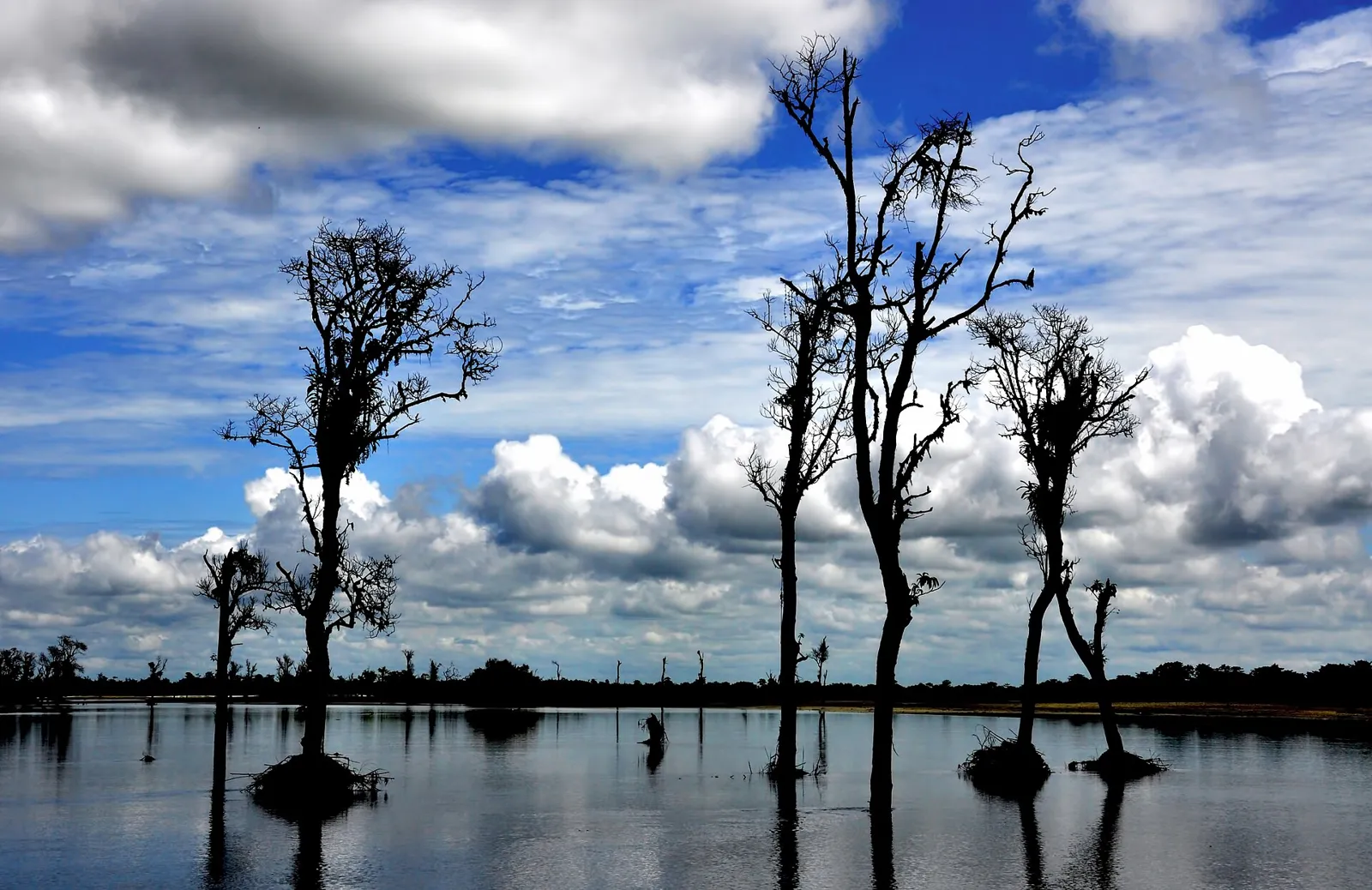
Dibru-Saikhowa National Park, near Dibrugarh

City guide · Assam

Dibrugarh

Dibrugarh is a major city in Upper Assam and an important administrative, educational and commercial centre. It serves as the headquarters of Dibrugarh district and is designated as Assam’s second administrative capital.

Famous for

  • Assam tea and tea gardens
  • Brahmaputra river landscapes
  • Assam Medical College
  • Dibrugarh University
  • Upper Assam gateway

Why Dibrugarh matters

Dibrugarh is a major city in Upper Assam and an important administrative, educational and commercial centre. It serves as the headquarters of Dibrugarh district and is designated as Assam’s second administrative capital. Its location on the Brahmaputra and its road, rail and air connections make it a useful base for exploring eastern Assam, including tea-growing country and riverine landscapes. The Sonowal Kachari Autonomous Council is also based here.

Tea is central to Dibrugarh’s identity: estates and tea-related businesses shape the surrounding landscape and local economy. Visitors come for the region’s gardens, the broad Brahmaputra, and the city’s mix of Assamese and tea-community influences. Assam Medical College and Dibrugarh University give the city an important role in medicine and higher education. From town, travellers can plan excursions towards nearby nature areas such as Dibru-Saikhowa National Park, though it is outside the city. Dibrugarh is less a single-sight destination than a practical, lively base for discovering Upper Assam.
Famous for: crafts, trade & products

Dibrugarh is closely associated with Assam tea and the estates spread across the surrounding district. Assam Orthodox Tea has a Geographical Indication tag, and local tea shops offer packaged teas and blends to take home. Estate visits can introduce travellers to tea cultivation and processing; arrange access directly, as estates are working properties and visits are not always available. Tea is a major regional trade, alongside the movement of agricultural produce and other goods through Upper Assam.

The city does not have one defining craft, but Assamese handloom textiles, including muga and eri silk, and bamboo and cane work are found in the wider region and may be available through local sellers. Central shopping areas such as Graham Bazar and New Market are useful for browsing textiles, household goods, snacks and everyday produce. For a more focused tea purchase, look for established tea retailers rather than assuming every market stall sells estate-origin tea. Dibrugarh’s colleges and medical institutions are also important parts of its identity, especially Assam Medical College and Dibrugarh University, which attract students and professionals from across the region.

History

The area around present-day Dibrugarh was part of the Chutia kingdom before Ahom expansion in the early sixteenth century. During the conflict between the kingdoms, Dibrumukh, near the mouth of the Dibru River, became a military position; after the Chutia kingdom was conquered in 1523–24, the area came under Ahom rule. It later passed through the upheavals of the Moamoria rebellion.

After the British entered Assam in 1826, Dibrugarh grew as an administrative and commercial centre. It became the Lakhimpur district headquarters in 1842, while the expansion of tea and the arrival of railways from 1882 strengthened its role as a trade and transport hub. Berry White Medical School opened in 1900 and became Assam Medical College after Independence. The 1950 earthquake brought severe flooding and erosion, prompting construction of a town-protection dyke. Dibrugarh University was established in 1965, and Dibrugarh became a separate district in 1971.

Food, festivals & culture

Assamese food is a good starting point for eating in Dibrugarh: expect rice with fish tenga, a gently sour fish curry, and dishes featuring khar, a traditional alkaline preparation. Duck and seasonal vegetables are also enjoyed. For snacks and sweets, look for pitha, rice cakes often prepared around festivals, and larus, sweet balls made with ingredients such as sesame or coconut. Jolpan—light preparations of rice with curd, milk or jaggery—is another familiar local-style meal.

Bihu is central to the Assamese calendar: Bohag Bihu comes in spring, Kati Bihu in autumn and Magh Bihu in winter, with seasonal food, music and community gatherings. Durga Puja is widely observed in autumn, while Mising communities celebrate Ali-Aye-Ligang in late winter or early spring. Assamese is widely spoken; Bengali, Hindi and other community languages are also heard. Bihu songs and dance, along with devotional music, are part of local cultural life. Temples and namghars sit alongside mosques and churches, reflecting the city’s diverse communities.

Visiting the city

October to April is generally the most comfortable time to visit, with comparatively drier weather; June to September brings heavy monsoon rain. Dibrugarh Airport, at Mohanbari, is the nearest airport. Dibrugarh railway station and Dibrugarh Town station both serve the city. Auto-rickshaws and taxis are practical for getting around town, while a hired car is useful for visiting tea estates or attractions farther afield. Confirm access with estates before travelling.

Central areas around Graham Bazar and New Market are convenient for shops and everyday city life. Chowkidinghee and the river-facing parts of town offer a different feel, while tea gardens on the outskirts make worthwhile excursions. Dibrugarh is also a possible base for planning a trip to Dibru-Saikhowa National Park; allow time for the onward journey and check local conditions before setting out.

Trips from the city

Nearest places to visit from Dibrugarh

Our closest destination guides, by straight-line distance.

Dibru-Saikhowa National Park

51 km away · Tinsukia district

Dibru-Saikhowa National Park

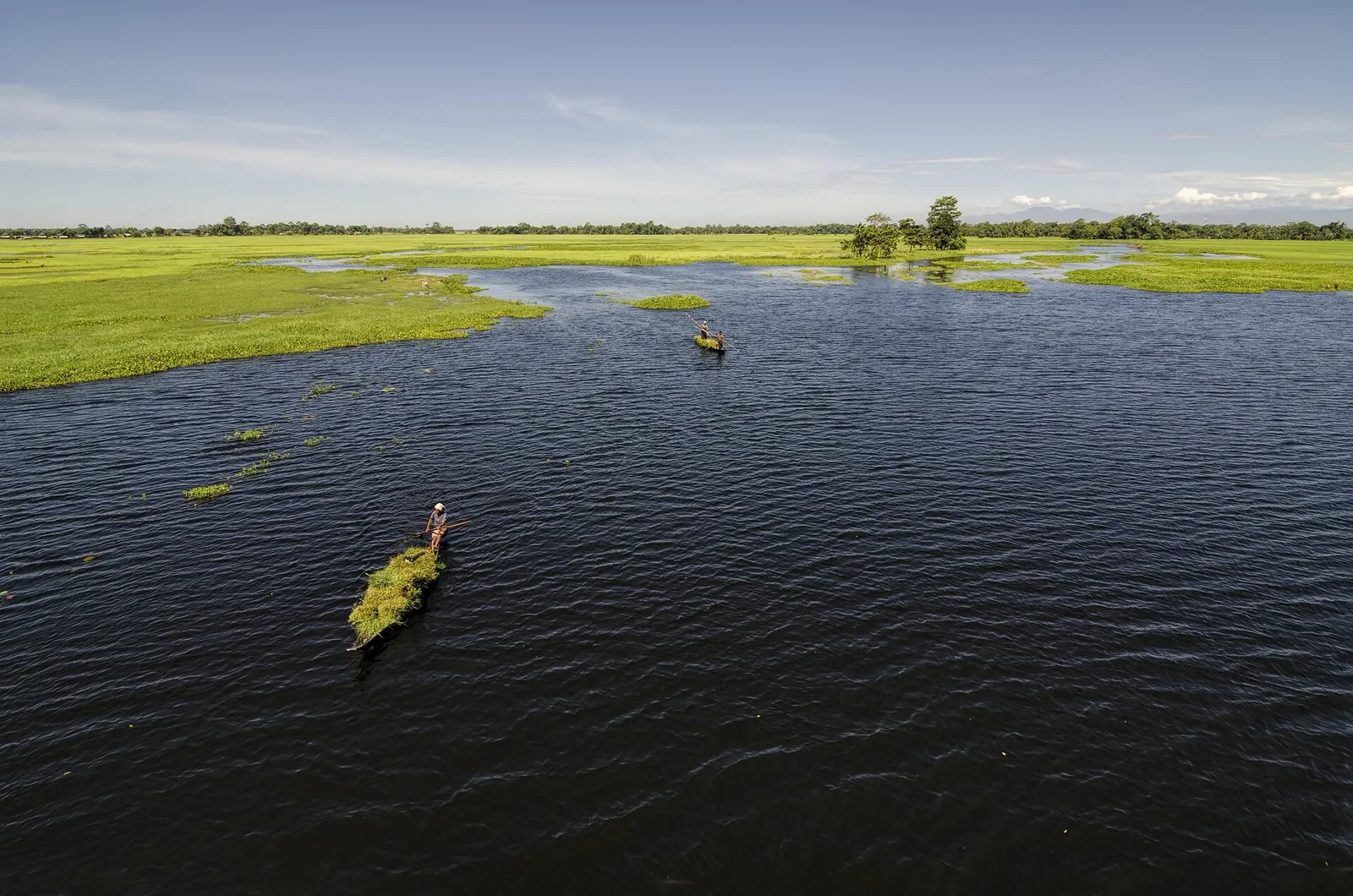
Dibru-Saikhowa National Park spans Dibrugarh and Tinsukia districts in Assam. Visitors come for its varied forest and wetland habitats, endangered species and rich fish diversity.

Charaideo

60 km away · Charaideo district

Charaideo

Charaideo is a historic Assamese town and the Ahom kingdom’s first capital. Visitors come to see its maidams, burial mounds associated with Ahom kings and royal family members.

Sivasagar Sivadol

61 km away · Sivasagar district

Sivasagar Sivadol

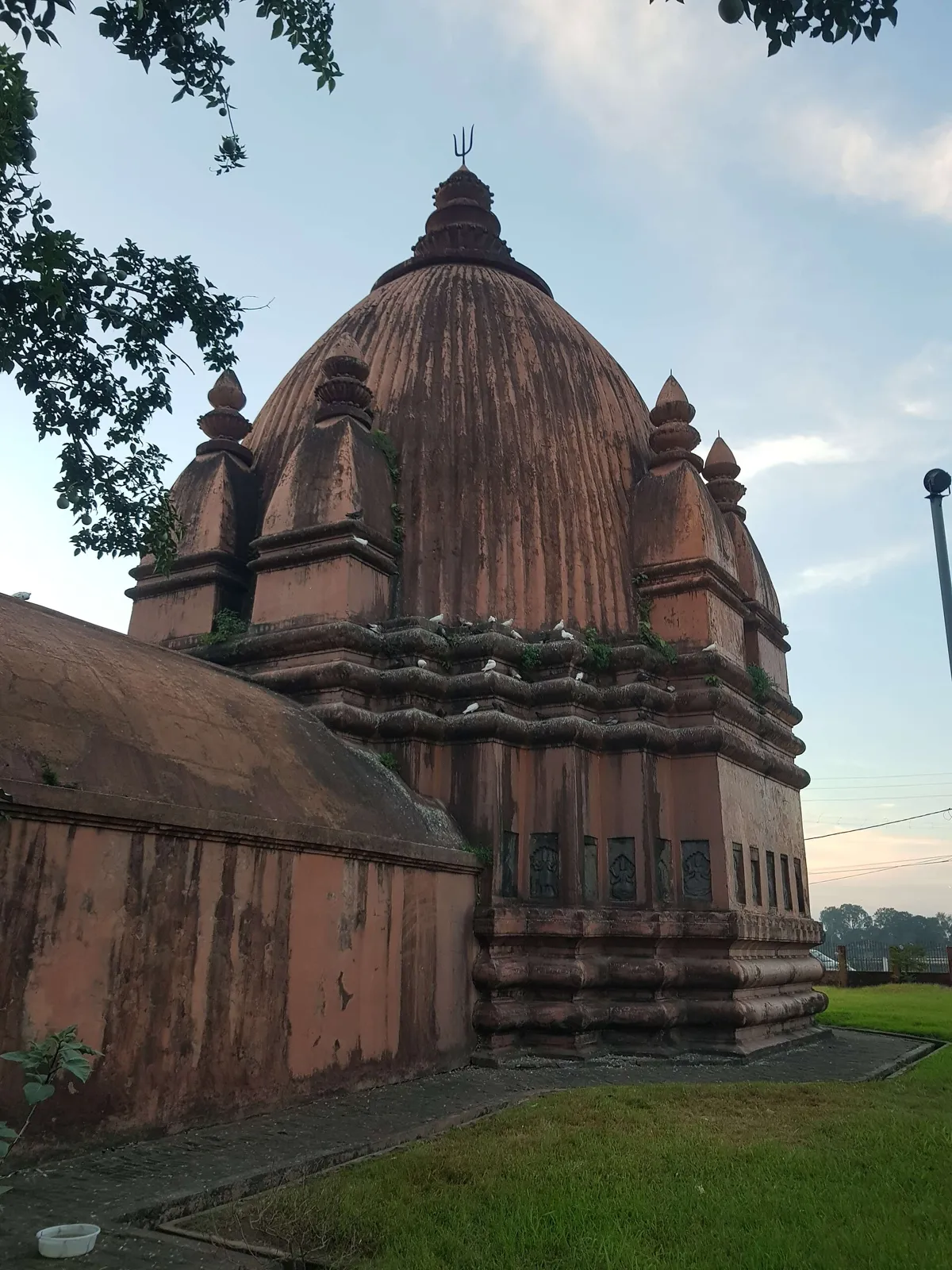
Sivasagar Sivadol is a complex of three Hindu shrines and a museum beside Sivasagar tank in Assam. Visitors come to see its temples, including the tall Sivadol.

Kareng Ghar

63 km away · Sivasagar district

Kareng Ghar

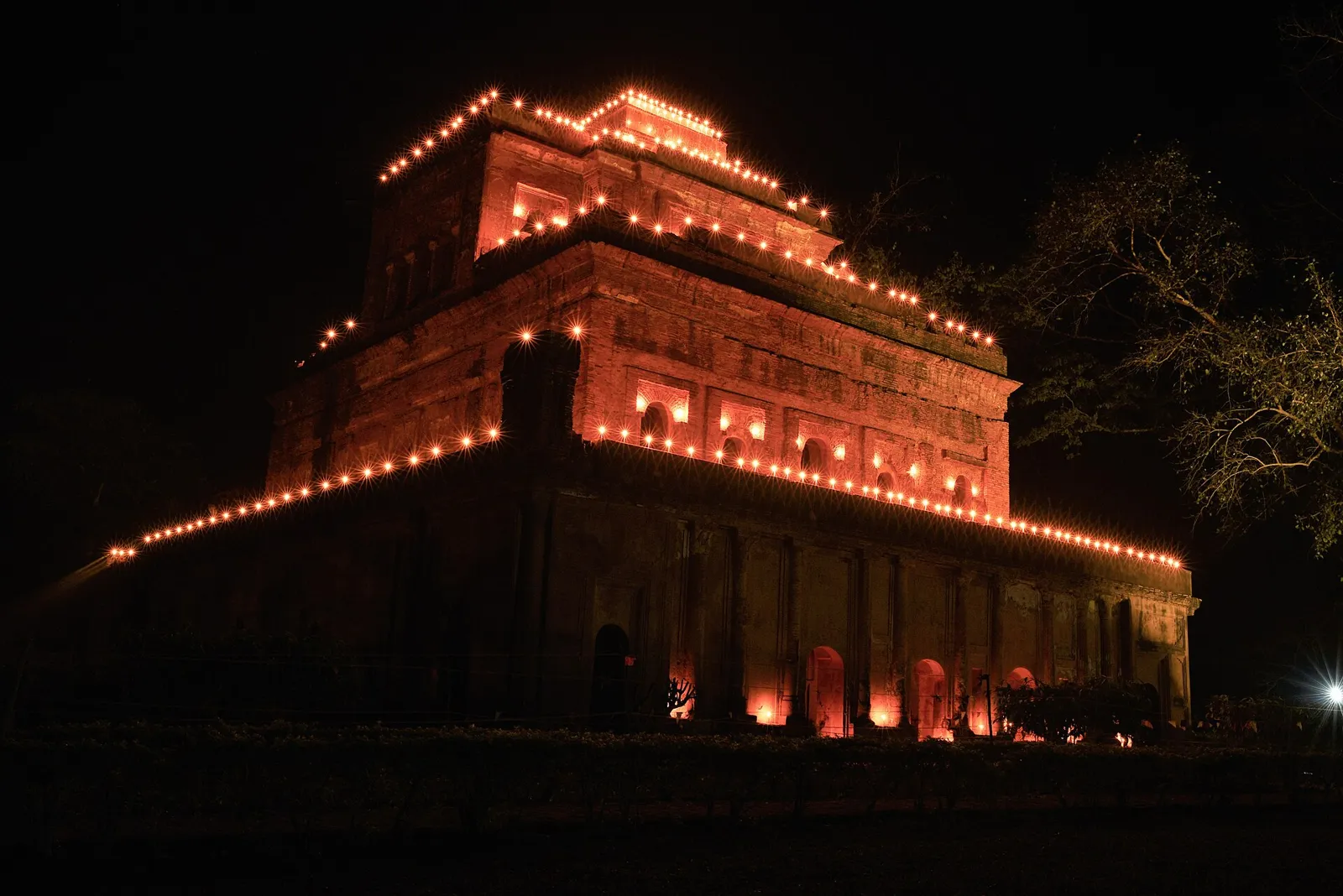
Kareng Ghar, or Garhgaon Palace, is a historic palace in Assam’s Sivasagar district. Visitors come to see its distinctive multi-level form and learn about its place in Ahom history.

Rang Ghar

64 km away · Sivasagar district

Rang Ghar

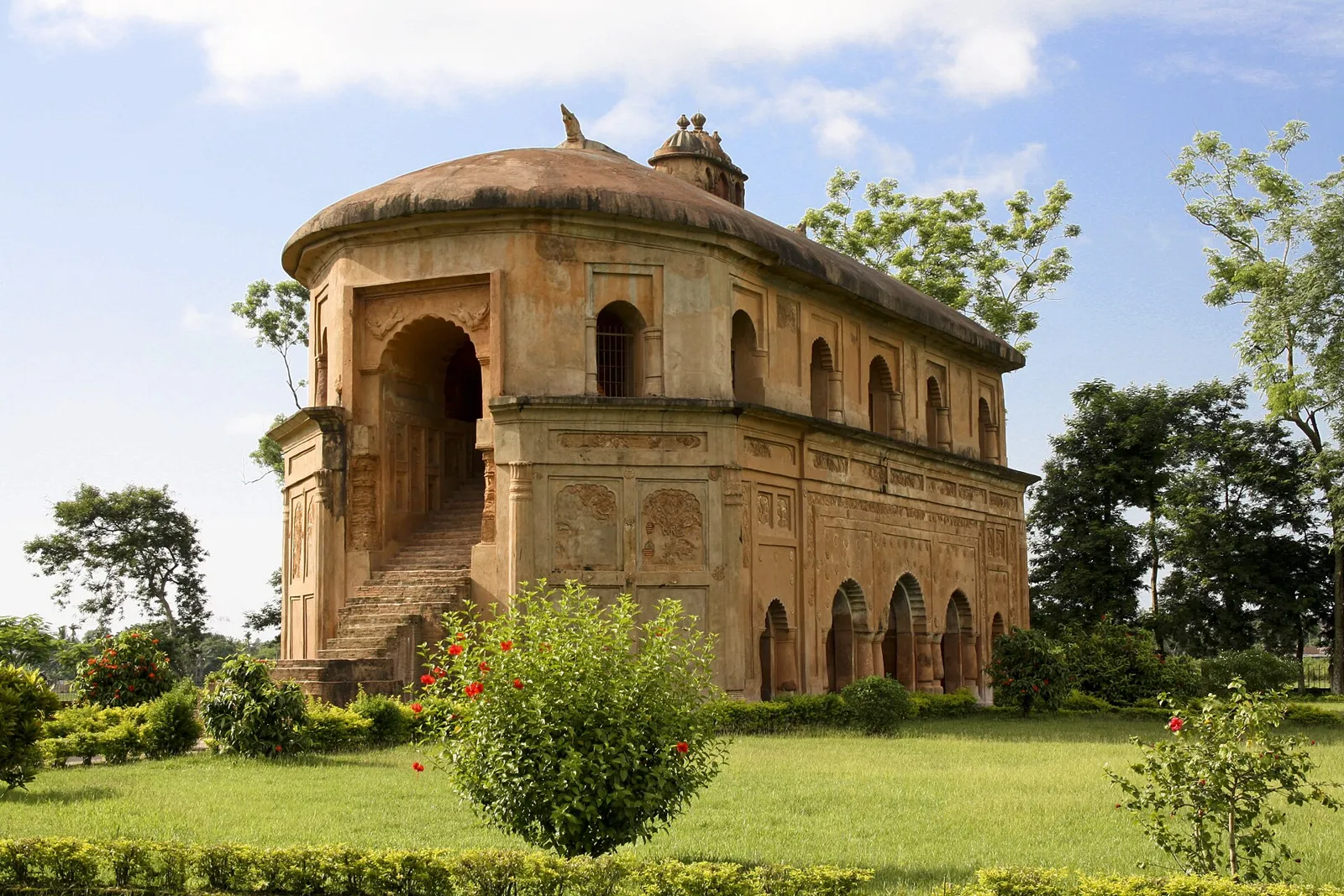
Rang Ghar is a two-storey former royal viewing pavilion in Sivasagar district, Assam, known for its links to Ahom-era sports and Rongali Bihu.

64 km away · Sivasagar district

Talatal Ghar

Talatal Ghar is an eighteenth-century palace and military stronghold at Rangpur in Assam, and the largest monument of the Ahom era. Visitors explore its surviving ruins and underground features.

Digboi

72 km away · Tinsukia district

Digboi

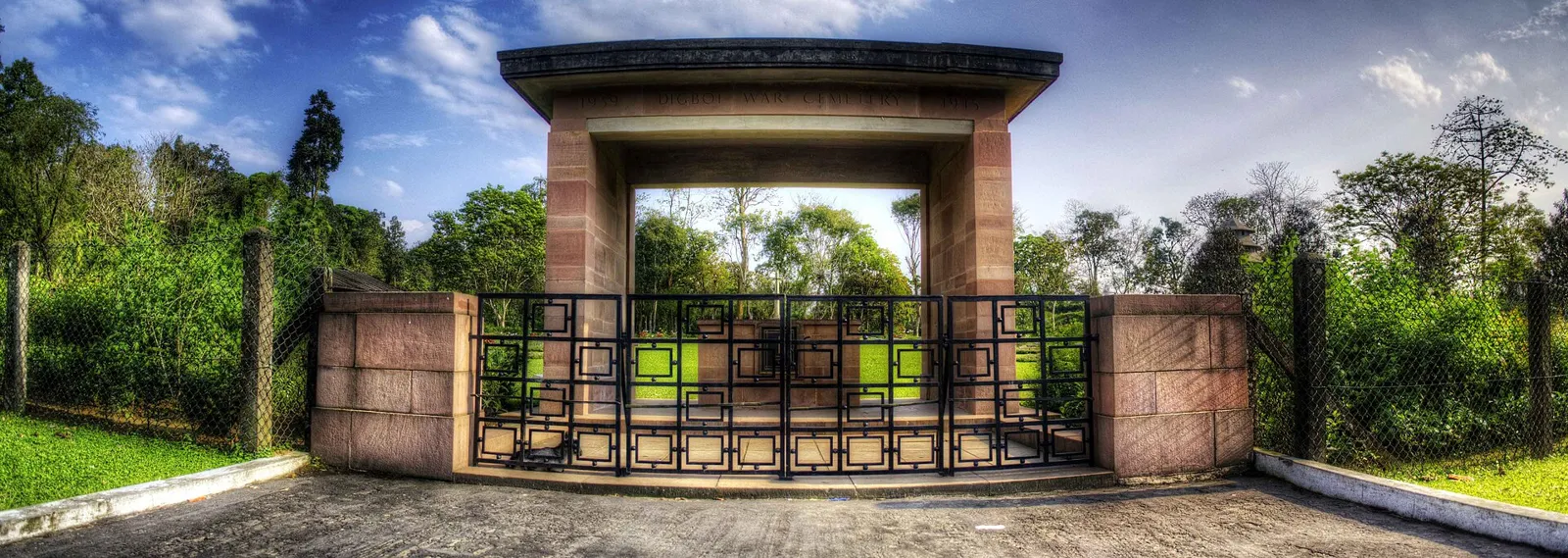
Digboi is a city and municipal corporation in Assam’s Tinsukia district, known for its petroleum heritage. Visitors are drawn to its early oil-industry history, refinery and long-operating well.

Majuli

87 km away · Majuli district

Majuli

Majuli is a river island in Assam, valued as a centre of Assamese neo-Vaishnavite culture and home to several tribal communities. Visitors reach it by ferry or boat from Jorhat.

Map

Dibrugarh on the map

  1. 1Dibru-Saikhowa National Park
  2. 2Charaideo
  3. 3Sivasagar Sivadol
  4. 4Kareng Ghar
  5. 5Rang Ghar
  6. 6Talatal Ghar
  7. 7Digboi
  8. 8Majuli

Assam

Other cities to explore