Ghumoopedia — Explore, Discover, Experience
Sign in
Khandadhar (Kendujhar), near Sundergarh

City guide · Odisha

Sundergarh

Sundargarh is the administrative centre of its district in north-western Odisha and an important regional town. Its story and present-day character are closely tied to Gangpur, the former princely state whose capital stood here, and to the mineral resources and industries that shape the surrounding district.

Famous for

  • Gangpur princely heritage
  • Mineral-based industries
  • Iron ore and limestone
  • Steel and cement production
  • Ib River setting

Why Sundergarh matters

Sundargarh is the administrative centre of its district in north-western Odisha and an important regional town. Its story and present-day character are closely tied to Gangpur, the former princely state whose capital stood here, and to the mineral resources and industries that shape the surrounding district. Steel, cement, fertiliser and other manufacturing activities give the area a significant place in Odisha’s industrial economy, while deposits of iron ore, limestone and manganese underpin that role.

For visitors, Sundargarh offers a quieter, less monument-focused introduction to the region: a historic district headquarters, a working town and a setting near the Ib River. The town is a useful base for local journeys and for understanding the mix of Odia and tribal communities across the district. Its appeal lies more in regional history, everyday market life and the wider landscape than in a concentration of major tourist attractions. The cooler months are the most comfortable time to explore.
Famous for: crafts, trade & products

Sundargarh is best known commercially for industry rather than for a signature textile, handicraft or GI-tagged product. The wider district has steel, cement, fertiliser, glass, china-clay, machine-building and spinning industries, alongside ferrovanadium production. Iron ore, limestone and manganese are important mineral resources. These products and materials are mainly part of the region’s industrial economy; factories and industrial sites are generally working facilities, not regular shopping attractions.

For everyday purchases, visitors can browse the town’s central market and local shops for groceries, clothing, household goods and seasonal produce. These are practical places to encounter ordinary town life, rather than specialist craft bazaars. Sundargarh is not widely identified with a particular saree tradition or a named local craft, so travellers seeking Odisha textiles or handicrafts may find a broader selection in larger urban centres. Local markets are still a useful stop for snacks and regional essentials, while the district’s manufacturing and mineral sectors are best understood as part of its economic landscape rather than as visitor retail.

History

Sundargarh was the capital of the princely state of Gangpur until 1948, when it became the headquarters of the newly formed district. The origins of Gangpur’s ruling family are described differently in historical accounts; the later royal family belonged to the Sekhar dynasty. The state was once associated with Sambalpur, or Hirakhand Desh, and later came under the influence of the Maratha rulers of Nagpur.

In 1803, the Maratha ruler Raghuji Bhonsla ceded the territory to the British under the Treaty of Deogaon. It was restored in 1806 and ceded again in 1826. In 1905, Gangpur and Bonai were transferred from the administration of Chhotanagpur to the Odisha Division, with a separate political agent appointed. After the princely state’s period ended, Sundargarh developed as a district headquarters. Mineral resources and manufacturing helped shape its modern role as an industrial centre in Odisha.

Food, festivals & culture

Daily food reflects the wider cooking traditions of Odisha: rice with dal, vegetables, leafy greens and seasonal ingredients is common. Pakhala, rice soaked or lightly fermented with water, is especially welcome in hot weather. Local meals vary between households and communities, and visitors can look for simple rice-based dishes and regional snacks in town eateries. There is no single sweet or dish that defines Sundargarh alone.

Odia is widely used, alongside Hindi and languages spoken by the district’s diverse communities, including Sadri and several Adivasi languages. Festivals observed across the region include Rath Yatra in the early summer, Raja around the onset of the monsoon, Durga Puja in autumn, Nuakhai after the new harvest and Makar Sankranti in January. Community gatherings may feature folk music and tribal dance traditions, though performances are often seasonal or event-based. Temples, mosques and churches serve local worshippers; visitors should dress respectfully and follow local customs.

Visiting the city

October to February is generally the most comfortable period to visit, with cooler weather than the very hot summer months. The nearest airport is Rourkela Airport; Jharsuguda Airport is another regional option. Sundargarh railway station serves the town, while Rourkela is a larger rail hub for journeys across the region. Check current connections before planning, as services can change.

Auto-rickshaws, local buses and hired vehicles are useful for getting around; a car is convenient for trips beyond town. Explore the central bazaar and older administrative area for everyday town life, then consider a drive into the surrounding countryside. The Ib River lies to the north, but access to its banks can vary, so ask locally before setting out. Summers can be very hot, and monsoon rain may affect road journeys.

Trips from the city

Nearest places to visit from Sundergarh

Our closest destination guides, by straight-line distance.

Khandadhar (Kendujhar)

26 km away · Keonjhar district

Khandadhar (Kendujhar)

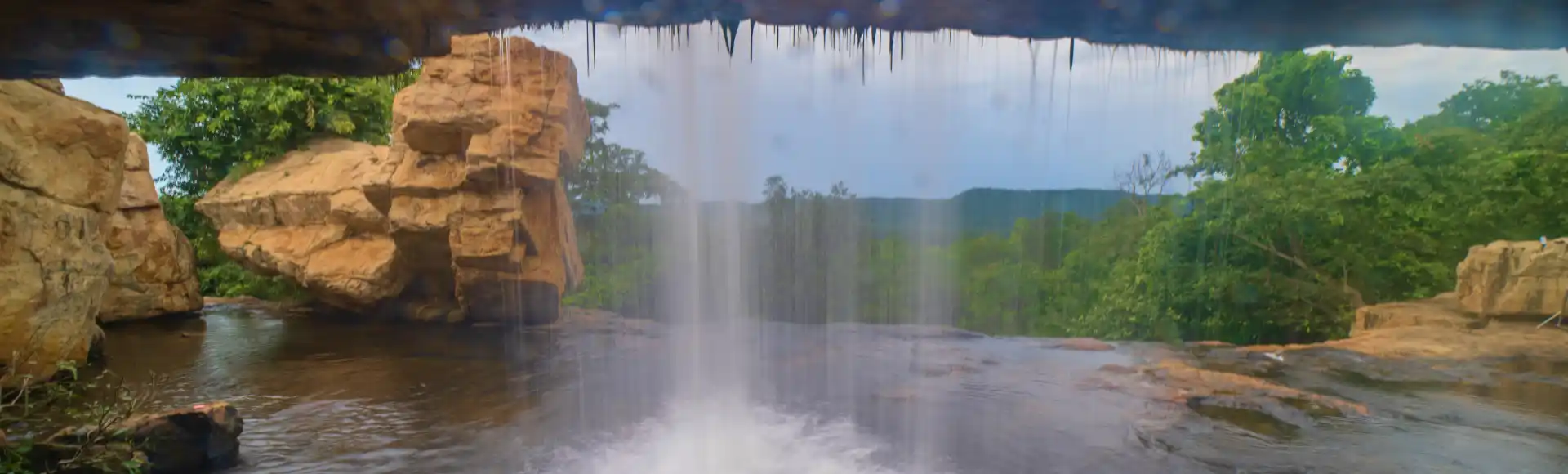
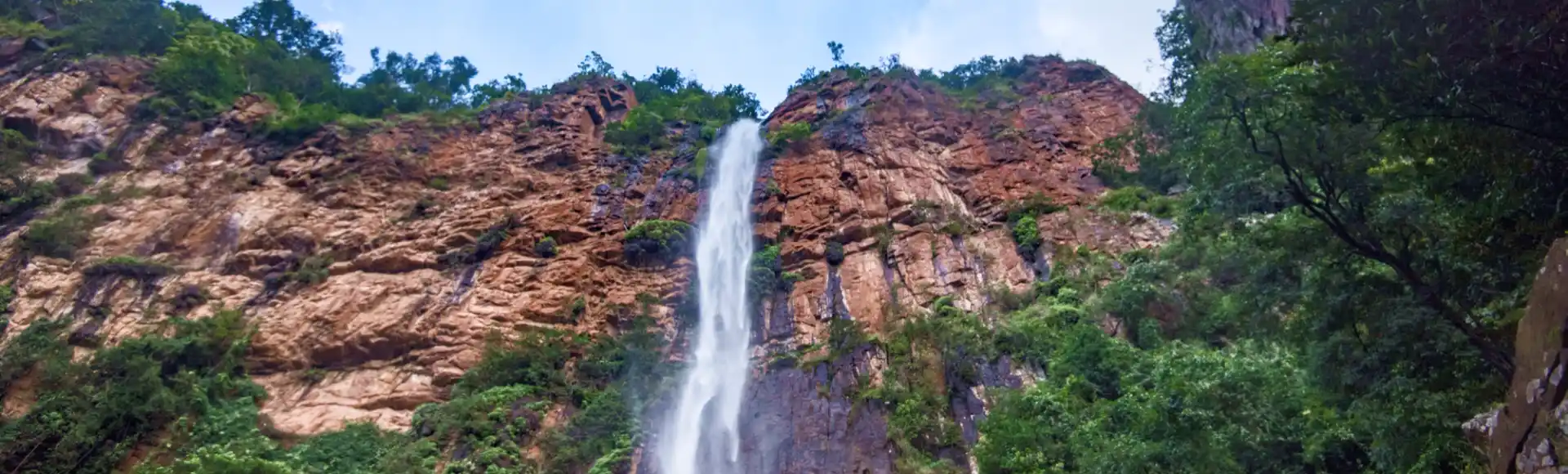
Khandadhar is a waterfall in Kendujhar, Odisha, with a tall, sword-shaped cascade. People visit to experience its forested surroundings, see the falling water and enjoy outdoor activities.

Hirakud Dam

67 km away · Sambalpur district

Hirakud Dam

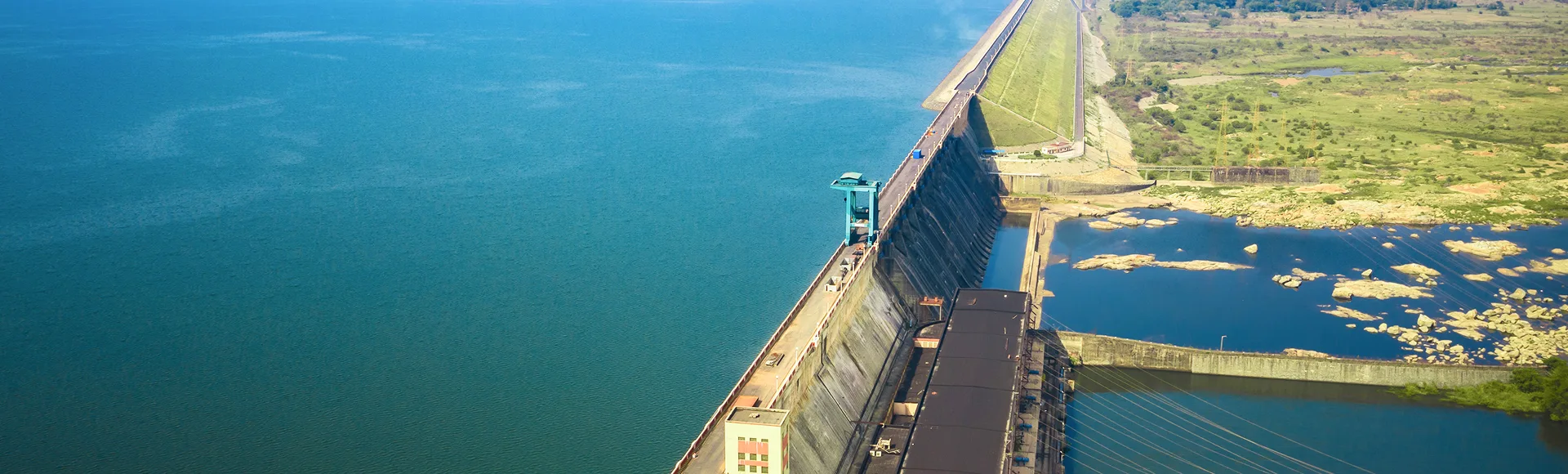
Hirakud Dam is an Odisha river barrier and multipurpose project, valued for flood management, irrigation and electricity as well as reservoir views, birdlife and engineering history.

Maa Samaleswari Temple

72 km away · Sambalpur district

Maa Samaleswari Temple

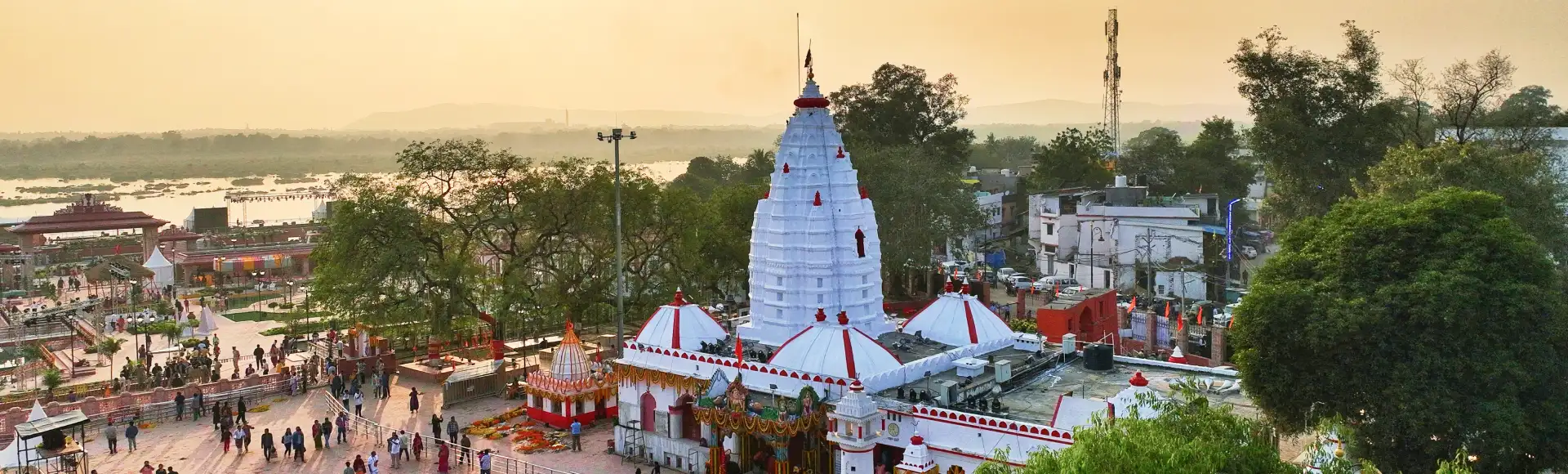
Maa Samaleswari Temple is a place of worship in Sambalpur dedicated to the Shakti goddess Maa Samaleswari. Visitors come for its architecture, religious importance and Nuakhai harvest customs.

Debrigarh Wildlife Sanctuary

74 km away · Bargarh district

Debrigarh Wildlife Sanctuary

Set beside the Hirakud Reservoir in western Odisha, Debrigarh Wildlife Sanctuary draws visitors for its varied landscapes, wildlife and outdoor activities, including safaris, walks and boating.

Bara Bakhra Caves

76 km away · Bargarh district

Bara Bakhra Caves

Bara Bakhra Caves, in Burla, Baragada, lie near Debrigarh Wildlife Sanctuary and are known for their link to Veer Surendra Sai’s resistance and their forest surroundings.

Ved Vyas Temple

78 km away · Sundargarh district

Ved Vyas Temple

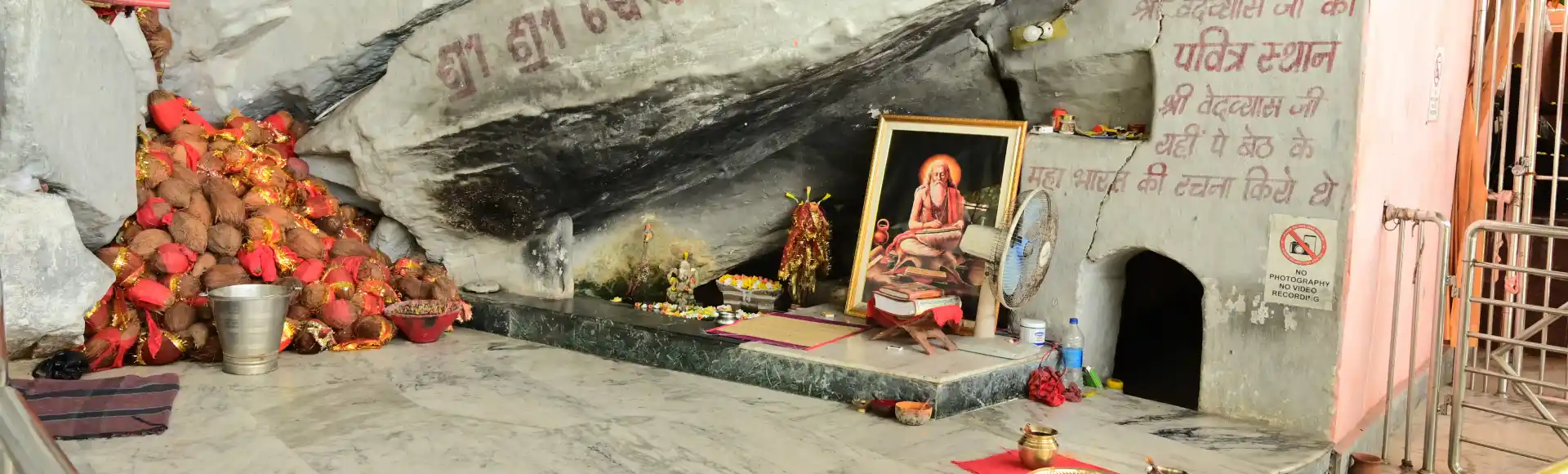
Ved Vyas Temple, in Rourkela, Odisha, is a riverside religious site visited for its association with Maharishi Ved Vyasa, the Sankh–Koel confluence and its natural setting.

Birsa Munda International Hockey Stadium

81 km away · Sundargarh district

Birsa Munda International Hockey Stadium

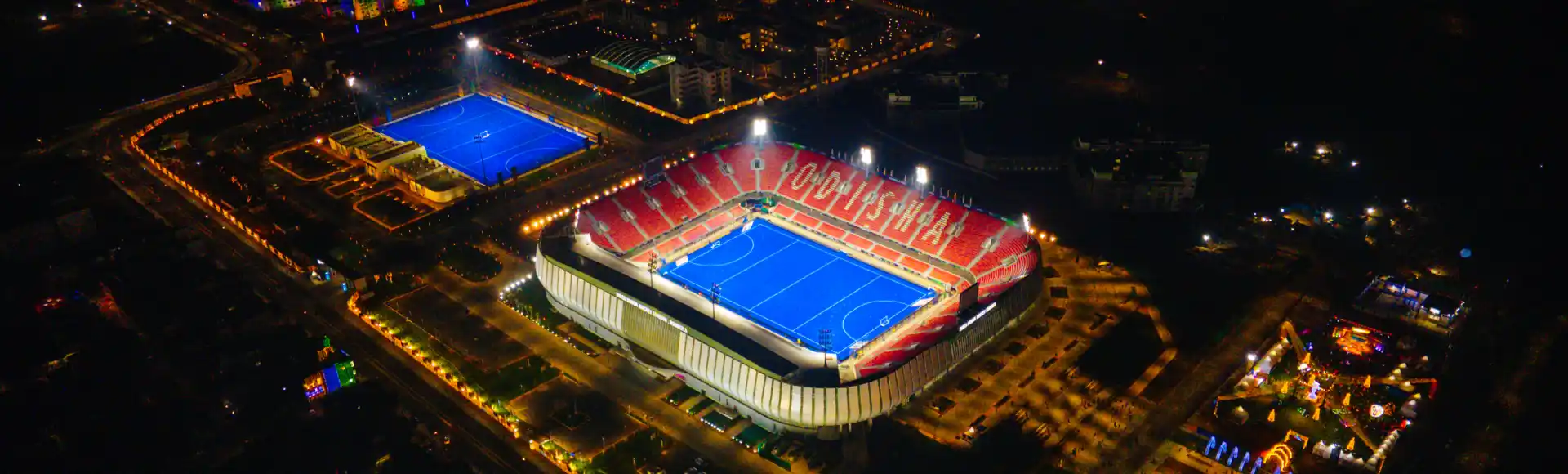
Birsa Munda International Hockey Stadium is a major hockey venue in Rourkela, Odisha. Visitors come to see the 2023 stadium built for the FIH Odisha Hockey Men's World Cup.

Hanuman Vatika

81 km away · Sundargarh district

Hanuman Vatika

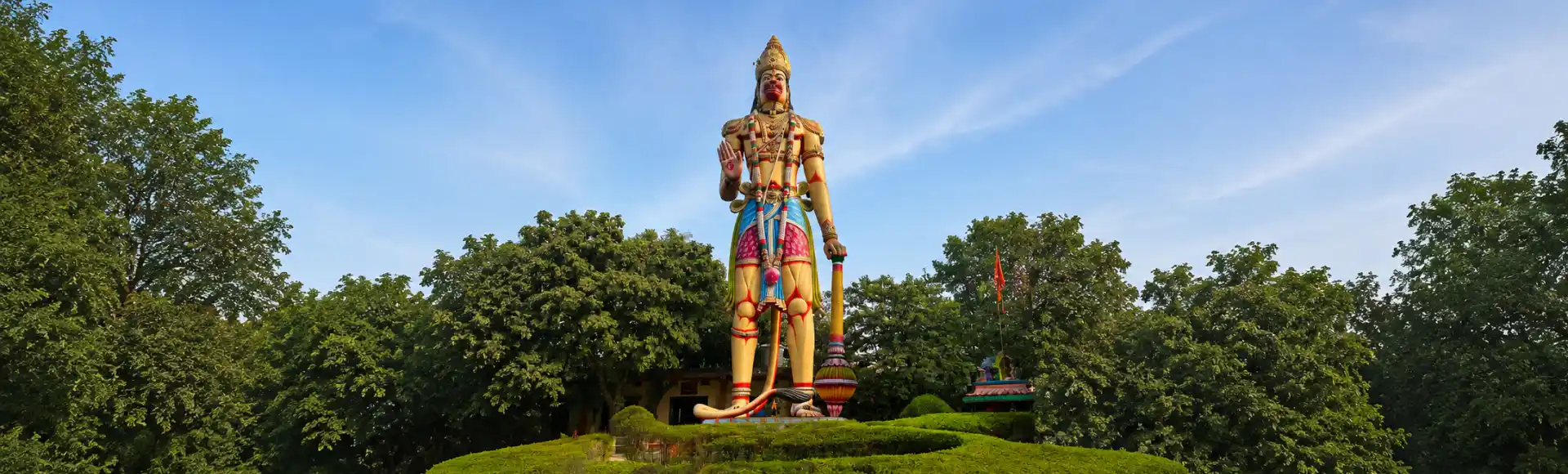
Hanuman Vatika in Raurkela is a religious complex visited by pilgrims and tourists for its prominent Hanuman statue, collection of shrines and tranquil grounds.

Map

Sundergarh on the map

  1. 1Khandadhar (Kendujhar)
  2. 2Hirakud Dam
  3. 3Maa Samaleswari Temple
  4. 4Debrigarh Wildlife Sanctuary
  5. 5Bara Bakhra Caves
  6. 6Ved Vyas Temple
  7. 7Birsa Munda International Hockey Stadium
  8. 8Hanuman Vatika

Odisha

Other cities to explore