Ghumoopedia — Explore, Discover, Experience
Sign in
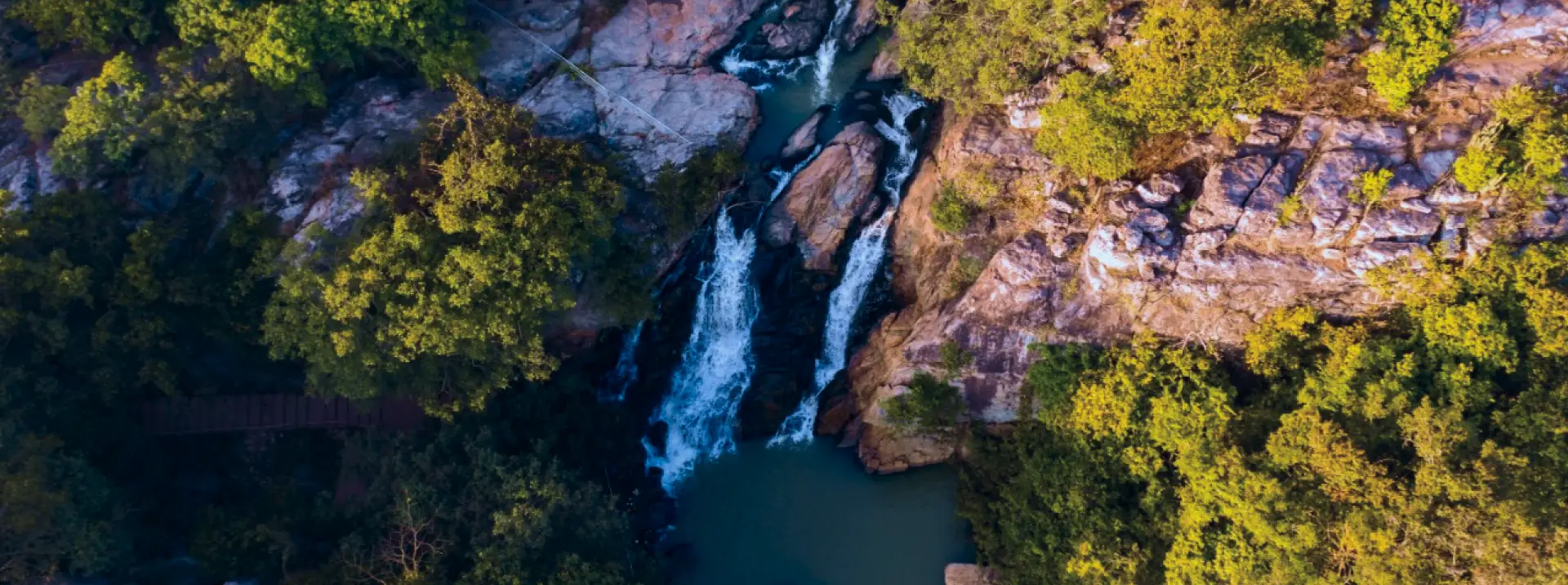
Khandadhar Waterfall, near Debagarh

City guide · Odisha

Debagarh

Debagarh, also known as Deogarh, is a small regional centre in north-western Odisha and the headquarters of Debagarh district. Its location on an important road corridor connects it with Sambalpur, Jharsuguda and Rourkela, making it a base for district travel and local services.

Famous for

  • Pradhanpat Waterfall
  • Bamanda princely heritage
  • Historic postal system
  • Raja Basudev High School

Why Debagarh matters

Debagarh, also known as Deogarh, is a small regional centre in north-western Odisha and the headquarters of Debagarh district. Its location on an important road corridor connects it with Sambalpur, Jharsuguda and Rourkela, making it a base for district travel and local services. The town is best known for Pradhanpat Waterfall, a scenic cascade close to the urban area, and for its history as the capital of the former Bamanda princely state.

Bamanda’s rulers supported education, literature and communications, giving Debagarh an unusual place in the history of Odisha’s princely states. The town’s past is also reflected in institutions such as Raja Basudev High School. Visitors come chiefly for the waterfall and the surrounding landscape, while those interested in regional history can explore the Bamanda connection and the town’s older civic heritage. Debagarh is not a large resort centre; its appeal lies in combining a quiet district-town visit with nearby nature and a distinctive local history.
Famous for: crafts, trade & products

Debagarh is more strongly associated with its Bamanda heritage and natural surroundings than with a widely recognised textile, handicraft or GI-tagged product. The former princely state developed its own postal system and issued stamps; these are historical curiosities rather than goods visitors should expect to find routinely for sale. Raja Basudev High School and the town’s literary history also reflect the region’s past investment in education and culture.

The town’s central market area serves residents and visitors with everyday goods and basic shopping. It is a practical place to look for locally made items or Odisha handloom products, but buyers should check the maker and place of origin rather than assume an item is specific to Debagarh. No particular city-based craft market or signature product is firmly established as a visitor attraction. For souvenirs, locally available Odisha textiles and small household goods may be worth browsing; the more distinctive things to take away from Debagarh are often memories of Pradhanpat and the history of Bamanda.

History

Debagarh was the capital of Bamanda, also called Bamra, a princely state whose rulers belonged to the Ganga lineage. The area’s recorded political history reaches back to early dynastic rule, while the town developed particular prominence under Raja Basudev Sudhal Dev, who ruled from 1869 to 1903. He supported education, literature and the arts, established the institution now known as Raja Basudev High School, and encouraged new forms of communication. A press began operating in 1886, followed by the weekly Sambalpur Hitaishini in 1889. Bamanda also developed postal and telegraph services and introduced electricity early among India’s princely states.

Raja Sachidananda Tribhuban Dev continued development efforts, including hydroelectric power linked to Kurdkot waterfall. Bamanda merged with Odisha on 1 January 1948 and became part of Sambalpur district. Debagarh became the headquarters of a separate district on 1 January 1994, after its creation from Sambalpur district.

Food, festivals & culture

Odia is the principal language of public life, and western Odisha speech forms are also heard. The wider district includes communities with their own languages and cultural traditions. Rice-based meals are everyday fare; visitors may encounter familiar regional dishes such as dalma, pakhala and seasonal pitha, alongside sweets common across Odisha. These are regional favourites rather than dishes unique to Debagarh.

Hindu festivals such as Rath Yatra, Durga Puja and Diwali are observed, while Nuakhai, the western Odisha harvest festival, is an important seasonal occasion after the monsoon. Raja is celebrated during the early monsoon period in Odisha. Pradhanpat Utsav is held near the waterfall and brings local cultural activity into the town’s calendar. Music and dance draw on both Odia traditions and the broader western Odisha style; Dalkhai and other regional forms may be seen at cultural events. Temples and neighbourhood shrines provide settings for worship and festival gatherings.

Visiting the city

The cooler, drier months from October to February are generally the most comfortable for visiting; the waterfall is especially appealing during and after the monsoon, though rain can make travel less convenient. Jharsuguda Airport, about 98 km away, is the nearest airport noted for the town. Sambalpur is the main nearby railway station, roughly 90 km away; onward travel is by road. Rourkela and Jharsuguda are other regional rail options.

Buses and hired cars connect Debagarh with nearby towns, and local vehicles can help with short trips. The central town is useful for everyday services and market browsing. Set aside time for Pradhanpat Waterfall and, for a history-focused visit, explore the town’s older civic and Bamanda-era landmarks where accessible. Check local conditions before heading to outdoor sites, particularly in the rainy season.

Trips from the city

Nearest places to visit from Debagarh

Our closest destination guides, by straight-line distance.

Khandadhar Waterfall

47 km away · Sundargarh district

Khandadhar Waterfall

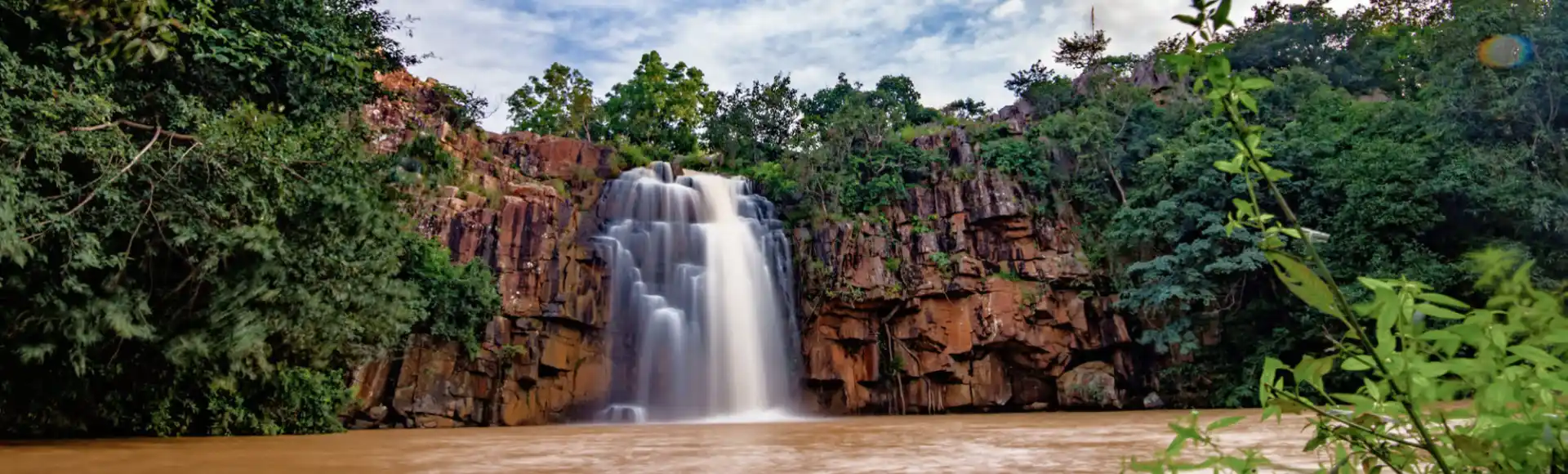
Khandadhar Waterfall is a major cascade in Sundaragada, Odisha. Visitors come for its steep drop, forested surroundings and the area’s cultural significance.

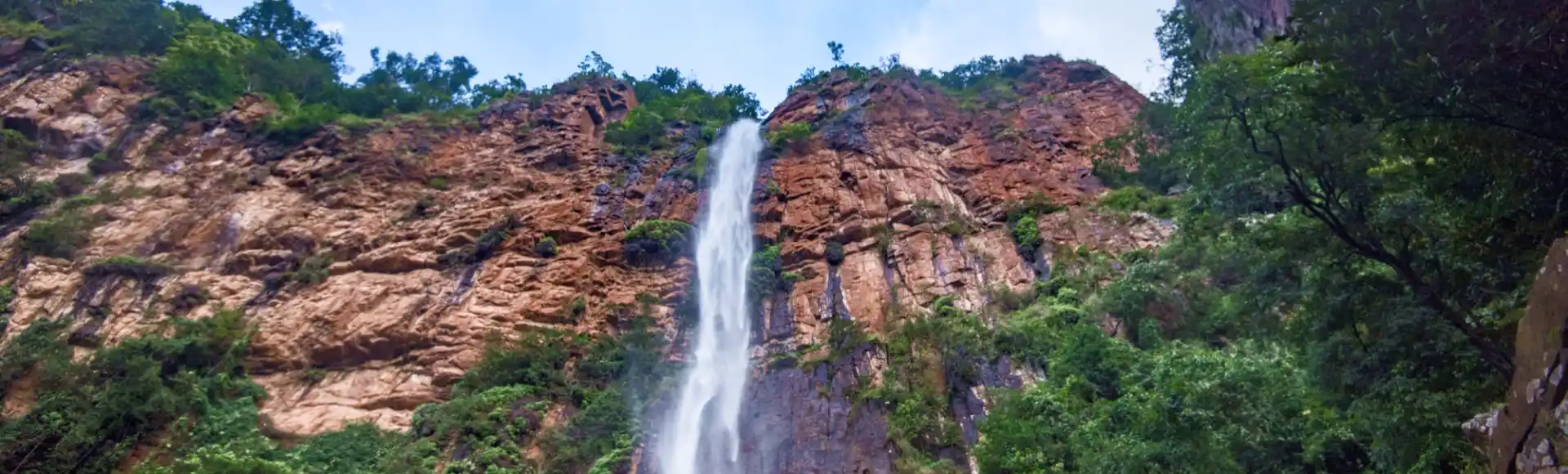
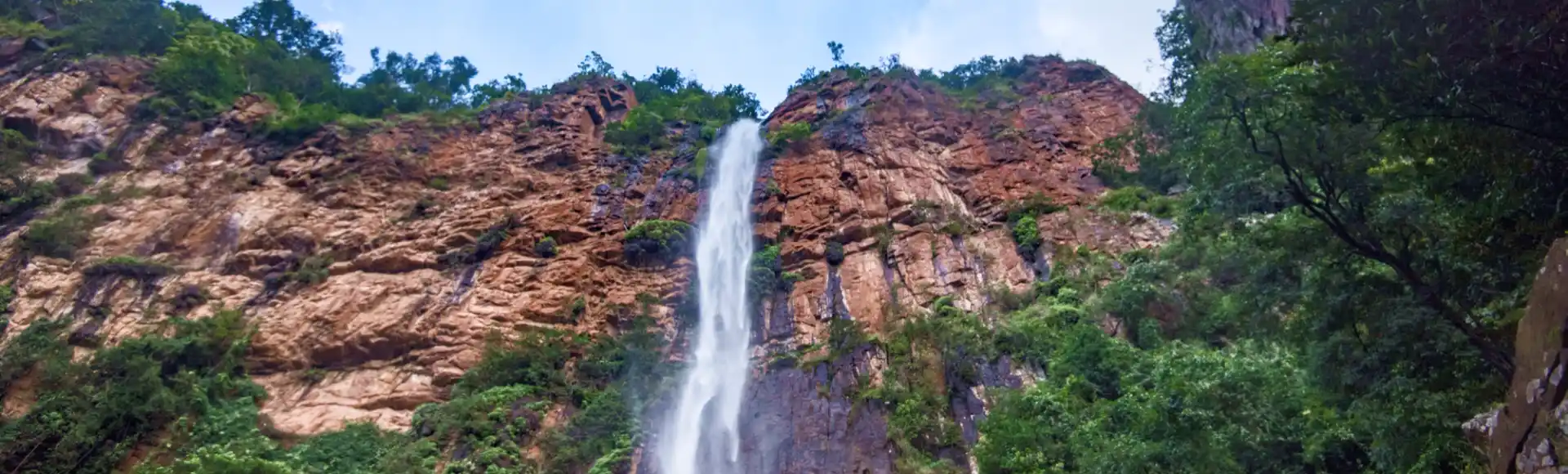
Khandadhar (Kendujhar)

71 km away · Keonjhar district

Khandadhar (Kendujhar)

Khandadhar is a waterfall in Kendujhar, Odisha, with a tall, sword-shaped cascade. People visit to experience its forested surroundings, see the falling water and enjoy outdoor activities.

Hanuman Vatika

76 km away · Sundargarh district

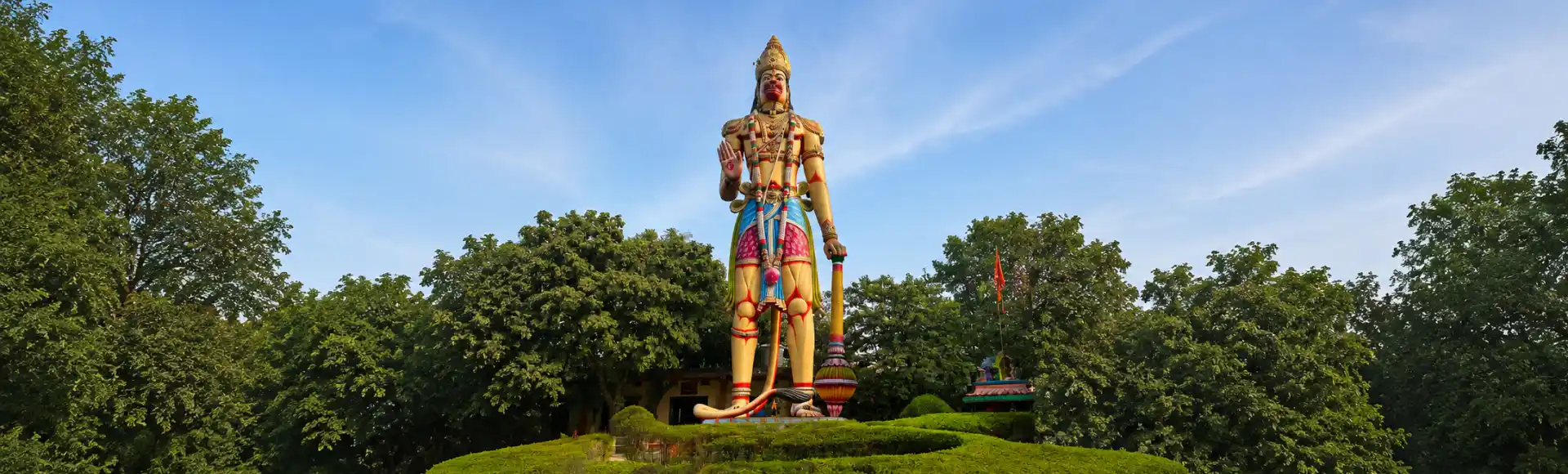
Hanuman Vatika

Hanuman Vatika in Raurkela is a religious complex visited by pilgrims and tourists for its prominent Hanuman statue, collection of shrines and tranquil grounds.

Ved Vyas Temple

78 km away · Sundargarh district

Ved Vyas Temple

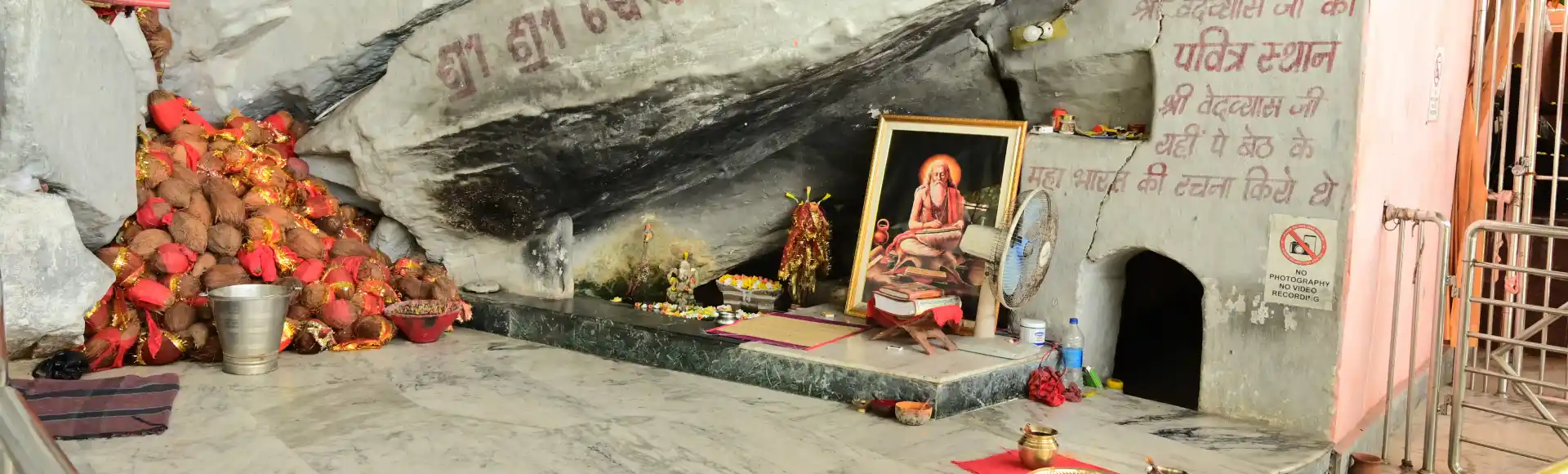
Ved Vyas Temple, in Rourkela, Odisha, is a riverside religious site visited for its association with Maharishi Ved Vyasa, the Sankh–Koel confluence and its natural setting.

Birsa Munda International Hockey Stadium

79 km away · Sundargarh district

Birsa Munda International Hockey Stadium

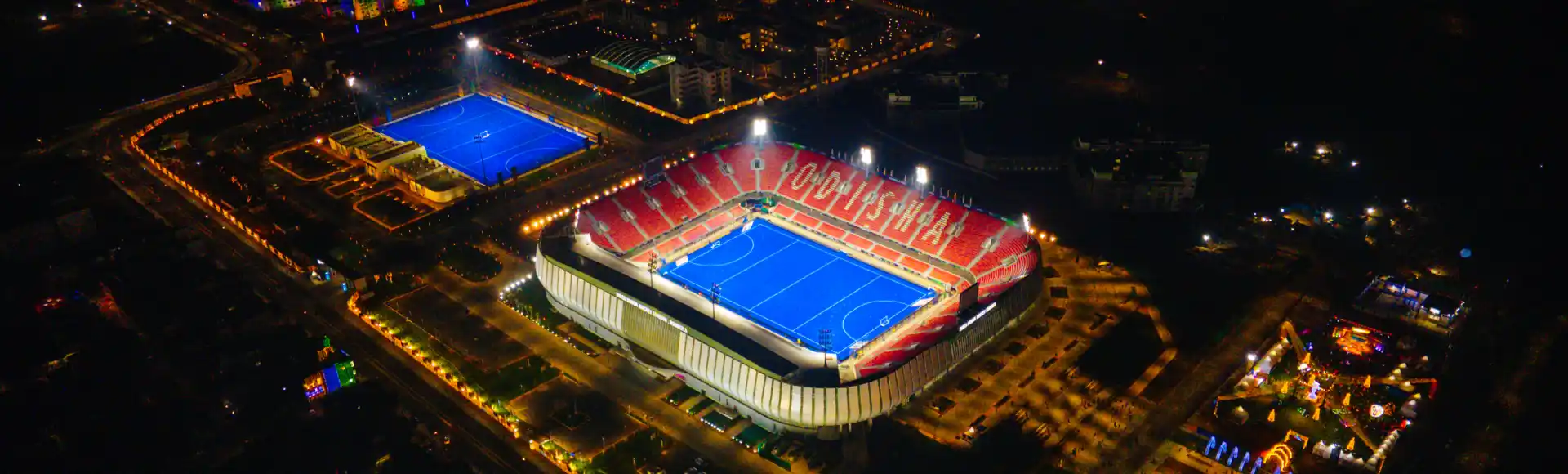
Birsa Munda International Hockey Stadium is a major hockey venue in Rourkela, Odisha. Visitors come to see the 2023 stadium built for the FIH Odisha Hockey Men's World Cup.

Maa Samaleswari Temple

80 km away · Sambalpur district

Maa Samaleswari Temple

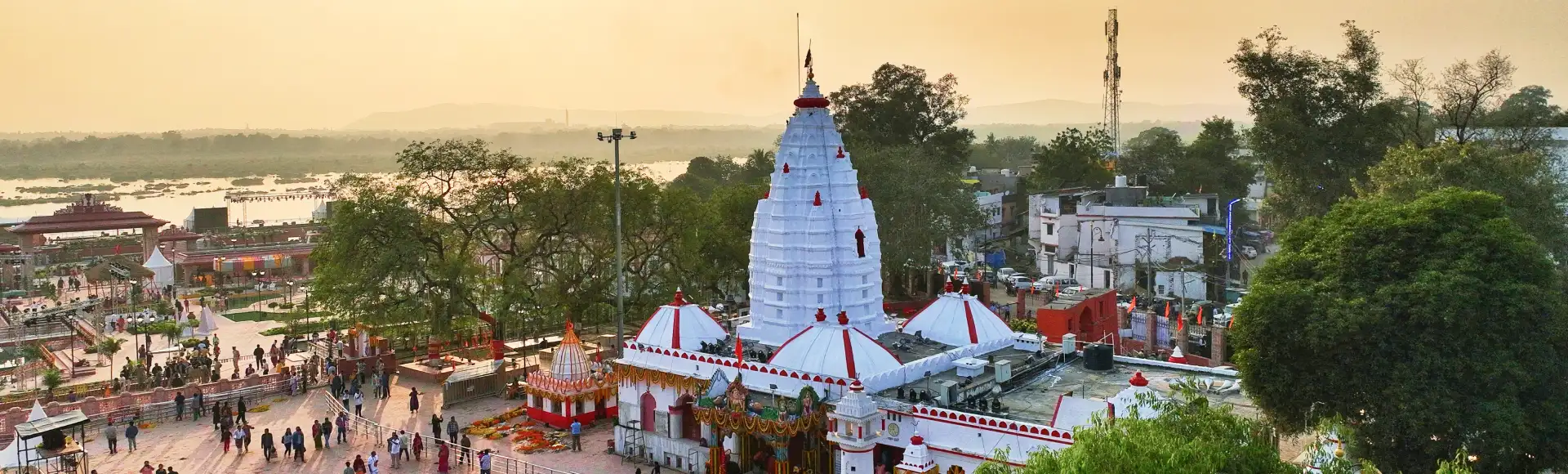
Maa Samaleswari Temple is a place of worship in Sambalpur dedicated to the Shakti goddess Maa Samaleswari. Visitors come for its architecture, religious importance and Nuakhai harvest customs.

Bada Ghagara Waterfall

85 km away · Keonjhar district

Bada Ghagara Waterfall

Located in Kendujhar, Odisha, Bada Ghagara is a perennial waterfall that drops almost 60 metres into a rocky gorge, drawing visitors for forest walks, photography and picnics.

Sanaghagara Waterfall

86 km away · Keonjhar district

Sanaghagara Waterfall

Near Kendujhar town in Odisha, Sanaghagara Waterfall is a modest cascade set among rocky ground and green slopes, drawing visitors for relaxed walks, views and photography.

Map

Debagarh on the map

  1. 1Khandadhar Waterfall
  2. 2Khandadhar (Kendujhar)
  3. 3Hanuman Vatika
  4. 4Ved Vyas Temple
  5. 5Birsa Munda International Hockey Stadium
  6. 6Maa Samaleswari Temple
  7. 7Bada Ghagara Waterfall
  8. 8Sanaghagara Waterfall

Odisha

Other cities to explore