Ghumoopedia — Explore, Discover, Experience
Sign in
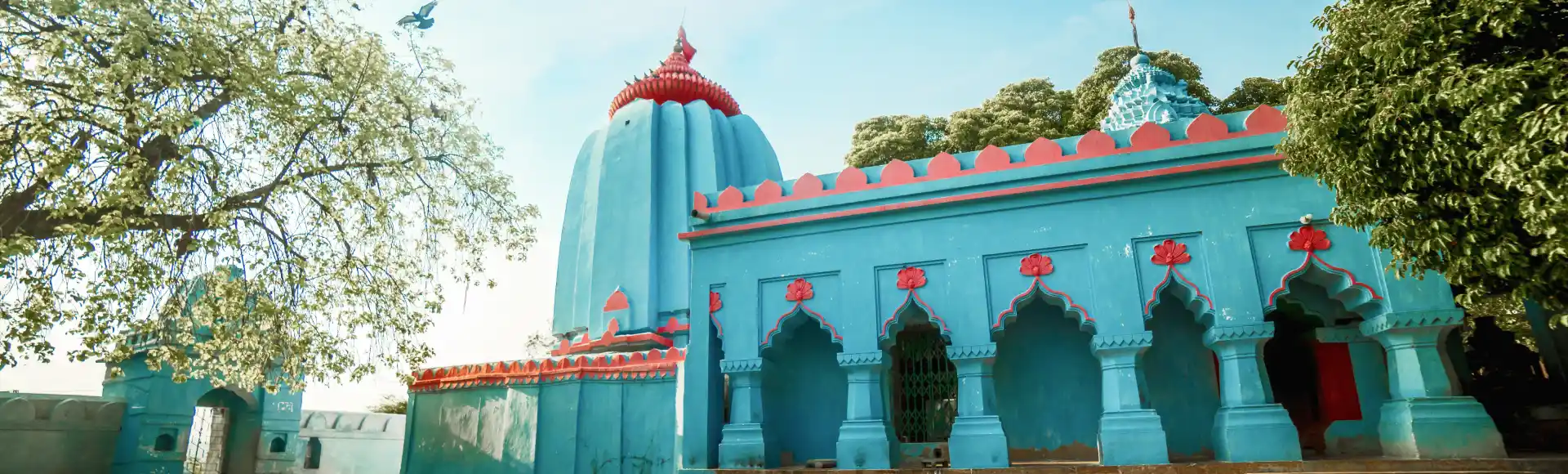
Leaning Temple of Huma, near Sonepur

City guide · Odisha

Sonepur

Sonepur, also called Subarnapur, is a historic town and the administrative centre of Subarnapur district in western Odisha. Its setting near the meeting of the Mahanadi and Tel rivers is a defining feature, and the confluence draws visitors interested in the region’s river landscape and religious traditions.

Famous for

  • Mahanadi–Tel river confluence
  • Sonepuri silk handloom
  • Historic temple cluster
  • Terracotta craft
  • River prawns

Why Sonepur matters

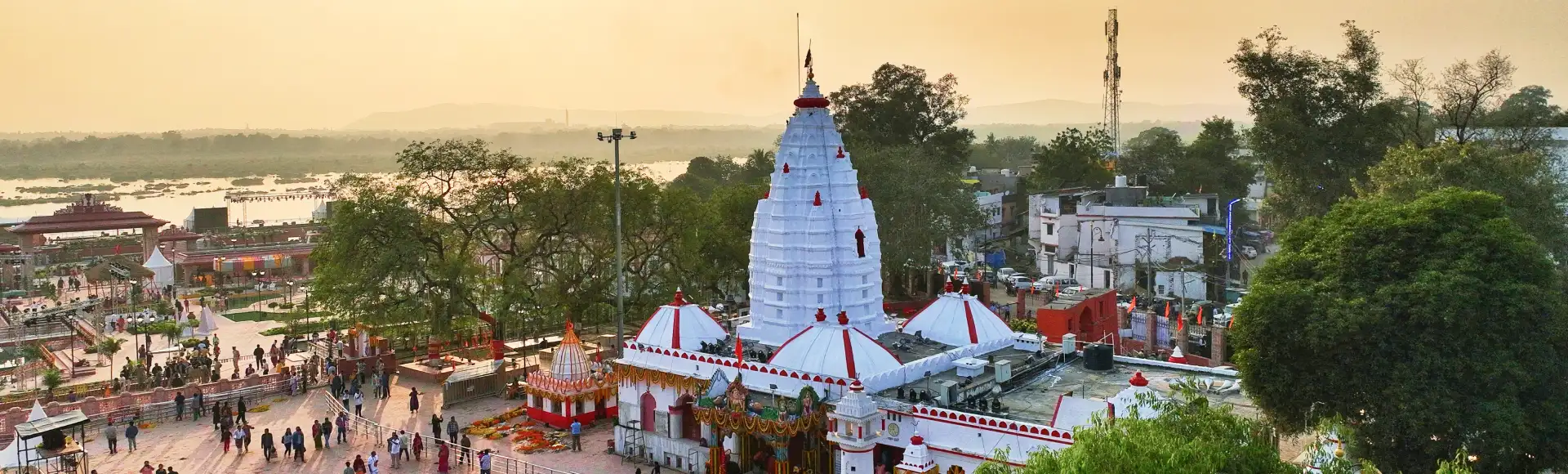
Sonepur, also called Subarnapur, is a historic town and the administrative centre of Subarnapur district in western Odisha. Its setting near the meeting of the Mahanadi and Tel rivers is a defining feature, and the confluence draws visitors interested in the region’s river landscape and religious traditions. The town is also known for a notable cluster of temples, including Sureswari and Lankeswari, and for its association with older forms of worship. The local epithet “Second Varanasi” reflects this temple heritage rather than a formal title.

Today Sonepur serves as a centre for district administration, local trade and services. Visitors come to see its temples and riverside setting, explore the old town and look for handloom textiles and terracotta work. Silk weaving, river produce and other local crafts contribute to its identity. Sonepur’s appeal lies less in large-scale tourism than in the combination of a historic princely-town character, an important river confluence and a living craft tradition within western Odisha.
Famous for: crafts, trade & products

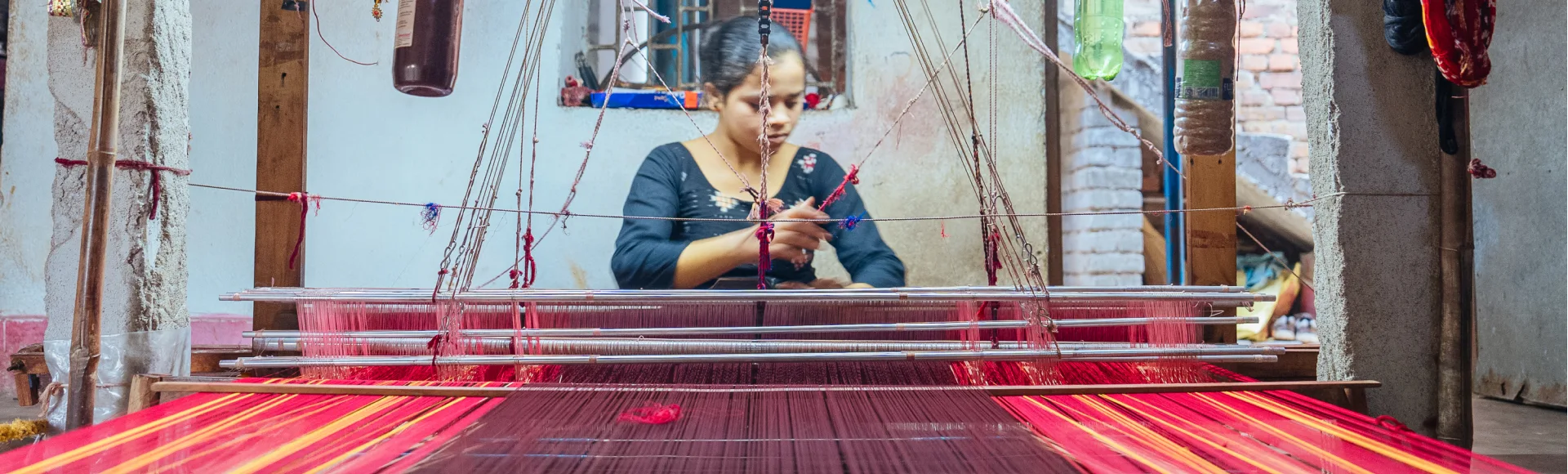
Sonepur is particularly associated with silk handloom weaving. Locally made Sonepuri textiles, including sarees, are valued for their traditional designs and skilled workmanship. Visitors can ask at handloom shops and outlets in the town’s central market area; stock and patterns vary. The broader district is also known for handloom products, though specific designs and materials differ between weavers. No single label should be assumed to apply to every textile sold as Sonepuri.

Terracotta is another local craft, with pottery and decorative objects available through artisans and market sellers. The town and surrounding area are also associated with prawns and other river produce, which may be found in local markets. These products are part of everyday trade as well as the area’s reputation. Sonepur is not chiefly an industrial destination, and visitors are more likely to encounter its crafts through small shops and local vendors than through large commercial showrooms. Ask sellers about the maker and material when buying handloom or terracotta work, and check availability locally, as supply can be seasonal.

History

Sonepur was the capital of the former princely state of Sonepur, governed by a local royal house before and during the period of British rule in India. Its temples and older settlement reflect the town’s regional religious and political importance. The riverside location at the meeting of the Mahanadi and Tel also helped shape its identity and links with nearby communities.

Under British paramountcy, Sonepur remained a princely state rather than a directly administered British district. After independence, the princely state joined the Indian Union and became part of Odisha. The town later developed as the headquarters of Subarnapur district, taking on a larger role in public administration and local services. Trade in textiles, crafts and agricultural and river produce has continued alongside this administrative function. Modern Sonepur has grown as a district centre while retaining its temple landscape and historic association with the former state.

Food, festivals & culture

Odia is widely used in Sonepur, alongside regional western Odisha speech forms such as Sambalpuri. The area shares cultural traditions with the wider region, including folk music and dance associated with festivals and community gatherings. Nuakhai, the harvest festival celebrated in the post-monsoon season, is especially important across western Odisha. Rath Yatra usually falls in June or July, while Durga Puja is observed in the autumn. Festival dates follow the local calendar and change from year to year.

Temples are central to the town’s religious life. Sureswari and Lankeswari are among the shrines visitors may encounter, and the town’s wider temple heritage has links with varied Hindu traditions, including tantric practice. Everyday meals draw on Odia staples such as rice, lentils and vegetables; pakhala is popular in warm weather, while seasonal pitha and regional sweets appear around festivals. Sonepur’s food culture is local and home-centred, with river prawns also part of the area’s market trade.

Visiting the city

The cooler, drier months from October to February are generally the most comfortable for exploring Sonepur. Summers can be very hot, while monsoon rain may affect road journeys and riverside plans. The nearest practical airport is Veer Surendra Sai Airport at Jharsuguda. Balangir railway station is a useful main rail gateway for the town; check current connections for the final road leg, as rail services in the wider area can change.

Within Sonepur, taxis, auto-rickshaws and local vehicles are useful for reaching temples, the market and the river confluence. Explore the central bazaar for handloom and everyday trade, then visit the riverside and temple precincts. Allow time for the Mahanadi–Tel meeting point and the older parts of town; local advice can help with access to individual shrines and riverbank spots.

Trips from the city

Nearest places to visit from Sonepur

Our closest destination guides, by straight-line distance.

Leaning Temple of Huma

50 km away · Sambalpur district

Leaning Temple of Huma

Beside the Mahanadi at Huma near Sambalpur, this Shiva temple is known for its leaning shrines and attracts worshippers and visitors interested in its unusual architecture and riverside traditions.

53 km away · Bargarh district

Barpali

Barpali, in Odisha’s Bargarh district, is a town and block administrative centre governed by a Notified Area Council. People visit for its literary associations, woven textiles, crafts and religious sites.

Kardola Weavers Village

55 km away · Sambalpur district

Kardola Weavers Village

Kardola, in Burla, Sambalpur, Odisha, is a village known for its Sambalpuri Ikat weaving. Visitors come to view its patterned homes, meet local artisans and purchase cotton or silk textiles made there.

Maa Samaleswari Temple

71 km away · Sambalpur district

Maa Samaleswari Temple

Maa Samaleswari Temple is a place of worship in Sambalpur dedicated to the Shakti goddess Maa Samaleswari. Visitors come for its architecture, religious importance and Nuakhai harvest customs.

Debrigarh Wildlife Sanctuary

76 km away · Bargarh district

Debrigarh Wildlife Sanctuary

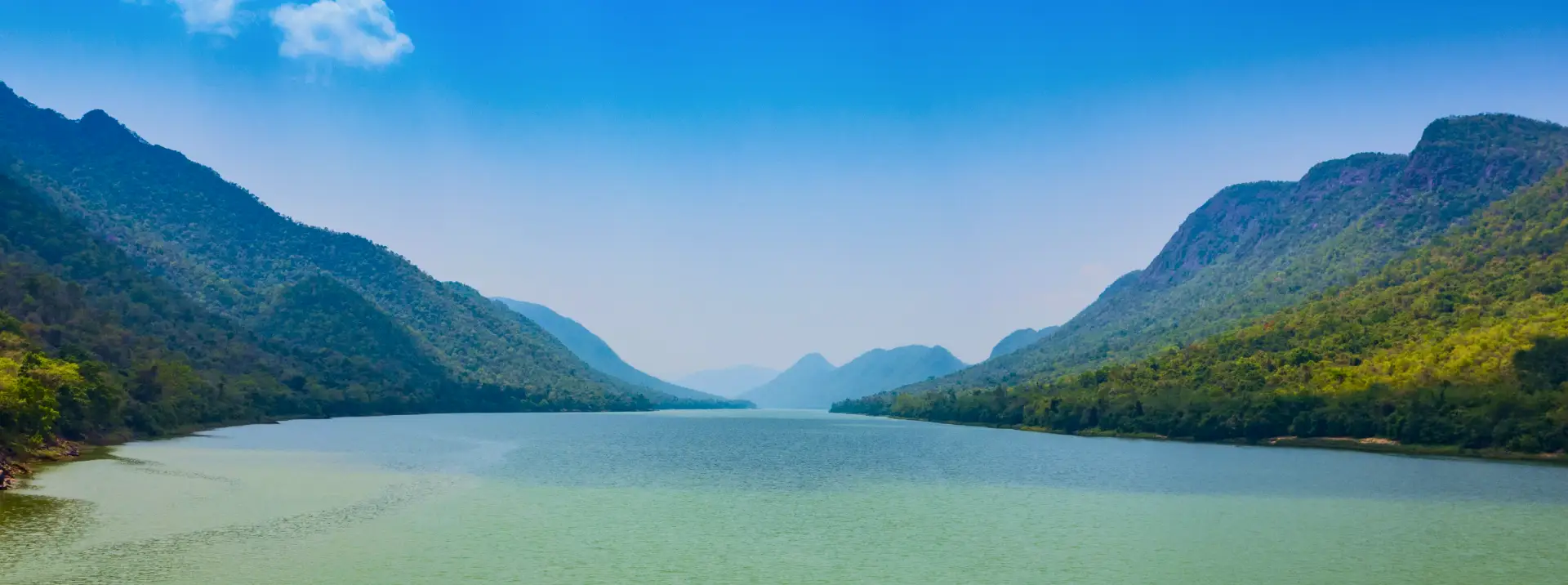
Set beside the Hirakud Reservoir in western Odisha, Debrigarh Wildlife Sanctuary draws visitors for its varied landscapes, wildlife and outdoor activities, including safaris, walks and boating.

Hirakud Dam

78 km away · Sambalpur district

Hirakud Dam

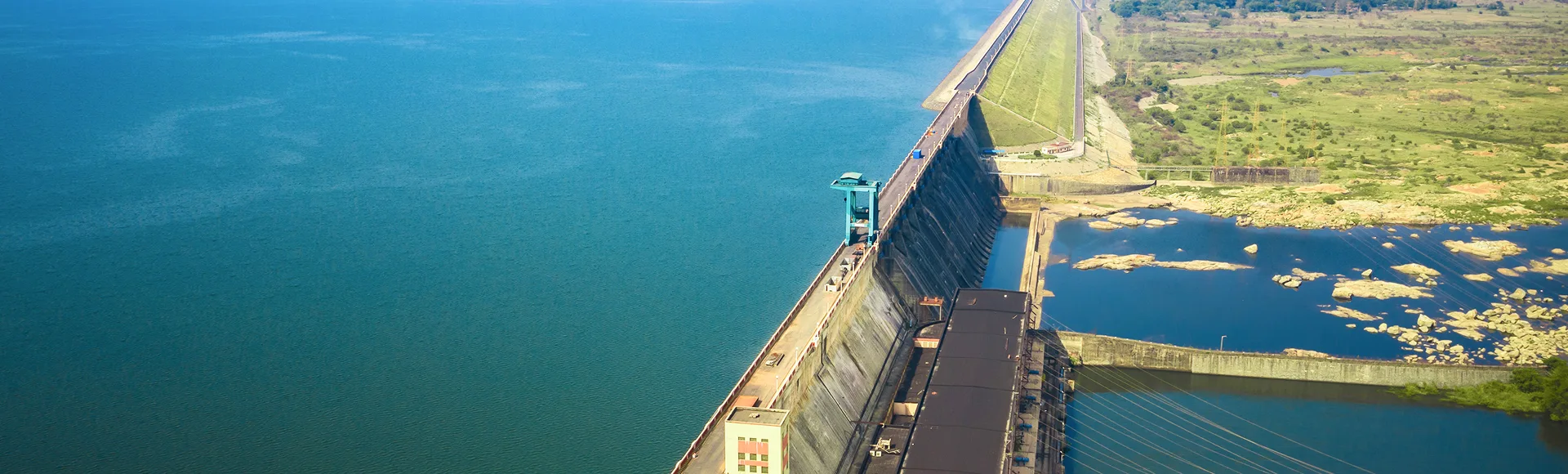
Hirakud Dam is an Odisha river barrier and multipurpose project, valued for flood management, irrigation and electricity as well as reservoir views, birdlife and engineering history.

Bara Bakhra Caves

91 km away · Bargarh district

Bara Bakhra Caves

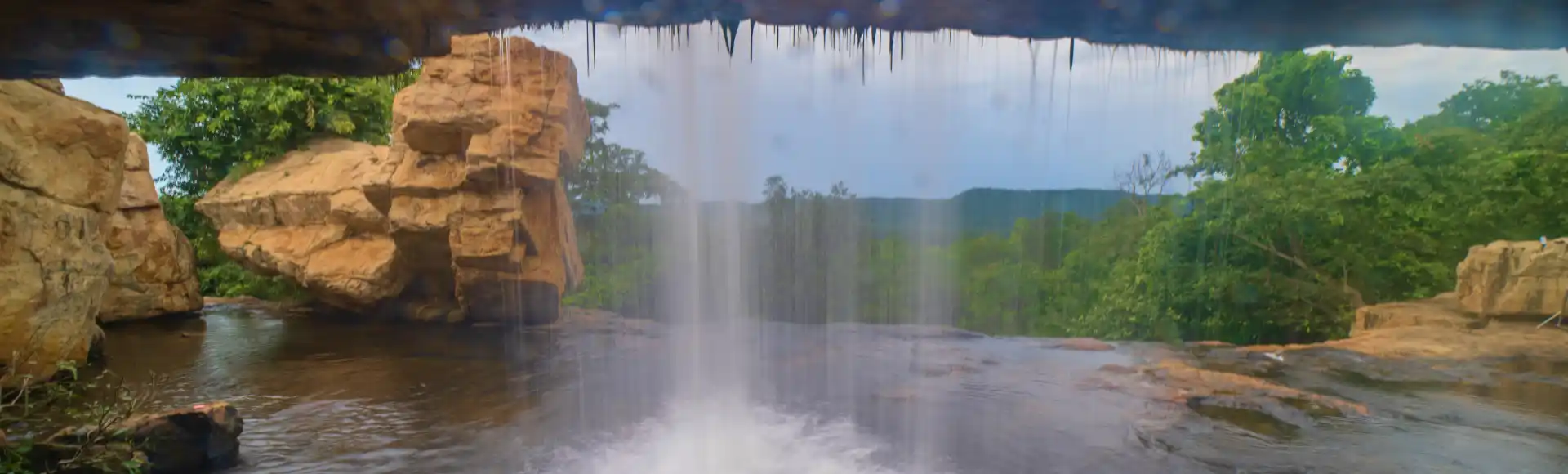
Bara Bakhra Caves, in Burla, Baragada, lie near Debrigarh Wildlife Sanctuary and are known for their link to Veer Surendra Sai’s resistance and their forest surroundings.

Satkosia Gorge & Tiger Reserve

94 km away · Nayagarh district

Satkosia Gorge & Tiger Reserve

Satkosia Gorge & Tiger Reserve is a protected landscape across Anugola and Nayagada districts of Odisha, drawing visitors for its river gorge, wildlife and nature-based activities.

Map

Sonepur on the map

  1. 1Leaning Temple of Huma
  2. 2Barpali
  3. 3Kardola Weavers Village
  4. 4Maa Samaleswari Temple
  5. 5Debrigarh Wildlife Sanctuary
  6. 6Hirakud Dam
  7. 7Bara Bakhra Caves
  8. 8Satkosia Gorge & Tiger Reserve

Odisha

Other cities to explore