Ghumoopedia — Explore, Discover, Experience
Sign in
Biraja Temple, near Byasanagar

City guide · Odisha

Byasanagar

Byasanagar, also called Vyasanagar and widely known as Jajpur Road, is an important railway and industrial town in Jajpur district. Its station links the area to the Howrah–Puri rail corridor, while the surrounding industrial belt gives the town a prominent role in Odisha’s steel economy.

Famous for

  • Jajpur Keonjhar Road station
  • Steel manufacturing belt
  • Railway-linked urban growth
  • Industrial companies

Why Byasanagar matters

Byasanagar, also called Vyasanagar and widely known as Jajpur Road, is an important railway and industrial town in Jajpur district. Its station links the area to the Howrah–Puri rail corridor, while the surrounding industrial belt gives the town a prominent role in Odisha’s steel economy. Major steel companies operate in and around the town, alongside smaller businesses and services that support workers and nearby communities.

The town is also a practical base for travel in the district: visitors can use it to reach Jajpur town and explore the wider region. Byasanagar itself is best known for its railway history and industry rather than for a major craft or resort scene. It is the municipal centre of a growing urban area and lies within the Korei Assembly constituency. For travellers, its appeal is chiefly as a transport stop and a window onto the industrial side of contemporary Odisha.
Famous for: crafts, trade & products

Steel is Byasanagar’s clearest commercial identity. The surrounding industrial belt includes operations associated with Neelachal Ispat Nigam Limited, MESCO, Tata Steel and Jindal Steel, as well as smaller firms. These industries make the area significant for manufacturing and employment, though plant premises are working sites rather than visitor attractions; view industrial activity only from public roads and follow local access rules.

The town is not especially known for a signature handloom, handicraft or GI-tagged product, so visitors should not expect a dedicated craft-shopping district. Everyday shopping is concentrated around the station and central commercial streets, where local shops serve residents and commuters. Steel and industrial goods are generally handled through companies, suppliers and authorized dealers, not sold as tourist souvenirs. For regional products or a broader market experience, visitors can ask locally about shops in Jajpur town and nearby centres. Byasanagar’s identity is therefore more closely tied to rail transport, manufacturing and services than to a particular textile or traditional export.

History

Byasanagar grew around the railway station on the Howrah–Puri line. During the railway era, it became the nearest railhead serving Jajpur and Keonjhar, and the station’s name—Jajpur Keonjhar Road—preserves that role. The railway brought passengers, trade and services to what developed as a distinct town. Its history is consequently more closely associated with transport and modern urban growth than with a royal court or a single historic monument.

The municipality was established in 1963. In later decades, industrial development in the surrounding area changed the town’s economic character, with steel manufacturing and related businesses becoming major features. Byasanagar marked the municipality’s 50th anniversary in 2013. Its position as both a rail centre and an industrial town continues to shape its daily life and its importance within Jajpur district.

Food, festivals & culture

Odia is the principal language of daily life; Hindi is also commonly useful in shops and transport settings. The food available reflects broader Odia home cooking, with rice, dal, vegetable preparations and seasonal dishes. Pakhala, a rice dish often enjoyed in warmer months, and dalma, made with lentils and vegetables, are familiar regional choices. Local eateries and sweet shops are the best places to ask what is freshly prepared, rather than looking for a single dish unique to Byasanagar.

The town observes major Odisha and Hindu festivals, including Rath Yatra in the early monsoon season, Raja in June, and Durga Puja in autumn; Diwali is also widely celebrated. Community celebrations, devotional music and dance form part of festival life, while Odissi and regional folk traditions are part of the wider cultural setting. Neighbourhood temples and shrines serve local worshippers. For a major pilgrimage site nearby, Biraja Temple is in Jajpur town, not in Byasanagar itself.

Visiting the city

The cooler, drier months from October to February are generally the most comfortable for exploring. The nearest major airport is Biju Patnaik International Airport in Bhubaneswar. The main rail stop is Jajpur Keonjhar Road railway station, which serves Byasanagar and the surrounding district.

Auto-rickshaws and local taxis are practical for getting between the station, central market streets and other parts of town; arrange longer trips locally. The station area is useful for transport and everyday services, while the municipal centre and nearby commercial streets offer a look at town life. Industrial areas convey the scale of regional manufacturing, but are not open attractions, so remain on public roads and respect site restrictions. Jajpur town makes a worthwhile regional excursion for its older religious heritage, including Biraja Temple.

Trips from the city

Nearest places to visit from Byasanagar

Our closest destination guides, by straight-line distance.

Biraja Temple

26 km away · Jajpur district

Biraja Temple

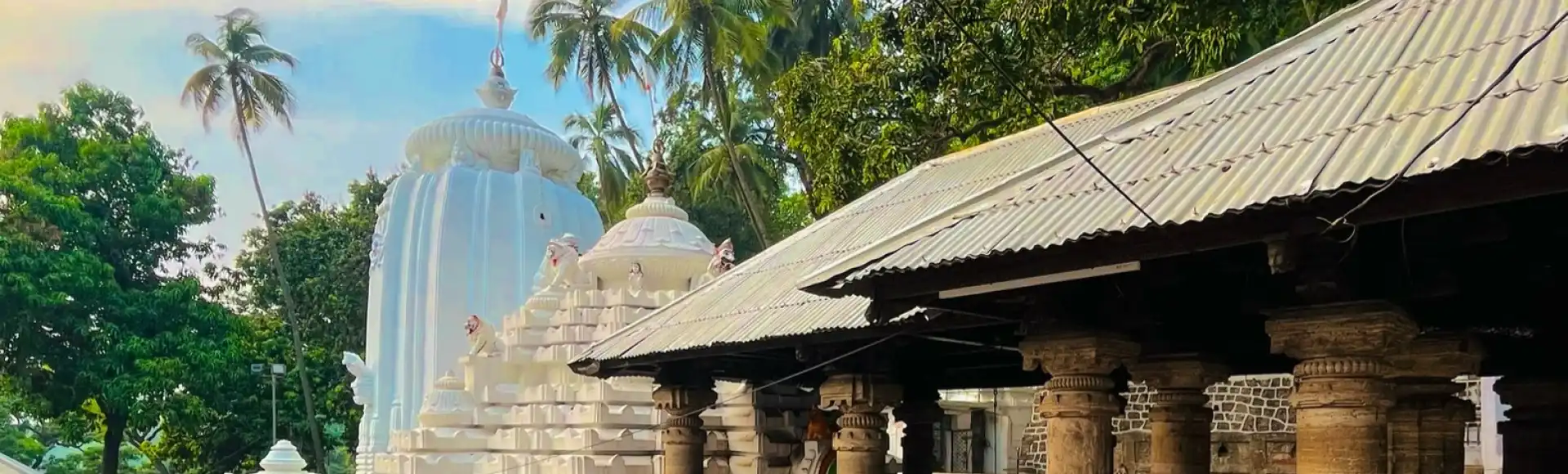
Biraja Temple is a Shakti shrine in Jajpur, Odisha, associated with Goddess Biraja, a form of Durga. Pilgrims come for worship, Pind Daan and the annual Dussehra chariot procession.

Udayagiri Monastery

37 km away · Jajpur district

Udayagiri Monastery

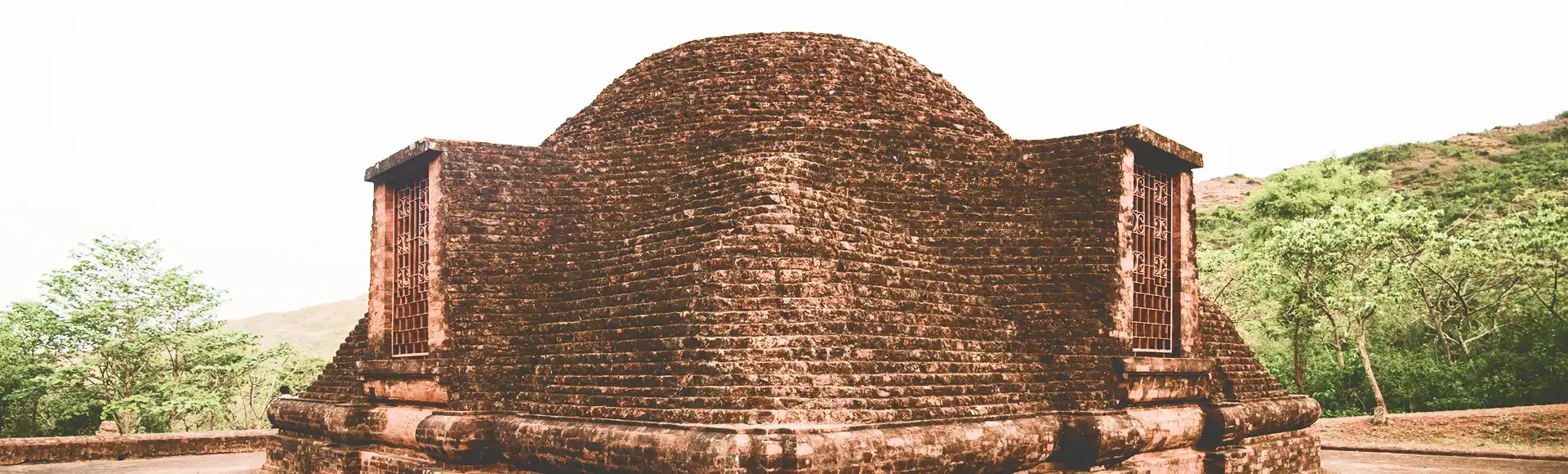
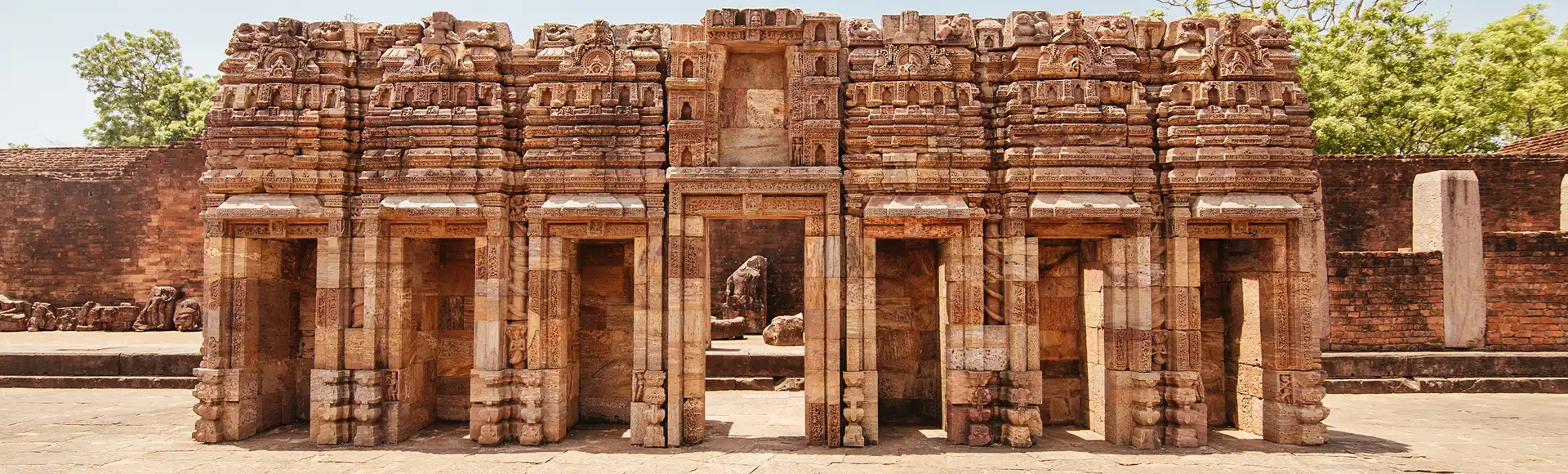
Udayagiri is an extensive Buddhist archaeological complex in Jajpur, Odisha, and part of the region’s Diamond Triangle. Visitors explore its monastic remains and history of Buddhist scholarship.

Ratnagiri Monastery

41 km away · Jajpur district

Ratnagiri Monastery

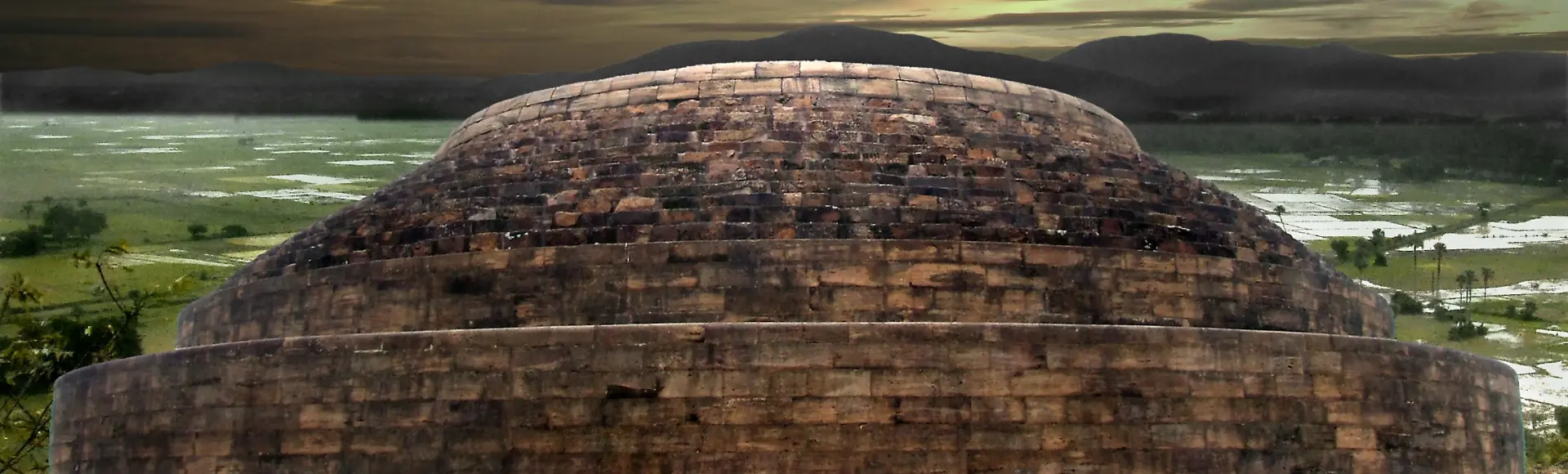
In Jajpur, Odisha, Ratnagiri is a major Buddhist heritage site linked to Mahayana and Vajrayana traditions. Visitors explore its monastery, sculptural remains and history as a place of Buddhist practice and learning.

Lalitagiri Buddhist Complex

43 km away · Cuttack district

Lalitagiri Buddhist Complex

Lalitagiri is an early Buddhist archaeological complex in Mahanga, Kataka district, Odisha. Visitors come to explore its religious remains, excavated artefacts and connection to the Buddhist Diamond Triangle.

Killa Dalijoda

46 km away · Cuttack district

Killa Dalijoda

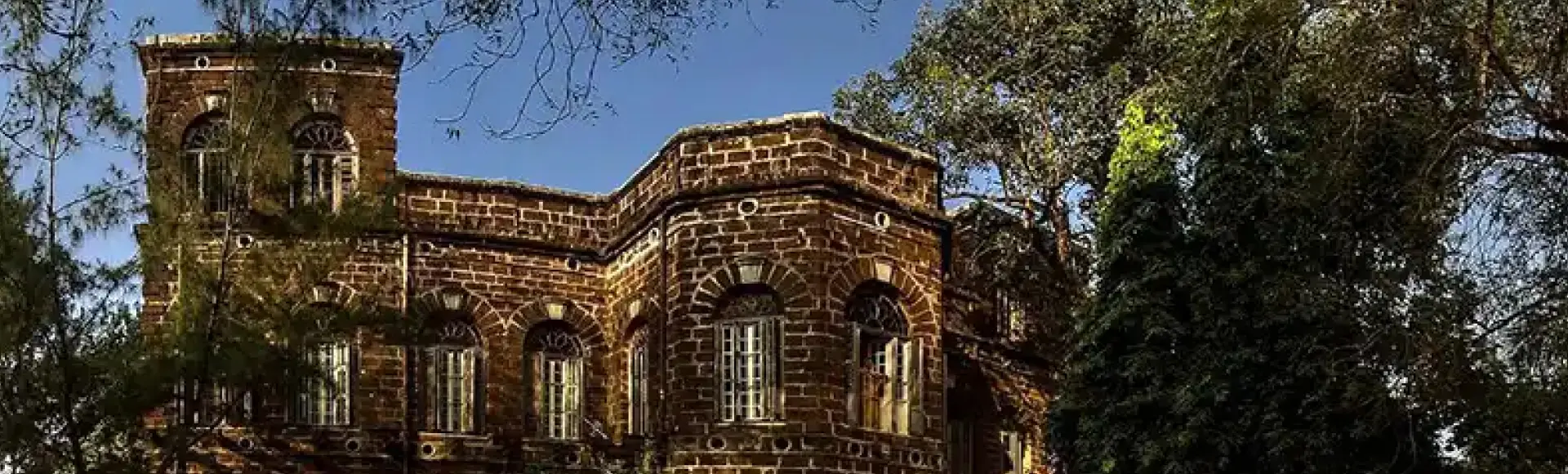
Killa Dalijoda is a 1931 royal hunting lodge near Kapilash Elephant Sanctuary, visited for its historic architecture, period interiors and forest surroundings.

Mahimagadi, Joranda

47 km away · Dhenkanal district

Mahimagadi, Joranda

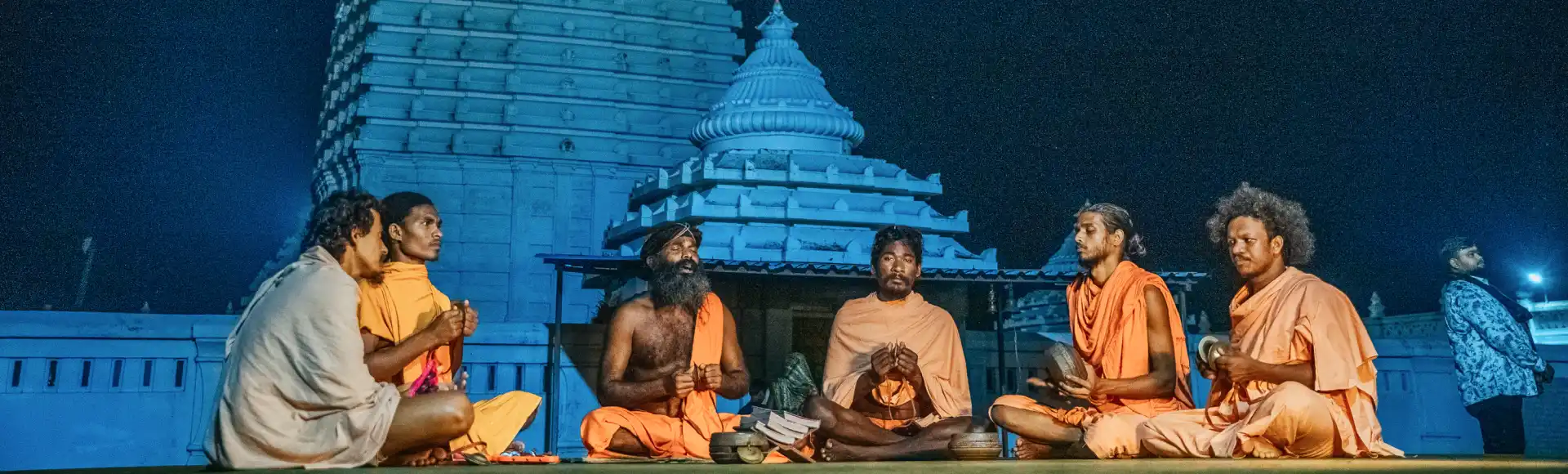
Mahimagadi at Joranda, in Dhenkanal district, is the principal centre of Mahima Dharma, a religious movement from Odisha. Visitors come to its ashram and the Magha Mela.

Kapilash Temple

48 km away · Dhenkanal district

Kapilash Temple

High on Kapilash Hills in Dhenkanal, this Shiva temple draws worshippers for its association with Sage Kapila and for Mahashivaratri and Shravan observances.

Gundicha Ghagi Waterfall

54 km away · Keonjhar district

Gundicha Ghagi Waterfall

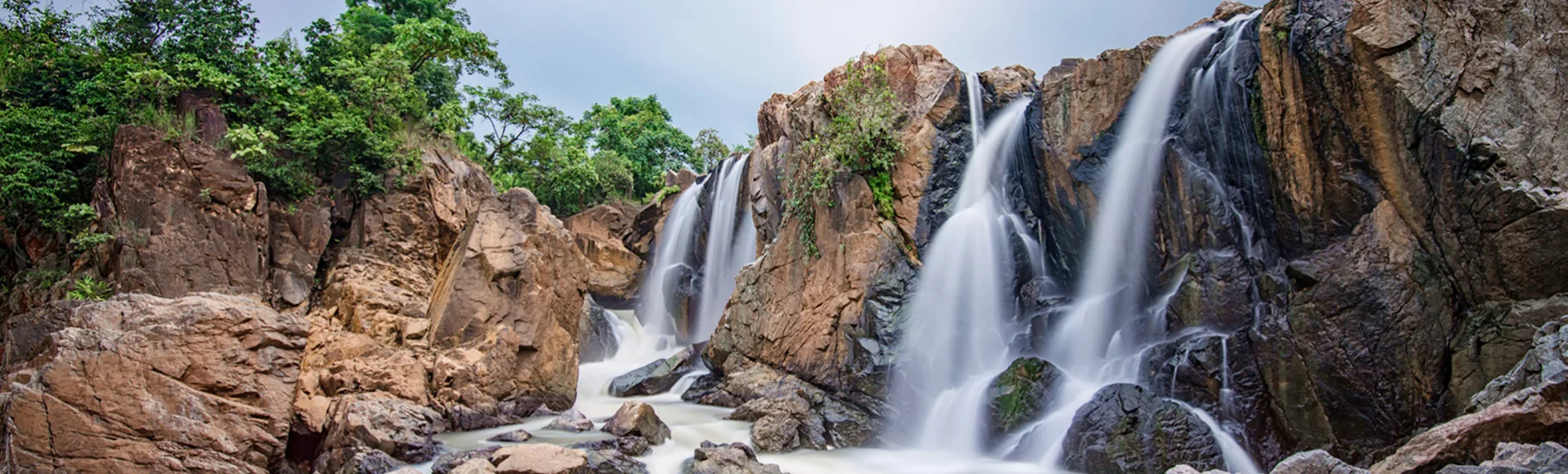
In Odisha’s Keonjhar district, Gundicha Ghagi Waterfall is a natural cascade included in Odisha Tourism’s catalogue of tourist places. People visit to see the waterfall, although local confirmation of site details is still pending.

Map

Byasanagar on the map

  1. 1Biraja Temple
  2. 2Udayagiri Monastery
  3. 3Ratnagiri Monastery
  4. 4Lalitagiri Buddhist Complex
  5. 5Killa Dalijoda
  6. 6Mahimagadi, Joranda
  7. 7Kapilash Temple
  8. 8Gundicha Ghagi Waterfall

Odisha

Other cities to explore