Ghumoopedia — Explore, Discover, Experience
Sign in
Odisha State Musuem, near Bhubaneswar

City guide · Odisha

Bhubaneswar

Bhubaneswar is Odisha’s capital and a major centre for government, education, technology, healthcare and sport. Its planned districts and expanding business areas sit alongside an old town shaped by centuries of religious architecture, giving the city a distinctive mix of modern urban life and historic character.

Famous for

  • Lingaraja Temple
  • Kalingan temple architecture
  • Odissi dance
  • Pipili appliqué craft
  • Odisha Rasagola
  • Ekamra Haat

Why Bhubaneswar matters

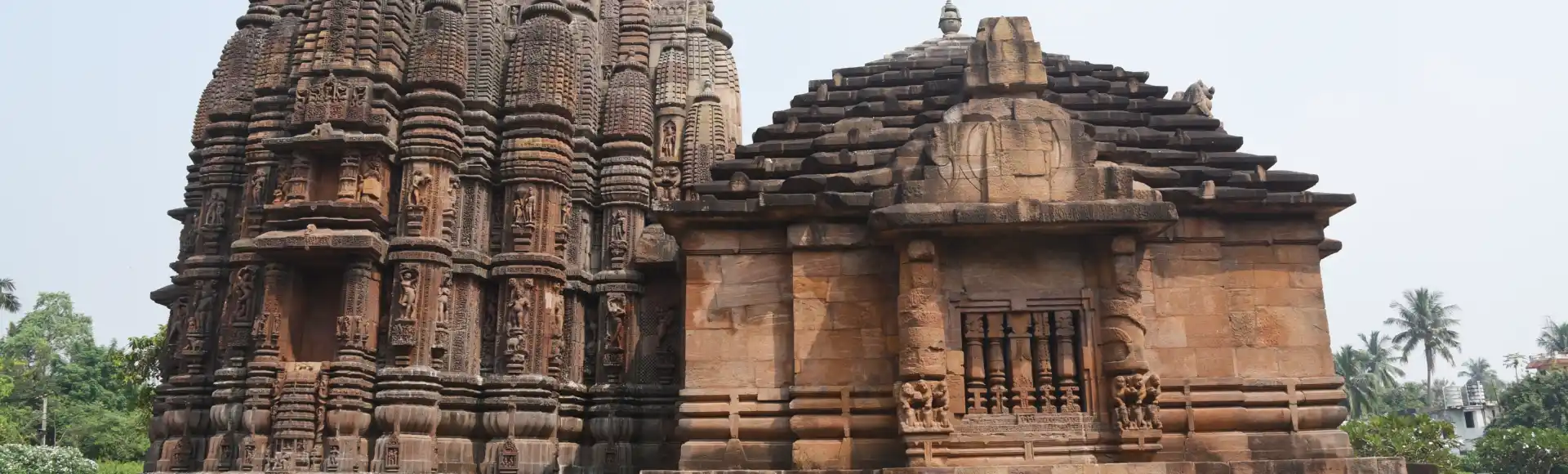
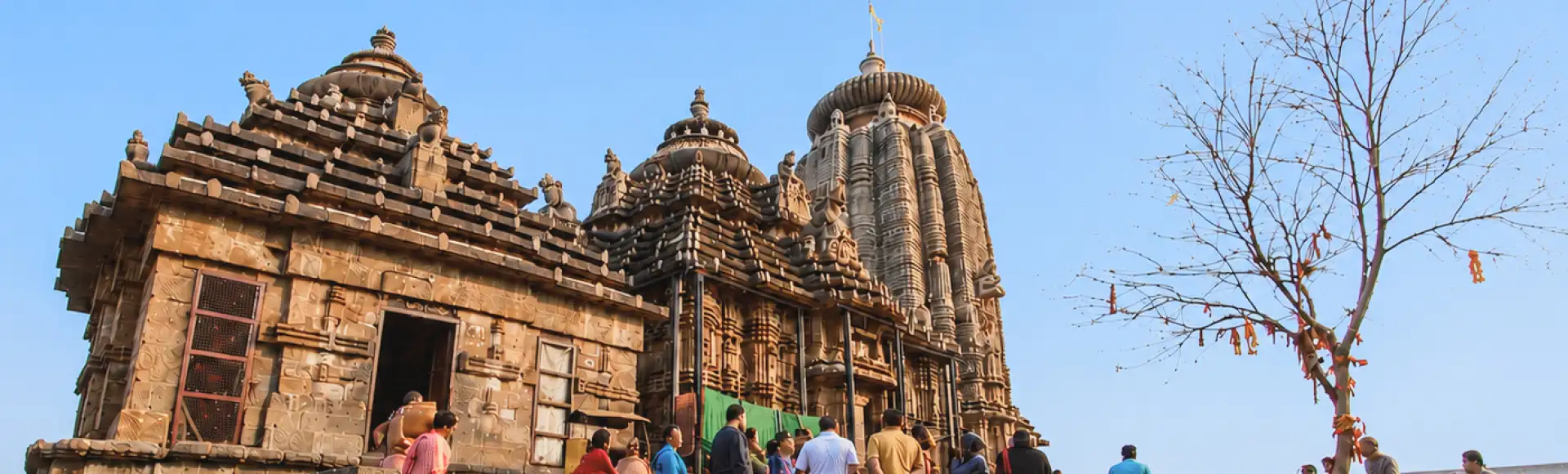
Bhubaneswar is Odisha’s capital and a major centre for government, education, technology, healthcare and sport. Its planned districts and expanding business areas sit alongside an old town shaped by centuries of religious architecture, giving the city a distinctive mix of modern urban life and historic character. The many surviving temples have earned it the name “Temple City.” Lingaraja, Muktesvara and Rajarani are among its best-known examples of Kalingan architecture.

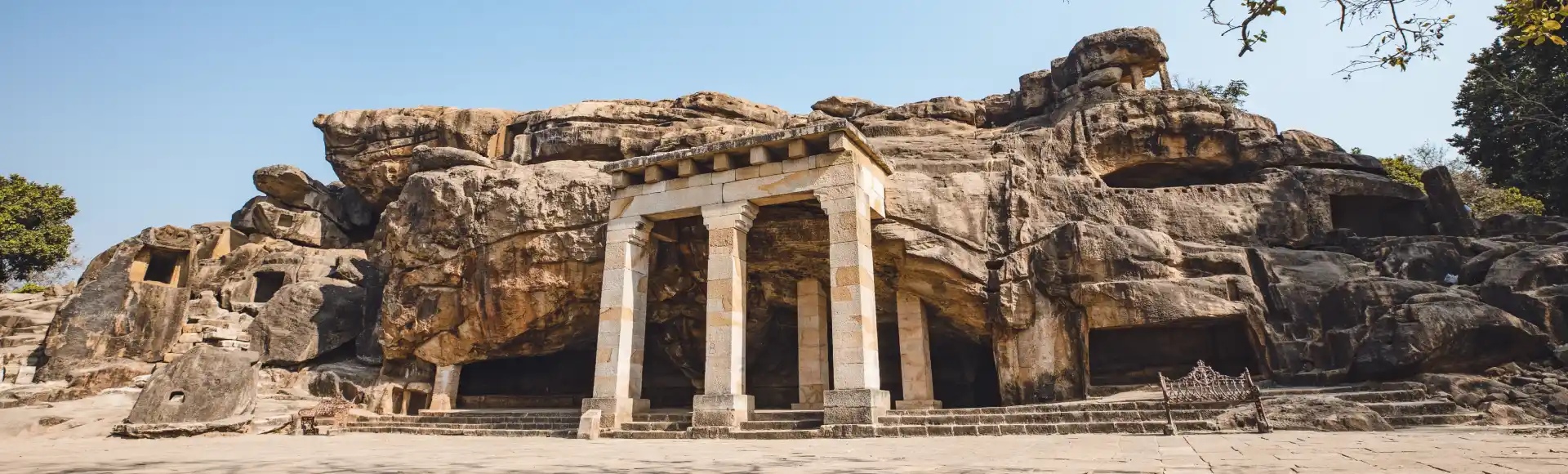
Visitors come for the temple quarter and for the wider heritage circuit linking Bhubaneswar with Puri and Konark, often called Odisha’s Golden Triangle. Nearby, Dhauli preserves the memory of the Kalinga War and Ashoka’s rock edicts, while the Udayagiri and Khandagiri caves reveal Jain history. Bhubaneswar is also a practical base for exploring the state, with an international airport, rail links and a growing range of hotels and restaurants. Its cultural institutions, festivals and food make it more than a stop between Odisha’s better-known coastal destinations.
Famous for: crafts, trade & products

Bhubaneswar is a useful place to discover crafts from across Odisha. Ekamra Haat brings together artisans and sellers offering textiles, woodwork, stone carving, metalwork and regional foods. Pipili, near the city, is known for colourful appliqué work used in canopies, wall hangings and decorative umbrellas; examples are often sold in Bhubaneswar’s craft outlets. Pattachitra painting comes chiefly from Raghurajpur, near Puri, while Cuttack is renowned for silver filigree. Odisha ikat and Sambalpuri sarees, woven mainly in western Odisha, can be found in handloom shops around the city and at government emporia.

The Unit I Market Building and commercial stretches around Janpath and Saheed Nagar serve everyday shopping needs, while boutiques and handloom stores offer textiles and souvenirs. Odisha Rasagola, a GI-tagged sweet, is among the regional specialities available from local sweet shops; chhena-based sweets are another popular purchase. Bhubaneswar’s larger economy is associated with public administration, information technology, education and healthcare. Utkal University, KIIT and major research and medical institutions contribute to its role as a regional centre, alongside a growing sports sector.

History

The area around present-day Bhubaneswar has a long history. Dhauli, southwest of the city, is associated with the Kalinga War in the third century BCE and retains rock edicts of the Mauryan emperor Ashoka. Nearby Udayagiri and Khandagiri contain Jain caves and the Hathigumpha inscription linked to the ruler Kharavela. From around the seventh century CE, regional dynasties including the Somavamshis and later the Eastern Gangas shaped the area’s religious landscape. Many of the old town’s temples were built between the eighth and twelfth centuries, with Lingaraja among the most significant.

Cuttack remained Odisha’s principal administrative centre under successive rulers and during British rule. After independence, Bhubaneswar was selected as the new state capital. German architect Otto Königsberger prepared its modern plan, and the new capital was established in 1948. Planned roads and civic districts grew around the older temple town; later expansion created new residential, educational and commercial areas. Bhubaneswar and Cuttack are now closely linked as Odisha’s twin cities.

Food, festivals & culture

Odia is the principal language, while Hindi and English are also widely used. The city’s food reflects Odisha’s rice-based cooking: try dalma, a lentil and vegetable dish, and pakhala, fermented rice often eaten in warm weather. Chhena poda, chhena gaja and Odisha Rasagola are familiar sweets. Temple offerings and local eateries provide further ways to encounter regional flavours.

Religious life is visible in the old town’s Hindu temples, as well as in nearby Jain caves and Buddhist sites such as Dhauli. Maha Shivaratri, usually in February or March, draws worshippers to Shiva temples. Rath Yatra, generally in June or July, is celebrated widely in Odisha, and Durga Puja in September or October brings neighbourhood decorations and gatherings. Odissi, the classical dance form, has deep roots in the state; Odissi music and Gotipua performance traditions are also part of the region’s cultural life. Festivals and cultural programmes offer opportunities to see these arts alongside contemporary music and performances.

Visiting the city

October to March is generally the most comfortable season to visit, with cooler, drier weather than the hot summer and rainy monsoon months. The nearest airport is Biju Patnaik International Airport, within the city; the main rail gateway is Bhubaneswar railway station. Autos, app-based cabs and city buses serve common routes, while cabs are convenient for day trips to sites beyond the centre.

Explore the Old Town for its temples and traditional lanes, then visit the planned districts around Unit I, Janpath and Saheed Nagar for markets, cafés and everyday city life. Ekamra Haat is a good stop for Odisha crafts and regional products. Chandrasekharpur shows the newer northern city, while Dhauli and the Udayagiri–Khandagiri caves make rewarding excursions. Leave time to visit Puri or Konark if continuing around the coastal heritage circuit.

Trips from the city

Nearest places to visit from Bhubaneswar

Our closest destination guides, by straight-line distance.

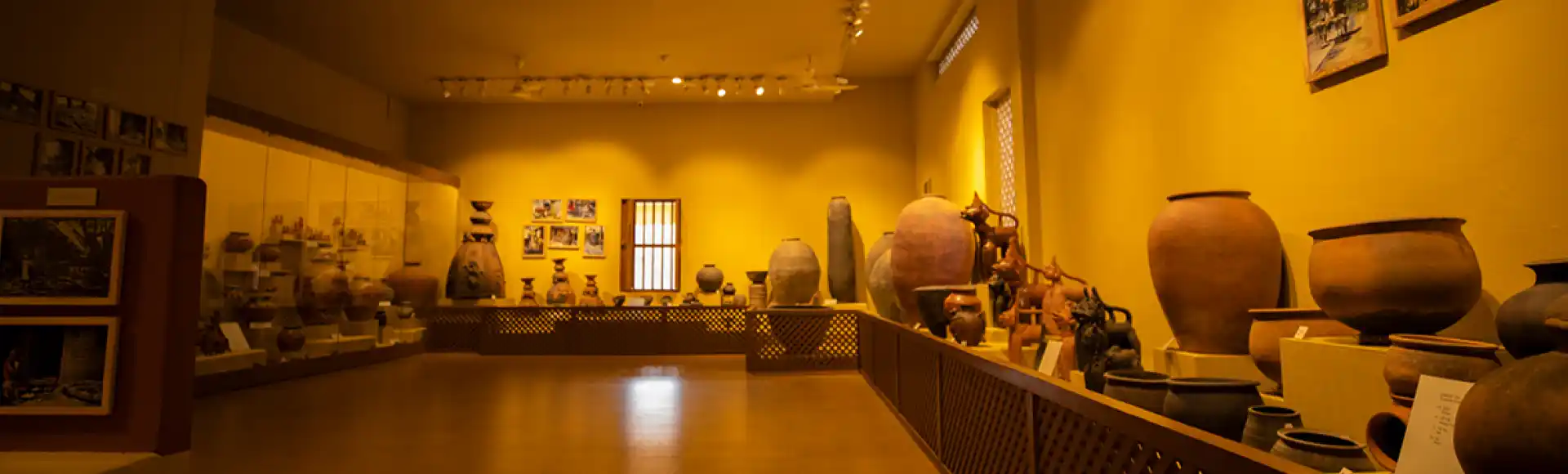
Odisha State Musuem

2 km away · Khordha district

Odisha State Musuem

The Odisha State Museum in Bhubaneswar preserves objects associated with the state’s history and cultural practices. Visitors explore its archaeological, artistic, literary and traditional collections.

Rajarani Temple

3 km away · Khordha district

Rajarani Temple

Rajarani Temple, in Bhubaneswar, is an 11th-century shrine known for its sculpted sandstone work and distinctive tower. Visitors explore its architecture and gardens, and attend its music festival.

Ananta Basudeva Temple

4 km away · Khordha district

Ananta Basudeva Temple

Ananta Basudeva Temple is a Vaishnavite shrine in Bhubaneswar. Visitors come to see its Kalinga-style architecture, worship of Vishnu and related deities, and tradition of sharing Abadha.

Kalabhoomi, Odisha Craft Museum

4 km away · Khordha district

Kalabhoomi, Odisha Craft Museum

Kalabhoomi, Odisha Craft Museum, in Bhubaneswar, presents the state’s artistic traditions through craft displays, artisan demonstrations and recreated village environments that give visitors context for Odisha’s traditional forms of making.

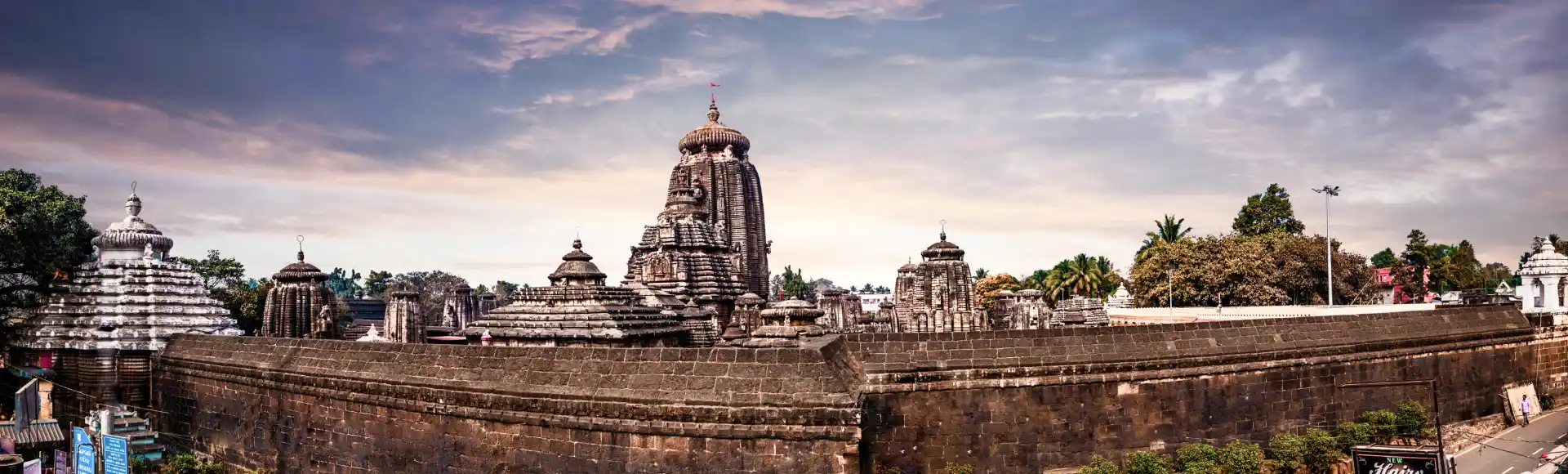
Lingaraj Temple

4 km away · Khordha district

Lingaraj Temple

Lingaraj Temple is an 11th-century sandstone shrine in Bhubaneswar, valued for its Kalinga architecture and its representation of Shiva as Harihara. Visitors come to worship and experience its rituals and festivals.

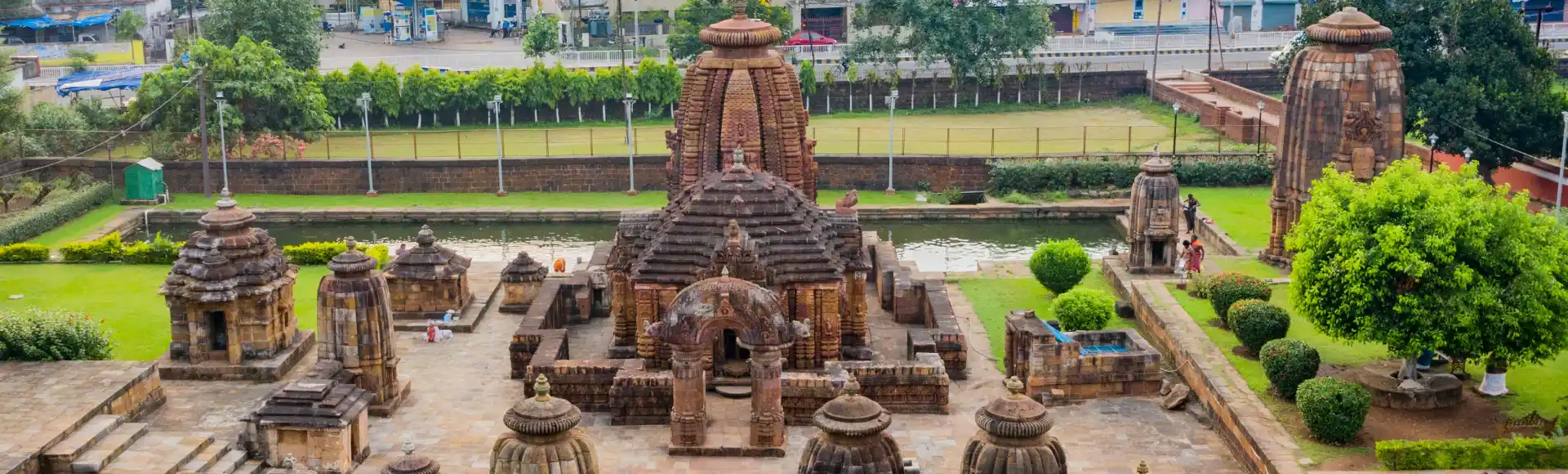
Mukteswara Temple

4 km away · Khordha district

Mukteswara Temple

Mukteswara Temple is a tenth-century shrine in Bhubaneswar, Odisha, associated with Jajati I and the Somavansi dynasty. Visitors come to see its early Kalingan architecture, carved details and distinctive arched torana.

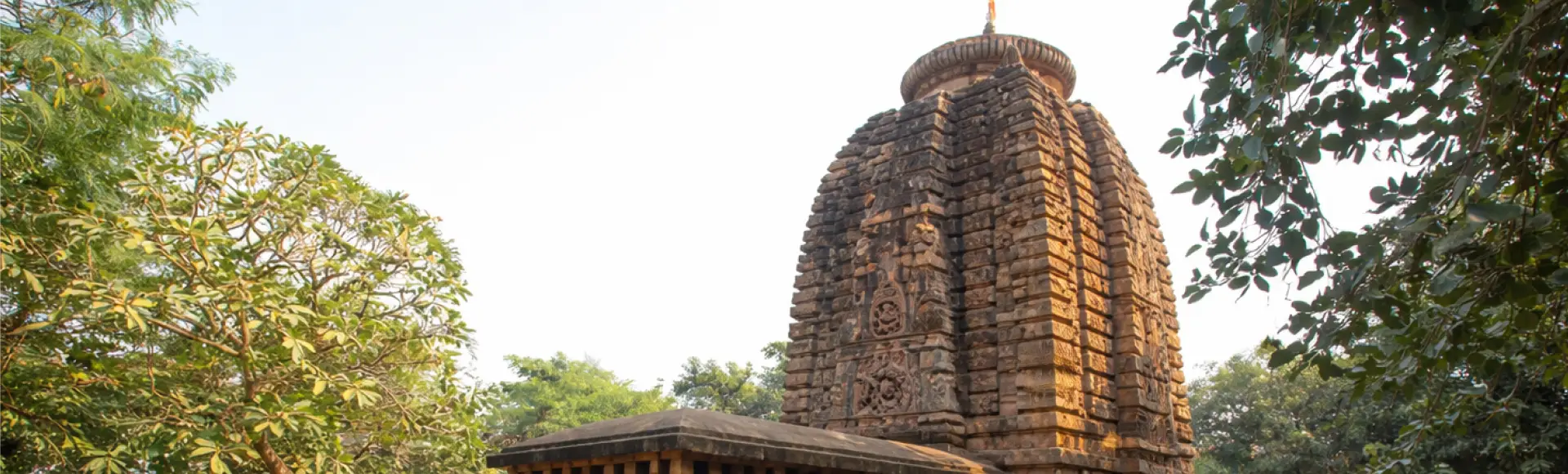
Parasurameswar Temple

4 km away · Khordha district

Parasurameswar Temple

Ananta Basudeba Temple is a Vaishnavite shrine in Bhubaneswar, beside Bindusagar tank. Visitors come to worship Vishnu and view its Kalinga-style buildings, ritual spaces and traditions of shared offerings.

Udayagiri & Khandagiri Caves

5 km away · Khordha district

Udayagiri & Khandagiri Caves

The Udayagiri and Khandagiri Caves are ancient rock-cut retreats in Bhubaneswar, visited for their Jain heritage, carved art, historical inscriptions and views across the city.

Map

Bhubaneswar on the map

  1. 1Odisha State Musuem
  2. 2Rajarani Temple
  3. 3Ananta Basudeva Temple
  4. 4Kalabhoomi, Odisha Craft Museum
  5. 5Lingaraj Temple
  6. 6Mukteswara Temple
  7. 7Parasurameswar Temple
  8. 8Udayagiri & Khandagiri Caves

Odisha

Other cities to explore