
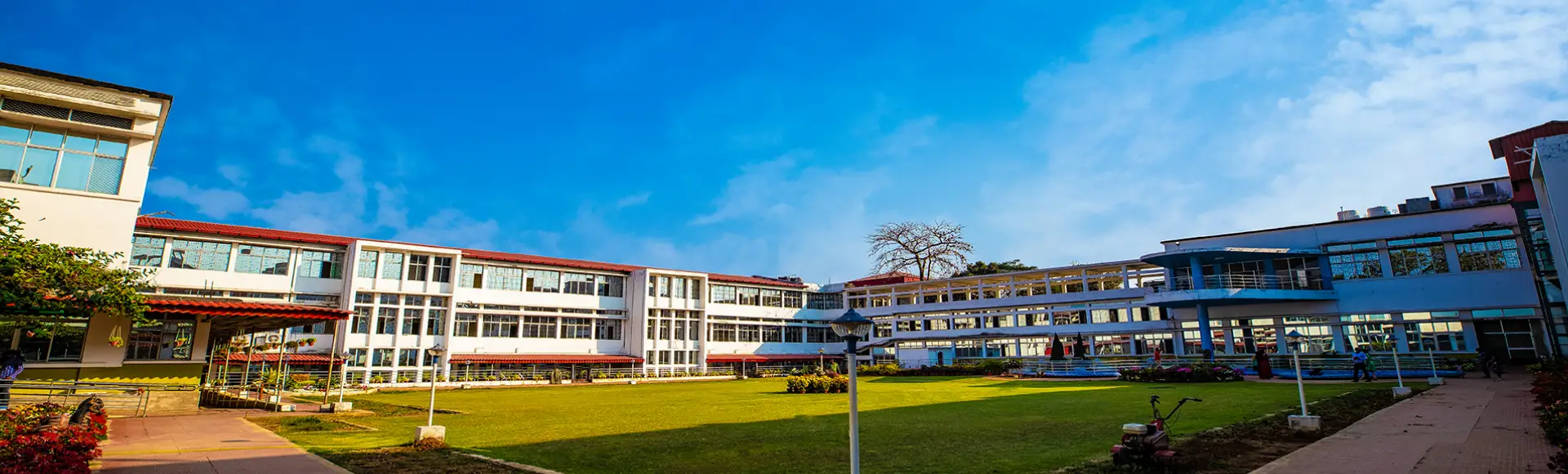
Odisha State Musuem
The Odisha State Museum in Bhubaneswar preserves objects associated with the state’s history and cultural practices. Visitors explore its archaeological, artistic, literary and traditional collections.
Key facts · verified by Ghumoopedia editors
- Type of place
- Heritage monument
- Best time to visit
- October - March
- Verified
- 21 Nov 2026
Plan a trip from Odisha State Musuem — a day-by-day route through places nearby.
Situated in Bhubaneswar, in Khordha district, the Odisha State Museum was founded in 1932. Its collections bring together material relating to Odisha’s history, creative traditions and cultural life. The exhibits are arranged in galleries devoted to subjects including archaeology, sculpture, inscriptions, coins, natural history and traditional arts. Together, these displays offer visitors a broad view of the region’s changing society and artistic expression. A notable part of the collection is a group of palm-leaf manuscripts, bearing finely made writing and illustrations. Their contents offer insight into the literary and spiritual thought of earlier periods, as well as the skills of the people who produced them. The sculpture displays include stone figures and carved works from different eras. These objects show the artistic techniques and religious ideas associated with temple building in Odisha. Other exhibits include items connected with tribal communities, musical instruments and decorative arts, reflecting the range of cultural traditions found across the state. Explanatory labels help visitors understand the background and importance of objects on display. The galleries provide a setting for study and quiet exploration, while the museum’s role also includes safeguarding historic material and supporting education and cultural understanding. Students, researchers and travellers can use its collections to learn about Odisha’s past and artistic identity. A visit brings together historical objects, written works and examples of craft, offering a way to consider the traditions and achievements that have shaped the state. Plan your visit around October - March. The official suggested visit duration is 2–3 hours; treat this as time at the attraction, not the complete journey from your hotel. Odisha’s coast and plains can be hot and humid, while southern hill districts may feel cooler after sunset. Heavy monsoon rain can affect road travel and access to outdoor sites. Check the local forecast before setting out, and keep a flexible alternative for bad weather. Official destination reference: https://odishatourism.gov.in/en/places/odisha-state-musuem
Why it matters
Odisha State Museum is a major public institution for learning about the history, art and cultural diversity of Odisha. Located in Bhubaneswar, in Khordha district, it brings archaeological material, manuscripts, sculptures, coins, natural-history displays and examples of traditional arts together under one roof. The museum’s importance is regional: its collections help document the many communities and historical periods that have shaped the state. It is also used by students, researchers and visitors seeking context for Odisha’s temples, literature and living traditions. The museum is not itself an ASI-protected monument or a UNESCO World Heritage site; its value lies in its role as a state museum and heritage repository.
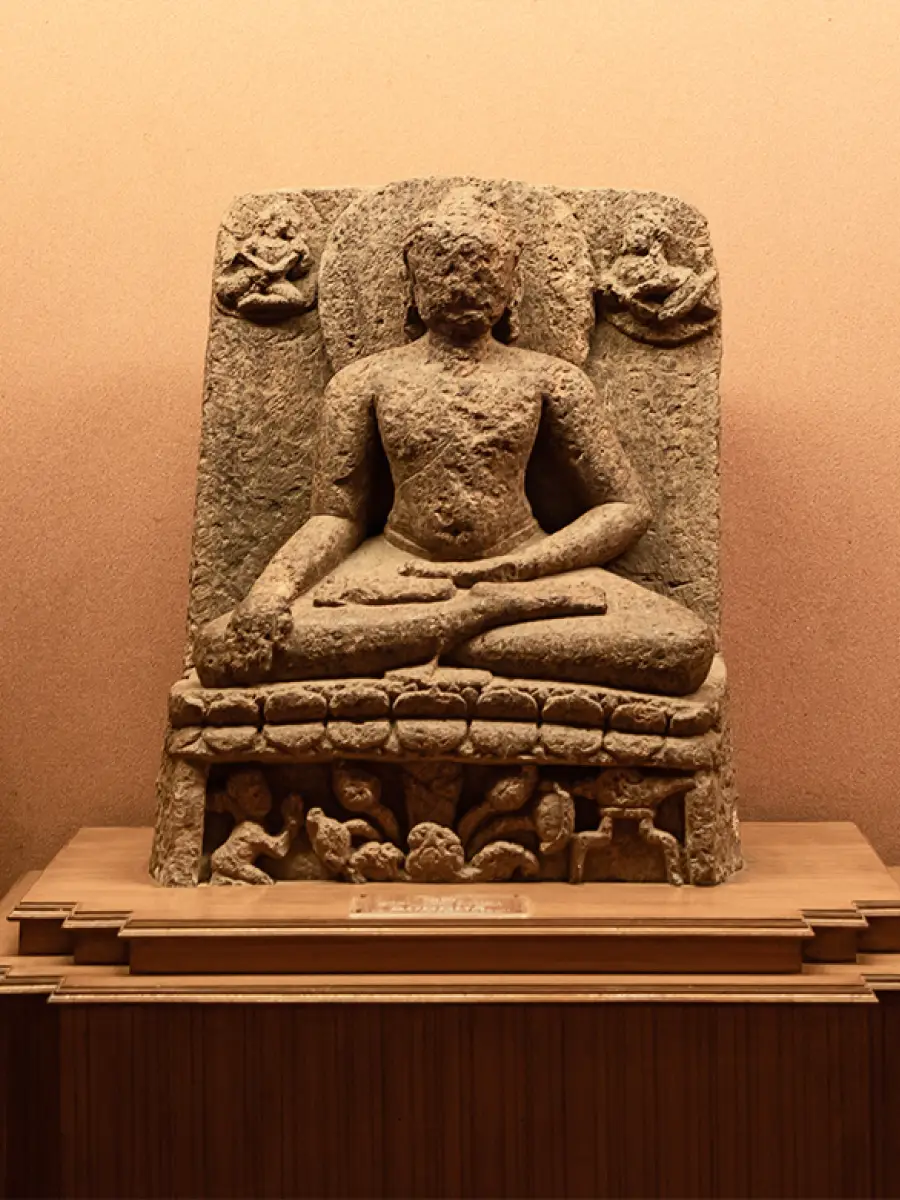
Institutional histories trace the museum’s beginnings to 1932, when it was established as a provincial museum in Odisha. It developed as a place to collect and study material documenting the region’s archaeological, artistic and cultural past. As the institution grew, its holdings and gallery displays expanded to cover subjects including sculpture, inscriptions, coins, manuscripts, natural history and folk or tribal life. The museum was later moved from its earlier setting in Cuttack to Bhubaneswar, where it became part of the state capital’s cultural and educational landscape. The present institution reflects decades of collecting, cataloguing and public interpretation rather than a single founding project by a historic ruler or religious community. Its galleries have been arranged to make a broad range of collections accessible to general visitors as well as researchers. Displays and conservation practices may change as objects are studied, cared for or presented in updated exhibitions. For precise details about individual acquisitions, gallery changes or conservation work, consult the museum’s own records or ask staff during a visit.
Origin stories & folklore
There is no widely documented origin legend attached specifically to the Odisha State Museum or its building. Its collections, however, connect visitors with stories and beliefs that remain important in Odisha. Palm-leaf texts, religious sculpture and objects associated with local communities can reflect devotional narratives, epic traditions and accounts passed down through generations. These should be understood as cultural traditions rather than as a single legend explaining the museum itself. Interpretations can differ between communities and texts, so visitors may find it useful to read gallery labels and ask staff about an object’s context. The museum is a place to encounter such traditions through collected material, not a ritual site where a particular legend is enacted.
Architecture & design
The museum is a purpose-built public institution rather than a historic temple or palace, and its architecture is principally arranged to serve galleries, collections and visitors. The building’s exterior and interiors follow a civic, institutional character; the experience is centred on moving through exhibition rooms rather than on a ceremonial approach or a distinctive temple plan. Galleries are organized by subject, allowing visitors to move between archaeology, sculpture, epigraphy, numismatics, natural history and traditional arts. Display cases and interpretation boards help present objects and explain their context. The building’s public circulation and room layout support a broad collection, though the arrangement of particular galleries may change. The museum’s significance should not be confused with the architectural history of the artifacts it houses: many sculptures and carved objects come from other sites and periods. Visitors interested in the building’s design or construction materials should check with the museum, as detailed architectural information is not consistently available in general visitor material.
Important objects & sculptures
Allow time for the palm-leaf manuscripts, whose fine writing and illustrations offer insight into Odisha’s literary and artistic traditions. The sculpture galleries include stone carvings and figures from different historical periods, with religious imagery that also helps explain the region’s artistic links to temple culture. Look for the epigraphy and numismatic displays to see how inscriptions and coins can illuminate language, political history and exchange. Tribal and folk objects, musical instruments and decorative works present other parts of the state’s cultural life. The exact objects on view can vary, so check gallery notices and labels rather than assuming every item in the collection is currently displayed.
Begin with the main attraction at Odisha State Musuem and leave time to understand its setting in Khordha. Look for interpretation boards, guided visits or opportunities to meet local makers. Ask before photographing people or their work. A village workshop is a working space, not a staged performance; agree on any demonstration charge and avoid pressuring artisans for free access. Keep a simple itinerary: arrive in daylight, enjoy the main visit, take a shaded meal break, then decide whether one nearby stop fits your return plan. Use the district index to find nearby places, but check the actual road route before combining them. Reserve a little time for photographs from permitted public viewpoints and avoid blocking paths while taking pictures.
Suggested itineraries
Half day: Spend about 2–3 hours exploring the main galleries, take a rest or meal break nearby, then add one nearby cultural stop if time and transport allow. Full day: Allow about 3 hours for the museum, pause for lunch, then visit Lingaraj Temple’s permitted public areas or Dhauli Shanti Stupa; leave time for traffic and a return journey. Gentler option: Choose a few galleries, sit between sections, and use a taxi for the journey to and from the museum rather than fitting in multiple stops.
The museum offers an introduction to the cultural diversity of Odisha, while Bhubaneswar remains a living setting for the state’s languages, arts and customs. Odia is widely spoken, alongside other Indian languages and the languages of communities represented in the region. Classical Odissi dance, devotional music, folk performance and craft traditions are part of Odisha’s wider cultural life, though they are not necessarily performed at the museum during an ordinary visit. Galleries on manuscripts, musical instruments, tribal material and traditional arts provide historical context for these practices. Visitors should treat objects and community traditions respectfully, follow gallery guidance and ask before photographing people or any activity taking place nearby.
Festivals & events
The museum is not primarily a festival venue, but visits can be combined with Bhubaneswar’s seasonal celebrations. Durga Puja, usually in autumn, brings decorated pandals and increased crowds across the city. Rath Yatra, generally in June or July, is a major devotional festival in Odisha, while Raja, usually around June, is associated with the monsoon season and local customs. Cultural events such as Ekamra Utsav may also take place in Bhubaneswar, depending on the year. Festival programmes and locations vary; check current local listings. Roads and popular areas can be busy during major celebrations, so allow extra time for travel.
For a visit to Odisha State Musuem, plan food around your base in Khordha and do not assume that a remote entrance has a full restaurant. Odisha offers rice-based meals, dalma, vegetable preparations and sweets such as chhena poda. Availability varies by district and outlet; ask what is freshly prepared rather than expecting every local dish at every stop. Choose busy, clean establishments and tell staff about allergies, spice preferences or dietary restrictions before ordering. Carry sealed drinking water and a small snack if you are travelling beyond a town. In hot weather, take regular water breaks instead of waiting until you feel exhausted. For early starts, arrange breakfast in advance and ask your accommodation whether a packed meal is practical. Keep all packaging with you until you find an appropriate waste bin.
Shopping & local experiences
For Odisha-made crafts and souvenirs, look for handloom textiles, appliqué work, palm-leaf artwork, stone or wood craft and small decorative objects. Ekamra Haat is a Bhubaneswar venue where craft and handloom stalls may be available; stall selection can change. Ask about the maker, materials and care instructions, and compare items before purchasing. City markets also offer everyday goods and local snacks. Food experiences to seek include Odia dishes and sweets, though menus and availability vary. Buy responsibly and avoid items made from protected wildlife or archaeological material.
October - March
Start by choosing a practical overnight base in or near Khordha, rather than assuming every attraction has its own railway station. Odisha Tourism lists this rail access: Nearest railway station – Bhubaneswar. The listed air access is: Nearest airport – Biju Patnaik International Airport, Bhubaneswar. Road access: Easily accessible within Bhubaneswar city by road. Compare train, bus and flight options door to door. Rail can suit overnight journeys and travellers who prefer to avoid a long drive. A bus may be useful between district towns, but the last service may finish before your visit ends. A flight only saves time if airport transfers, check-in and the final road leg are included. Reserve the return leg before departure and allow time for traffic, meals and weather. Check IRCTC and NTES for trains, OSRTC for buses, and the airline’s own schedule for flights. Do not rely on an unconfirmed connection or assume taxis will wait at a remote site.
Confirm onward and return timings on IRCTC / NTES, the state bus operator or your airline before travel. A dash means current timings or fares have not been verified.
Getting around
The museum is within Bhubaneswar and can generally be reached by road from city neighbourhoods and transport hubs. Auto-rickshaws and app-based or local taxis are practical for the final leg; city buses may serve nearby corridors, but routes and stops should be checked locally. Walking is suitable for short distances around the museum grounds, though heat, traffic and footpath conditions can affect comfort. Ask about visitor parking before driving, as arrangements can vary. If combining the museum with another attraction, check the road route and allow for city traffic rather than relying on map distance alone.
Hours, tickets & permissions
Entry may be subject to museum rules, ticketing, separate charges for photography or special exhibitions, and restrictions on bags or other items. Do not assume that every gallery or collection is open on a particular day. Dress should be comfortable and respectful for a public cultural institution; there is no general religious dress requirement. Carry identification if needed for a concession or other visitor category, and follow staff instructions. Confirm current opening days, hours, entry arrangements and any fees directly with the managing authority before setting out.
Facilities
Basic visitor facilities such as toilets and places to pause are usually available, but their condition and access can vary. Check locally for drinking-water points, a canteen or nearby food options, parking, cloakroom arrangements and guided visits. Gallery labels provide useful context; staff may be able to advise on the displays or research enquiries. Bhubaneswar has restaurants, pharmacies, banks and ATMs beyond the museum grounds. Carry water and any personal essentials, and confirm which facilities are operating before relying on them for a longer visit.
Accessibility
Expect indoor walking between galleries and some time on your feet; distances depend on which sections are open. The museum is not an outdoor archaeological site, but thresholds, steps, floor surfaces or narrow passages may affect access. Do not assume that ramps, lifts or wheelchair loans are available; contact the museum or check on arrival about accessible entrances and routes. Strollers may be manageable in some areas but can be awkward in crowded galleries. Older visitors may prefer a shorter route with regular seated breaks. Bhubaneswar’s heat and traffic can also make the approach less comfortable, so plan transport and rest stops accordingly.
At Odisha State Musuem, local access rules take priority over any suggested itinerary. Reconfirm opening arrangements, entry eligibility, permits and weather restrictions shortly before arrival. Keep the emergency number 112 available and save your accommodation’s contact details offline. A map pin identifies a general location, not an assurance that the approach road or walking path is safe. Ask local staff which entrance visitors should use. Respect conservation barriers, residential boundaries and instructions from staff. Ask permission for portraits and avoid sharing identifiable images of local residents without consent. Carry only necessary valuables, keep rubbish out of the site, and leave enough daylight for the return journey.
Photography
Photograph the exterior or public areas in daylight, when natural light is generally most useful. Inside galleries, photography may be restricted or require permission or a separate fee; follow posted notices and staff instructions, and avoid flash where prohibited. Some objects may not be photographed even if others are. Do not use a drone without confirming applicable permissions and aviation rules; flying near public buildings or crowds is not appropriate without authorization. Ask before photographing staff or other visitors, and avoid blocking display cases or walkways while taking pictures.
Choose accommodation by the complete journey to Odisha State Musuem, not by the district name alone. A room in a well-connected town in Khordha may offer easier transport, meals and medical access than a property advertised as being close to the attraction. Check the exact location, recent guest feedback, reception hours and cancellation terms. Ask how you will reach the site and return after the visit, especially if you are not driving. A centrally located stay can make early sightseeing and an evening return easier. Confirm whether the approach road is accessible to your vehicle and whether lifts are available. Book only through a trusted accommodation channel, avoid sending payments to an unverified personal contact, and keep written confirmation of the services included.
Bhubaneswar offers several cultural and heritage stops that can be considered alongside the museum. Lingaraj Temple is a major historic temple, though access rules for non-Hindus and photography restrictions should be checked in advance. Udayagiri and Khandagiri Caves provide a different archaeological setting, while Dhauli Shanti Stupa is associated with the history of Ashoka and the Kalinga region. Odisha Crafts Museum, also known as Kala Bhoomi, is another place to explore craft traditions. These sites are in and around Bhubaneswar, but travel time depends on traffic and route; choose one or two rather than overloading a day.
For couples visiting Odisha State Musuem, keep the day relaxed: one main visit, a meal break and a return transfer arranged in advance. Choose public viewpoints for photographs and respect religious or community expectations around behaviour and clothing. Confirm the accommodation’s check-in requirements before booking. Avoid secluded paths after dark and do not trade a safe return plan for a late photograph. A quieter weekday may suit you, but opening and access arrangements still need local confirmation.
Q: How much time should I allow for the museum? A: About two to three hours suits a focused visit; visitors interested in several galleries may want longer. Q: When is a comfortable season to visit? A: October through the cooler months is often more comfortable for exploring Bhubaneswar; check weather and local events before travelling. Q: Is entry free, and do I need to book? A: Entry rules and any charges can change. Confirm ticketing, photography rules and booking requirements with the museum before your visit. Q: Is the museum suitable for children and elderly visitors? A: Yes, it can suit both, but galleries involve walking. Plan breaks and check accessibility arrangements, especially for wheelchair users. Q: Where should I stay nearby? A: Bhubaneswar has a range of accommodation and is the practical base for the museum; choose lodging based on your transport needs and other planned visits.
Be the first to share photos, stories, advice or a helpful contact for Odisha State Musuem.
Loading…