Ghumoopedia — Explore, Discover, Experience
Sign in
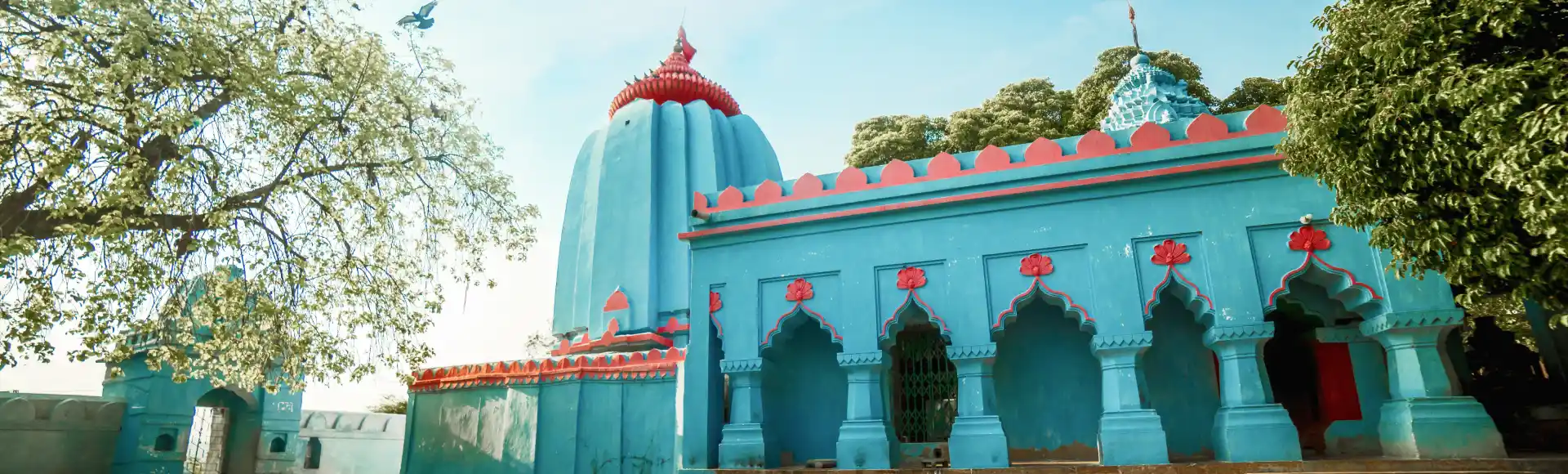
Leaning Temple of Huma, near Binika

City guide · Odisha

Binika

Binika, also called Binka, is a town and notified area council in Odisha’s Subarnapur district. Its importance comes from its role as a local service and market centre for surrounding settlements, as well as its place in a district known for distinctive religious traditions and handloom culture.

Famous for

  • Lankeswari Temple
  • Mahanadi river landscape
  • Subarnapur handloom heritage
  • Nuakhai celebrations

Why Binika matters

Binika, also called Binka, is a town and notified area council in Odisha’s Subarnapur district. Its importance comes from its role as a local service and market centre for surrounding settlements, as well as its place in a district known for distinctive religious traditions and handloom culture. The town lies in the Mahanadi region, and the river landscape is part of its wider setting.

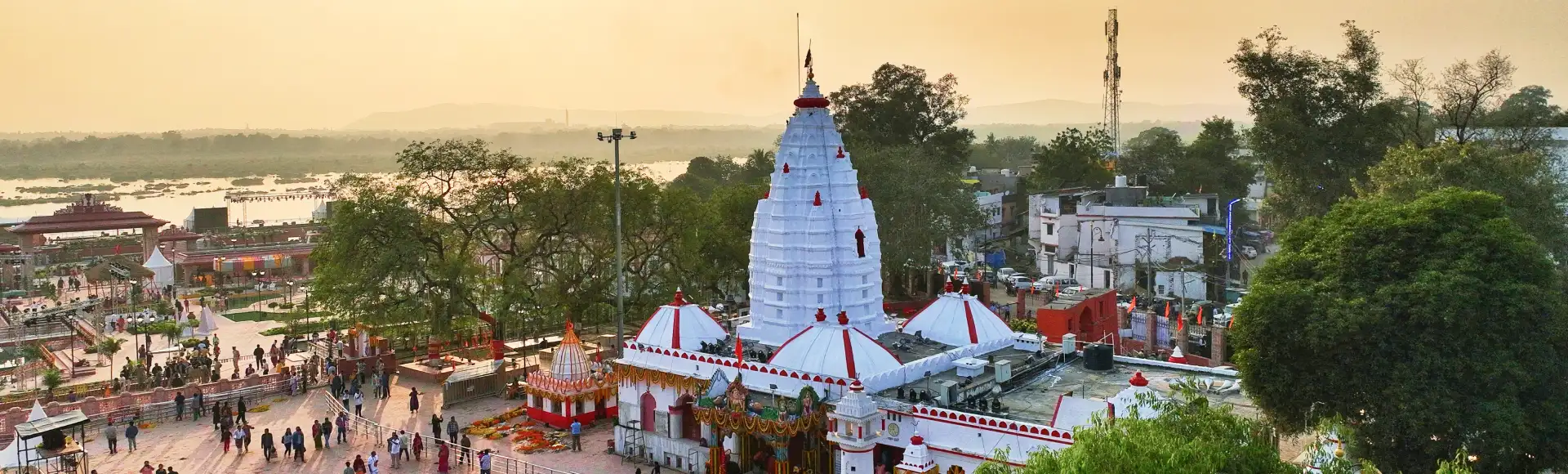
Visitors may come to see Lankeswari Temple and experience a quieter town in western Odisha rather than a large, established tourist centre. Binika is also a useful base for exploring the cultural life of Subarnapur district, including its temples, seasonal festivals and textile heritage. Its identity is closely tied to Odia-speaking communities and the traditions shared across the region. Travellers should treat Binika as a place for local encounters and nearby sights, allowing time to ask residents about current access and festival arrangements.
Famous for: crafts, trade & products

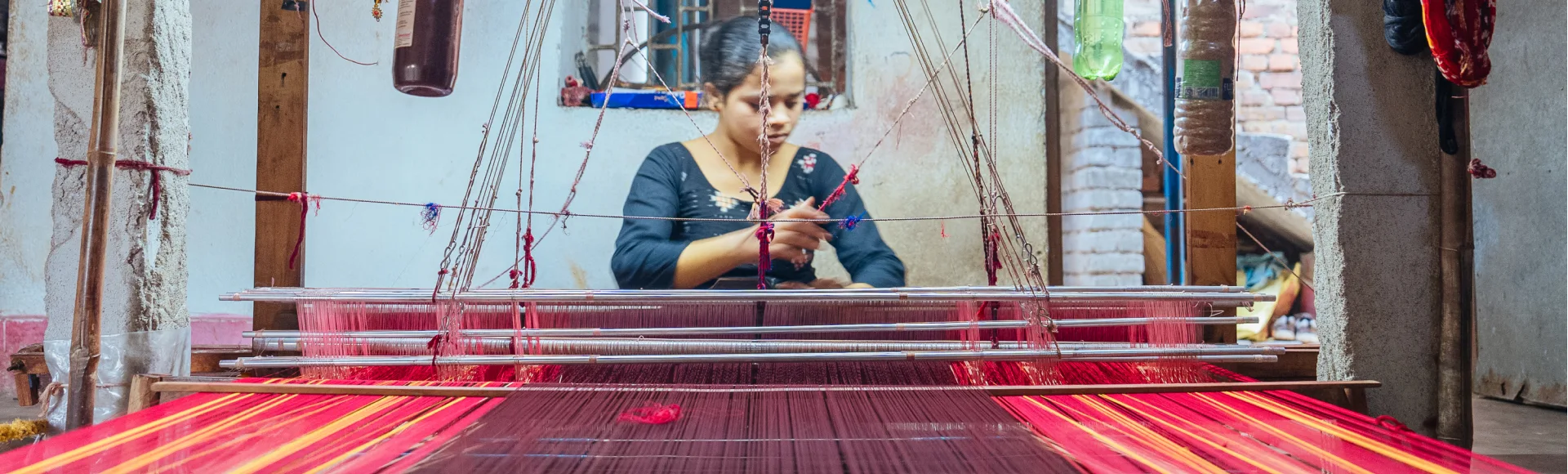
Binika’s best-known associations are local worship and the wider craft traditions of Subarnapur district. The district is linked with handloom weaving, including Sonepuri textiles and the bandha, or ikat, tradition. These are regional products rather than a craft that can be assumed to be made or sold at every shop in Binika. Visitors interested in textiles can ask at the town’s local market or seek out handloom cooperatives and sellers in the district’s larger centres; check the weaving location and fabric details before buying.

Binika is not widely identified with a separate, city-specific GI-tagged product or major manufacturing industry. Its market mainly serves everyday needs in the surrounding area, so offerings can vary. The town’s cultural draw is more readily associated with Lankeswari Temple and local religious observances than with a specialised shopping district. For a broader selection of regional crafts and textiles, travellers can explore other towns in Subarnapur district. Buying directly from a weaver or a recognised handloom outlet, where available, helps clarify whether a piece is handwoven and where it was produced.

History

Binika’s history is part of the longer story of the Subarnapur region, where settlements grew around agriculture, river routes, religious institutions and local markets. The area was associated with the former princely state of Sonepur, governed by the Chauhan dynasty. As with many towns in the region, Binika’s importance developed through its connections to nearby villages and its role in local exchange rather than through a single documented episode of urban expansion.

During British rule, Sonepur remained a princely state under indirect colonial influence, while local administration and customary institutions continued to shape everyday life. After independence, the former state became part of Odisha, and modern administration brought towns such as Binika into the state’s district and local-government framework. Today, Binika is a notified area council and serves as a small regional centre. Its temples, markets and continuing ties to the surrounding countryside reflect both older regional patterns and contemporary civic life.

Food, festivals & culture

Odia is the principal language of daily life in Binika, alongside regional speech varieties commonly associated with western Odisha. Nuakhai, the harvest festival celebrated around the arrival of the new rice crop, is a major occasion across the region, usually in late summer or early autumn. Durga Puja and Dussehra, Rath Yatra and Maha Shivaratri are also observed, with dates changing according to the Hindu calendar. Lankeswari Temple is an important focus of worship for local devotees.

Meals draw on familiar western Odia and Odia cooking: rice, dal, vegetable dishes and seasonal produce. Pakhala, dalma and regional pithas may be found in homes or local eateries, though menus vary; there is no single dish that defines Binika alone. Sweets and snacks are likewise best understood as part of the wider Odia food tradition. Sambalpuri folk music and Dalkhai dance belong to the broader cultural landscape of western Odisha and may feature at community celebrations, rather than being daily performances for visitors.

Visiting the city

The cooler months, roughly October to February, are generally the most comfortable for visiting. Summers can be hot, while monsoon rain may affect road journeys. Veer Surendra Sai Airport at Jharsuguda is a practical air gateway; Biju Patnaik International Airport in Bhubaneswar is another option but farther away. Balangir Railway Station is a useful main railhead for reaching the area; confirm current onward transport and rail connections before travelling.

Within Binika, local autos and hired vehicles are useful for short trips, while buses and private cars connect the town with nearby settlements. Explore the town centre and market, and allow time for Lankeswari Temple and the surrounding river-side landscape. Ask locally about access conditions and customary expectations at places of worship. Binika is compact, but transport options can be limited outside busier periods, so plan return journeys in advance.

Trips from the city

Nearest places to visit from Binika

Our closest destination guides, by straight-line distance.

Leaning Temple of Huma

30 km away · Sambalpur district

Leaning Temple of Huma

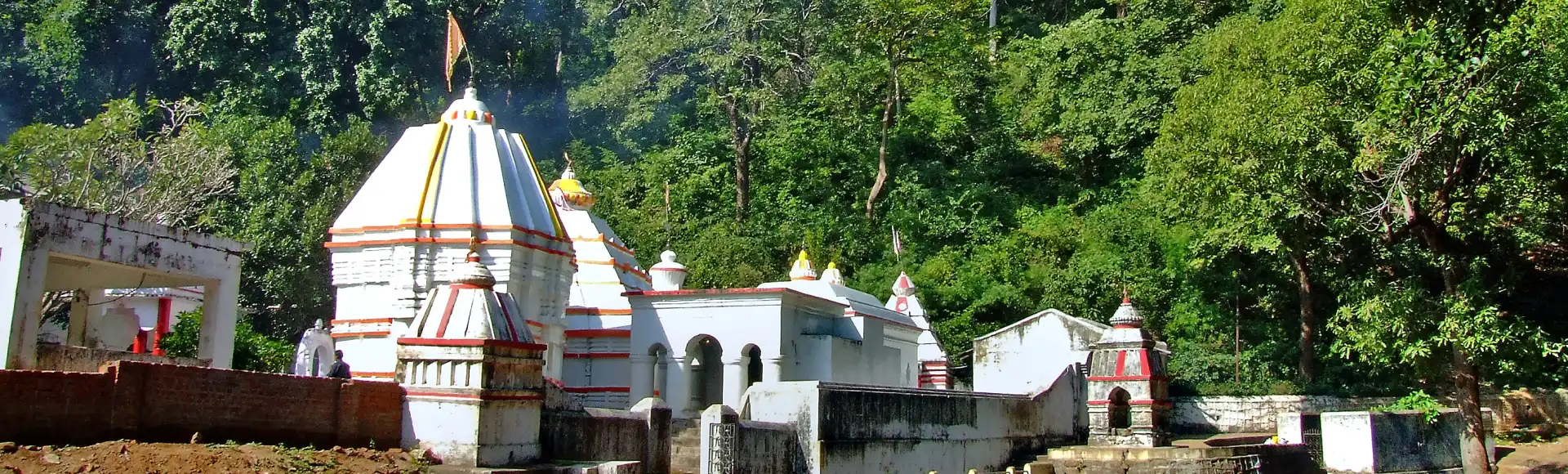
Beside the Mahanadi at Huma near Sambalpur, this Shiva temple is known for its leaning shrines and attracts worshippers and visitors interested in its unusual architecture and riverside traditions.

31 km away · Bargarh district

Barpali

Barpali, in Odisha’s Bargarh district, is a town and block administrative centre governed by a Notified Area Council. People visit for its literary associations, woven textiles, crafts and religious sites.

Kardola Weavers Village

35 km away · Sambalpur district

Kardola Weavers Village

Kardola, in Burla, Sambalpur, Odisha, is a village known for its Sambalpuri Ikat weaving. Visitors come to view its patterned homes, meet local artisans and purchase cotton or silk textiles made there.

Maa Samaleswari Temple

52 km away · Sambalpur district

Maa Samaleswari Temple

Maa Samaleswari Temple is a place of worship in Sambalpur dedicated to the Shakti goddess Maa Samaleswari. Visitors come for its architecture, religious importance and Nuakhai harvest customs.

Debrigarh Wildlife Sanctuary

53 km away · Bargarh district

Debrigarh Wildlife Sanctuary

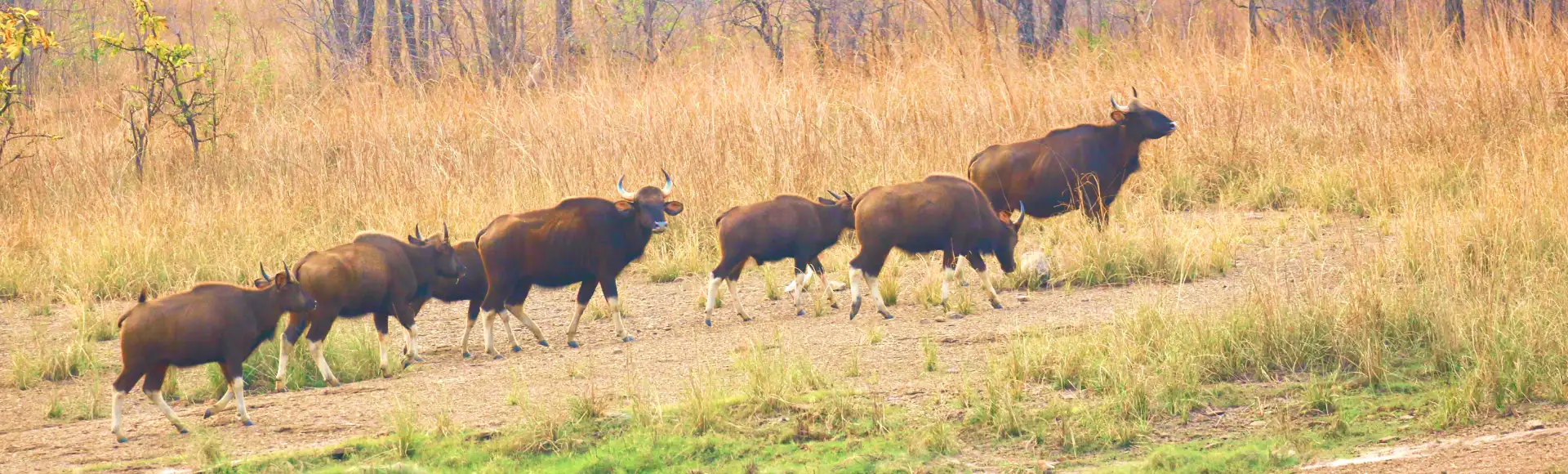
Set beside the Hirakud Reservoir in western Odisha, Debrigarh Wildlife Sanctuary draws visitors for its varied landscapes, wildlife and outdoor activities, including safaris, walks and boating.

Hirakud Dam

57 km away · Sambalpur district

Hirakud Dam

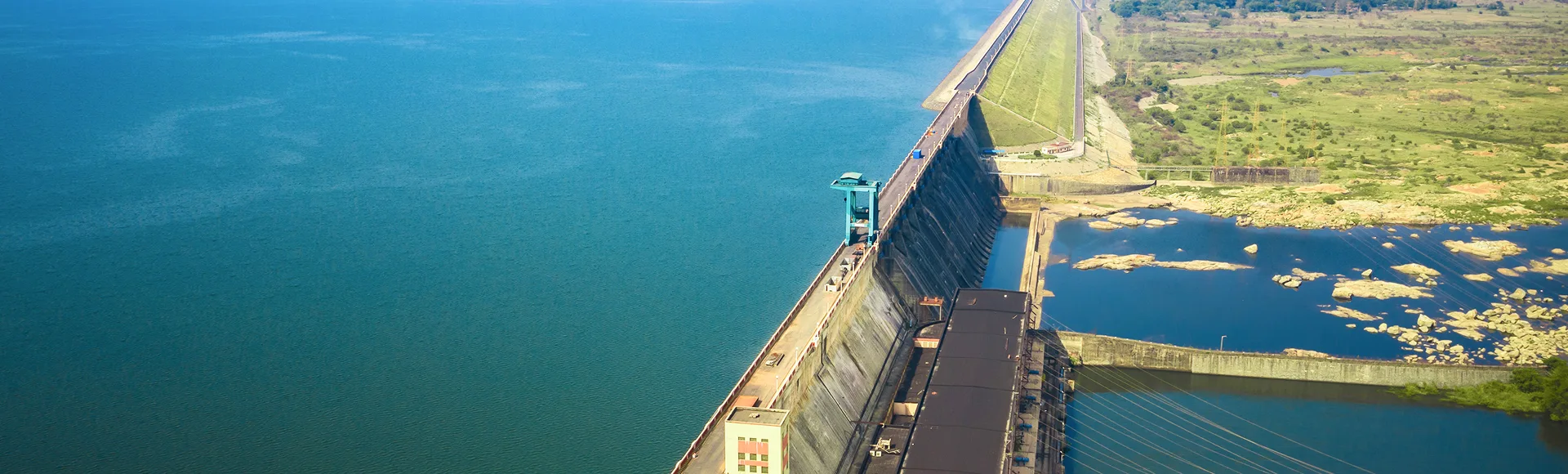
Hirakud Dam is an Odisha river barrier and multipurpose project, valued for flood management, irrigation and electricity as well as reservoir views, birdlife and engineering history.

Bara Bakhra Caves

67 km away · Bargarh district

Bara Bakhra Caves

Bara Bakhra Caves, in Burla, Baragada, lie near Debrigarh Wildlife Sanctuary and are known for their link to Veer Surendra Sai’s resistance and their forest surroundings.

Harisankar Temple

101 km away · Balangir district

Harisankar Temple

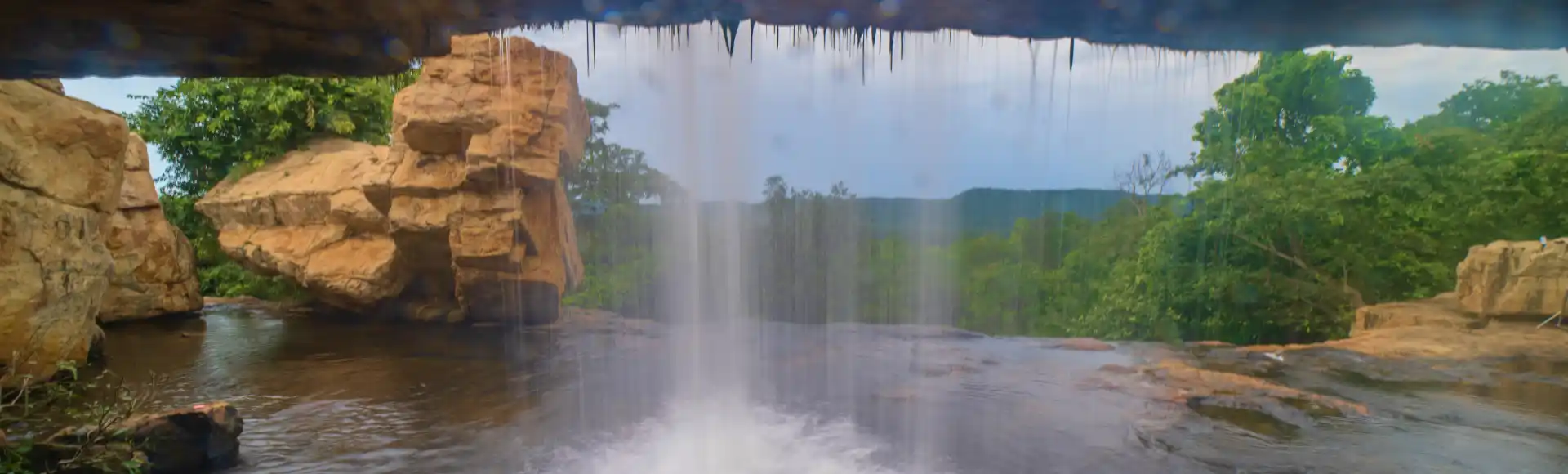
Harisankar is a shrine to Shiva and Vishnu in Khaprakhol, Balangir district, Odisha. Visitors come for worship, the year-round waterfall, forest scenery and trekking paths in the Gandhamardan hills.

Map

Binika on the map

  1. 1Leaning Temple of Huma
  2. 2Barpali
  3. 3Kardola Weavers Village
  4. 4Maa Samaleswari Temple
  5. 5Debrigarh Wildlife Sanctuary
  6. 6Hirakud Dam
  7. 7Bara Bakhra Caves
  8. 8Harisankar Temple

Odisha

Other cities to explore