
Nuapatna
Nuapatna is a town in Odisha’s Cuttack district, in an area with cultural and commercial significance. These aspects provide the main reasons visitors may take an interest in the place.
Key facts · verified by Ghumoopedia editors
- Type of place
- Community & living culture
- Best time to visit
- October to March
- Nearest railway station
- Rourkela Junction · about 205 km (straight line)
- Nearest airport
- Jharsuguda (Veer Surendra Sai) Airport · about 220 km (straight line)
- Verified
- 21 Nov 2026
Plan a trip from Nuapatna — a day-by-day route through places nearby.
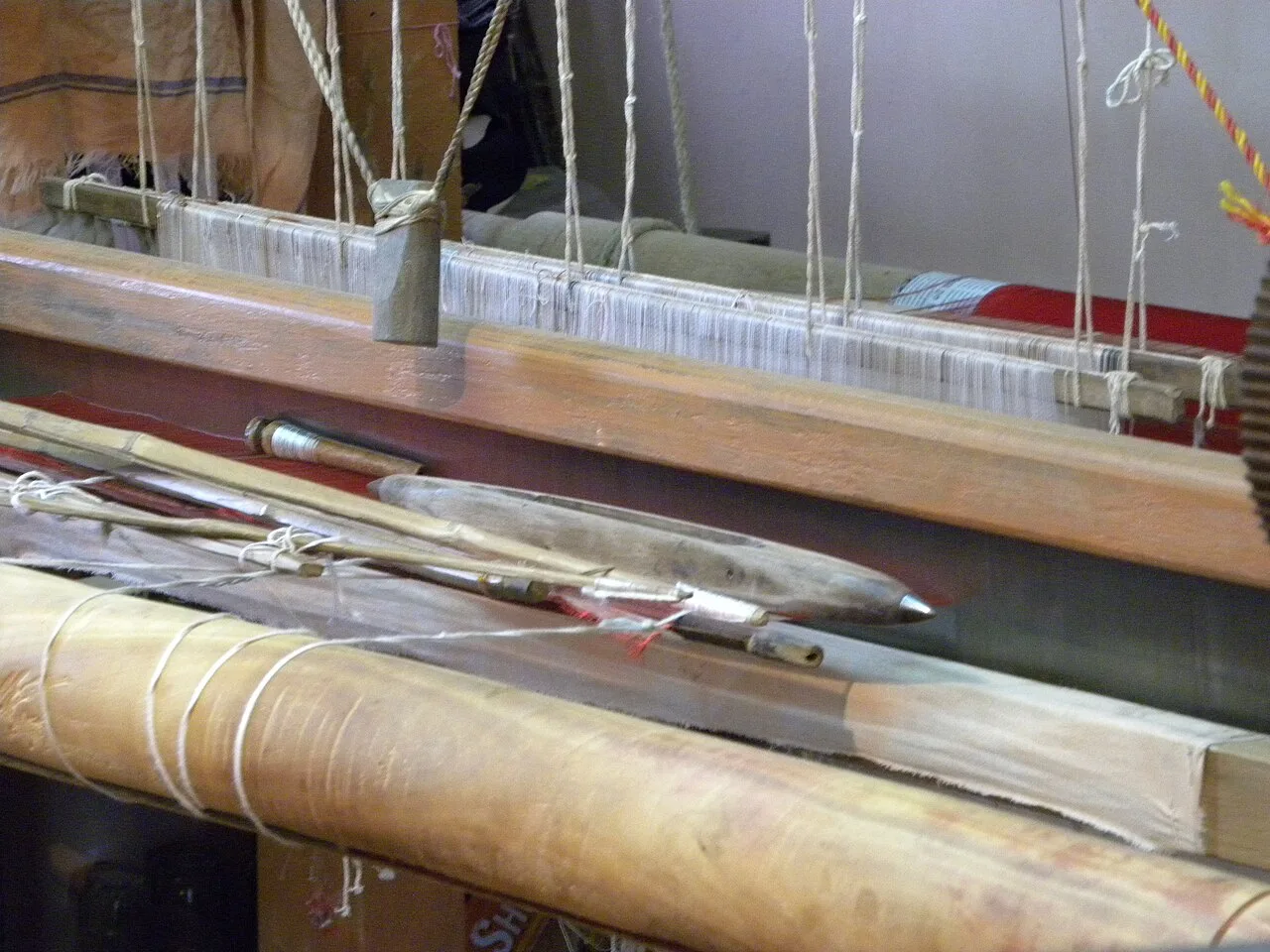
Nuapatna is a town in Odisha’s Cuttack district. The area is associated with both cultural and commercial importance, giving the place a context shaped by these two aspects. Its position within the district and state helps situate it for visitors. The town’s relevance can be understood through the significance attributed to its wider area. Cultural and commercial interests are both part of that picture, and visitors drawn to either may find Nuapatna of interest. Odisha is known for its temple towns, the Puri–Konark–Bhubaneswar golden triangle, Odissi dance and some of India's richest handloom traditions — Sambalpuri, Bomkai and Kotpad weaving, ikat saris from Nuapatna and the Bargarh belt, and silver filigree, pattachitra and appliqué crafts. The coast is hot and humid from March to June, the monsoon brings heavy rain from June to September, and October–November can bring cyclones. Winters from November to February are mild and pleasant. The usual best time to visit is October to March. For official information, see Odisha Tourism at https://odishatourism.gov.in.
Why it matters
Nuapatna, in Cuttack district, is known for its handloom weaving and its place in Odisha’s textile traditions. The area is associated with Khandua silk and ikat, in which patterns are made by tying and dyeing yarn before it is woven. Its cultural importance is also practical: weaving remains a source of skill and livelihood, and visitors may encounter work taking place in household workshops and cooperative settings. Nuapatna is part of a wider regional weaving landscape that includes nearby Maniabandha. Odisha’s handloom traditions have received Geographical Indication recognition for certain named products; a GI applies to a defined product and region, so visitors should check the current label and product details rather than assume every textile from Nuapatna carries one.
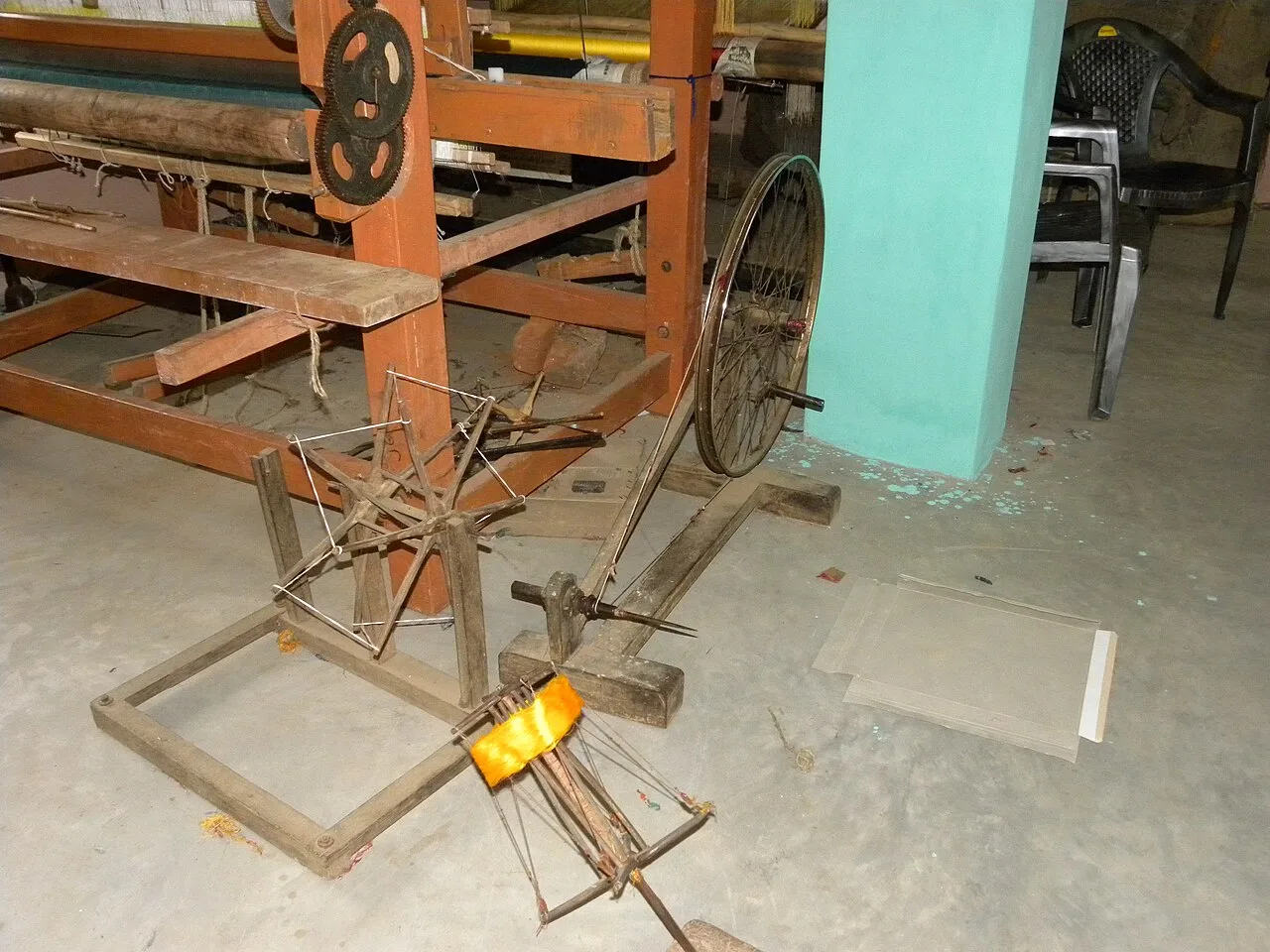
Nuapatna’s history is most clearly reflected in its continuing handloom tradition. The town is associated with Khandua textiles, a silk weaving tradition in which ikat techniques are used to create patterned cloth. In ikat, sections of yarn are tied against dye before weaving; the design emerges as the prepared threads meet on the loom. This skilled process links preparatory work—such as tying, dyeing and arranging the warp—to the finished fabric. Khandua cloth is also connected in Odisha’s cultural tradition with religious textiles and the Jagannath temple at Puri. Some Khandua pieces carry verses associated with the Gita Govinda, though designs and practices vary. The exact beginnings of weaving in Nuapatna are not firmly established in readily verifiable records, so a precise founding date or single founder should not be assumed. The craft has been sustained through generations of weaving households and changing markets, including demand for saris, dress fabrics and other products. Cooperative activity and direct sales have provided additional routes to buyers, while contemporary weavers continue to balance inherited methods with changing designs and working conditions.
Origin stories & folklore
There is no single, well-documented origin legend for Nuapatna that can safely be presented as settled history. Local accounts of Odisha’s textile traditions may connect particular cloths with devotional use, temple service or the patronage of rulers and religious institutions. Khandua is especially associated in regional tradition with Jagannath and with verses from the Gita Govinda woven into cloth. These associations are part of the textile’s cultural story, but they do not establish when weaving began in Nuapatna or identify one founder. Visitors interested in oral histories can ask weavers or local cultural organisations whether they are comfortable sharing family accounts; traditions may differ between households.
The heart of a visit to Nuapatna is meeting the weavers at work. Watch the stages that come before the loom — dyeing, warping and, in ikat villages, tying and resist-dyeing the yarn so the pattern appears as it is woven — and then the steady rhythm of the loom itself. A single sari can take days or weeks. Many households and cooperative societies welcome visitors who show genuine interest, but this is a working village, not a museum: ask before entering a home or workshop, keep visits short during busy hours, and accept that some families may be away at fairs or markets. Buying directly from the maker or a registered cooperative is the best way to support the craft. Where a product carries a Geographical Indication (GI) tag or a handloom mark, ask for it; prices for handmade work reflect the time and skill involved, so bargain gently, if at all. Some workshops offer short hands-on sessions — ask locally rather than expecting a fixed schedule.
Suggested itineraries
Half day: 30–45 minutes to orient yourself and ask about visits; 1–2 hours at a welcoming workshop to learn about yarn preparation and weaving; 30–45 minutes to browse textiles and speak with a cooperative or seller. Full day: 30–45 minutes to settle in and arrange visits; 2–3 hours with a workshop or weaving household; 1 hour for lunch and rest; 1–2 hours to visit another maker or cooperative and shop; allow time for the road journey and local breaks. Gentler option: Arrange one nearby, step-free visit in advance if available, spend about an hour observing seated, and do any shopping at the same location rather than walking between workshops.
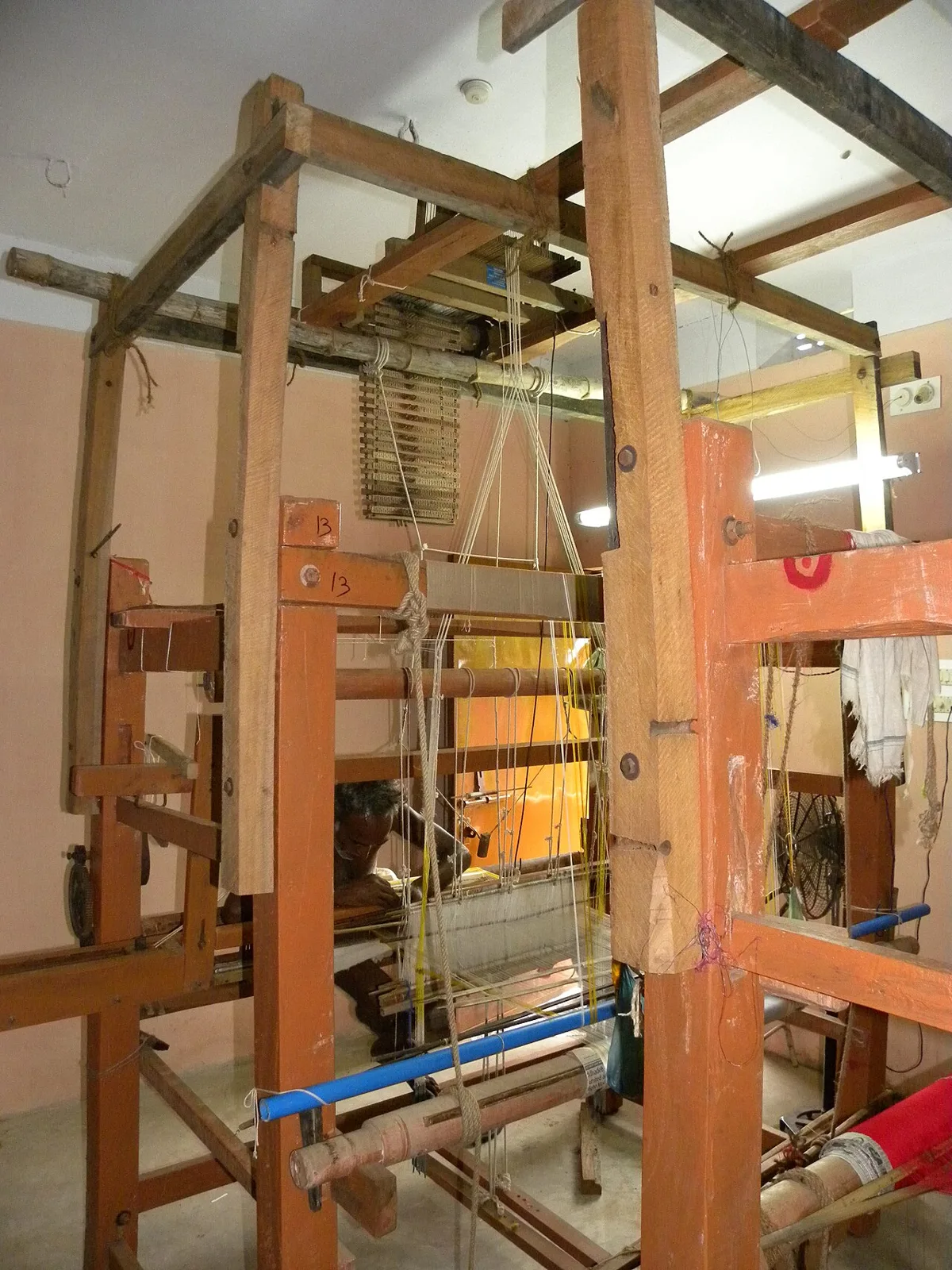
Handloom work is the most visible living cultural tradition for many visitors to Nuapatna. In ikat weaving, pattern-making begins before the cloth reaches the loom, through the careful tying and dyeing of yarn. Weavers also prepare threads, operate looms and adapt designs for changing uses and markets. Odia is widely used in the region; visitors may also encounter other languages depending on the household and visitor. Saris and other woven textiles are part of everyday and ceremonial dress across Odisha, though clothing choices vary. Religious observances and family customs are part of community life, but a workshop is also a workplace: ask before entering, and do not expect a demonstration or performance on demand.
Local communities
Nuapatna’s weaving households and workers are central to its identity as a handloom centre. Weaving involves a chain of skills, including yarn preparation, tying, dyeing, warping and operating the loom; different household members or specialists may take part in different stages. Cooperative societies and other local sellers connect some makers with customers, alongside private traders and markets. Agriculture, small businesses, services and transport also contribute to livelihoods in the wider area. Avoid assuming that every resident is a weaver or that all families use the same methods. Buy directly only when invited to do so, and treat makers as hosts and skilled professionals rather than as attractions.
Festivals & events
Religious festivals observed in the wider region include Durga Puja, Kali Puja, Diwali and Holi, with local observances varying by neighbourhood and year. Rath Yatra is an important Odisha-wide festival associated with Jagannath; major celebrations take place in Puri, while local observance elsewhere may be more modest. These festivals generally fall in different parts of the year according to the Hindu calendar, so dates shift annually. Local markets and roads can be busier during festival periods, and some workshops may close or operate around family commitments. Confirm local arrangements before planning a visit, and ask permission before photographing worship or processions.
Village food in Odisha is home cooking: dalma (lentils with vegetables), pakhala (fermented rice) in summer, machha besara (fish in mustard), santula, chhena poda and rasagola, with temple mahaprasad in the pilgrimage towns. Nuapatna itself may have only tea stalls and small eateries, so ask your host or guide where to eat, or arrange a home-cooked meal in advance — it is often the highlight of a village visit. Carry water and a snack if you plan to spend the whole day, and eat your main meal in the nearest town if no local option is open.
Shopping & local experiences
Look for handwoven Khandua and ikat textiles, including saris and other fabric products, and ask the maker or seller about the material, process and origin. Buying directly from a weaver or a registered cooperative can support local craft livelihoods. If a product is presented with a Geographical Indication or handloom mark, ask to see the label and check what it certifies. Handmade pieces take time and skill, so bargain gently, if at all. Availability and designs vary by workshop and season. Small local shops may sell snacks and everyday goods; for a wider choice of regional foods and shopping, ask locally about nearby towns.
Nuapatna lies in the settled countryside of Cuttack district, where homes, workshops, cultivated land and village roads form much of the visitor’s immediate landscape. The wider district includes riverine and agricultural environments, but visitors should not assume a particular forest, riverbank or wildlife site is within easy walking distance of the weaving area. Local ponds, roadside trees and seasonal greenery may be visible, with the landscape changing through the monsoon and dry months. Common birds may be encountered around fields and water, but sightings are never guaranteed. This is primarily a cultural and working-community destination rather than a designated nature reserve. Take care on village roads and avoid entering fields or private land without permission.
October to March
The nearest principal railway station by straight-line distance is Rourkela Junction, roughly 205 km away. The nearest operating airport by straight-line distance is Jharsuguda (Veer Surendra Sai) Airport, roughly 220 km away. These figures are calculated from map coordinates — actual road distance is longer. Bhubaneswar's Biju Patnaik Airport and Bhubaneswar, Cuttack and Puri stations serve the coast; Jharsuguda airport and Sambalpur station serve the west; Koraput and Jeypore are reached by train or road via Visakhapatnam. Nuapatna is a village, so the last stretch is by road: OSRTC buses, private buses between district towns, shared autos and reserved taxis reach the nearest town, and from there a shared auto, local bus or reserved taxi covers the final few kilometres. Village roads can be narrow and unpaved; a taxi hired for the day from the nearest town is the simplest way to combine Nuapatna with nearby sights and get back before dark. When comparing train, bus and flight, count the complete door-to-door time: a flight saves the most time only if the onward road transfer is short, while an overnight train can save a hotel night. Book your return before you leave, because seats fill quickly on weekends, festivals and holidays. Current train numbers, timings, return services and fares are not listed here; check IRCTC and NTES for trains and the airline's own schedule for flights. No permit is needed to visit Odisha. Some tribal areas of the southern districts restrict outside visitors to certain villages and market days; go with a guide registered with Odisha Tourism and respect any community request not to enter or photograph.
Confirm onward and return timings on IRCTC / NTES, the state bus operator or your airline before travel. A dash means current timings or fares have not been verified.
Getting around
On arrival in the wider area, local buses, shared autos and reserved taxis may be available from nearby towns, but services and availability vary. The final approach to Nuapatna is by road; ask locally about the best stop and onward connection. Autos or a taxi can help with short journeys between the settlement, workshops and nearby areas, while walking is practical for some village lanes. Roads may be narrow and shared with local traffic, so park only where residents indicate it is appropriate. Do not rely on a regular town-style local bus within the weaving area; arrange onward transport before setting out if you have mobility needs or a fixed return plan.
Hours, tickets & permissions
Nuapatna is a living town rather than a ticketed monument with one visitor entrance. There is no general visitor schedule for household workshops, and access depends on the residents, cooperative or seller concerned. Ask locally before visiting and confirm any current opening arrangements, entry requirements or fees directly with the place you plan to visit. Do not assume that a workshop will be open, that a demonstration is available, or that photography is included in access. If visiting a cooperative or organised craft centre, check its current rules with the managing organisation.
Facilities
Facilities vary because Nuapatna is a working town, not a purpose-built visitor complex. Small shops and places to eat may be available locally, while the range of food, public toilets and drinking-water points can be limited or inconsistent. Carry safe drinking water and check toilet access before a longer visit. Workshop hosts or cooperatives may be able to explain the craft, but do not assume a formal guide service. ATMs, larger shops and a wider choice of accommodation are more likely in larger nearby towns; check locally before travelling. Parking is informal and should be agreed with residents or the venue.
Accessibility
The weaving area is a lived-in settlement, with local roads and lanes that may be uneven, narrow or shared with vehicles. Some workshops are in private homes or workspaces and may have thresholds, steps, limited turning space or little shade. Wheelchair and stroller access cannot be assumed; contact a host in advance to ask about the entrance, seating and toilet arrangements. Walking distances between makers can vary, and surfaces may be harder to navigate after rain. Older visitors may find it easier to arrange a vehicle close to one confirmed venue and limit walking. Take breaks and avoid blocking working areas.
No permit is needed to visit Odisha. Some tribal areas of the southern districts restrict outside visitors to certain villages and market days; go with a guide registered with Odisha Tourism and respect any community request not to enter or photograph. Carry a photo ID, some cash (card and UPI acceptance varies in villages) and a charged phone with offline maps; save the emergency number 112 and your host's contact. Heat in summer and heavy rain in the monsoon are the main weather risks; carry water, avoid midday sun and allow extra time when village roads flood. Respect local customs: dress modestly, remove footwear where asked, and always ask before photographing people, homes or rituals.
Visitor rules
Ask permission before entering a home, workshop or cooperative work area, and follow the host’s instructions about where to stand. Wear practical, respectful clothing and footwear suited to village lanes and workspaces. Do not touch yarn, dyes, looms or unfinished cloth unless invited. Keep visits brief if people are busy, and do not interrupt work for a demonstration. Ask before photographing people, products in progress or private spaces. Avoid littering, especially with plastic, and use bins where available. Some work areas or household spaces may be private or restricted; accept a refusal without argument.
Photography
Soft morning or late-afternoon light can suit street and workshop photography, but the best viewpoint depends on the host and the workspace. Ask before photographing any person, home interior, loom or unfinished textile; some makers may prefer not to be photographed or recorded. A purchase does not automatically grant permission to photograph the maker or their process. Keep equipment out of working paths and avoid flash if it distracts people. Drone use may be subject to aviation rules and local restrictions; do not fly over homes, crowds or workshops without the required permissions. Be especially considerate during prayer and family occasions.
Most visitors see Nuapatna on a day trip from the nearest town, which has the widest choice of hotels. A few villages have homestays or heritage stays; otherwise base yourself in the district town and hire a taxi for the day. Confirm the booking and the exact location before you travel, because village addresses can be hard to find.
Maniabandha, also known for handloom weaving, is a useful nearby cultural comparison if local transport and workshop access can be arranged. In the wider Cuttack district, Dhabaleswar Temple is a recognised riverside temple destination, while Ansupa Lake is known as a freshwater lake and can offer a change of pace from craft visits. Cuttack city has historic and cultural sites, including the Barabati Fort area and the Odisha State Maritime Museum; check current access before travelling. These places are not all immediate neighbours, so allow for road travel and verify routes locally. Combine only what fits the day and the season.
For couples, Nuapatna is a chance to slow down: spend an unhurried morning with the makers, choose a piece together directly from the family that made it, share a home-cooked meal and keep the afternoon free. Stay in a nearby homestay or heritage property to make it a quiet overnight escape.
Q: How much time should I allow for Nuapatna? A: Allow at least half a day for a relaxed craft visit; a full day gives more time to meet makers and travel between locations. Q: When is the best season to visit? A: October to March is generally the most comfortable period in Odisha, though local weather and workshop availability should be checked. Q: Is there an entry ticket or fixed visitor schedule? A: Nuapatna is a working town, not a single ticketed attraction. Ask a workshop or cooperative in advance about access and any current requirements. Q: Is Nuapatna suitable for children and elderly visitors? A: It can be, with a short, arranged visit, but lanes and workshop entrances may be uneven or inaccessible. Supervise children around looms and dyes. Q: Where can I stay nearby? A: Accommodation choices in the weaving area may be limited. Check options in nearby towns or larger centres in advance and arrange onward transport locally.
Be the first to share photos, stories, advice or a helpful contact for Nuapatna.
Loading…