

Odi-Art Museum
ODI ART is a cultural centre beside Chilika Lake at Barkul, Odisha. Visitors come for its folk and tribal art collections, creative workshops, performances and events celebrating Indian traditions.
Key facts · verified by Ghumoopedia editors
- Type of place
- National park / sanctuary
- Best time to visit
- Oct – Mar
- Verified
- 21 Nov 2026
Plan a trip from Odi-Art Museum — a day-by-day route through places nearby.
At Barkul, near Balugaon in Khordha district, Odisha, Odi-Art Museum occupies a site beside Chilika Lake. Across about five acres, ODI ART brings together galleries, outdoor artworks, performance spaces and areas for creative learning. The complex includes the Purvasha Folk and Tribal Art Museum, inaugurated in 2017. Its work centres on folk and tribal art from Odisha and India, and on preserving and sharing these cultural traditions. Visitors can see collections shaped by indigenous and folk practices, including works that reflect the cultural variety of different communities. The experience can also involve practical activities: workshops range from palm-leaf engraving to culinary sessions. ODI ART provides artists and performers with opportunities to present their work through cultural programmes, workshops and festivals held throughout the year. Among these events is the Chilika Shelduck International Folk Carnival, which brings folk artists and traditions together in the lake setting. The site also makes it possible to combine a visit to the centre with time at Chilika Lake. Boating is one way to explore the lake, while nearby cultural and spiritual places may be included in the outing. With exhibition spaces, hands-on learning and live programming, Odi-Art Museum offers several ways to encounter folk and tribal art. Visitors can view works, take part in workshops and attend performances, connecting the displays with living cultural practices. These activities sit alongside the museum collections and art installations. Plan your visit around Oct – Mar. The official suggested visit duration is 2–3 Hrs; treat this as time at the attraction, not the complete journey from your hotel. Odisha’s coast and plains can be hot and humid, while southern hill districts may feel cooler after sunset. Heavy monsoon rain can affect road travel and access to outdoor sites. Check the local forecast before setting out, and keep a flexible alternative for bad weather. Official destination reference: https://odishatourism.gov.in/en/places/odi-art-museum
Why it matters
Odi-Art Museum, also known as ODI ART, is a cultural destination at Barkul on the shore of Chilika Lake in Khordha district. Odisha Tourism categorises it as a museum and art hub, rather than a national park or wildlife sanctuary. Its regional importance lies in presenting folk and tribal art traditions through galleries, installations, performances and learning activities. The complex includes the Purvasha Folk and Tribal Art Museum and provides space for artists, workshops and cultural programmes. It was inaugurated in 2017 and is spread across approximately five acres, according to the destination information.
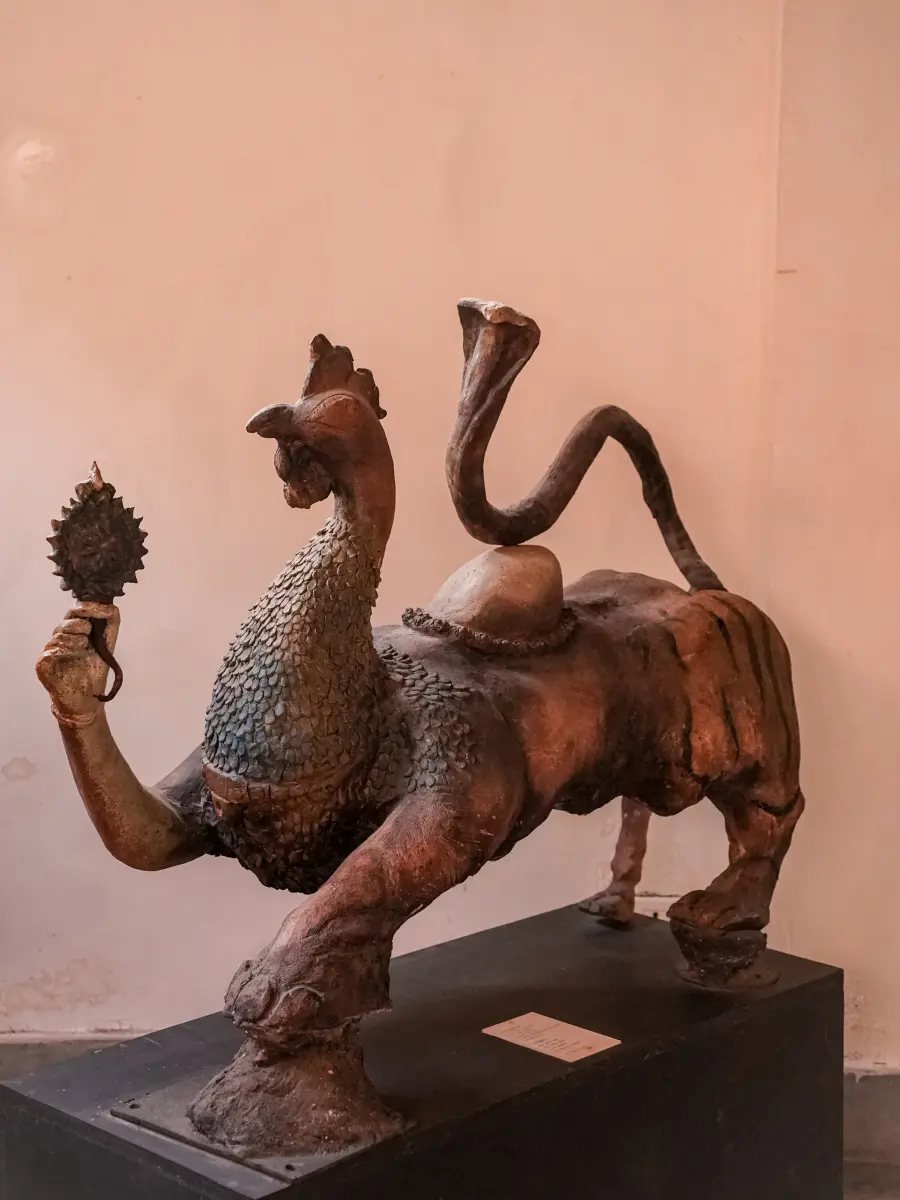
ODI ART is a purpose-built cultural centre at Barkul, created to bring folk and tribal art into a shared setting for display, learning and public events. The available destination information identifies the complex as having been inaugurated in 2017 and places the Purvasha Folk and Tribal Art Museum within it. It describes a site of approximately five acres, with curated galleries, installations, open-air performance spaces and creative learning environments. Published information does not identify individual builders, architects, patron communities or a formal restoration history, so these details should not be assumed. The centre represents a contemporary approach to cultural presentation: alongside museum displays, it makes room for workshops, performances and festivals. Activities have included workshops such as palm-leaf engraving and culinary experiences, while cultural programmes have connected artists and visitors. The Chilika Shelduck International Folk Carnival is among its notable cultural engagements. Rather than being an old monument with a long sequence of historical periods, ODI ART is best understood as a recent institution working to document and promote diverse art traditions. Visitors interested in the background of particular objects can consult on-site interpretation or ask staff about provenance and permissions.
Begin with the main attraction at Odi-Art Museum and leave time to understand its setting in Khordha. Look for interpretation boards, guided visits or opportunities to meet local makers. Ask before photographing people or their work. A village workshop is a working space, not a staged performance; agree on any demonstration charge and avoid pressuring artisans for free access. Keep a simple itinerary: arrive in daylight, enjoy the main visit, take a shaded meal break, then decide whether one nearby stop fits your return plan. Use the district index to find nearby places, but check the actual road route before combining them. Reserve a little time for photographs from permitted public viewpoints and avoid blocking paths while taking pictures.
Suggested itineraries
Half day: Arrive in daylight; spend about 2–3 hours exploring ODI ART’s galleries and outdoor spaces; take a shaded break; allow time for the return journey. Full day: Visit ODI ART in the morning; pause for a meal; take a locally confirmed Chilika boat trip or lakeside visit; consider Kalijai Temple only if boat access, weather and return transport are suitable. Gentler option: Focus on the galleries and a nearby seated rest, keeping outdoor walking and any boat trip optional.
The centre presents folk and tribal arts as living practices, not only as objects in display cases. Visitors may encounter art and craft traditions from Odisha and other parts of India, along with performances and learning activities. Programmes have included palm-leaf engraving workshops and culinary experiences; availability varies, so ask before planning around a demonstration. Music, dance, dress and language differ among the communities represented, and should not be treated as a single uniform tradition. The lakeside setting also connects a museum visit with the wider cultural life of the Chilika region. Observe performances respectfully and follow guidance about participation, recording and handling artworks.
Local communities
ODI ART connects visitors with artists, performers and makers whose work draws on folk and tribal traditions. The wider Khordha and Chilika region includes people engaged in fishing, farming, tourism, transport, crafts and food services, though not every livelihood is represented at the museum. Odisha’s many communities have distinct identities and artistic practices; avoid assuming that one display speaks for all groups. Workshops can offer a chance to learn directly from practitioners when they are scheduled. Ask permission before photographing people or their work, agree on any demonstration charge in advance, and respect a maker’s choice not to share particular knowledge or techniques.
Festivals & events
ODI ART’s notable cultural engagements include the Chilika Shelduck International Folk Carnival, which brings folk artists and traditions into the lakeside setting. The centre also organises cultural programmes, workshops and festivals during the year, but schedules can vary; confirm current events locally before travelling specifically for one. Chilika’s wider tourism season is especially active in the cooler months, and holidays or major programmes may bring more visitors to Barkul and nearby boat areas. Allow extra time for parking, movement around event spaces and lakeside traffic when a festival is underway. Do not assume a particular event takes place every year or on fixed dates.
For a visit to Odi-Art Museum, plan food around your base in Khordha and do not assume that a remote entrance has a full restaurant. Odisha offers rice-based meals, dalma, vegetable preparations and sweets such as chhena poda. Availability varies by district and outlet; ask what is freshly prepared rather than expecting every local dish at every stop. Choose busy, clean establishments and tell staff about allergies, spice preferences or dietary restrictions before ordering. Carry sealed drinking water and a small snack if you are travelling beyond a town. In hot weather, take regular water breaks instead of waiting until you feel exhausted. For early starts, arrange breakfast in advance and ask your accommodation whether a packed meal is practical. Keep all packaging with you until you find an appropriate waste bin.
Shopping & local experiences
Look for locally made crafts or art-related souvenirs when they are available through the centre or nearby sellers, and ask about the maker and materials rather than assuming an item represents every community. Workshops may provide opportunities to learn about palm-leaf engraving, but participation and take-home work depend on the programme. Barkul and Balugaon may have small shops and food options; selection varies, so do not rely on finding a particular craft or product. Choose purchases directly from makers where possible, agree on the price before a demonstration or custom order, and avoid buying wildlife products or items whose origin is unclear.
ODI ART sits beside Chilika Lake, a large brackish-water lagoon connected to the Bay of Bengal and known for its varied wetland habitats. The surrounding landscape combines open water, shorelines, settlements and cultivated areas; it is not a forest reserve or national park. Chilika supports fish, aquatic life and many resident and migratory birds, with bird activity changing by season and location. Nalabana is a protected bird sanctuary within the wider lagoon, but access and viewing conditions are managed separately and should be checked locally. Boat trips can offer a broader view of the lake when operating conditions allow. Wildlife sightings are never guaranteed. Weather can be hot and humid, and monsoon rain may affect roads and boating, so check the forecast and follow local safety advice.
Oct – Mar
Start by choosing a practical overnight base in or near Khordha, rather than assuming every attraction has its own railway station. Odisha Tourism lists this rail access: Balugaon Railway Station (Approx. 7 km). The listed air access is: Biju Patnaik International Airport, Bhubaneswar (Approx. 105 km). Road access: ODI ART is located at Barkul near Balugaon on the shores of Chilika Lake, approximately 105 km from Bhubaneswar. It is easily accessible by road via NH-16, with the final approach towards Barkul and the Chilika lakeside.. Compare train, bus and flight options door to door. Rail can suit overnight journeys and travellers who prefer to avoid a long drive. A bus may be useful between district towns, but the last service may finish before your visit ends. A flight only saves time if airport transfers, check-in and the final road leg are included. Reserve the return leg before departure and allow time for traffic, meals and weather. Check IRCTC and NTES for trains, OSRTC for buses, and the airline’s own schedule for flights. Do not rely on an unconfirmed connection or assume taxis will wait at a remote site.
Confirm onward and return timings on IRCTC / NTES, the state bus operator or your airline before travel. A dash means current timings or fares have not been verified.
Getting around
Balugaon Railway Station is the listed rail access point, with Odisha Tourism giving an approximate distance of seven kilometres; arrange the last leg locally. Autos or hired vehicles may be available around Balugaon and Barkul, but availability can vary, especially later in the day. Odisha Tourism lists Bhubaneswar airport as the nearest air access, and road access from Bhubaneswar is via NH-16 towards Barkul. Local buses may serve parts of the route, but check where they stop and how you will return. Walking is practical within the complex if conditions permit; ask about parking and boat arrangements separately, since lake trips are not transport to the museum.
Hours, tickets & permissions
Entry arrangements may depend on the museum’s current schedule, events and any activities being offered. Tickets, separate workshop charges, camera permissions or other conditions may apply, but rules and fees can change. The official suggested visit duration is about two to three hours; this is time at the attraction, not the full journey. Confirm current opening hours, entry requirements and fees with the managing authority before setting out. Ask whether a guided visit or workshop needs advance arrangement, and follow any instructions given at the entrance or galleries.
Facilities
The complex is designed for gallery visits, performances and learning activities, but the availability of particular visitor services can change. Toilets, drinking water, food, parking and staff assistance should be checked on arrival rather than assumed. Nearby Barkul and Balugaon may offer additional food and basic services; confirm what is open before relying on them. Guided visits, workshops and demonstrations may depend on schedules or advance arrangements. Carry water and any personal essentials, particularly in warm weather, and ask staff where visitors may rest or access facilities.
Accessibility
The site includes galleries, installations and outdoor spaces, so visiting may involve walking between areas and coping with uneven or exposed surfaces. The available information does not confirm step-free routes, ramps, lifts, accessible toilets or wheelchair hire. Contact the managing authority before travelling if these features are essential, and ask which galleries are easiest to reach. Shade and seating may vary between indoor and outdoor areas; plan pauses, especially in hot or humid weather. Strollers and wheelchairs may be difficult to manoeuvre on some paths. Older visitors or anyone with limited mobility may prefer a shorter visit focused on the most accessible spaces, with a companion if needed.
At Odi-Art Museum, local access rules take priority over any suggested itinerary. Reconfirm opening arrangements, entry eligibility, permits and weather restrictions shortly before arrival. Keep the emergency number 112 available and save your accommodation’s contact details offline. A map pin identifies a general location, not an assurance that the approach road or walking path is safe. Ask local staff which entrance visitors should use. Respect conservation barriers, residential boundaries and instructions from staff. Ask permission for portraits and avoid sharing identifiable images of local residents without consent. Carry only necessary valuables, keep rubbish out of the site, and leave enough daylight for the return journey.
Visitor rules
Follow instructions from museum staff and observe signs around galleries, installations and event spaces. Do not touch artworks or enter work, storage or performance areas unless invited. Wear comfortable, respectful clothing suited to the weather and footwear appropriate for walking outdoors. Ask before photographing people, workshops or objects, and check whether any camera restrictions apply. Avoid littering and minimise single-use plastic; dispose of waste in designated bins or carry it out. Keep noise low during performances and do not obstruct paths or displays. For boat trips or other nearby activities, follow the operator’s safety rules and any access restrictions.
Photography
Soft morning or late-afternoon light can suit the lakeside setting, while indoor galleries may have different lighting conditions. Use only permitted public viewpoints and check signs or ask staff before photographing exhibits, performances or workshop spaces. Photography of people should always be by consent; do not interrupt artists at work or block visitor routes for a picture. Drone use may be restricted by aviation rules, site policies or local conditions, so obtain permission and check applicable regulations before bringing one. Protect equipment from heat, dust and rain, and respect any request not to record a person, artwork or cultural activity.
Choose accommodation by the complete journey to Odi-Art Museum, not by the district name alone. A room in a well-connected town in Khordha may offer easier transport, meals and medical access than a property advertised as being close to the attraction. Check the exact location, recent guest feedback, reception hours and cancellation terms. Ask how you will reach the site and return after the visit, especially if you are not driving. A centrally located stay can make early sightseeing and an evening return easier. Confirm whether the approach road is accessible to your vehicle and whether lifts are available. Book only through a trusted accommodation channel, avoid sending payments to an unverified personal contact, and keep written confirmation of the services included.
Chilika Lake is the principal nearby landscape and can be explored from the Barkul area when boat services and weather permit. Kalijai Temple, on an island in the lagoon, is a well-known nearby cultural destination reached by boat; confirm safe access and return arrangements locally. Balugaon is the nearest town and transport point listed for the museum. Nalabana Bird Sanctuary lies within the wider Chilika lagoon and is a protected bird habitat, but access is subject to conservation and local arrangements; do not assume a boat can land there. Check road and water routes before combining stops, and keep the museum visit and return journey in your day plan.
For couples visiting Odi-Art Museum, keep the day relaxed: one main visit, a meal break and a return transfer arranged in advance. Choose public viewpoints for photographs and respect religious or community expectations around behaviour and clothing. Confirm the accommodation’s check-in requirements before booking. Avoid secluded paths after dark and do not trade a safe return plan for a late photograph. A quieter weekday may suit you, but opening and access arrangements still need local confirmation.
Q: How much time should I allow for Odi-Art Museum? A: The official suggested visit duration is about two to three hours, not including travel or a separate Chilika outing. Q: When is a good season to visit? A: October to March is a practical planning window. Check the forecast, as heat, humidity and monsoon rain can affect comfort and travel. Q: Is entry free, and do I need to book? A: Check with the managing authority before visiting, especially for workshops or events. Q: Is it suitable for children and older visitors? A: The galleries and cultural activities can suit a range of ages, but outdoor walking and accessibility features vary. Plan rest breaks and confirm access needs in advance. Q: Where can I stay nearby? A: Look for accommodation in or near Barkul, Balugaon or another practical base in the region. Confirm current availability and transport arrangements before booking.
Be the first to share photos, stories, advice or a helpful contact for Odi-Art Museum.
Loading…