
Ghumoopedia — Explore, Discover, Experience
Sign in
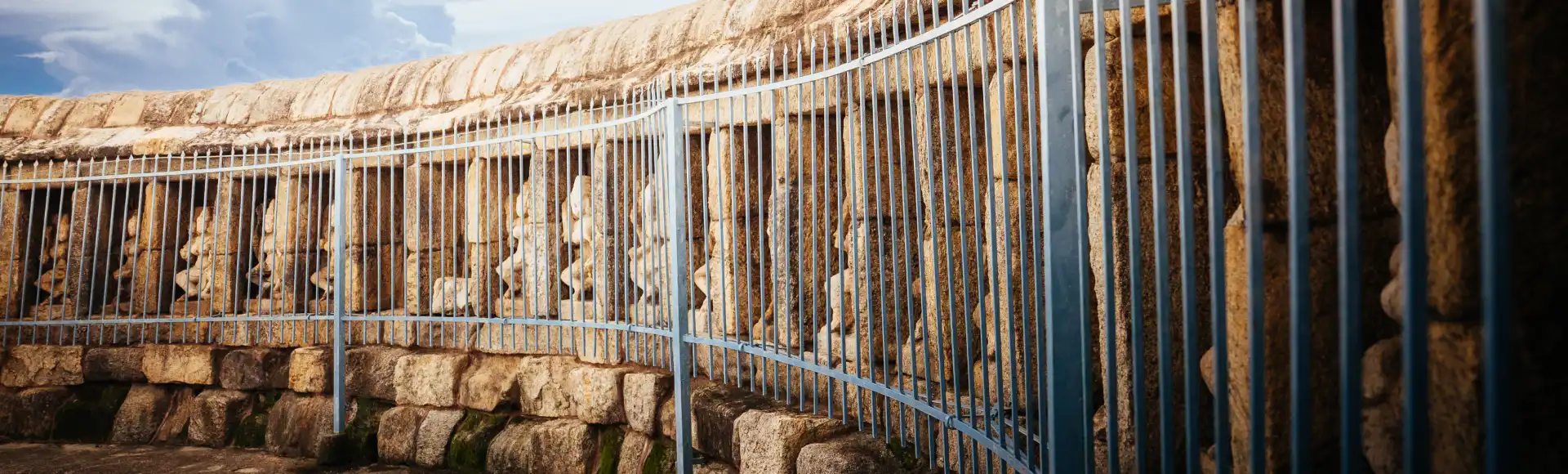
Chausathi Yogini, Ranipur Jharial, near Khariar

City guide · Odisha

Khariar

Khariar, also known as Khadial or Rajkhariar, is a town and Notified Area Council in Nuapada district in western Odisha. Its importance today is practical as well as historical: it is one of the district’s main towns and a busy centre for trade and everyday services.

Famous for

  • Friday weekly bazaar
  • Chauhan-era heritage
  • Nuapada trade centre
  • Western Odisha setting
  • Mahanadi basin landscape
In the city
0
Nearby
1
District
Balangir
Plan a trip

Why Khariar matters

Khariar, also known as Khadial or Rajkhariar, is a town and Notified Area Council in Nuapada district in western Odisha. Its importance today is practical as well as historical: it is one of the district’s main towns and a busy centre for trade and everyday services. Residents of surrounding settlements come to its daily market and Friday weekly bazaar, while its location near the Chhattisgarh border connects it with communities on both sides of the region.

Visitors encounter a market town rather than a large sightseeing destination. Khariar’s appeal lies in its older Rajkhariar identity, its links to the former Khariar estate and the surrounding landscape of valleys and uplands. The town sits within the Mahanadi basin, in a part of western Odisha shaped by monsoon rains and varied terrain. It can serve as a base for exploring the district or as a stop for travellers crossing the Odisha–Chhattisgarh region. Its strongest associations are regional commerce, Chauhan-era history and a distinctly western Odisha setting.

Famous for: crafts, trade & products

Khariar is best known locally as a centre for trade rather than for a particular textile, handicraft or manufactured product. Shops and the daily market serve the town and nearby villages, while the Friday weekly bazaar brings together buyers and sellers from a wider area. Visitors can explore the central market streets for everyday provisions, household goods and locally traded produce; the range changes with the season and the day.

The town does not have a widely established city-specific GI-tagged product or a prominent saree tradition associated with it. Nor is it chiefly known as a major industrial centre. Its importance comes from the role it plays in the district’s local economy and services. For an introduction to that role, browse the main bazaar and ask locally about the weekly market, which is the most useful place to observe regional trade. Khariar’s historic identity as the seat of a former zamindari is another point of local distinction, though its present-day reputation rests more on commerce than on a specialised craft industry.

History

Khariar’s history is tied to the Chauhan rulers of Patna, a state established in the fourteenth century by Ramai Deva. The Chauhans extended their influence through western Odisha and adjoining parts of present-day Chhattisgarh. In 1600, Raja Gopal Rai of the Balangir Chauhan family was crowned as the first ruler of Khariar, marking the formation of the Khariar zamindari.

The estate continued under local rulers through the colonial period, within the political order of British India. It remained a zamindari rather than developing into a large colonial administrative centre. The estate system ended with India’s independence in 1947, after which Khariar’s role increasingly centred on local administration, trade and public services. In modern Odisha it became an important town in Nuapada district, serving nearby rural communities through its markets and institutions. The names Khariar, Khadial and Rajkhariar reflect the town’s layered historical and regional usage.

Food, festivals & culture

Daily life in Khariar reflects the food traditions of western Odisha. Rice is central to meals, commonly served with dal, vegetables and seasonal greens. Pakhala, a rice dish eaten with accompaniments, is popular in warm weather, while local households prepare regional pitha and other sweets for family occasions and festivals. Menus vary between homes and eateries, so visitors can ask what is seasonal rather than expect a single signature dish.

Nuakhai, the harvest festival observed around the monsoon-to-autumn season, is an important celebration across western Odisha and is marked by new-season rice, family gatherings and community observances. Durga Puja and Dussehra, Diwali, Rath Yatra and Maha Shivaratri are also observed. Odia is widely used, alongside western Odisha speech varieties such as Sambalpuri; Hindi and Chhattisgarhi may also be heard because of the town’s border-region connections. Local temples and shrines are part of neighbourhood life, while folk music and dance traditions are most visible during festivals and community events.

Visiting the city

The most comfortable time to visit is generally October to February, when conditions are cooler after the monsoon. Summer can be hot, and the rainy season may affect road journeys. The nearest major airport is Swami Vivekananda Airport in Raipur, Chhattisgarh. Rail travellers can use Khariar Road railway station, which serves the area; onward travel to Khariar is by road.

Auto-rickshaws and local taxis are useful for getting around town, while buses and hired vehicles connect with nearby settlements. Start in the central market area to see everyday town life, and explore the older Rajkhariar quarter for a sense of its historical identity. The Friday bazaar is a good time to experience local commerce. For a quieter outing, look toward the countryside and surrounding valleys, arranging transport locally and checking road conditions during the monsoon.

Short trips

Around Khariar

Within about 40 km — easy half-day or day trips from the city.

Map

Khariar on the map

  1. 1Chausathi Yogini, Ranipur Jharial

Odisha

Other cities to explore