Ghumoopedia — Explore, Discover, Experience
Sign in
Hirakud Dam, near Brajarajnagar

City guide · Odisha

Brajarajnagar

Brajrajnagar is an industrial town in Odisha’s Jharsuguda district, shaped by two industries: paper-making and coal mining. The former Orient Paper Mills brought a planned township and a large workforce here; after the mill closed in 1999, the town’s identity became increasingly connected with the coal mines of the Ib Valley Coalfield, operated by Mahanadi Coalfields Limited.

Famous for

  • Ib Valley coal mines
  • Orient Paper Mills
  • Ib River setting
  • Birla-built temples

Why Brajarajnagar matters

Brajrajnagar is an industrial town in Odisha’s Jharsuguda district, shaped by two industries: paper-making and coal mining. The former Orient Paper Mills brought a planned township and a large workforce here; after the mill closed in 1999, the town’s identity became increasingly connected with the coal mines of the Ib Valley Coalfield, operated by Mahanadi Coalfields Limited. Nearby mines and settlements make Brajrajnagar an important part of the district’s working landscape.

The town stands on rocky ground near the Ib River, a tributary of the Mahanadi. Visitors are more likely to come for local connections, work or a glimpse of this industrial setting than for a major sightseeing circuit. Temples associated with the Birla-era township, neighbourhood markets and the river’s surroundings offer a sense of local life. Brajrajnagar also serves residents of nearby settlements, including Lamtibahal and Telenpali, and is linked by rail and road to Jharsuguda and other parts of western Odisha.
Famous for: crafts, trade & products

Brajrajnagar is best known for coal mining and its industrial past rather than for a signature textile, handicraft or GI-tagged product. The Ib Valley Coalfield has open-cast and underground mines in the surrounding area, with operations associated with Mahanadi Coalfields Limited. Orient Paper Mills, established by the Birla group, was once the town’s defining employer and helped shape its early township; the mill is now closed.

There is no widely established local craft or specialist shopping district to seek out. For everyday shopping, visitors can browse the town’s neighbourhood markets and commercial areas, including around Gandhi Chowk and Lamtibahal, for groceries, clothing and household goods. These are practical local markets rather than destination bazaars. The town’s temples and former mill township are more useful for understanding its heritage than for finding locally branded souvenirs. Travellers looking for Odisha handloom or craft shopping may find a wider selection in larger regional centres, including Jharsuguda, rather than expecting a distinct Brajrajnagar product.

History

Brajrajnagar’s growth is closely tied to the establishment of Orient Paper Mills by the Birla group. The mill was set up in 1936 and began operating in 1939, drawing employees and their families to a township on the rocky banks of the Ib River. Popular accounts connect the town’s name with Braj Mohan Birla. A police station was established in 1936, reflecting the development of the new industrial settlement.

The mill township was managed by Dulichand Hanuman Prasad Shah and became the centre of local employment and civic life. Brajrajnagar was constituted as a Notified Area Council in 1968 and became a municipality in 1989, incorporating surrounding revenue villages. As the paper mill declined and closed in 1999, coal mining became more prominent in the local economy. The surrounding Ib Valley mines, now associated with Mahanadi Coalfields Limited, continue to shape the town’s work, landscape and connections with nearby settlements.

Food, festivals & culture

Daily life reflects both western Odisha’s regional traditions and the town’s industrial, multi-settlement character. Odia and Sambalpuri, also known as Koshali, are widely associated with the area; Hindi is also heard in everyday exchanges. Meals commonly draw on Odia staples such as rice, dal, vegetables and fish, with regional home-style preparations. Local shops and eateries serve everyday meals and snacks, though Brajrajnagar is not especially known for a signature sweet or food product.

Nuakhai, the harvest festival celebrated in the late monsoon season, is an important occasion across western Odisha. Rath Yatra, usually in summer, and Durga Puja and Diwali in autumn are also observed. Sambalpuri folk songs and dances, including Dalkhai, belong to the wider cultural traditions of the region and may feature at community celebrations. Hindu temples form an important part of neighbourhood life; some local temples are associated with the town’s Birla-era development. Festival observances and worship are community-centred, so the atmosphere varies by neighbourhood and season.

Visiting the city

The cooler months, generally October to February, are the most comfortable for exploring. Summers can be very hot, while the monsoon brings rain. The nearest airport is Veer Surendra Sai Airport at Jharsuguda. Brajrajnagar railway station serves the town; Jharsuguda Junction is a larger nearby rail hub.

Auto-rickshaws and local road transport are useful for getting between the station, markets and residential areas. Gandhi Chowk and Lamtibahal are practical places to start for shops and everyday town life. Telenpali and the former mill township offer a closer look at the town’s industrial history, while the Ib River’s surroundings provide a change of scene. Coal-mining areas are working sites, so visitors should follow access restrictions and local guidance.

Trips from the city

Nearest places to visit from Brajarajnagar

Our closest destination guides, by straight-line distance.

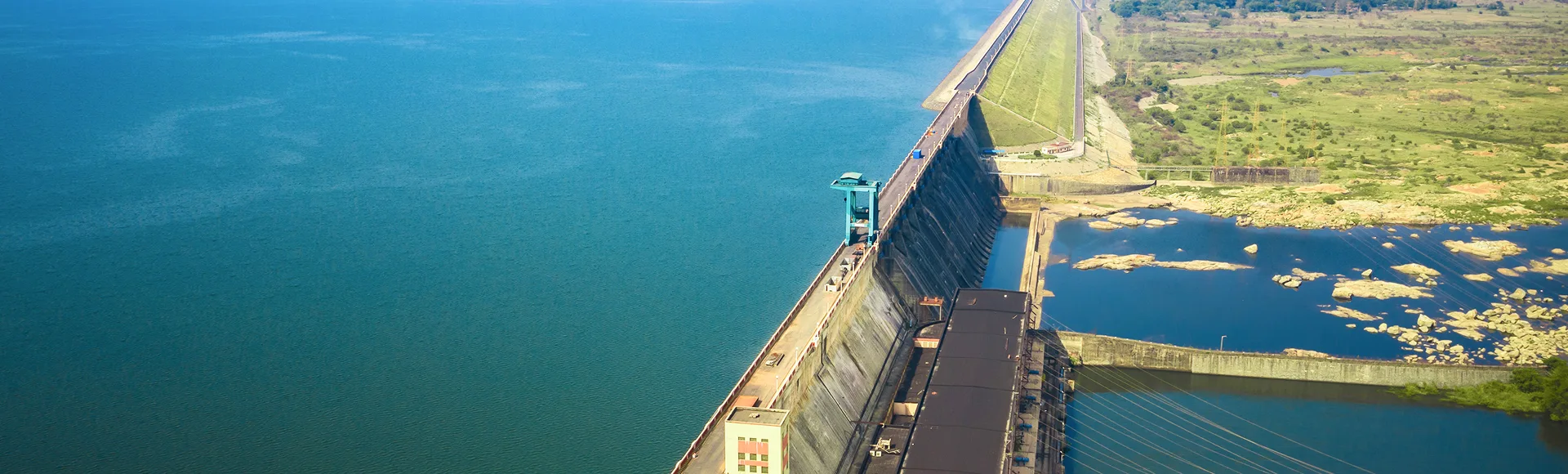
Hirakud Dam

32 km away · Sambalpur district

Hirakud Dam

Hirakud Dam is an Odisha river barrier and multipurpose project, valued for flood management, irrigation and electricity as well as reservoir views, birdlife and engineering history.

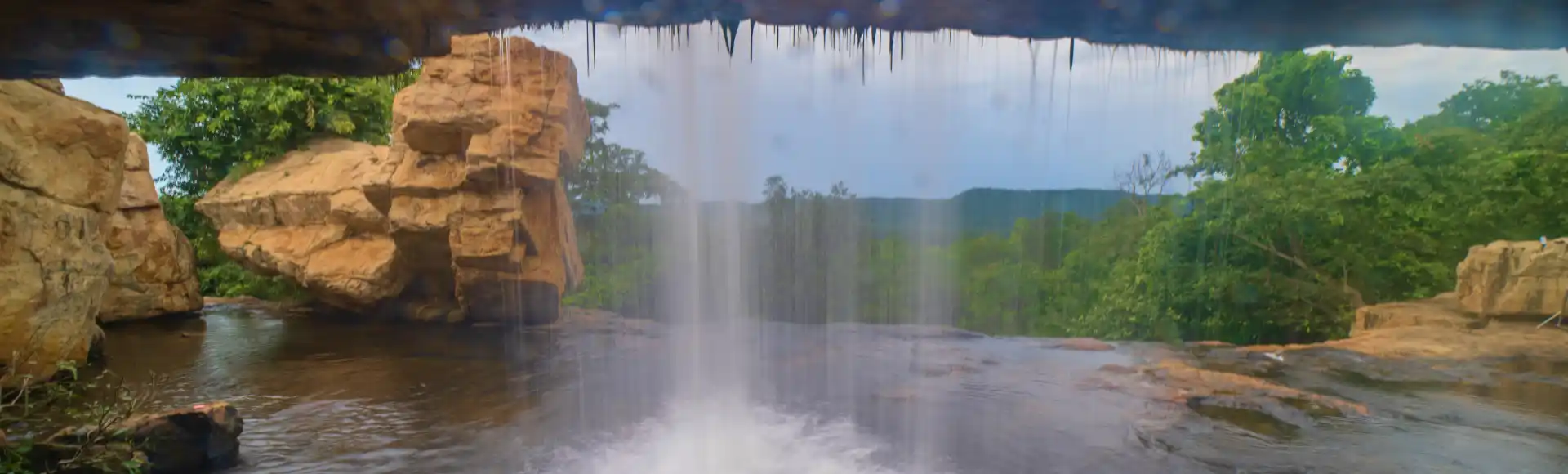
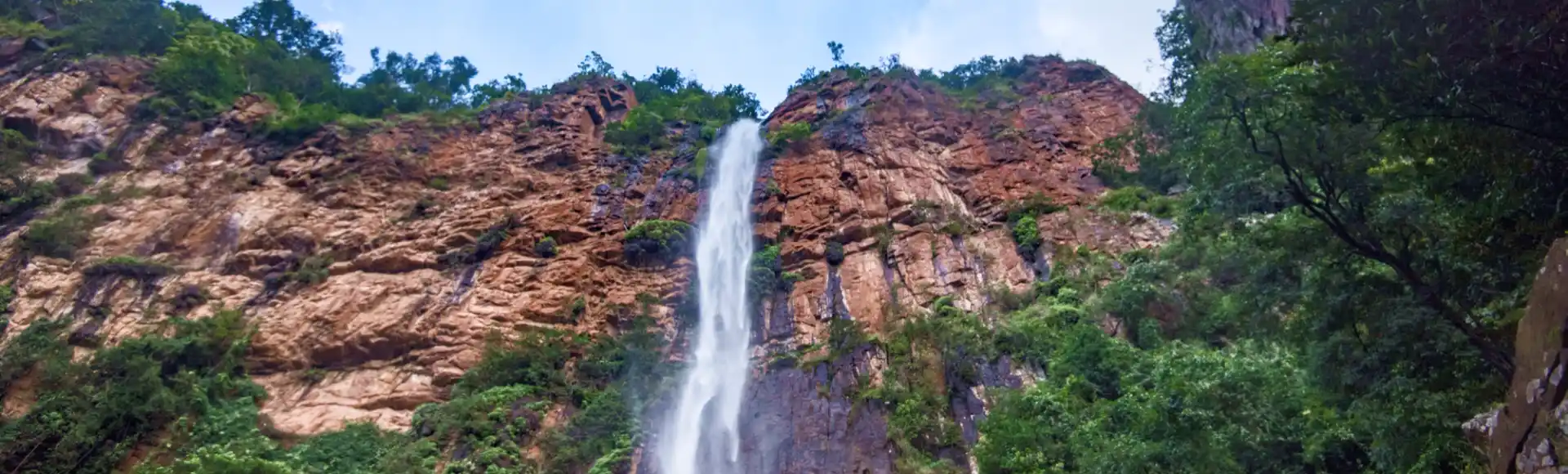
Khandadhar (Kendujhar)

33 km away · Keonjhar district

Khandadhar (Kendujhar)

Khandadhar is a waterfall in Kendujhar, Odisha, with a tall, sword-shaped cascade. People visit to experience its forested surroundings, see the falling water and enjoy outdoor activities.

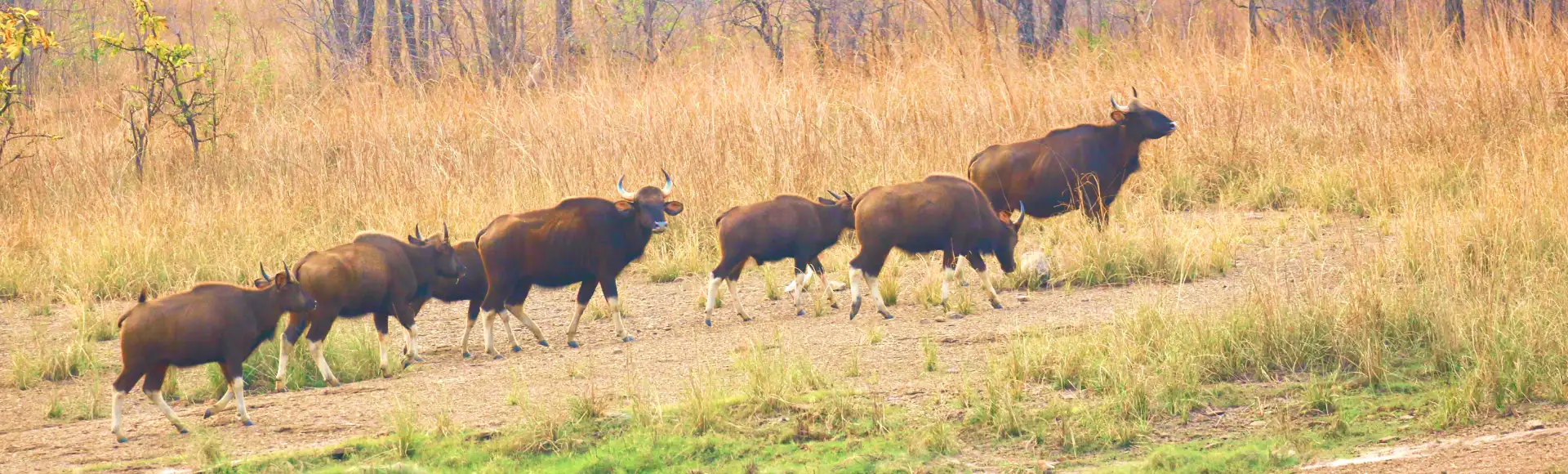
Debrigarh Wildlife Sanctuary

38 km away · Bargarh district

Debrigarh Wildlife Sanctuary

Set beside the Hirakud Reservoir in western Odisha, Debrigarh Wildlife Sanctuary draws visitors for its varied landscapes, wildlife and outdoor activities, including safaris, walks and boating.

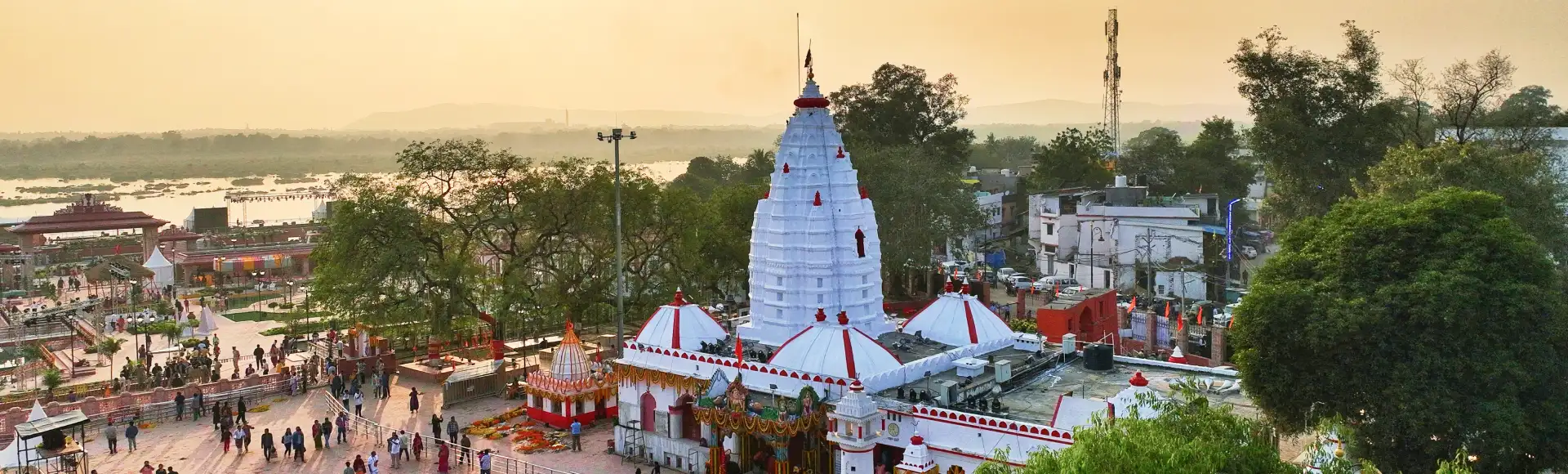
Maa Samaleswari Temple

38 km away · Sambalpur district

Maa Samaleswari Temple

Maa Samaleswari Temple is a place of worship in Sambalpur dedicated to the Shakti goddess Maa Samaleswari. Visitors come for its architecture, religious importance and Nuakhai harvest customs.

Bara Bakhra Caves

44 km away · Bargarh district

Bara Bakhra Caves

Bara Bakhra Caves, in Burla, Baragada, lie near Debrigarh Wildlife Sanctuary and are known for their link to Veer Surendra Sai’s resistance and their forest surroundings.

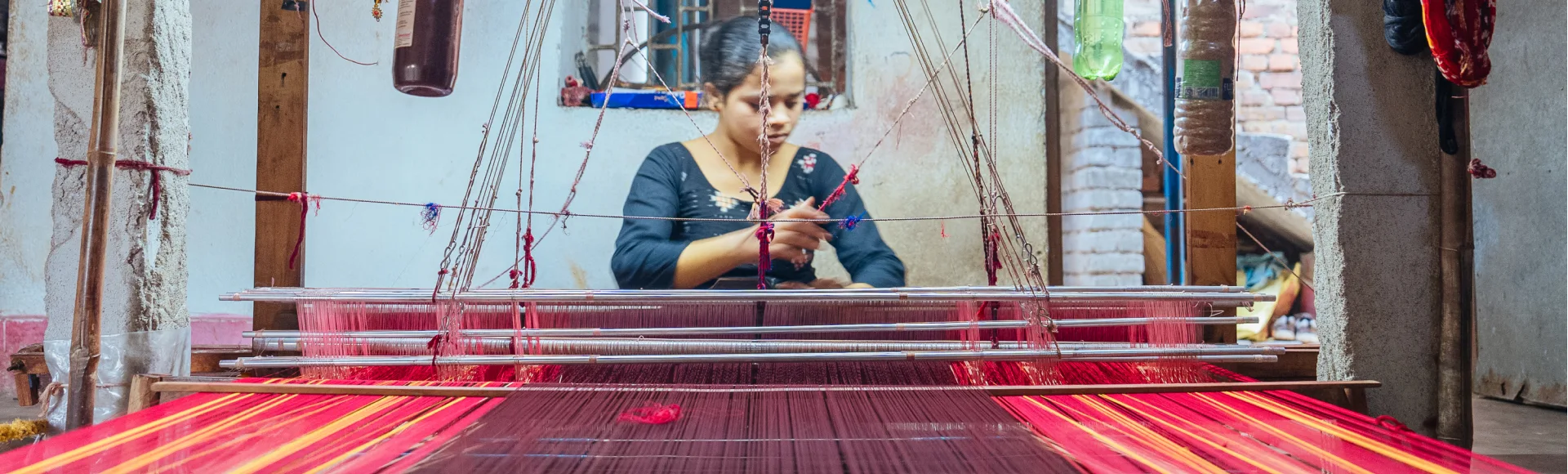
Kardola Weavers Village

54 km away · Sambalpur district

Kardola Weavers Village

Kardola, in Burla, Sambalpur, Odisha, is a village known for its Sambalpuri Ikat weaving. Visitors come to view its patterned homes, meet local artisans and purchase cotton or silk textiles made there.

Leaning Temple of Huma

60 km away · Sambalpur district

Leaning Temple of Huma

Beside the Mahanadi at Huma near Sambalpur, this Shiva temple is known for its leaning shrines and attracts worshippers and visitors interested in its unusual architecture and riverside traditions.

77 km away · Bargarh district

Barpali

Barpali, in Odisha’s Bargarh district, is a town and block administrative centre governed by a Notified Area Council. People visit for its literary associations, woven textiles, crafts and religious sites.

Map

Brajarajnagar on the map

  1. 1Hirakud Dam
  2. 2Khandadhar (Kendujhar)
  3. 3Debrigarh Wildlife Sanctuary
  4. 4Maa Samaleswari Temple
  5. 5Bara Bakhra Caves
  6. 6Kardola Weavers Village
  7. 7Leaning Temple of Huma
  8. 8Barpali

Odisha

Other cities to explore