Ghumoopedia — Explore, Discover, Experience
Sign in
Pipili, near Pipili

City guide · Odisha

Pipili

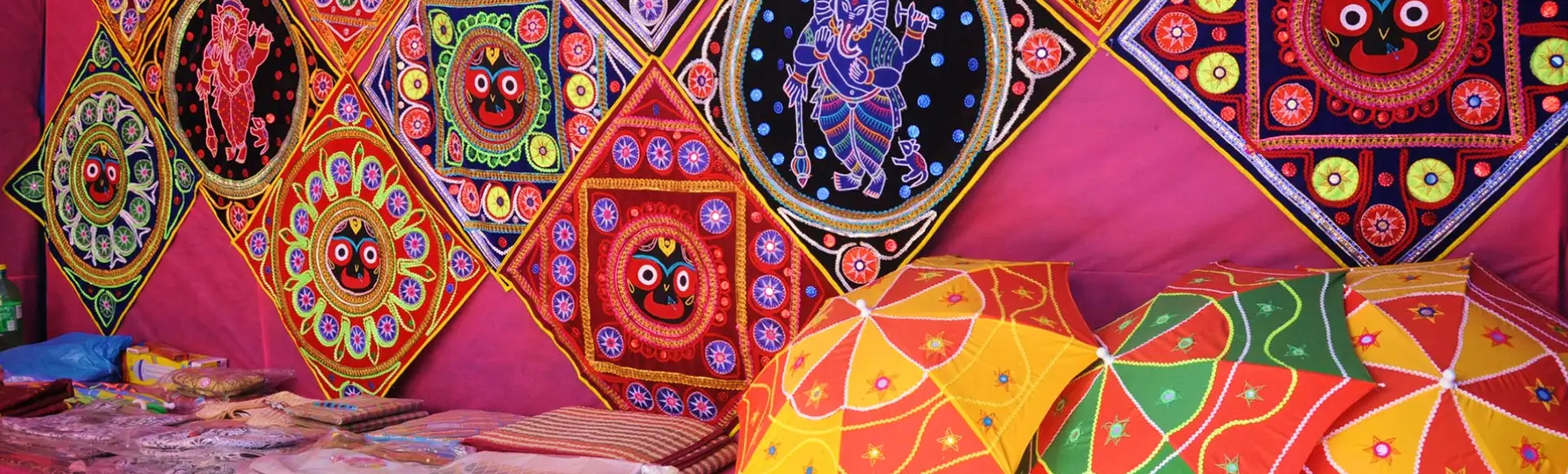
Pipili is a small town in Puri district, Odisha, best known for its vivid applique handicrafts. Artisans stitch cut pieces of coloured cloth onto a fabric base to create decorative panels, umbrellas, canopies and other items.

Famous for

  • Pipili applique craft
  • Colourful fabric panels
  • Handcrafted festival umbrellas
  • Jagannath ceremonial hangings
  • Puri–Bhubaneswar road junction

Why Pipili matters

Pipili is a small town in Puri district, Odisha, best known for its vivid applique handicrafts. Artisans stitch cut pieces of coloured cloth onto a fabric base to create decorative panels, umbrellas, canopies and other items. The craft gives the town a distinctive identity and connects its workshops and markets with the wider cultural life of the region, particularly the ceremonies and festivals associated with Jagannath worship in Puri.

The town also matters as a road junction: the route to Konark branches here from the Bhubaneswar–Puri road. Its position makes Pipili a convenient stop for visitors travelling between Bhubaneswar, Puri and the coast. Many travellers pause to browse craft shops, watch or learn about the making of applique work, and buy textiles and souvenirs. Pipili is not a large sightseeing centre, but its working craft traditions and accessible location make it a worthwhile part of a regional itinerary. The town’s colourful displays offer a close look at a living artisan economy rather than a craft seen only in galleries.


Famous for: crafts, trade & products

Pipili is most closely associated with applique, a textile craft made by stitching shaped pieces of coloured cloth onto a fabric ground. Traditional designs include flowers, leaves, animals and geometric forms. The resulting work appears on wall hangings, cushions, lampshades, bags, umbrellas, canopies and decorative covers. Some larger ceremonial pieces are made for religious use, including objects associated with Jagannath traditions. Pipili applique has a Geographical Indication (GI) tag, recognising its regional identity.

The town’s main road and market area are the most convenient places to look for finished work and speak with sellers. Shops commonly display small souvenirs alongside larger textiles and household decorations; designs, materials and workmanship vary, so visitors may want to compare pieces. Workshops and artisan outlets can offer a closer view of cutting, layering and stitching, though access depends on the individual maker. Pipili’s trade is centred on craft rather than large-scale textile mills or a broad range of locally distinctive products. Its applique is also sold through craft emporia and outlets elsewhere in Odisha, but buying in town gives visitors a direct connection to the place most strongly identified with the tradition.

History

Pipili’s history is best understood through its craft traditions and its position on an important regional road, rather than as the seat of a major royal court. Local applique work is closely linked with ceremonial use and Jagannath worship in nearby Puri. Generations of artisans developed skills in cutting, layering and stitching cloth into decorative objects, and demand for festival furnishings helped sustain the craft. The precise beginnings of the town’s applique tradition are not firmly established, so accounts of its origins are generally framed through this longstanding association with religious and community use.

The wider region experienced the successive political changes of Odisha and later British administration, but Pipili is not chiefly remembered for a specific royal or colonial-era event. In modern times, its position on the Bhubaneswar–Puri road, near the turn towards Konark, supported roadside commerce and craft sales. Pipili developed as a recognised artisan town and is administered as a Notified Area Council. Its contemporary identity continues to rest on the visibility and sale of handmade applique work.

Food, festivals & culture

Odia is the principal language of Pipili. Hindi is useful in many visitor-facing settings, and English may be understood in some shops. Everyday food follows the broader Odia pattern: rice, lentils, vegetable dishes and seasonal preparations are common. Pakhala, a rice dish served with accompaniments, is a familiar regional meal, while chhena poda and other milk-based sweets can be found in the wider area. These are regional favourites rather than foods unique to Pipili.

The town’s cultural life is shaped in part by the religious calendar of Odisha. Rath Yatra, usually held in June or July, is especially significant in the nearby Jagannath tradition; Dola Purnima in February or March and Durga Puja in September or October are also widely observed in the region. Applique umbrellas, canopies and banners bring colour to processions and celebrations. Devotional singing and kirtan are part of local religious practice, while Odissi music and dance belong to the wider cultural heritage of Odisha. Local temples and shrines serve residents and visitors, with the major Jagannath pilgrimage centre in Puri a short journey away.

Visiting the city

The cooler, drier months from about October to February are generally the most comfortable for exploring Pipili and travelling around Odisha. Summers can be hot, while the monsoon brings rain. The nearest airport is Biju Patnaik International Airport in Bhubaneswar. Bhubaneswar Railway Station is the main rail gateway for many visitors; Puri Railway Station is another option for those combining Pipili with a visit to Puri.

Pipili is easily reached by road from Bhubaneswar and Puri, and local autos or taxis can help with short trips. The main road and market area are the best places to browse applique shops. Visitors can also look for artisan outlets or workshops, asking locally about access. Pipili works well as a brief stop on a Bhubaneswar–Puri journey or as part of a route continuing towards Konark. Allow time to compare handmade pieces and to see the craft beyond the roadside displays.

Trips from the city

Nearest places to visit from Pipili

Our closest destination guides, by straight-line distance.

Pipili

1 km away · Puri district

Pipili

Pipili, in Odisha’s Puri district, is known for Chandua, a traditional cloth appliqué craft. Visitors come to see artisans’ work and browse the colourful handicrafts sold along its streets.

Dhabaleswar Temple

8 km away · Cuttack district

Dhabaleswar Temple

Dhabaleswar Temple is a shrine to Shiva on an island in Odisha’s Mahanadi River. Visitors come for its religious significance, history and association with a local legend.

Dhauli Shanti Stupa (Dhauli Hills)

8 km away · Khordha district

Dhauli Shanti Stupa (Dhauli Hills)

Dhauli Shanti Stupa on Dhauli Hill near Bhubaneswar is a white peace pagoda associated with the Kalinga War and Ashoka’s adoption of Buddhism; visitors come to explore this history and watch its Light and Sound Show.

Chausathi Yogini Temple, Hirapur

13 km away · Khordha district

Chausathi Yogini Temple, Hirapur

Hirapur’s Chausathi Yogini Temple is a ninth-century Tantric shrine near Bhubaneswar. Visitors come to see its roofless circular design and carvings of the yoginis.

Ananta Basudeva Temple

14 km away · Khordha district

Ananta Basudeva Temple

Ananta Basudeva Temple is a Vaishnavite shrine in Bhubaneswar. Visitors come to see its Kalinga-style architecture, worship of Vishnu and related deities, and tradition of sharing Abadha.

Lingaraj Temple

14 km away · Khordha district

Lingaraj Temple

Lingaraj Temple is an 11th-century sandstone shrine in Bhubaneswar, valued for its Kalinga architecture and its representation of Shiva as Harihara. Visitors come to worship and experience its rituals and festivals.

Mukteswara Temple

14 km away · Khordha district

Mukteswara Temple

Mukteswara Temple is a tenth-century shrine in Bhubaneswar, Odisha, associated with Jajati I and the Somavansi dynasty. Visitors come to see its early Kalingan architecture, carved details and distinctive arched torana.

Parasurameswar Temple

14 km away · Khordha district

Parasurameswar Temple

Ananta Basudeba Temple is a Vaishnavite shrine in Bhubaneswar, beside Bindusagar tank. Visitors come to worship Vishnu and view its Kalinga-style buildings, ritual spaces and traditions of shared offerings.

Map

Pipili on the map

  1. 1Pipili
  2. 2Dhabaleswar Temple
  3. 3Dhauli Shanti Stupa (Dhauli Hills)
  4. 4Chausathi Yogini Temple, Hirapur
  5. 5Ananta Basudeva Temple
  6. 6Lingaraj Temple
  7. 7Mukteswara Temple
  8. 8Parasurameswar Temple

Odisha

Other cities to explore