Ghumoopedia — Explore, Discover, Experience
Sign in
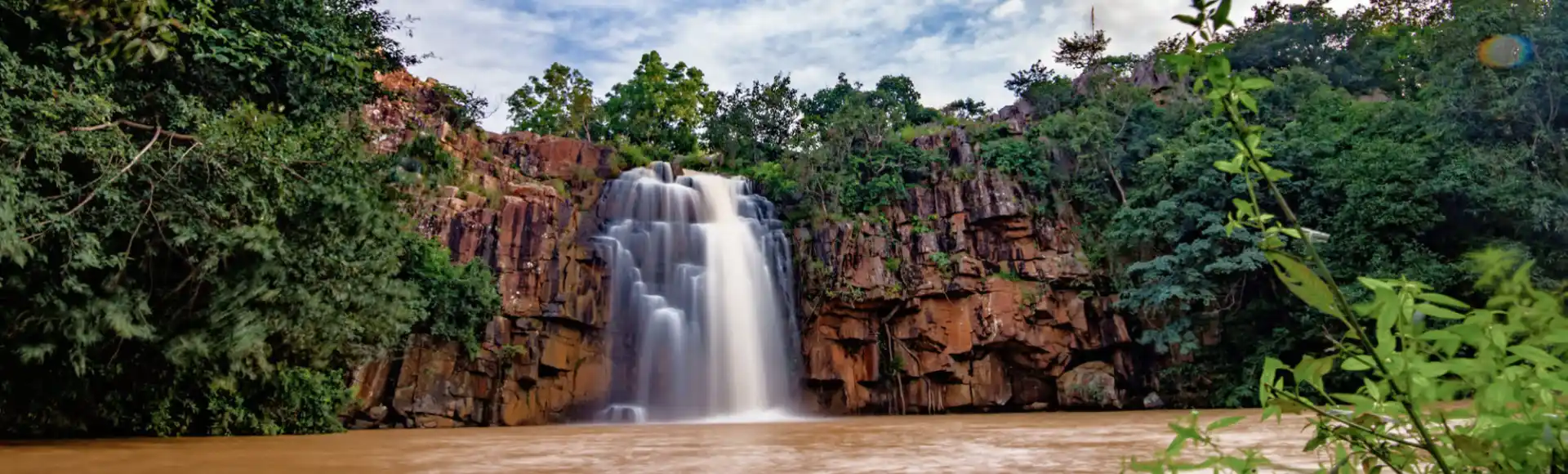
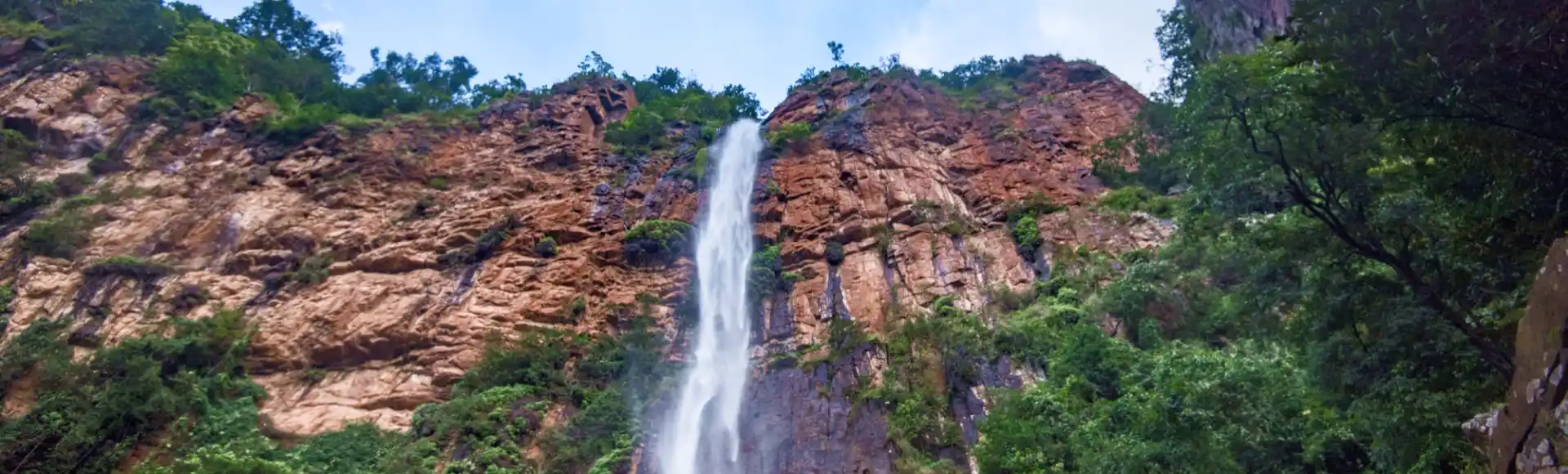
Khandadhar Waterfall, near Barbil

City guide · Odisha

Barbil

Barbil is a mining town in Kendujhar district, in northern Odisha. Its importance comes above all from the mineral-rich belt around it, where iron ore and manganese deposits support mining, transport and related businesses.

Famous for

  • Iron ore mining
  • Manganese ore
  • Forested hills
  • Sal forests

Why Barbil matters

Barbil is a mining town in Kendujhar district, in northern Odisha. Its importance comes above all from the mineral-rich belt around it, where iron ore and manganese deposits support mining, transport and related businesses. The industry is a major contributor to government revenue and shapes much of the town’s working life and landscape. Barbil is also an important service and trading centre for nearby mining settlements and villages.

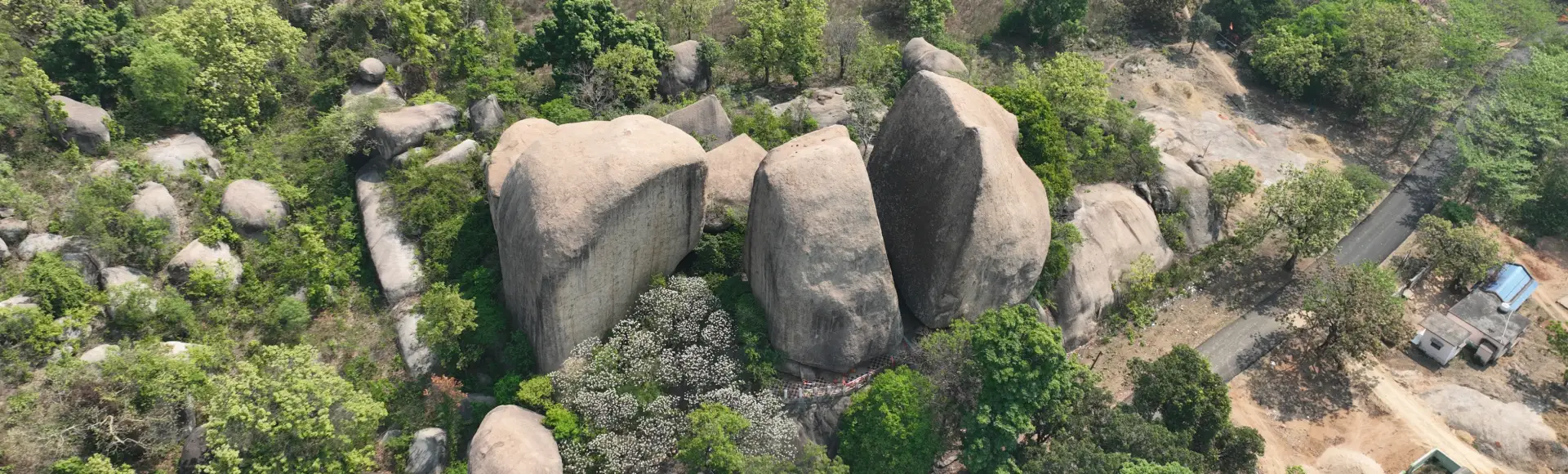
The town sits among hills, with the Kiriburu range running parallel to it and Sal-dominated forests in the surrounding countryside. This setting gives Barbil a different feel from Odisha’s coastal cities, though the industrial landscape is never far away. Visitors may come to understand the region’s mining economy or to see its wooded hills and rural surroundings. The area also has a substantial Scheduled Tribe and Scheduled Caste presence and lies within a Fifth Schedule area, making its social and constitutional context an important part of its identity. Encounters with wild elephants have been reported near the town, so visitors should take local safety advice seriously.
Famous for: crafts, trade & products

Barbil is best known for the extraction and movement of iron ore and manganese ore from the surrounding belt. Mining, mineral handling, transport and businesses serving the workforce are central to its economy. The town’s markets and commercial areas cater mainly to residents, workers and nearby communities, with everyday goods and services rather than a distinctive tourist shopping scene. Mining activity is concentrated beyond the town centre; operating sites are industrial workplaces, not visitor attractions, and access may be restricted.

Barbil is not particularly known as a centre for textiles, sarees or a signature handicraft, and no widely recognised local GI-tagged product defines its reputation. Visitors seeking Odisha’s better-known crafts and regional specialties may find a broader selection in larger cities. In Barbil, local shops and markets are the practical places to look for daily provisions, snacks and items made or sold for the surrounding area. The town’s strongest association remains its mineral economy and the hills and forests around the mining belt. Ask locally about access before heading towards mine roads or forest areas, and avoid entering private or active industrial property.

History

Barbil’s growth is closely linked to the mineral wealth of the Kendujhar region. The town developed as a centre for mining and the movement of ore, with roads, rail connections and services expanding in response to activity across the surrounding iron and manganese belt. As extraction and transport became important to the regional economy, Barbil grew into a municipal town serving workers, businesses and nearby settlements.

The wider area has long-standing Adivasi communities and a strong connection to forested uplands. It is part of a Fifth Schedule area, a constitutional designation relevant to the administration of areas with significant tribal populations. The town’s modern identity reflects the meeting of this social and ecological setting with large-scale industry. Mining has brought employment and public revenue, while also making land use, forest protection and the effects of industrial activity important local concerns. Barbil’s history is therefore best understood through both its mineral-driven development and the communities whose lives are rooted in the surrounding region.

Food, festivals & culture

Daily life in Barbil reflects its mix of communities and its position in northern Odisha. Odia is widely used, alongside languages such as Ho, Santali and Hindi; the language heard often depends on the neighbourhood and workplace. Meals commonly draw on regional staples such as rice, lentils, vegetables and fish, while tea stalls and local eateries serve workers and residents through the day. Barbil is not especially known for a single signature sweet or food, so visitors can look for familiar Odia dishes and seasonal local cooking rather than a distinct town specialty.

Festivals celebrated in the area include Durga Puja in autumn, Rath Yatra in early summer and Makar Sankranti in mid-January, alongside observances important to local Adivasi communities. Music, dance and community gatherings vary across those traditions; tribal performance forms are part of the wider cultural landscape, though not staged on a fixed tourist schedule. Hindu temples and neighbourhood shrines serve local worshippers, with other places of worship reflecting the town’s diverse population. Visitors should ask residents about public celebrations and observe local customs respectfully.

Visiting the city

The cooler months, generally from October to February, are the most comfortable time to visit. Summer can be hot, while the monsoon brings rain and may make forest roads less convenient. Rourkela Airport is a nearby airport option; for a wider choice of air connections, travellers can consider Bhubaneswar. Barbil railway station is the town’s main rail station. Check current transport connections before travelling, as services and onward options can vary.

Auto-rickshaws and local vehicles are useful for getting around town; visits to surrounding hills or forested areas usually require a planned road journey. The central market and commercial streets offer a sense of everyday town life, while the outskirts lead towards the mining belt and wooded hills. Do not enter mine premises without permission, and seek local guidance about forest access and elephant activity.

Trips from the city

Nearest places to visit from Barbil

Our closest destination guides, by straight-line distance.

Khandadhar Waterfall

46 km away · Sundargarh district

Khandadhar Waterfall

Khandadhar Waterfall is a major cascade in Sundaragada, Odisha. Visitors come for its steep drop, forested surroundings and the area’s cultural significance.

Khiching Temple (Kichakeswari Temple)

51 km away · Mayurbhanj district

Khiching Temple (Kichakeswari Temple)

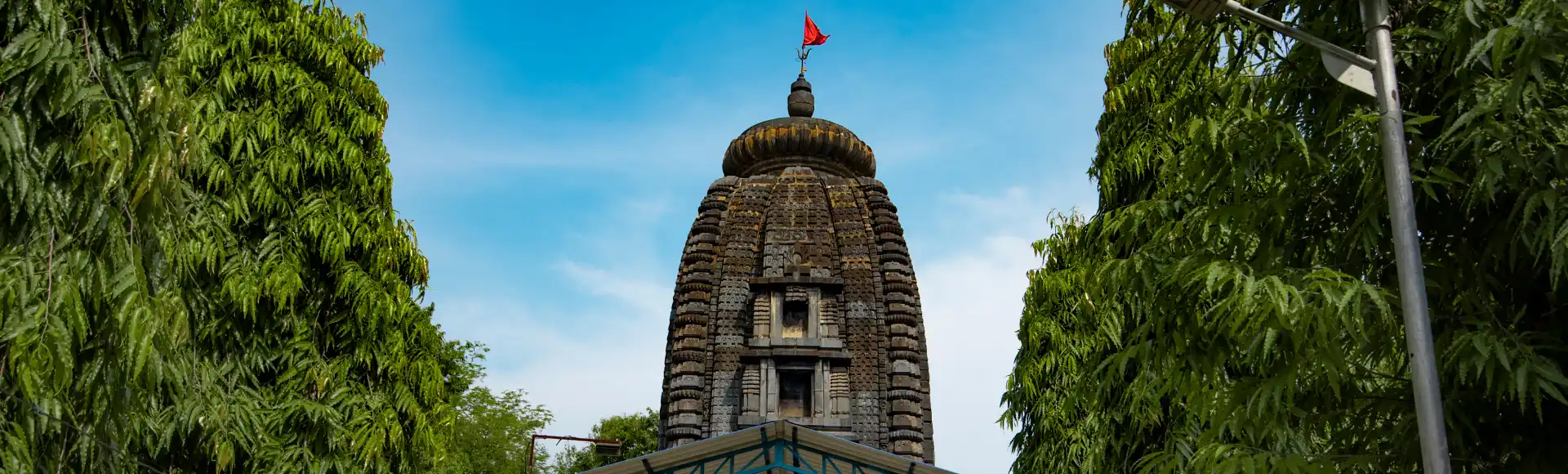
Khiching Temple, also called Kichakeswari Temple, is a historic shrine in Mayurbhanj, Odisha. Visitors come to worship the Bhanja dynasty’s goddess and see its stone carvings and heritage.

Sanaghagara Waterfall

55 km away · Keonjhar district

Sanaghagara Waterfall

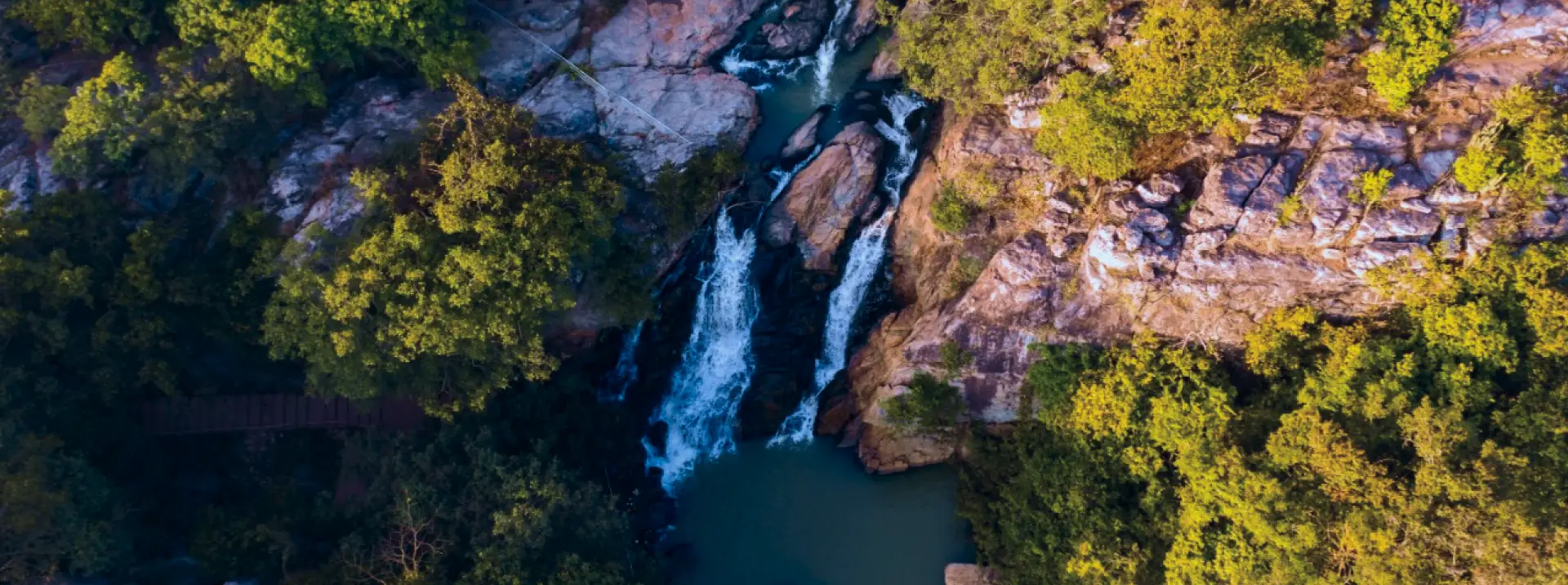
Near Kendujhar town in Odisha, Sanaghagara Waterfall is a modest cascade set among rocky ground and green slopes, drawing visitors for relaxed walks, views and photography.

Bada Ghagara Waterfall

58 km away · Keonjhar district

Bada Ghagara Waterfall

Located in Kendujhar, Odisha, Bada Ghagara is a perennial waterfall that drops almost 60 metres into a rocky gorge, drawing visitors for forest walks, photography and picnics.

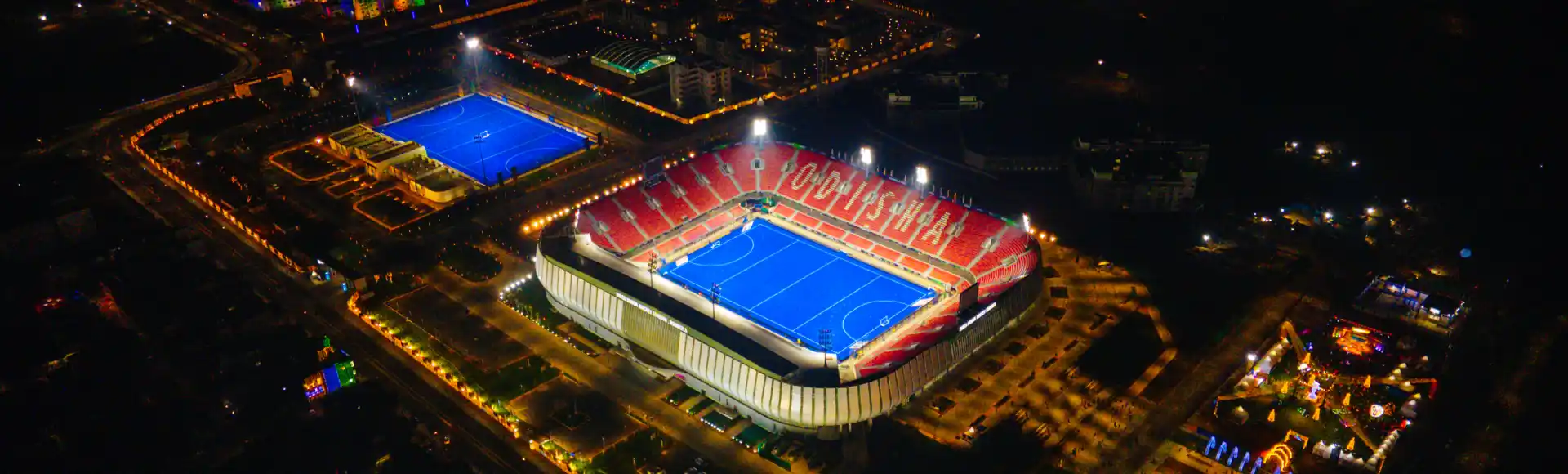
Birsa Munda International Hockey Stadium

60 km away · Sundargarh district

Birsa Munda International Hockey Stadium

Birsa Munda International Hockey Stadium is a major hockey venue in Rourkela, Odisha. Visitors come to see the 2023 stadium built for the FIH Odisha Hockey Men's World Cup.

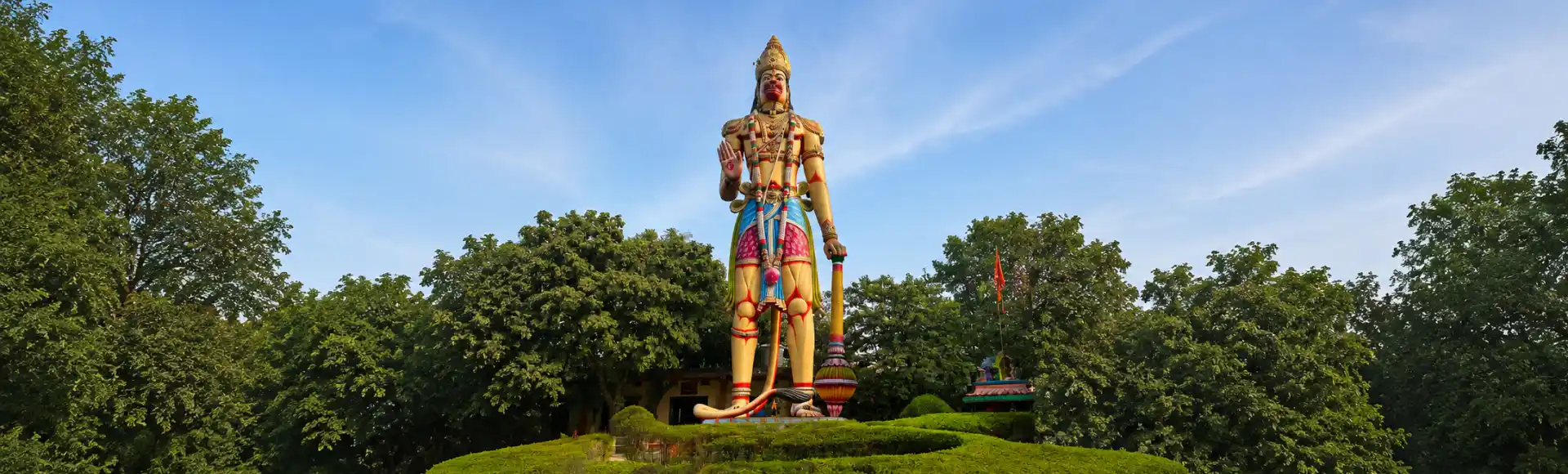
Hanuman Vatika

60 km away · Sundargarh district

Hanuman Vatika

Hanuman Vatika in Raurkela is a religious complex visited by pilgrims and tourists for its prominent Hanuman statue, collection of shrines and tranquil grounds.

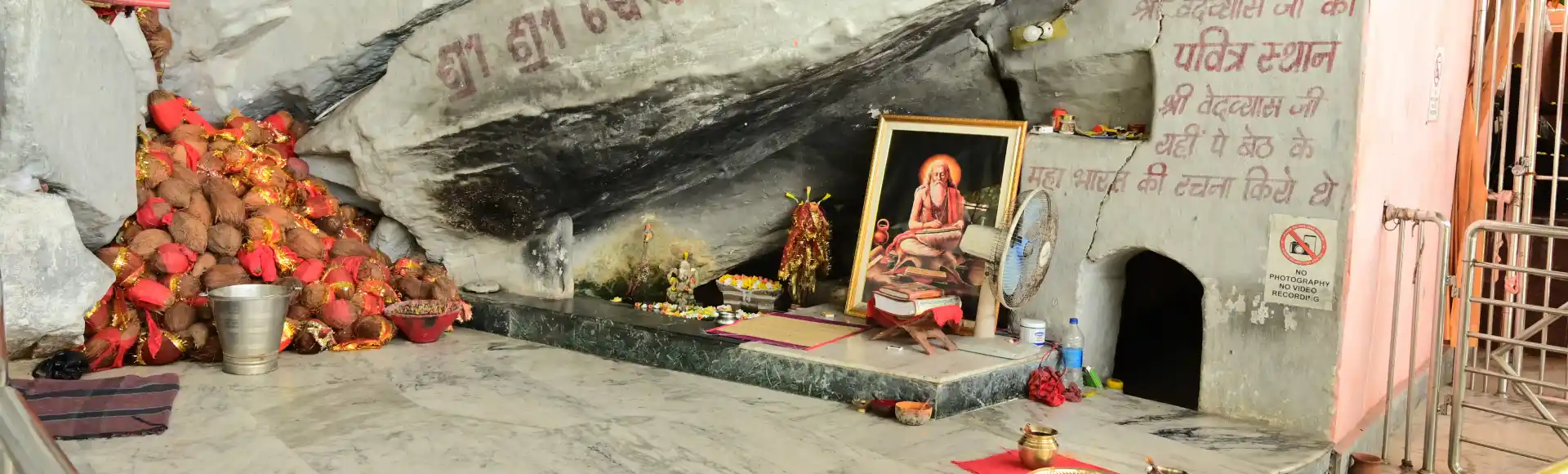
Ved Vyas Temple

63 km away · Sundargarh district

Ved Vyas Temple

Ved Vyas Temple, in Rourkela, Odisha, is a riverside religious site visited for its association with Maharishi Ved Vyasa, the Sankh–Koel confluence and its natural setting.

Sitabinji Fresco Painting

78 km away · Keonjhar district

Sitabinji Fresco Painting

In Kendujhar, Odisha, Sitabinji is an archaeological site known for Gupta-period paintings and other remains. Visitors come to encounter its heritage amid wooded hills by the Sita River.

Map

Barbil on the map

  1. 1Khandadhar Waterfall
  2. 2Khiching Temple (Kichakeswari Temple)
  3. 3Sanaghagara Waterfall
  4. 4Bada Ghagara Waterfall
  5. 5Birsa Munda International Hockey Stadium
  6. 6Hanuman Vatika
  7. 7Ved Vyas Temple
  8. 8Sitabinji Fresco Painting

Odisha

Other cities to explore