
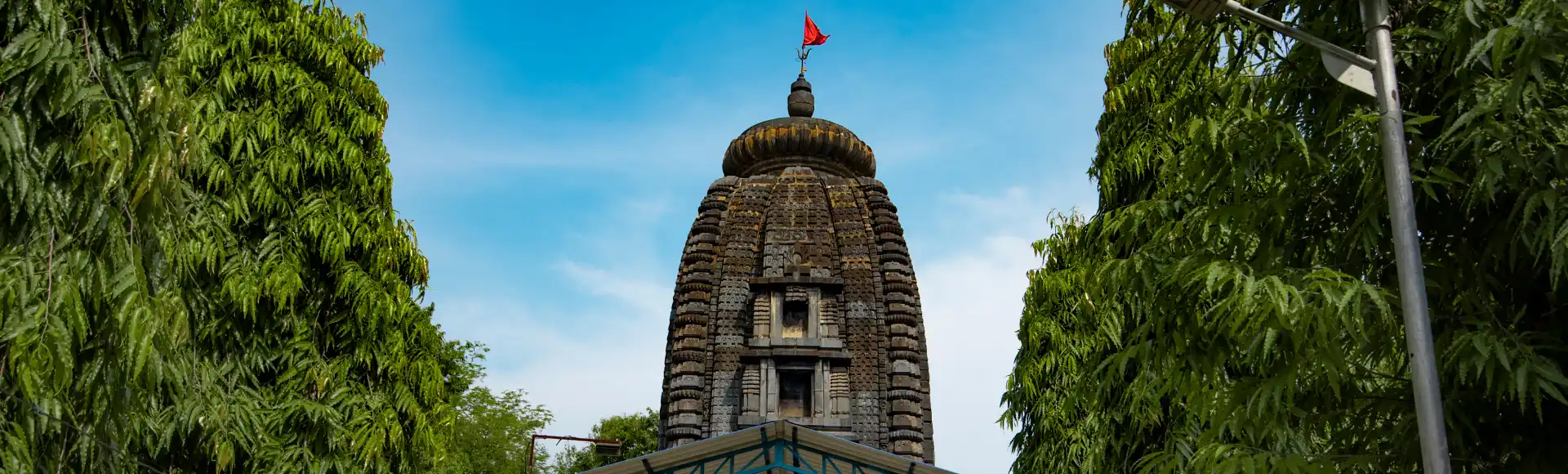
Khiching Temple (Kichakeswari Temple)
Khiching Temple, also called Kichakeswari Temple, is a historic shrine in Mayurbhanj, Odisha. Visitors come to worship the Bhanja dynasty’s goddess and see its stone carvings and heritage.
Key facts · verified by Ghumoopedia editors
- Type of place
- Temple / pilgrimage site
- Best time to visit
- October - March
- Verified
- 21 Nov 2026
Plan a trip from Khiching Temple (Kichakeswari Temple) — a day-by-day route through places nearby.
At Khiching in Mayurbhanj district, the temple honours Goddess Kichakeswari, the Bhanja dynasty’s presiding deity. Built from dark chlorite, it has a distinctive appearance. Its origins are placed between the seventh and twelfth centuries; a careful restoration was completed in 1942 at an approximate cost of Rs. 85,000. Carvings across the complex show deities, mythological scenes and decorative patterns. The sanctum holds the revered image of Kichakeswari. The grounds provide a tranquil setting, and a nearby archaeological museum at Khiching offers another perspective on the area’s past. Khiching once served as a political and cultural centre for the Bhanja rulers. The temple remains a place for worship, rituals and festivals. Its sculpture, history and continuing religious role draw visitors interested in Odisha’s artistic and spiritual heritage. Plan your visit around October - March. The official suggested visit duration is 1–2 hours; treat this as time at the attraction, not the complete journey from your hotel. Odisha’s coast and plains can be hot and humid, while southern hill districts may feel cooler after sunset. Heavy monsoon rain can affect road travel and access to outdoor sites. Check the local forecast before setting out, and keep a flexible alternative for bad weather. Official destination reference: https://odishatourism.gov.in/en/places/khiching-temple-kichakeswari-temple
Why it matters
Khiching Temple, also known as Kichakeswari Temple, is an important religious and heritage site in Mayurbhanj, Odisha. Dedicated to Goddess Kichakeswari, it is associated with the Bhanja dynasty, whose rulers made the area a political and cultural centre. Its dark chlorite stone and carved surfaces distinguish it among the region’s historic temples. Odisha Tourism identifies the temple as a destination for visitors interested in religious heritage and archaeology; the nearby Khiching archaeological museum adds context to the site’s past. The available destination information does not establish UNESCO or Archaeological Survey of India protected status, so visitors should not assume either designation. Its significance is both devotional and regional, linking worship with Mayurbhanj’s history and craftsmanship.
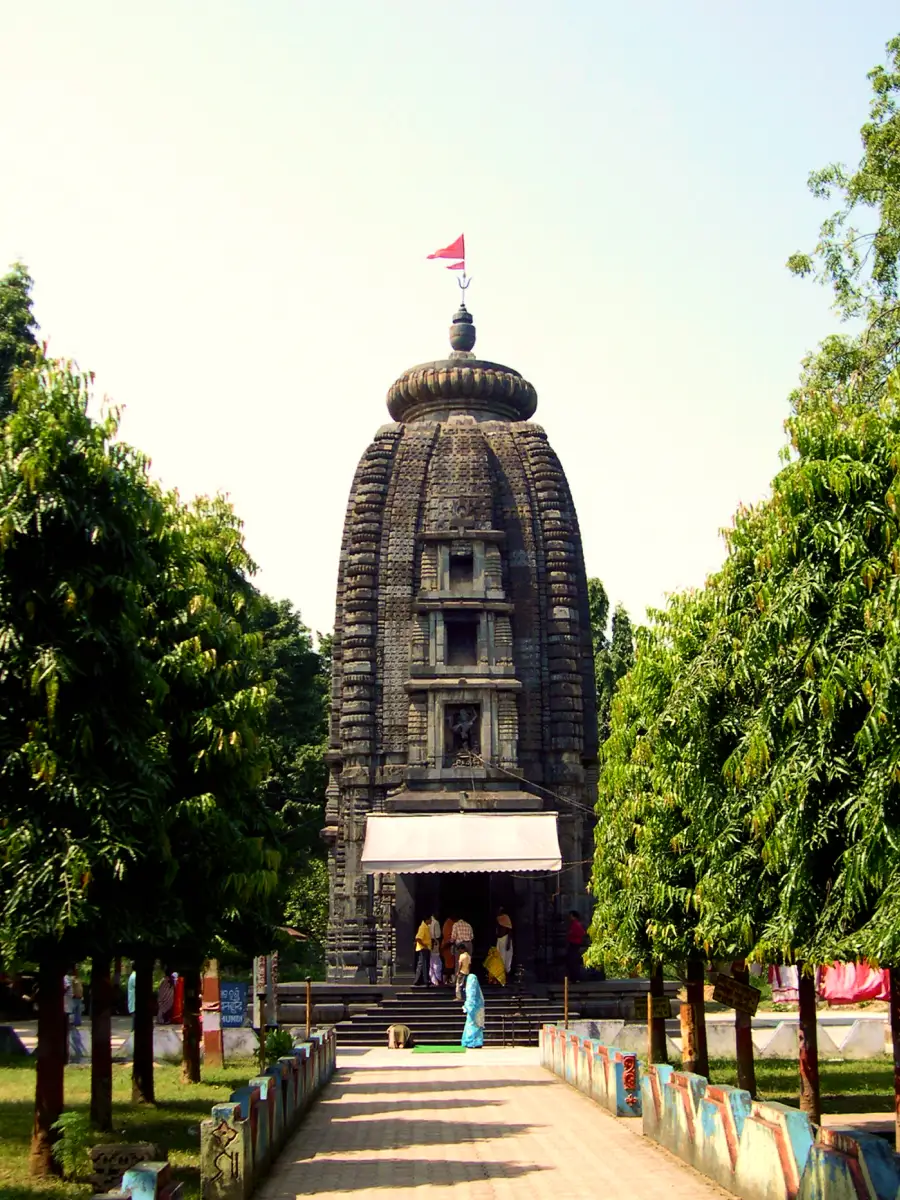
Khiching is associated with the Bhanja rulers, and the Kichakeswari shrine is traditionally understood as a principal dynastic place of worship. The temple’s origins are placed broadly between the 7th and 12th centuries in the destination account, a long span that reflects the difficulty of assigning a single construction date to an old religious complex. Khiching’s role as a centre of Bhanja political and cultural life helps explain the importance attached to the shrine and its sculptural programme. The temple is built of dark chlorite stone, a material that allowed detailed carving and gives the structure its distinctive appearance. The present temple was restored in 1942, preserving its historic character and decorative work. The nearby archaeological museum helps visitors consider the temple within the wider history of Khiching, though displays and access arrangements can change. For detailed dating or information about individual construction phases, consult the museum or a local heritage authority rather than treating the broad traditional date range as a precise archaeological conclusion.
Origin stories & folklore
Local stories and explanations of the name Khiching are not uniform. Some accounts associate it with Kichaka, a figure from the Mahabharata, but this should be understood as a traditional explanation rather than a firmly established historical origin. Devotees regard Kichakeswari as a powerful protective goddess and the longstanding guardian deity of the region and Bhanja rulers. These beliefs form part of the shrine’s living religious meaning, but visitors may encounter different versions from worshippers, guides or local sources. Listen respectfully and distinguish devotional tradition from archaeological evidence; the temple’s documented history does not depend on accepting any one origin story.
Architecture & design
The temple’s most immediately noticeable feature is its use of dark chlorite stone, which gives the shrine a deep, almost black appearance. The structure belongs to Odisha’s regional temple-building tradition and is distinguished by carved stonework rather than elaborate modern finishes. The main shrine centres on the sanctum, where the image of Goddess Kichakeswari is worshipped; the surrounding temple grounds allow visitors to view the exterior and its sculptural details. Carvings of deities, mythological subjects and ornamental motifs cover portions of the stone surfaces. The sturdy masonry and carefully worked details reflect skilled stonecraft, while the 1942 restoration helped preserve the historic building. Observe the temple from permitted paths and avoid touching fragile carvings. For technical details about the temple’s plan or building phases, rely on interpretation provided locally rather than assuming every architectural element belongs to the same period.
Important objects & sculptures
Look for the dark stone image of Goddess Kichakeswari in the sanctum and the carved figures and ornamental patterns on the temple’s exterior. Sculptural subjects include deities and mythological scenes, though the meanings of individual panels may require interpretation. Take time to notice how the fine carving contrasts with the weight and dark colour of the stone. A nearby archaeological museum offers another way to explore Khiching’s heritage; its collections and display arrangements may vary, so check locally what is open. Do not touch sculptures or enter restricted areas to get a closer view.
Religious significance
Kichakeswari is the presiding deity of the temple and is closely associated with the Bhanja dynasty. Worshippers visit to offer prayers and seek the goddess’s protection and blessings. Rituals take place within an active place of devotion, so the experience may include prayer, offerings and periods when parts of the shrine are reserved for worship. Practices and access can vary with the religious calendar and local arrangements. Visitors who are not participating in worship should remain unobtrusive, follow attendants’ instructions and avoid interrupting ceremonies. Not every area is necessarily open to every visitor; ask respectfully before approaching the sanctum or taking part in any ritual.
Begin with the main attraction at Khiching Temple (Kichakeswari Temple) and leave time to understand its setting in Mayurbhanj. Approach the shrine respectfully, follow the posted entry requirements and allow time for queues. Ask attendants about photography, footwear storage and the permitted route. Religious practice is part of daily life here; avoid interrupting worship or assuming that every visitor can enter every part of the complex. Keep a simple itinerary: arrive in daylight, enjoy the main visit, take a shaded meal break, then decide whether one nearby stop fits your return plan. Use the district index to find nearby places, but check the actual road route before combining them. Reserve a little time for photographs from permitted public viewpoints and avoid blocking paths while taking pictures.
Suggested itineraries
Half day: Arrive in daylight; spend about 1–2 hours at the temple, including time for respectful viewing and prayer; visit the nearby archaeological museum if open; take a meal break and return. Full day: Visit the temple and museum first; allow about 1–2 hours at the shrine; take a relaxed lunch; choose one nearby destination only after checking the road route and return transport; leave a buffer for the journey back. Gentler option: Keep to the temple grounds, take seated rest breaks where permitted, and skip the museum or additional stop if walking or transport feels tiring.
Khiching’s heritage is part of the wider cultural landscape of Mayurbhanj, where Odia and several local and tribal languages are spoken. The temple remains a place of worship rather than only a monument, and its customs are shaped by the people who visit and care for it. Mayurbhanj is also known for its Chhau dance tradition, especially associated with Baripada, though performances should not be expected at the temple on an ordinary visit. Dress modestly, speak quietly near worshippers and ask before photographing people. A respectful visit allows the site’s living religious practices and historic stonework to be appreciated together.
Festivals & events
Navaratri and Durga Puja season are relevant times for worship of the goddess, and observances may bring increased activity at the shrine. The precise programme and scale can vary from year to year, so confirm locally before planning around a ceremony. Mayurbhanj’s wider cultural calendar includes Chaitra Parba and Chhau-related events, particularly around Baripada; these are regional experiences and should not be assumed to take place at Khiching Temple. Festival periods can mean larger crowds, more activity around worship areas and less time for quiet viewing. Follow local directions and leave extra flexibility in your visit.
For a visit to Khiching Temple (Kichakeswari Temple), plan food around your base in Mayurbhanj and do not assume that a remote entrance has a full restaurant. Odisha offers rice-based meals, dalma, vegetable preparations and sweets such as chhena poda. Availability varies by district and outlet; ask what is freshly prepared rather than expecting every local dish at every stop. Choose busy, clean establishments and tell staff about allergies, spice preferences or dietary restrictions before ordering. Carry sealed drinking water and a small snack if you are travelling beyond a town. In hot weather, take regular water breaks instead of waiting until you feel exhausted. If a temple offers food or prasad, follow the local serving rules and confirm what ingredients it contains. Do not treat ritual food as a guaranteed restaurant meal. Keep all packaging with you until you find an appropriate waste bin.
Shopping & local experiences
Look for small devotional offerings and locally available food near the temple, while remembering that stalls and selection can vary. Baripada and other larger towns in Mayurbhanj are better places to explore local markets and regional goods. Mayurbhanj is associated with crafts and cultural traditions, but do not assume a particular item is made or sold at Khiching itself; ask sellers about provenance. Carry reusable bags, avoid buying archaeological objects or unverified antiquities, and choose locally made goods where their origin is clear. Food options at the shrine may be limited, so plan meals around the route.
October - March
Start by choosing a practical overnight base in or near Mayurbhanj, rather than assuming every attraction has its own railway station. Odisha Tourism lists this rail access: Nearest railway station – Badampahar, Kendujhar. The listed air access is: Nearest airport – Biju Patnaik International Airport, Bhubaneswar. Road access: Accessible by road from Kendujhar, Baripada. Compare train, bus and flight options door to door. Rail can suit overnight journeys and travellers who prefer to avoid a long drive. A bus may be useful between district towns, but the last service may finish before your visit ends. A flight only saves time if airport transfers, check-in and the final road leg are included. Reserve the return leg before departure and allow time for traffic, meals and weather. Check IRCTC and NTES for trains, OSRTC for buses, and the airline’s own schedule for flights. Do not rely on an unconfirmed connection or assume taxis will wait at a remote site.
Confirm onward and return timings on IRCTC / NTES, the state bus operator or your airline before travel. A dash means current timings or fares have not been verified.
Getting around
Khiching is reached by road, with the destination information listing road access from Kendujhar and Baripada. On arrival, local buses may connect nearby towns, while autos or hired vehicles may be options for the final leg; availability can vary, so arrange the return journey before your visit. The temple grounds are best explored on foot, at an unhurried pace. Check locally where vehicles may be parked and whether a driver can wait nearby. Do not assume frequent public transport or late services, particularly if combining the temple with another stop.
Hours, tickets & permissions
Entry arrangements may differ between the temple, the sanctum and the nearby museum. Rules can also change during worship, festivals or maintenance. Confirm current opening arrangements, any admission or camera charges, and museum access with the managing authority or locally before setting out; do not rely on an old listing for current details. Follow notices at the entrance, and ask attendants about footwear, photography and access to restricted areas. No special permit or identification requirement is established in the destination information.
Facilities
Facilities at the temple may be basic. Toilets, drinking water, shaded resting spots, food stalls and parking should be checked locally rather than assumed. Small food options may be available in the surrounding area, but visitors with specific dietary or mobility needs may prefer to plan ahead. ATMs and a wider choice of shops or services are more likely in larger nearby towns than at the shrine itself. The nearby archaeological museum can add context, but confirm its current access arrangements. A local attendant may be able to answer practical questions; do not assume a formal guide service is available.
Accessibility
Expect an outdoor heritage site with stone surfaces and some uneven walking, rather than a fully level modern attraction. Visitors may need to walk between the entrance, temple and nearby museum, and steps or raised thresholds may limit access to particular areas. Shade and places to rest may be available but should not be relied upon throughout the grounds. Elderly visitors can keep the visit short, take breaks and avoid crowded periods. The approach and surfaces may be harder to manage after rain.
At Khiching Temple (Kichakeswari Temple), local access rules take priority over any suggested itinerary. Reconfirm opening arrangements, entry eligibility, permits and weather restrictions shortly before arrival. Keep the emergency number 112 available and save your accommodation’s contact details offline. A map pin identifies a general location, not an assurance that the approach road or walking path is safe. Ask local staff which entrance visitors should use. Dress respectfully and follow shrine-specific rules. Entry restrictions may depend on religious practice, and photography or phones may be prohibited. Use official counters where available and agree on any guide service before accepting it. Carry only necessary valuables, keep rubbish out of the site, and leave enough daylight for the return journey.
Visitor rules
Dress modestly and behave quietly around worshippers. Follow posted notices and attendants’ directions about footwear, offerings and access; remove footwear where instructed. Do not enter restricted parts of the complex or interrupt rituals to get a closer look. Ask before photographing people, worship or any area with posted restrictions. Avoid touching the stone carvings and do not leave plastic, food waste or other litter. These are both visitor-etiquette expectations and ways to help protect an active religious and heritage site; local instructions take precedence if arrangements change.
Photography
The temple’s carved dark stone can be rewarding to photograph in soft daylight, when details are easier to see without harsh glare. Use public paths and viewpoints, and avoid blocking entrances or worshippers. Photography rules may differ between the exterior, sanctum and museum, so ask attendants before taking pictures and respect any signs. Do not photograph people or rituals without permission. Drone use should not be assumed to be allowed; check applicable local and site rules before considering it. Avoid flash or equipment that could disturb worship or damage sensitive displays.
Choose accommodation by the complete journey to Khiching Temple (Kichakeswari Temple), not by the district name alone. A room in a well-connected town in Mayurbhanj may offer easier transport, meals and medical access than a property advertised as being close to the attraction. Check the exact location, recent guest feedback, reception hours and cancellation terms. Ask how you will reach the site and return after the visit, especially if you are not driving. A centrally located stay can make early sightseeing and an evening return easier. Confirm whether the approach road is accessible to your vehicle and whether lifts are available. Book only through a trusted accommodation channel, avoid sending payments to an unverified personal contact, and keep written confirmation of the services included.
The Khiching archaeological museum is the most direct companion visit and helps place the temple within the area’s heritage. Baripada, the district’s principal town, is another possible base for local services and access to Mayurbhanj’s cultural attractions. Similipal National Park is a major destination in the district, but it requires separate route and access planning; forest entry and conditions should be confirmed with the relevant authority. These places are not all immediate neighbours, so check road routes and travel time before combining them. Choose one additional stop rather than overloading a day with long drives.
For couples visiting Khiching Temple (Kichakeswari Temple), keep the day relaxed: one main visit, a meal break and a return transfer arranged in advance. Choose public viewpoints for photographs and respect religious or community expectations around behaviour and clothing. Confirm the accommodation’s check-in requirements before booking. Avoid secluded paths after dark and do not trade a safe return plan for a late photograph. A quieter weekday may suit you, but opening and access arrangements still need local confirmation.
Q: How much time should I allow for the temple? A: The suggested visit is about 1–2 hours at the attraction; add separate time for travel, worship, the museum or breaks. Q: When is a good season to visit? A: October to March is the recommended planning window. Check the forecast, especially during the monsoon, when rain can affect road travel. Q: Is there an entry fee, and what are the rules? A: Confirm current entry and camera arrangements locally. Follow notices about footwear, photography, worship areas and restricted access. Q: Can children and elderly visitors visit? A: Yes, but allow for uneven surfaces and possible steps. Keep a flexible pace, take rest breaks and supervise children near stonework and worship areas. Q: Where should I stay nearby? A: Consider an overnight base in or near Mayurbhanj, such as a larger town with services. Check accommodation and onward transport availability before travelling.
Be the first to share photos, stories, advice or a helpful contact for Khiching Temple (Kichakeswari Temple).
Loading…