
Chilika Lake
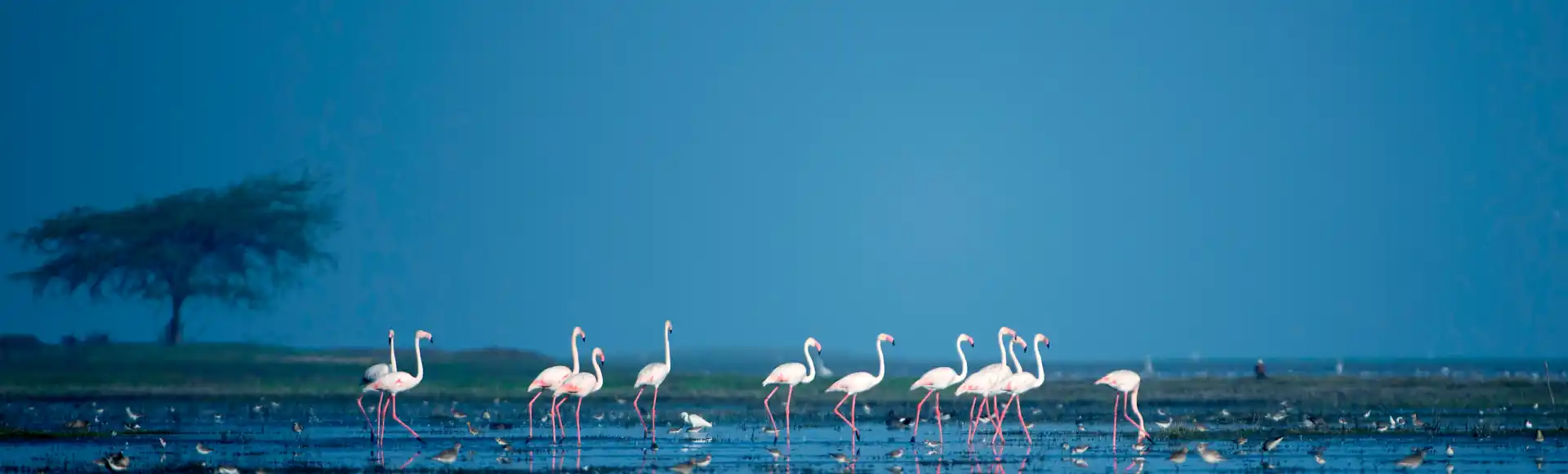
Chilika Lake, at Barkul in Odisha’s Khordha district, is a lagoon shaped by the meeting of river and sea. Visitors come for dolphins, seasonal birdlife and boat journeys.
Key facts · verified by Ghumoopedia editors
- Type of place
- Natural attraction
- Best time to visit
- November - February
- Verified
- 21 Nov 2026
Plan a trip from Chilika Lake — a day-by-day route through places nearby.
At Barkul in Khordha district, Odisha, Chilika is an extensive lagoon where river water meets the sea. The changing waters sustain varied wildlife and a landscape of open stretches, quieter inlets and islands. Satapada is a notable place to look for the Irrawaddy dolphin, a critically endangered species for which the lake is one of its last strongholds. In winter, large numbers of birds arrive from Asia and Europe. Chilika is among the subcontinent’s largest seasonal habitats for migratory birds, and Mangalajodi draws people keen to watch them. Exploring by boat brings visitors across the lagoon’s open waters and past its islands. Beacon Island is a recognised stop, with wide views over the water. A visit may involve seeking dolphins or observing birds in the wetlands, while the tides continually influence the surroundings. Plan your visit around November - February. The official suggested visit duration is 4–6 hours; treat this as time at the attraction, not the complete journey from your hotel. Odisha’s coast and plains can be hot and humid, while southern hill districts may feel cooler after sunset. Heavy monsoon rain can affect road travel and access to outdoor sites. Check the local forecast before setting out, and keep a flexible alternative for bad weather. Official destination reference: https://odishatourism.gov.in/en/places/chilika-lake
Why it matters
Chilika is a large brackish-water lagoon on Odisha’s coast, where freshwater inflows meet the Bay of Bengal. The lagoon extends across parts of Khordha, Puri and Ganjam districts; Barkul is a common access point in Khordha. Ramsar Convention records list Chilika as a Wetland of International Importance, designated in 1981. Its varied wetlands support migratory waterbirds and the Irrawaddy dolphin, making it important for wildlife conservation as well as nature-based tourism. Odisha Tourism presents it as a destination for lake visits, birding and eco-tourism. The lagoon is also closely connected with fishing and other local livelihoods. Its scale and changing water conditions mean that visits are best planned with local guidance.
Chilika is a natural coastal lagoon, shaped over time by river flows, coastal sands and its connection with the Bay of Bengal; it was not built as a reservoir. Its changing channels and water conditions have influenced how people travel, fish and settle around its shores. Fishing communities have long depended on the lagoon and its seasonal resources, while the islands and wetlands have also attracted visitors and pilgrims. In modern conservation history, Chilika was designated a Wetland of International Importance under the Ramsar Convention in 1981. Concerns about ecological change led to its inclusion in the Ramsar Montreux Record in 1993. The Chilika Development Authority was established in 1991 to coordinate restoration and management. Hydrological restoration work, including improving the lagoon’s connection with the sea, contributed to ecological recovery; Chilika was removed from the Montreux Record in 2002. Management today involves conservation, tourism and local livelihoods, with water conditions and access varying across the lagoon. These changes are part of the lake’s ongoing history rather than a single completed restoration story.
Origin stories & folklore
According to local tradition, Kalijai Island is associated with a young woman named Jai who was travelling by boat to her husband’s home when a storm overtook the journey. In versions of the story, she was lost in the waters and later revered as a protective presence of the lagoon. A temple to Goddess Kalijai stands on the island, and visitors may encounter local worshippers there. Details of the story vary, and it should be understood as folklore rather than a verified historical account. The legend reflects the close relationship between people, boats and the unpredictable waters of Chilika.
Begin with the main attraction at Chilika Lake and leave time to understand its setting in Khordha. Use marked viewpoints and permitted trails, and ask whether a forest permit, guide or boat booking is required. Observe animals from a safe distance; a wildlife visit never guarantees a particular sighting. Waterfalls and riverbanks are best enjoyed from protected viewing areas rather than by climbing wet rocks. Keep a simple itinerary: arrive in daylight, enjoy the main visit, take a shaded meal break, then decide whether one nearby stop fits your return plan. Use the district index to find nearby places, but check the actual road route before combining them. Reserve a little time for photographs from permitted public viewpoints and avoid blocking paths while taking pictures.
Suggested itineraries
Half day: Spend about 30–60 minutes at the lakeside, take a locally arranged boat excursion of roughly 2–3 hours, then allow time for a shaded meal and return planning. Full day: Begin with a morning visit to a suitable birding area such as Mangalajodi, allow about 2–3 hours with a local guide, then take a meal break and spend 2–3 hours on a boat outing from a confirmed nearby departure point. Check routes before combining stops. Gentler option: Choose one accessible public lakeside area, enjoy the view and a short, stable-boat outing only if boarding arrangements suit you; allow extra time for rests and assistance.
Odia is the main language of the region, alongside local speech varieties and languages used by visitors and workers. Around the lagoon, everyday life is closely linked to fishing, boat travel and seasonal changes in water and birdlife. Local religious practice includes visits to Kalijai Temple, where customs are shaped by worshippers and temple observances. Odia music, dance and food are part of the wider cultural life of Khordha and coastal Odisha, though performances are not guaranteed at the lake itself. Visitors should ask before photographing people, worship or ceremonies, and follow local guidance at temples and fishing settlements.
Local communities
Fishing communities live around Chilika’s shores and islands, with livelihoods connected to fishing, boat services, fish trading and related work. In some places, residents also take part in tourism, guiding visitors or operating boats. The lagoon’s resources and access are important to local households, so conservation and livelihood needs can intersect. Bird guides and community-based tourism operators work in areas such as Mangalajodi, sharing knowledge of wetland wildlife. Visitors can support local businesses by using authorised services, following wildlife-viewing rules and treating residents respectfully. Avoid assuming that all communities have the same customs or relationship with the lagoon.
Festivals & events
Kalijai Mela, associated with Kalijai Temple, is commonly held around the Makar Sankranti season in January. It draws worshippers and visitors to the island, so boat access and nearby services can be busier than usual. Makar Sankranti is also observed more widely across Odisha, with local customs varying between communities. Temple visits and other religious observances may bring additional visitors at different times of year. Festival dates and arrangements can change, and boat operators may manage access according to conditions. Check locally before planning a visit around a gathering, and be prepared for crowds at jetties and popular stops.
For a visit to Chilika Lake, plan food around your base in Khordha and do not assume that a remote entrance has a full restaurant. Odisha offers rice-based meals, dalma, vegetable preparations and sweets such as chhena poda. Availability varies by district and outlet; ask what is freshly prepared rather than expecting every local dish at every stop. Choose busy, clean establishments and tell staff about allergies, spice preferences or dietary restrictions before ordering. Carry sealed drinking water and a small snack if you are travelling beyond a town. In hot weather, take regular water breaks instead of waiting until you feel exhausted. For early starts, arrange breakfast in advance and ask your accommodation whether a packed meal is practical. Keep all packaging with you until you find an appropriate waste bin.
Shopping & local experiences
At busier access points, visitors may find small stalls selling snacks, drinks and simple souvenirs; selection varies by location. In nearby towns, look for Odisha handloom textiles and locally made crafts, but buy from reputable sellers and ask about the item’s origin. Food experiences may include regional Odia dishes and locally prepared fish, depending on the restaurant and season. Choose food from clean, busy establishments and avoid buying wildlife products or items made from protected species. Carry reusable bags and take litter back with you, particularly when visiting islands or quieter shores.
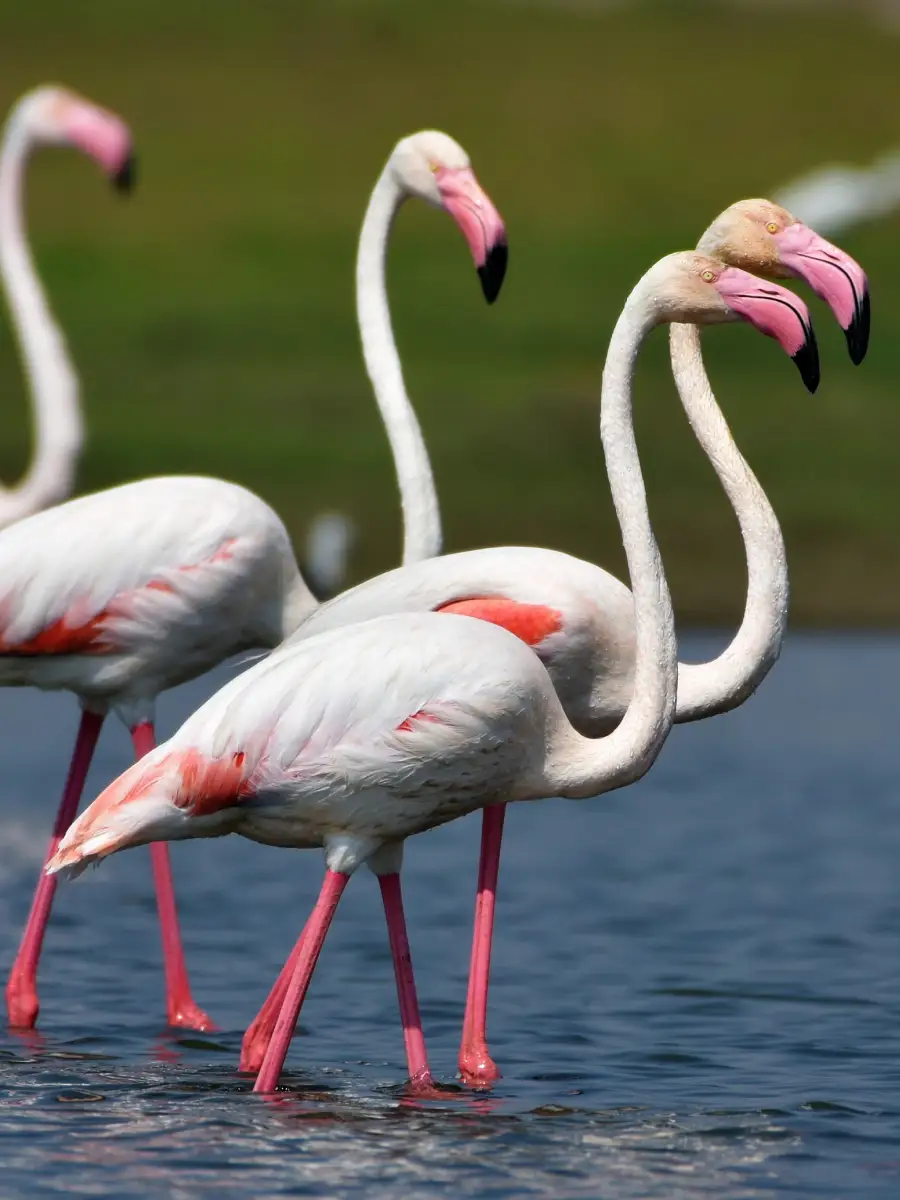
Chilika is a broad, shallow brackish lagoon with open water, channels, mudflats, marshes and islands. Its water balance changes with freshwater inflows, tides and its connection to the sea. Wetland vegetation includes reeds and other aquatic plants, while seagrass beds occur in parts of the lagoon. Nalabana Bird Sanctuary lies within Chilika and is an important habitat for waterbirds. In winter, migratory birds arrive from distant regions, though numbers and locations vary by season and conditions. Irrawaddy dolphins are found in parts of the lagoon, including waters around Satapada, but sightings are never guaranteed. Keep a respectful distance from wildlife, avoid disturbing birds and follow boat and sanctuary rules.
November - February
Start by choosing a practical overnight base in or near Khordha, rather than assuming every attraction has its own railway station. Odisha Tourism lists this rail access: Nearest railway station – Balugaon. The listed air access is: Nearest airport – Biju Patnaik International Airport, Bhubaneswar. Road access: Accessible by road via Barkul and Balugaon. Compare train, bus and flight options door to door. Rail can suit overnight journeys and travellers who prefer to avoid a long drive. A bus may be useful between district towns, but the last service may finish before your visit ends. A flight only saves time if airport transfers, check-in and the final road leg are included. Reserve the return leg before departure and allow time for traffic, meals and weather. Check IRCTC and NTES for trains, OSRTC for buses, and the airline’s own schedule for flights. Do not rely on an unconfirmed connection or assume taxis will wait at a remote site.
Confirm onward and return timings on IRCTC / NTES, the state bus operator or your airline before travel. A dash means current timings or fares have not been verified.
Getting around
Barkul and Balugaon are useful road access points for the Khordha side of Chilika. Local buses and hired cars can help reach lakeside settlements, while autos or taxis may be available for shorter connections; availability can vary. Boat trips depart from designated jetties, and routes depend on the operator, weather and current access rules. Ask where your boat will return before boarding. Walking is practical around some public areas, but distances between access points can be substantial. Parking is generally associated with visitor areas and jetties, but confirm locally and avoid blocking working or residential access.
Hours, tickets & permissions
Access arrangements vary by departure point, boat operator and the area you plan to visit. Boat trips, sanctuary areas and temple access may have separate rules, and some routes can be restricted by weather, wildlife protection or local conditions. Tickets, permits, camera rules or identity requirements may apply; confirm these with the relevant managing authority or authorised operator before setting out. Check current visiting hours and fees locally, as they can change. Do not enter closed or protected areas, and follow instructions from boat crews, guides and forest staff.
Facilities
Facilities vary between Barkul, Balugaon, other lake access points and individual boat jetties. Toilets, food stalls or simple restaurants, parking and drinking water may be available near busier visitor areas, but provision can be limited elsewhere. Carry drinking water and any personal essentials. Guides and boat services are usually arranged locally; use authorised operators and confirm the route and return point. ATMs and broader services are more likely in nearby towns than at remote shores or islands. Check locally before relying on any facility, especially outside busy visitor areas.
Accessibility
The terrain around the lagoon is generally flat, but jetties, shore paths and boat boarding points may be uneven, exposed or slippery. Boat access can involve steps or a gap between the jetty and vessel, and assistance is not guaranteed. Walking distances depend on the chosen site; shade may be limited on open shores and boats. Wheelchair and stroller access should be confirmed directly with the specific operator or site, rather than assumed. Older visitors and anyone with balance or mobility concerns may prefer a short visit from a stable public viewpoint, with a companion and rest breaks. Avoid boarding in rough conditions.
At Chilika Lake, local access rules take priority over any suggested itinerary. Reconfirm opening arrangements, entry eligibility, permits and weather restrictions shortly before arrival. Keep the emergency number 112 available and save your accommodation’s contact details offline. A map pin identifies a general location, not an assurance that the approach road or walking path is safe. Ask local staff which entrance visitors should use. Do not cross barriers, approach wildlife or enter deep water. Slippery rocks, steep edges and sudden changes in river flow can be dangerous. Leave exposed trails if a storm develops, and never take a forest shortcut without authorization. Carry only necessary valuables, keep rubbish out of the site, and leave enough daylight for the return journey.
Photography
Early morning and late afternoon often offer softer light over the water, though conditions change with cloud and season. Photograph from permitted public areas or from a boat when the operator says it is safe. Bird and dolphin sightings are not assured; use a zoom lens rather than approaching wildlife. Ask before photographing residents, workers or worshippers, and respect restrictions at temples and protected areas. Drone use may be restricted by aviation, wildlife or local rules; check permissions with the relevant authority before bringing or flying one. Do not block paths or boat operations for a photograph.
Choose accommodation by the complete journey to Chilika Lake, not by the district name alone. A room in a well-connected town in Khordha may offer easier transport, meals and medical access than a property advertised as being close to the attraction. Check the exact location, recent guest feedback, reception hours and cancellation terms. Ask how you will reach the site and return after the visit, especially if you are not driving. Nature camps and forest stays may require advance reservations and have seasonal restrictions. Confirm meals, electricity, phone coverage, guided activities and the last permitted entry time directly with the operator. Book only through a trusted accommodation channel, avoid sending payments to an unverified personal contact, and keep written confirmation of the services included.
Mangalajodi, in Khordha district, is known for wetland birding and community-guided visits; arrange access locally and follow wildlife rules. Kalijai Temple stands on an island in the lagoon and is commonly visited by boat, subject to conditions and operator arrangements. Satapada, in Puri district, is another well-known Chilika access point associated with boat trips and dolphin habitat. Rambha, in Ganjam district, is a separate lakeside access area. These places are spread around the lagoon and are not necessarily convenient to combine in one outing. Check road routes, boat departure points and return plans before adding a stop.
For couples visiting Chilika Lake, keep the day relaxed: one main visit, a meal break and a return transfer arranged in advance. Choose public viewpoints for photographs and respect religious or community expectations around behaviour and clothing. Confirm the accommodation’s check-in requirements before booking. Avoid secluded paths after dark and do not trade a safe return plan for a late photograph. A quieter weekday may suit you, but opening and access arrangements still need local confirmation.
Q: How much time should I allow for Chilika Lake? A: Odisha Tourism suggests 4–6 hours at the attraction. This does not include the full journey from your hotel or time spent travelling between distant access points. Q: When is the best season to visit? A: November to February is a useful period for cooler weather and winter birdlife. Conditions and sightings vary, so check local updates. Q: Is there an entry ticket, and do I need a permit? A: Rules depend on the site, boat trip and protected area. Confirm current entry, permit and camera requirements with the managing authority or authorised operator. Q: Is Chilika suitable for children and older visitors? A: It can be, but boat boarding, uneven jetties, sun and changing conditions need consideration. Choose a suitable access point and avoid trips in unsafe weather. Q: Where should I stay nearby? A: Barkul and Balugaon are practical bases for the Khordha side, with other options around the lagoon. Check current accommodation and road connections before booking.
Be the first to share photos, stories, advice or a helpful contact for Chilika Lake.
Loading…