Ghumoopedia — Explore, Discover, Experience
Sign in
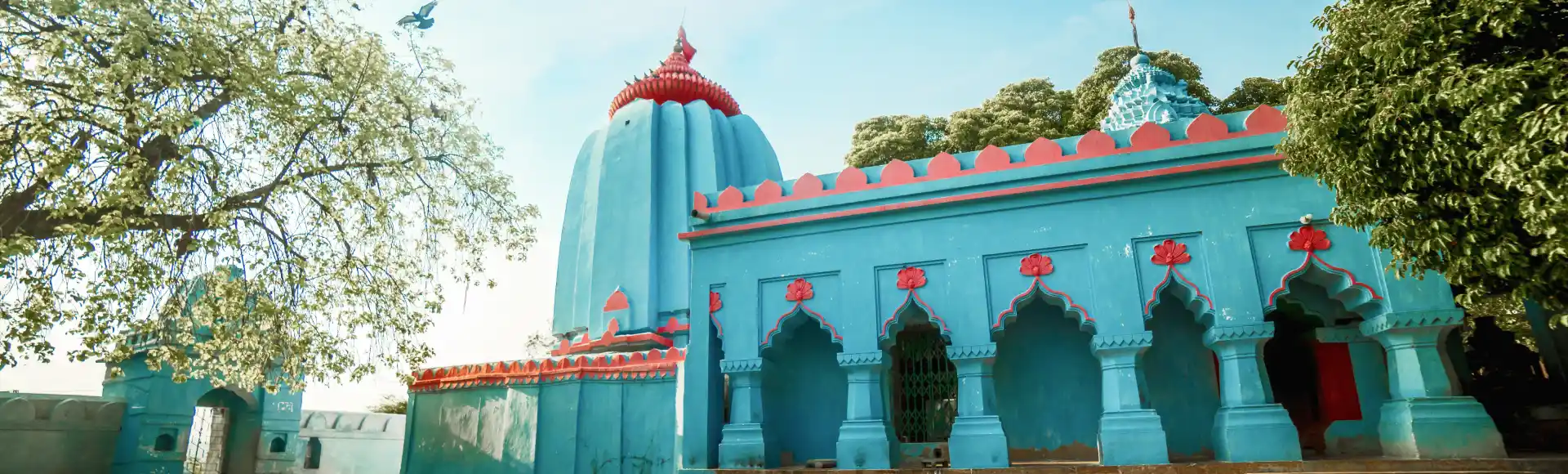
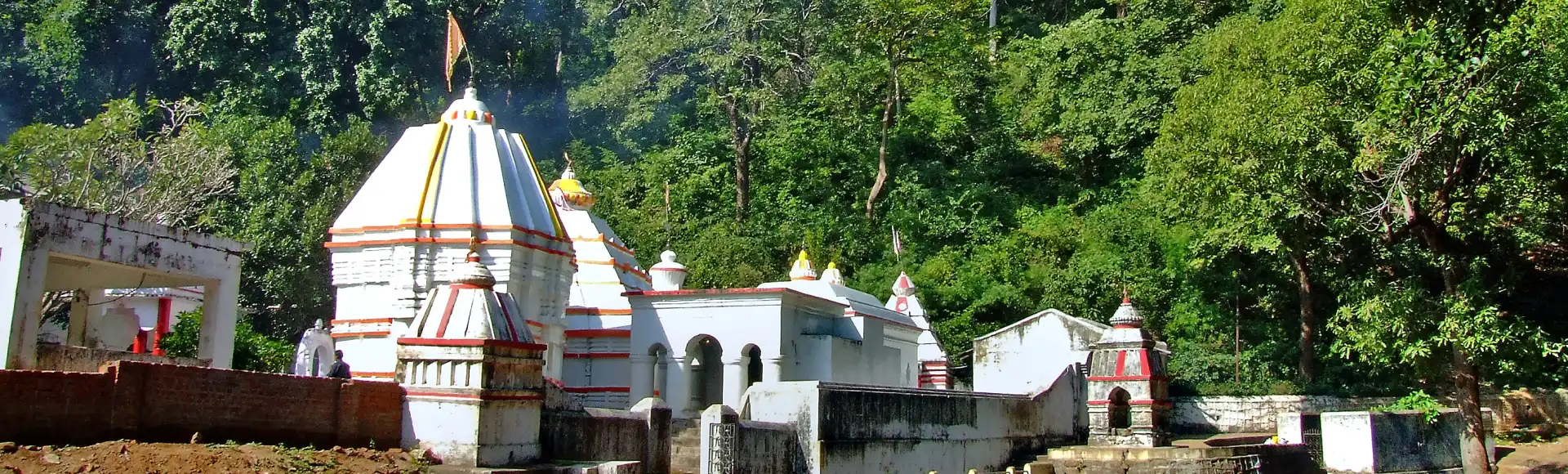
Harisankar Temple, near Patnagarh

City guide · Odisha

Patnagarh

Patnagarh is a town in Bolangir district in western Odisha, about 36 kilometres from Balangir city. It is best known for its historic role as a seat of power in the region and for its association with the Chauhan dynasty.

Famous for

  • Patneswari Temple
  • Chauhan royal heritage
  • Historic 18-garh capital
  • Western Odisha’s Kosali culture
  • Balangir region connections

Why Patnagarh matters

Patnagarh is a town in Bolangir district in western Odisha, about 36 kilometres from Balangir city. It is best known for its historic role as a seat of power in the region and for its association with the Chauhan dynasty. Local heritage is closely connected with the Patneswari Temple, an important place of worship and a reminder of the town’s royal past.

Today, Patnagarh serves as a local centre for nearby villages, with shops, services and road links to Balangir and other parts of the district. Visitors come chiefly to explore its temples and historical associations, rather than for a large tourist circuit. The town also offers a glimpse of Kosali life and culture, shared across western Odisha. Its setting makes it a useful stop for travellers exploring the district, while Balangir provides access to a wider range of regional services and onward connections. Odia is the official language, and Kosali speech is also part of everyday life in the area.
Famous for: crafts, trade & products

Patnagarh is known more for its history and religious heritage than for a signature textile, craft or manufactured product. The Patneswari Temple is the town’s most prominent cultural landmark. The local market serves residents and surrounding villages, but there is no widely established Patnagarh-specific GI-tagged product or specialist shopping district to seek out.

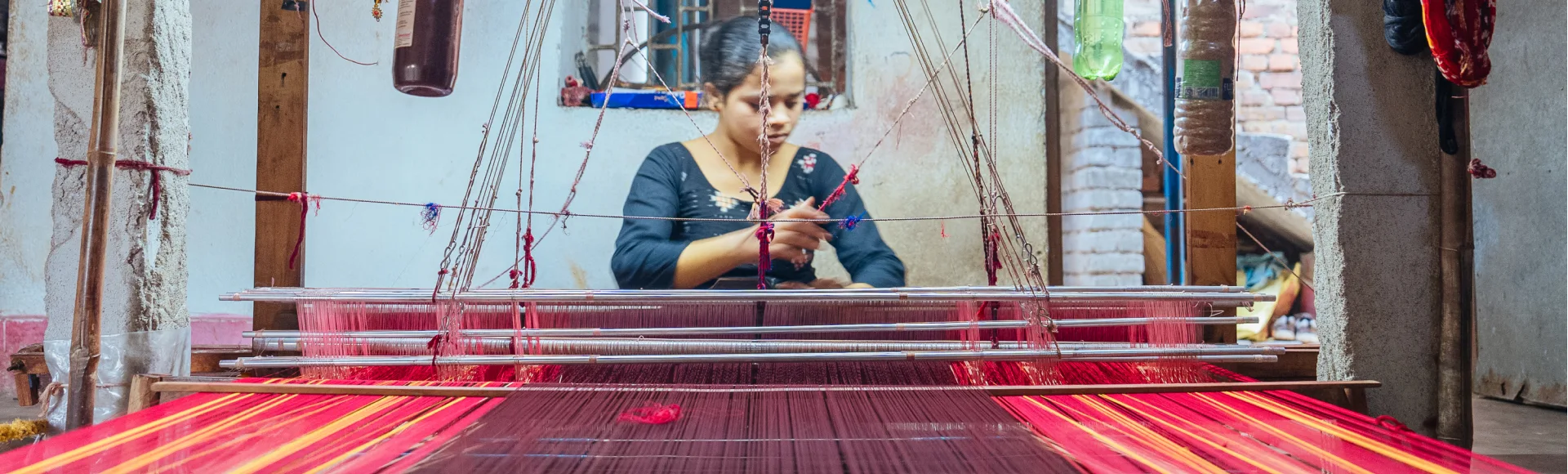
The wider region is associated with western Odisha’s handloom traditions, including Sambalpuri ikat, a GI-tagged textile tradition of the state. These products are more strongly identified with other weaving centres, so visitors should not assume that a particular saree or craft is made in Patnagarh. For everyday goods and locally available textiles, browse shops in the town centre and ask sellers about the maker and place of production. Balangir town may offer a broader choice of regional products. Patnagarh’s enduring draw is its historic and devotional character, rather than a large-scale industry or a widely recognised craft market.

History

Patnagarh’s history is tied to the kingdoms of South Koshal and the Chauhan rulers of western Odisha. It is remembered as the capital of a group of 18 garhs, or strongholds, and as an important centre of regional power. Historical accounts associate a Chauhan royal line with descendants of Prithviraj Chauhan settling in the area during the medieval period. Ramai Deo is named as the first ruler of the line in recorded accounts.

From the sixteenth century onward, the rise of Balangir and Sambalpur as important centres diminished Patnagarh’s political prominence. During the colonial era, the wider region was organised under princely-state rule, before the former princely territories were integrated into Odisha after independence. Patnagarh subsequently developed as a town serving its surrounding area and is now a Notified Area Council in Bolangir district. Its temples and royal associations remain the most visible links to its earlier importance.

Food, festivals & culture

Odia is the official language, while Kosali, also commonly called Sambalpuri in everyday usage, is widely heard across western Odisha. Local food reflects the region’s rice-based cooking: meals may include rice, dal, vegetables, leafy greens and seasonal preparations. Pakhala, rice fermented with water, is a familiar Odisha dish, especially welcome in warmer weather. Chhena poda and other Odisha sweets can be found in the broader region, though particular offerings vary between shops.

Nuakhai, the harvest festival celebrated around the late monsoon, is a major occasion across western Odisha, marked by family gatherings and offerings of newly harvested rice. Durga Puja and Dussehra are observed in autumn, while Rath Yatra falls in the early summer season. Folk forms such as Dalkhai and Rasarkeli belong to the cultural life of the wider region and are especially associated with festive performance. Patneswari Temple is a central place of worship; visitors may also encounter local shrines and community observances around the town.

Visiting the city

The cooler months, broadly from October to February, are generally the most comfortable time to visit. Summers can be very hot, while monsoon weather may affect road journeys. The nearest practical airport is Veer Surendra Sai Airport at Jharsuguda; Bhubaneswar’s Biju Patnaik International Airport is another option but is farther away. Balangir Railway Station is the main rail connection commonly used for Patnagarh, around 36 kilometres away.

Road travel links Patnagarh with Balangir and nearby settlements; local buses, shared vehicles and taxis can help with the onward journey. Within town, walking or arranging local transport is useful for reaching the central market and Patneswari Temple. Explore the old town and temple area for heritage, then use the market streets for everyday local life. Balangir makes a practical base or onward stop for visitors seeking more transport and visitor services.

Trips from the city

Nearest places to visit from Patnagarh

Our closest destination guides, by straight-line distance.

Harisankar Temple

33 km away · Balangir district

Harisankar Temple

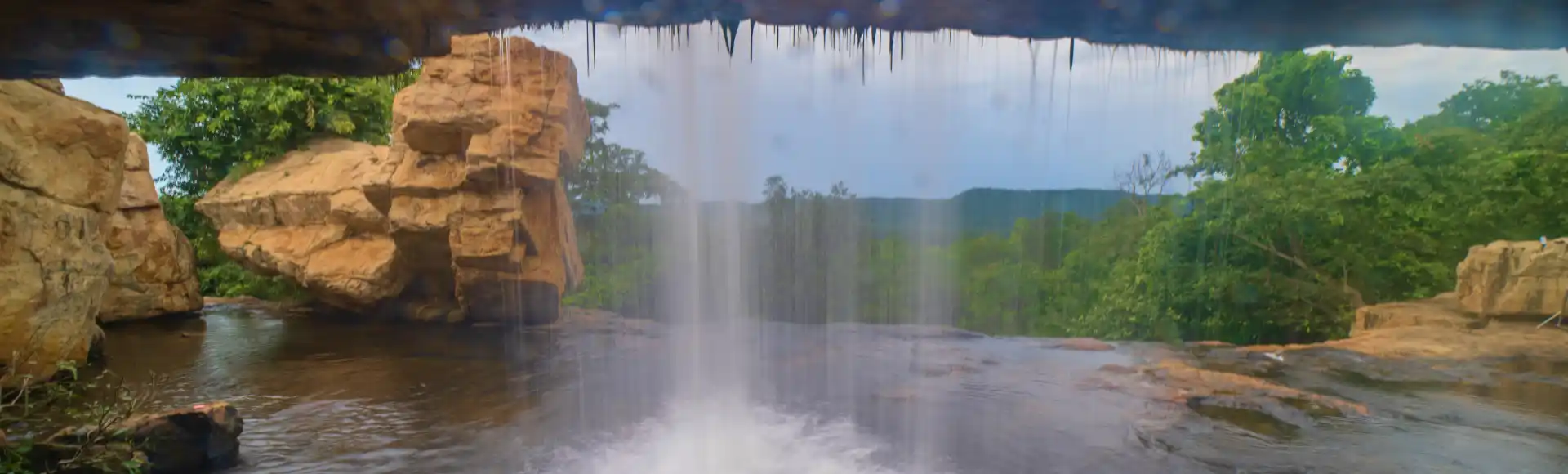
Harisankar is a shrine to Shiva and Vishnu in Khaprakhol, Balangir district, Odisha. Visitors come for worship, the year-round waterfall, forest scenery and trekking paths in the Gandhamardan hills.

Nrusinghanath Temple

40 km away · Bargarh district

Nrusinghanath Temple

Nrusinghanath Temple is a shrine to Lord Nrusingha in Paikmal, Odisha, set among the Gandhamardan hills. Visitors come for its religious importance, natural surroundings and links to Ramayana legends.

Chausathi Yogini, Ranipur Jharial

51 km away · Balangir district

Chausathi Yogini, Ranipur Jharial

Ranipur Jharial, near Patnagarh in Balangir district, is an archaeological and religious complex in Odisha. Visitors come to see its circular 64 Yogini shrine, old temples and carved stonework.

72 km away · Bargarh district

Barpali

Barpali, in Odisha’s Bargarh district, is a town and block administrative centre governed by a Notified Area Council. People visit for its literary associations, woven textiles, crafts and religious sites.

Leaning Temple of Huma

103 km away · Sambalpur district

Leaning Temple of Huma

Beside the Mahanadi at Huma near Sambalpur, this Shiva temple is known for its leaning shrines and attracts worshippers and visitors interested in its unusual architecture and riverside traditions.

Kardola Weavers Village

106 km away · Sambalpur district

Kardola Weavers Village

Kardola, in Burla, Sambalpur, Odisha, is a village known for its Sambalpuri Ikat weaving. Visitors come to view its patterned homes, meet local artisans and purchase cotton or silk textiles made there.

Bara Bakhra Caves

107 km away · Bargarh district

Bara Bakhra Caves

Bara Bakhra Caves, in Burla, Baragada, lie near Debrigarh Wildlife Sanctuary and are known for their link to Veer Surendra Sai’s resistance and their forest surroundings.

Debrigarh Wildlife Sanctuary

110 km away · Bargarh district

Debrigarh Wildlife Sanctuary

Set beside the Hirakud Reservoir in western Odisha, Debrigarh Wildlife Sanctuary draws visitors for its varied landscapes, wildlife and outdoor activities, including safaris, walks and boating.

Map

Patnagarh on the map

  1. 1Harisankar Temple
  2. 2Nrusinghanath Temple
  3. 3Chausathi Yogini, Ranipur Jharial
  4. 4Barpali
  5. 5Leaning Temple of Huma
  6. 6Kardola Weavers Village
  7. 7Bara Bakhra Caves
  8. 8Debrigarh Wildlife Sanctuary

Odisha

Other cities to explore