Ghumoopedia — Explore, Discover, Experience
Sign in
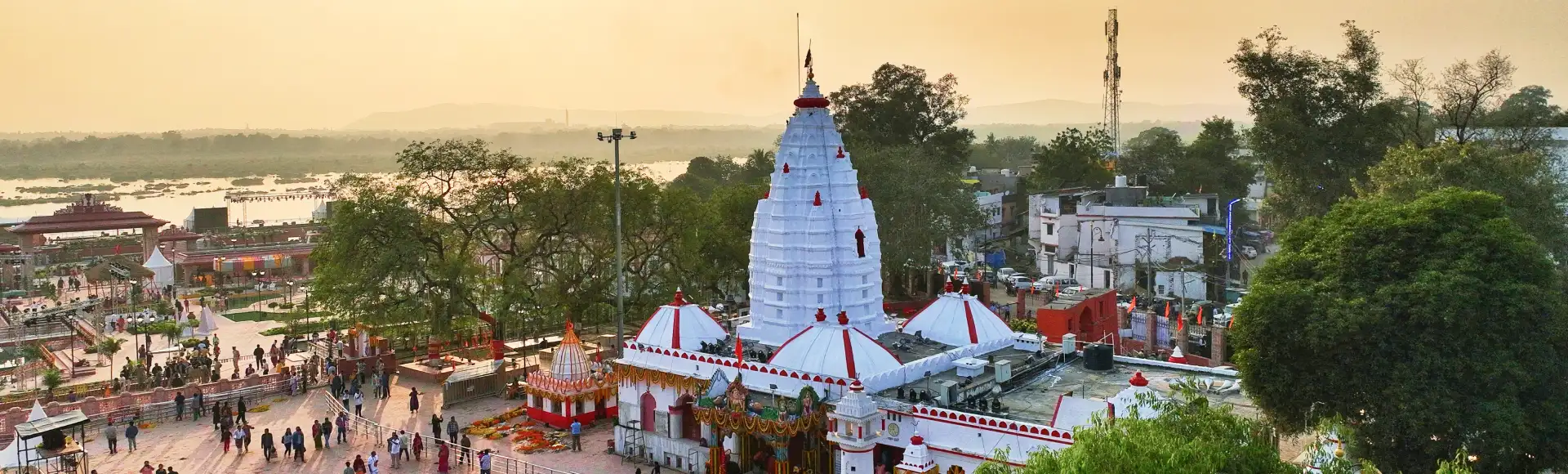
Maa Samaleswari Temple, near Rengali

City guide · Odisha

Rengali

Rengali is best understood as a local centre and the name of an Assembly constituency in Sambalpur district, rather than as a major stand-alone tourist city. The constituency brings together Rengali and Dhankauda blocks and ten gram panchayats in Maneswar block, linking a mix of rural communities with the wider Sambalpur region.

Famous for

  • Rengali Assembly constituency
  • Sambalpur district setting
  • Western Odisha connections
  • Rengali block communities

Why Rengali matters

Rengali is best understood as a local centre and the name of an Assembly constituency in Sambalpur district, rather than as a major stand-alone tourist city. The constituency brings together Rengali and Dhankauda blocks and ten gram panchayats in Maneswar block, linking a mix of rural communities with the wider Sambalpur region. Its political profile is especially clear: the seat was created in the 2008 delimitation and first went to the polls in 2009.

Sambalpur is the region’s main urban and cultural centre, with better-known places such as Hirakud Dam and Maa Samaleswari Temple. Rengali’s importance today lies in its local administrative and electoral role, its links to surrounding settlements, and its position within a region known for distinctive handloom traditions, festivals and Odia cultural life.
Famous for: crafts, trade & products

Its best-known identity is administrative: it is the centre-name of an Assembly constituency encompassing Rengali block, Dhankauda block and parts of Maneswar block. Local shops and services primarily serve residents and nearby villages; visitors should not assume that Rengali has a dedicated handicraft bazaar or a recognised speciality trade.

The closest prominent craft association is Sambalpuri handloom, particularly Sambalpuri Bandha textiles, made through the tie-dye-and-weave technique and associated with the wider Sambalpur region. Buyers seeking Odisha crafts can also look for regional handloom products there, checking labels and provenance when a specific weave or GI-tagged product matters. For industrial history, shopping or larger institutions, Sambalpur is the practical regional centre; Rengali is better approached as a local stop than as a specialised shopping destination.

History

Rengali’s recorded civic identity is closely tied to modern administration and electoral boundaries. The Rengali Assembly constituency was established through the 2008 delimitation and first contested in the 2009 Odisha Assembly election. Since then, its representation has changed across four elections: Congress won in 2009, Biju Janata Dal in 2014, Bharatiya Janata Party in 2019 and Biju Janata Dal in 2024. The constituency covers Rengali and Dhankauda blocks and ten gram panchayats of Maneswar block; it should not be confused with a claim that all these places form one town.

Rengali sits within the wider historical landscape of Sambalpur, whose regional past includes the Sambalpur kingdom and later British rule. That broader history belongs to the district and region, and should not be treated as a specific account of Rengali’s own founding. In modern times, administrative reorganisation, road and rail connections, and the growth of Sambalpur as a regional centre have shaped how residents access services and markets.

Food, festivals & culture

Rengali shares the cultural life of western Odisha, though individual customs and menus vary from village to village. Odia is widely used, alongside Sambalpuri or Kosli speech in everyday life. Home cooking commonly draws on rice, lentils, seasonal vegetables and local produce; pakhala, dalma and rice-based pithas are familiar across the region. These are regional foods rather than dishes uniquely associated with Rengali, and Sambalpur town offers visitors a broader choice of restaurants and food stalls.

Nuakhai, the post-harvest festival celebrated in late summer or early autumn, is a major occasion across western Odisha, marked by family gatherings and offerings of newly harvested rice. Other observances include Rath Yatra and Makar Sankranti, with local temple and village celebrations varying by community. Sambalpuri folk traditions include Dalkhai songs and dance, especially at seasonal and community events. Worship is centred on neighbourhood temples and shrines; for a major regional pilgrimage, visitors commonly go to Maa Samaleswari Temple in Sambalpur.

Visiting the city

The cooler months, roughly October to February, are generally the most comfortable time to visit; summer can be very hot and the monsoon brings heavy rain. The nearest commercial airport is Veer Surendra Sai Airport at Jharsuguda. Rail travellers can check connections to Rengali Railway Station or use Sambalpur Junction, the larger regional rail hub. Local travel is mainly by road, using taxis, shared vehicles or local transport where available; confirm onward connections locally, as services vary.

Explore Rengali and nearby settlements for a sense of rural western Odisha. For more extensive dining, shopping and cultural stops, base yourself in Sambalpur, where visitors can also see Maa Samaleswari Temple and travel onward to Hirakud Dam. Rengali is not the same place as the Rengali Dam in Angul district.

Trips from the city

Nearest places to visit from Rengali

Our closest destination guides, by straight-line distance.

Maa Samaleswari Temple

21 km away · Sambalpur district

Maa Samaleswari Temple

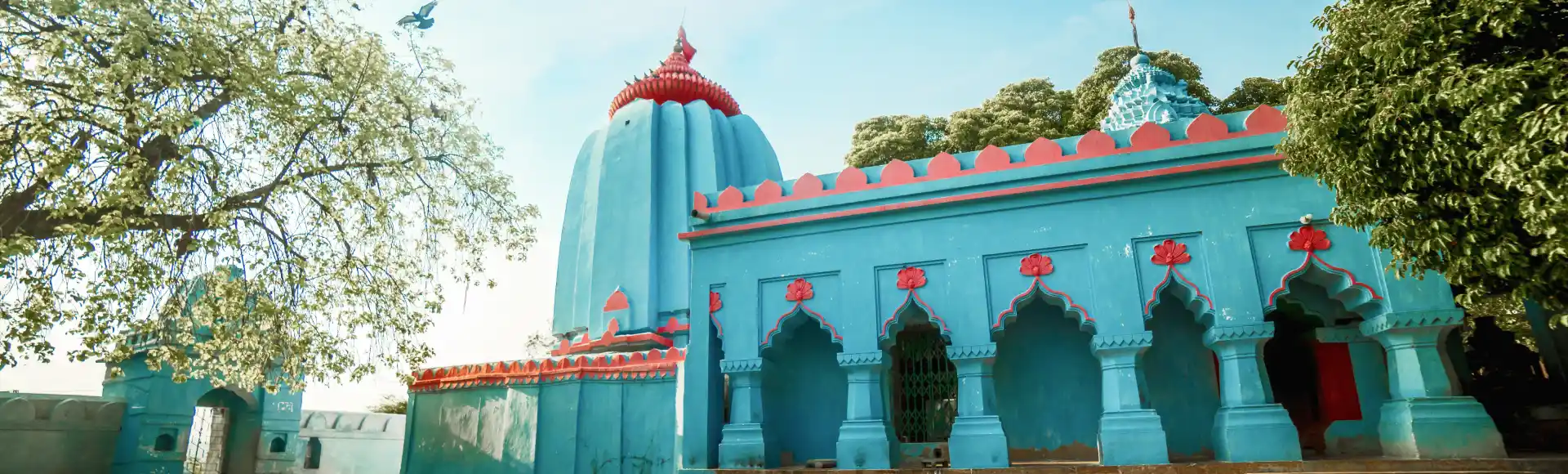
Maa Samaleswari Temple is a place of worship in Sambalpur dedicated to the Shakti goddess Maa Samaleswari. Visitors come for its architecture, religious importance and Nuakhai harvest customs.

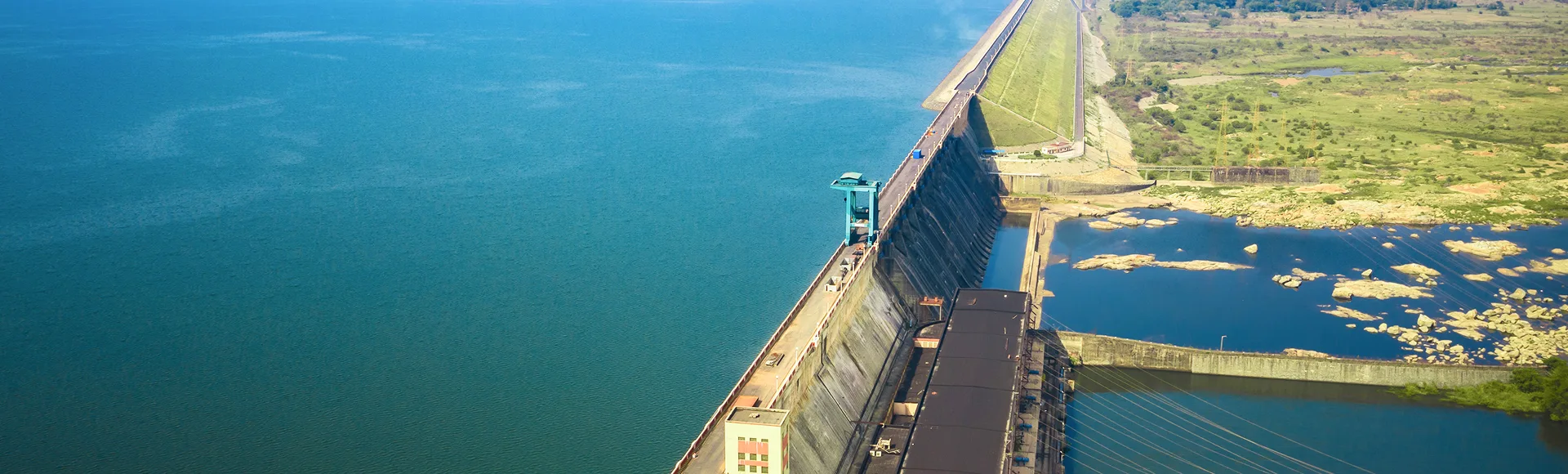
Hirakud Dam

24 km away · Sambalpur district

Hirakud Dam

Hirakud Dam is an Odisha river barrier and multipurpose project, valued for flood management, irrigation and electricity as well as reservoir views, birdlife and engineering history.

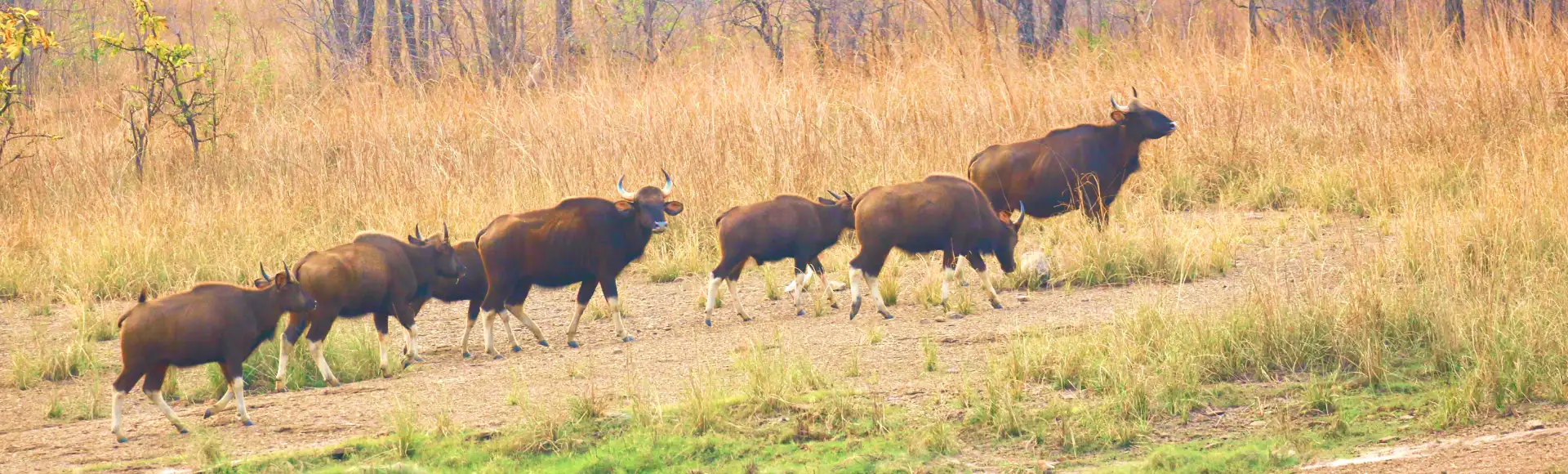
Debrigarh Wildlife Sanctuary

33 km away · Bargarh district

Debrigarh Wildlife Sanctuary

Set beside the Hirakud Reservoir in western Odisha, Debrigarh Wildlife Sanctuary draws visitors for its varied landscapes, wildlife and outdoor activities, including safaris, walks and boating.

Khandadhar (Kendujhar)

36 km away · Keonjhar district

Khandadhar (Kendujhar)

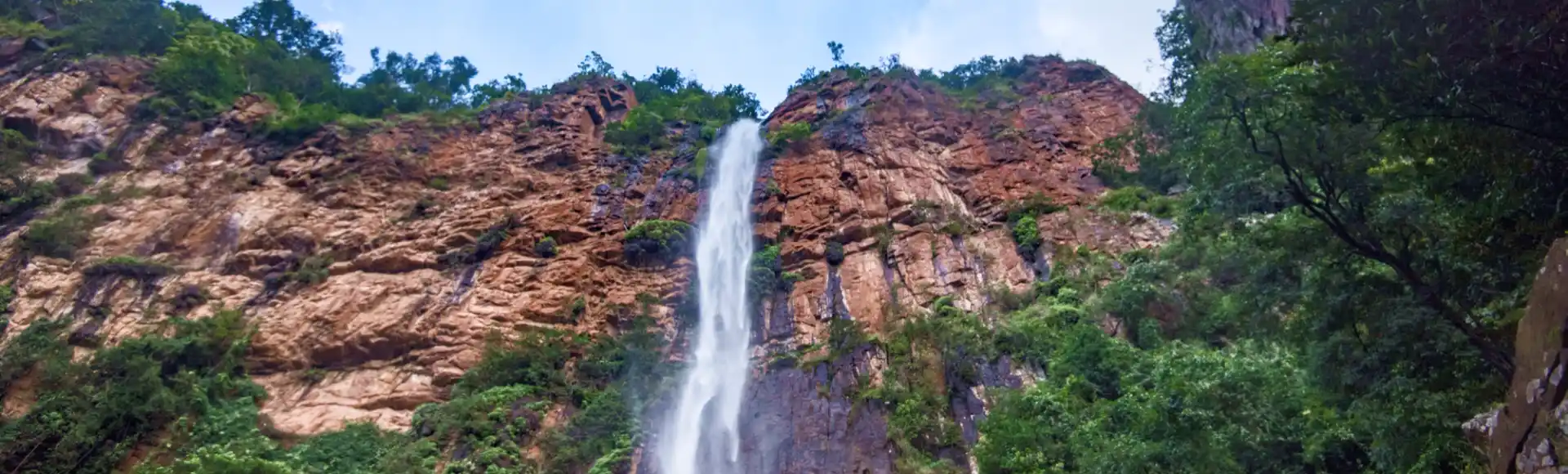
Khandadhar is a waterfall in Kendujhar, Odisha, with a tall, sword-shaped cascade. People visit to experience its forested surroundings, see the falling water and enjoy outdoor activities.

Kardola Weavers Village

38 km away · Sambalpur district

Kardola Weavers Village

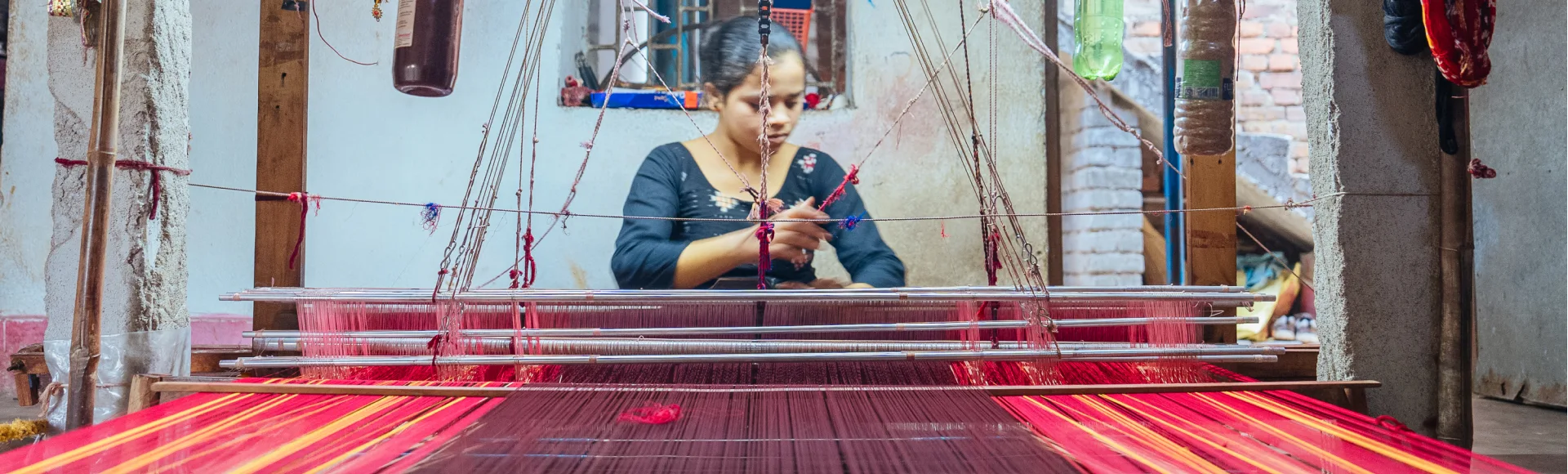
Kardola, in Burla, Sambalpur, Odisha, is a village known for its Sambalpuri Ikat weaving. Visitors come to view its patterned homes, meet local artisans and purchase cotton or silk textiles made there.

Leaning Temple of Huma

43 km away · Sambalpur district

Leaning Temple of Huma

Beside the Mahanadi at Huma near Sambalpur, this Shiva temple is known for its leaning shrines and attracts worshippers and visitors interested in its unusual architecture and riverside traditions.

Bara Bakhra Caves

50 km away · Bargarh district

Bara Bakhra Caves

Bara Bakhra Caves, in Burla, Baragada, lie near Debrigarh Wildlife Sanctuary and are known for their link to Veer Surendra Sai’s resistance and their forest surroundings.

69 km away · Bargarh district

Barpali

Barpali, in Odisha’s Bargarh district, is a town and block administrative centre governed by a Notified Area Council. People visit for its literary associations, woven textiles, crafts and religious sites.

Map

Rengali on the map

  1. 1Maa Samaleswari Temple
  2. 2Hirakud Dam
  3. 3Debrigarh Wildlife Sanctuary
  4. 4Khandadhar (Kendujhar)
  5. 5Kardola Weavers Village
  6. 6Leaning Temple of Huma
  7. 7Bara Bakhra Caves
  8. 8Barpali

Odisha

Other cities to explore