
Ghumoopedia — Explore, Discover, Experience
Sign in
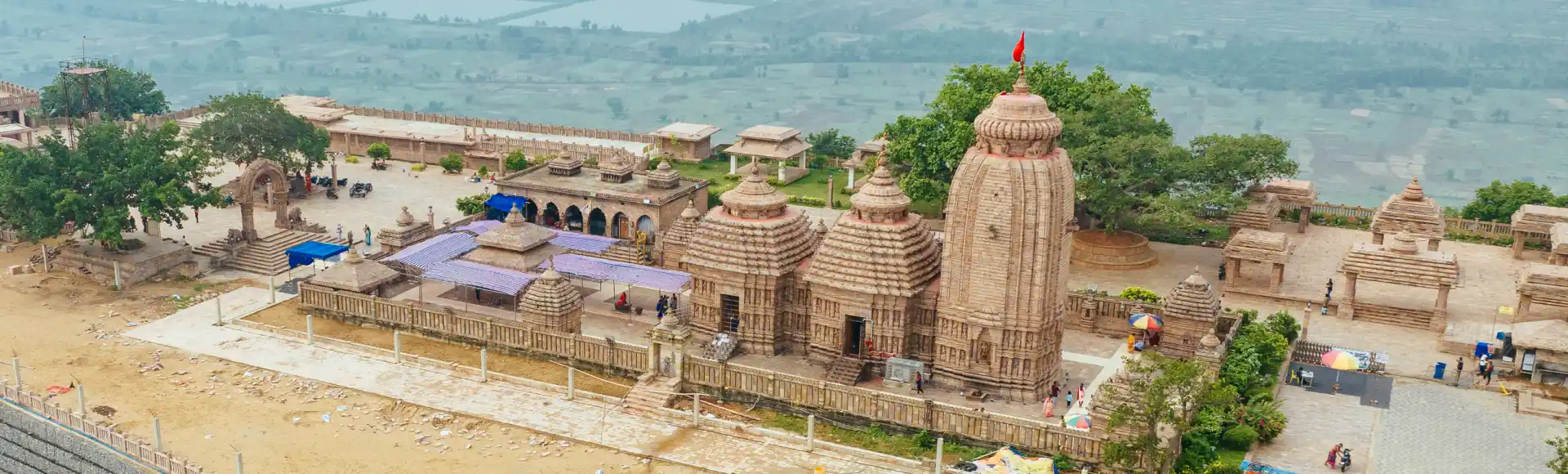
Tara Tarini Temple, near Purusottampur

City guide · Odisha

Purusottampur

Purusottampur, also spelled Purushottampur, is a town and Notified Area Council in Ganjam district, southern Odisha. Its importance is chiefly local: it serves residents and surrounding settlements with everyday commerce, public services and connections to the wider district.

Famous for

  • Ganjam district town
  • Notified Area Council
  • Local market and services
  • Southern Odisha setting
In the city
1
District
Ganjam

Why Purusottampur matters

Purusottampur, also spelled Purushottampur, is a town and Notified Area Council in Ganjam district, southern Odisha. Its importance is chiefly local: it serves residents and surrounding settlements with everyday commerce, public services and connections to the wider district. It is a useful stop for travellers moving between inland Ganjam and the better-known coastal and cultural destinations of the region, rather than a major sightseeing centre in its own right.

The town lies at about 19 metres above sea level in a landscape shaped by the character of southern Odisha. Visitors may encounter Odia language and food, local worship and the rhythms of a working district town. Purusottampur does not have a widely established national reputation for a particular monument, craft or product, so it is best approached as a place to experience everyday local life or as a practical base for exploring nearby parts of Ganjam. Berhampur and other district destinations offer a broader choice of transport, shopping and visitor facilities.

Famous for: crafts, trade & products

Purusottampur is best understood as a local market and service centre; no distinctive textile, handicraft or GI-tagged product is firmly associated with the town itself. Its shops cater mainly to everyday needs, and visitors looking for a particular locally made craft should ask locally about current availability rather than expect a dedicated tourist market.

The wider Ganjam region has stronger craft associations. Berhampur, the district’s principal city, is known for Berhampuri pata silk sarees, including the Phoda Kumbha style. Ganjapa, a traditional painted playing-card craft, is also associated with Odisha and has links to Ganjam. These are regional traditions, not products that should be assumed to be made or sold in Purusottampur. Travellers seeking them are more likely to find specialist sellers and a wider selection in Berhampur. Purusottampur’s own commercial character is modest and practical, with local shops serving the town and nearby communities rather than a large visitor-oriented retail district.

History

Purusottampur’s history is best considered within the broader story of Ganjam rather than through a well-documented account of the town alone. The district lies in the southern part of Odisha, a region shaped over time by shifting political boundaries, local institutions and links between inland settlements and the coast. Specific claims about rulers or historic events in Purusottampur itself should be treated cautiously unless supported by local records or monuments.

During British rule, Ganjam was administered as part of the Madras Presidency. When Odisha became a separate province in 1936, Ganjam became part of the new province. In the modern period, Purusottampur developed as a town serving its surrounding area and is now administered as a Notified Area Council. Its growth reflects the gradual expansion of local government, commerce and public services, rather than a known episode of large-scale industrial or colonial-era development. For a deeper regional history, visitors can look to district institutions and heritage sites elsewhere in Ganjam.

Food, festivals & culture

Everyday food in Purusottampur follows the broader Odia pattern: rice with dal, vegetable dishes and seasonal produce. Pakhala, rice served with water and accompaniments, is popular in warm weather across Odisha; local eateries may also serve fish and other regional preparations. Sweet choices vary by shop and season, so the town is not best known for one particular confection. Odia is the principal language of daily life, while Telugu is also heard in parts of southern Ganjam.

The cultural calendar follows Odisha’s wider festival traditions. Rath Yatra is observed in early summer, Dola Purnima in spring and Durga Puja in autumn; local celebrations can vary from year to year. Ganjam is also associated with Prahlad Nataka, a traditional theatrical form, though performances are not guaranteed in Purusottampur during a visit. Neighbourhood temples and other places of worship serve local communities and provide a window into the town’s religious life. For larger public festivities and a broader programme of cultural events, travellers may find more options in nearby Berhampur.

Visiting the city

The cooler, drier months from October to February are generally the most comfortable time to visit. Biju Patnaik International Airport in Bhubaneswar is the main air gateway for the area. Berhampur (Brahmapur) is the principal railway station used by many travellers reaching Ganjam; continue to Purusottampur by road. Local buses and hired vehicles connect towns in the district, while auto-rickshaws are useful for shorter journeys within town.

Begin around the central market and civic area to get a feel for everyday town life. Purusottampur has no widely recognised tourist neighbourhood, so plan visits to regional attractions as separate outings and confirm road connections locally. Berhampur makes a practical base for travellers who want more accommodation, shopping and transport choices.

Attractions

Places to visit in Purusottampur

Sights within about 12 km of each other, even when they fall in different districts.

Map

Purusottampur on the map

  1. 1Tara Tarini Temple

Odisha

Other cities to explore