
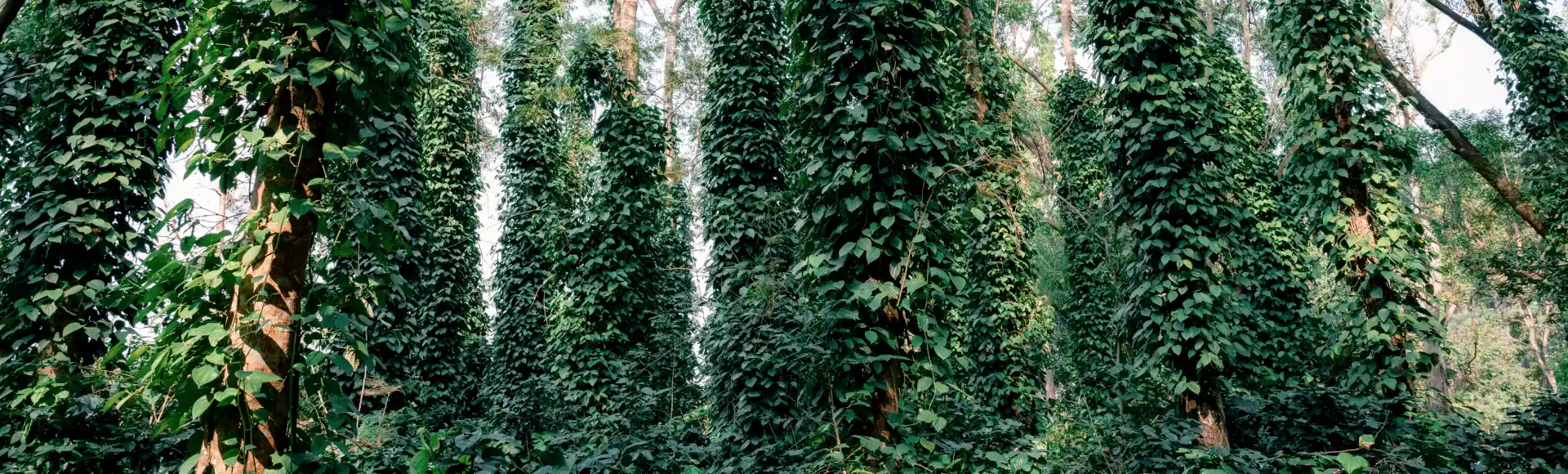
Daringbadi – Coffee Garden
Set among Daringbadi’s cool, mist-covered hills, the Coffee Garden offers visitors a chance to explore local coffee cultivation, follow its preparation from crop to cup and see other produce grown alongside it.
Key facts · verified by Ghumoopedia editors
- Type of place
- Natural attraction
- Best time to visit
- Oct - Mar
- Verified
- 21 Nov 2026
Plan a trip from Daringbadi – Coffee Garden — a day-by-day route through places nearby.
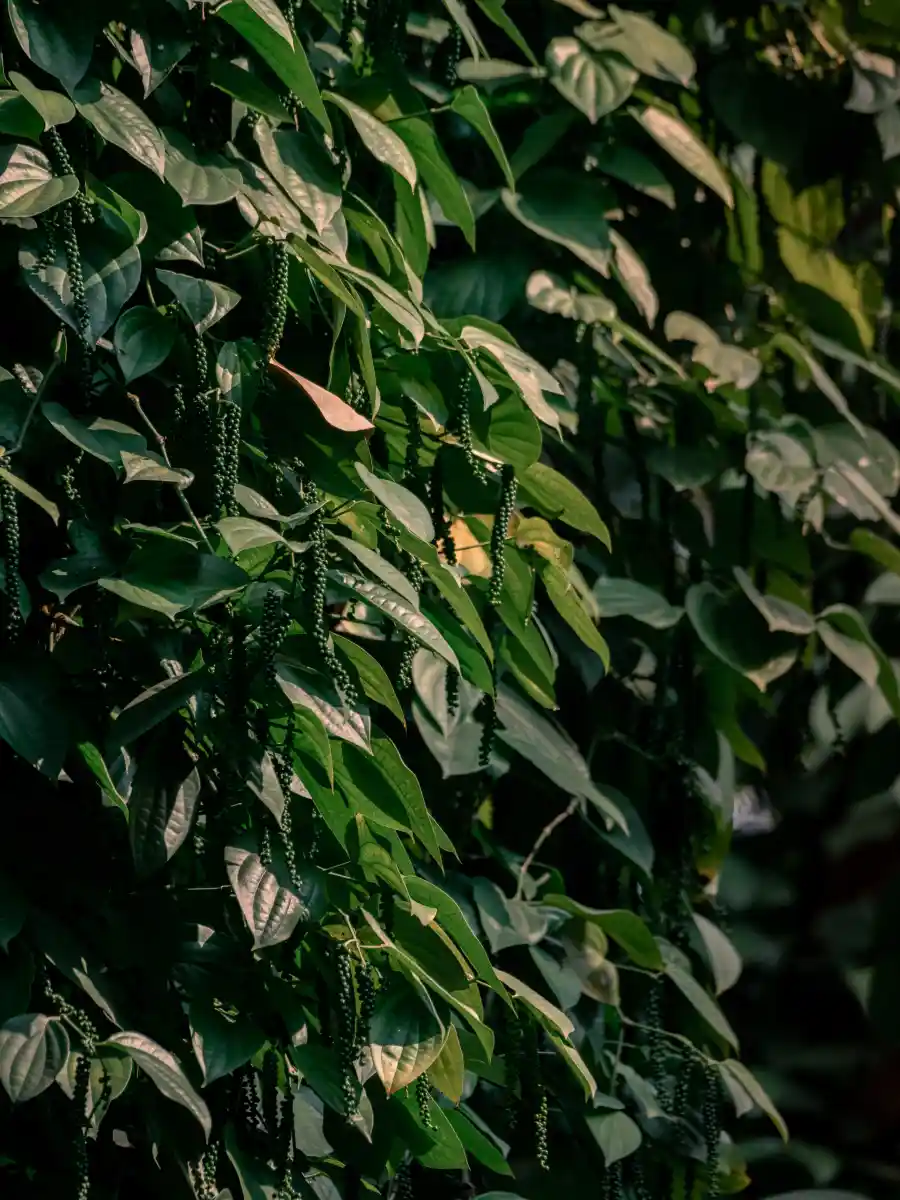
Daringbadi – Coffee Garden is located in Daringbadi, Kandhamala, Odisha. The surrounding hills are cool and often veiled in mist, while the plantations offer a look at coffee growing in the area. Visitors can stroll among the coffee plants and learn about the stages involved in producing coffee. Freshly brewed local coffee adds its aroma to the experience. Pepper, strawberries, cashews and other crops are cultivated alongside coffee. Growing a range of produce creates a diversified and sustainable farming environment, as well as more for visitors to observe. Plan your visit around Oct - Mar. The official suggested visit duration is 1 Hour; treat this as time at the attraction, not the complete journey from your hotel. Odisha’s coast and plains can be hot and humid, while southern hill districts may feel cooler after sunset. Heavy monsoon rain can affect road travel and access to outdoor sites. Check the local forecast before setting out, and keep a flexible alternative for bad weather. Official destination reference: https://odishatourism.gov.in/en/places/daringbadi-coffee-garden
Why it matters
Daringbadi – Coffee Garden offers a locally distinctive way to experience the hill landscape and agricultural life of Kandhamal. Odisha Tourism includes it in its destination catalogue under eco-tourism and landscape attractions, and describes coffee growing alongside crops such as pepper, strawberry and cashew. Its value for visitors lies in seeing a working plantation setting and learning about coffee cultivation, rather than in a documented monument or protected archaeological status. The garden also reflects crop diversification in the region, though details of individual farms and their management should be confirmed on arrival. It is a modest, agriculture-focused stop that can add a local flavour to a wider visit to Daringbadi.
A detailed, independently documented history of the Daringbadi Coffee Garden—including its founding date, original developers and changes in ownership—is not provided in the official destination information. It is therefore better not to assign the garden a specific origin story or construction period. The attraction is presented today as a plantation landscape where visitors can see coffee cultivation and learn about the journey from bean to cup. Odisha Tourism also notes that coffee is grown alongside crops such as pepper, strawberry and cashew, indicating a diversified agricultural setting rather than a single-crop estate. The hills around Daringbadi have long supported local communities and farming, but that broader regional history should not be mistaken for a verified timeline of this particular garden. Visitor access and the areas open to the public may change with local management and agricultural work. For details about when coffee planting began at this site, who manages it, or whether interpretation facilities have changed, ask the staff or local tourism offices rather than relying on an unverified date.
Origin stories & folklore
No well-established origin legend specific to the Daringbadi Coffee Garden is documented in the destination information. Visitors may hear local stories about the hills, forests or nearby landmarks, but these should be treated as place-based oral traditions rather than as verified accounts of how the plantation began. The garden is best understood through its agricultural setting and present-day coffee-growing experience. If residents share a story, ask whether it is a family account, a village tradition or a more recent tale, and listen respectfully. Do not assume that a story associated with another part of Kandhamal also applies to this garden.
Begin with the main attraction at Daringbadi – Coffee Garden and leave time to understand its setting in Kandhamal. Walk the public visitor route, read local information boards and ask staff which areas are open. Choose a relaxed visit over trying to cover too many unrelated stops. Keep a simple itinerary: arrive in daylight, enjoy the main visit, take a shaded meal break, then decide whether one nearby stop fits your return plan. Use the district index to find nearby places, but check the actual road route before combining them. Reserve a little time for photographs from permitted public viewpoints and avoid blocking paths while taking pictures.
Suggested itineraries
Half day: Travel from your Daringbadi base; spend about one hour at the garden walking permitted paths and learning about coffee; take a relaxed refreshment break; return or add one nearby stop if the road plan allows. Full day: Visit the garden in daylight for about one hour; take a meal break in Daringbadi; choose one nearby viewpoint or waterfall after checking road and weather conditions; return before the journey becomes rushed. Gentler option: Arrange a vehicle close to the entrance, ask staff about the shortest level route, enjoy a seated break, and skip additional stops if walking or road travel feels tiring.
A visit to the garden is primarily an opportunity to encounter local farming and food culture. Coffee is the focus, with pepper, strawberry, cashew and other crops also noted in the plantation setting. Across Kandhamal, Kui and Odia are among the languages visitors may encounter, though language use varies by community and individual. Local customs, music, dance and dress are part of living community life, not performances visitors should expect at the garden. Ask before photographing workers or residents, and follow guidance on where visitors may walk. A polite greeting and respectful interest in cultivation are good ways to engage.
Local communities
Kandhamal is home to Adivasi communities, including Kondh communities, as well as other rural residents. People in the wider region sustain livelihoods through farming, horticulture, forest-related work, trade and services; the exact role of any community in managing this particular garden is not established in the destination information. Coffee and companion crops form part of the agricultural landscape visitors see. Treat workers and residents as people going about their daily activities, ask permission before taking portraits, and do not assume that one community speaks for the whole district.
Festivals & events
No regular festival or fair is identified as taking place at the Coffee Garden itself. In Kandhamal and the wider region, village and family observances follow local calendars and may include harvest-related gatherings and widely observed Hindu festivals; customs and timing differ between communities. Nuakhai is celebrated in parts of Odisha, but its local observance should not be assumed to involve this site. Festival periods can bring more visitors and affect road activity or the availability of services. Ask locally about events during your visit, and do not enter private or community ceremonies without an invitation.
For a visit to Daringbadi – Coffee Garden, plan food around your base in Kandhamal and do not assume that a remote entrance has a full restaurant. Odisha offers rice-based meals, dalma, vegetable preparations and sweets such as chhena poda. Availability varies by district and outlet; ask what is freshly prepared rather than expecting every local dish at every stop. Choose busy, clean establishments and tell staff about allergies, spice preferences or dietary restrictions before ordering. Carry sealed drinking water and a small snack if you are travelling beyond a town. In hot weather, take regular water breaks instead of waiting until you feel exhausted. For early starts, arrange breakfast in advance and ask your accommodation whether a packed meal is practical. Keep all packaging with you until you find an appropriate waste bin.
Shopping & local experiences
The most direct local food experience is to ask whether freshly brewed coffee or locally grown coffee products are available during your visit; availability is not guaranteed. Daringbadi town may have small shops selling snacks and everyday goods, while markets elsewhere in Kandhamal can offer seasonal produce and local products. Look for items made or grown locally, and ask sellers about their origin rather than assuming a souvenir is from the area. Availability of crafts can vary, so avoid expecting a particular product at the garden. Buy respectfully, and do not pick crops or plants from the plantation.
The garden sits in the upland landscape around Daringbadi, where cooler hill air, plantation greenery and surrounding wooded slopes shape the visit. Coffee is cultivated here alongside crops that Odisha Tourism identifies as including pepper, strawberry and cashew. These varied plantings make the setting agricultural as well as scenic; they should not be mistaken for untouched forest. The wider Kandhamal district includes forested areas and seasonal streams and waterfalls, but conditions vary with rainfall. Woodland and garden birds may be seen or heard, though sightings are never assured. Monsoon rain can make roads and paths wet, while clear spells may offer better views across the hills. Stay on permitted routes and avoid disturbing crops, wildlife or nearby habitats.
Oct - Mar
Start by choosing a practical overnight base in or near Kandhamal, rather than assuming every attraction has its own railway station. Odisha Tourism lists this rail access: Nearest railway station: Brahmapur Railway Station (approx. 125 km).. The listed air access is: Nearest airport: Biju Patnaik International Airport, Bhubaneswar (approx. 250 km).. Road access: Well connected by road from Phulbani, Brahmapur, and Bhubaneswar.. Compare train, bus and flight options door to door. Rail can suit overnight journeys and travellers who prefer to avoid a long drive. A bus may be useful between district towns, but the last service may finish before your visit ends. A flight only saves time if airport transfers, check-in and the final road leg are included. Reserve the return leg before departure and allow time for traffic, meals and weather. Check IRCTC and NTES for trains, OSRTC for buses, and the airline’s own schedule for flights. Do not rely on an unconfirmed connection or assume taxis will wait at a remote site.
Confirm onward and return timings on IRCTC / NTES, the state bus operator or your airline before travel. A dash means current timings or fares have not been verified.
Getting around
Daringbadi is reached by road, with the garden approached from the town or a nearby stay. A hired car or taxi is a practical option for visitors who want flexibility; confirm the return arrangement before travelling. Local autos may be available, but coverage and availability can vary, so check in town rather than relying on one for a fixed return. Walking may suit visitors staying close by, provided the road and weather conditions are comfortable. Ask locally about parking and the condition of the final approach. District buses can help with longer connections, but do not assume they serve the garden entrance or run late enough for your plans.
Hours, tickets & permissions
Entry arrangements, visitor access and any charges are managed locally and may change. Do not assume that every part of the plantation is open to visitors: ask staff which paths and growing areas can be entered, and follow any instructions about crops or working zones. Confirm current visiting hours and fees with the managing authority before setting out. Ask whether photography is permitted in the areas you plan to visit, and whether any identification or other entry requirements apply. No specific ticket, camera fee or permit requirement is established in the destination information.
Facilities
Facilities at the garden itself are not fully specified in the destination information. Toilets, drinking water, seating, food service, guided interpretation and parking may be limited or unavailable, so check locally and carry water and any essentials you need. Daringbadi town is a more practical place to look for meals, shops and basic services, though opening and availability vary. Cash access and mobile connectivity should not be assumed at the plantation. Ask whether staff are available to explain the crops, and respect any areas used for farm work. Plan your return transport before beginning the visit.
Accessibility
The visitor route may cross uneven plantation ground, unpaved paths or sloping terrain, and conditions can become slippery after rain. Shade may be available from trees or crop cover, but do not count on continuous seating or sheltered rest points. Wheelchair and stroller suitability cannot be guaranteed. Older visitors or anyone with limited mobility may prefer a short visit near the entrance, supportive footwear and a vehicle drop-off as close as locally permitted. Avoid steep or muddy paths.
At Daringbadi – Coffee Garden, local access rules take priority over any suggested itinerary. Reconfirm opening arrangements, entry eligibility, permits and weather restrictions shortly before arrival. Keep the emergency number 112 available and save your accommodation’s contact details offline. A map pin identifies a general location, not an assurance that the approach road or walking path is safe. Ask local staff which entrance visitors should use. Respect conservation barriers, residential boundaries and instructions from staff. Ask permission for portraits and avoid sharing identifiable images of local residents without consent. Carry only necessary valuables, keep rubbish out of the site, and leave enough daylight for the return journey.
Photography
Soft morning or late-afternoon light can bring out the plantation's textures and the surrounding hills, though mist and weather vary. Use public visitor paths and viewpoints, and ask staff before photographing crop areas or farm operations. Always seek permission before taking close-up pictures of workers or local residents. Photography rules may differ between areas, so confirm locally rather than assuming cameras are allowed everywhere. Drone use can be restricted by local rules, safety concerns or nearby activity; obtain the required permissions before flying and do not disturb people, wildlife or farm work.
Choose accommodation by the complete journey to Daringbadi – Coffee Garden, not by the district name alone. A room in a well-connected town in Kandhamal may offer easier transport, meals and medical access than a property advertised as being close to the attraction. Check the exact location, recent guest feedback, reception hours and cancellation terms. Ask how you will reach the site and return after the visit, especially if you are not driving. A centrally located stay can make early sightseeing and an evening return easier. Confirm whether the approach road is accessible to your vehicle and whether lifts are available. Book only through a trusted accommodation channel, avoid sending payments to an unverified personal contact, and keep written confirmation of the services included.
Daringbadi's hill viewpoints and the locally known pine-covered landscape are natural additions if conditions and road access are suitable. Midubanda Waterfall is another attraction associated with the Daringbadi area; check its approach after rain before combining it with the garden. Farther afield in Kandhamal, Putudi Waterfall near Phulbani and the Belghar area are possible broader district excursions, but they should not be treated as quick stops without checking the route. Choose one nearby place rather than overloading the day, and confirm current access locally, especially during the monsoon.
For couples visiting Daringbadi – Coffee Garden, keep the day relaxed: one main visit, a meal break and a return transfer arranged in advance. Choose public viewpoints for photographs and respect religious or community expectations around behaviour and clothing. Confirm the accommodation’s check-in requirements before booking. Avoid secluded paths after dark and do not trade a safe return plan for a late photograph. A quieter weekday may suit you, but opening and access arrangements still need local confirmation.
Q: How much time should I allow for the Coffee Garden? A: The suggested visit duration is about one hour at the attraction; allow extra time for road travel and a relaxed stop. Q: When is a good season to visit? A: October to March is suggested. Check forecasts, as rain can affect local roads and paths. Q: Is there an entry fee or a fixed entry arrangement? A: Check with the local managing authority before visiting. Q: Is the garden suitable for children and older visitors? A: It can suit a short family visit, but paths may be uneven or slippery. Check conditions and access locally, and supervise children around crops and farm areas. Q: Where should I stay nearby? A: Use Daringbadi or another practical base in the area, and confirm accommodation and return transport before setting out.
Be the first to share photos, stories, advice or a helpful contact for Daringbadi – Coffee Garden.
Loading…