
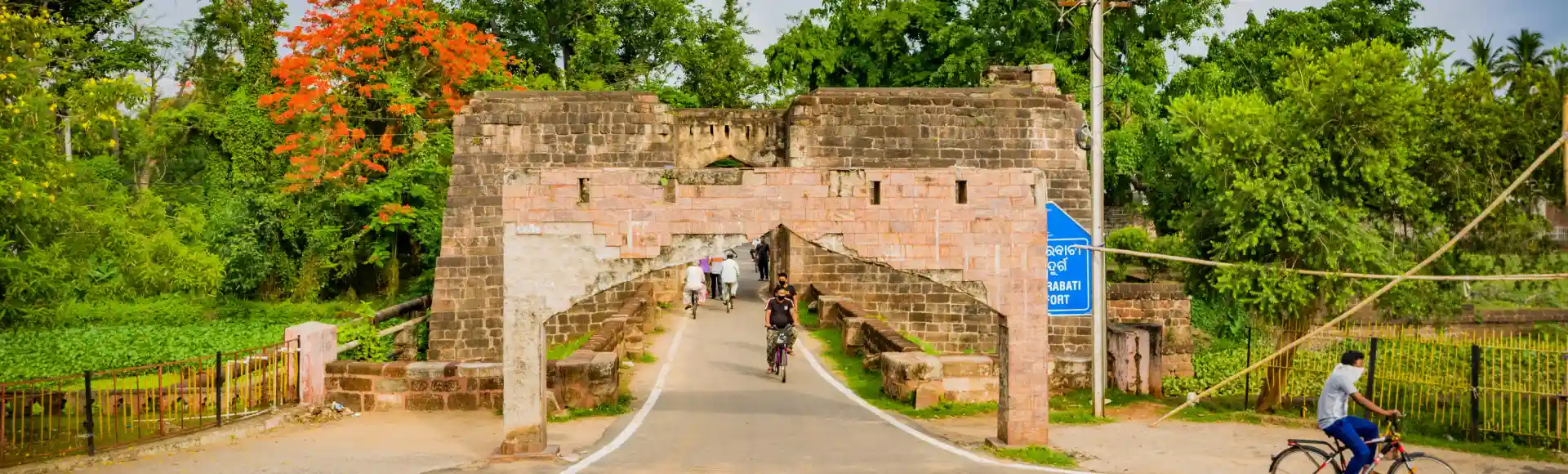
Barabati Fort
Barabati Fort is a historic stronghold in Kataka, Odisha, with roots in the region’s dynastic past. Visitors explore its gateway, ramparts, excavated remains and buildings within the complex.
Key facts · verified by Ghumoopedia editors
- Type of place
- Heritage monument
- Best time to visit
- Oct - Mar
- Verified
- 21 Nov 2026
Plan a trip from Barabati Fort — a day-by-day route through places nearby.
The fort dates to 987 CE and was established by Maharaja Markata Keshari of the Somavanshi dynasty. Eastern Ganga rulers and King Mukunda Deva later enlarged it. Its 102-acre site is set between the Mahanadi and Kathajodi rivers. A palace with nine storeys once occupied the enclosure. The surviving features include the Eastern Gateway, stone fortifications and structural remains revealed by excavation, giving an impression of the site’s earlier layout. The grounds also contain Shahi Qila Mosque, the Mazar of Sayed Ali Bukhari and the Museum of Justice. The Archaeological Survey of India protects the fort, which is in Kataka, Kataka, Odisha. Plan your visit around Oct - Mar. The official suggested visit duration is 1-2 Hours; treat this as time at the attraction, not the complete journey from your hotel. Odisha’s coast and plains can be hot and humid, while southern hill districts may feel cooler after sunset. Heavy monsoon rain can affect road travel and access to outdoor sites. Check the local forecast before setting out, and keep a flexible alternative for bad weather. Official destination reference: https://odishatourism.gov.in/en/places/barabati-fort
Why it matters
Barabati Fort is an important medieval heritage site in Cuttack, historically known as Kataka, and is associated with Odisha’s Somavanshi and Eastern Ganga periods. Odisha Tourism identifies it as a historical site and ancient heritage attraction. The Archaeological Survey of India protects the monument. Its position between the Mahanadi and Kathajodi rivers helps explain its strategic importance, while the surviving gateway, ramparts and excavated remains offer a record of the city’s earlier fortifications and royal centre. The site also brings together layers of religious and civic history through the Shahi Qila Mosque, the Mazar of Sayed Ali Bukhari and the Museum of Justice within the complex.
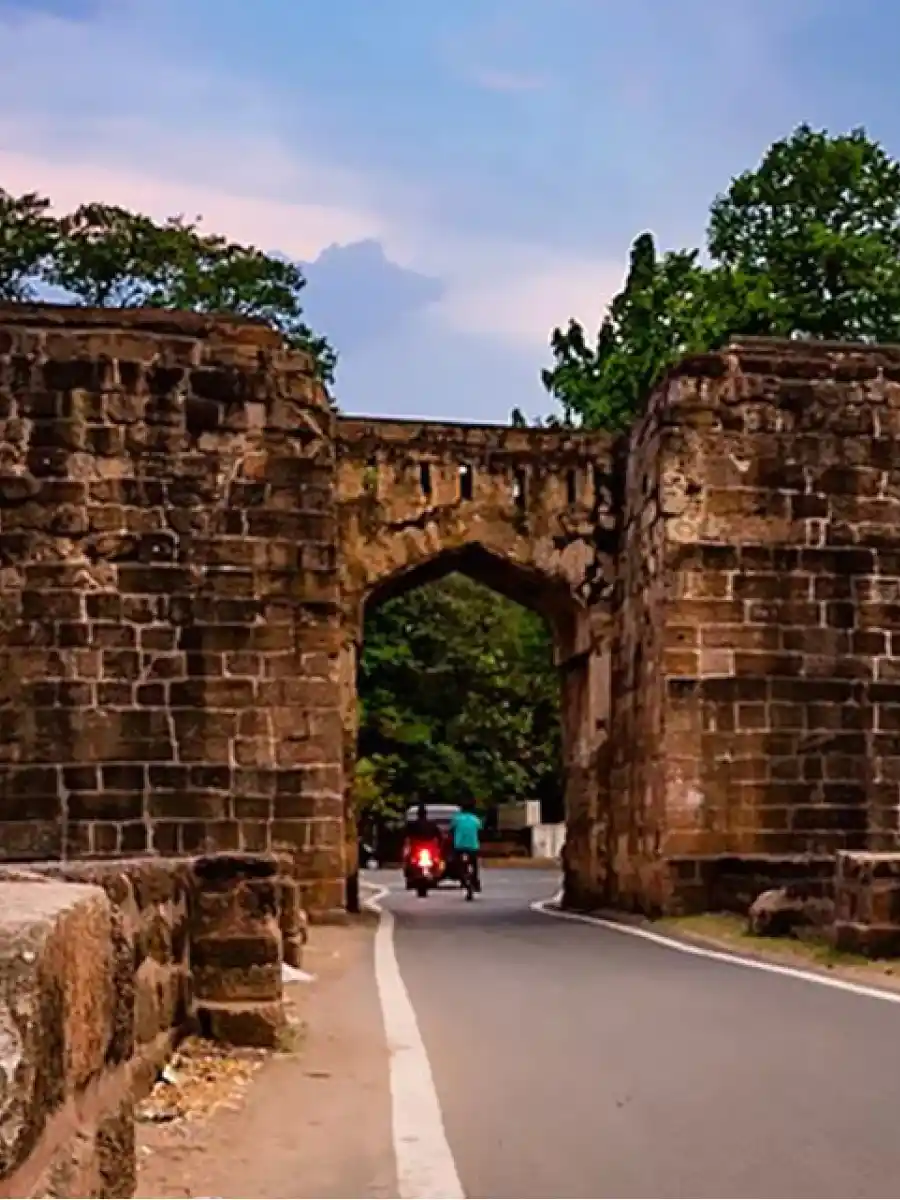
Barabati Fort is traditionally dated to 987 CE and is associated with Maharaja Markata Keshari of the Somavanshi dynasty. The Eastern Ganga rulers and, later, King Mukunda Deva are also credited with expanding or adapting the stronghold. Its location between the Mahanadi and Kathajodi rivers made it strategically placed in the region’s political and military landscape. Historical accounts describe a substantial fort complex with a nine-storey palace, though that structure no longer survives above ground. The site’s fortunes changed as power shifted in Odisha and the fort lost its role as a royal seat. Today, visitors see the Eastern Gateway, sections of stone rampart and excavated structural remains rather than an intact palace. The complex includes later religious and civic features, among them the Shahi Qila Mosque, the Mazar of Sayed Ali Bukhari and the Museum of Justice. The Archaeological Survey of India protects the monument; visitors should follow current conservation notices and keep off restricted archaeological areas. The surviving fabric offers evidence of successive uses, but details of individual building phases are not always apparent on site.
Origin stories & folklore
No single, consistently documented foundation legend for Barabati Fort is established in reliable historical accounts. In local retellings and popular memory, the ruins are often imagined as the remains of a powerful royal residence, especially because accounts describe a once-grand palace with nine storeys. Such descriptions help convey the scale associated with the old fort, but they should not be treated as a surviving architectural record or as proof of a particular legend. Stories connected to rulers and the fort’s strategic setting belong to the wider memory of Cuttack. Visitors can enjoy these narratives while distinguishing oral tradition from the archaeological remains and the dates traditionally assigned to the site.
Architecture & design
Barabati was a large fortified complex, described in the destination account as covering about 102 acres and occupying a strategic position between two rivers. Its surviving architecture is chiefly monumental rather than complete: the Eastern Gateway, portions of stone rampart and excavated structural remains give visitors a sense of its former enclosure and scale. The fort is associated with a nine-storey palace, but the palace itself is no longer standing. Stonework at the gateway and remnants exposed through excavation are the most visible traces to examine. The complex also contains the Shahi Qila Mosque and the Mazar of Sayed Ali Bukhari, reflecting later religious layers, as well as the Museum of Justice. The different structures should not be assumed to belong to one building phase. Follow site signs and barriers, since exposed foundations and archaeological areas are vulnerable to damage.
Important objects & sculptures
The most readily seen features are architectural remains rather than a large display of portable antiquities. Look closely at the Eastern Gateway and surviving stone ramparts for traces of the fort’s construction and defensive layout. Excavated structural remains can help visitors imagine the footprint of buildings that no longer stand, including the palace associated with the site’s history. The complex also includes the Shahi Qila Mosque and the Mazar of Sayed Ali Bukhari. Do not assume that every stone fragment or feature is labelled; interpretation boards, where available, can help place remains in context. Respect barriers and avoid touching, climbing on or removing stones from the monument.
Begin with the main attraction at Barabati Fort and leave time to understand its setting in Cuttack. Look for interpretation boards, guided visits or opportunities to meet local makers. Ask before photographing people or their work. A village workshop is a working space, not a staged performance; agree on any demonstration charge and avoid pressuring artisans for free access. Keep a simple itinerary: arrive in daylight, enjoy the main visit, take a shaded meal break, then decide whether one nearby stop fits your return plan. Use the district index to find nearby places, but check the actual road route before combining them. Reserve a little time for photographs from permitted public viewpoints and avoid blocking paths while taking pictures.
Suggested itineraries
Half day: Reach the fort in daylight; spend about 1–2 hours exploring the gateway, ramparts and permitted archaeological areas; take a shaded break; add one nearby Cuttack stop if your return plan allows. Full day: Begin at Barabati Fort for about 1–2 hours; pause for a meal; visit the Netaji Birth Place Museum or Odisha Maritime Museum; finish with a Cuttack market or silver filigree craft stop, allowing time for city traffic. Gentler option: Focus on the easiest-to-reach viewpoints and interpretation, take frequent seated breaks, and skip uneven or restricted sections; confirm access conditions locally.
Barabati Fort sits within Cuttack, a living city where Odia is widely spoken and English and other languages may also be heard. The surrounding urban culture includes religious sites, markets and long-established craft traditions, notably Cuttack’s silver filigree work. Festivals and everyday worship shape activity around the city, though the fort itself is a protected archaeological site rather than a performance venue. Visitors should dress comfortably and respectfully, particularly when entering religious spaces within the complex, and ask permission before photographing worshippers or local workers. When speaking with craftspeople or vendors, agree on any demonstration or purchase before taking photographs or requesting their time.
Festivals & events
Cuttack’s Durga Puja celebrations, usually held in autumn, are among the city’s major seasonal events; the city’s decorated pandals can draw large crowds and affect local traffic. Bali Jatra, generally held around November near the Mahanadi riverfront, commemorates Odisha’s maritime heritage and brings a busy fair atmosphere to Cuttack. These are city events, not festivals held inside Barabati Fort. If visiting during either celebration, allow extra time for road movement and check whether access to the fort or nearby streets is affected. The quieter months outside major event periods may suit visitors seeking a less crowded heritage visit.
For a visit to Barabati Fort, plan food around your base in Cuttack and do not assume that a remote entrance has a full restaurant. Odisha offers rice-based meals, dalma, vegetable preparations and sweets such as chhena poda. Availability varies by district and outlet; ask what is freshly prepared rather than expecting every local dish at every stop. Choose busy, clean establishments and tell staff about allergies, spice preferences or dietary restrictions before ordering. Carry sealed drinking water and a small snack if you are travelling beyond a town. In hot weather, take regular water breaks instead of waiting until you feel exhausted. For early starts, arrange breakfast in advance and ask your accommodation whether a packed meal is practical. Keep all packaging with you until you find an appropriate waste bin.
Shopping & local experiences
Cuttack is known for silver filigree, locally called tarakasi, and visitors can look for jewellery and decorative work in established city markets or specialist shops. Ask about materials, workmanship and care before buying, and request permission before photographing artisans or their work. The fort itself should not be treated as a place to collect stones, fragments or archaeological objects. For food, explore Cuttack’s everyday eateries and local snacks in the city, checking ingredients and dietary needs with vendors. Choose a shop or food stop that fits your onward route rather than assuming that facilities are available beside the monument.
Oct - Mar
Start by choosing a practical overnight base in or near Cuttack, rather than assuming every attraction has its own railway station. Odisha Tourism lists this rail access: Kataka Railway Station – Approx. 5 km. The listed air access is: Biju Patnaik International Airport, Bhubaneswar – Approx. 35 km. Road access: Easily accessible by taxis, auto-rickshaws, and city buses from Kataka and Bhubaneswar.. Compare train, bus and flight options door to door. Rail can suit overnight journeys and travellers who prefer to avoid a long drive. A bus may be useful between district towns, but the last service may finish before your visit ends. A flight only saves time if airport transfers, check-in and the final road leg are included. Reserve the return leg before departure and allow time for traffic, meals and weather. Check IRCTC and NTES for trains, OSRTC for buses, and the airline’s own schedule for flights. Do not rely on an unconfirmed connection or assume taxis will wait at a remote site.
Confirm onward and return timings on IRCTC / NTES, the state bus operator or your airline before travel. A dash means current timings or fares have not been verified.
Getting around
Cuttack Railway Station is the listed rail access point, approximately 5 km from the fort; Biju Patnaik International Airport in Bhubaneswar is listed at approximately 35 km. From within Cuttack, auto-rickshaws, taxis and city buses can be practical ways to reach the area. Confirm the exact drop-off point, since traffic and access restrictions may affect the final approach. Walking around the complex is necessary once there, and uneven ground may make some sections slow to cross. Check locally for parking availability and any temporary road closures. If travelling from Bhubaneswar, allow for the road transfer as well as airport or station connections.
Hours, tickets & permissions
Entry arrangements can vary, and some areas may be restricted for conservation, religious use or other site management reasons. Tickets, permissions, camera rules and any identification requirements should be checked with the managing authority before travelling. Do not assume that every part of the fort complex is open to visitors. Confirm current visiting hours and fees locally or through the official Odisha Tourism destination information, and follow notices displayed at the entrance. Rules may differ for the monument and for religious or museum spaces within the complex.
Facilities
Facilities within the historic complex may be limited and can change. Toilets, drinking water, seating, food options, guide services and parking should be checked locally rather than assumed to be available on site. Cuttack’s urban area has a wider range of places to eat, shops and cash services, including ATMs, but plan ahead if you need a specific facility. Carry drinking water and any personal essentials, and use marked paths and visitor areas. Ask the site staff about current visitor information or guided interpretation, if offered.
Accessibility
The fort includes outdoor paths, exposed archaeological remains and potentially uneven surfaces, so allow extra time and wear stable footwear. Walking is needed to see the principal features, and some areas may have steps, rough ground or restricted access. Shade and places to sit may be limited; plan breaks and carry water, especially in warm weather. Wheelchair and stroller access should not be assumed across the entire site, and the suitability of particular routes can change with maintenance or ground conditions. Older visitors or anyone with limited mobility may prefer a shorter visit focused on the most accessible viewpoints. Contact the managing authority or ask locally about current access before setting out.
At Barabati Fort, local access rules take priority over any suggested itinerary. Reconfirm opening arrangements, entry eligibility, permits and weather restrictions shortly before arrival. Keep the emergency number 112 available and save your accommodation’s contact details offline. A map pin identifies a general location, not an assurance that the approach road or walking path is safe. Ask local staff which entrance visitors should use. Respect conservation barriers, residential boundaries and instructions from staff. Ask permission for portraits and avoid sharing identifiable images of local residents without consent. Carry only necessary valuables, keep rubbish out of the site, and leave enough daylight for the return journey.
Photography
Soft morning or late-afternoon light can bring out the texture of the gateway and stone remains, while the open setting may offer views of the fort’s layout. Photograph only from permitted public areas and do not climb on walls or block paths for a picture. Ask permission before photographing people, worshippers or workers, and respect any restrictions inside religious or museum spaces. Drone use may require permissions and can be restricted; check current rules with the relevant authority before bringing or flying one. Avoid touching or rearranging archaeological material for photographs.
Choose accommodation by the complete journey to Barabati Fort, not by the district name alone. A room in a well-connected town in Cuttack may offer easier transport, meals and medical access than a property advertised as being close to the attraction. Check the exact location, recent guest feedback, reception hours and cancellation terms. Ask how you will reach the site and return after the visit, especially if you are not driving. A centrally located stay can make early sightseeing and an evening return easier. Confirm whether the approach road is accessible to your vehicle and whether lifts are available. Book only through a trusted accommodation channel, avoid sending payments to an unverified personal contact, and keep written confirmation of the services included.
Within Cuttack, visitors can consider the Netaji Birth Place Museum, which interprets the life of Subhas Chandra Bose, and the Odisha Maritime Museum. Cuttack Chandi Temple is another established city landmark. These stops can be paired with Barabati Fort if opening arrangements and road conditions suit the day. Durga Puja pandals and the Bali Jatra riverfront fair are seasonal city experiences rather than permanent fort attractions. Check routes and current access before combining stops; traffic and event crowds can make short city journeys take longer than expected.
For couples visiting Barabati Fort, keep the day relaxed: one main visit, a meal break and a return transfer arranged in advance. Choose public viewpoints for photographs and respect religious or community expectations around behaviour and clothing. Confirm the accommodation’s check-in requirements before booking. Avoid secluded paths after dark and do not trade a safe return plan for a late photograph. A quieter weekday may suit you, but opening and access arrangements still need local confirmation.
Q: How much time should I allow for Barabati Fort? A: The suggested visit duration is 1–2 hours at the attraction; allow additional time for travel and breaks. Q: When is a good season to visit? A: October to March is the suggested period. Check the forecast, as heat, humidity and heavy rain can affect comfort and access. Q: Is entry free, and do I need permission? A: Entry rules, fees, camera permissions and access restrictions can change. Confirm current arrangements with the managing authority before visiting. Q: Is the fort suitable for children and elderly visitors? A: It can be visited as a family outing, but uneven ground and walking may be difficult for some visitors. Keep children away from restricted remains and plan breaks. Q: Where should I stay nearby? A: Cuttack is the practical overnight base for the fort, with Bhubaneswar another option if it suits your wider travel plan. Check transport connections before choosing.
Be the first to share photos, stories, advice or a helpful contact for Barabati Fort.
Loading…