
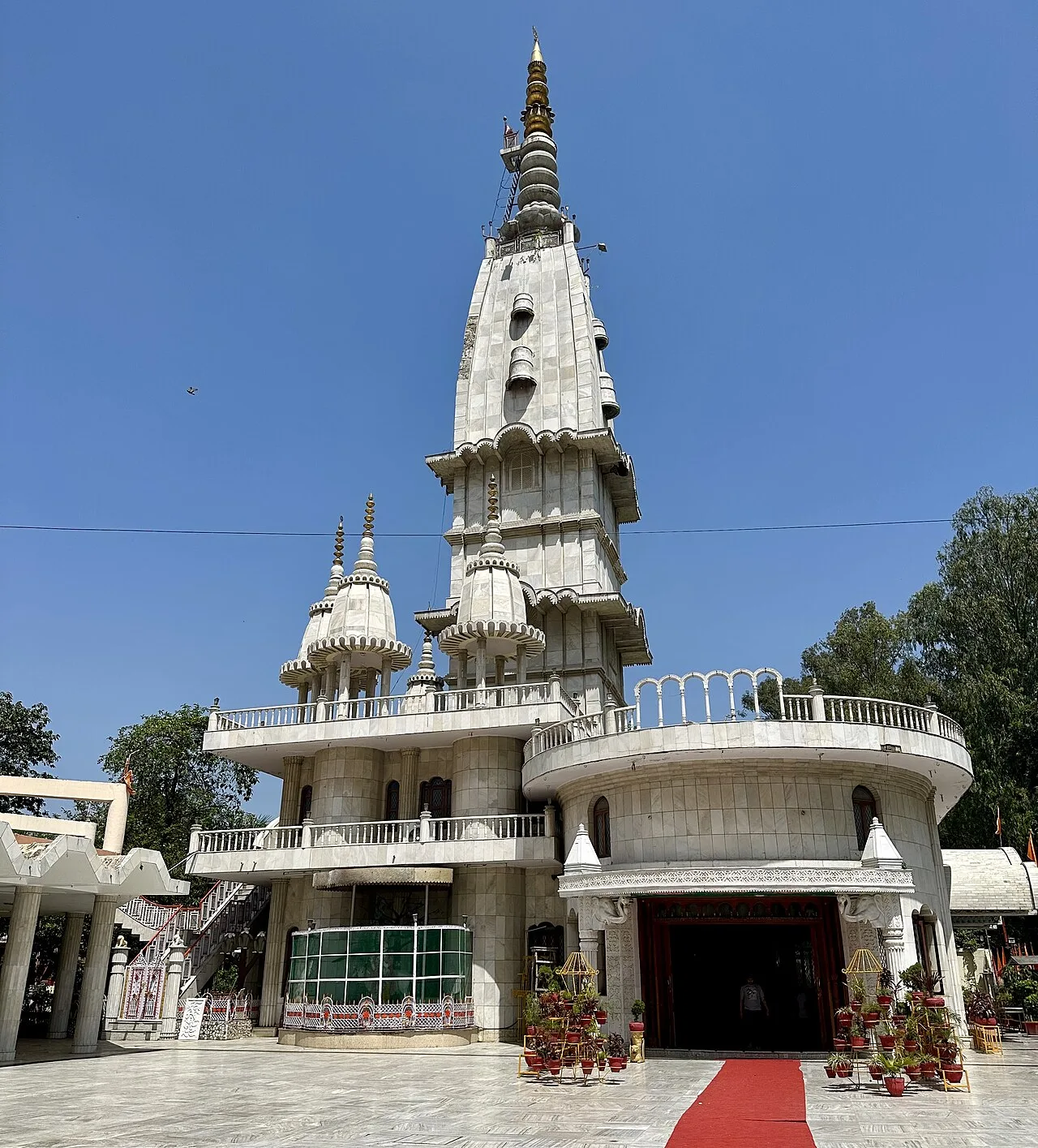
Augharnath Temple (Kali Paltan Mandir)
Augharnath Temple, also called Kali Paltan Mandir, is a Shiva shrine in Meerut, Uttar Pradesh. Visitors come to see its well, remembered for its connection with the 1857 uprising.
Key facts · verified by Ghumoopedia editors
- Type of place
- Temple / pilgrimage site
- Best time to visit
- October to March
- Verified
- 21 Nov 2026
Called Augharnath Temple or Kali Paltan Mandir, this Shiva shrine stands in Meerut district, Uttar Pradesh, beside the army barracks. Its beginnings are traced to 1844, when a Shivalinga was found underground and the temple was established after its discovery. The larger modern temple complex followed later, with its foundation stone laid in 1968. A well at the temple is remembered as the meeting place of Indian sepoys who fired the first shots of the 1857 uprising. The site is known both as a place of worship and for this connection with the rebellion. Uttar Pradesh is India's great heritage heartland: the Taj Mahal, Agra Fort and Fatehpur Sikri of the Mughals; Varanasi's ghats on the Ganga; the Krishna towns of Mathura and Vrindavan; Ayodhya, Prayagraj's Triveni Sangam; the Buddhist circuit of Sarnath, Kushinagar and Shravasti; Lucknow's Nawabi monuments and food; and the terai forests of Dudhwa and Pilibhit. Summers from April to June are very hot (often 43–47°C), the monsoon from July to September is humid with heavy showers, and winter from December to January is cold, with dense morning fog that regularly delays trains and flights by hours. The usual best time to visit is October to March. Timings, fees and access arrangements must be confirmed locally. For official information, see Uttar Pradesh Tourism at https://uptourism.gov.in.
Why it matters
Augharnath Temple, more widely known in Meerut as Kali Paltan Mandir, is a Shiva pilgrimage site whose importance is both religious and connected with local accounts of the Indian Rebellion of 1857. Its association with the sepoys and a well at the temple has given it a place in Meerut’s remembrance of the uprising, alongside its role as a living place of worship. The temple is in the city’s cantonment area, close to army barracks. The available guide describes a modern temple complex developed around an older shrine.
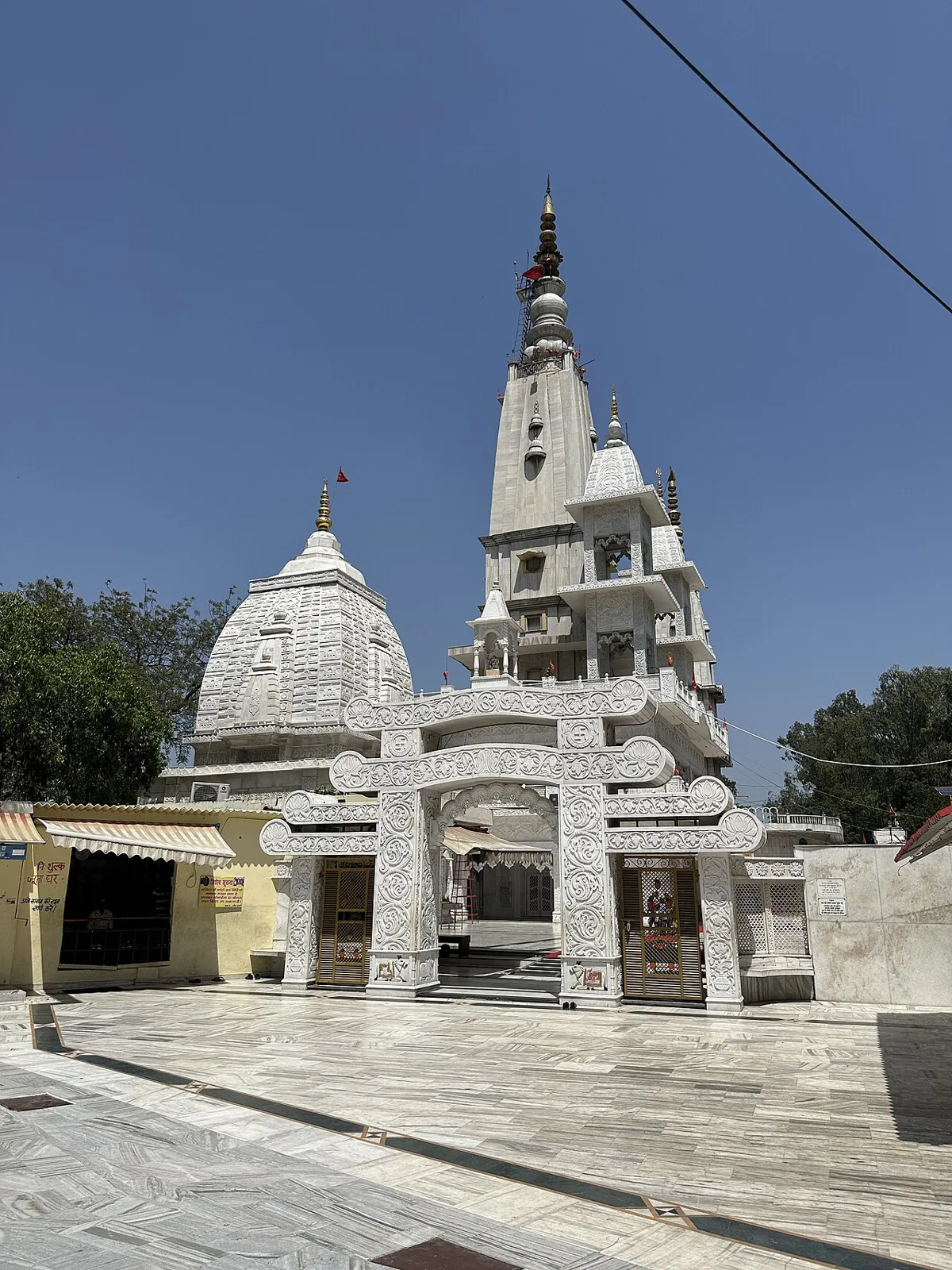
According to the temple’s commonly recounted history, a Shivalinga was discovered beneath the ground at this location in 1844, and the shrine was established around it. The available account does not identify a named builder or provide a detailed record of the earliest structure. The temple’s popular name, Kali Paltan Mandir, is associated with the area’s military setting and the sepoys who lived or served nearby. The site is linked in local and popular histories with the events of 1857 in Meerut. Accounts say that Indian sepoys associated with the first shots of the rebellion met at a well within the temple grounds. The site is therefore remembered both as a place of Hindu worship and as a location connected with the uprising; details of the story may vary between accounts. As the congregation and city grew, the shrine was developed into a larger temple complex. The foundation stone for the modern complex was laid in 1968. The available source does not provide a full chronology of later construction, named architects, or documented restoration campaigns, so these details should be confirmed with the temple’s managing authority.
Origin stories & folklore
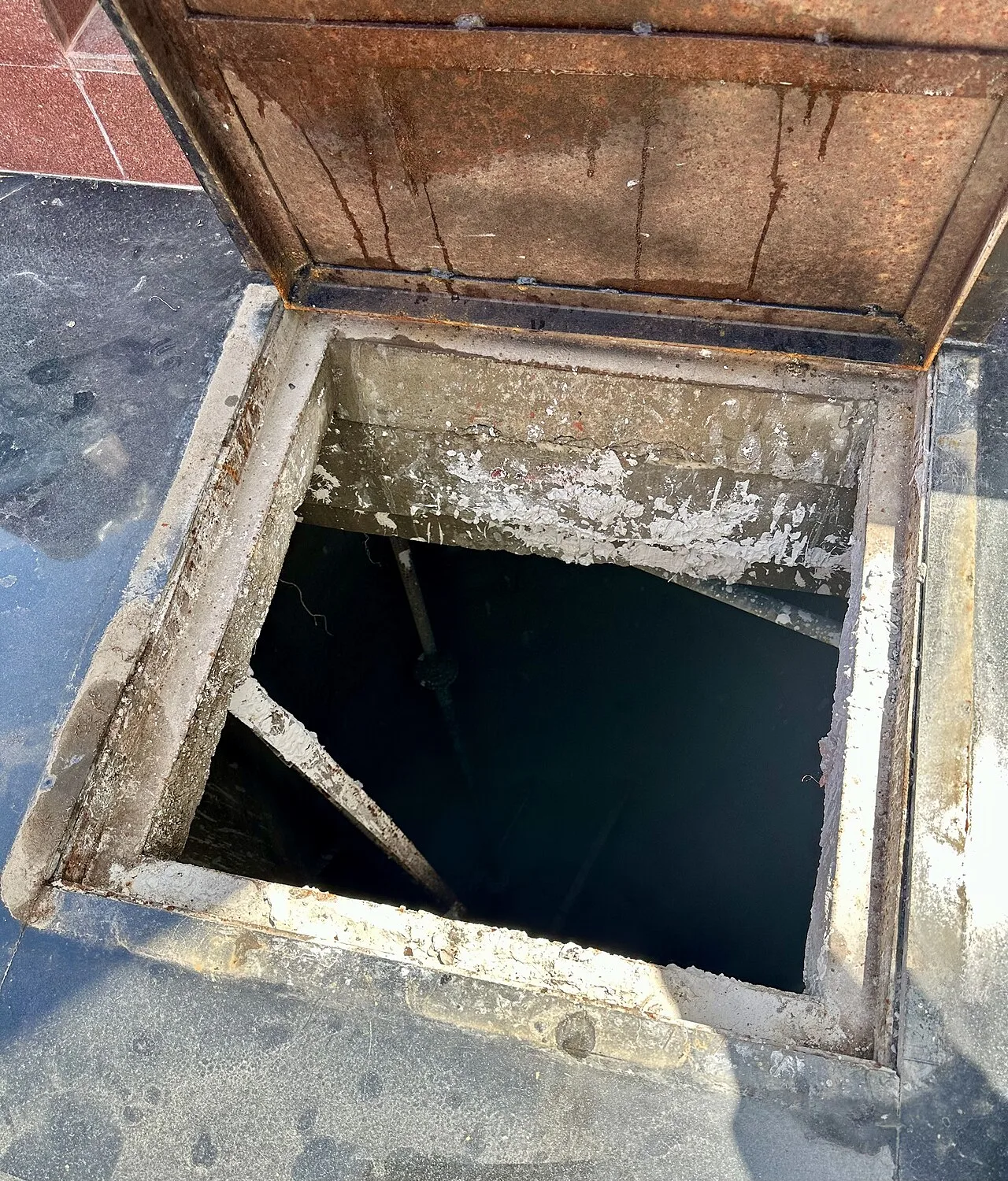
According to local tradition, the shrine began after a Shivalinga was found buried beneath the ground in 1844. Worshippers regard the discovery as a sacred sign and the lingam as a self-manifested or specially revealed form of Shiva; interpretations and retellings can differ. The temple’s well is also associated in local memory with Indian sepoys who gathered there before the events of 1857 in Meerut. This account contributes to the temple’s place in the city’s rebellion-era history, though it is best understood as a local tradition rather than a fully documented record of every detail. Visitors can ask respectfully about these stories without treating worship or local belief as a performance.
Architecture & design
The temple today is an expanded complex centred on the Shiva shrine, rather than only the modest place described in accounts of the original discovery. Its development reflects the growth of a major urban congregation: the foundation stone for the modern, larger complex was laid in 1968. The exact dates and designers of individual buildings are not established in the available information. Visitors should expect an active temple environment, with worship spaces and circulation areas serving devotees; arrangements may change during busy religious periods. The Shivalinga is the central focus of worship, while the well associated with the 1857 story is a notable feature of the grounds. Follow signs and staff guidance to distinguish visitor areas from spaces reserved for worship or temple work.
Important objects & sculptures
The principal object of devotion is the Shivalinga, associated with the tradition that a lingam was discovered beneath the ground in 1844. Devotees may offer water, flowers, or other customary offerings according to the temple’s instructions. The well within the grounds is also worth noting: local accounts connect it with sepoys involved in the events of 1857. It is a historically remembered feature, not simply a visitor attraction, so approach it respectfully and observe any barriers or directions. The available information does not establish a significant museum collection, named historic sculptures, or a catalogue of inscriptions. Ask temple staff before viewing or photographing objects beyond the public worship area.
Religious significance
Augharnath is a Hindu temple dedicated principally to Shiva, worshipped here in the form of a Shivalinga. For devotees, the shrine is a place for prayer, darshan and offerings, as well as a setting for personal vows and observances. Daily worship and prayers take place; the sequence and public access can vary with the day, ritual calendar and crowd. Mondays and the month of Shravan are commonly important for Shiva worship, though local arrangements should be checked. Visitors who are not participating in worship are welcome to observe quietly where permitted. Do not interrupt priests or worshippers, enter restricted spaces, or assume that every ritual may be watched or photographed.
Visit Augharnath Temple (Kali Paltan Mandir) with time to observe daily prayers and rituals respectfully. Follow the posted rules on footwear, photography, phones, head covering and dress, and avoid interrupting worshippers; popular shrines may have separate queues and mobile-phone deposit counters. Beware of unofficial agents offering quick darshan for a fee. A comfortable itinerary is one main visit in the morning, a local meal at midday and a short nearby stop before an afternoon return. Use the district list on this site to find other places in Meerut, but check the route and its condition before combining stops. If a festival is on — such as Dev Deepawali on the Varanasi ghats, Holi in Mathura, Vrindavan and Barsana, the Magh Mela or Kumbh at Prayagraj, Deepotsav in Ayodhya or the Taj Mahotsav in Agra — roads and stays can be busy, and the experience can be unforgettable. Leave no litter: many sites are protected by the communities around them.
Suggested itineraries
Half day: Allow about 1–2 hours for the temple, darshan and a respectful look at the well; have a local meal, then visit one nearby Meerut attraction after checking the route. Full day: Spend the morning at Augharnath Temple; take a midday meal; visit Suraj Kund and Gandhi Bagh, allowing time for road conditions and breaks. Gentler option: Keep the visit to the temple and one nearby stop, use a vehicle for transfers where possible, and take seated rest breaks; confirm access and drop-off conditions in advance.
The temple is part of Meerut’s living religious and civic life, bringing together local devotees, families and visitors. Hindi is widely used in the city, and Urdu is also spoken in the wider region; individual worshippers may use other languages. Bhajans, devotional recitation and the ringing of bells may accompany worship, especially on significant religious days, but the sound and activity depend on the occasion. Visitors commonly remove footwear before entering designated worship areas and dress modestly. Offerings and prayer customs should be guided by posted instructions or temple staff. The shrine’s association with the 1857 story also gives it a place in local historical memory beyond its religious role.
Festivals & events
Mahashivratri, usually in February or March, is a major observance for Shiva devotees and can bring larger crowds and special worship arrangements. Shravan, generally during the monsoon months, is another important period for Shiva worship; Mondays in this month may be particularly busy. Other Hindu festivals may be observed according to the temple calendar. Crowd levels, queues, access to parts of the complex and traffic around the cantonment area can change on festival days. Confirm the current programme locally, allow extra time, and follow temporary directions rather than relying on a usual visit pattern.
Local food in Uttar Pradesh includes Lucknow's Awadhi kebabs (galouti and kakori), biryani and sheermal, Agra's petha and bedai-jalebi breakfasts, Mathura's peda and Vrindavan's rabri, Varanasi's kachori-sabzi, tamatar chaat, winter malaiyyo, thick kulhad lassi and Banarasi paan. Ask what is fresh that day; many small eateries cook a limited daily menu. Street food is excellent but rich; choose busy stalls where food is cooked fresh in front of you. In Mathura, Vrindavan and Ayodhya, meat and alcohol are not served near the temples. Remote sites may have no restaurant at all. Carry water and snacks, eat a proper breakfast before long drives, and ask your accommodation for a packed lunch if you are heading out early. If prasad is offered, accept it according to local custom. Choose clean places, drink sealed or filtered water, and carry your packaging back with you.
Shopping & local experiences
Meerut is known for locally made sports goods and scissors, which visitors may find in city markets; check the quality and origin of products before buying. Shops around busy religious areas may sell flowers, offerings and devotional items, but availability varies. For food, look for local sweets, snacks and ordinary North Indian meals in the city rather than expecting a particular shop beside the temple. Ask before carrying food or offerings into worship areas, and avoid buying from anyone pressuring you with claims of privileged access. Keep packaging to a minimum and dispose of it responsibly.
October to March
These figures are calculated from map coordinates — actual road distance is longer. Agra, Mathura, Lucknow, Kanpur, Prayagraj, Varanasi, Gorakhpur and Jhansi are the main rail hubs; Lucknow and Varanasi have the busiest airports, and western UP is also served from Delhi. For the final leg, UPSRTC buses (including air-conditioned Janrath and Volvo services), private coaches on the expressways, shared autos, e-rickshaws and cycle-rickshaws in the old cities link district towns. In the old cities of Varanasi, Mathura and Lucknow, lanes are too narrow for cars — the last stretch is on foot or by cycle-rickshaw. When comparing train, bus and flight, count the complete door-to-door time: a flight saves the most time only if the onward road transfer is short, while an overnight train can save a hotel night. In December and January, fog can delay trains and flights for hours — keep a buffer before onward connections. The Yamuna, Agra–Lucknow and Purvanchal expressways make road travel fast between the big cities. Book your return before you leave, because seats fill quickly on weekends, festivals and holidays. Current train numbers, timings, return services and fares are not listed here; check IRCTC and NTES for trains and the airline's own schedule for flights. No permit is needed to visit Uttar Pradesh. The Taj Mahal is closed to visitors every Friday, and monument tickets for the Taj, Agra Fort and Fatehpur Sikri are cheaper when bought online on the ASI portal. Jungle safaris in Dudhwa, Pilibhit and Katarniaghat must be booked through the UP forest department's official ecotourism booking, and the parks close for the monsoon, roughly mid-June to mid-November.
Getting around
Augharnath Temple is within Meerut, near the cantonment and army barracks. On arrival in the city, local autos and e-rickshaws can usually be used for the final journey; taxis and app-based vehicles may also be available, subject to local coverage. City buses serve parts of Meerut, but check their route and stopping point before boarding. Traffic or security controls may affect vehicle access close to the temple, so be prepared to walk the final stretch. Confirm a suitable drop-off and parking arrangement locally, and follow signs or directions from security personnel around the cantonment area.
Hours, tickets & permissions
Entry arrangements, darshan access and any restrictions can vary with worship, festivals, security requirements and temple administration. Confirm current visiting hours, entry conditions and any fees directly with the managing authority before setting out; no current schedule or charge is verified here. Visitors may be asked to remove footwear, follow separate queues, or leave certain belongings outside worship areas. Carry identification if required by local security arrangements, but do not assume it is routinely requested. During busy periods, staff may limit access to keep worship moving safely.
Facilities
Basic visitor arrangements such as footwear storage or places to leave shoes may be available, but provision and management can vary. Toilets, drinking water and food options may be found in the surrounding city; check locally for their location and condition. Meerut has shops, banks and accommodation, though facilities immediately beside the temple may be limited or affected by security arrangements. During festivals, queues and crowd management can change access to any facilities. Carry essential medicines and water, and use marked bins where provided.
Accessibility
Visitors may need to walk from a vehicle drop-off, remove footwear, negotiate thresholds or stand in queues; conditions can be more demanding during crowded observances. Wheelchair and stroller access should not be assumed, and there is no verified information about ramps, lifts or accessible toilets. Elderly visitors may find a quieter day easier and should plan for seated rests and a companion if useful. Contact the temple authority in advance about access needs, and check whether vehicles can approach the entrance on the day.
No permit is needed to visit Uttar Pradesh. The Taj Mahal is closed to visitors every Friday, and monument tickets for the Taj, Agra Fort and Fatehpur Sikri are cheaper when bought online on the ASI portal. Jungle safaris in Dudhwa, Pilibhit and Katarniaghat must be booked through the UP forest department's official ecotourism booking, and the parks close for the monsoon, roughly mid-June to mid-November. Carry a photo ID at all times and save the emergency number 112 and your accommodation's contact offline. Summer heat is a serious risk — carry water, cover your head and avoid midday sightseeing. Crowds at ghats, temples and festivals can be overwhelming; agree a meeting point with your group. Watch your belongings in crowds and on public transport, and follow posted instructions.
Visitor rules
Follow notices and directions from temple staff or security personnel. Remove footwear where instructed, dress modestly, and keep voices low in worship areas. Do not interrupt prayers, touch sacred objects unless invited, or enter areas marked for priests or staff. Photography and phone use may be restricted, so ask before taking pictures and keep devices silent during worship. Avoid littering and single-use plastic where prohibited; use bins if available. Do not block queues or offer money to unofficial agents promising faster darshan. Temporary rules may apply during festivals or for security reasons.
Photography
Ask temple staff before photographing inside the shrine, the Shivalinga, the well or any worshippers; photography may be restricted in some areas or during rituals. If permitted, daylight is generally the most practical light for exterior views, while quieter periods can make it easier to take pictures without obstructing others. Keep people’s privacy and devotional practice in mind, and do not use flash where it could disturb worship. Drone use should not be attempted without explicit permission and any required aviation or security clearances, particularly given the nearby cantonment. Follow temporary signs even if photography was allowed on a previous visit.
Choose a stay by the full journey to Augharnath Temple (Kali Paltan Mandir), not just the district name. Agra, Lucknow and Varanasi have the widest choice; in Varanasi, a riverside guesthouse puts you on the ghats but involves walking through narrow lanes with luggage, while pilgrim towns have dharamshalas and ashram stays. In summer, check air-conditioning and backup power; in the monsoon, check that the property is accessible if roads flood. Book in advance for weekends, festivals and the peak season (October to March). Confirm the exact location, meals included, check-in time and cancellation terms in writing. Avoid sending money to unverified contacts or touts at stations. Carry some cash, as card and digital payments can be unreliable in remote areas.
Within Meerut, Gandhi Bagh, also known as Company Garden, and Suraj Kund are established city attractions that may be combined with a temple visit after checking travel conditions. St John’s Church and Shahpeer’s Tomb are other notable Meerut heritage sites. These stops have different religious and historical contexts, so check their current access arrangements before planning a route. Hastinapur, in Meerut district, is a separate town with important Jain and other religious associations; it is better treated as a longer excursion than an immediate temple stop. Road conditions and travel time can vary, so avoid assuming that several sites can be comfortably covered in one short visit.
For couples, Augharnath Temple (Kali Paltan Mandir) rewards a slow pace: arrive early for soft light and fewer crowds, share a local meal and keep the evening free. Sunrise at the Taj Mahal, an evening boat during the Varanasi aarti or a Nawabi dinner in old Lucknow makes the trip memorable. Public displays of affection can be frowned upon in conservative communities and at religious sites, so be discreet. Keep a buffer in your itinerary, because weather and road conditions can delay plans.
Q: How much time should I allow for a visit? A: Around one to two hours is a reasonable plan for darshan and a quiet look around, with extra time on busy religious days. Q: When is a good season to visit? A: October to March is generally more comfortable in Uttar Pradesh. Shravan and Mahashivratri are significant but can be crowded. Q: Is the temple suitable for children or elderly visitors? A: Families can visit, but crowds, queues, steps or uneven access may be challenging. Check access conditions and plan rest breaks. Q: Where can I stay nearby? A: Meerut has accommodation options. Choose a stay based on your transport needs and confirm current availability and access locally.
Be the first to share photos, stories, advice or a helpful contact for Augharnath Temple (Kali Paltan Mandir).
Loading…