
District · Maharashtra
Nagpur
Nagpur district is a major centre of Vidarbha and an important transport and commercial hub in central Maharashtra.
Nagpur district lies in Maharashtra’s Vidarbha region, where a busy urban centre gives way to farmland, low hills and forested country towards the Pench landscape. Nagpur city is an important commercial and transport hub, closely associated with oranges and the history of the Bhonsle rulers. It also holds a defining place in modern Buddhist history: at Deekshabhoomi, Dr. B. R. Ambedkar embraced Buddhism with a vast gathering of followers in 1956. Ramtek adds a hilltop temple destination to the district’s religious landscape. For travellers, the district brings together Buddhist pilgrimage, temple visits and wildlife excursions, with Nagpur serving as a practical base for Maharashtra’s side of Pench Tiger Reserve.
Nagpur district is a major centre of Vidarbha and an important transport and commercial hub in central Maharashtra. Nagpur city is closely associated with the region’s orange-growing belt and the history of the Bhonsle rulers. It is also a significant destination in modern Buddhist history: Deekshabhoomi commemorates Dr. B. R. Ambedkar’s conversion to Buddhism in 1956. Elsewhere in the district, Ramtek offers a hilltop temple setting, while Pench Tiger Reserve draws visitors to forest and wildlife country. The district suits travellers combining pilgrimage, regional history and a safari, with Nagpur city as a practical base for many journeys.
The Nagpur region was associated with Gond kingdoms before the rise of the Bhonsles, who established Nagpur as the centre of a powerful Maratha kingdom in the eighteenth century. The British brought the kingdom under their control in the nineteenth century; after the death of Raghoji III without an heir, Nagpur was annexed in 1853. Nagpur became an administrative centre of the Central Provinces, later joined with Berar under British rule. The district’s boundaries and administration changed over time as colonial authorities reorganised the region. After Indian independence, Nagpur became part of Bombay State during the 1956 reorganisation of states and then Maharashtra when the state was formed in 1960. In the twentieth century, the city gained a central place in Buddhist history when Dr. B. R. Ambedkar embraced Buddhism at Deekshabhoomi in 1956, alongside a large gathering of followers. Nagpur remains a major urban centre of Vidarbha, while Ramtek and the forested areas towards Pench reflect other strands of the district’s history and geography.
3 destination guides
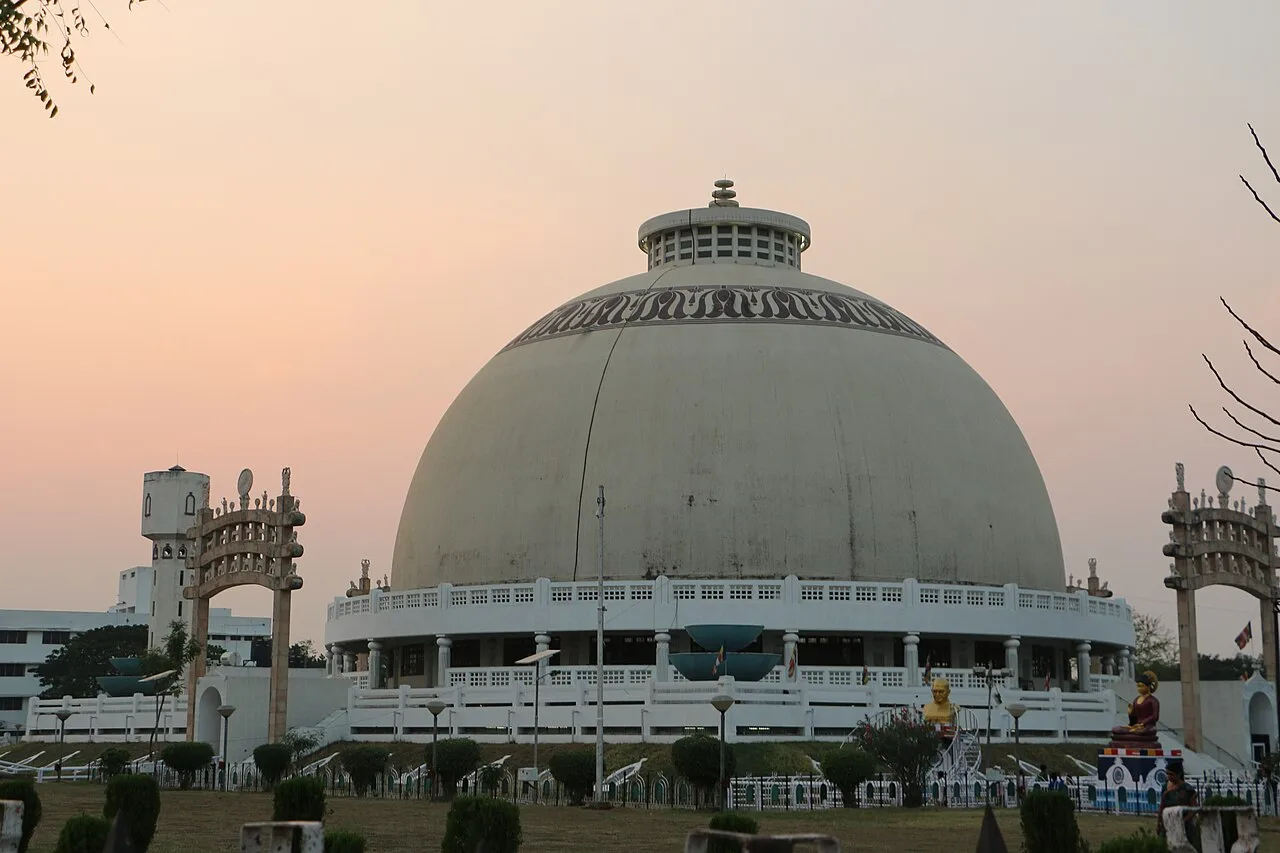
Deekshabhoomi
Deekshabhoomi is a Navayana Buddhist memorial in Nagpur, where B. R. Ambedkar and a vast following embraced Buddhism in 1956. Pilgrims visit to mark the conversion and its continuing significance.
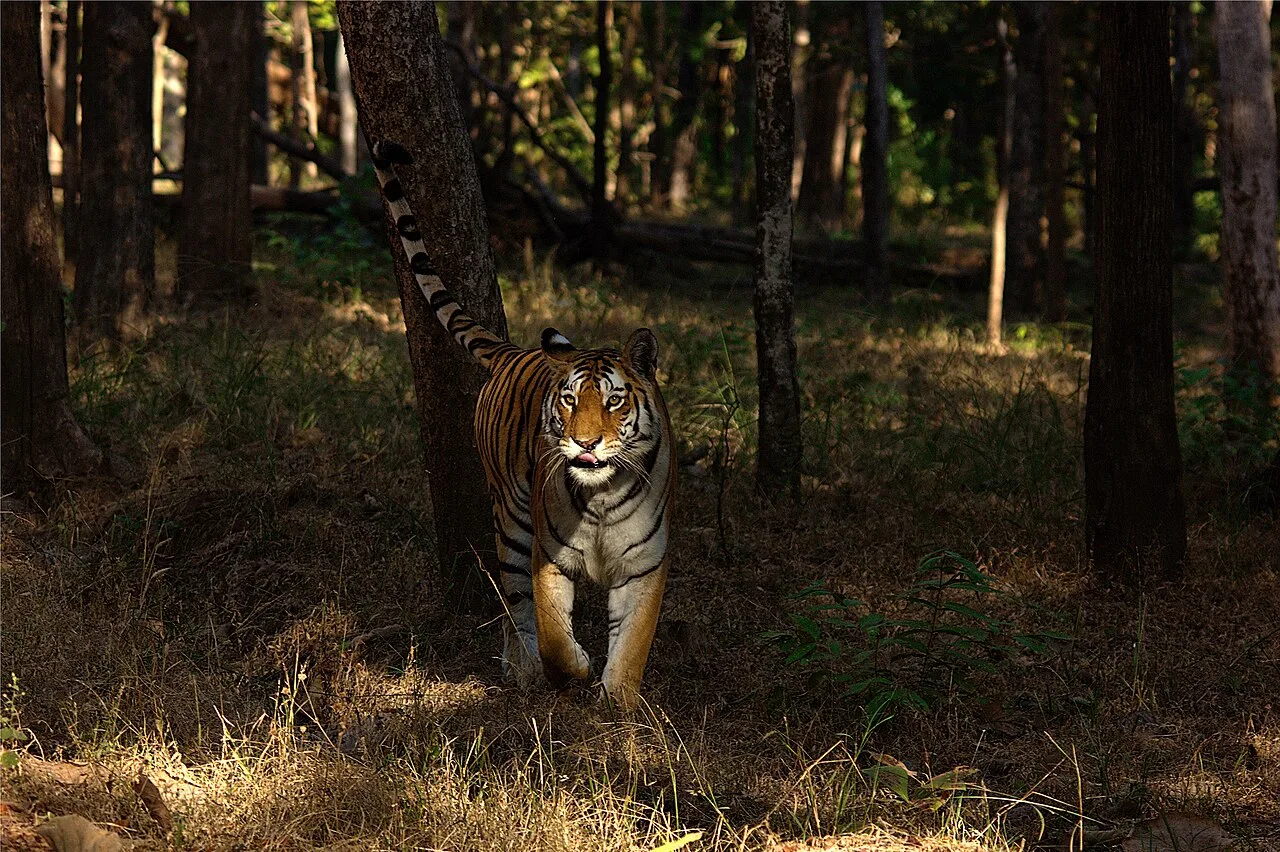
Pench Tiger Reserve
Pench Tiger Reserve spans Madhya Pradesh and Maharashtra, with its Maharashtra section in Nagpur district. People visit to experience its protected landscape and wildlife.
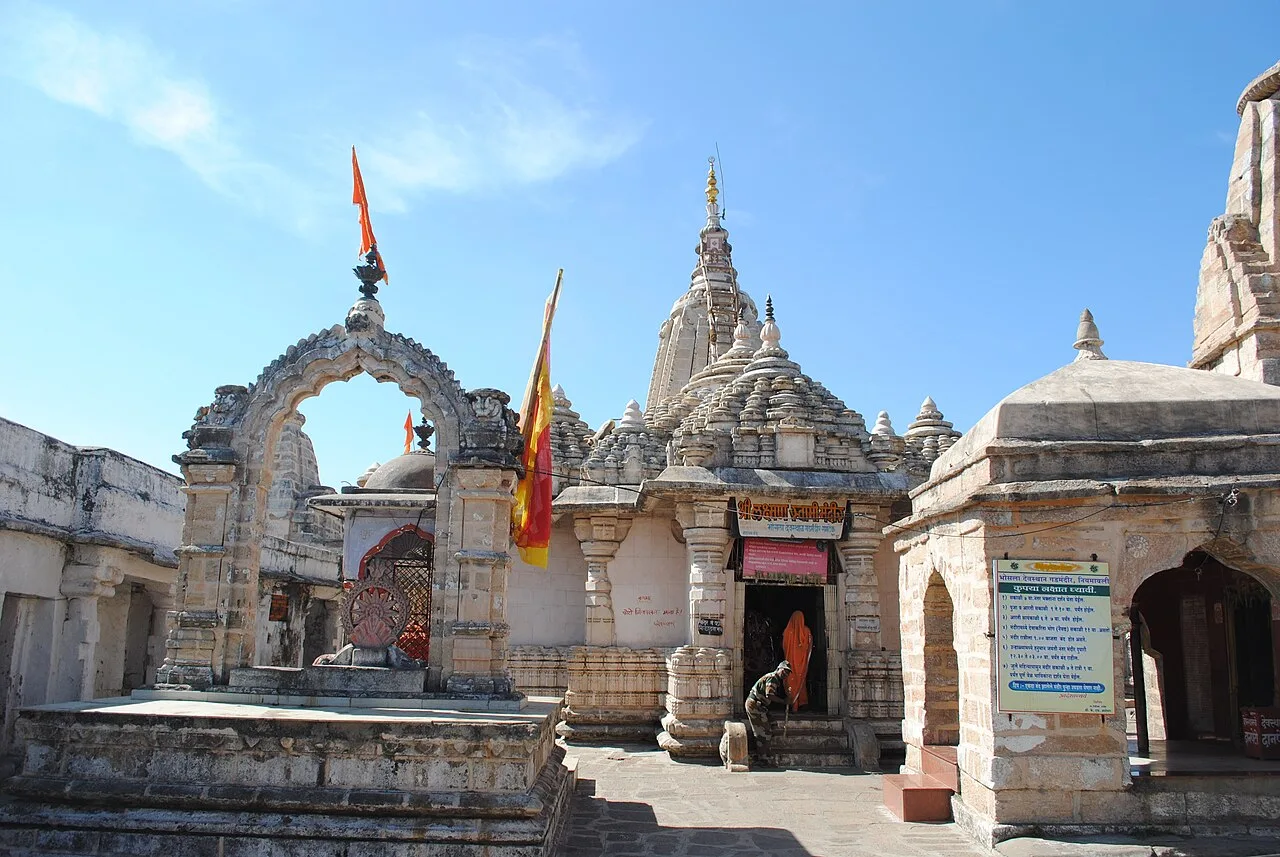
Ramtek Fort Temple
Ramtek Fort Temple is a Hindu pilgrimage site in Maharashtra, visited for its shrines on Ramtek Hill and its association with Rama and the Vakataka dynasty.
Nagpur’s food identity is closely tied to oranges and the robustly spiced Saoji cooking associated with the city and wider Vidarbha. Saoji-style meat curries are a notable choice for those comfortable with heat; ask about spice levels before ordering. Tarri poha, combining flattened rice with a spicy gravy, is a familiar local breakfast. Everyday options also include the wider Maharashtrian staples of vada pav, misal pav and vegetable meals with roti or bhakri. Puran poli features in festive cooking across Maharashtra. Ask small eateries what is freshly prepared, and carry drinking water and snacks for forest outings.
Nagpur’s craft context is best understood through the wider traditions of Vidarbha rather than a single signature souvenir. The region has cotton handloom weaving, while eastern Vidarbha is also associated with kosa, or tasar silk, textiles. These are regional traditions, not necessarily products made within Nagpur district. Bamboo utility work and basketry belong to the broader forested belt of eastern Maharashtra. When shopping in Nagpur, ask where an item was made, whether it is handwoven or handmade, and which fibres or materials it uses.
The most significant annual gathering at Deekshabhoomi is Dhammachakra Pravartan Din, observed around October and associated with the anniversary of Dr. B. R. Ambedkar’s conversion to Buddhism. It brings large numbers of pilgrims to Nagpur, so rooms and local transport can be in greater demand. Ganesh Chaturthi and Dussehra are also celebrated in the city and surrounding towns, while Pola, linked to the agricultural calendar, is observed in the wider Vidarbha region. Ramtek and other local religious centres see increased visitors during festival periods; booking accommodation ahead is sensible when travelling then.
Nagpur district lies on the Deccan plateau, with a mix of urban and agricultural land, low hills and forested areas towards the Pench landscape. The Pench and Kanhan river systems are part of the district’s wider setting. Around Nagpur, roads cross settled, cultivated country; further out, wooded terrain and hills shape access to temples and wildlife areas. Pench Tiger Reserve spans Maharashtra and Madhya Pradesh, and its safari gates are spread across a broad area. Journeys are therefore best planned around the specific gate and road approach rather than treated as a simple city excursion.
Nagpur has hot summers, a monsoon season and generally milder winters. The hottest conditions tend to fall between March and May; the rains usually arrive from June and can affect rural roads and outdoor plans. October to February is often the most comfortable period for sightseeing and travel between the city, Ramtek and the reserve. Pack light, breathable clothing and sun protection for warm days, a light layer for cooler winter evenings, and rain protection if visiting during the monsoon. Safari plans can be affected by weather and local conditions, so check current arrangements before setting out.
Dr. Babasaheb Ambedkar International Airport serves Nagpur, while Nagpur Junction is the principal railway gateway. The city has strong road connections with other parts of Maharashtra and central India, including the Samruddhi Mahamarg towards Mumbai. Within Nagpur, the metro, city buses, auto-rickshaws and taxis offer different ways to get around. Ramtek can be approached by road from the city; for Pench, arrange transport to the specific safari gate named in your booking. The reserve spans Maharashtra and Madhya Pradesh, so gate choice matters when planning accommodation and transfers. Check current services locally.
Nagpur city is served by metro, city buses, auto-rickshaws and taxis, with availability varying by area and time. Road travel is the practical way to reach Ramtek and Pench from the city; buses may serve towns along the way, but the final leg can require a taxi or other arranged vehicle. Shared vehicles may operate on some regional routes, though they are not a dependable choice for a timed safari booking. Confirm the exact Pench gate named in your reservation and arrange transport accordingly. Allow flexibility for traffic and road conditions, especially during the monsoon.
2 days: Deekshabhoomi → Ramtek Fort Temple; sleep in Nagpur both nights. 3 days: Deekshabhoomi → Pench Tiger Reserve; sleep in Nagpur on night one and near your booked safari gate on night two. 4 days: Deekshabhoomi → Ramtek Fort Temple → Pench Tiger Reserve; sleep in Nagpur on nights one and two, then near your booked safari gate on night three.
Nagpur is the most versatile base, with a broad choice of hotels and some guesthouses, and convenient access to Deekshabhoomi and onward road travel. For Ramtek, staying in Nagpur usually offers more choice, though local accommodation may suit visitors wanting a quieter overnight stop. For Pench, choose lodging near the specific safari gate in your booking; options in the surrounding area can include resorts, homestays and forest or government lodges, subject to availability. Pilgrim-oriented stays and dharamshalas may be available in some locations. Reserve early during major gatherings and busy safari periods.
Nagpur city travel is straightforward with normal urban precautions; keep valuables secure in crowded areas, particularly during large gatherings at Deekshabhoomi. Carry drinking water or use reliably treated supplies, and protect yourself from sun and heat on outdoor visits. In Pench, follow reserve staff instructions, stay inside authorised safari vehicles and do not approach or feed wildlife. Safari permits and bookings are required for reserve visits; confirm requirements and current procedures through official reserve channels. Rural roads may be slower or more difficult in the monsoon. Mobile connectivity can be limited around forest areas, so share plans and arrange return transport in advance.
- Seoni · Madhya Pradeshabout 32 km
- Wardhaabout 95 km
- Gondiaabout 108 km
- Chhindwara · Madhya Pradeshabout 125 km
- Chandrapurabout 126 km
- Hoshangabad · Madhya Pradeshabout 150 km
- Kanha · Madhya Pradeshabout 171 km
- Narmadapuram · Madhya Pradeshabout 184 km
Straight-line distance between the centres of each district's destinations; road distance is longer.
Q: How many days should I spend in Nagpur district? A: Two days can cover Deekshabhoomi and Ramtek. Allow three or four days if adding Pench and its safari logistics. Q: When is the best time to visit? A: October to February is generally comfortable for city sightseeing, Ramtek and wildlife trips. Monsoon travel can be affected by rain. Q: Where is the best base for the district? A: Nagpur city is the most practical all-round base. For a Pench safari, stay near the specific gate in your booking. Q: How do I get to Nagpur? A: Nagpur is served by Dr. Babasaheb Ambedkar International Airport and Nagpur Junction, with road links to Maharashtra and central India. Q: Is the district suitable for families or elderly travellers? A: Yes, though plan for heat, walking and road transfers. Choose accessible accommodation and confirm safari conditions and facilities before travelling.
This page draws on our 3 destination guides for Nagpur and is updated as our team checks it.
Be the first to share photos, stories, advice or a helpful contact for Nagpur.
Loading…