Ghumoopedia — Explore, Discover, Experience
Sign in
Bharhut Stupa Remains, near Satna

City guide · Madhya Pradesh

Satna

Satna is a key commercial and transport centre in northeastern Madhya Pradesh, serving as the headquarters of Satna district and an important hub for the surrounding Baghelkhand region. Its railway connections and road links make it a practical base for journeys to nearby pilgrimage and heritage destinations, including Maihar and Chitrakoot.

Famous for

  • Cement industry
  • Limestone deposits
  • Bharhut Buddhist heritage
  • Baghelkhand gateway

Why Satna matters

Satna is a key commercial and transport centre in northeastern Madhya Pradesh, serving as the headquarters of Satna district and an important hub for the surrounding Baghelkhand region. Its railway connections and road links make it a practical base for journeys to nearby pilgrimage and heritage destinations, including Maihar and Chitrakoot. The remains of the ancient Buddhist site of Bharhut, in the wider district, add an archaeological dimension to visits here.

The area’s limestone resources have supported a substantial cement industry, giving Satna an important role in Madhya Pradesh’s industrial economy. The city also provides regional services, markets and educational and healthcare facilities. Satna has been included in India’s Smart Cities Mission, reflecting plans to improve urban infrastructure and services. Visitors come both for business and as travellers passing through to religious sites and historic places. Satna is not primarily a resort destination, but its central location, busy markets and links to the surrounding region make it a useful stop and starting point for exploration.
Famous for: crafts, trade & products

Satna is best known economically for cement production, supported by limestone deposits in the surrounding region. Cement and related building materials are important products of the local industrial economy, although production sites may lie outside the city centre. The city also functions as a wholesale and retail service hub for nearby towns and villages, with shops selling everyday goods, food, clothing and household supplies.

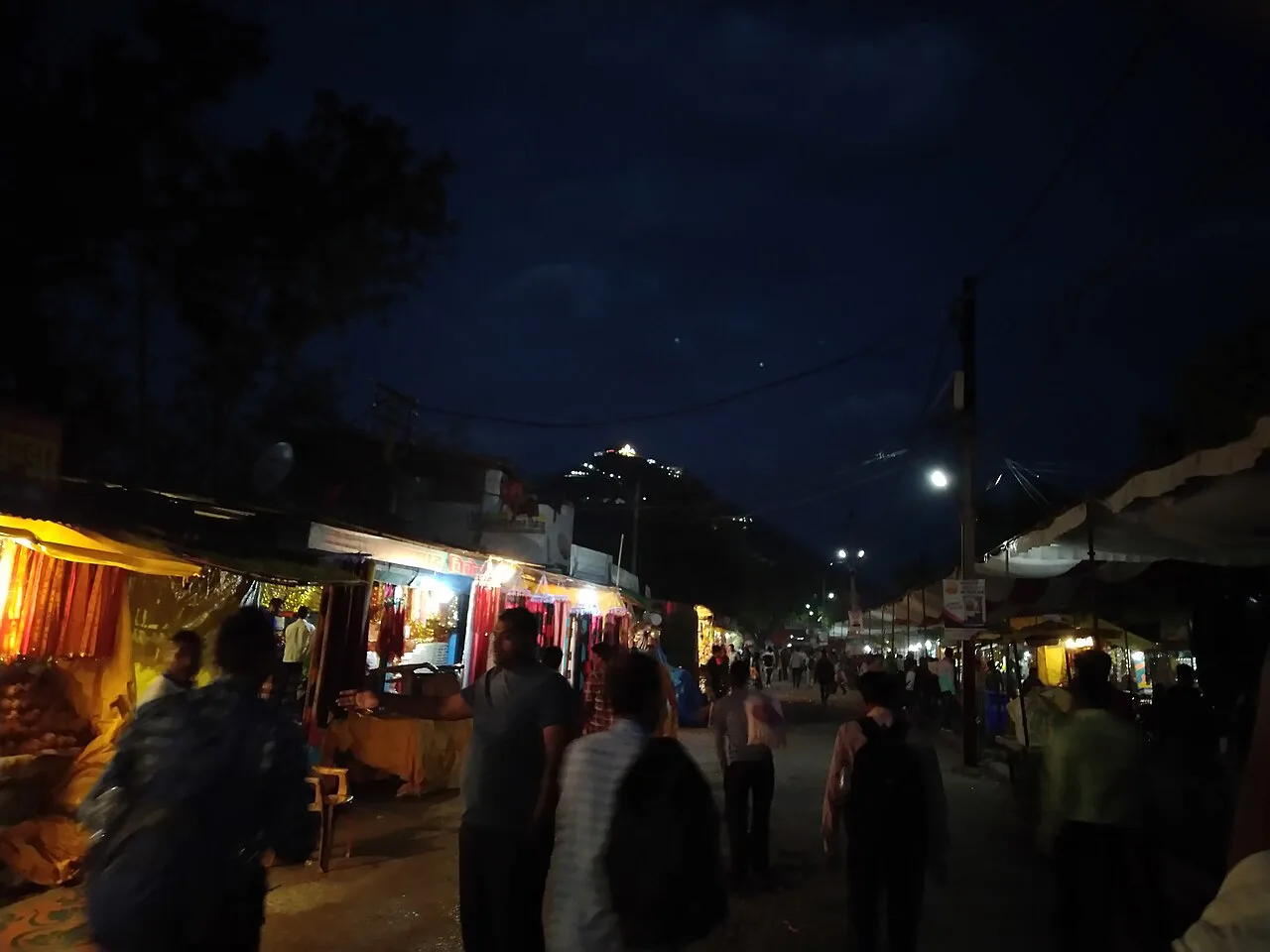
Satna is not widely recognised as a specialist centre for a particular textile, handicraft or GI-tagged product. Visitors looking for local shopping can browse the central bazaar and commercial streets around the railway station for clothing, groceries, snacks and practical travel needs; these are regional markets rather than dedicated craft districts. For a stronger heritage focus, Bharhut’s Buddhist remains are associated with the wider district, while Maihar is known for its temple and musical traditions. Satna’s district-level institutions, transport links and cement-sector businesses are more distinctive to its identity than a signature craft or luxury product.

History

Satna lies in the historic Baghelkhand region, where princely states and estates shaped local administration before Indian independence. The nearby Kothi State, founded in the mid-17th century by Baghel ruler Lal Jagat Rai Singh, was one of these small states; its capital was Kothi, in what is now Satna district. Sohawal was another princely state in the area. The region’s past is also marked by the 1857 uprising. Thakur Ranmat Singh Baghel, a commander serving the Maharaja of Rewa, led rebel forces and fought the British in several places across the region.

In the modern era, Satna developed as a district headquarters and an important rail and road centre. The availability of limestone helped establish cement manufacturing as a major part of the regional economy. More recently, inclusion in the Smart Cities Mission has focused attention on urban infrastructure and public services.

Food, festivals & culture

Everyday food in Satna draws on the cooking of Madhya Pradesh and the wider Baghelkhand region. Poha and jalebi are familiar breakfast choices, while meals may include wheat breads, lentils, seasonal vegetables and simple rice dishes. Dal bafla is enjoyed in the broader state, and sweet shops sell common Indian mithai; there is no single dish that defines the city’s food scene. Local restaurants and market stalls are convenient places to sample everyday fare.

Hindi is widely used, alongside Bagheli and other regional speech. Hindu festivals such as Holi in spring, Navratri and Dussehra in autumn, and Diwali in autumn are observed, with worship, family gatherings and seasonal fairs. Ram Navami is also marked by devotees. Folk music and dance traditions of Baghelkhand and neighbouring Bundelkhand are part of the region’s cultural life. Satna has local temples and shrines; the prominent pilgrimage destinations of Maihar and Chitrakoot lie beyond the city and are commonly visited from it.

Visiting the city

October to March is generally the most comfortable season to visit, with hot conditions in the summer months and monsoon rain during the middle of the year. The nearest major airport is Khajuraho Airport; check current flight connections before planning. Satna Junction is the city’s main railway station and a useful arrival point for regional travel.

Auto-rickshaws, taxis and local buses can help visitors get around; arrange a taxi for trips beyond the city. The central bazaar and streets near the station are practical areas to explore for food and everyday shopping. Satna also works well as a base for excursions to Maihar, Chitrakoot and heritage sites in the wider district. Distances and road conditions can make onward journeys take longer than expected, so allow time between stops.

Trips from the city

Nearest places to visit from Satna

Our closest destination guides, by straight-line distance.

Bharhut Stupa Remains

15 km away · Satna district

Bharhut Stupa Remains

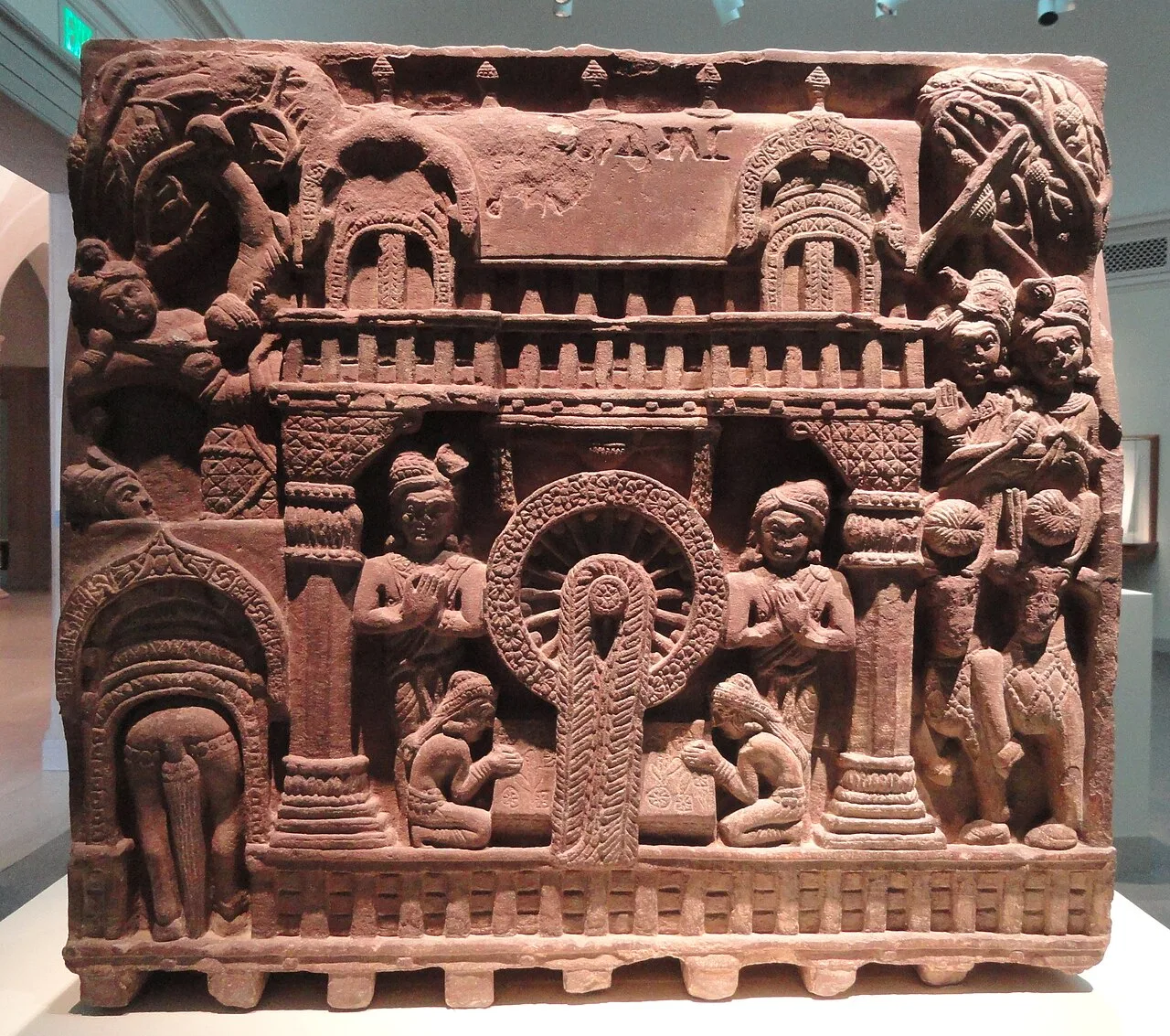
Bharhut Stupa Remains are the surviving traces of a Buddhist stupa in Madhya Pradesh. Visitors come to learn about its early carvings, labelled relief panels and history, though most sculptures are now held elsewhere.

Maihar Sharda Temple

36 km away · Satna district

Maihar Sharda Temple

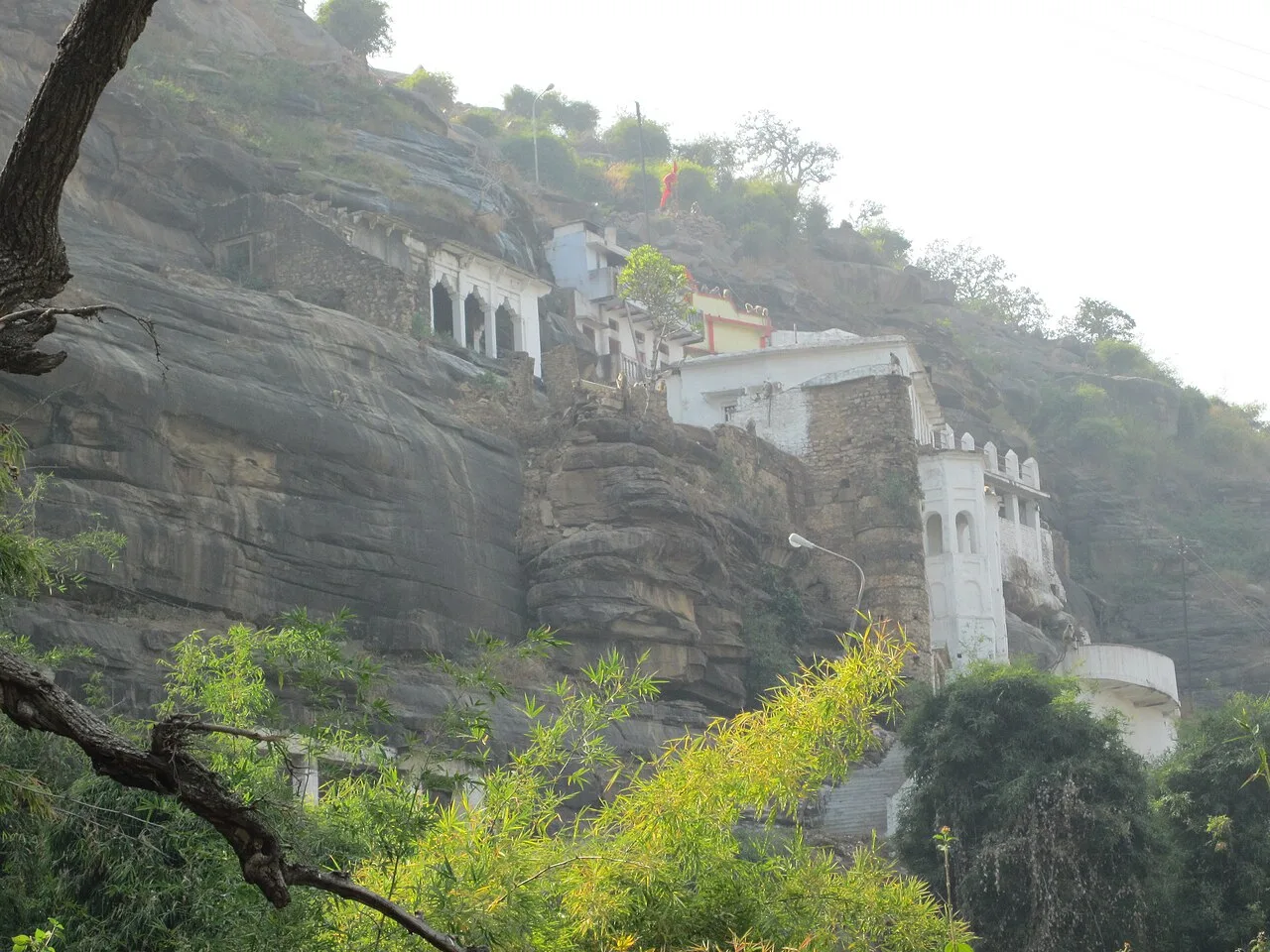
Maihar Sharda Temple is a religious shrine in Madhya Pradesh, associated with Maa Sharda and counted among the Shakti Peeth. Worshippers visit for its religious significance.

Chitrakoot

47 km away · Chitrakoot district

Chitrakoot

Chitrakoot is a pilgrimage town and nagar panchayat in Madhya Pradesh, valued for its Ramayana associations, sacred sites and religious observances that draw visitors throughout the year.

Govindgarh Palace, Rewa

53 km away · Rewa district

Govindgarh Palace, Rewa

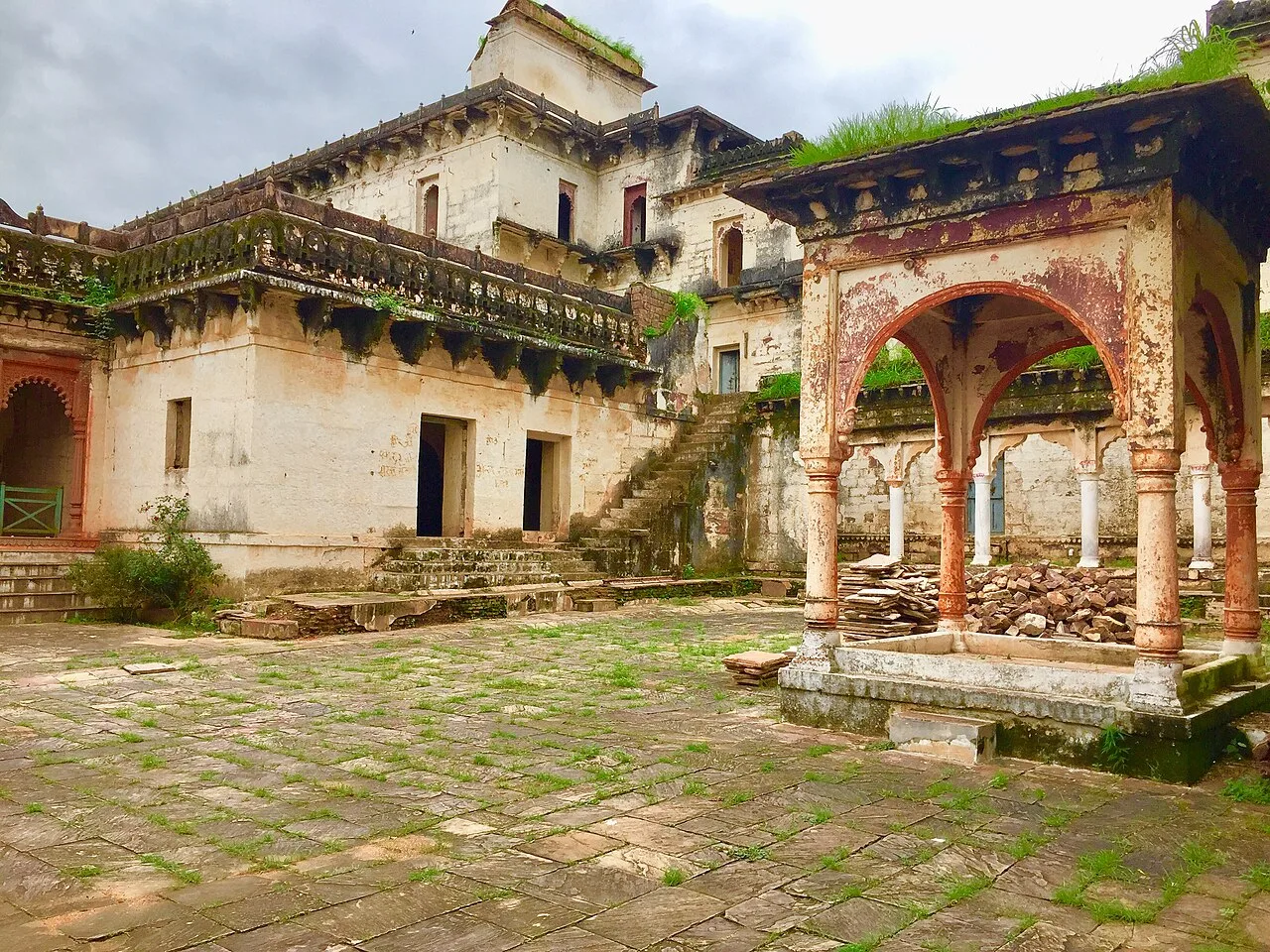
Govindgarh Palace, also called Govindgarh Fort, is a nineteenth-century royal residence in Rewa district. Visitors come to see the palace and its lakeside setting in Govindgarh, Madhya Pradesh.

Keoti Falls, Rewa

69 km away · Rewa district

Keoti Falls, Rewa

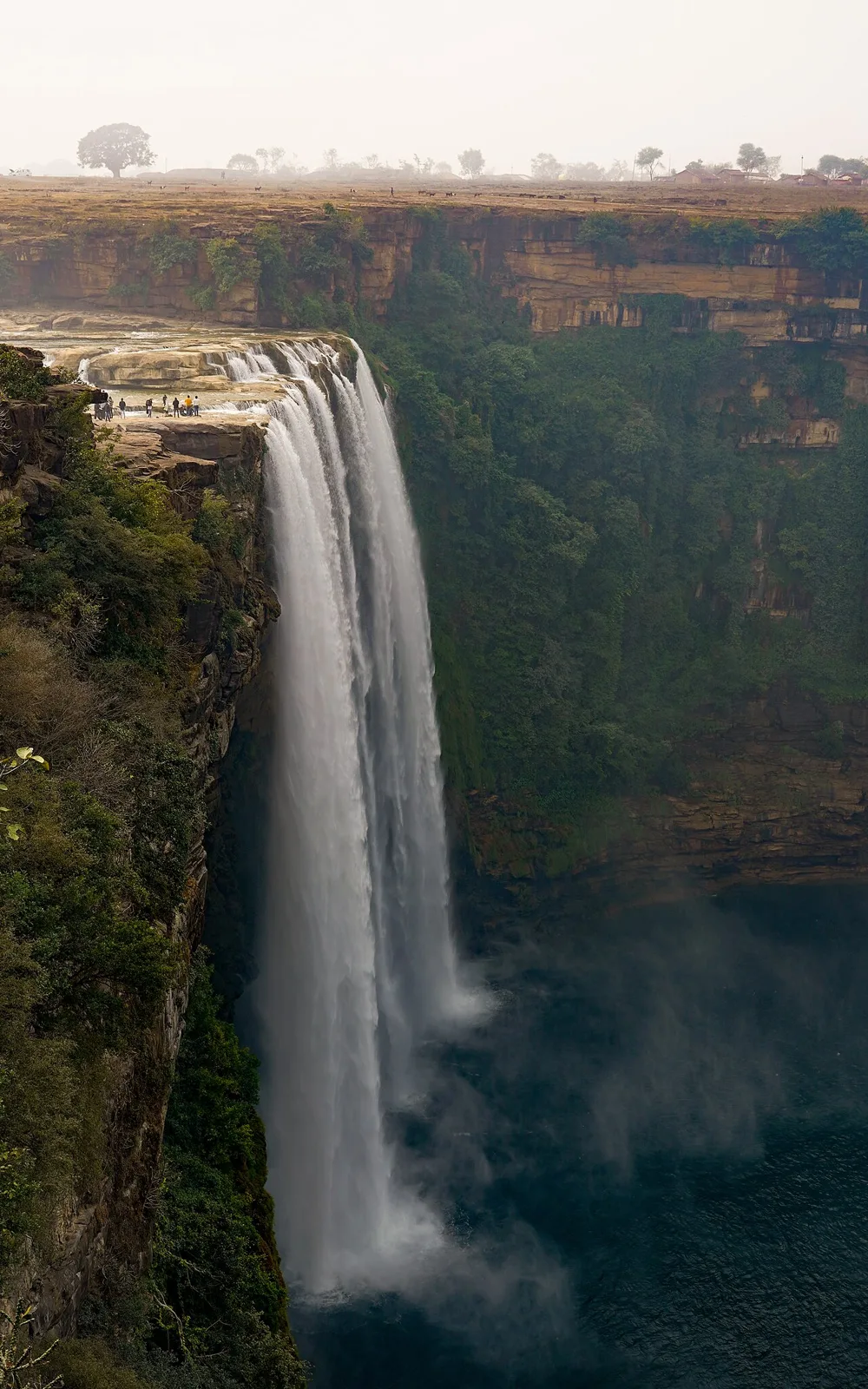
Keoti Falls, also called Kevti, is a waterfall in Rewa district, Madhya Pradesh. Visitors come to see a site ranked 24th among India’s waterfalls by height.

Panna National Park

84 km away · Chhatarpur district

Panna National Park

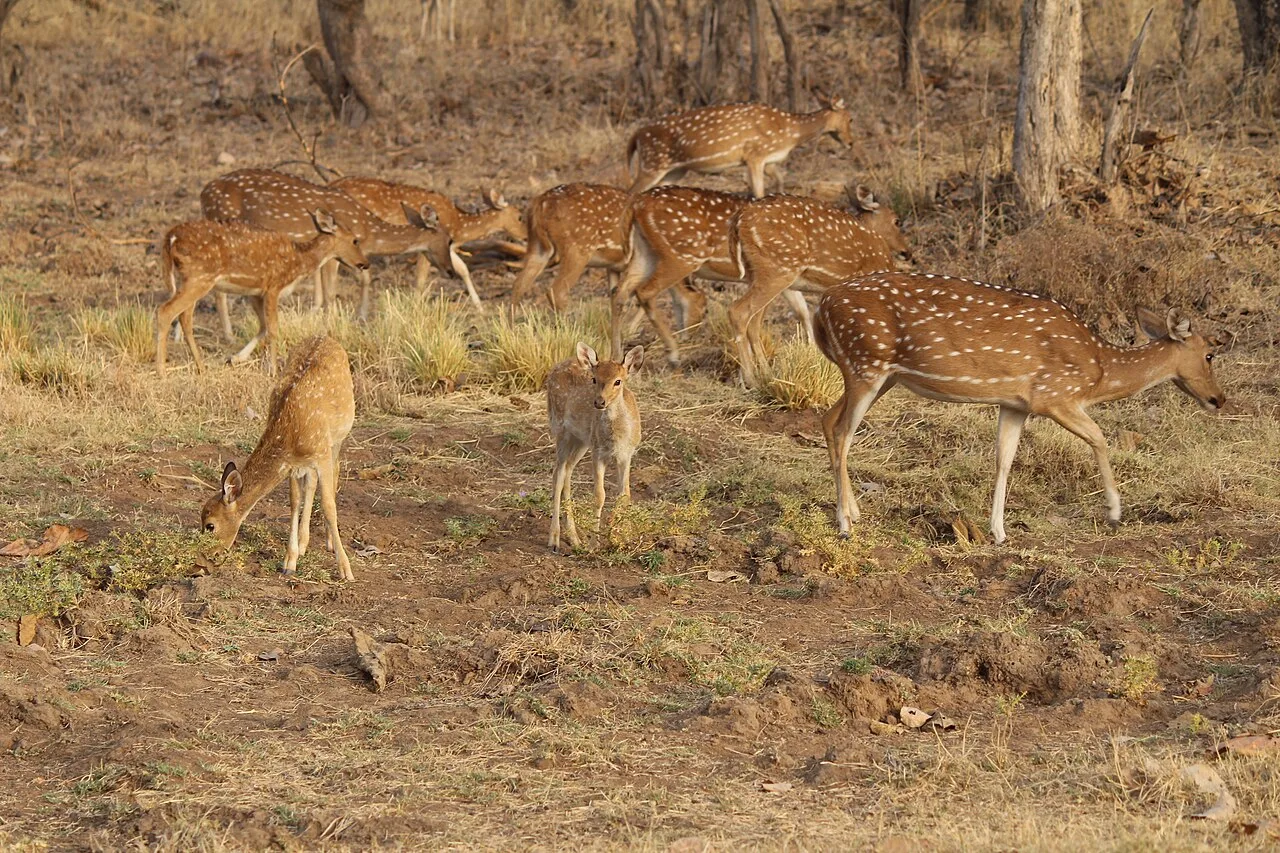
Located in Panna and Chhatarpur districts of Madhya Pradesh, Panna National Park covers 542.67 square kilometres. Visitors come for its wildlife, especially tigers, and its status as a tiger reserve.

Raneh Falls

86 km away · Chhatarpur district

Raneh Falls

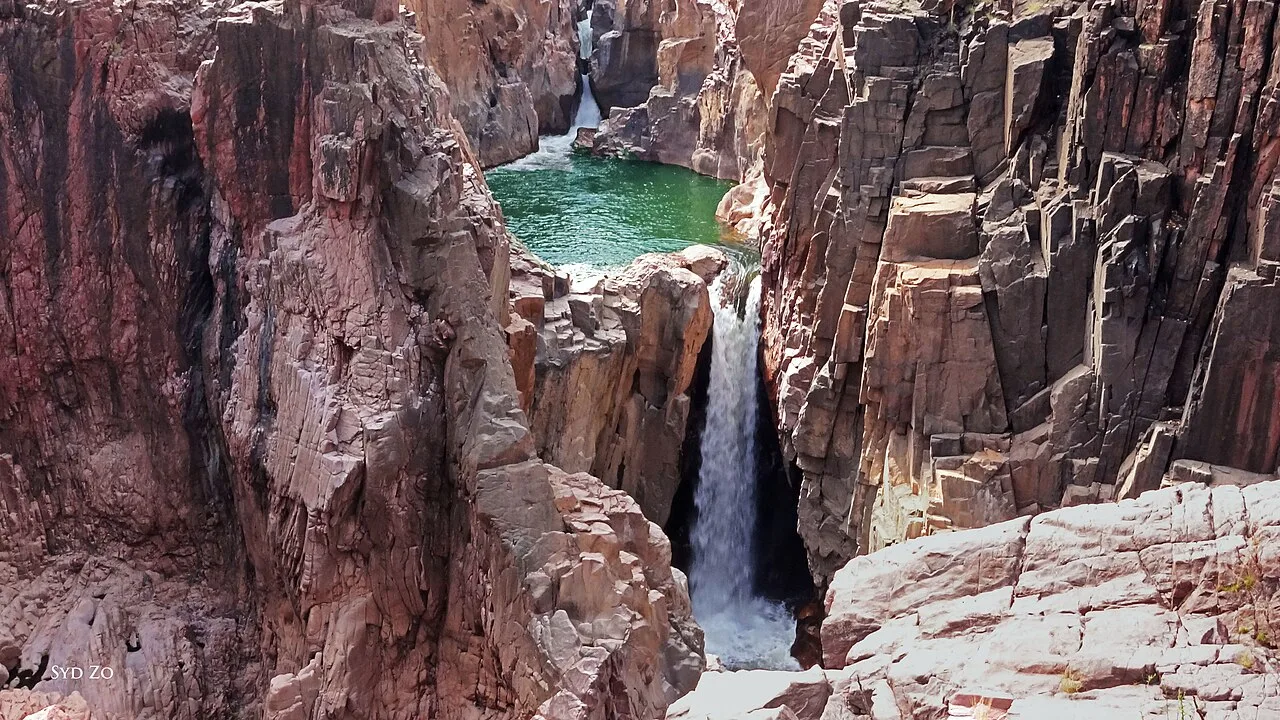
Raneh Falls is a natural cascade on the Ken River at Khajuraho in Madhya Pradesh. Visitors come to see the waterfall, which lies in Chhatarpur district.

Khajuraho Temples

97 km away · Khajuraho district

Khajuraho Temples

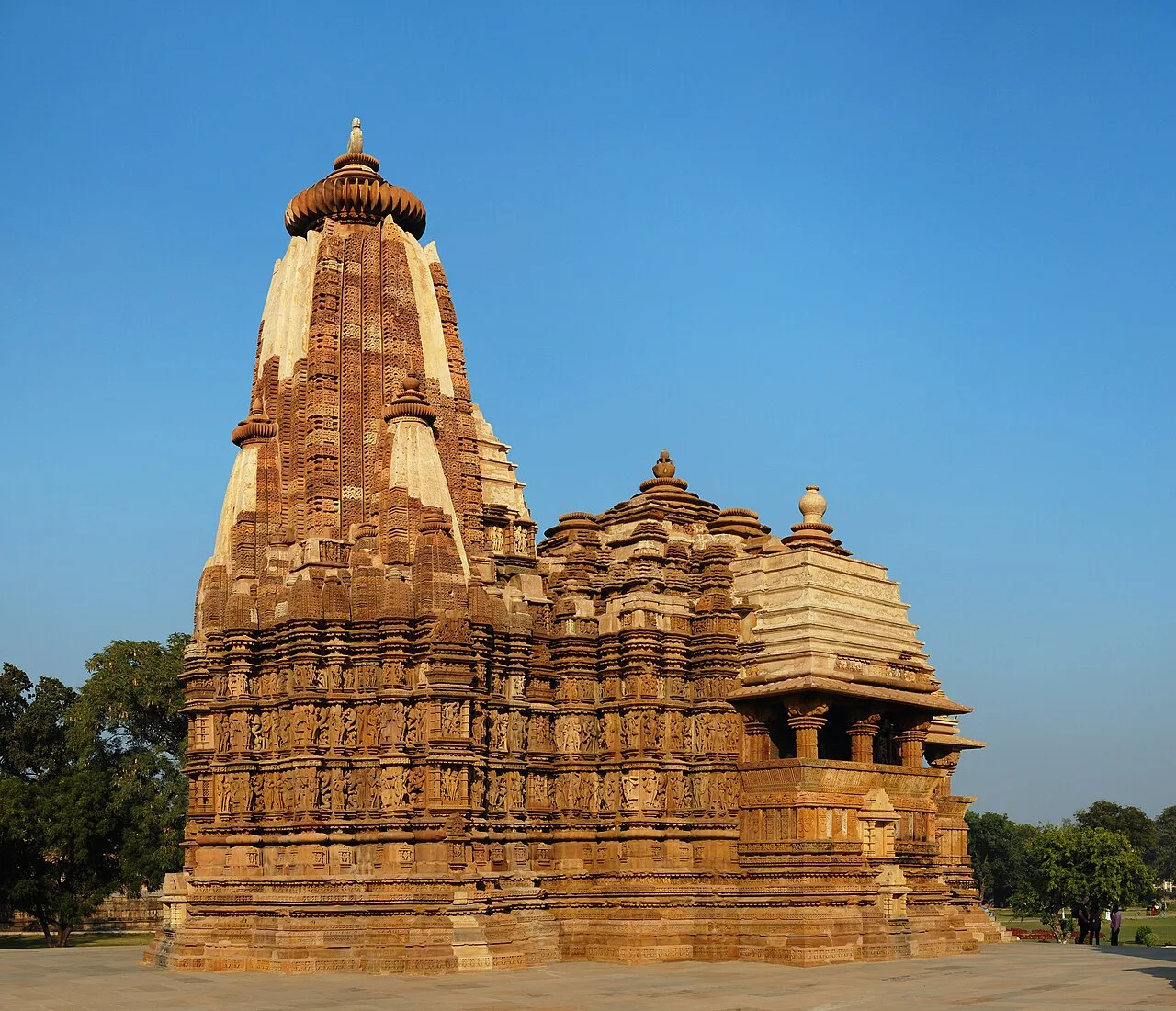
Khajuraho is a complex of Hindu and Digambara Jain temples in Madhya Pradesh, known for Nagara architecture and sculptural detail that attracts visitors interested in Indian art and religious history.

Map

Satna on the map

  1. 1Bharhut Stupa Remains
  2. 2Maihar Sharda Temple
  3. 3Chitrakoot
  4. 4Govindgarh Palace, Rewa
  5. 5Keoti Falls, Rewa
  6. 6Panna National Park
  7. 7Raneh Falls
  8. 8Khajuraho Temples

Madhya Pradesh

Other cities to explore