Ghumoopedia — Explore, Discover, Experience
Sign in
Bagh (Bagh Print Village), near Jobat

City guide · Madhya Pradesh

Jobat

Jobat is a municipality in Alirajpur district in western Madhya Pradesh, near the Gujarat border. Its location makes it a local service and market centre for nearby settlements, while its setting beside the Dohi River gives the town a strong connection to the surrounding countryside.

Famous for

  • Dohi River setting
  • Former Jobat princely state
  • Rana ruling lineage
  • Bhopawar Agency history
  • Alirajpur region market town

Why Jobat matters

Jobat is a municipality in Alirajpur district in western Madhya Pradesh, near the Gujarat border. Its location makes it a local service and market centre for nearby settlements, while its setting beside the Dohi River gives the town a strong connection to the surrounding countryside. For visitors, Jobat offers a quieter look at the region beyond the state’s larger cities, with local commerce, everyday town life and the cultural traditions of western Madhya Pradesh as its main points of interest.

The town is also notable for its past as a princely state, ruled by Rana chiefs whose succession followed the female line. That history distinguishes Jobat from many towns in the area and gives it regional historical interest. It is not widely known as a major monument or resort destination, and travellers should not expect a large collection of formal attractions. Instead, Jobat is best approached as a small regional centre: a place to experience the local landscape and market life, and to understand the history and communities of the Alirajpur region.
Famous for: crafts, trade & products

Jobat is not widely associated with a particular textile, saree, handicraft, GI-tagged product or large-scale industry. Its recognised importance is more local: it serves as a market town for surrounding communities, with shops and bazaar areas supplying everyday goods, household needs and seasonal produce. Visitors can browse the central shopping streets for a sense of ordinary town life, though there is no specific craft market or signature product district to seek out.

The wider Alirajpur region has strong Adivasi cultural traditions, but visitors should not assume that every regional craft or product is made or sold in Jobat itself. For locally made items, ask shopkeepers or residents about current availability rather than expecting a permanent specialist outlet. Jobat’s historical identity as a former princely state is a more distinctive point of recognition than a particular commercial product. Travellers looking for organised craft shopping or a named regional speciality may find a broader selection in larger towns, while Jobat’s shops are most useful for everyday purchases and observing local trade.

History

Jobat was formerly a princely state in central India. During the colonial period it was administered within the Bhopawar Agency, part of the Central India Agency. Its Hindu rulers held the title Rana, and succession was distinctive in following the female line. This history gives Jobat a notable place among the former states of the region, although the town is not primarily known today for a large surviving palace or monument.

After the end of princely rule and the integration of states into independent India, Jobat became part of Madhya Pradesh. It developed as a town serving nearby settlements and is now a nagar parishad municipality in Alirajpur district. Its present role is largely civic and commercial, linking the town with the surrounding rural area. Modern growth has brought it a more prominent place in district life, while its historic identity and location near the Gujarat border continue to shape how Jobat is understood regionally.

Food, festivals & culture

Jobat’s cultural life reflects the wider Adivasi communities and traditions of the Alirajpur region. Hindi is widely useful for visitors, while Bhili and related local speech forms are also heard. Music, dancing and community gatherings are important parts of regional celebrations. Bhagoria, held in the weeks before Holi, is among the best-known festivals of the broader region; Holi, Diwali and Navratri are also observed. Dates for festivals vary from year to year, and local arrangements are best checked in town.

Food is generally rooted in everyday central Indian cooking, with grains, lentils and seasonal vegetables. Maize-based dishes are common across parts of the surrounding region, though menus and household cooking vary. There is no single sweet or restaurant dish that is especially identified with Jobat. Hindu places of worship serve local communities, and visitors may also encounter smaller shrines in town and nearby villages. Dress respectfully at places of worship and ask before photographing people or ceremonies.

Visiting the city

The cooler months, roughly October to February, are generally the most comfortable for visiting. The monsoon brings greener scenery but can make road journeys slower; summers are hot. Indore’s Devi Ahilya Bai Holkar Airport is a principal air connection for the region, while Dahod railway station in Gujarat is a useful railhead for onward road travel. Confirm current connections before setting out, as the final leg to Jobat is by road.

Within town, walking is practical for short visits to the bazaar and central streets; local vehicles or hired transport are more convenient for longer journeys and nearby countryside. The Dohi River area and the old town’s market streets are natural places to explore, but Jobat has no widely established tourist quarter. Allow time for local conditions and ask residents about accessible routes.

Trips from the city

Nearest places to visit from Jobat

Our closest destination guides, by straight-line distance.

Bagh (Bagh Print Village)

21 km away · Dhar district

Bagh (Bagh Print Village)

In Madhya Pradesh’s Dhar district, Bagh is a settlement associated with the Bagh Caves, whose Buddhist rock-cut chambers and murals attract visitors.

Bagh Caves

27 km away · Dhar district

Bagh Caves

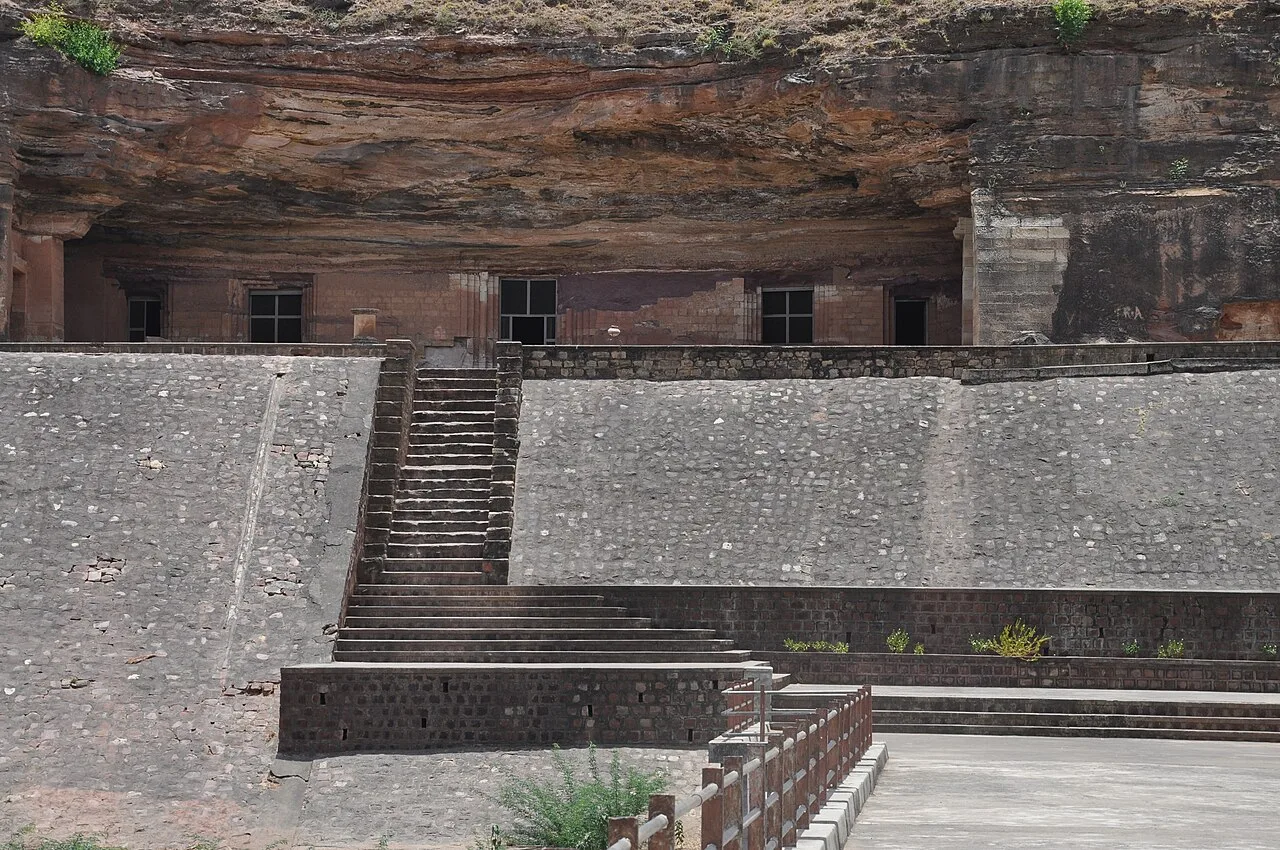
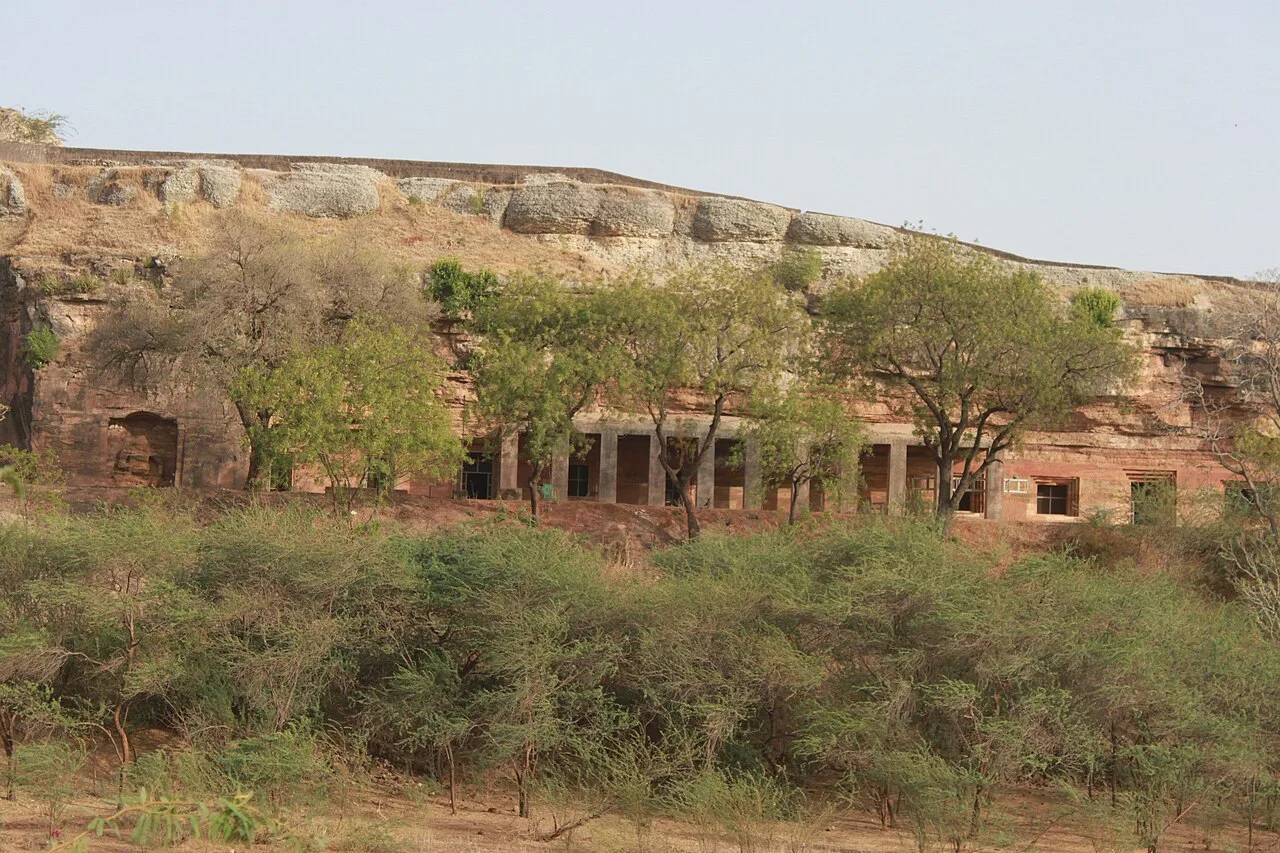
The Bagh Caves are Buddhist rock-cut monuments in Madhya Pradesh, known for their murals and monastic layouts. Visitors explore the surviving caves, including the painted Cave 4, called Rang Mahal.

Bhojshala

77 km away · Dhar district

Bhojshala

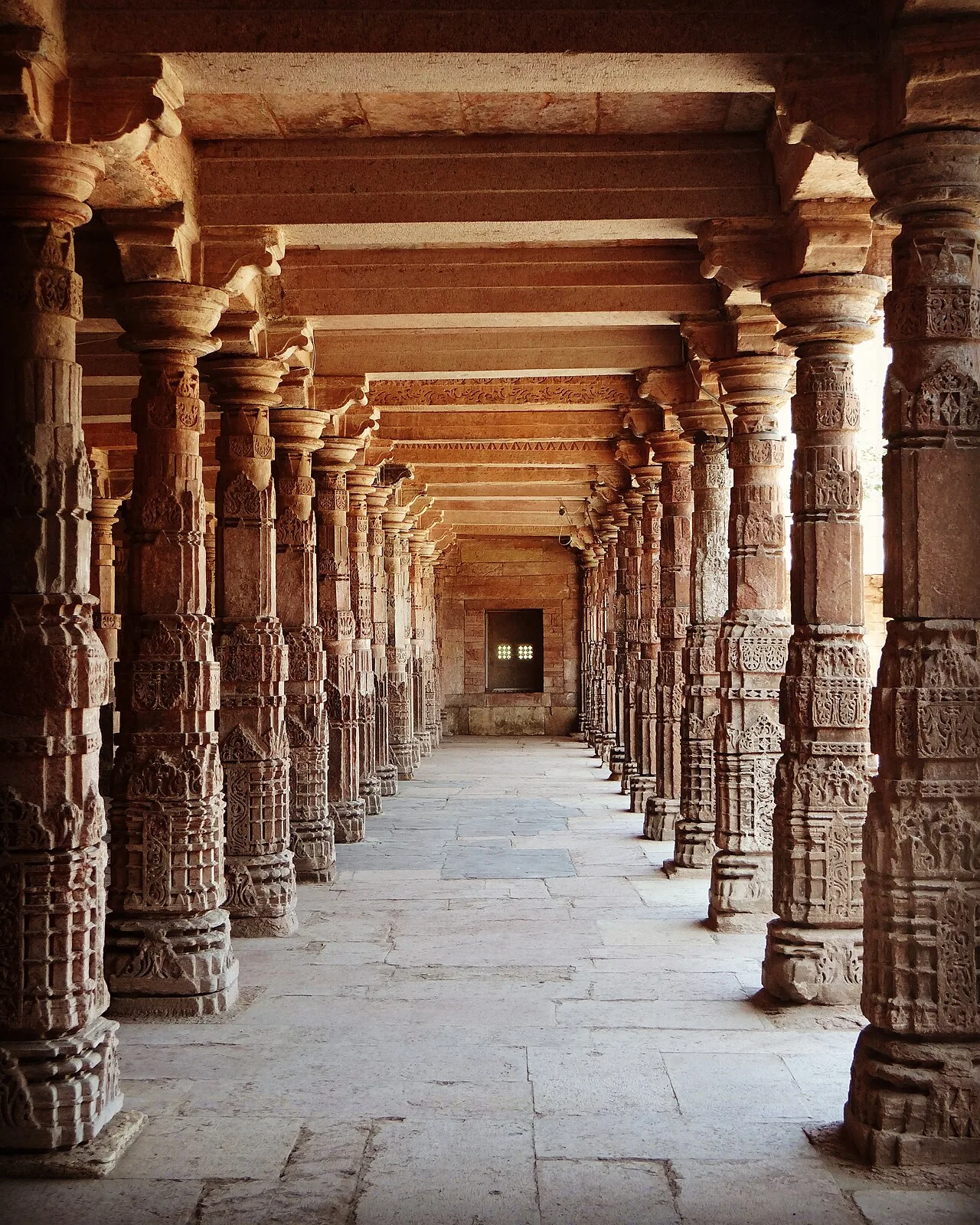
Bhojshala is a historic complex in Dhar, Madhya Pradesh, associated with Sanskrit learning under the Paramāras. Visitors come to see its architecture, inscriptions and archaeological remains, as well as its layered religious history.

Hindola Mahal, Mandu

85 km away · Dhar district

Hindola Mahal, Mandu

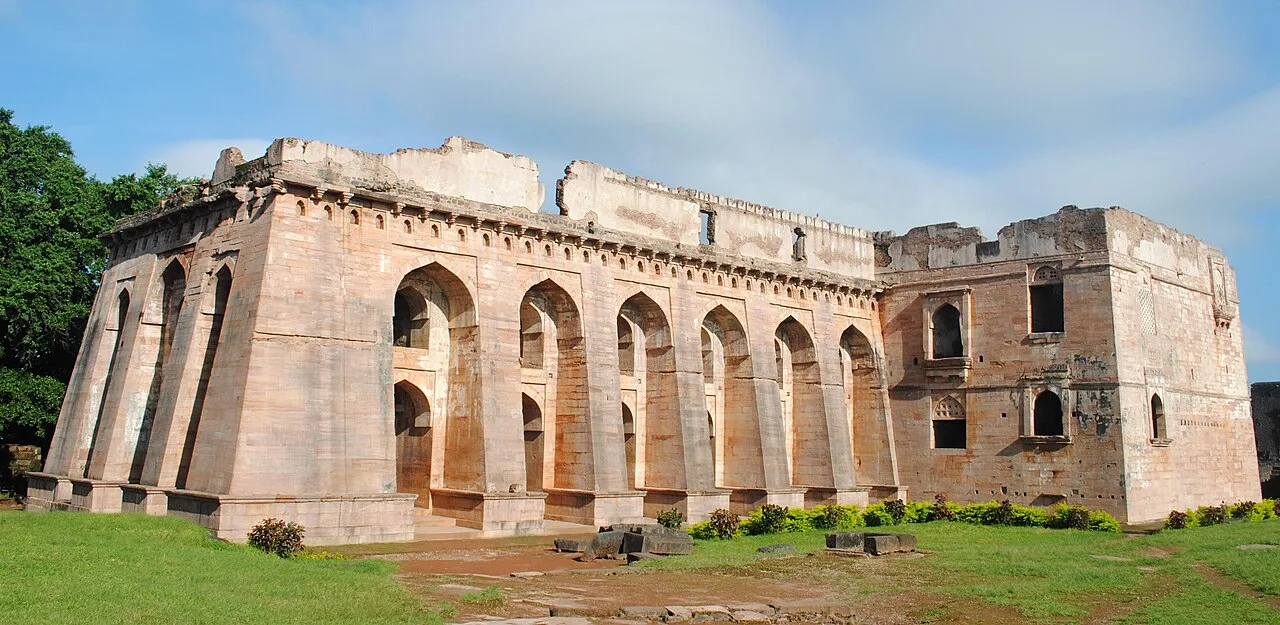
Hindola Mahal is a large assembly hall in Mandu, Madhya Pradesh. Visitors go to see it as a historic structure within the remains of the old city.

Maheshwar Ghats

87 km away · Maheshwar district

Maheshwar Ghats

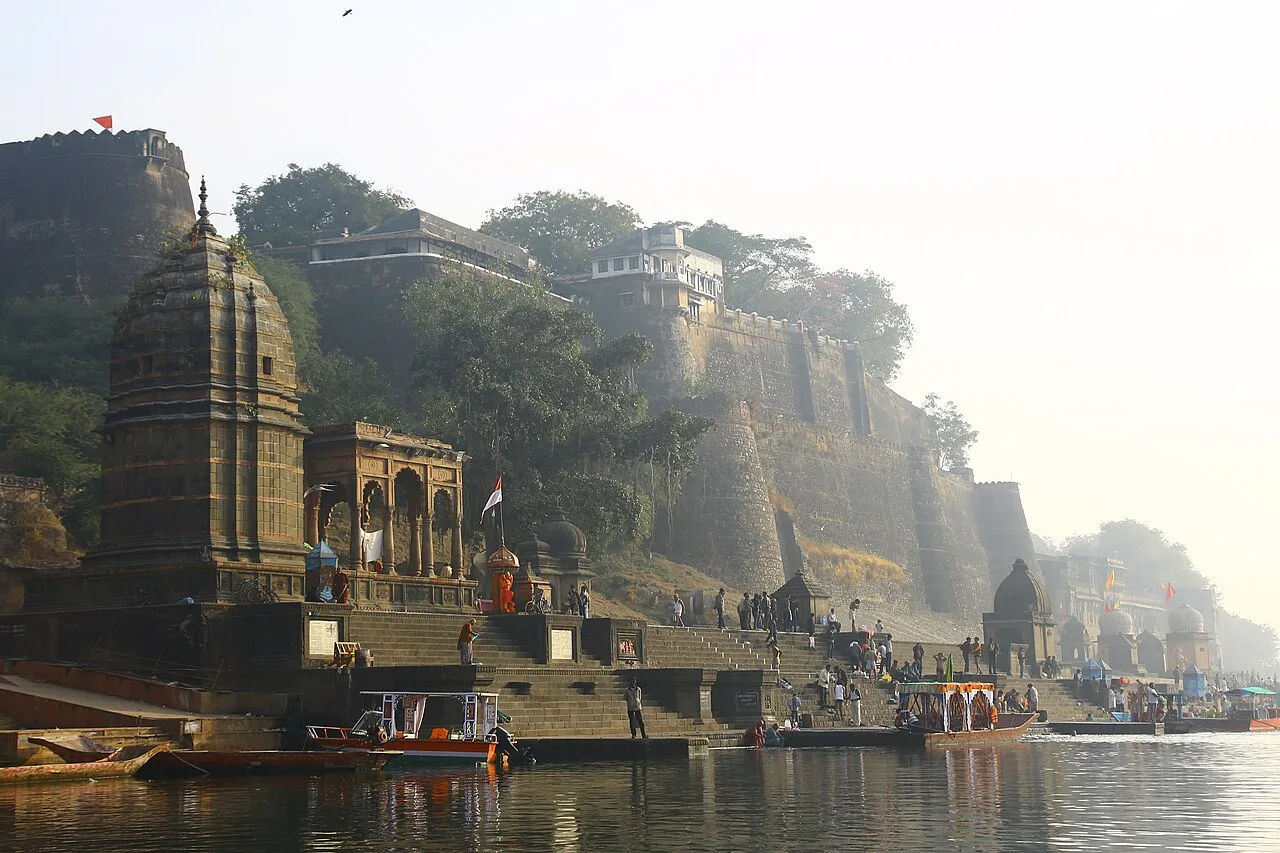
Maheshwar Ghats are riverfront steps in a historic town on the Narmada in Madhya Pradesh. Visitors come to see the ghats and learn about Maheshwar’s past as a capital under the Holkars.

Mandu

88 km away · Dhar district

Mandu

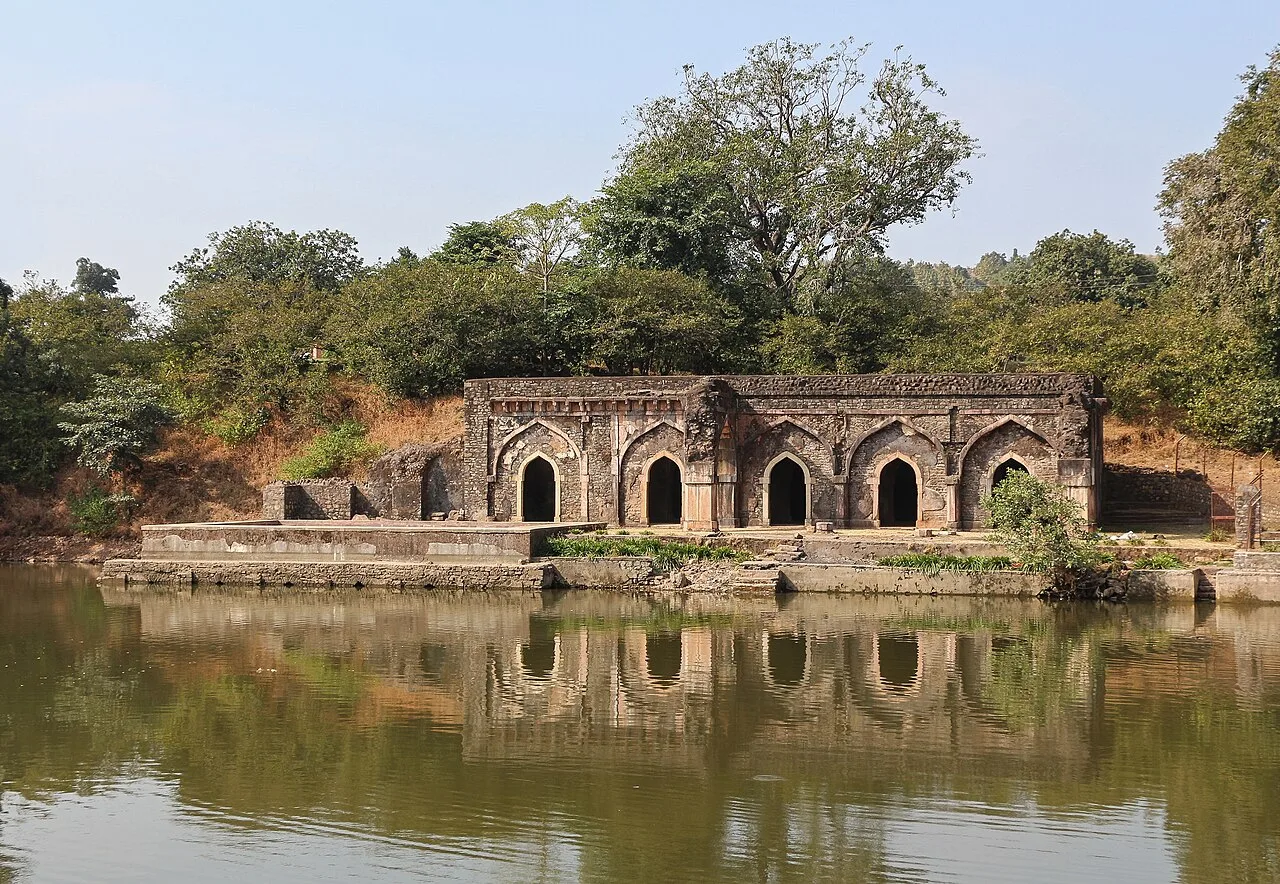
Mandu, also known as Mandavgad, is an ancient settlement in Madhya Pradesh’s Dhar district. Visitors are drawn to its fortress setting and notable architecture.

Navdatoli Archaeological Site

108 km away · Khargone district

Navdatoli Archaeological Site

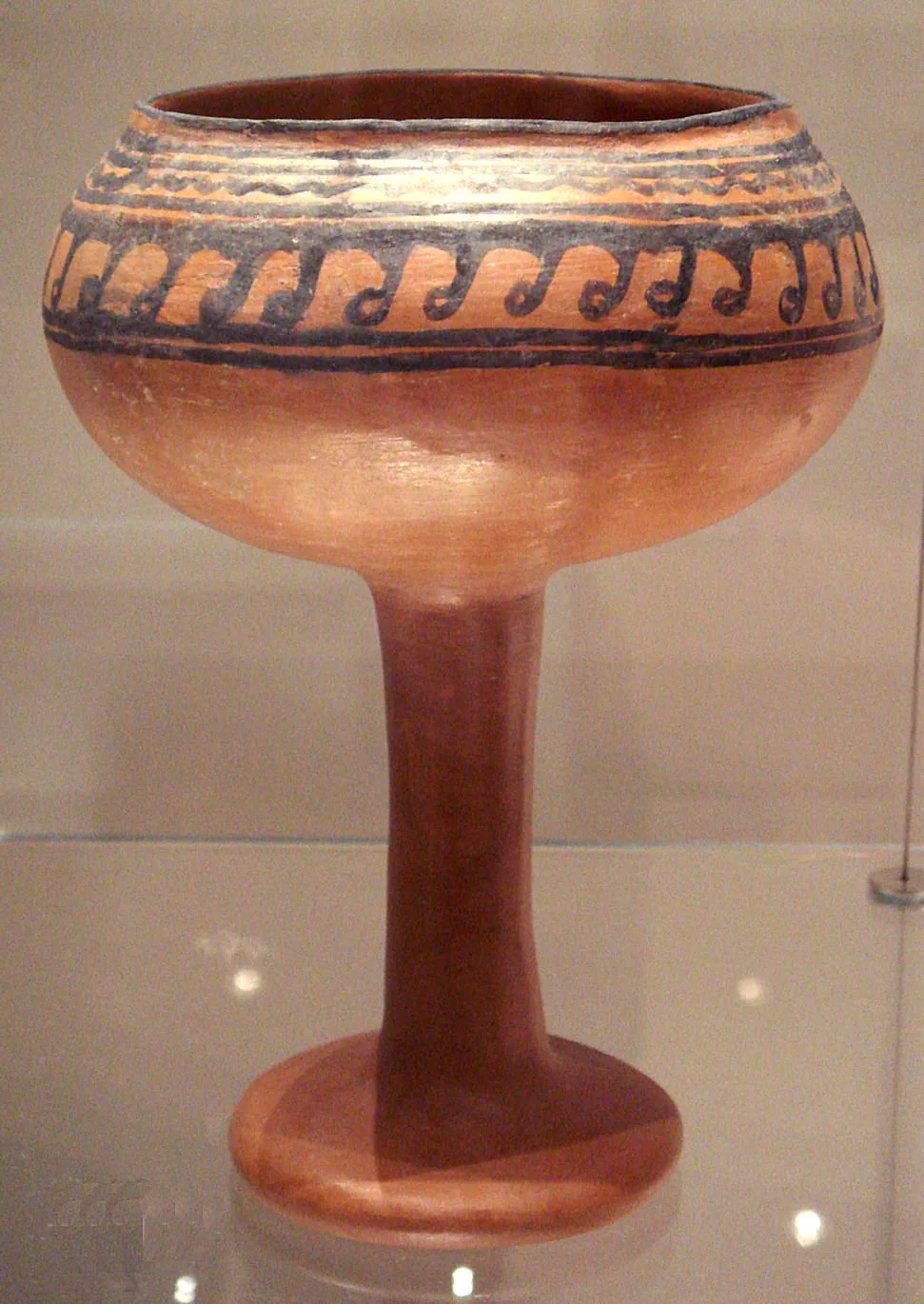
Navdatoli is both a present-day village and a Chalcolithic settlement on the Narmada in Madhya Pradesh. Visitors explore its archaeological history and the pottery associated with its successive phases.

Rajwada

136 km away · Indore district

Rajwada

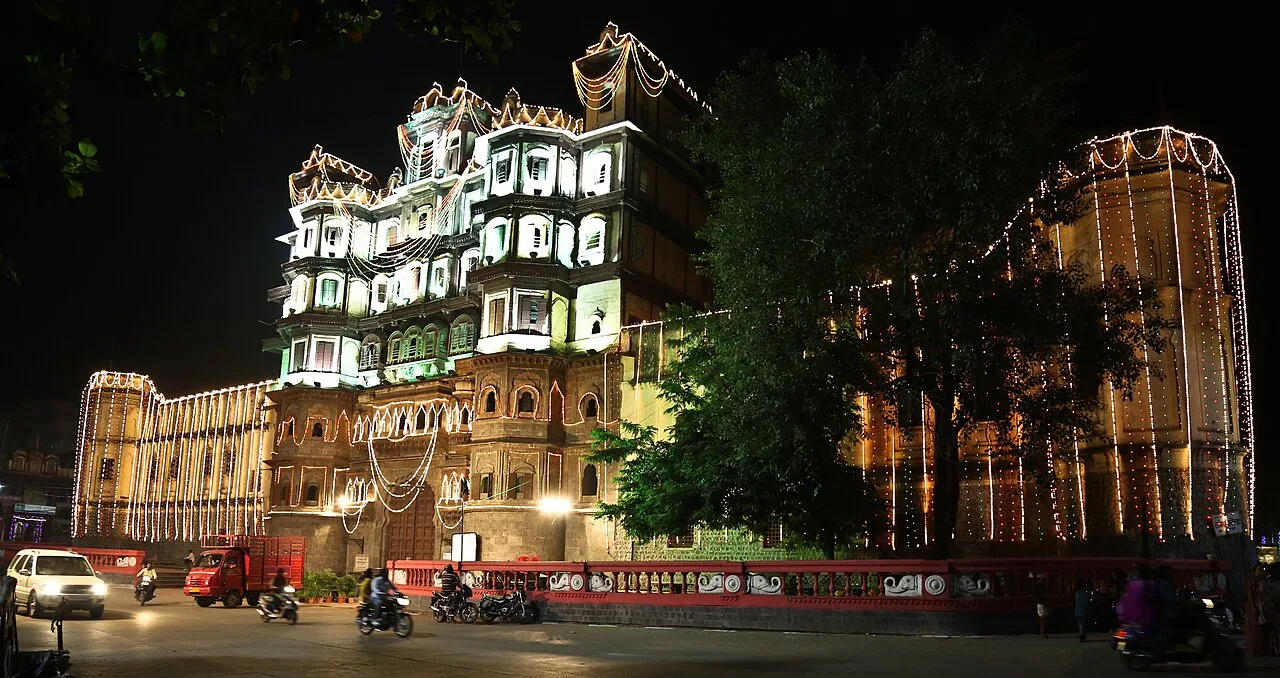
Rajwada is a historic, seven-storey Holkar residence in Indore. Visitors come for its period architecture, dynastic history and the garden with fountains and a waterfall.

Map

Jobat on the map

  1. 1Bagh (Bagh Print Village)
  2. 2Bagh Caves
  3. 3Bhojshala
  4. 4Hindola Mahal, Mandu
  5. 5Maheshwar Ghats
  6. 6Mandu
  7. 7Navdatoli Archaeological Site
  8. 8Rajwada

Madhya Pradesh

Other cities to explore